
 Wine Advisor



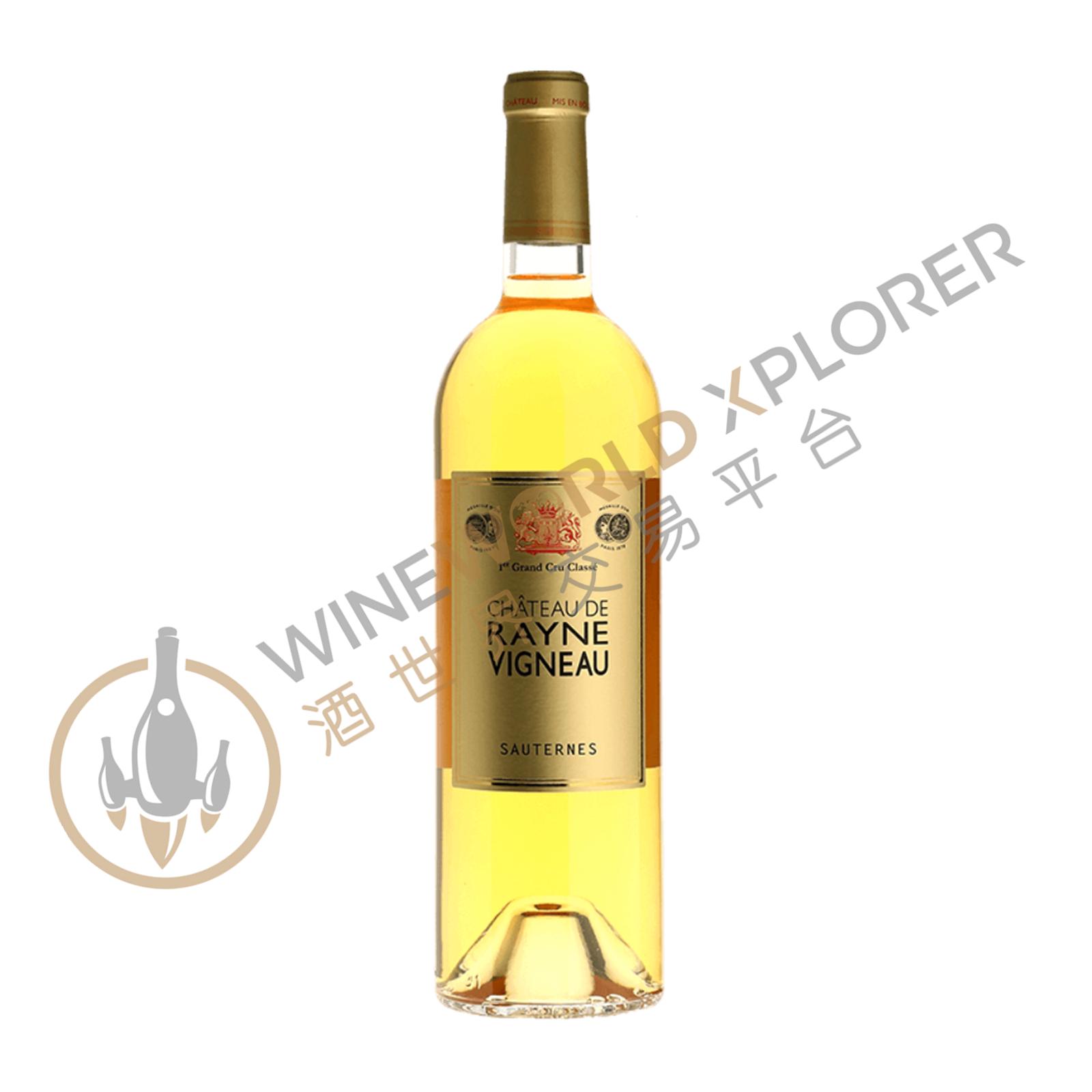
Rayne Vigneau 2001
 View analysis


Description
Tasting notes

Reviewed by: Neal Martin
The Rayne Vigneau has a lifted bouquet with honeycomb, dried pineapple and dried quince that gains intensity with aeration. The palate is ripe and spicy on the entry with mandarin and Seville orange marmalade. There is very good weight and cohesion here, long and gently spiced on the finish. The estate has produced superior wines in recent years, but there is still plenty to enjoy here, even if it lacks the sophistication of some of its peers.
Reviewed by: Robert M. Parker, Jr.
Rayne Vigneau's light greenish gold color stands out as one of the palest of the 2001 Barsac/Sauternes. The wine is medium-bodied, delicate, and light, with attractive honeysuckle and citrus notes. Drink this pleasant, low-key offering over the next 10-12 years.
Reviewed by: Neal Martin
Tasted blind at Bordeaux Index’s 10-Year On horizontal. The Rayne-Vigneau is not very expressive on the nose with an odd adhesive note. The palate is very tight at the moment, a little sultry but you can tell there is an immensely complex wine waiting to get out. It strangely reminds me of Climens. I would give this a few more years in bottle. Tasted March 2011.
Reviewed by: Robert M. Parker, Jr.
This light medium gold-colored, heavy duty, full-bodied Sauternes is cloyingly sweet as well as monolithic. Hopefully, more complexity and finesse will emerge. Nevertheless, it is big, chewy, and honeyed, but not yet singing. Anticipated maturity: 2008-2020.
Reviewed by: Neal Martin
Unfortunately the nose is subdued but on the palate there are notes of peach and apricot with good acidity. Lacks complexity and profundity of Doisy-Vedrines et al. Waxy honeyed fruits on finish. Very fine. Tasted May 2002.
Reviewed by: Robert M. Parker, Jr.
No tasting note given.
Reviewed by: Neal Martin
The 2001 Château de Rayne Vigneau has quite an intense nose of orange cordial, pineapple, saffron and almond scents, not as delineated as its its peers, yet nicely focused. The palate is well balanced with a fine bead of acidity, viscous and tangy, offering flavors of marmalade and quince. Perhaps it needs a little more nerve on the finish, but it feels sustained in the mouth. Give this a little more time because it is evolving the sophistication that was missing in its youth.
Reviewed by: Stephen Tanzer
Pale, bright straw-yellow. Highly aromatic nose combines pit fruits, pineapple, rose petal, menthol and vanillin oak. Penetrating, intensely flavored and precise, with sweet flavors leavened by solid acidity. Very young, firm-edged wine with excellent balance. The best young Rayne-Vigneau I've sampled in a long time.
About the Producer
Located in the Sauternes region of Bordeaux, France, Château de Rayne Vigneau is a Premier Cru in the 1855 Classification of Sauternes and Barsac. Chateau de Rayne Vigneau dates back to the 17th century and was originally called Vigneau de Bomme, the name of the village of Bomme where the estate is located, plus the name of the Vigneau family who owned it. The name of Gabriel de Vigneau, then owner of the estate, already appears in a document dating from 1635. Gabriel's son, Etienne de Vigneau, married Jeanne Sauvage, the daughter of the owner of Chateau d'Yquem, and took over the affairs of the Vigneau in 1681. In 1834, Madame de Rayne bought the estate. Under Madame de Rayne's careful management, the château was awarded a First Growth in the official Sauternes and Barsac classification in 1855. In 1961, the vineyards and equipment were sold and the château, outbuildings and gardens were preserved. From 2004 to 2015, Rayne de Vigneau was part of CA Grands Crus, a subsidiary of the Credit Agricole Group, and during this time, under the direction of Anne Le Naour, the overall quality of the wines was greatly improved. Today, Château Vignon is a property of the Tresor du Patrimoine group and is managed by its manager Vincent Labergere and oenological consultant Denis Dubourdieu. The vineyard is ideally located on a hill overlooking the Sauternes region and covers 84 hectares with vines of an average age of 30 years. The soil of the vineyard consists of clay and gravel. The vineyard is planted with 74% Semillon, 24% Sauvignon Blanc and 2% Muscadelle. Influenced by the Ciron and Garonne rivers, the vineyards are often blessed with morning fog in late summer and early autumn, which allows the growth of Botrytis Cinerea. The infection of the grapes with Botrytis cinerea further concentrates the sugars and flavours in the fruit, making the wines produced by the estate even sweeter and more aromatic. The winery takes great care in the production of its Sauternes sweet white wines. At Chateau de Rayne Vigneau, the grapes are hand-picked to ensure that each grape is picked in perfect condition by the noble rot bacteria. In accordance with traditional procedures, the grapes are then hand-selected. In the winery, the meticulous craftsmanship of the vineyard naturally extends to the winery, where the grapes undergo a rigorous secondary screening process on the sorting table before being pressed and then fermented and aged in oak barrels with a 40%-50% new barrel ratio. Chateau de Rayne Vigneau currently produces four wines. The main wine is the Chateau de Rayne Vigneau, Sauternes, France, which has become a model of quality in Sauternes, with its freshness, aromatic intensity and long aftertaste. The secondary wine, Madame de Rayne, Sauternes, France, named in honour of Madame Rayne's contribution to the estate, has a more feminine and approachable style than the main wine. The estate also produces two other wines, Le Sec de Rayne Vigneau, Bordeaux, France, and Gold de Rayne Vigneau, Sauternes, France, a sweet white wine.
