
 Wine Advisor



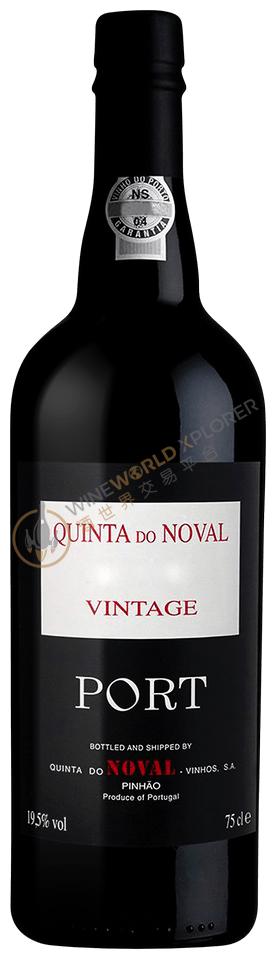
Quinta do Noval, Vintage Port 2019
 View analysis


Description
Tasting notes

Reviewed by: Neal Martin
The 2019 Vintage Port is one that I tasted a few months earlier at Pichon-Baron, and so unsurprisingly, there are few changes except that I feel that the nose has closed up ever so slightly since then. The palate is still velvety smooth, richer and slightly sweeter than the 2020, enormous depth towards the finish with a hedonistic veneer on the finish. Interestingly, this has less residual sugar than the 2020, but slightly more acidity. Superb. Tasted at the Quinta do Noval tasting at Spring restaurant in London.
Reviewed by: Mark Squires
The 2019 Vintage Port is a field blend aged for 18 months in old wood vats. It was bottled May 4, 2021, and has 100 grams of residual sugar. It was in bottle only a bit more than two months when tasted, but it seems quite brilliant, even so. Very concentrated, it adds controlled power and coats the palate. Tasted with some other 2019s, this certainly stood out for both concentration and power. It touches all the bases in terms of expressive fruit and structure, finishing dry and seriously. It seemed balanced enough to drink young, but that would be a mistake. For one thing, it steadily tightened as it aired out. It also increasingly showed gorgeous eucalyptus-laced aromatics. Two days later, it was notably more astringent. Four days later, it was very firm on the finish and better overall. In fact, that was a far better showing than on day one. This is plainly built for the long haul. I would expect nothing less from a fine Noval Vintage Port. It became more focused and precise as well. This needs the rest of this decade, at least, in the cellar to show better. Then it will develop well for decades and hold indefinitely. Frankly, it won't show everything it has in even 10 years, where I have the "start drinking" window, so if you have a lot more patience, that would be useful. It will be more interesting around 2035-2040. This is a powerful beauty, well justifying Noval's tendency to declare most every year.
Reviewed by: Neal Martin
Noval has released 2,780 cases, equivalent to 15% of production, of the 2019 Quinta do Noval Vintage Port. A blend of Touriga Nacional, Touriga Francesa, Tinto Cão, Sousão, Tinta Roriz, foot-trodden in lagares with 18 months in oak barrel. This is well defined on the nose, with dusky black fruit laced with graphite and clove. A serious rendition when compared directly with the more “playful” 2019 Passadouro; hints of liquorice, eucalyptus and boot polish emerge with time. The palate is medium-bodied with vivid red and black fruit, liquorice and black pepper, crisp acidity with a structured finish. This is a fresh, tensile Noval that will age with style.
About the Producer
Quinta do Noval is one of the oldest and leading wineries producing Port wine. Among the top port producers, Bird Park is even more distinguished by the fact that its grapes are picked from a single vineyard. Notably, the winery is known for producing Portugal’s best port wine, “Nacional”, a blend from a single vineyard of old vines in the domestic Touriga Nacional. Likewise, the winery also produces high-quality dry red wines from Portugal, the most anticipated wines from the Douro region, showing unparalleled depth and concentration, as well as rich fruit and spice. trait. "Douro" means gold and gold in Portuguese, so the Douro River is also called the Golden River Valley. The Bird Park is located in Pinhao Village, the most central part of the Douro River region. The winery now has about 247 acres of vineyards. The Bird Park was created in 1715, originally owned and operated by the Rebello Valente family for over a century, and passed on to Viscount Vilar D'Allen by marriage in the early 19th century , a man with a passion for wild dances. In the 1880s, due to phylloxera damage, like other local wineries, Bird Garden was also for sale. In 1894, it was sold to Antonio Jose da Silva, a famous local businessman, who replanted the grape The estate was reborn, and his son-in-law, Luiz Vasconcelos Porto, took over the management and has been managing the winery for nearly 30 years. Louis vigorously carried out reforms, widening the width of the terraces, increasing the light and the convenience of field operations, which is a great reform even by today's technical standards, and promoted the winery with the help of Cambridge, Oxford and other clubs to enhance the reputation of the winery. Bird Garden's reputation continued to improve, and the 1931 vintage was an iconic one. Due to the world economic downturn at the time, orders for Port wine fell sharply. During the year, only three wine merchants continued to operate. Bird Garden was the The only Portuguese producer at the time with continuous exports to the Anglo-American market.
