
 Wine Advisor



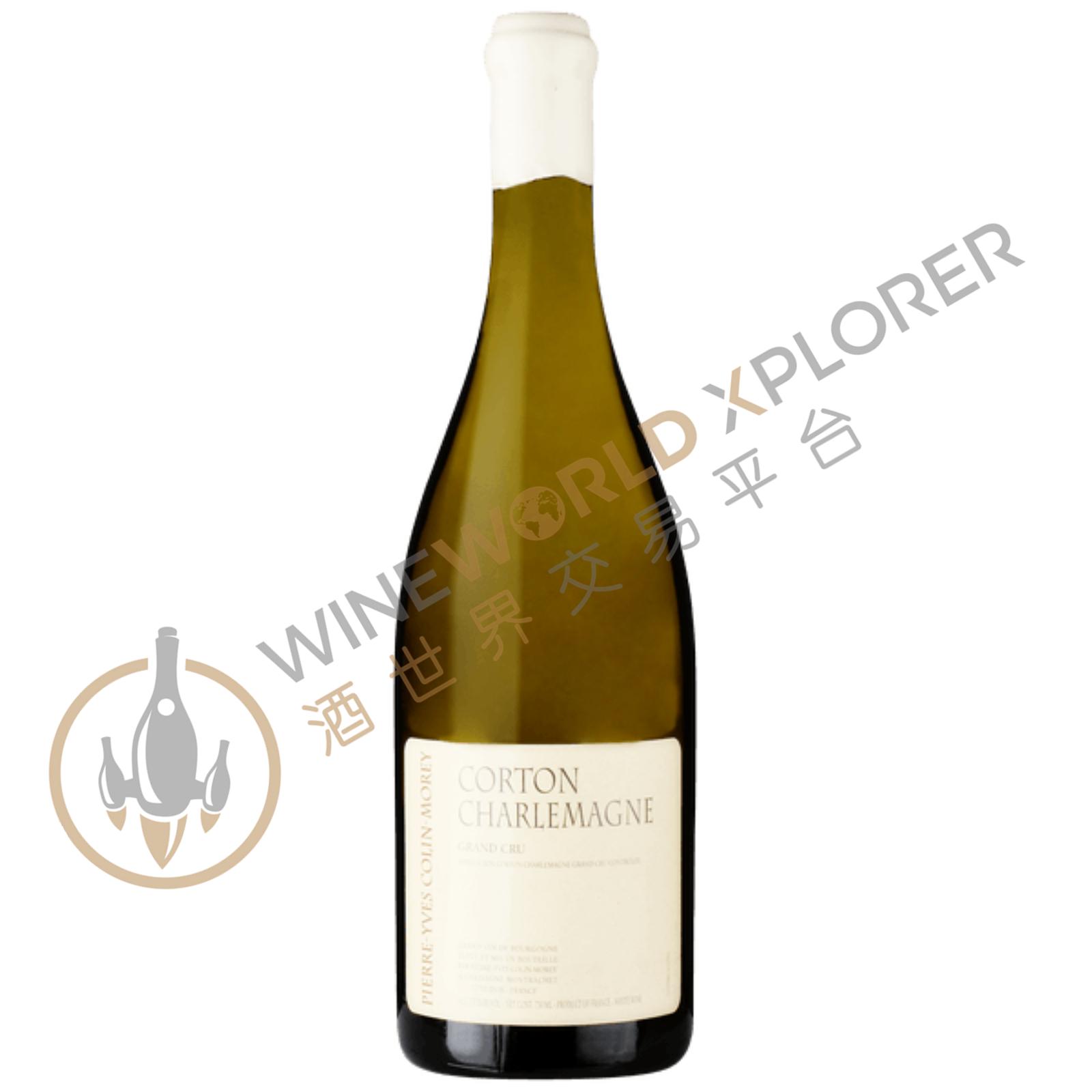
Pierre Yves Colin Morey, Corton Charlemagne Grand Cru 2021
 View analysis


Description
Tasting notes

Reviewed by: William Kelley
There are only two barrels of the 2021 Corton-Charlemagne Grand Cru, a medium to full-bodied, rich and layered wine evocative of minty orchard fruit, ripe citrus, buttery pastry and toasted nuts. With good mid-palate depth and a penetrating finish, it shows promise despite the challenging vintage.
Reviewed by: Neal Martin
The 2021 Corton-Charlemagne Grand Cru, the only cuvée matured in 228-liter pièce, comes half from Pernand and half from Les Longuettes. It has a backward nose at first that gradually opens up to reveal seductive orchard fruit, camomile and white peach aromas, though they remain discrete. The palate is creamy on the entry, fine depth, lightly spiced with ample weight on the finish. Wonderful to see how this expands with each swirl of the glass.
About the Producer
Maison Pierre-Yves Colin-Morey is a Burgundy producer based in Chassagne-Montrachet, in the Côte de Beaune subregion. It is known for its fine Chardonnay wines, and has most of its vineyard holdings in Saint-Aubin. The estate was established in 2005 by husband-and-wife team Pierre-Yves Colin and Catherine Morey, both children of esteemed Burgundy winemakers. Colin had been winemaker at his family's winery since 1995 and in 2001 started a négociant business with his wife. In 2005, he left the family estate to establish his own label with his six-hectare (15-acre) share – the rest of the Colin vineyards remained with his three siblings (Caroline, Joseph and Damien, who run Domaine Marc Colin). Pierre-Yves Colin-Morey has holdings in several premier cru sites in Saint-Aubin and Chassagne-Montrachet including Chatèniere, Champlots, Remilly, Chenevottes and Caillerets. On top of this, the domaine buys grapes to make wines from several grand cru vineyards, including Bâtard-Montrachet and Corton-Charlemagne. The estate predominantly makes Chardonnay, but also produces a small amount of Pinot Noir from Saint-Aubin and Santenay. In the cellar, Pierre-Yves Colin-Morey does not employ battonage but favors lengthy lees contact and barrel aging. The wines are bottled without filtration and often without fining.
