
 Wine Advisor



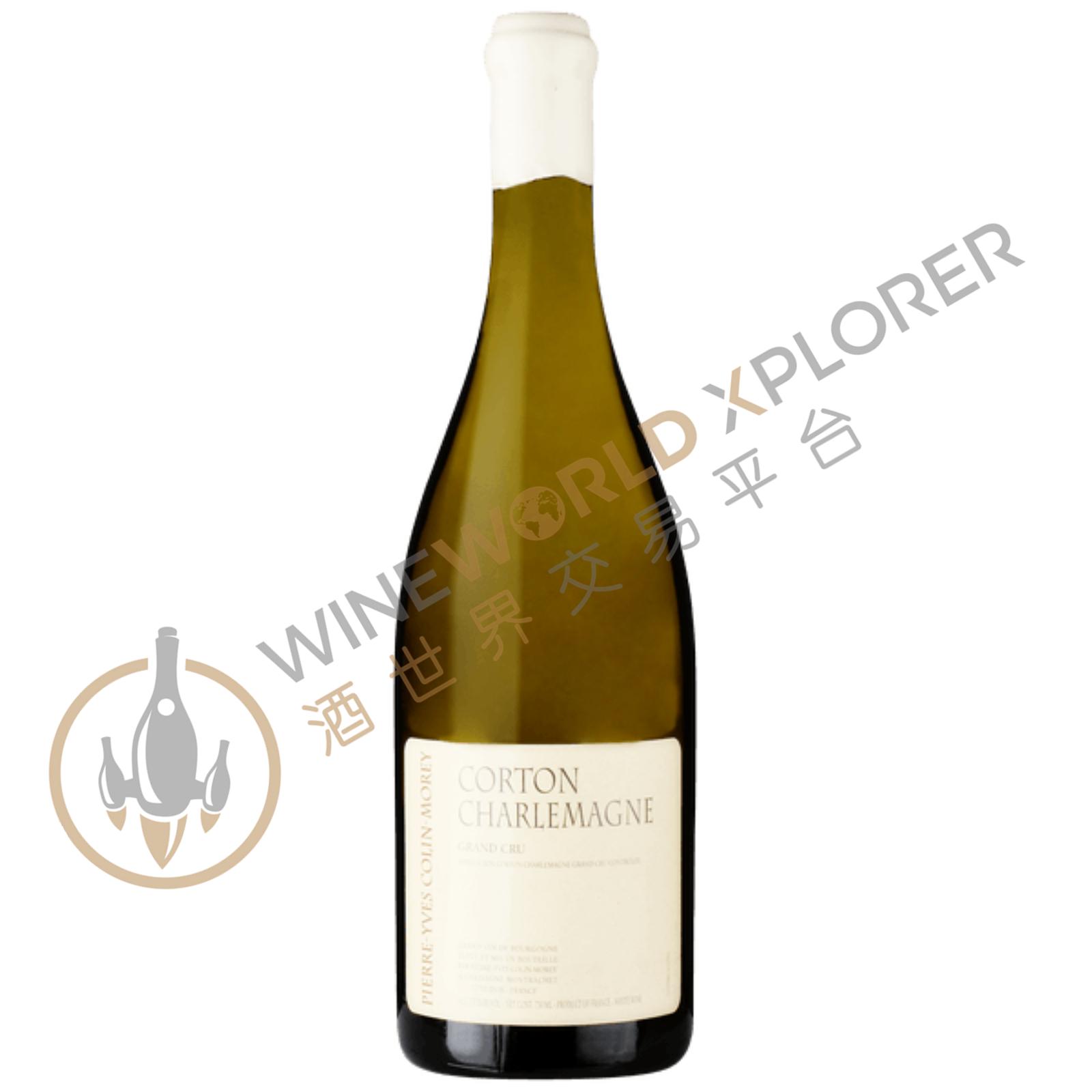
Pierre Yves Colin Morey, Corton Charlemagne Grand Cru 2010
 View analysis


Description
Tasting notes

Reviewed by: Antonio Galloni
A statuesque, refined wine, the 2010 Corton-Charlemagne stands out for its impeccable balance and understated personality. A hint of vanillin in the bouquet leads to bright citrus, white flowers, crushed rocks and spice in a delicate, beautifully nuanced Corton-Charlemagne that emphasizes refinement over power. Anticipated maturity: 2014+. Pierre-Yves Colin and Caroline Morey follow their stunning 2009s with an equally compelling set of 2010s. The 2010s have deep site-specific signatures, rich fruit and plenty of acidity. Fans of this small, but increasingly high profile address will want to flock to these wines. Pierre Yves Colin started picking on September 22. Yields were down just 5-10%, which is pretty remarkable considering the vintage. It was a difficult vintage in the cellar, as malos were late and slow. When I visited last June, virtually all of the wines were still finishing their malos. With the exception of the St. Aubins, the 2010s spent about 18 months in barrel. The St. Aubins were bottled in November 2011. All of the other 2010s were bottled in April 2012. The 2011s, which I tasted from barrel, are very promising, so there is a lot to look forward to. A Daniel Johnnes Selection, imported by Michael Skurnik, Syosset, NY; tel. (516) 677-9300; also imported by Bertin Henri Selections, 10900 N.W. 21st Street, Unit 180, Doral, Florida 33172 tel: (305) 343-4054
Reviewed by: Antonio Galloni
A statuesque, refined wine, the 2010 Corton-Charlemagne stands out for its impeccable balance and understated personality. A hint of vanillin in the bouquet leads to bright citrus, white flowers, crushed rocks and spice in a delicate, beautifully nuanced Corton-Charlemagne that emphasizes refinement over power. Anticipated maturity: 2014+. Pierre-Yves Colin and Caroline Morey follow their stunning 2009s with an equally compelling set of 2010s. The 2010s have deep site-specific signatures, rich fruit and plenty of acidity. Fans of this small, but increasingly high profile address will want to flock to these wines. Pierre Yves Colin started picking on September 22. Yields were down just 5-10%, which is pretty remarkable considering the vintage. It was a difficult vintage in the cellar, as malos were late and slow. When I visited last June, virtually all of the wines were still finishing their malos. With the exception of the St. Aubins, the 2010s spent about 18 months in barrel. The St. Aubins were bottled in November 2011. All of the other 2010s were bottled in April 2012. The 2011s, which I tasted from barrel, are very promising, so there is a lot to look forward to. A Daniel Johnnes Selection, imported by Michael Skurnik, Syosset, NY; tel. (516) 677-9300; also imported by Bertin Henri Selections, 10900 N.W. 21st Street, Unit 180, Doral, Florida 33172 tel: (305) 343-4054
About the Producer
Maison Pierre-Yves Colin-Morey is a Burgundy producer based in Chassagne-Montrachet, in the Côte de Beaune subregion. It is known for its fine Chardonnay wines, and has most of its vineyard holdings in Saint-Aubin. The estate was established in 2005 by husband-and-wife team Pierre-Yves Colin and Catherine Morey, both children of esteemed Burgundy winemakers. Colin had been winemaker at his family's winery since 1995 and in 2001 started a négociant business with his wife. In 2005, he left the family estate to establish his own label with his six-hectare (15-acre) share – the rest of the Colin vineyards remained with his three siblings (Caroline, Joseph and Damien, who run Domaine Marc Colin). Pierre-Yves Colin-Morey has holdings in several premier cru sites in Saint-Aubin and Chassagne-Montrachet including Chatèniere, Champlots, Remilly, Chenevottes and Caillerets. On top of this, the domaine buys grapes to make wines from several grand cru vineyards, including Bâtard-Montrachet and Corton-Charlemagne. The estate predominantly makes Chardonnay, but also produces a small amount of Pinot Noir from Saint-Aubin and Santenay. In the cellar, Pierre-Yves Colin-Morey does not employ battonage but favors lengthy lees contact and barrel aging. The wines are bottled without filtration and often without fining.
