
 Wine Advisor



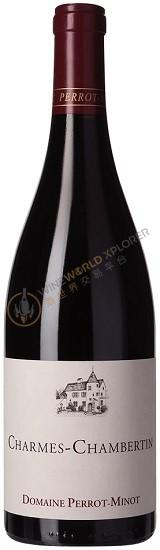
Perrot Minot, Charmes Chambertin Grand Cru 2010
 View analysis


Description
Tasting notes

Reviewed by: Antonio Galloni
The 2010 Charmes-Chambertin is irresistibly sexy, perfumed and sweet. Freshly cut roses, red raspberries and sweet spices are some of the many nuances that take shape in the glass in this beautifully detailed wine. All of the elements are in perfect harmony in this delicate, gracious Charmes. Deceptively medium in body, the Charmes has plenty of intensity and structure to drink well for many, many years. Anticipated maturity: 2020-2030. It was great to meet up with Christophe Perrot-Minot, as I missed him last time around. Perrot-Minot is one of the most exciting domaines in Burgundy. Since 2006-2007 Christophe Perrot-Minot has begun to back away from the dark, concentrated wines he used to make, and the results are stunning. The fruit sees 5-7 days cold soak. Today Perrot-Minot does one punch down every two days, whereas previously he did three per day. In 2010 yields were down a whopping 45%. Over the last few years Perrot-Minot has expanded the range with a number of wines made from purchased fruit, including several that are sourced from Pierre Damoy. I tasted the Bourgogne, Gevrey and Chambolle from tank and the rest of the wines from barrel. I also tasted a number of 2009s that were fabulous. I will report on those wines in the April issue. Importer: Martine’s Wines. Novato, CA; tel. (415) 883-0400
Reviewed by: Antonio Galloni
The 2010 Charmes-Chambertin is irresistibly sexy, perfumed and sweet. Freshly cut roses, red raspberries and sweet spices are some of the many nuances that take shape in the glass in this beautifully detailed wine. All of the elements are in perfect harmony in this delicate, gracious Charmes. Deceptively medium in body, the Charmes has plenty of intensity and structure to drink well for many, many years. Anticipated maturity: 2020-2030. It was great to meet up with Christophe Perrot-Minot, as I missed him last time around. Perrot-Minot is one of the most exciting domaines in Burgundy. Since 2006-2007 Christophe Perrot-Minot has begun to back away from the dark, concentrated wines he used to make, and the results are stunning. The fruit sees 5-7 days cold soak. Today Perrot-Minot does one punch down every two days, whereas previously he did three per day. In 2010 yields were down a whopping 45%. Over the last few years Perrot-Minot has expanded the range with a number of wines made from purchased fruit, including several that are sourced from Pierre Damoy. I tasted the Bourgogne, Gevrey and Chambolle from tank and the rest of the wines from barrel. I also tasted a number of 2009s that were fabulous. I will report on those wines in the April issue. Importer: Martine’s Wines. Novato, CA; tel. (415) 883-0400
About the Producer
Perrot Minot's attitude toward Perrot Minot Biodiversity encouraged For several years, Christophe Perrot-Minot has favored the use of products approved for organic farming and reduced the doses of conventional products prescribed, thanks to the observation of the weather, wind, humidity and heat. It also strives to recreate a microbial life in its soils and to improve its structure by practicing systematic plowing and winter ridging of the feet. Limited returns Guyot pruning is relatively short to limit the release of grapes and allow good ripening of the berries. The practice of leaf stripping and green harvesting can be useful depending on the vintage to guarantee optimum ripeness of the fruit. Very supervised harvests The harvest is exclusively manual and sorted a first time in the vineyard, then transported in small crates for a second passage on a sorting table. All the grapes are cut in half to check their sanitary condition and to eliminate any that are not perfectly ripe. Depending on the vintage, a proportion of the whole harvest is put into vats. It is transported in small bins, which allows the logs to be kept intact and the most natural and accurate expression of the terroir possible. The logs are calibrated in order to keep only the source millerandage of the oldest and most authentic vines. The estate is looking for a production of around 25 to 30 hl/ha for the whole production.
