
 Wine Advisor



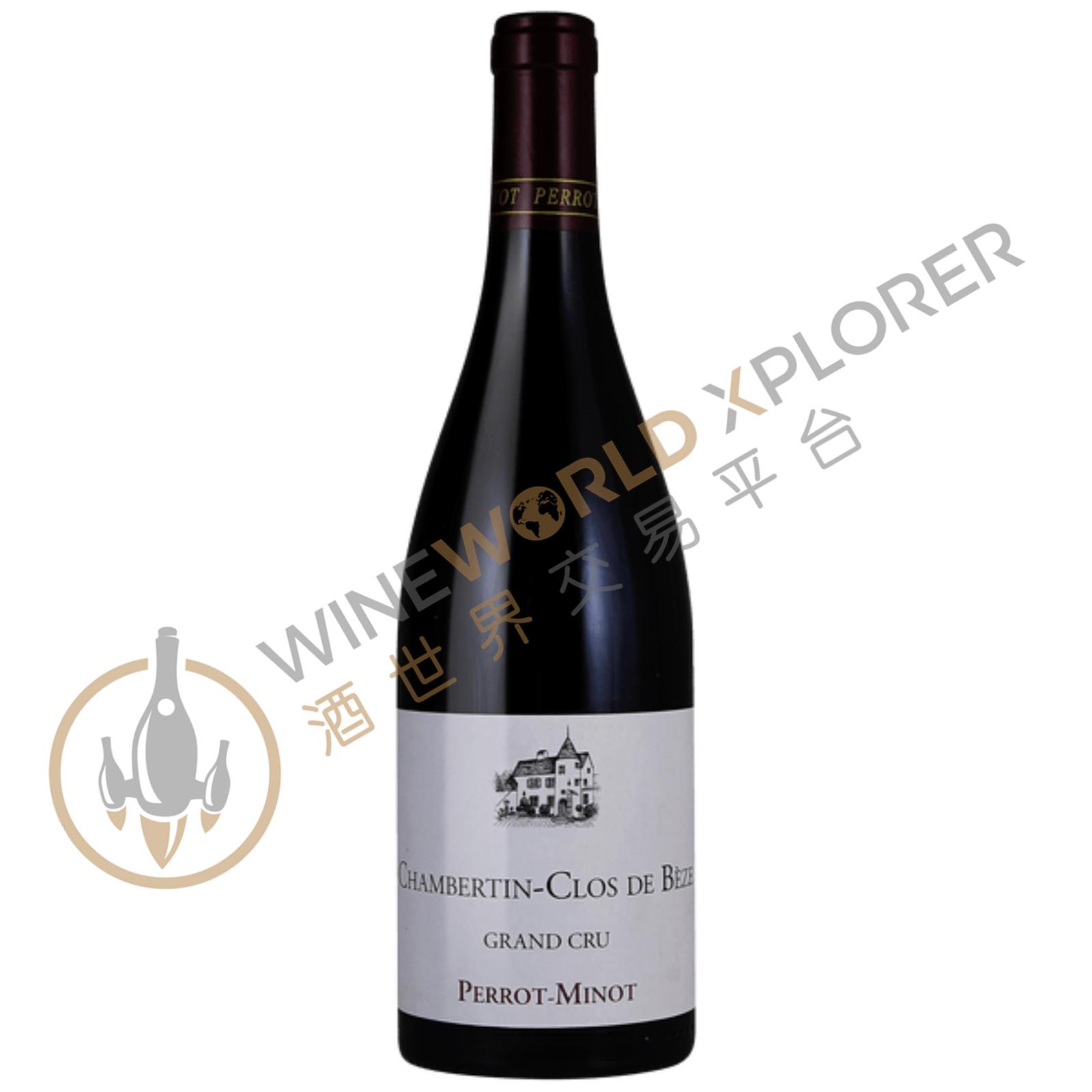
Perrot Minot, Chambertin Clos de Beze Grand Cru Vieilles Vignes 2009
 View analysis


Description
Perrot Minot, Chambertin Clos De Beze, Grand Cru, VV, Burgundy, France, Still, Red, 2013
Tasting notes

Reviewed by: Neal Martin
This is a just a little overripe on the voluptuous nose that fortunately calms down in the glass. The palate has a grippy entry, ripe and tannic, a little muffled at first with a tannic, slightly alcoholic finish. I prefer the Mazoyeres this year. Tasted January 2011.
Reviewed by: Antonio Galloni
The 2009 Chambertin-Clos de Beze is a big, structured wine. It, too, has retained considerable freshness. Today it comes across as intense and totally shut down. My sense is that the 2009 will require time for the pedigree of this site to come through, but I am confident that will happen over time. Readers need to be especially patient here. Anticipated maturity: 2021-2039. I was deeply impressed with Christophe Perrot-Minot’s 2009s. The wines are rich and powerful in the Perrot-Minot style, yet also shine with tons of energy. New oak was 20% for the village level wines, 30% for the premier crus and 30-50% for the grand crus, topping out at 50% for the Chambertin. Importer: Martine’s Wines. Novato, CA; tel. (415) 883-040
About the Producer
Perrot Minot's attitude toward Perrot Minot Biodiversity encouraged For several years, Christophe Perrot-Minot has favored the use of products approved for organic farming and reduced the doses of conventional products prescribed, thanks to the observation of the weather, wind, humidity and heat. It also strives to recreate a microbial life in its soils and to improve its structure by practicing systematic plowing and winter ridging of the feet. Limited returns Guyot pruning is relatively short to limit the release of grapes and allow good ripening of the berries. The practice of leaf stripping and green harvesting can be useful depending on the vintage to guarantee optimum ripeness of the fruit. Very supervised harvests The harvest is exclusively manual and sorted a first time in the vineyard, then transported in small crates for a second passage on a sorting table. All the grapes are cut in half to check their sanitary condition and to eliminate any that are not perfectly ripe. Depending on the vintage, a proportion of the whole harvest is put into vats. It is transported in small bins, which allows the logs to be kept intact and the most natural and accurate expression of the terroir possible. The logs are calibrated in order to keep only the source millerandage of the oldest and most authentic vines. The estate is looking for a production of around 25 to 30 hl/ha for the whole production.
