Wine Advisor



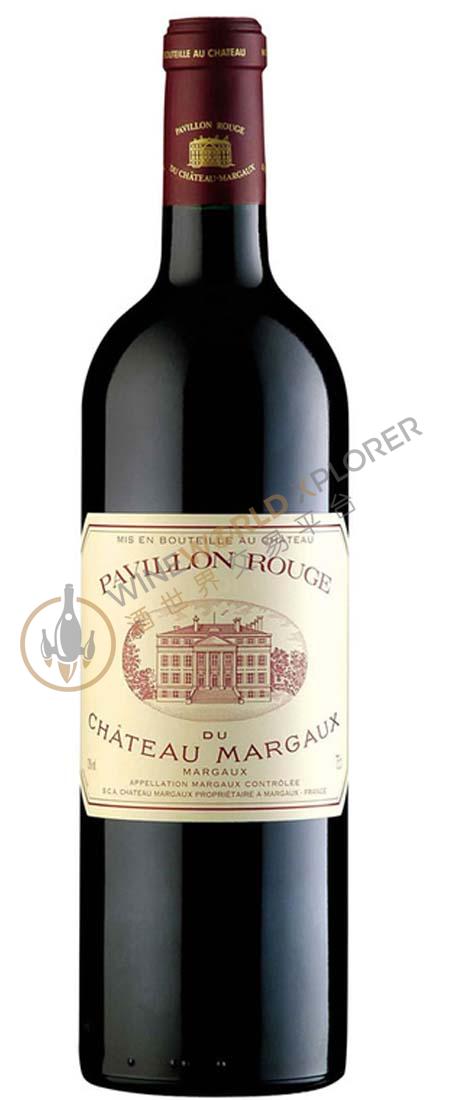
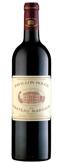
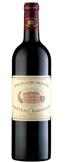
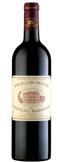
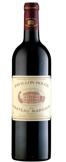
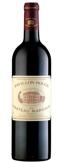
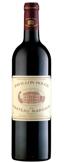
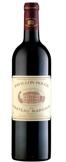
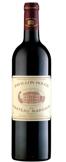
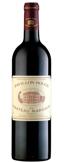
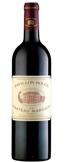
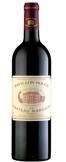
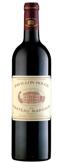
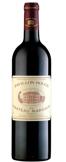
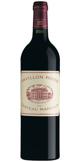
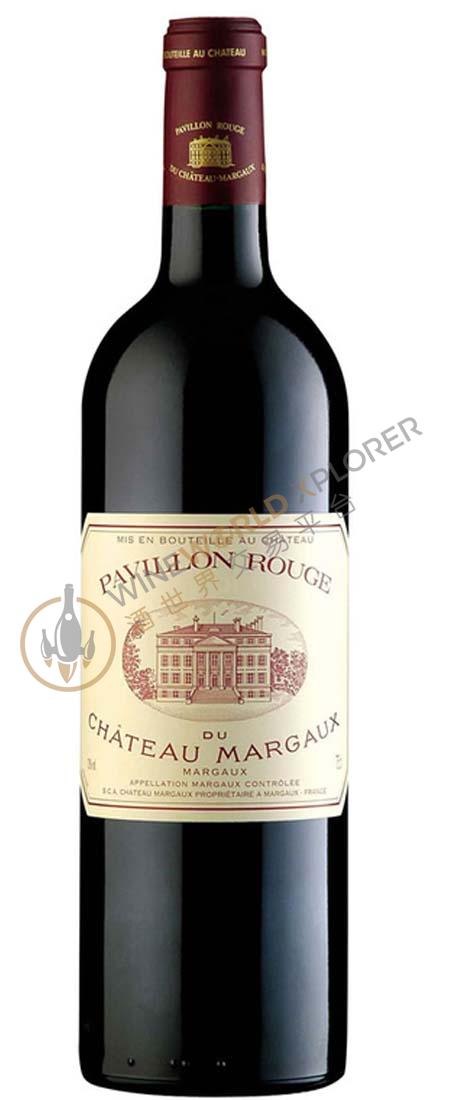
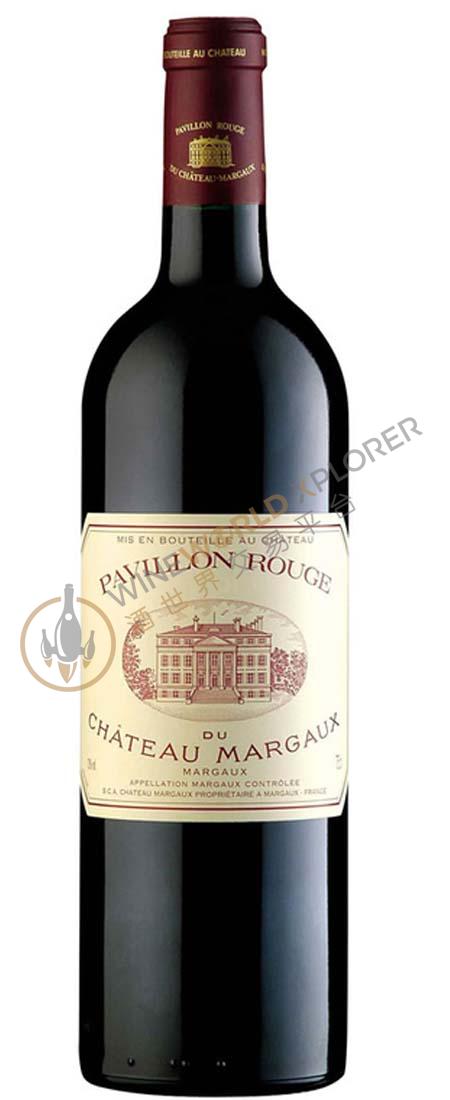
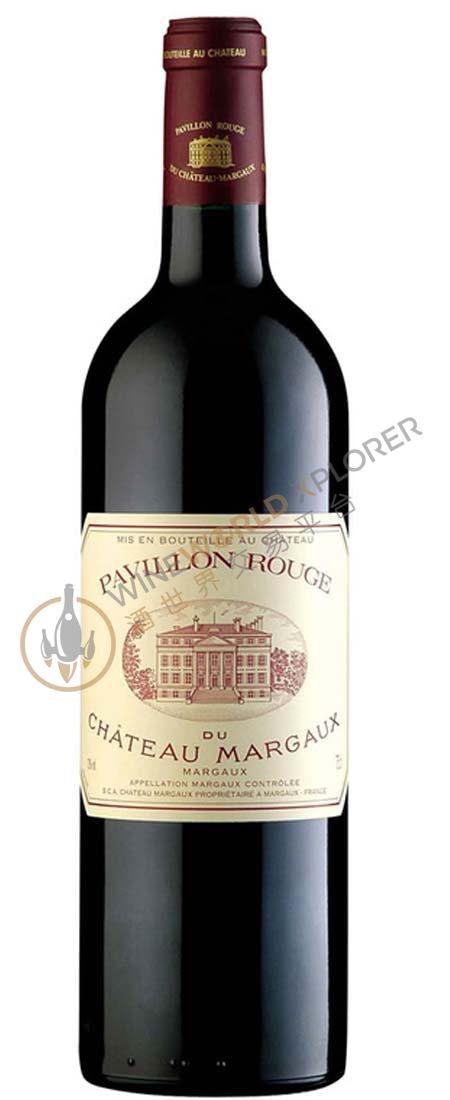
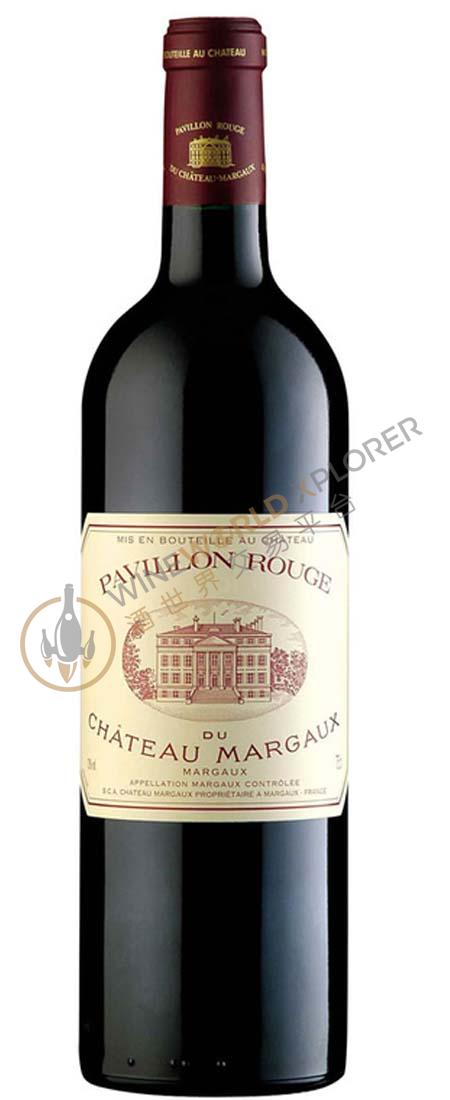
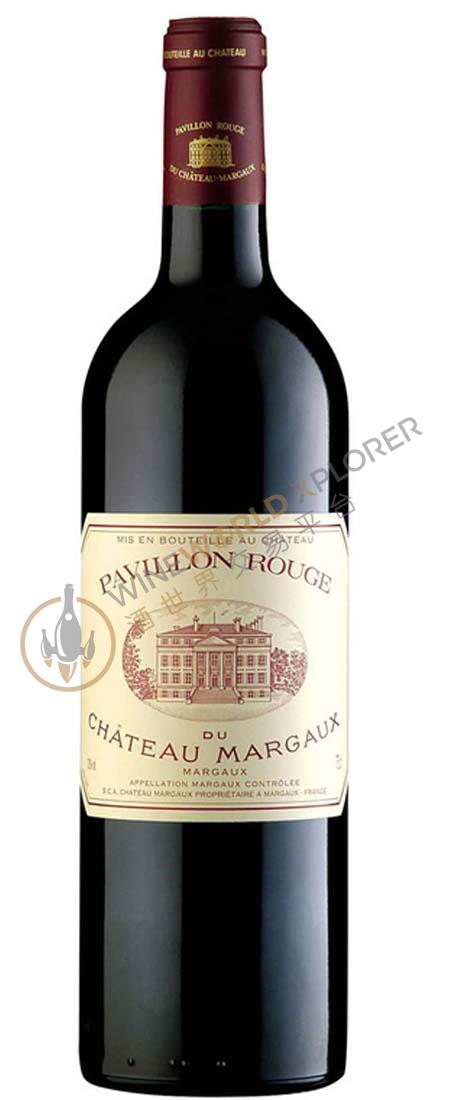
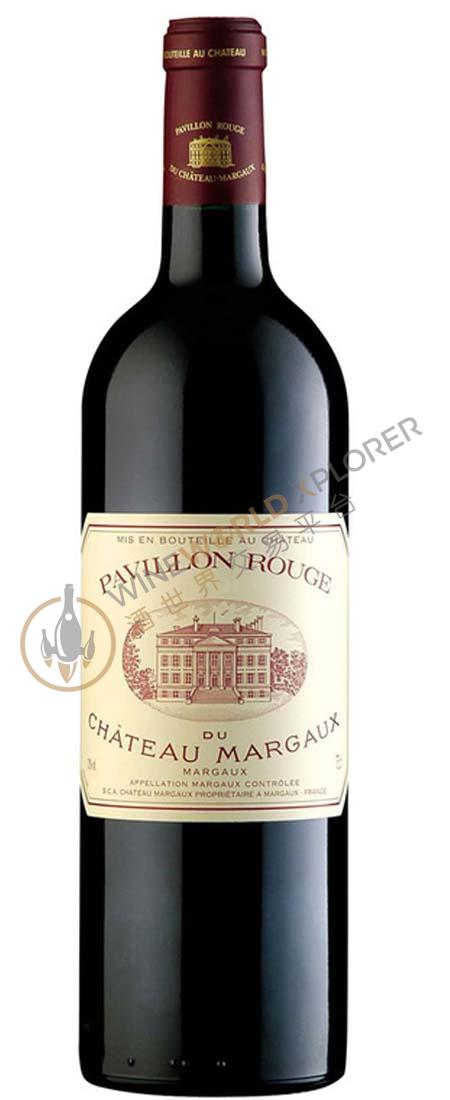
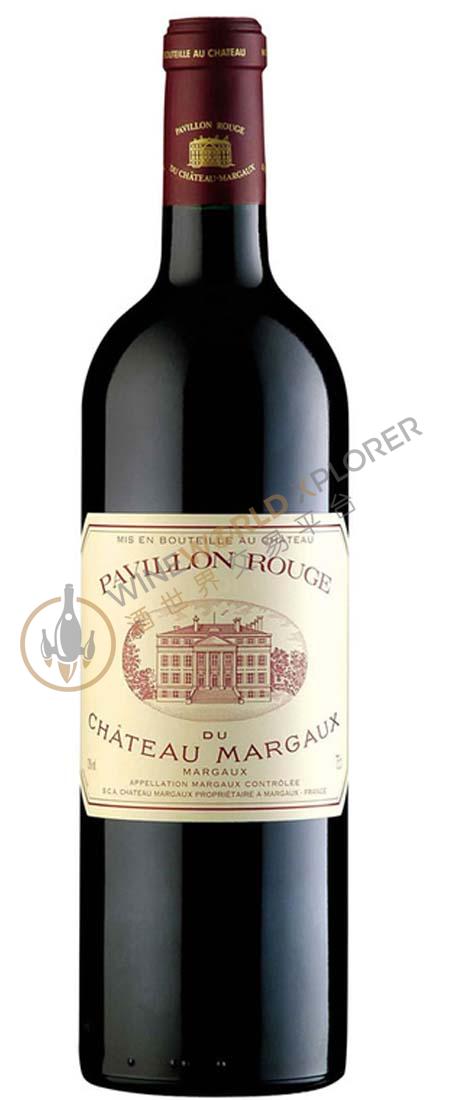
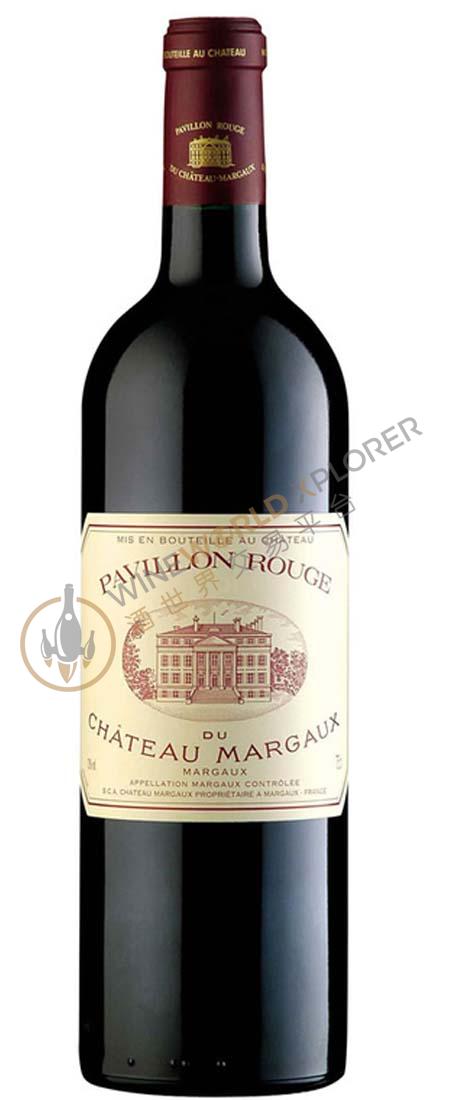
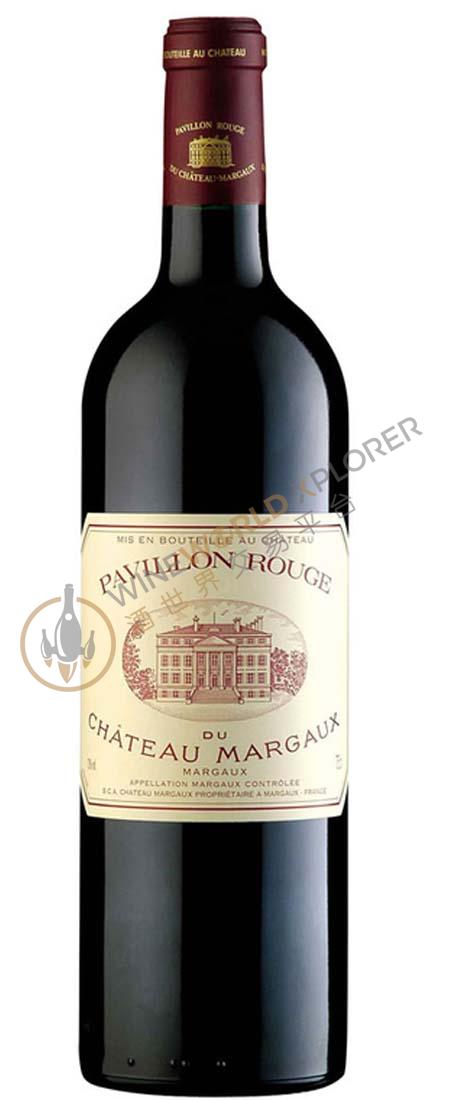
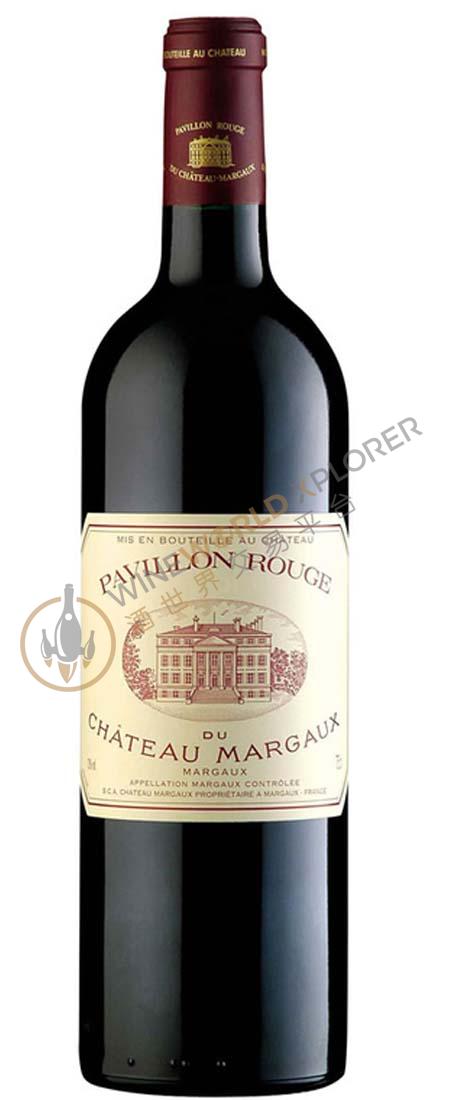
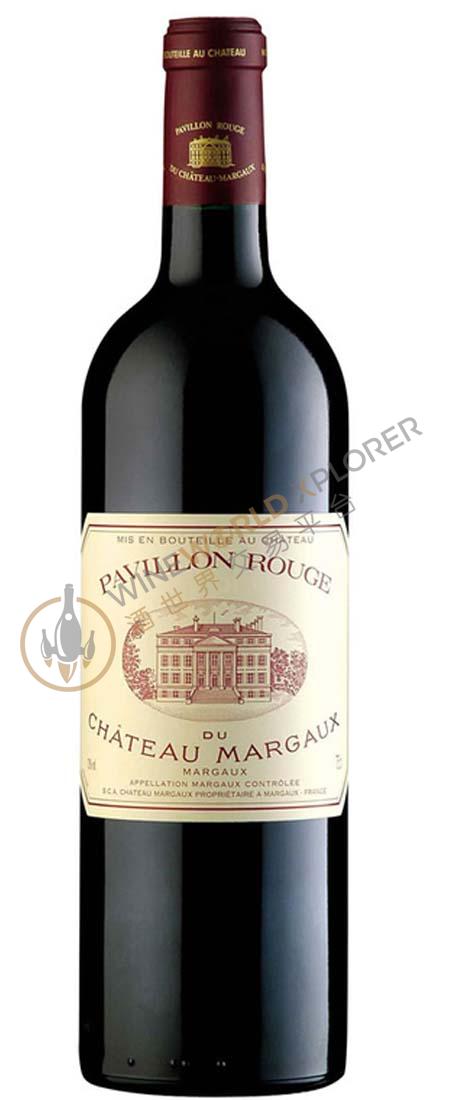
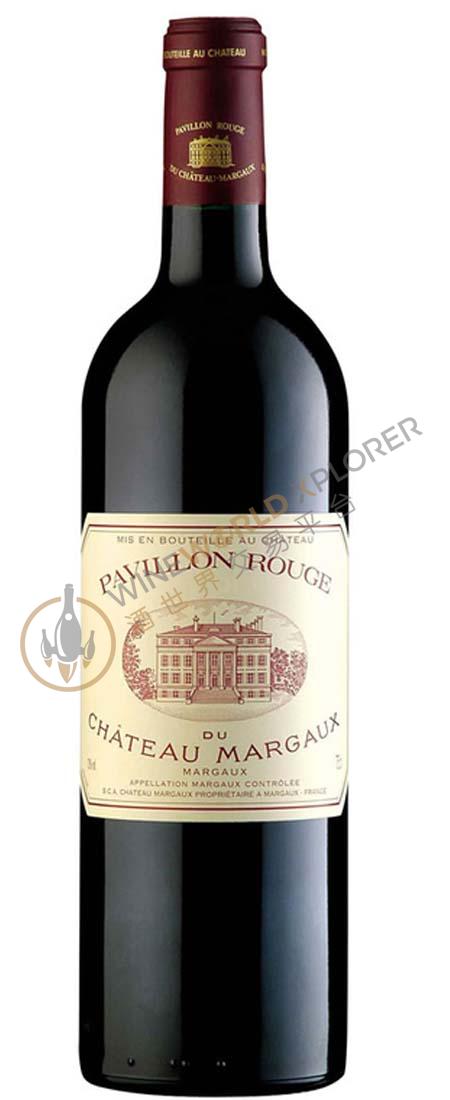
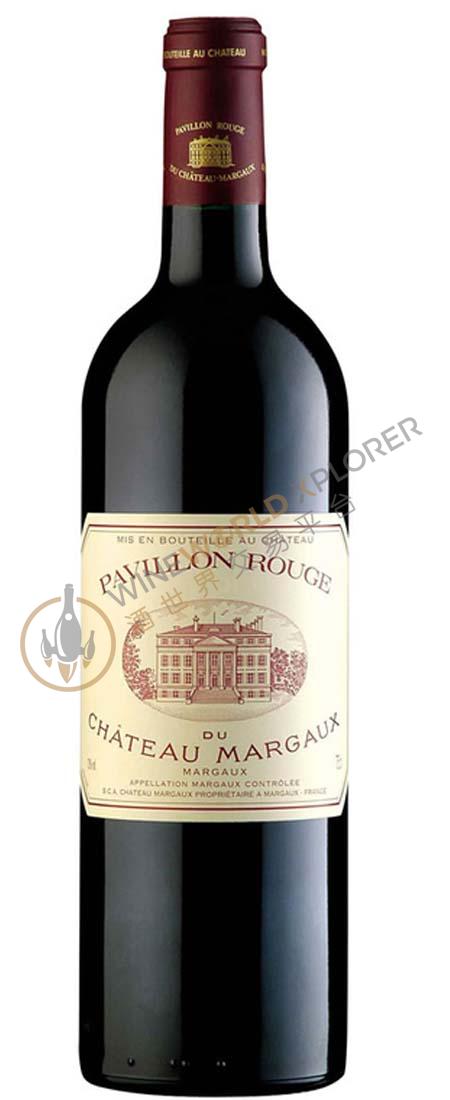
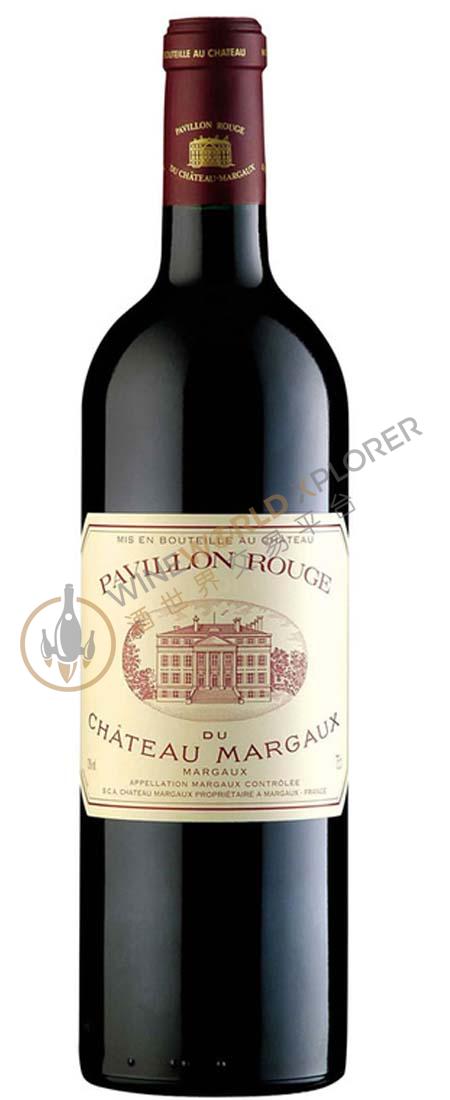
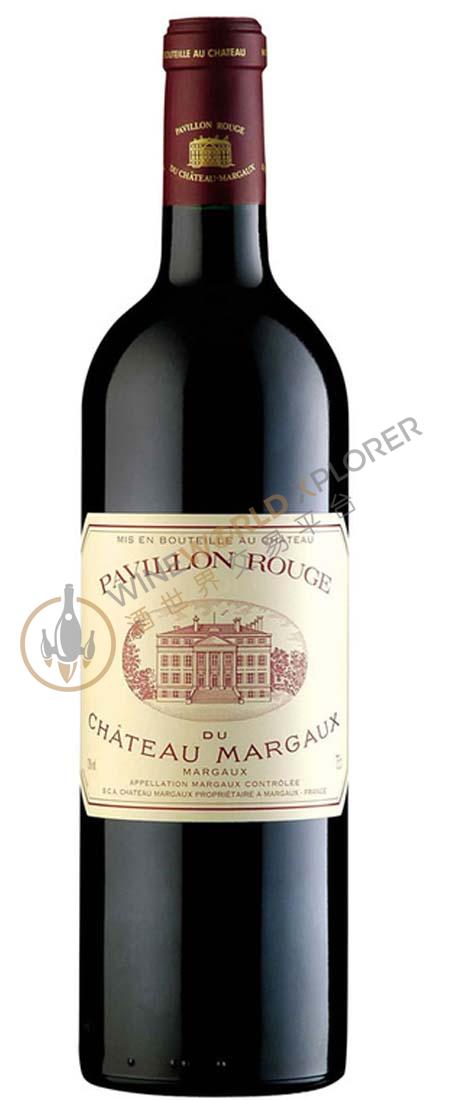
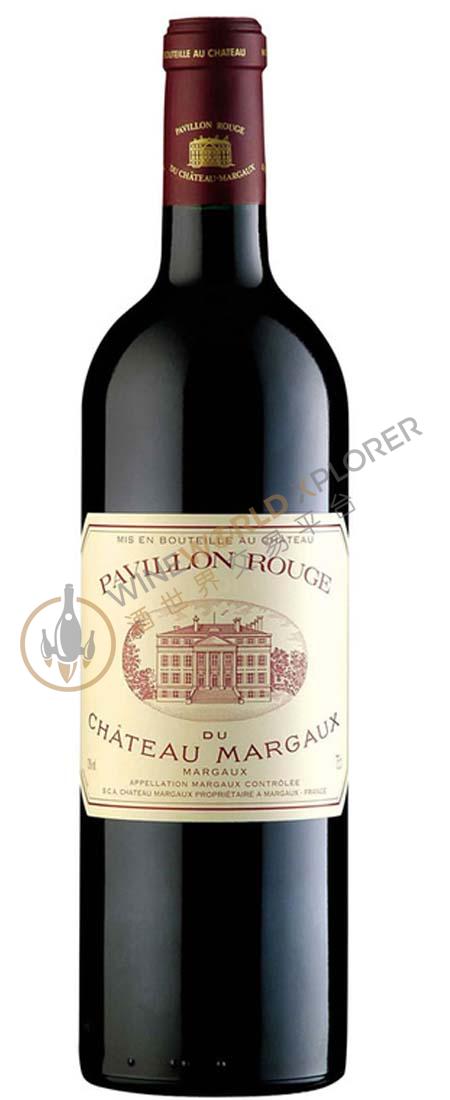
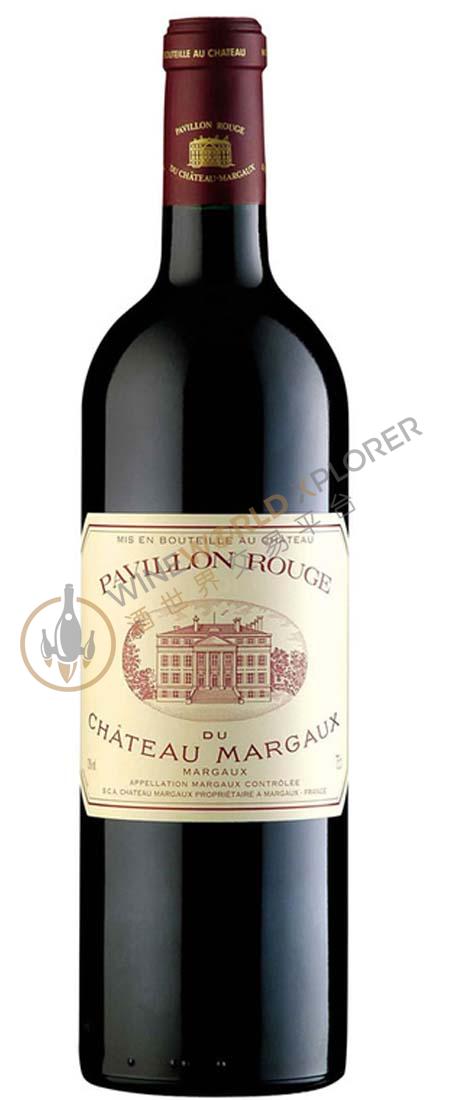
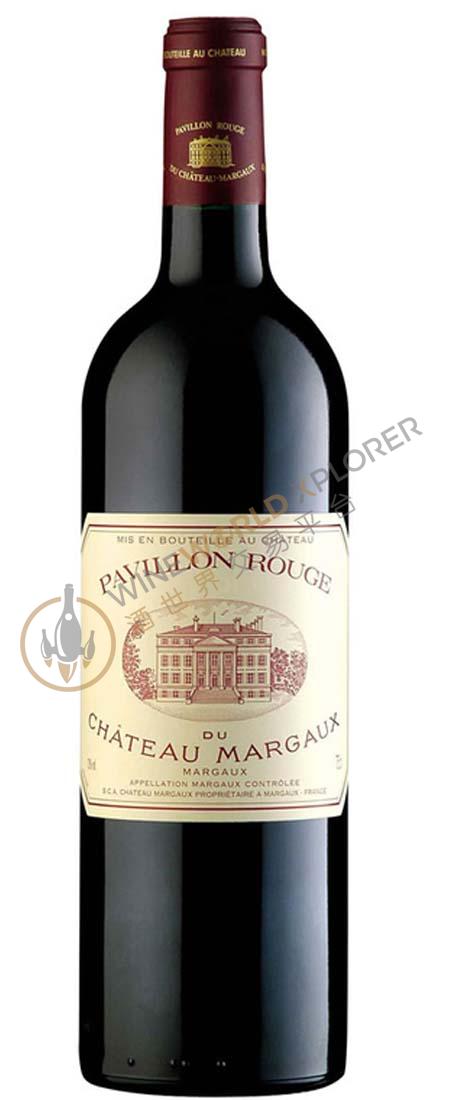
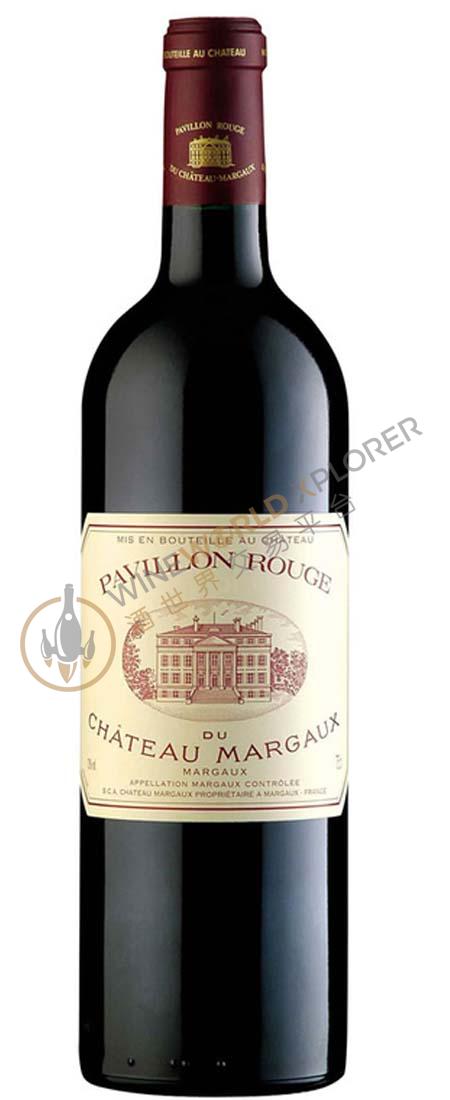
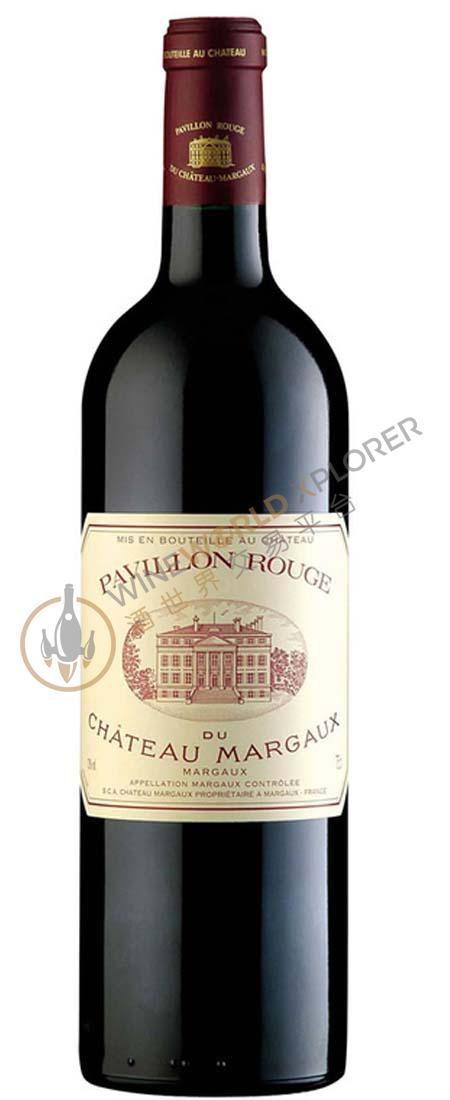
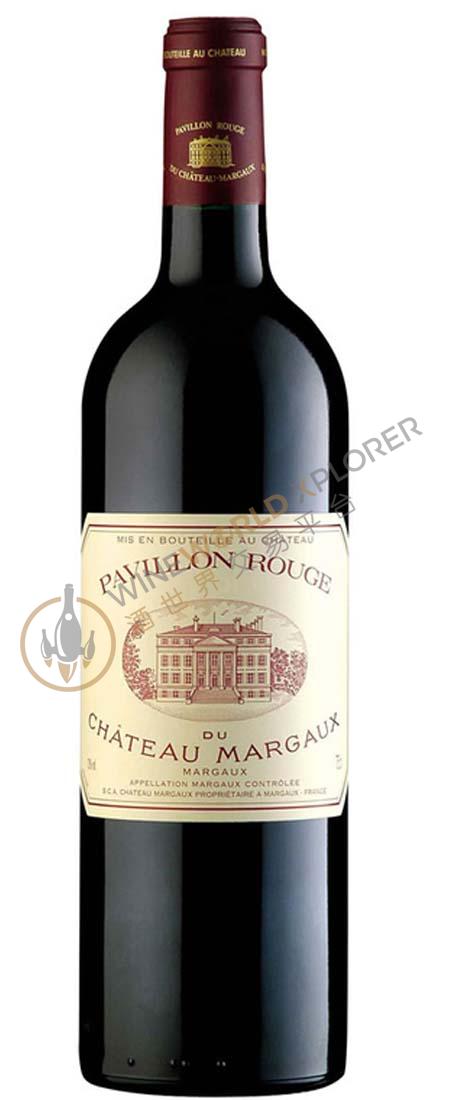
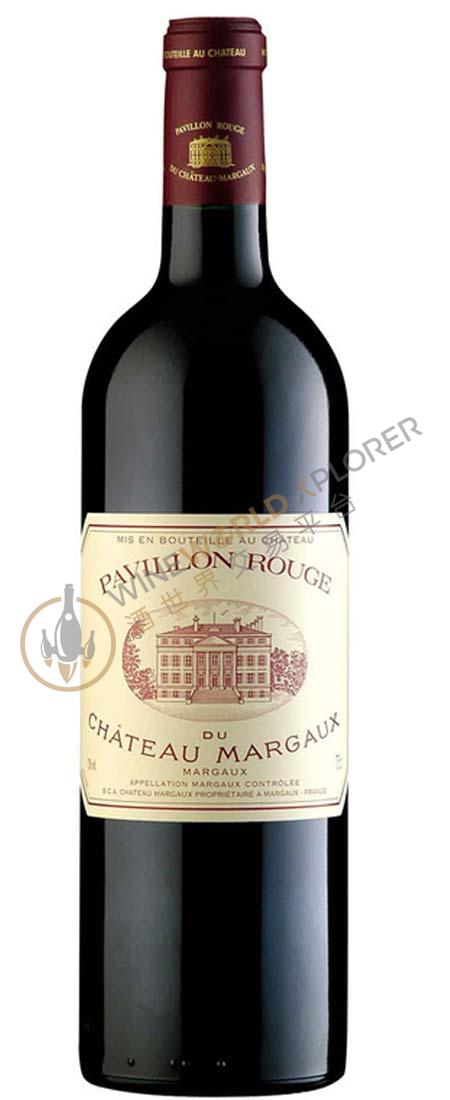
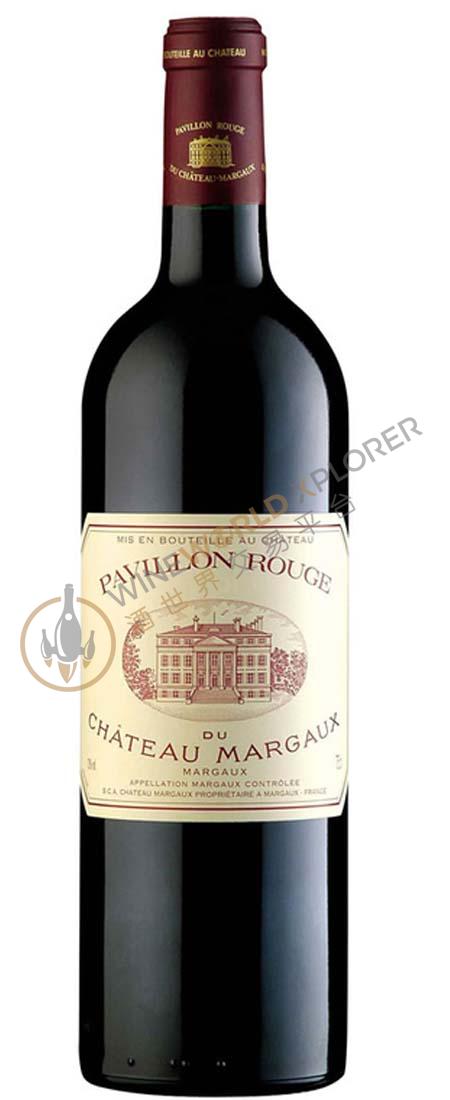
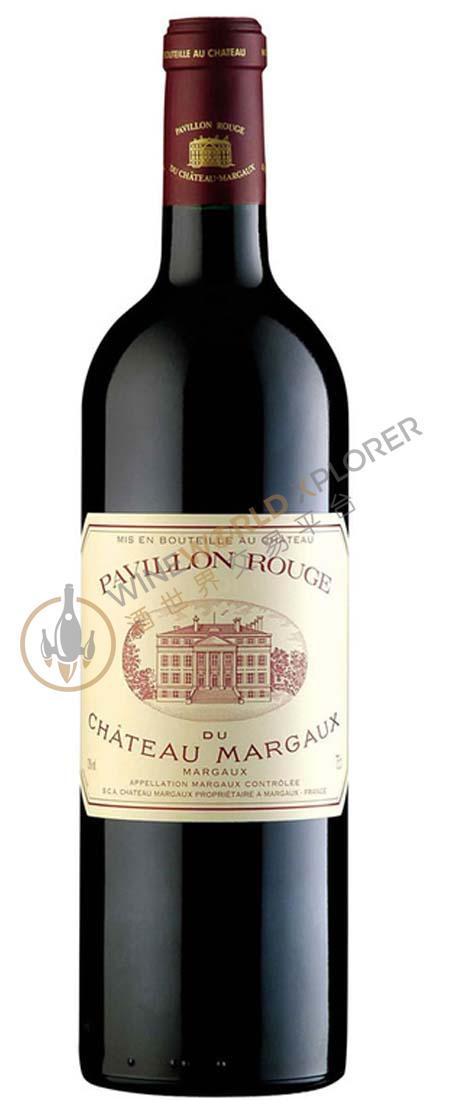
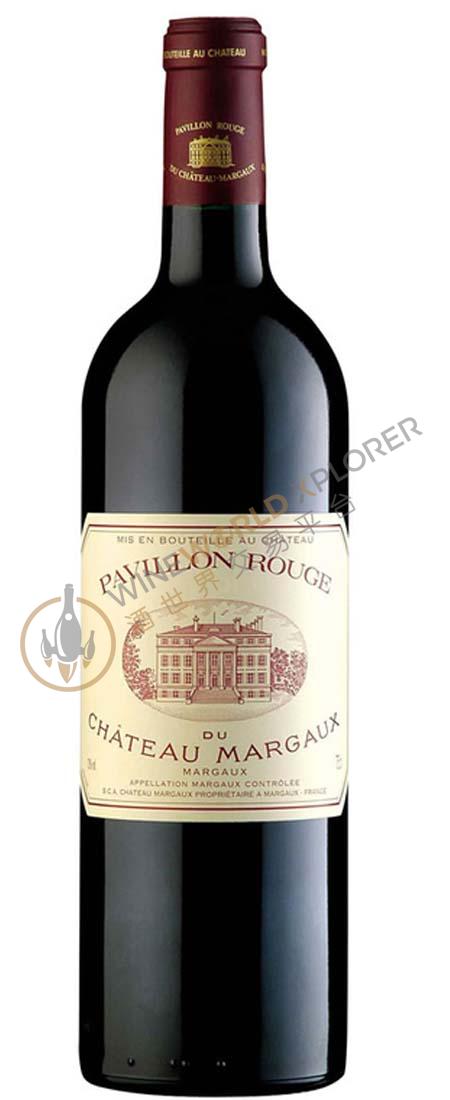
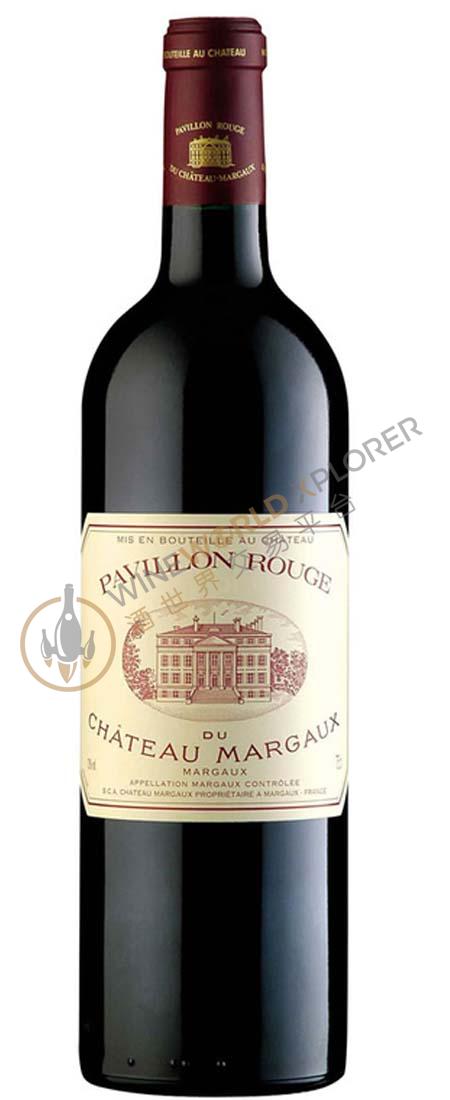
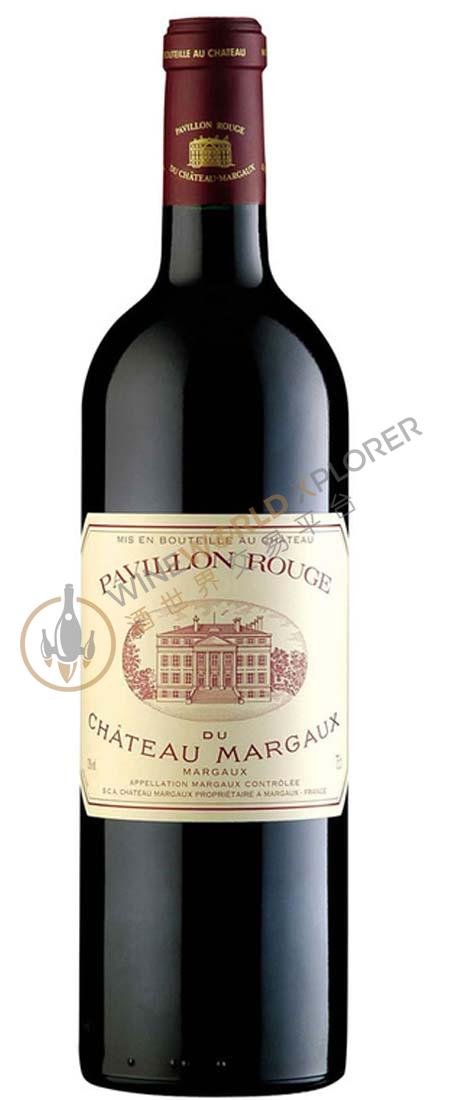
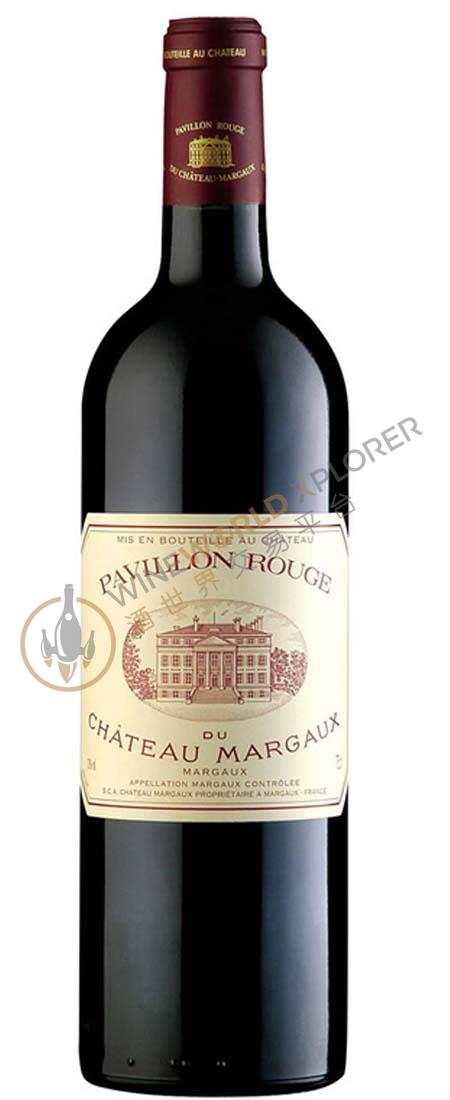
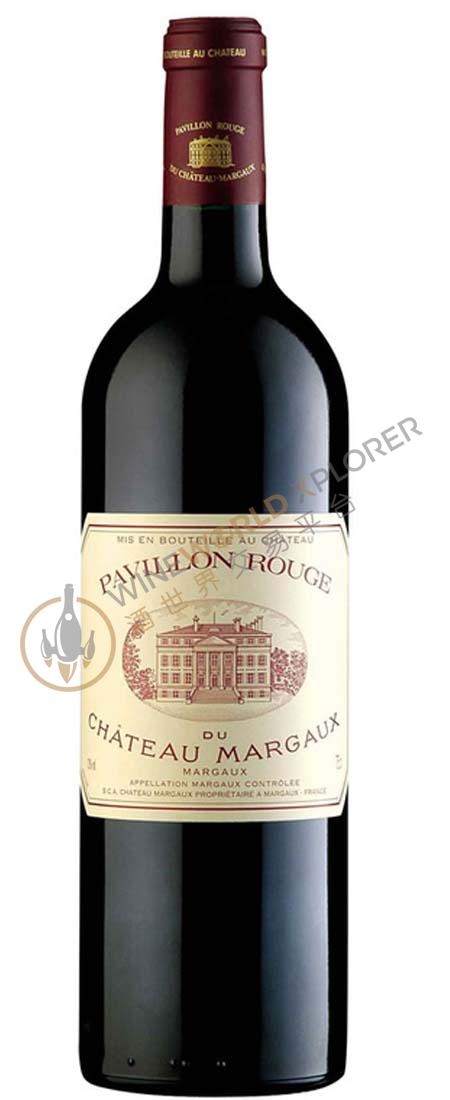
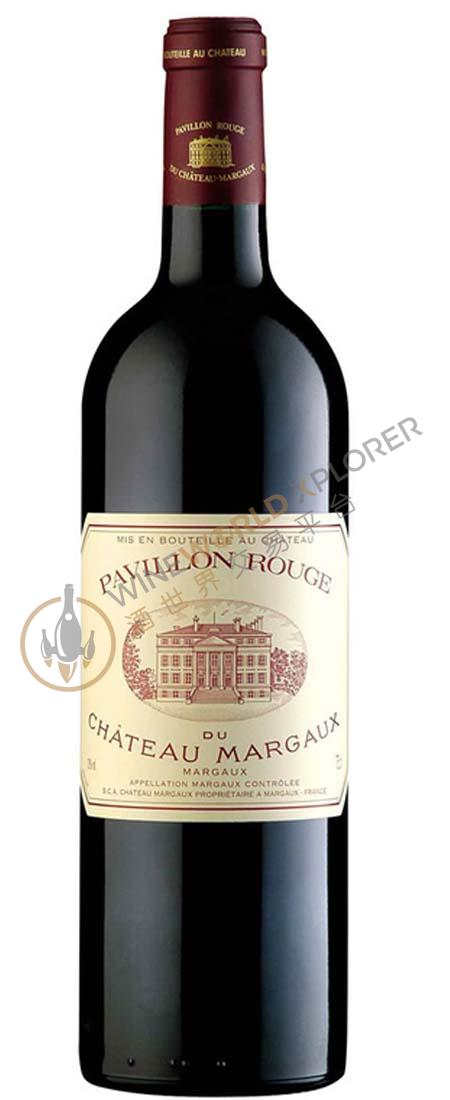
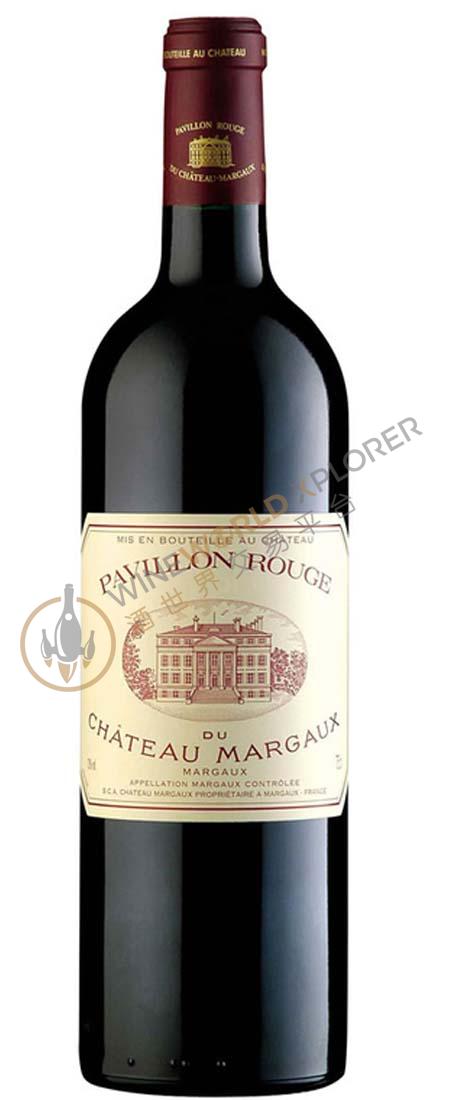
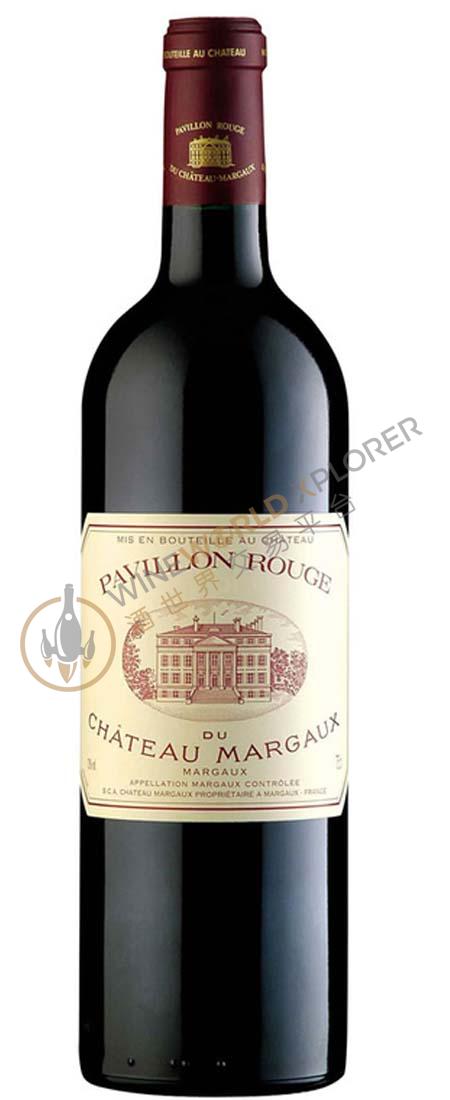
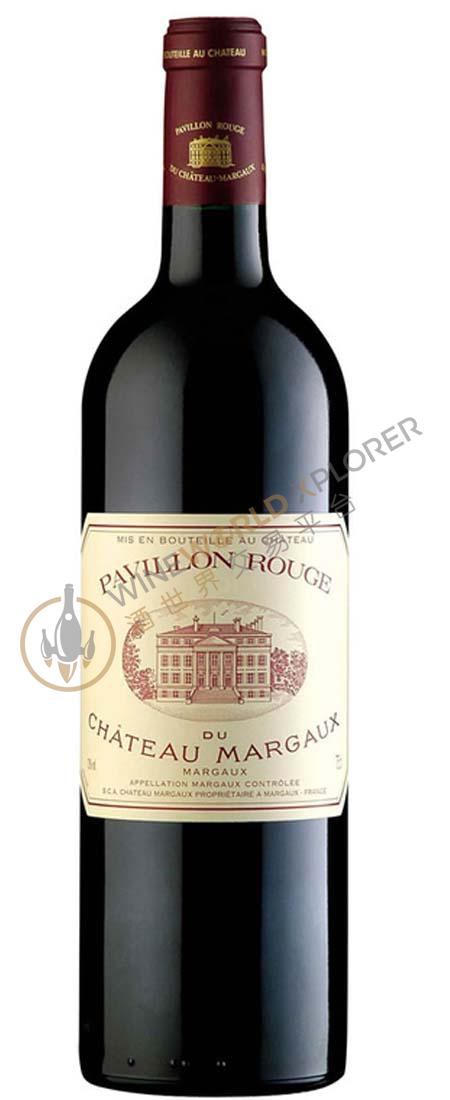
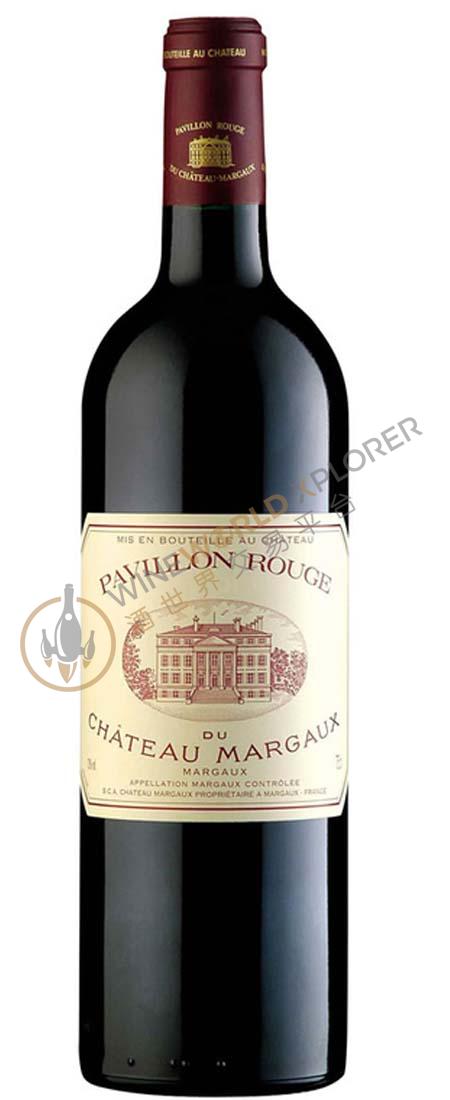
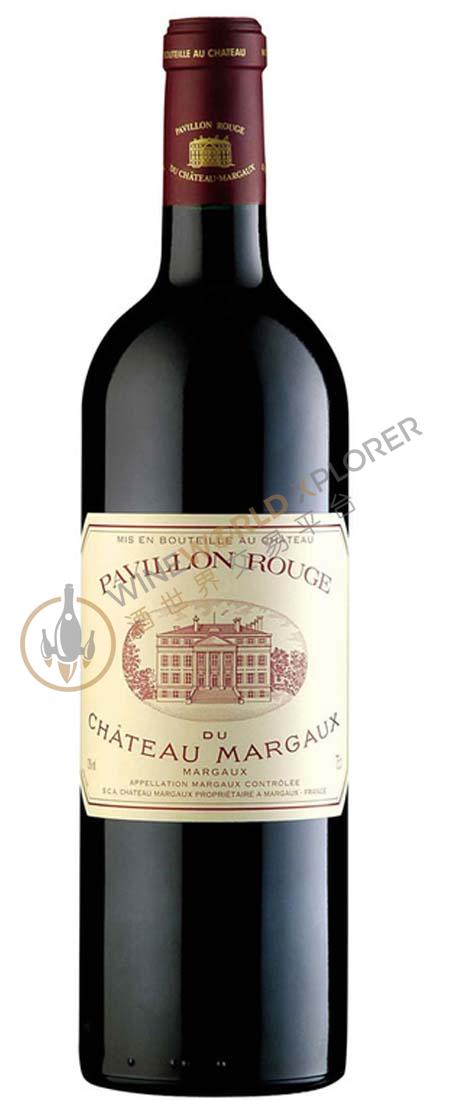
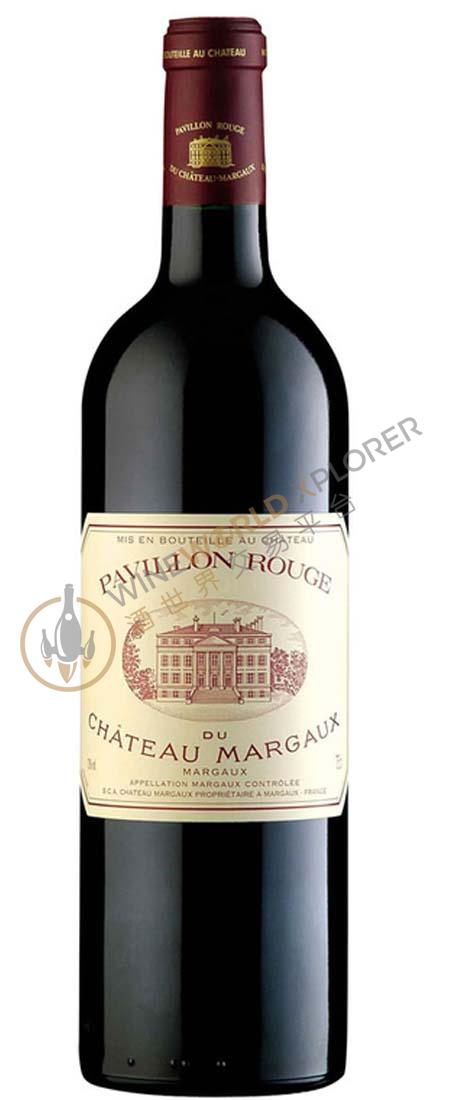
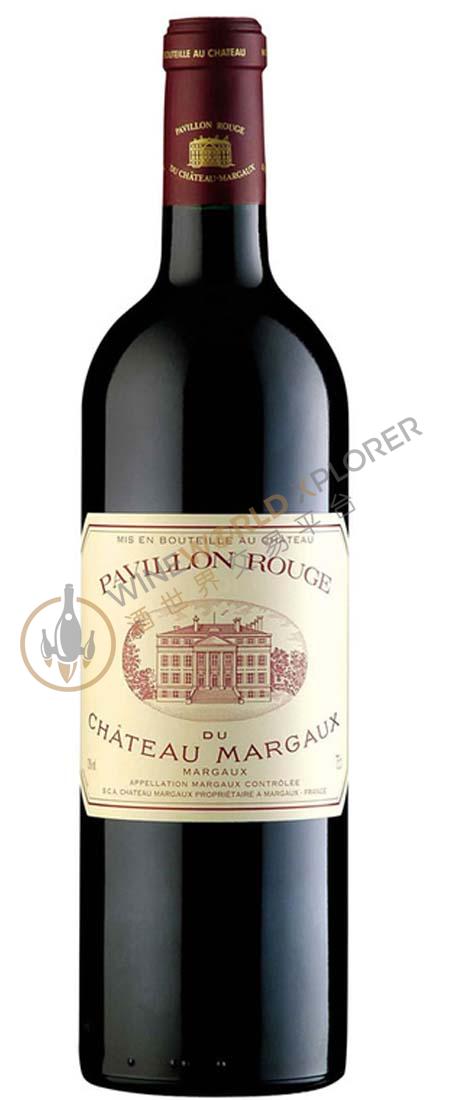
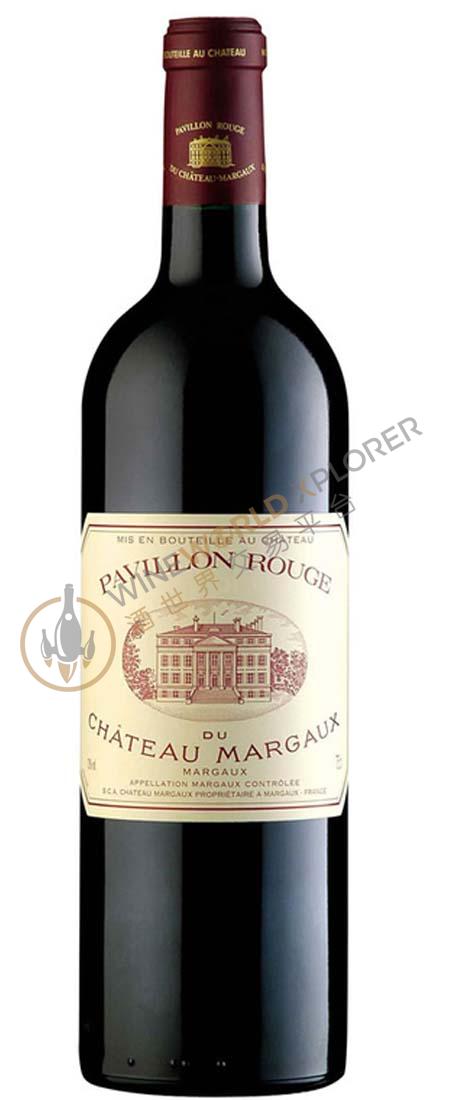
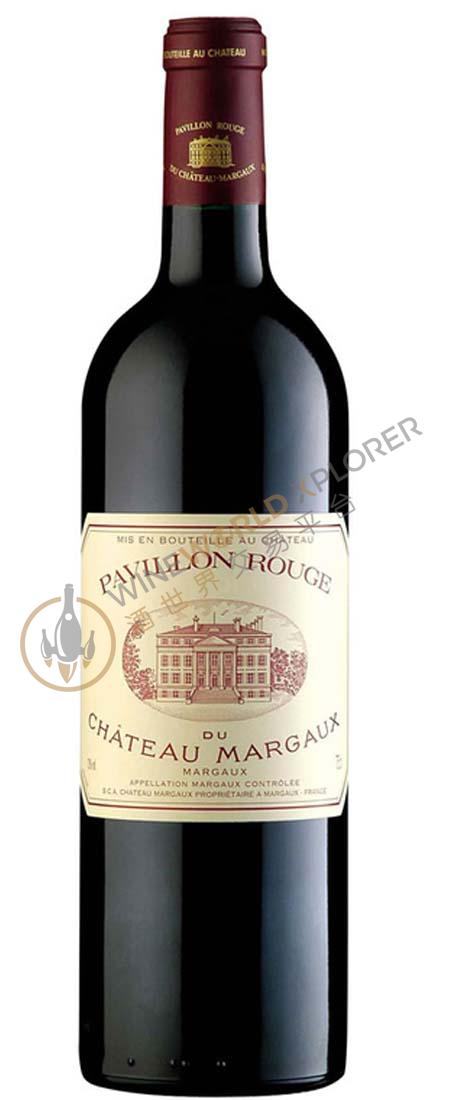
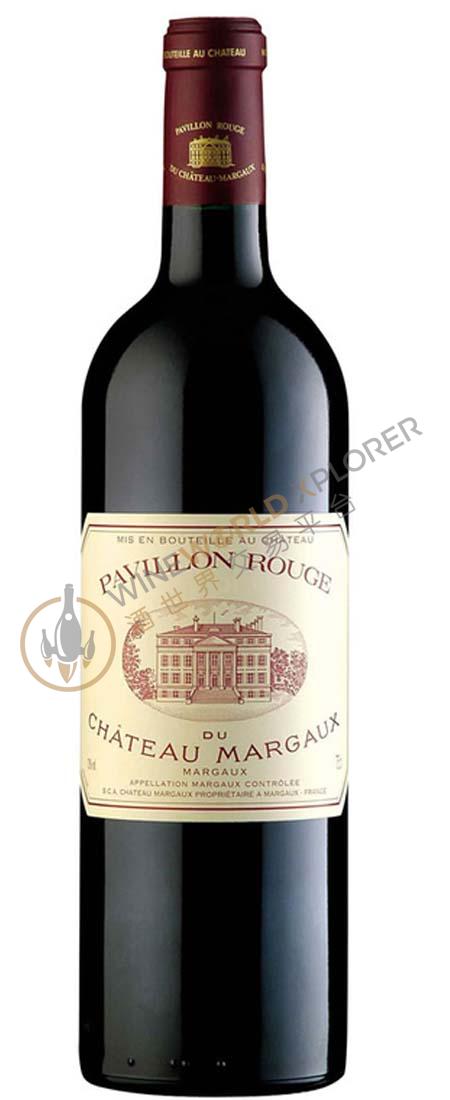
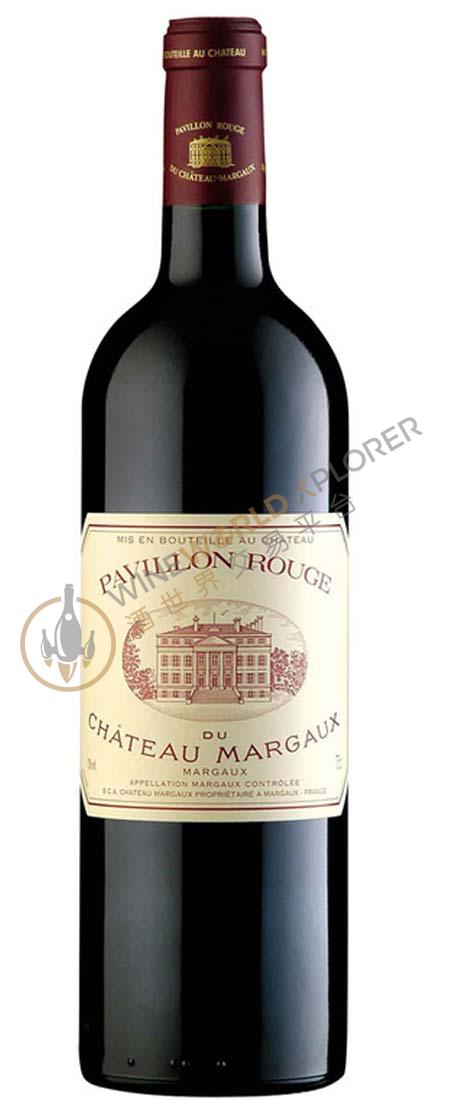
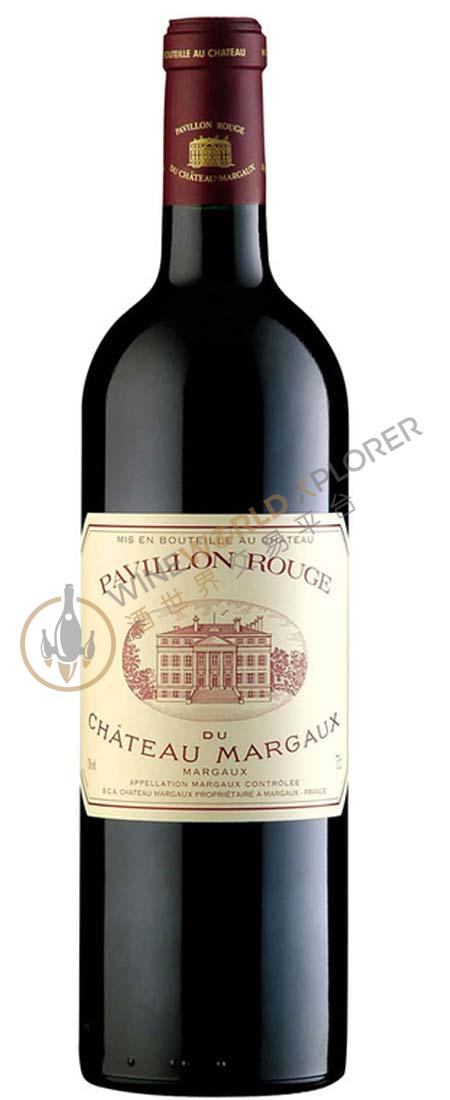
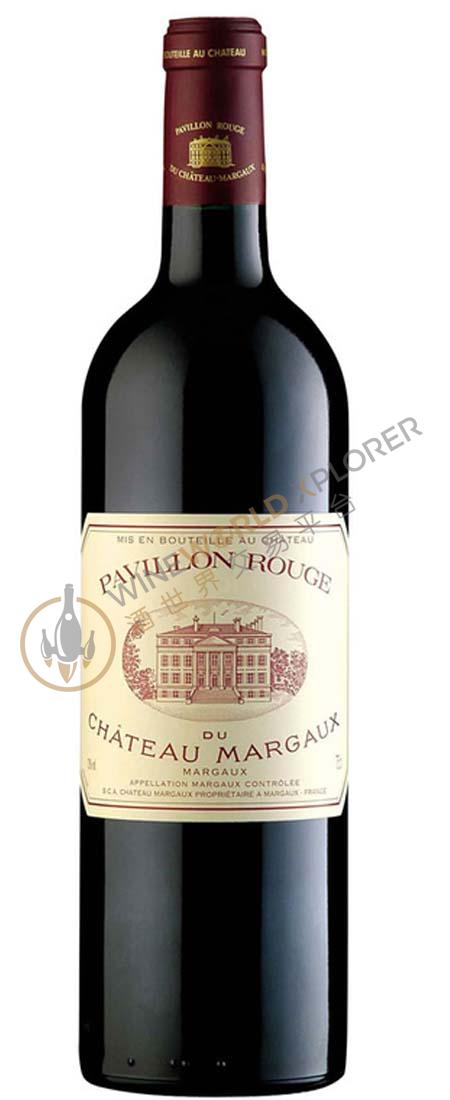
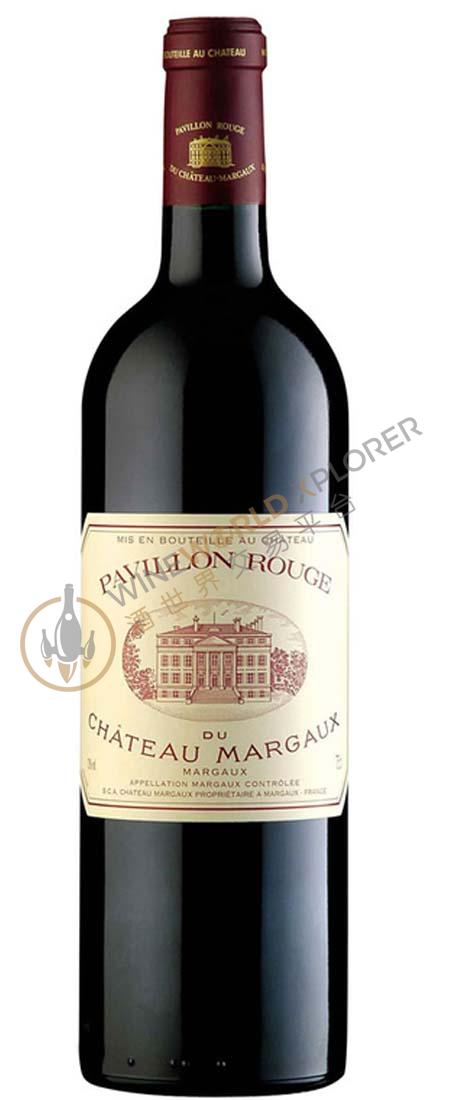
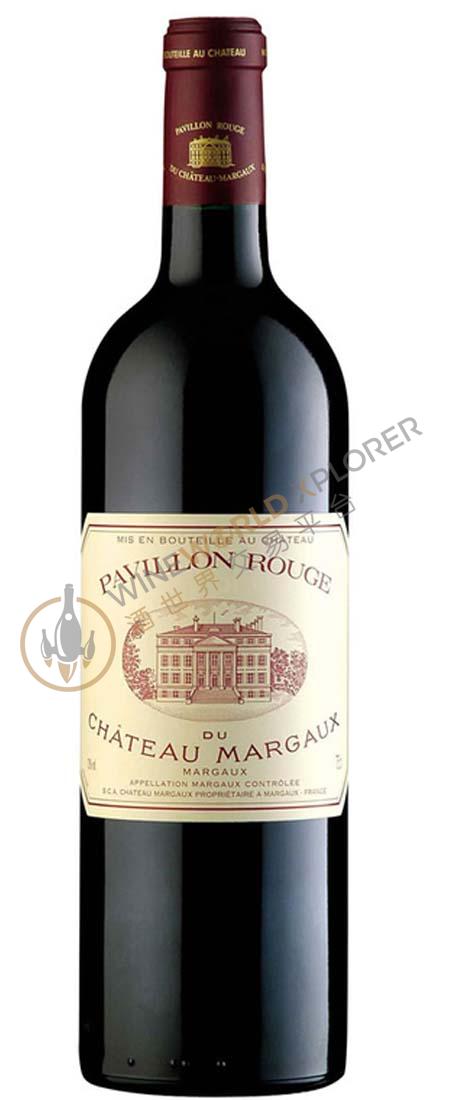
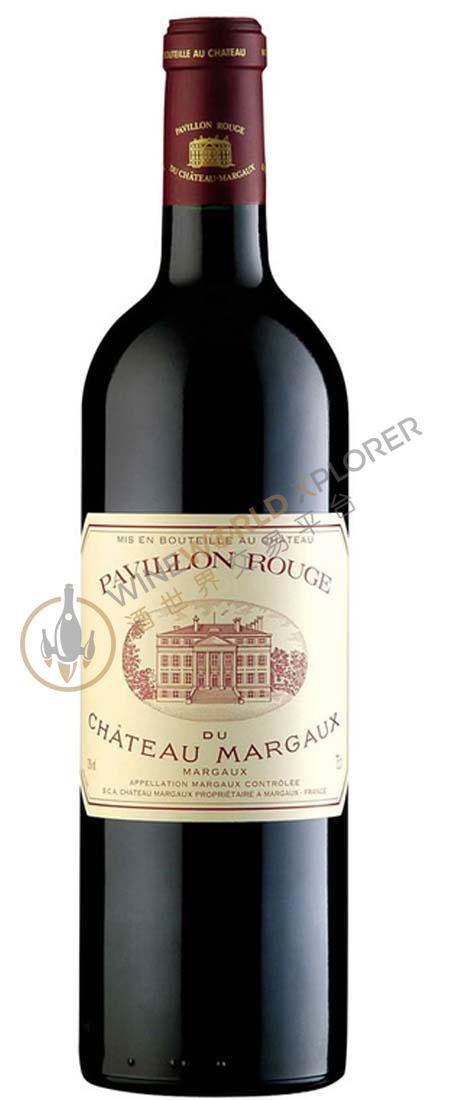
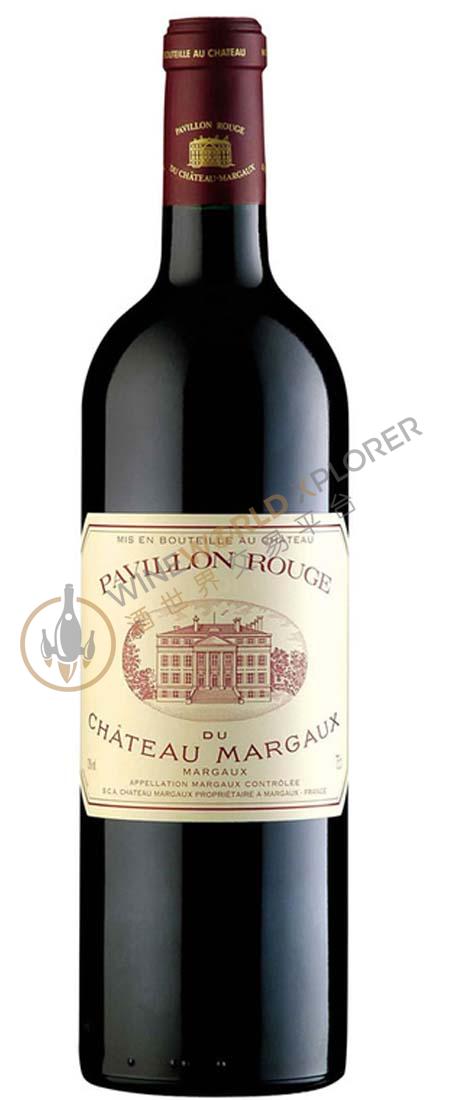
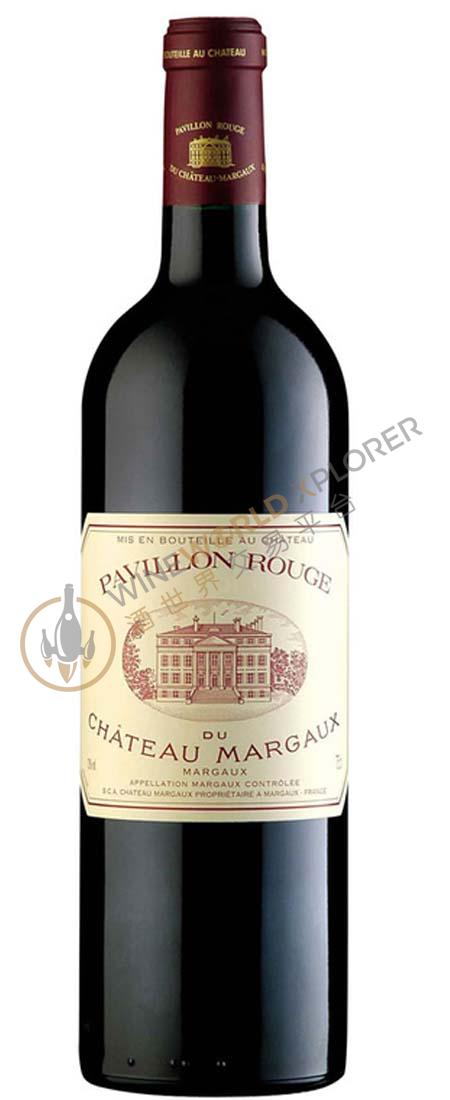
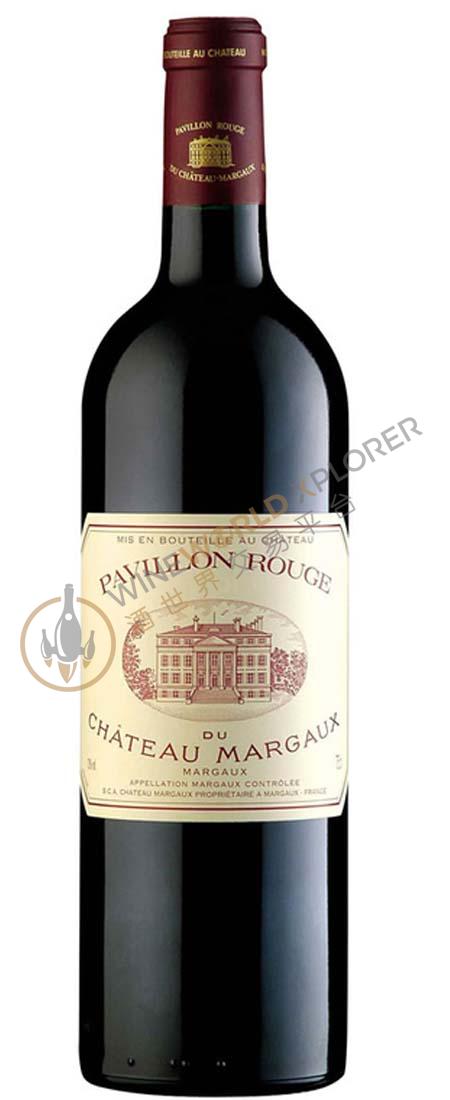
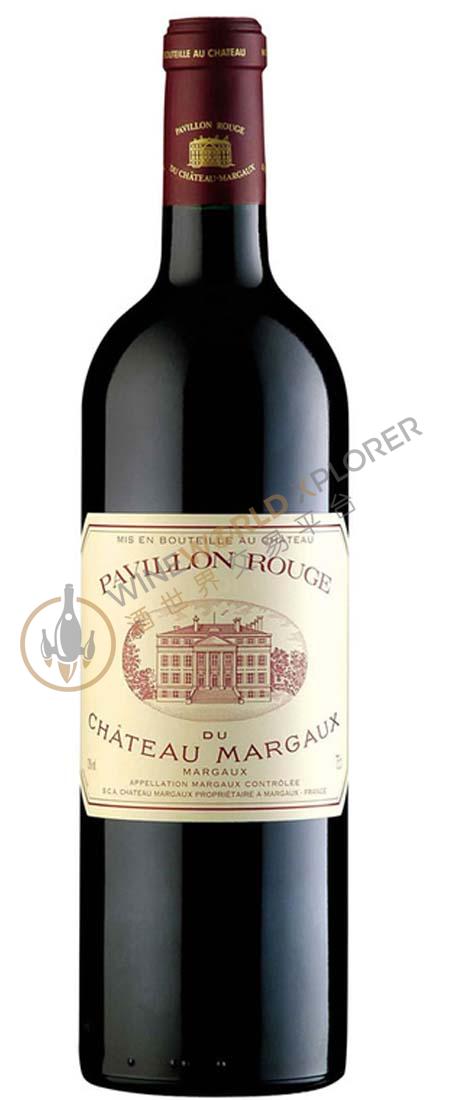
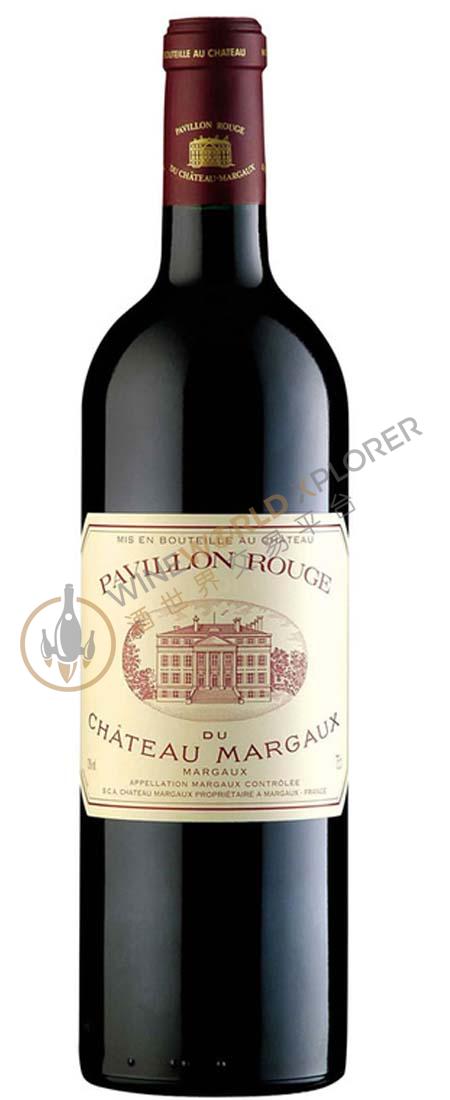
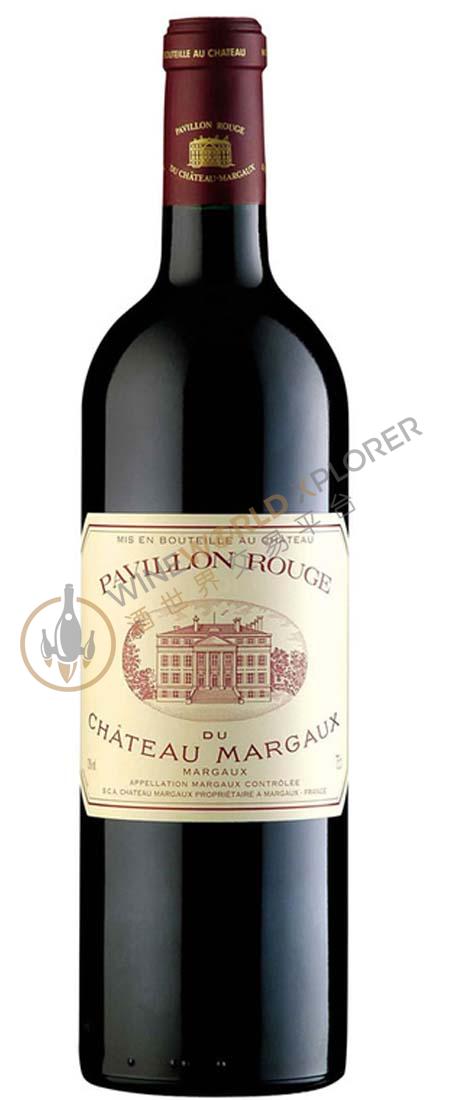
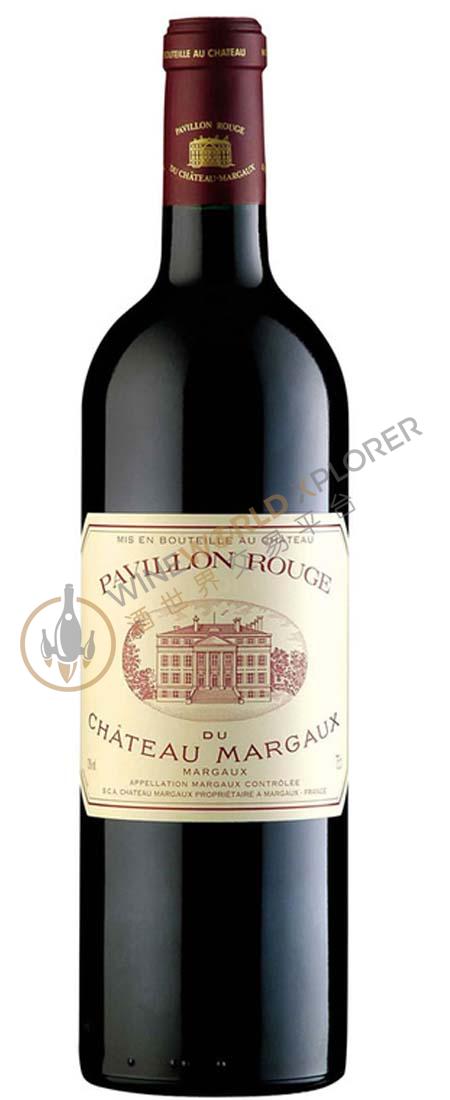
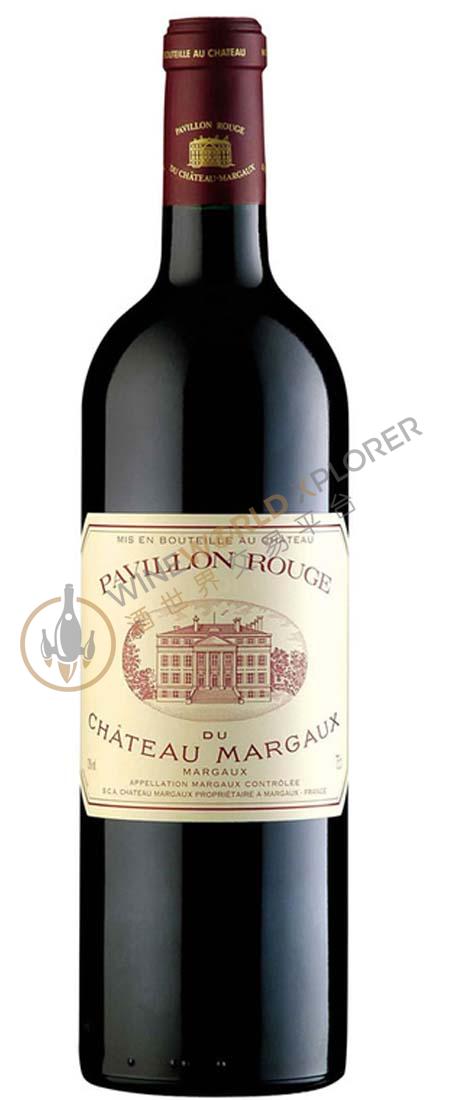
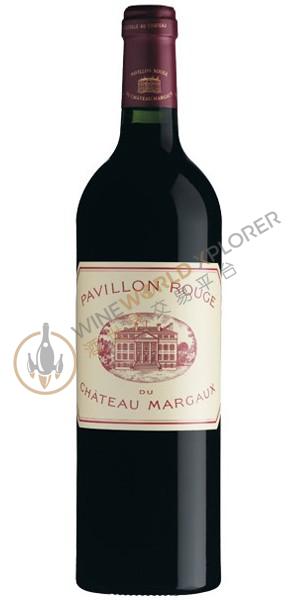
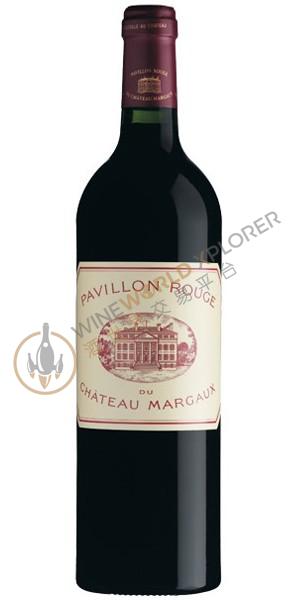
Pavillon Rouge du Chateau Margaux 2009
 View analysis


Description
Tasting notes

Reviewed by: Ian d'Agata
(a blend of 67% cabernet sauvignon, 29% merlot, and 4% petit verdot; represents 41% of the total estate production, which is 10% less than usual) Bright ruby. Knockout nose melds violet, red cherry, milk chocolate and menthol. Wonderfully concentrated and primary, with a soft texture and captivating inner-mouth perfume to the red cherry and mineral flavors. An impeccably balanced wine with impressive vinosity and grip. Finishes with sweet tannins and excellent length. This very dense wine is probably the best Pavillon Rouge ever made and is my candidate for the best second wine of the year along with Le Clarence of Haut-Brion. Pontallier believes this is the first Pavillon ever that can rate with some less successful Chateau Margaux bottlings of the past.
Reviewed by: Neal Martin
The 2009 Pavillon Rouge du Château Margaux has a very pure bouquet with blackberry, raspberry coulis, cedar and light violet aromas, quite intense and graining power in the glass. The palate is medium-bodied with slightly powdery tannin. The acidity is very well judged, a completely harmonious Pavillon Rouge with just the right amount of spice to enhance the finish. Excellent. Tasted at BI Wines & Spirits' Ten Year On tasting.
Reviewed by: James Suckling
Very ripe for a second wine this is now delicious thanks to the rich blackberry and cassis fruit, full supple tannins and long finish that's simultaneously dry and creamy. Where is that porterhouse steak? Drink or hold. (Horizontal Tasting, London, 2019)
About the Producer
Sold under the name of “Château Margaux 2nd wine”, it took its permanent name of Pavillon Rouge du Château Margaux in 1908. After an eclipse between the thirties and the mid-seventies, its production restarted on the arrival of André Mentzelopoulos in 1977 and at first greatly increased in order to improve the quality of the first wine. From the mid – 1990s, the creation of a third wine in its turn, allowed for a more and more rigorous selection for Pavillon Rouge. For a few years now, a third of the harvest has gone into the first wine, barely 30% into the Pavillon Rouge, and the remainder is divided between the third and fourth wines. The quality of Pavillon Rouge has become very close to that of the first wine because all the plots involved contributed to the blending of Château Margaux not so long ago. Of course there isn’t the same complexity, the same depth, the same “magic” but the flavours are close and the balance in the mouth leads to the same subtle senses of power and softness. In general it is ready to drink a little earlier whilst retaining an excellent potential to age largely beyond 30 or 40 years.
1977(1)1983(3)1984(1)1985(3)1986(2)1988(1)1990(2)1991(3)1994(3)1995(5)1996(9)1997(1)1998(6)1999(5)2000(8)2001(8)2002(5)2003(12)2004(3)2005(9)2006(4)2007(6)2008(12)
Package Size