Wine Advisor



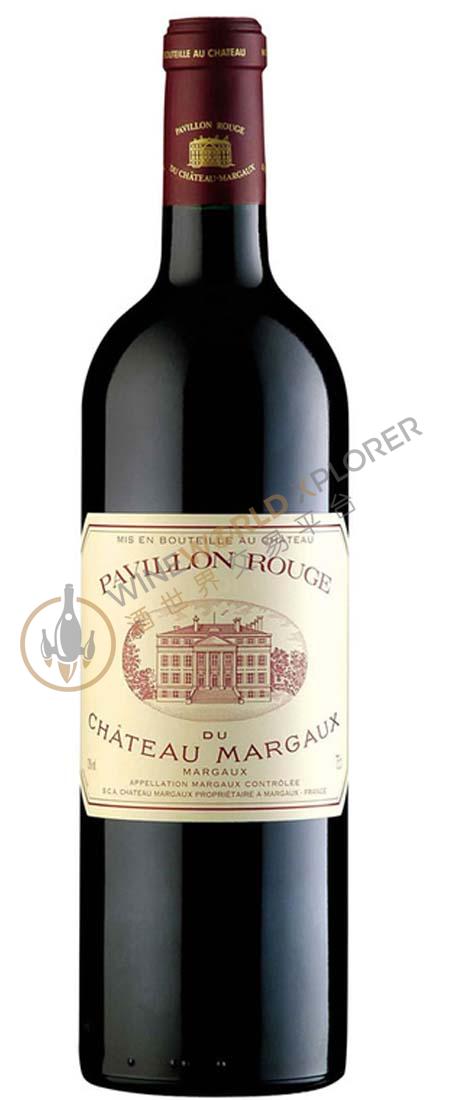
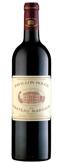
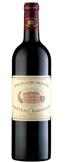
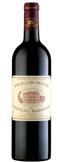
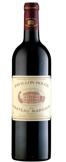
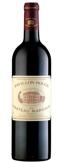
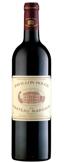
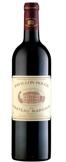
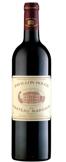
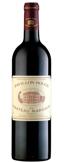
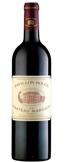
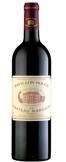
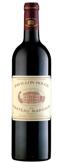
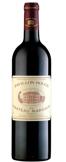
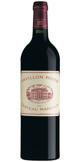
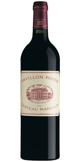
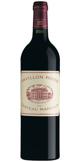
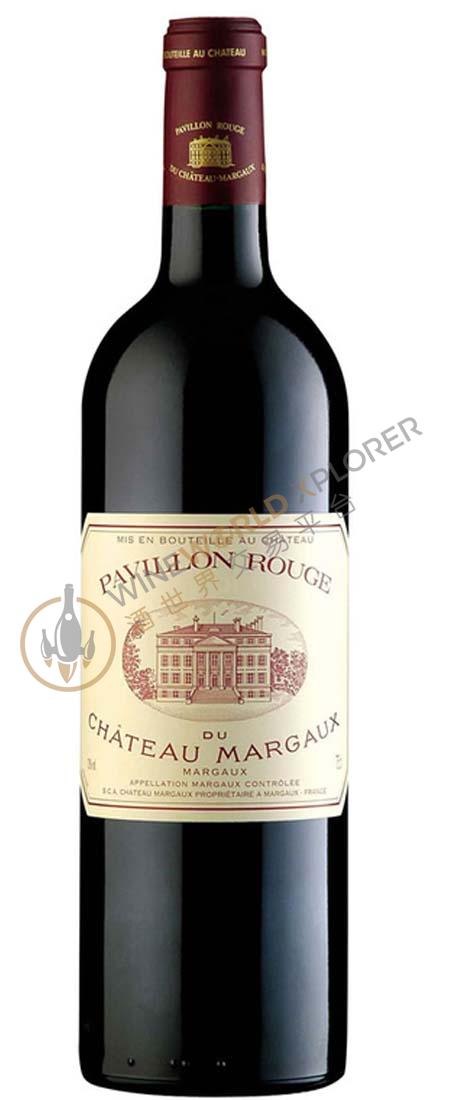
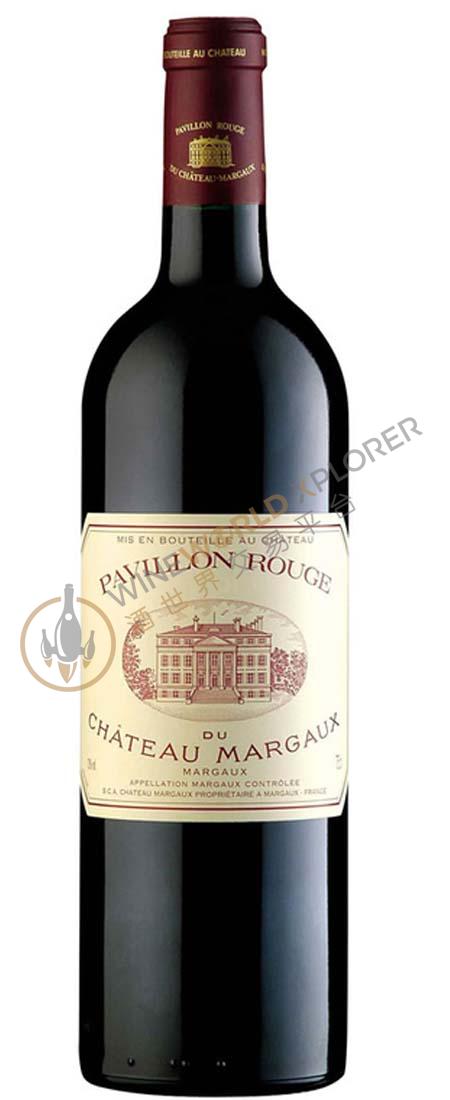
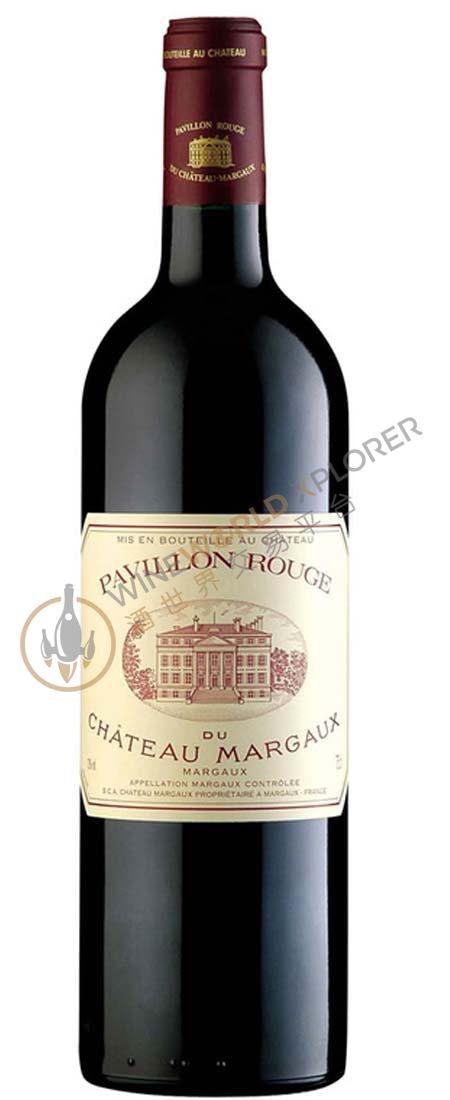
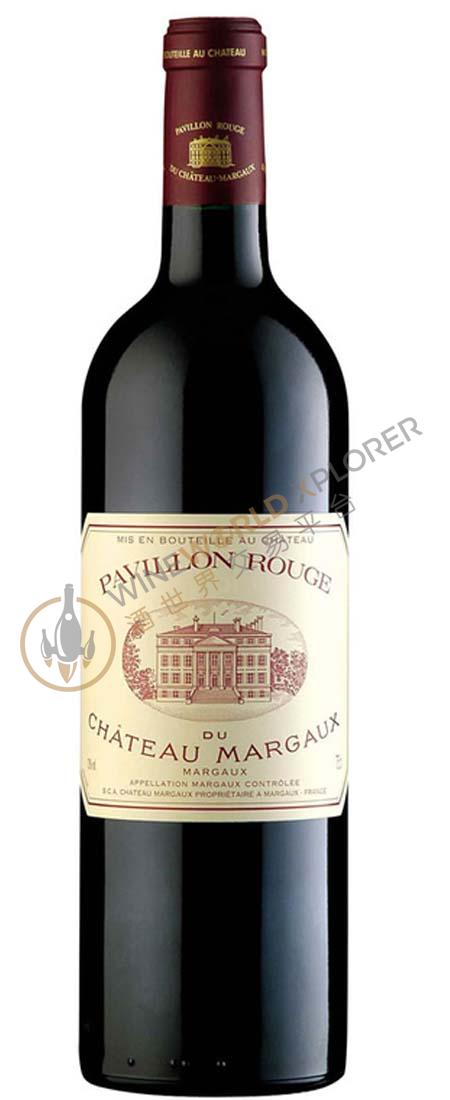
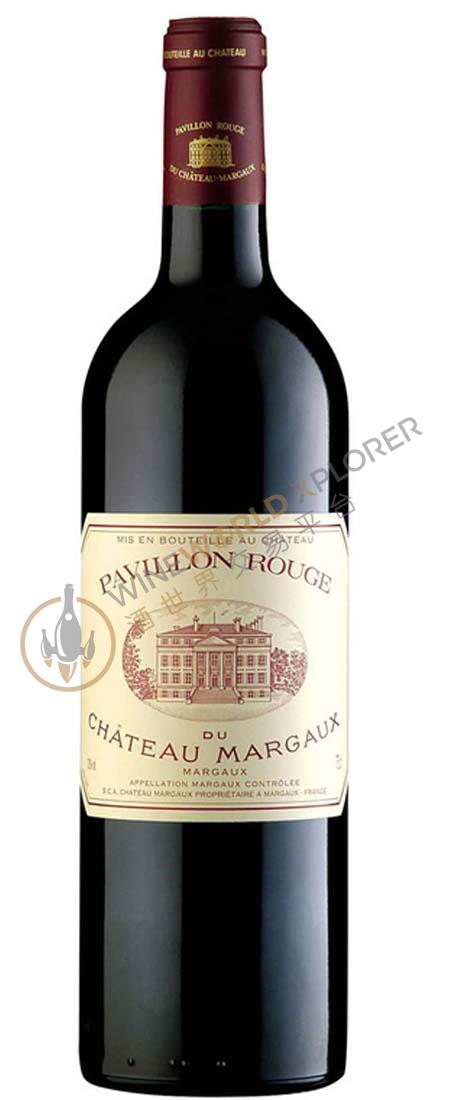
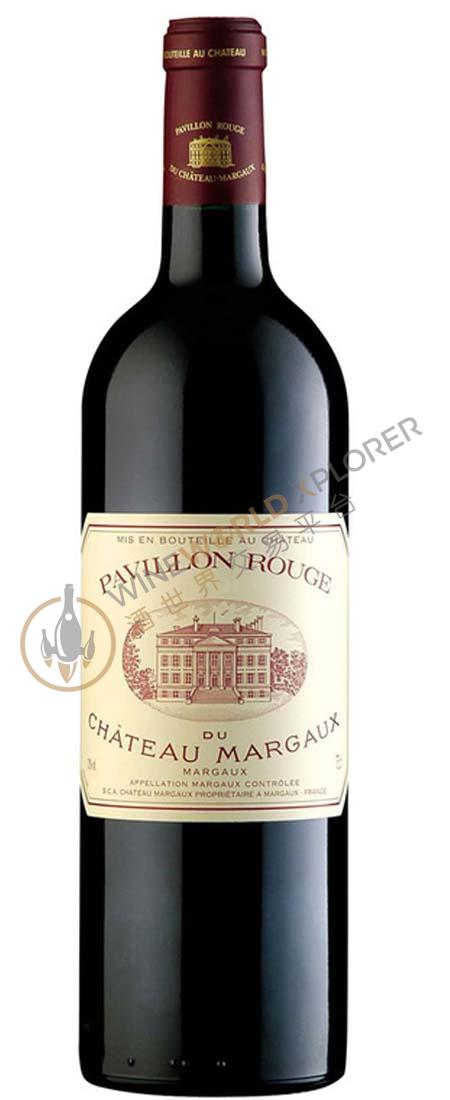
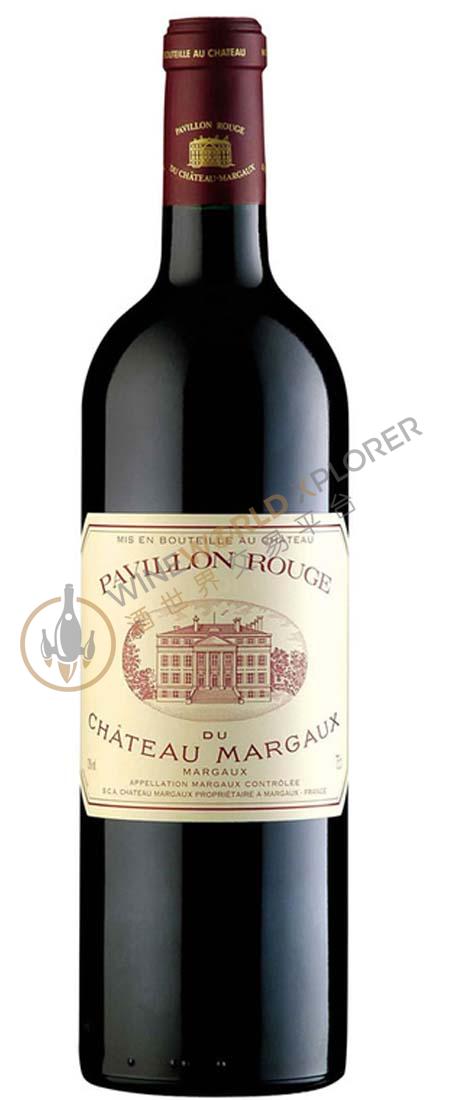
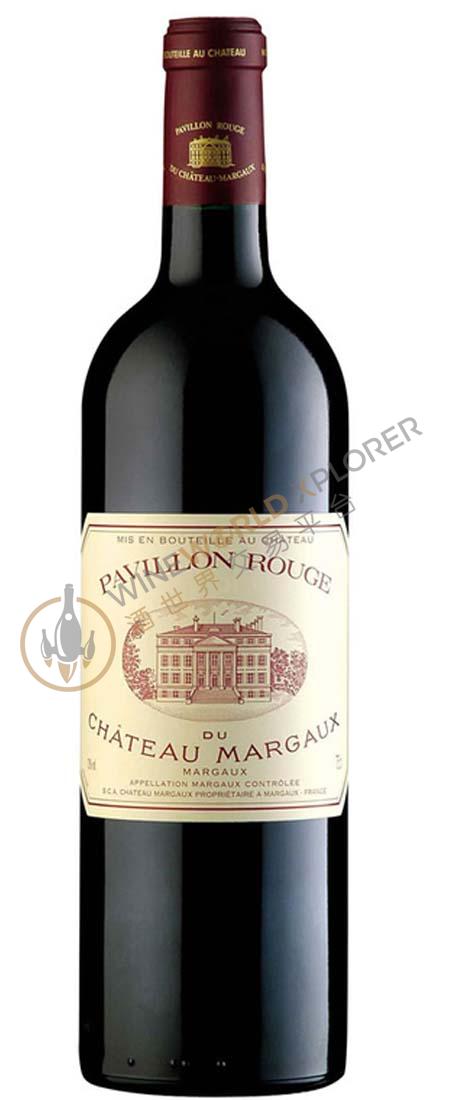
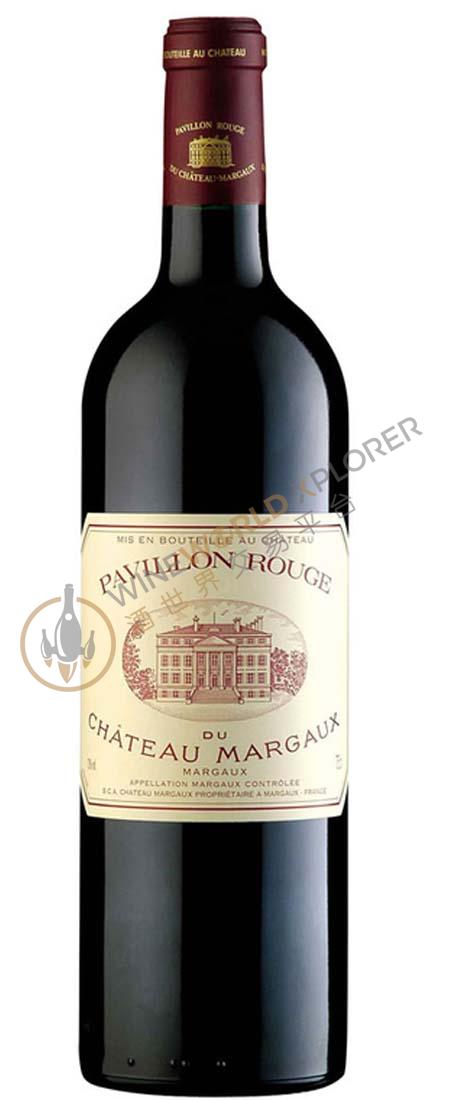
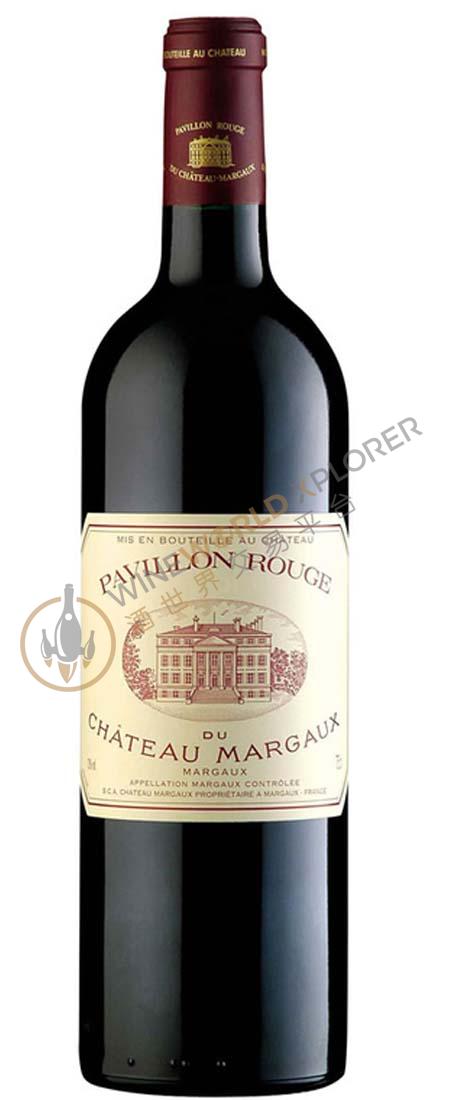
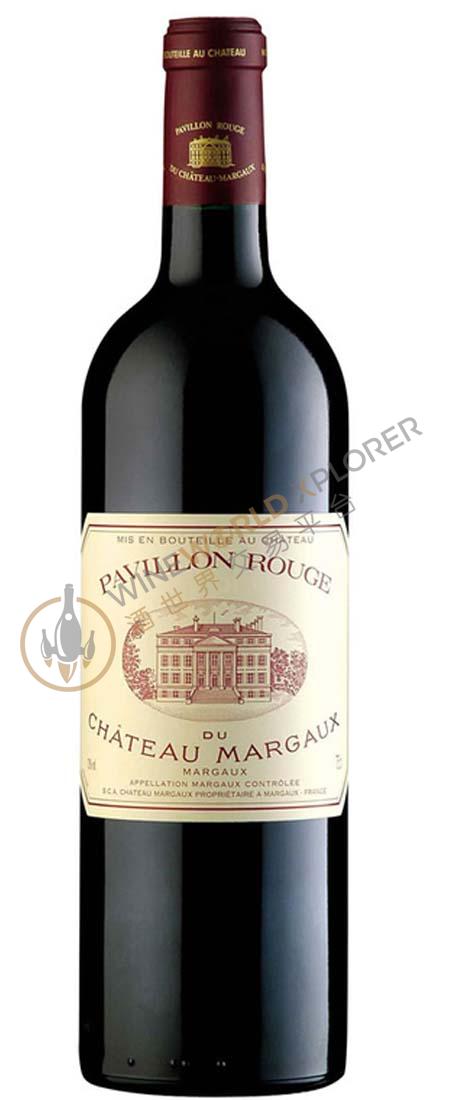
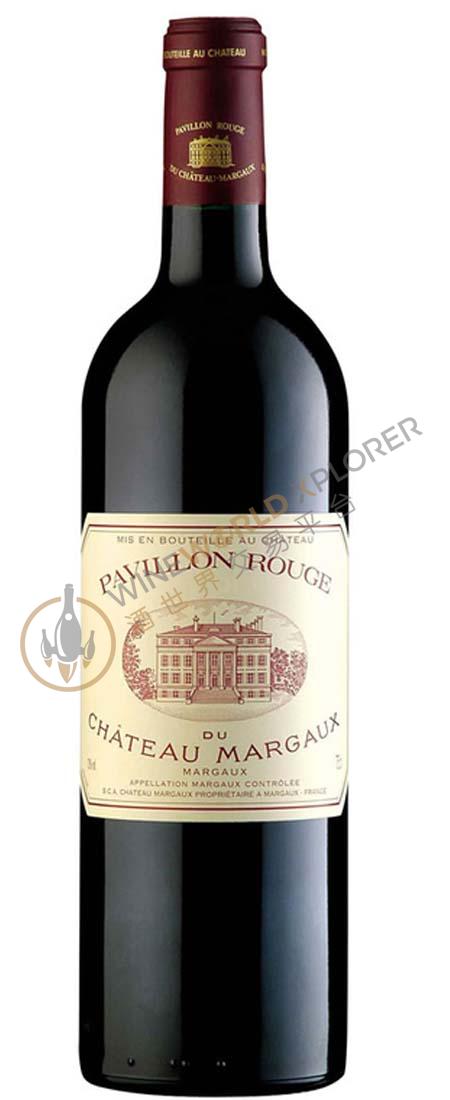
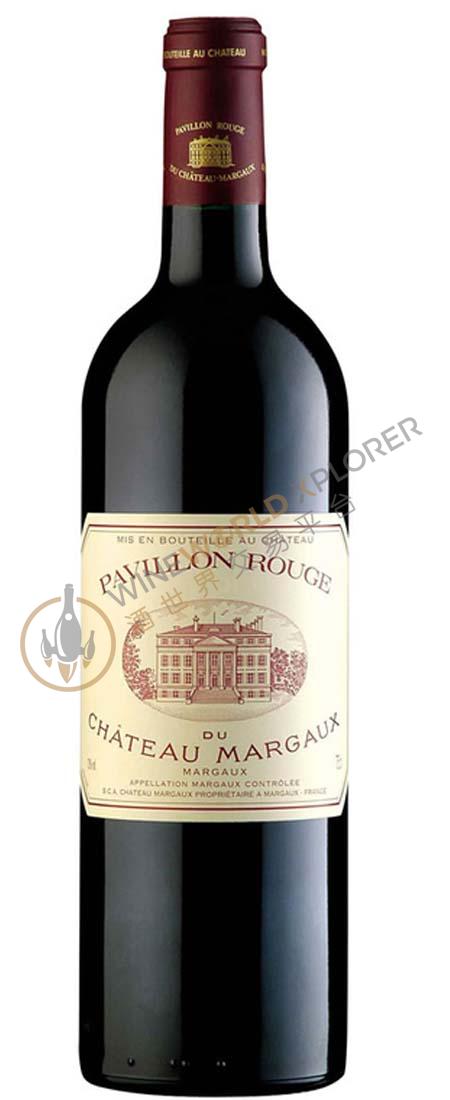
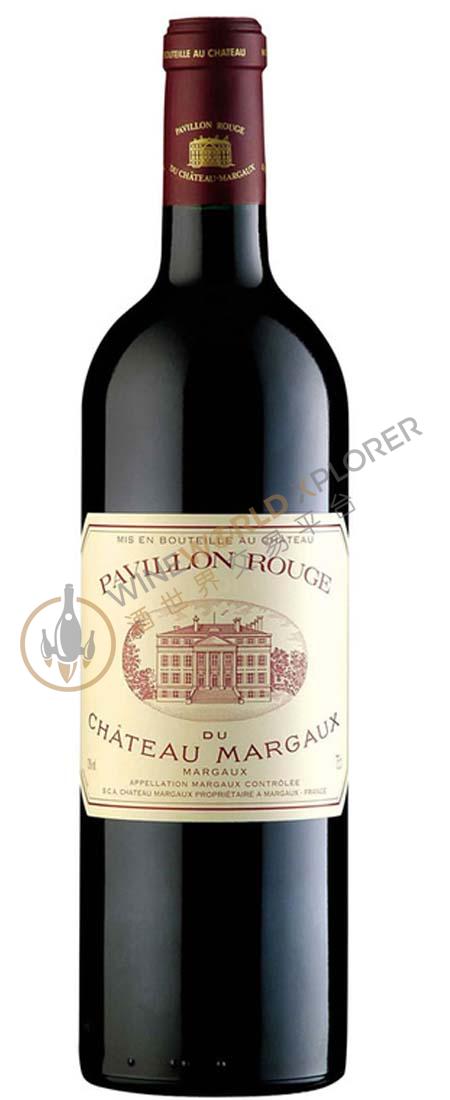
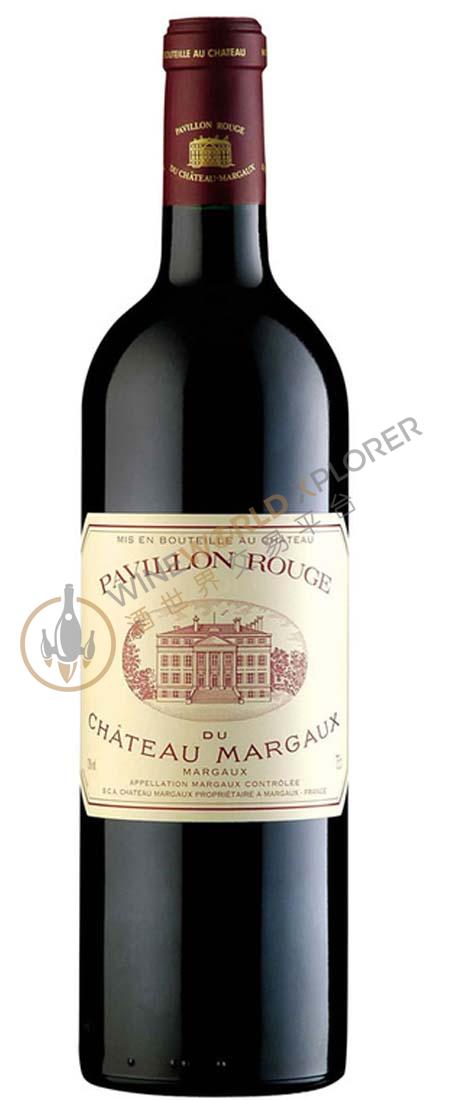
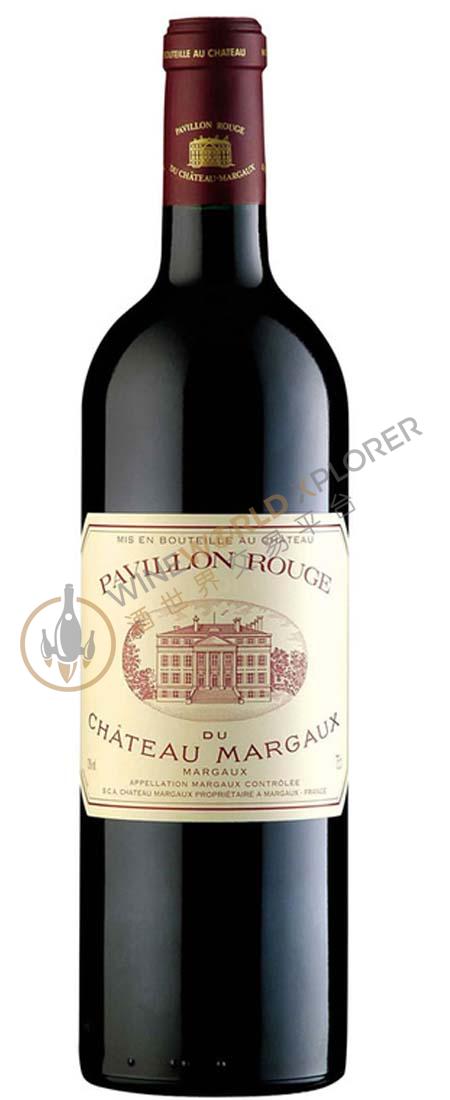
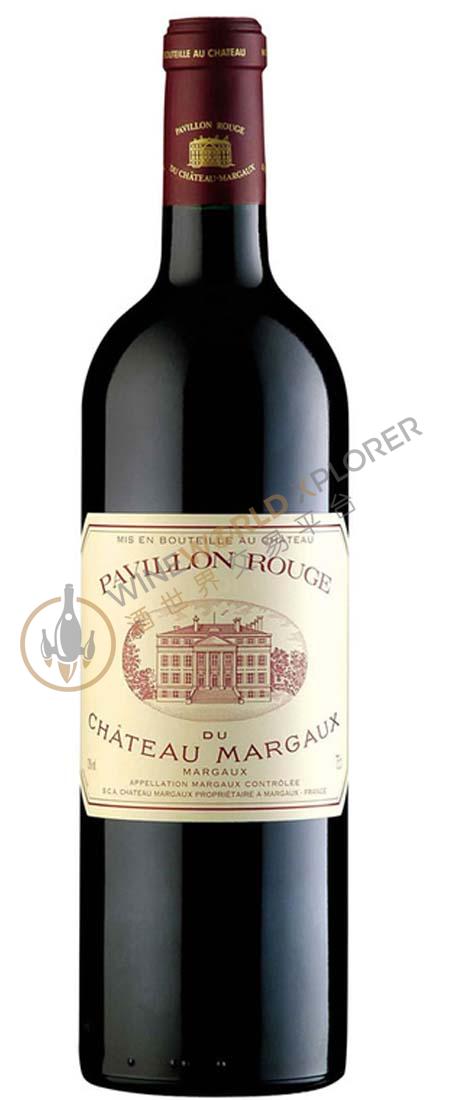
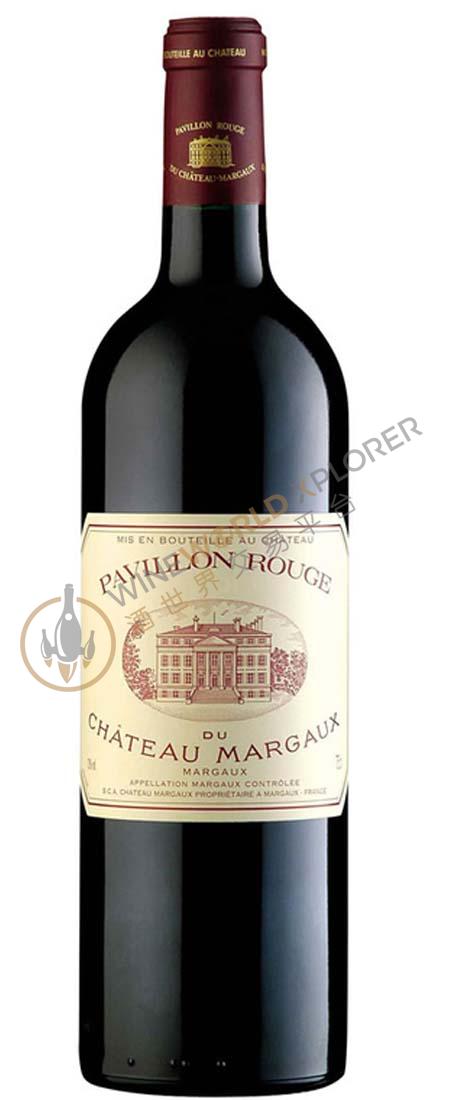
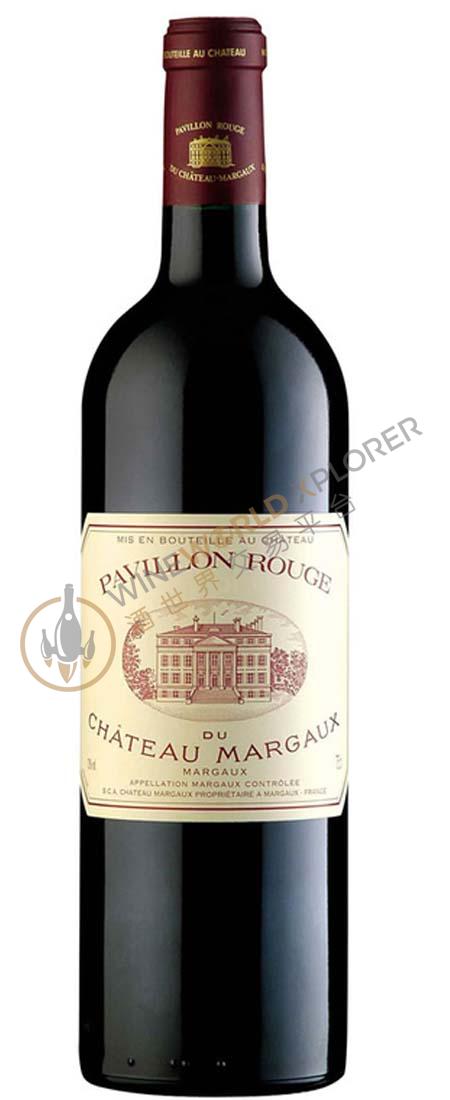
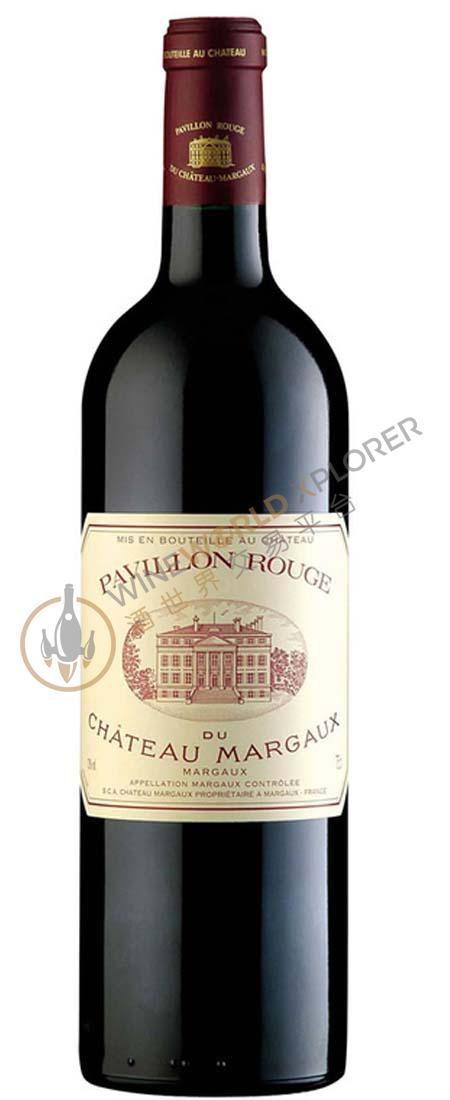
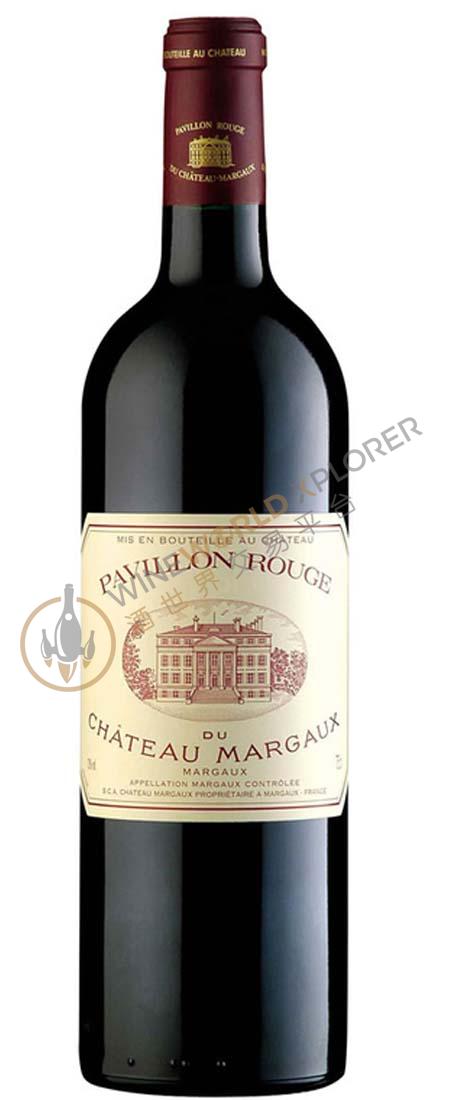
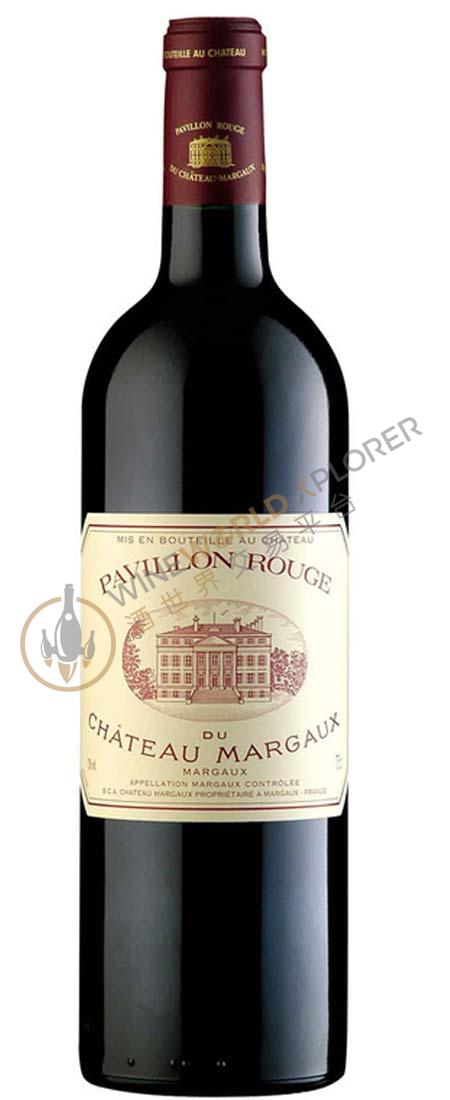
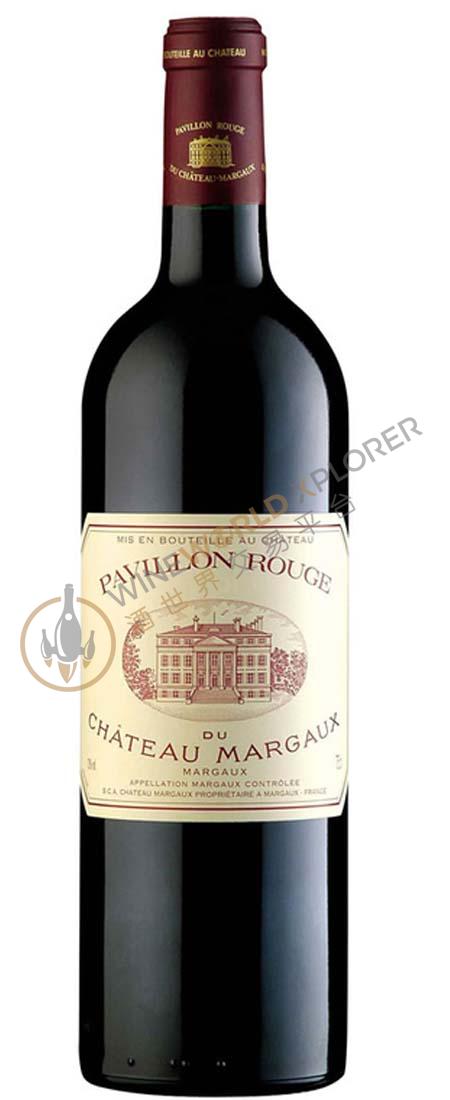
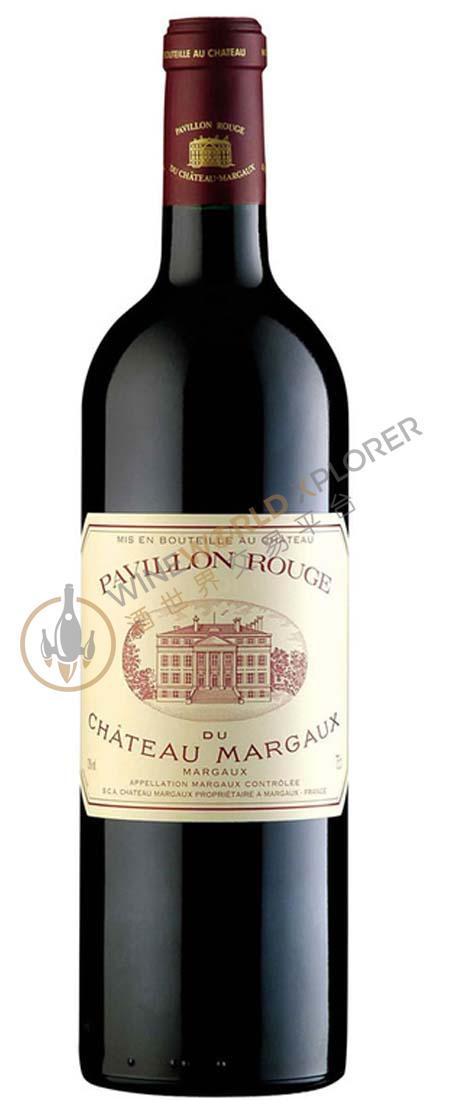
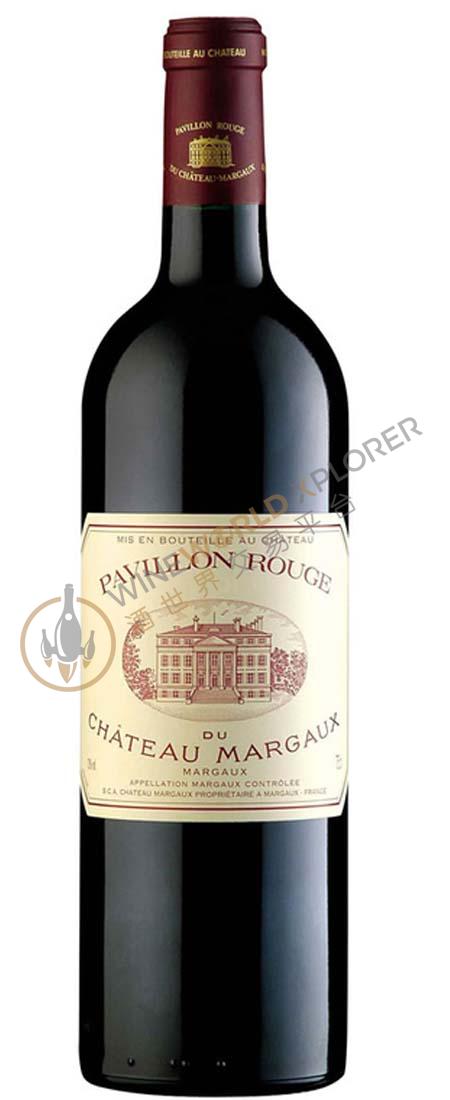
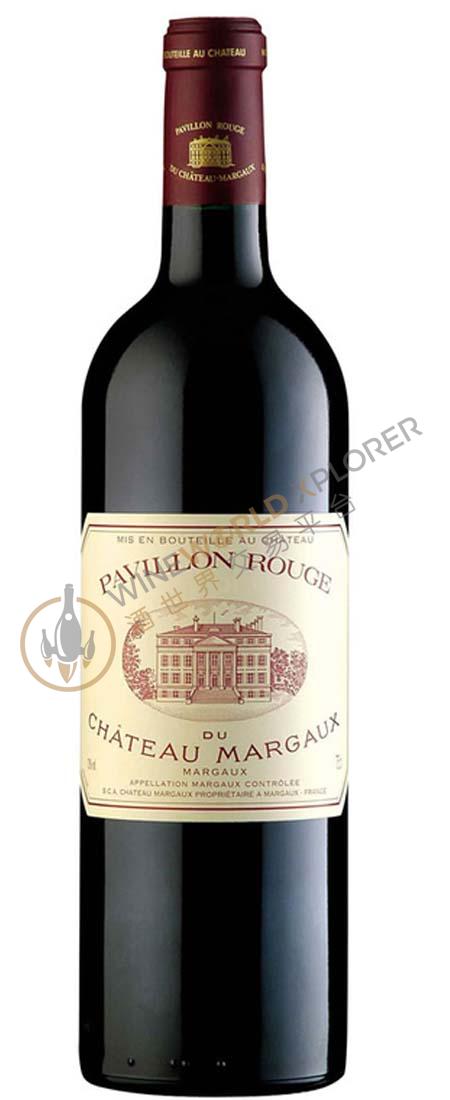
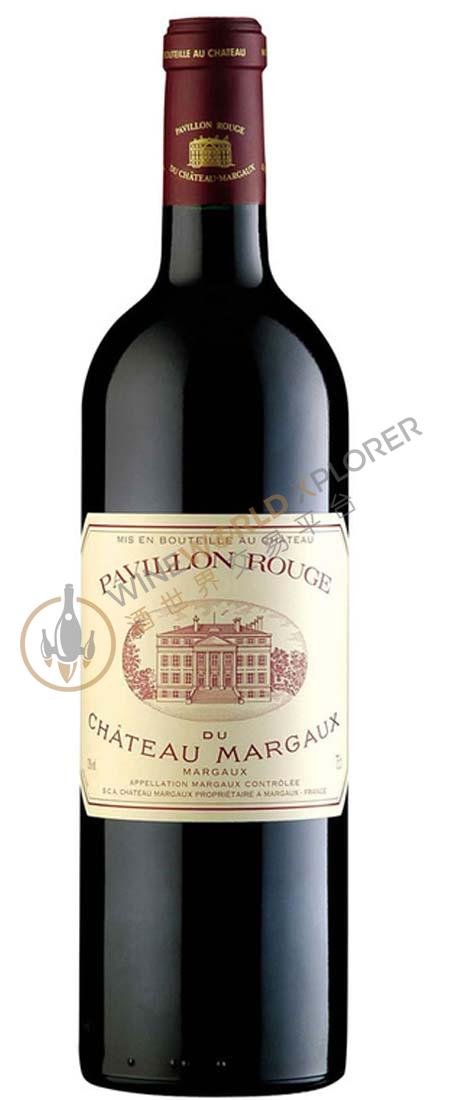
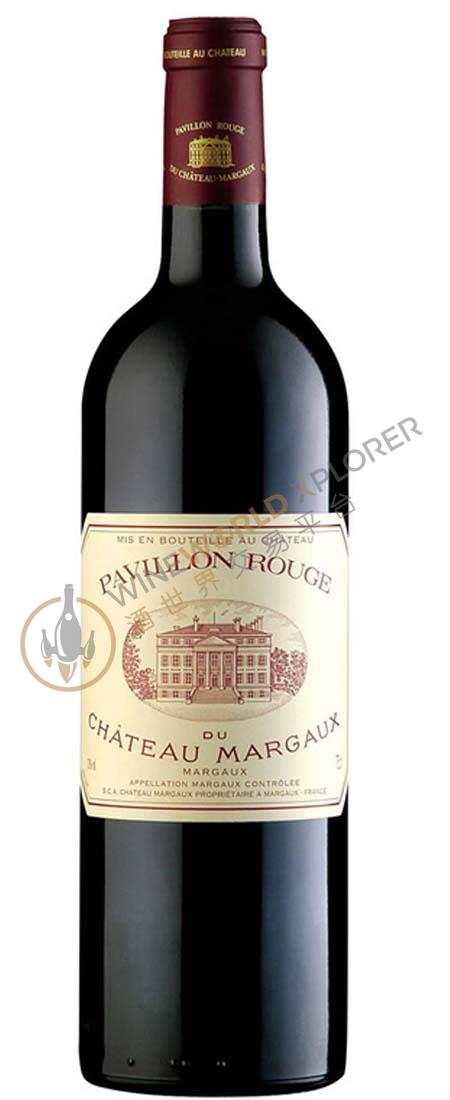
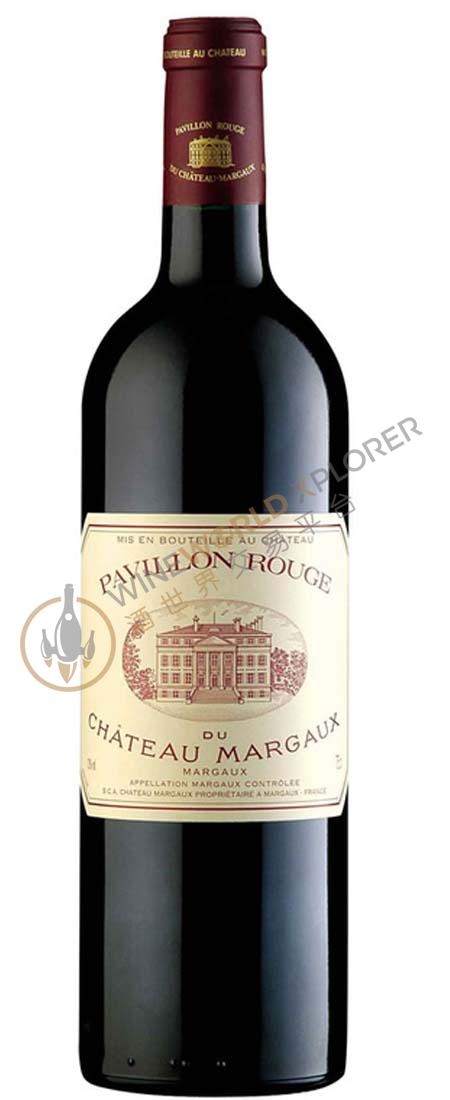
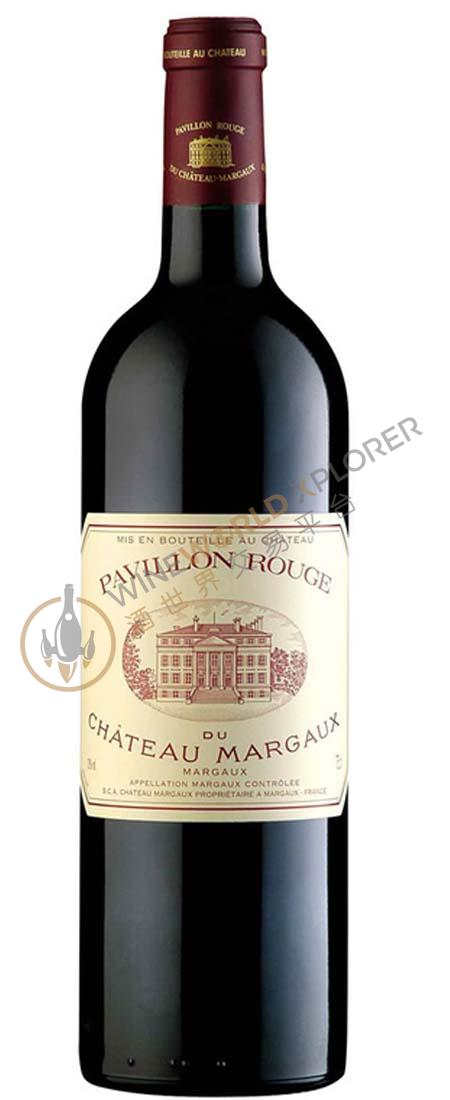
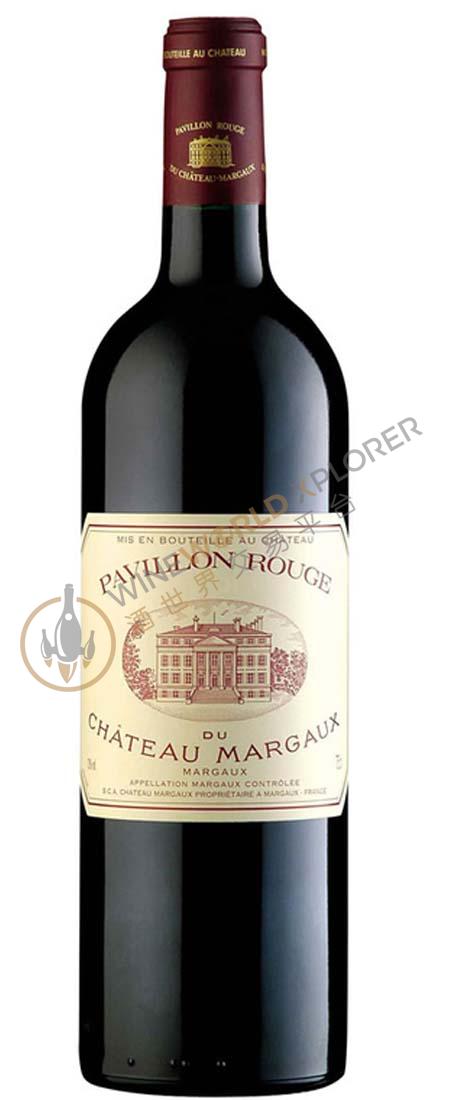
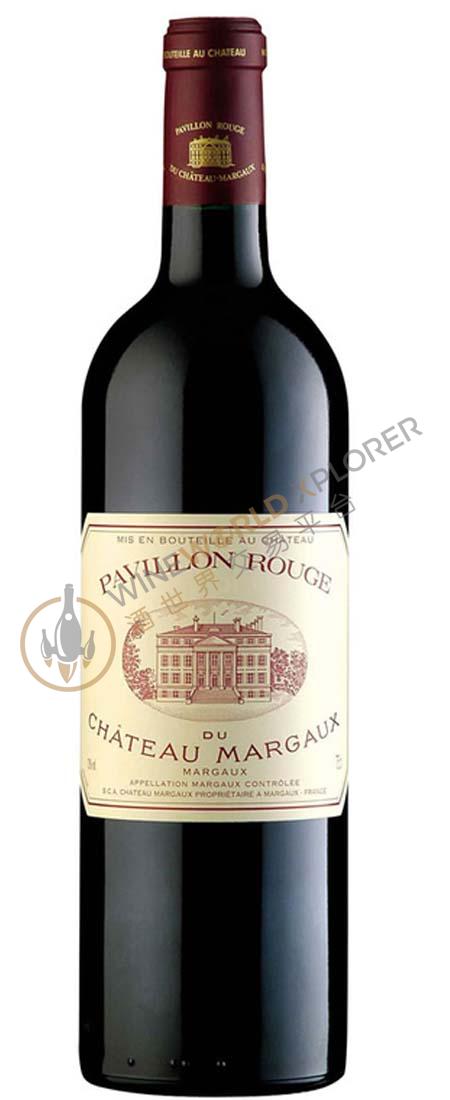
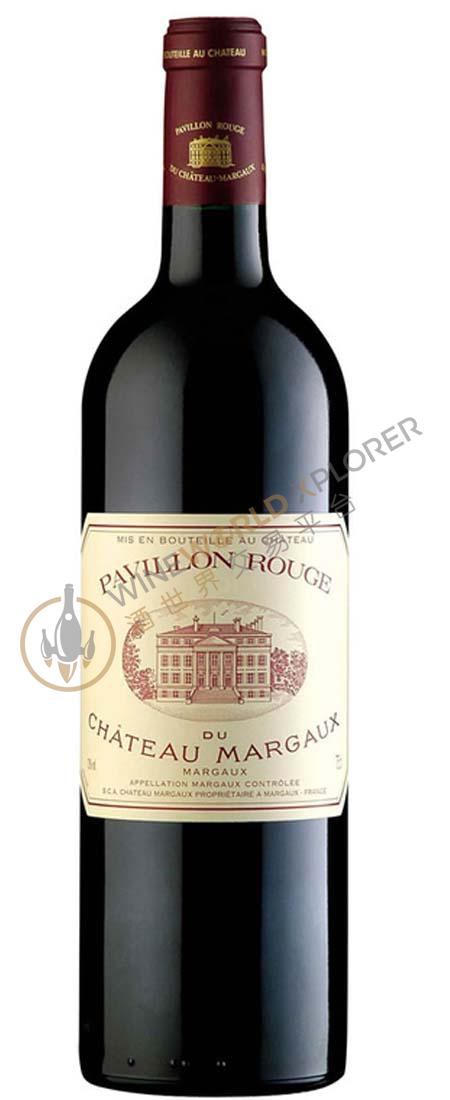
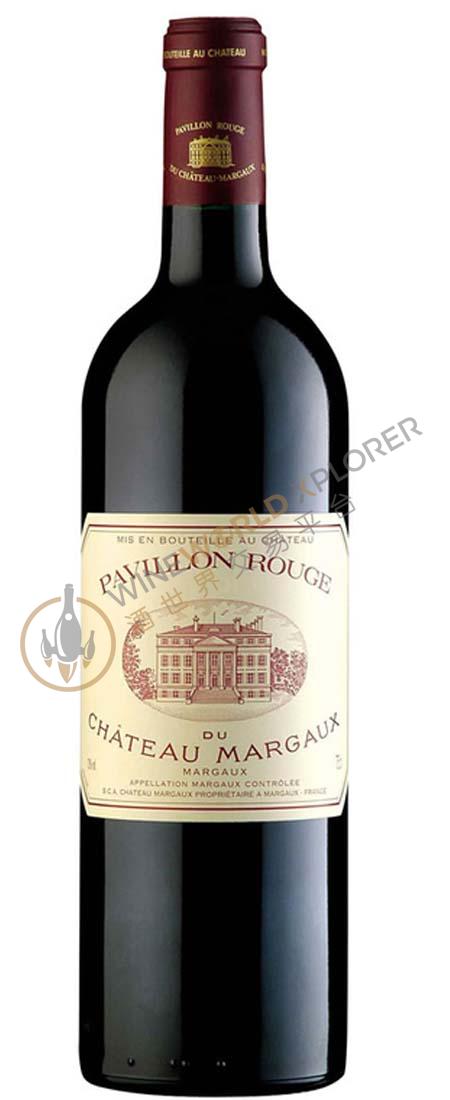
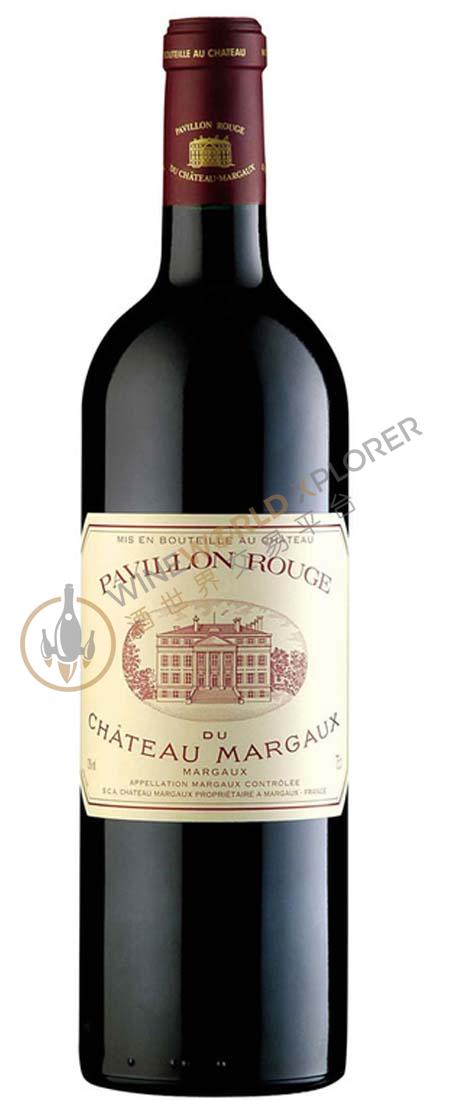
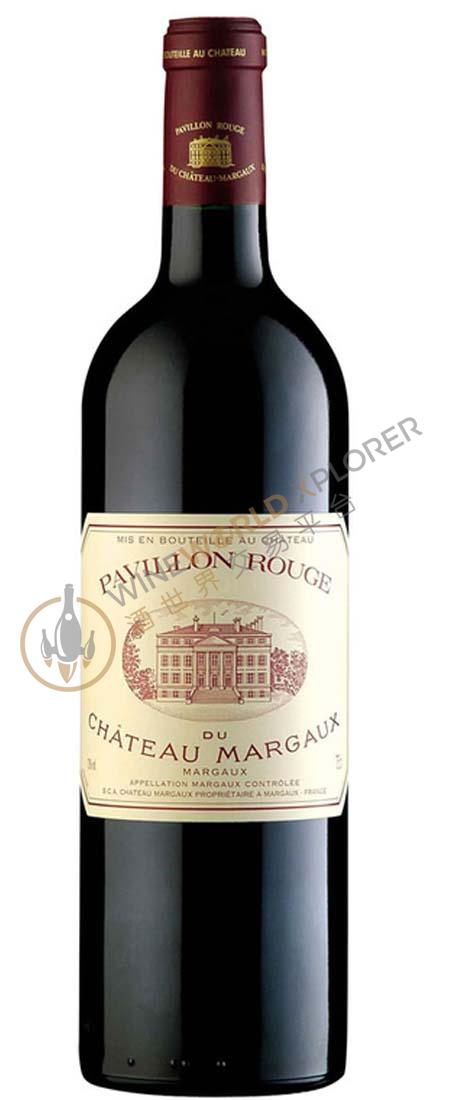
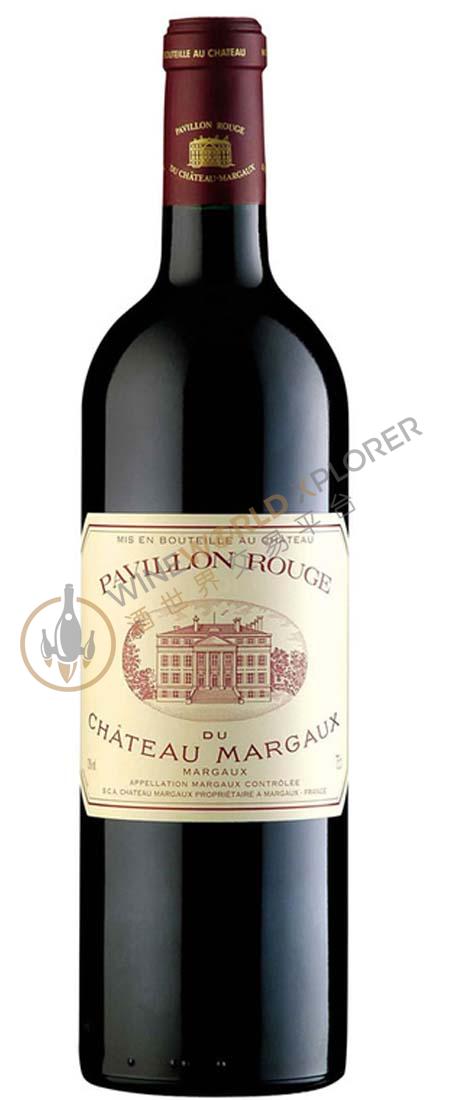
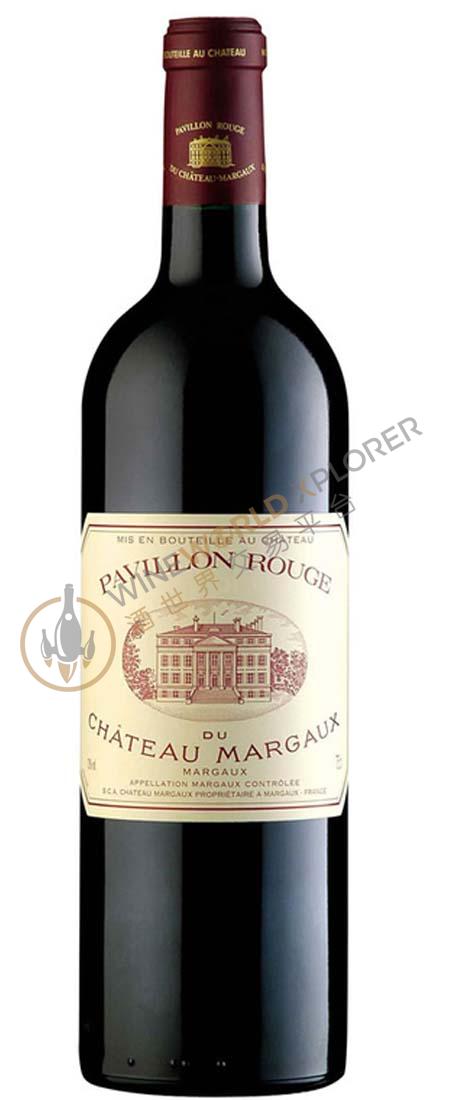
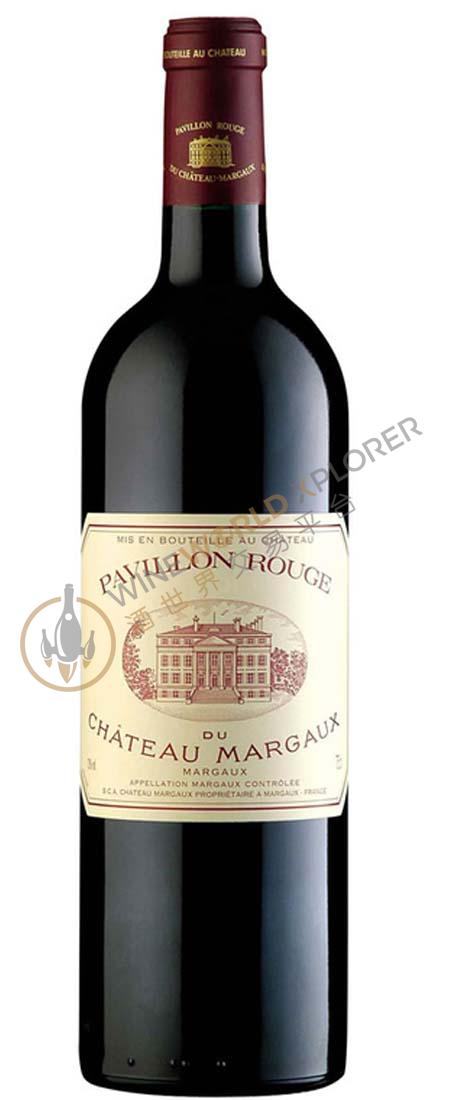
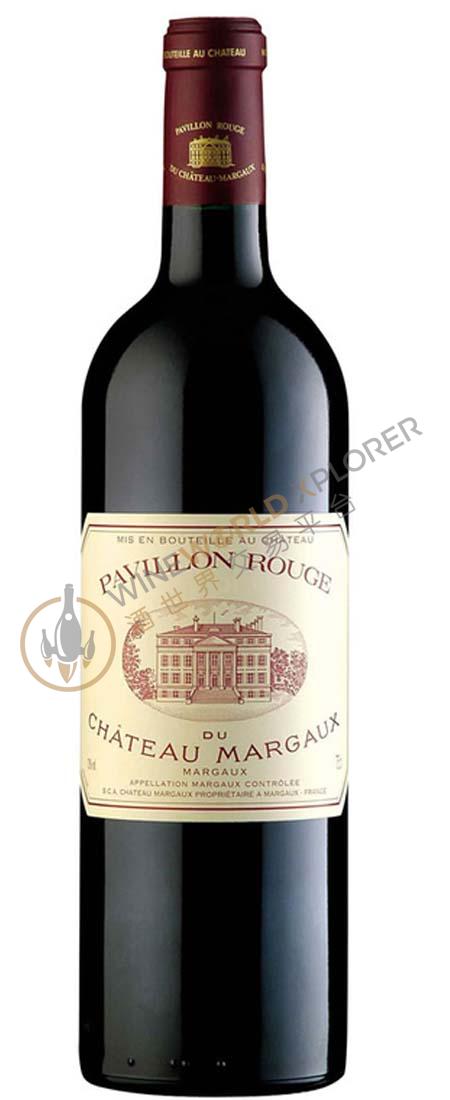
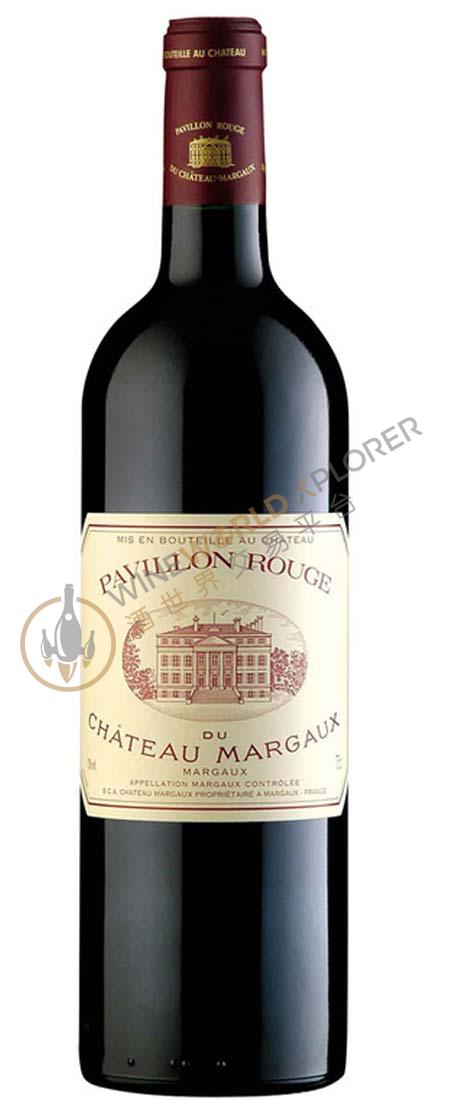
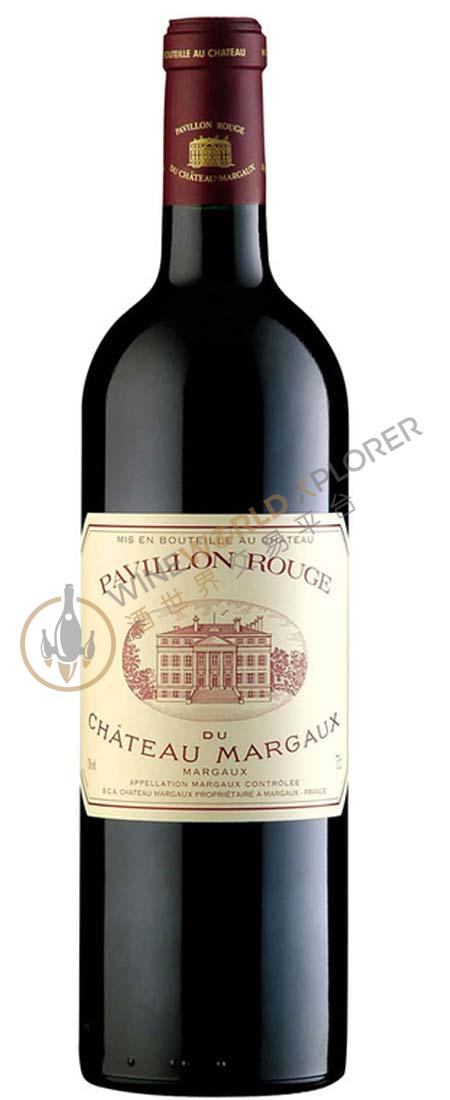
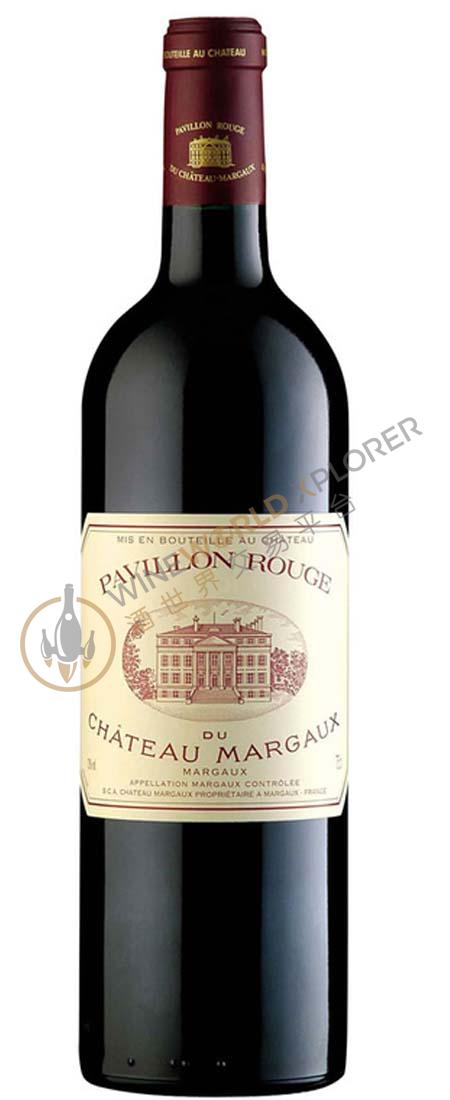
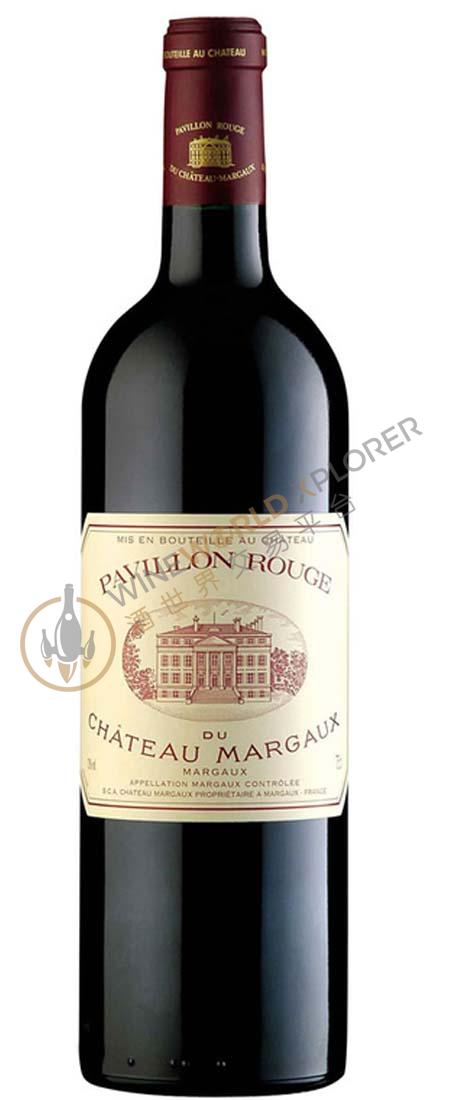
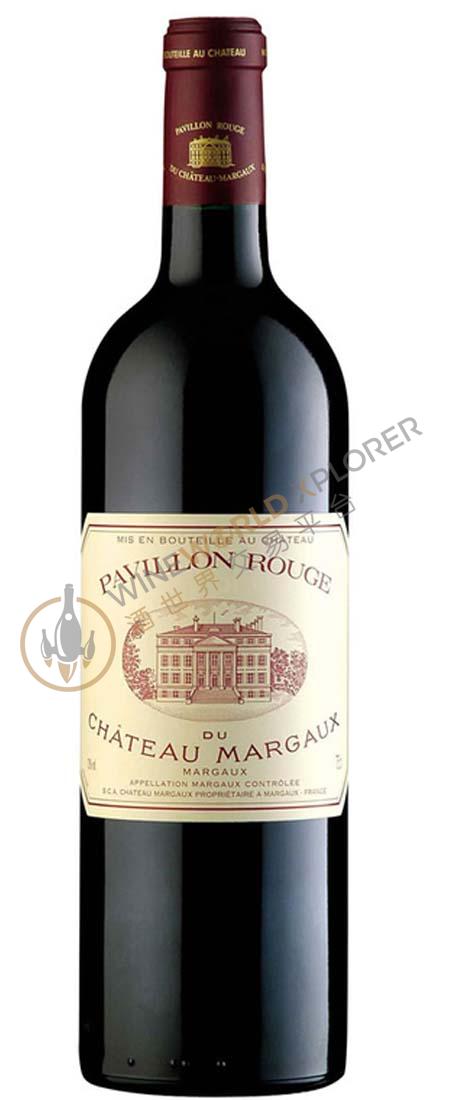
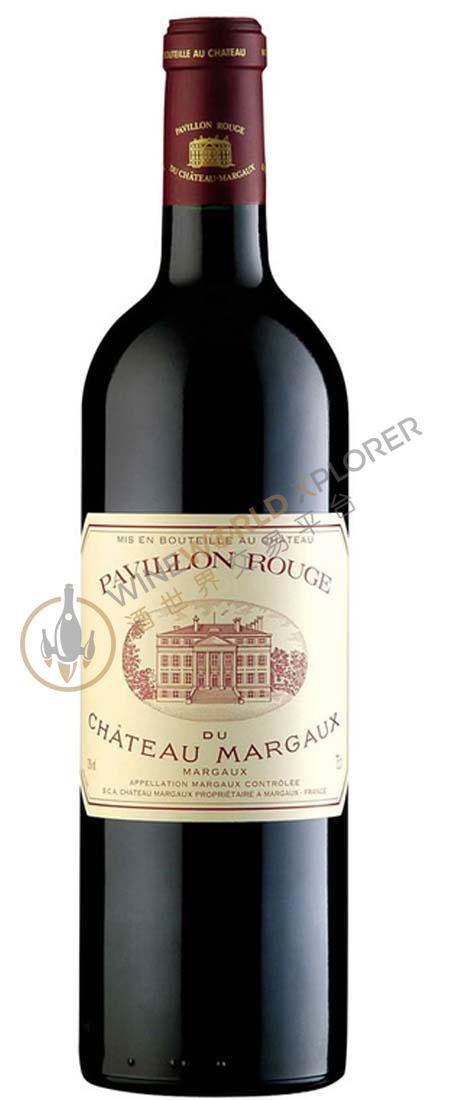
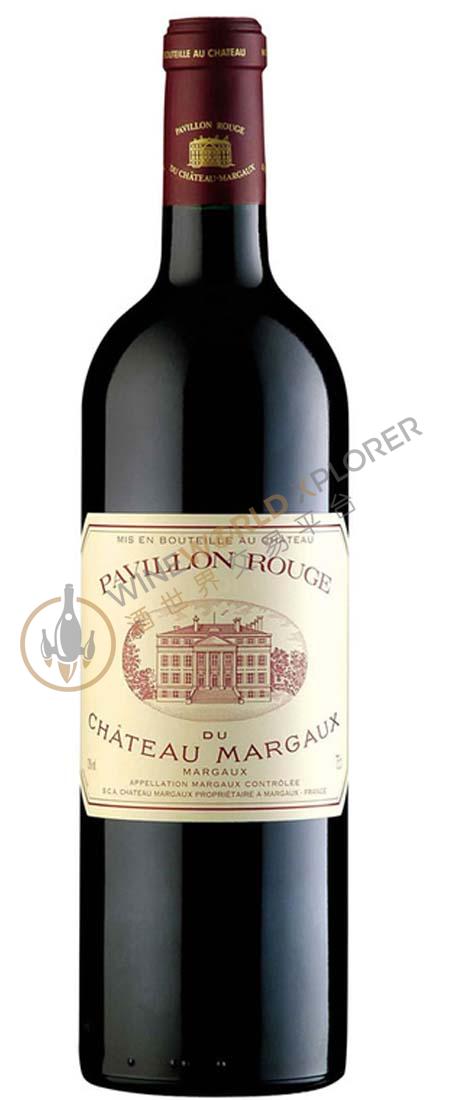
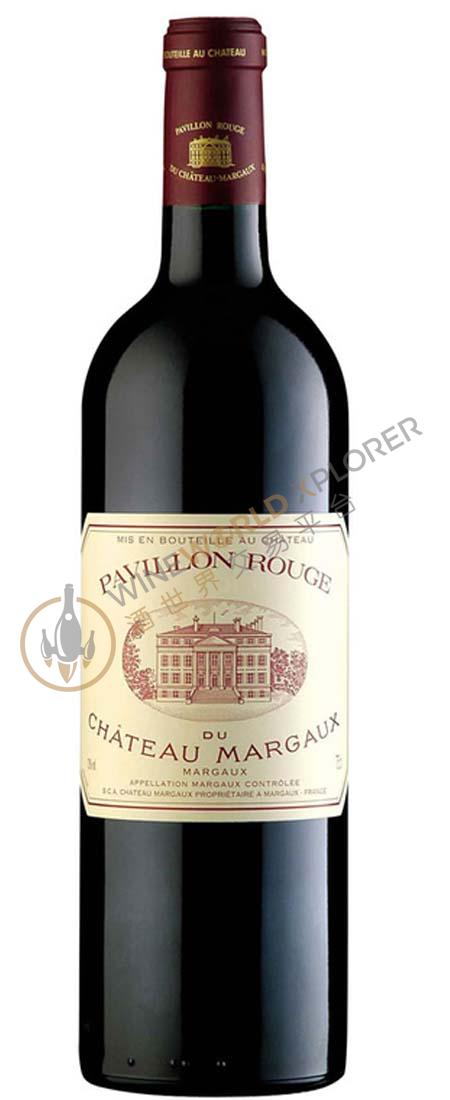
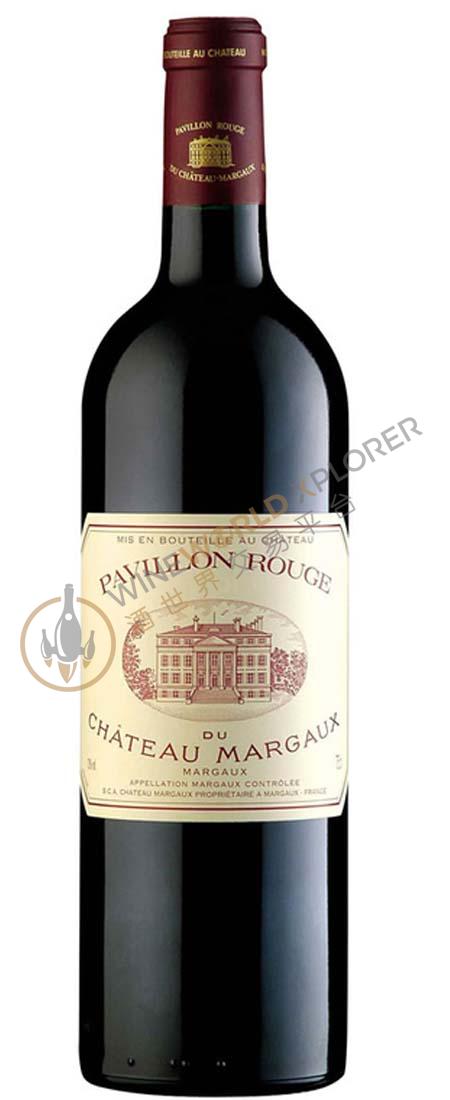
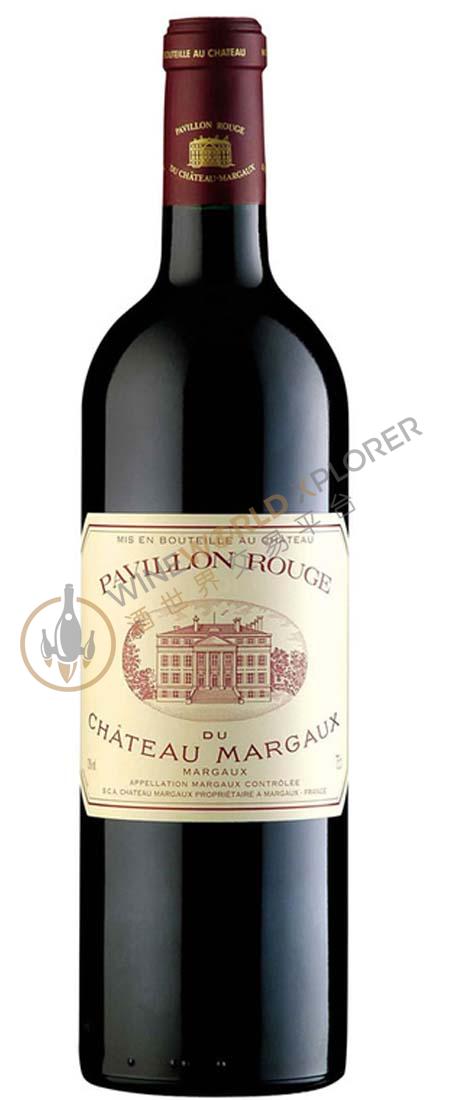
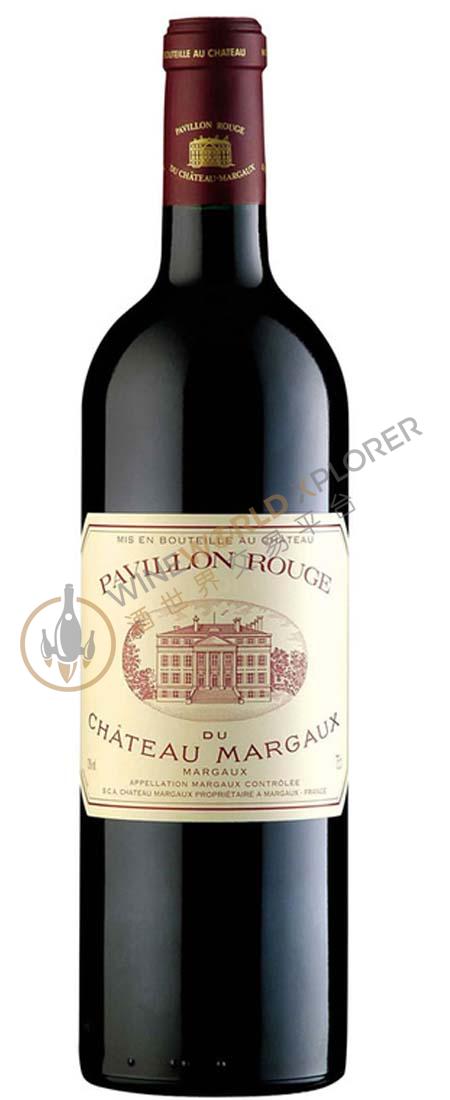
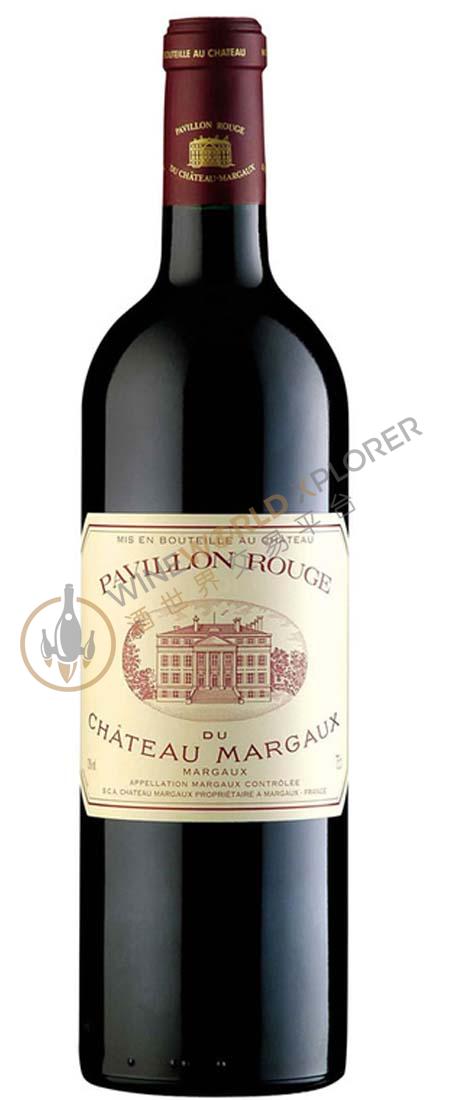
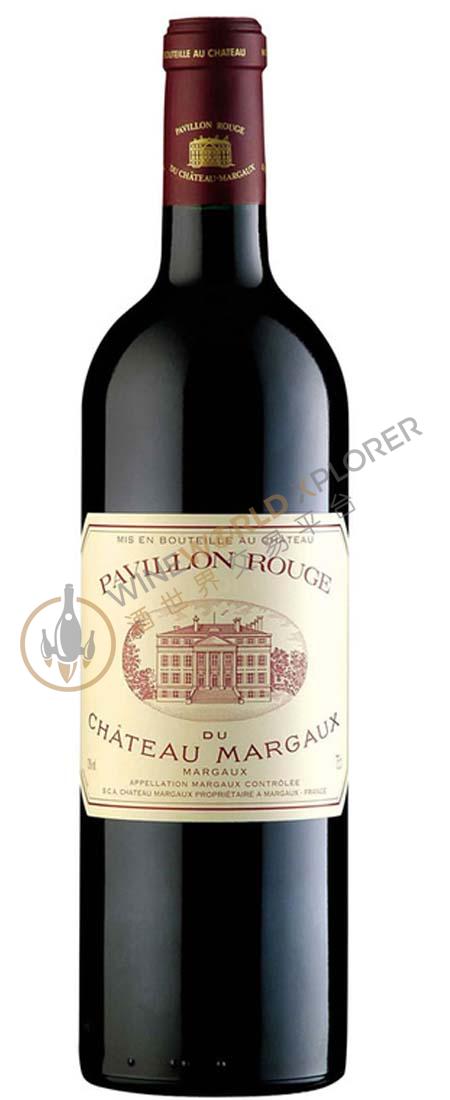
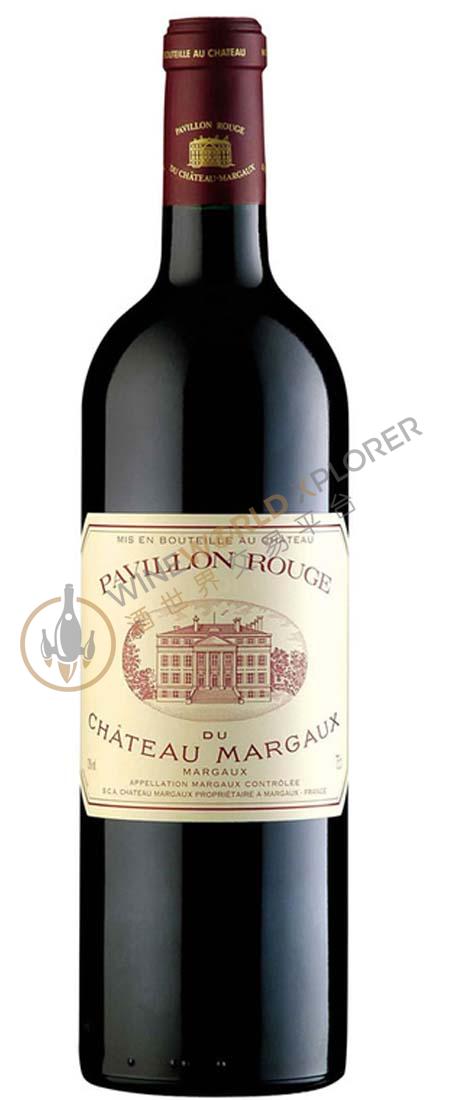
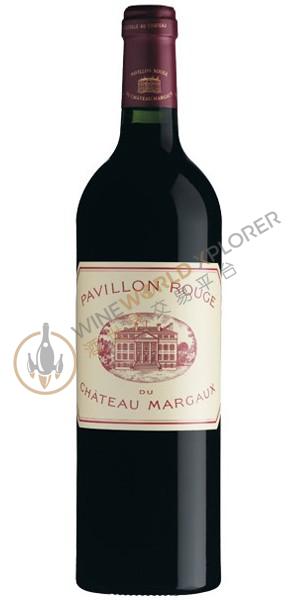
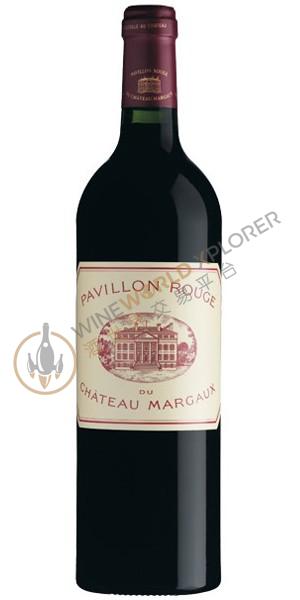
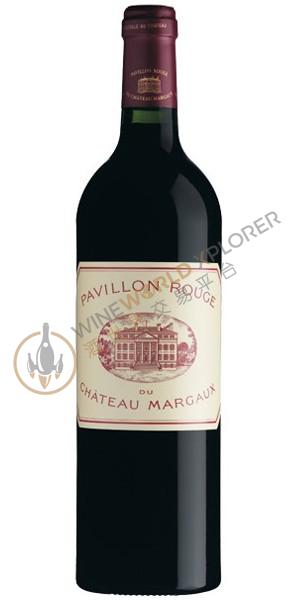
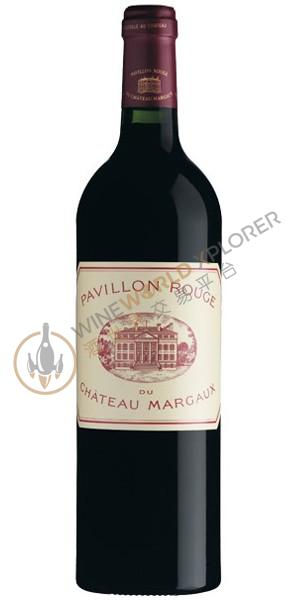
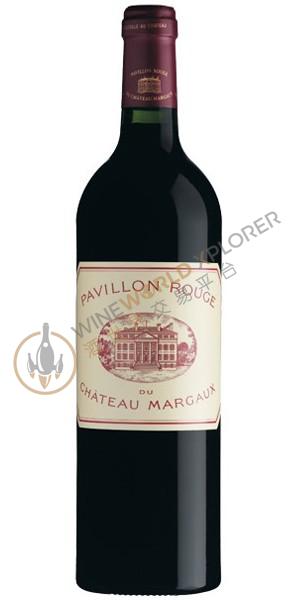
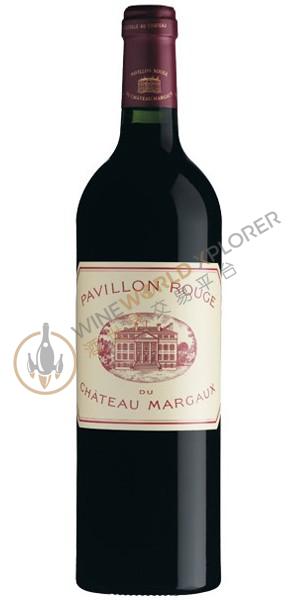
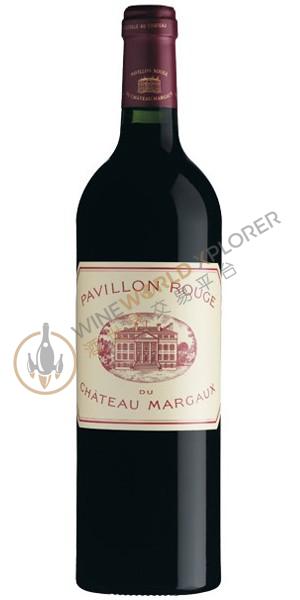
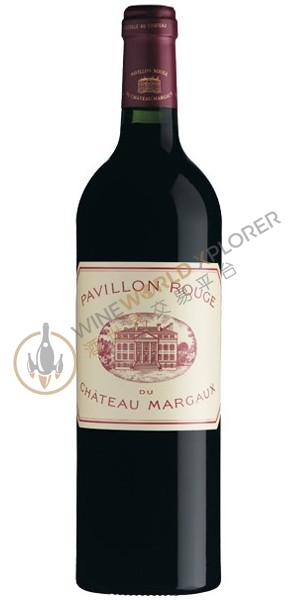
Pavillon Rouge du Chateau Margaux 2011
 View analysis


Description
Tasting notes

Reviewed by: Ian d'Agata
Good bright red-ruby. Cassis, black cherry, violet, licorice and herbs on the perfumed nose. Then a bit tart and tough in the mouth, with black fruit and licorice flavors accented by pungent pepper and aromatic herb nuances. Slightly gritty tannins clash with strong acidity on the finish, giving the wine a lightly sour edge and a thin mouthfeel. Much better on the nose than on the palate today: will it harmonize and gain a little flesh with bottle aging?
Reviewed by: Ian d'Agata
Deep purple. Sexy nose of redcurrant, fresh herbs and vanilla. Lively on entry, then soft and ripe, with multilayered red fruit, herb and cocoa flavors. The pure, long finish is ripely tannic. Paul Pontallier told me that the estate is paying more attention to Pavillon Rouge, as it has become such an important and sought-after wine that Margaux cannot really afford to have it be anything less than excellent.
Reviewed by: Neal Martin
The 2011 Pavillon Rouge de Château Margaux has a lovely, open nose with more red than black fruit, cedar and undergrowth, touches of black pepper. Good vigour here. The palate is well balanced with sappy red fruit, though because of the vintage, it feels a little monotone and slightly underripe on the finish, doesn’t quite kick on. Has it got anything to give down the line? Tasted blind at the annual 10-Year-On tasting.
Reviewed by: James Suckling
A wine with firm tannins and fresh fruit such as currants. Spicy. Full to medium body with firm, mineral tannins. It shows a salty, savory, citrus character. Lacks a bit in the middle palate. Try in 2017.
About the Producer
Sold under the name of “Château Margaux 2nd wine”, it took its permanent name of Pavillon Rouge du Château Margaux in 1908. After an eclipse between the thirties and the mid-seventies, its production restarted on the arrival of André Mentzelopoulos in 1977 and at first greatly increased in order to improve the quality of the first wine. From the mid – 1990s, the creation of a third wine in its turn, allowed for a more and more rigorous selection for Pavillon Rouge. For a few years now, a third of the harvest has gone into the first wine, barely 30% into the Pavillon Rouge, and the remainder is divided between the third and fourth wines. The quality of Pavillon Rouge has become very close to that of the first wine because all the plots involved contributed to the blending of Château Margaux not so long ago. Of course there isn’t the same complexity, the same depth, the same “magic” but the flavours are close and the balance in the mouth leads to the same subtle senses of power and softness. In general it is ready to drink a little earlier whilst retaining an excellent potential to age largely beyond 30 or 40 years.
1977(1)1983(3)1984(1)1985(3)1986(2)1988(1)1990(2)1991(3)1994(3)1995(5)1996(9)1997(1)1998(6)1999(5)2000(8)2001(8)2002(5)2003(12)2004(3)2005(9)2006(4)2007(6)2008(12)2009(5)2010(12)
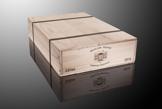
Package Size