Wine Advisor



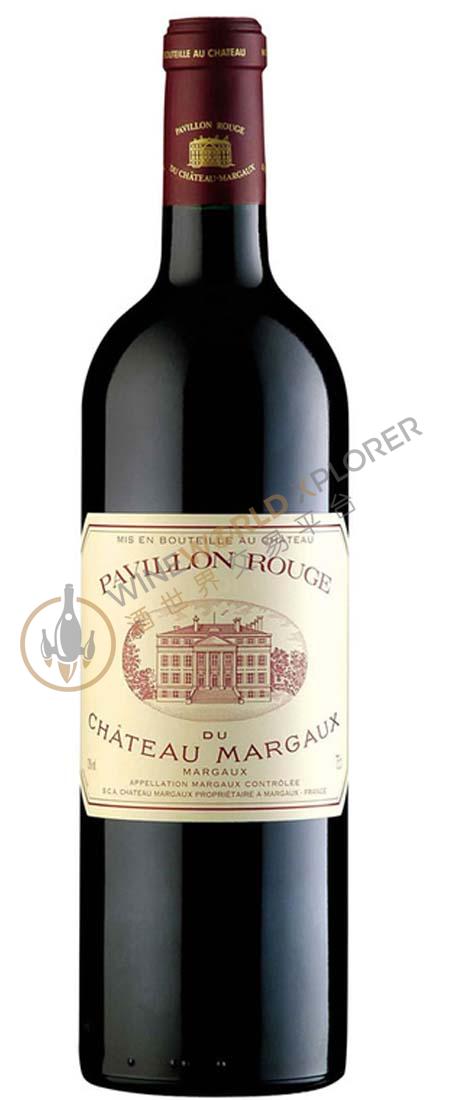
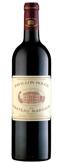
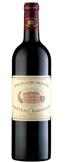
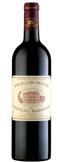
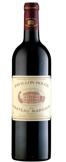
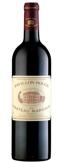
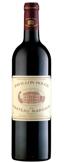
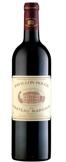
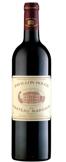
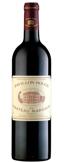
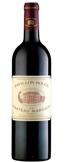
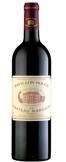
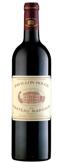
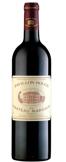
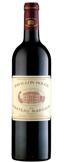
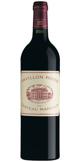
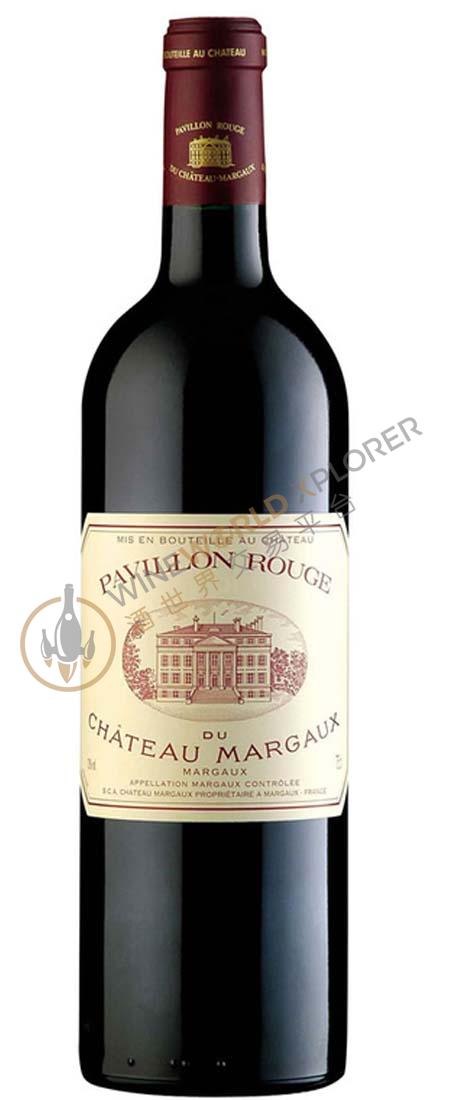
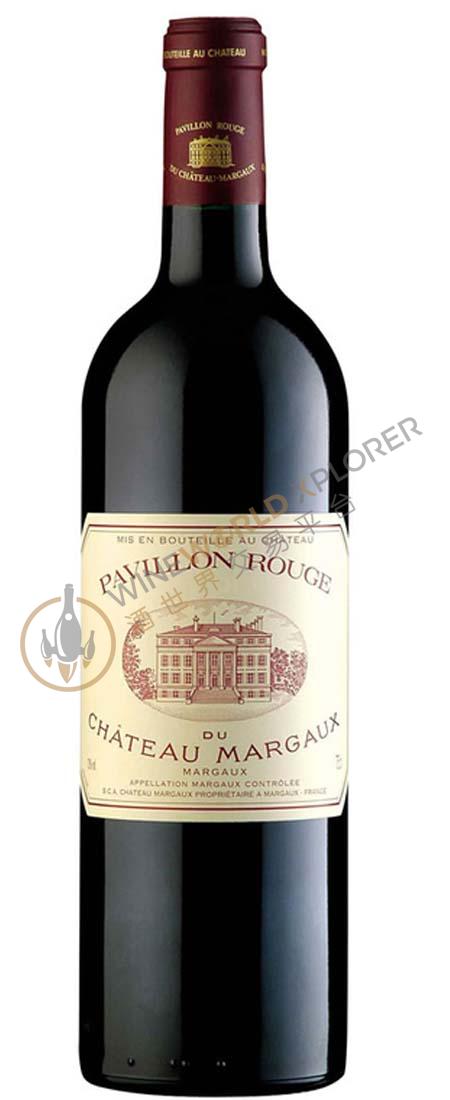
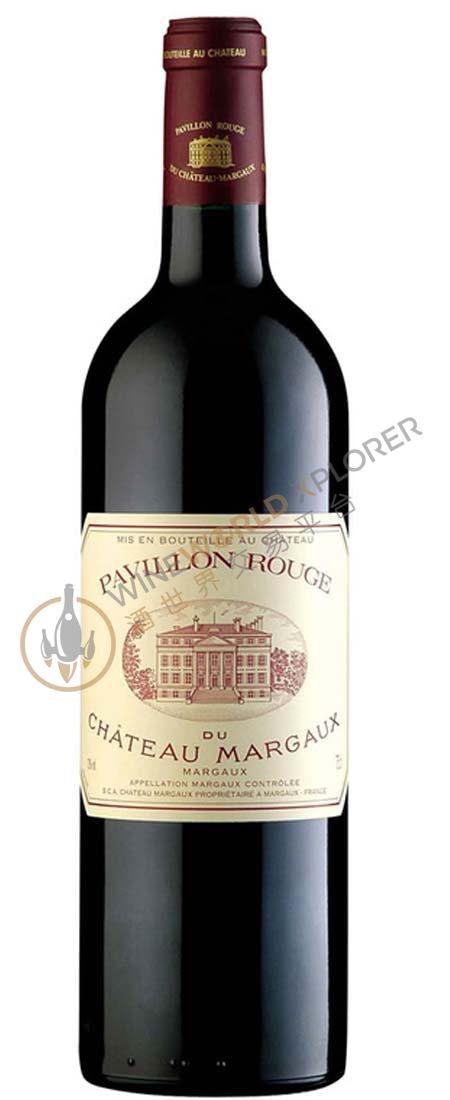
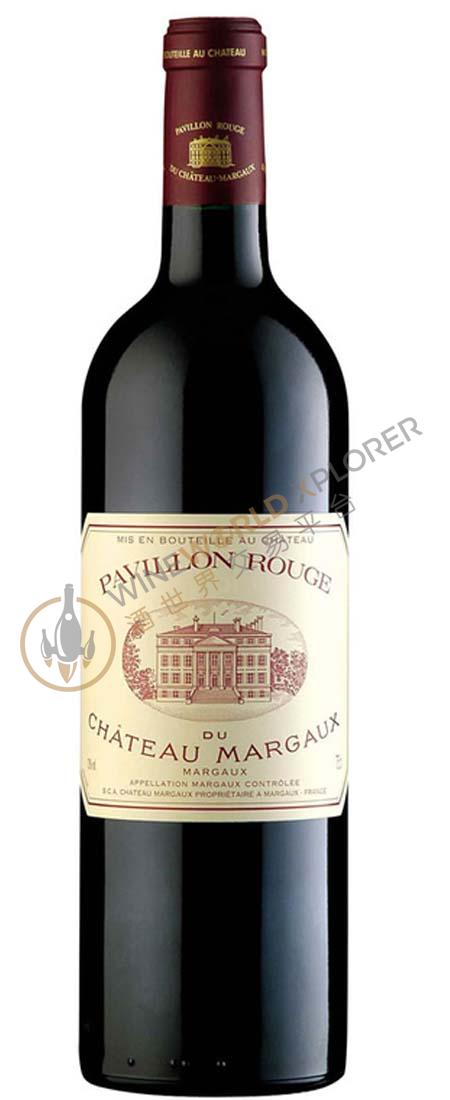
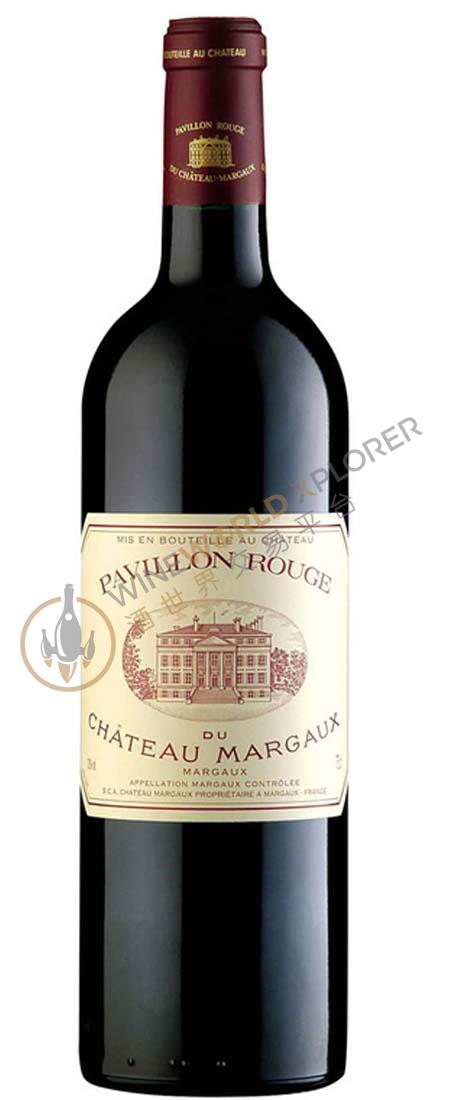
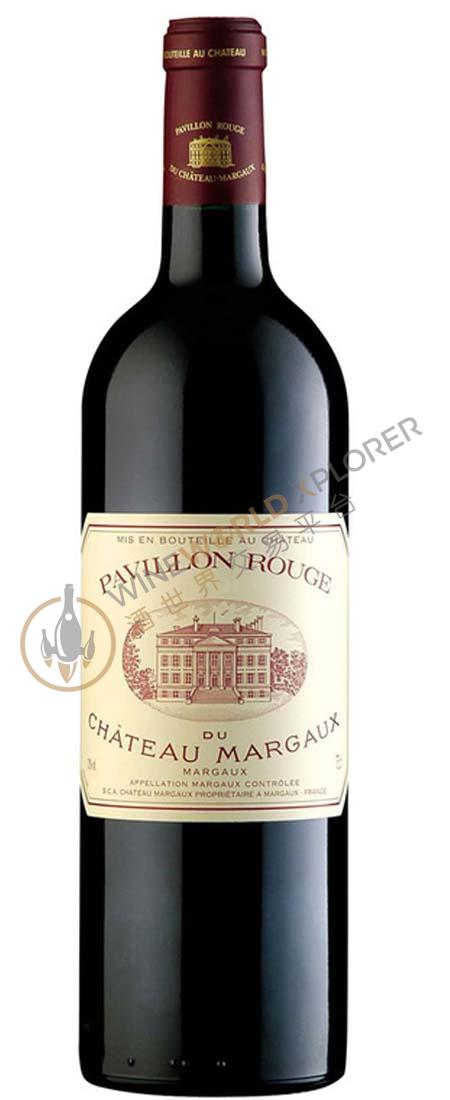
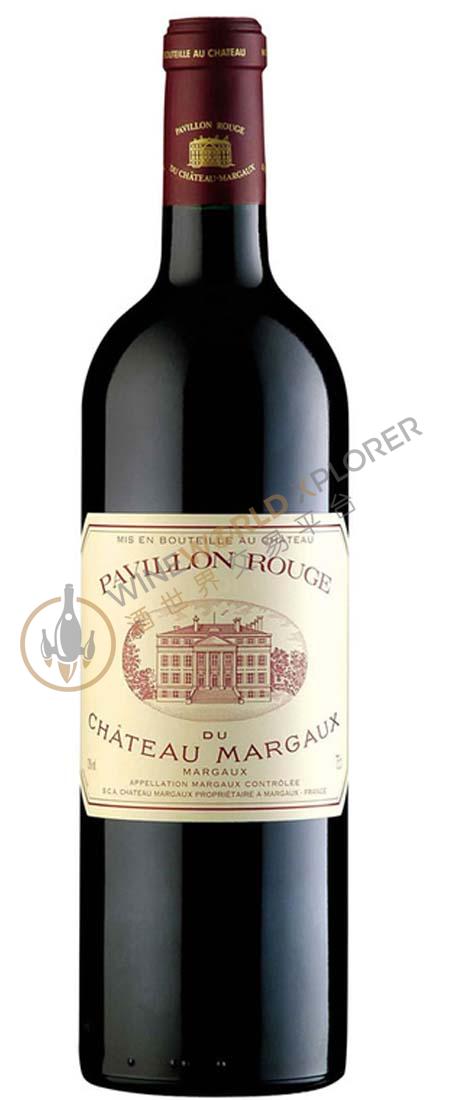
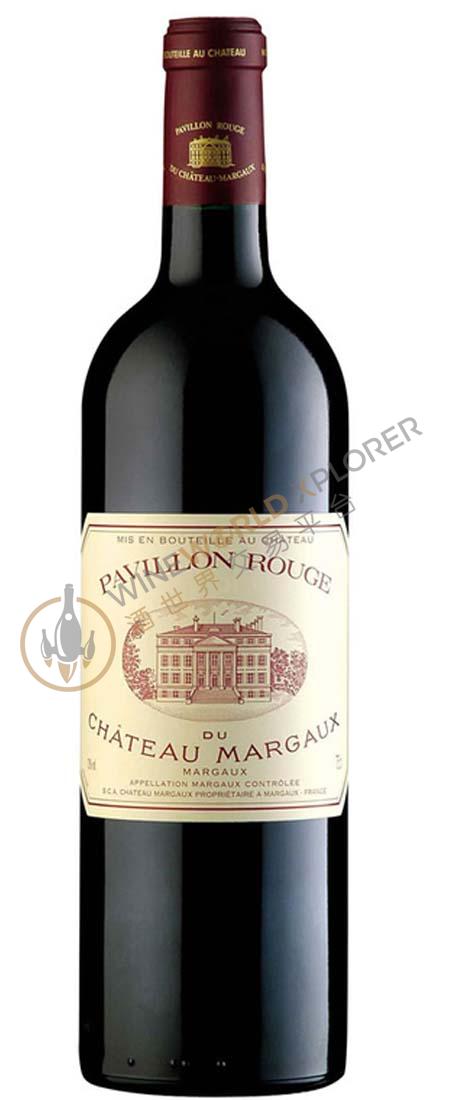
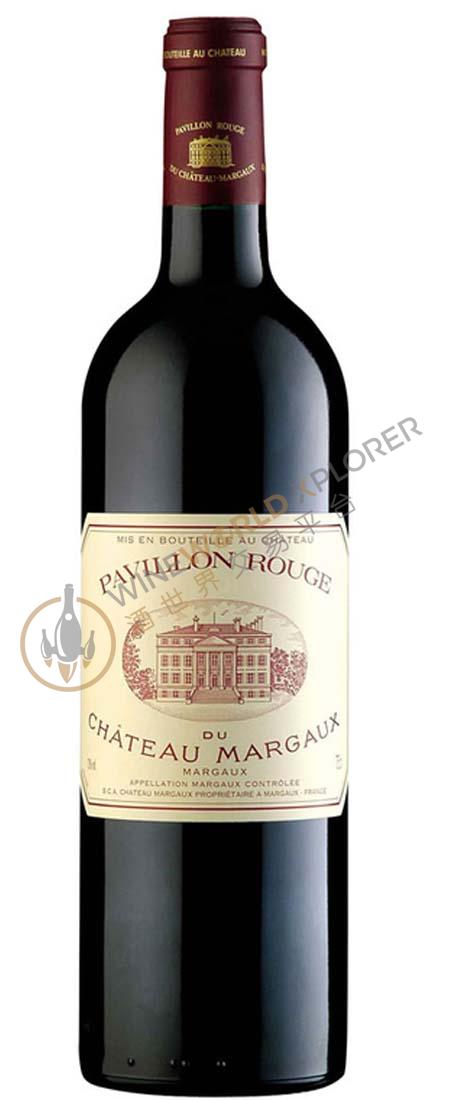
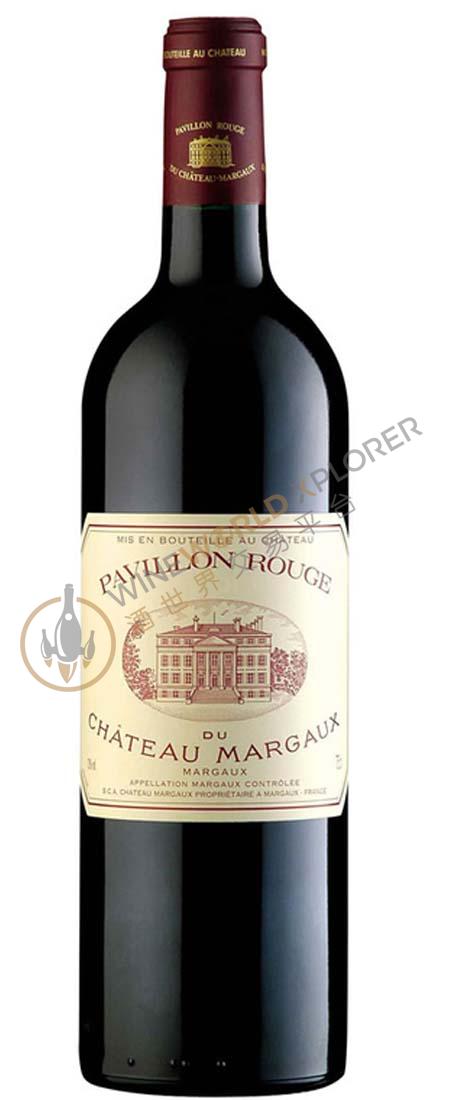
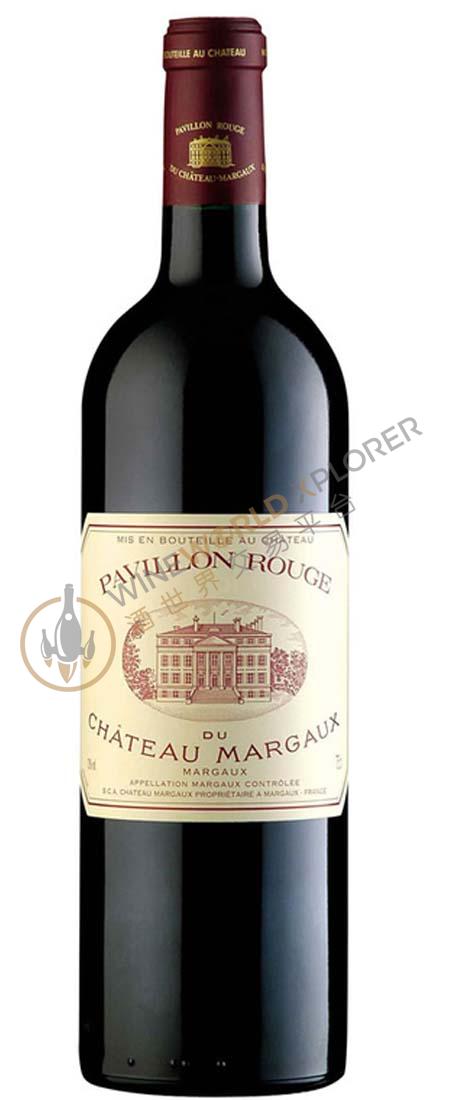
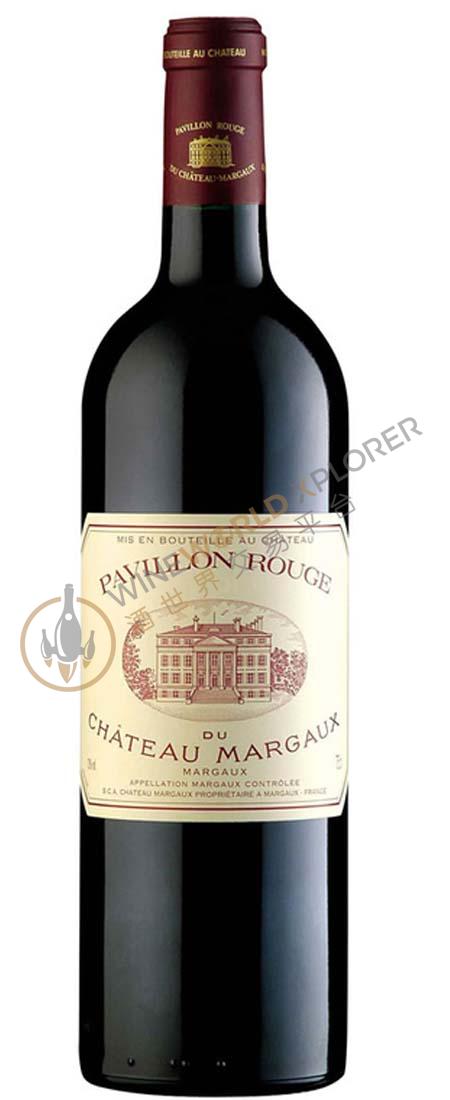
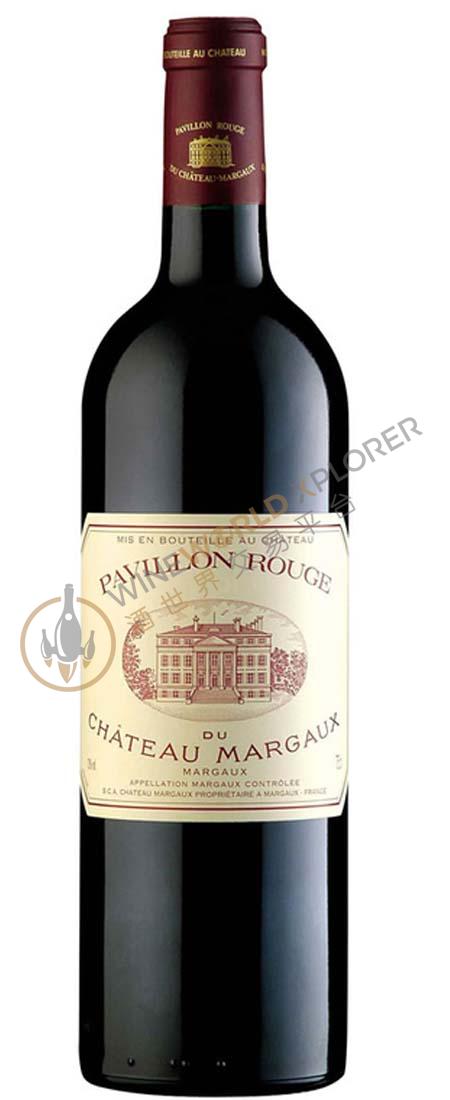
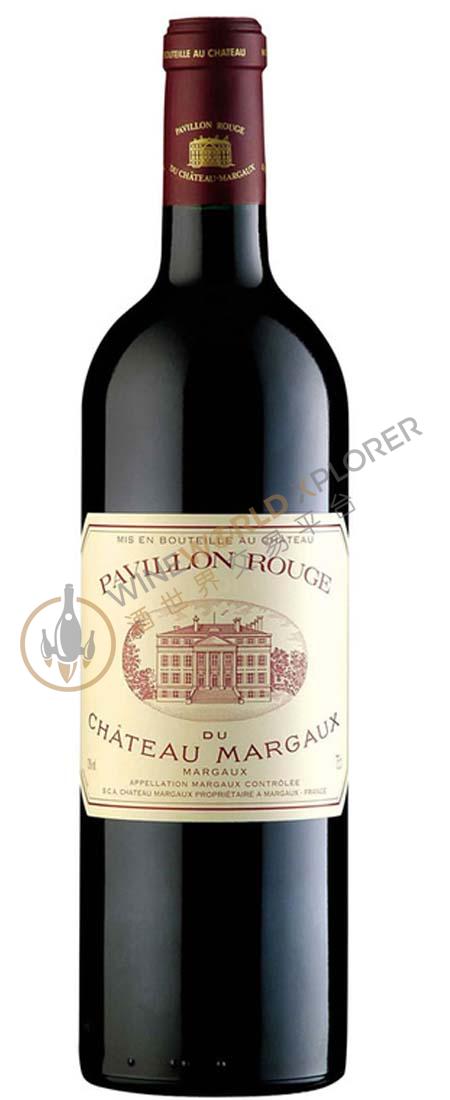
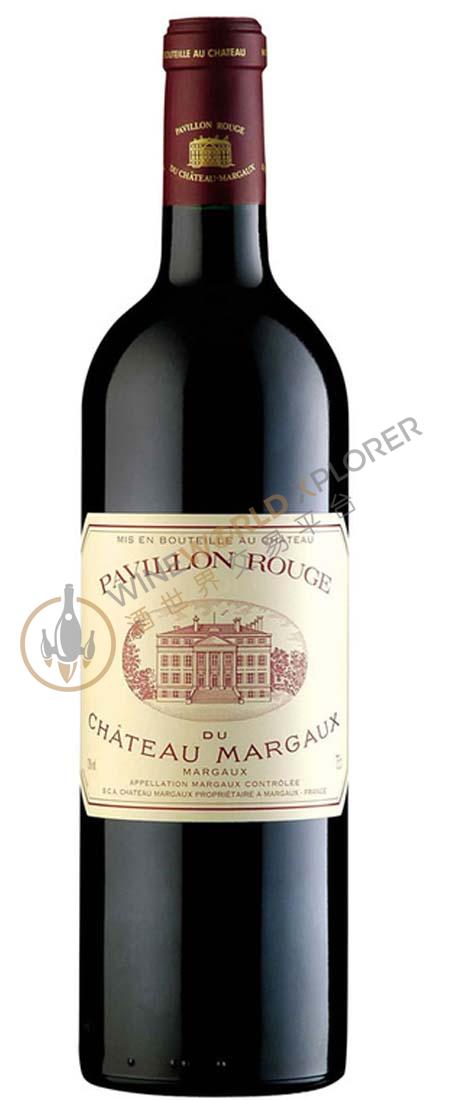
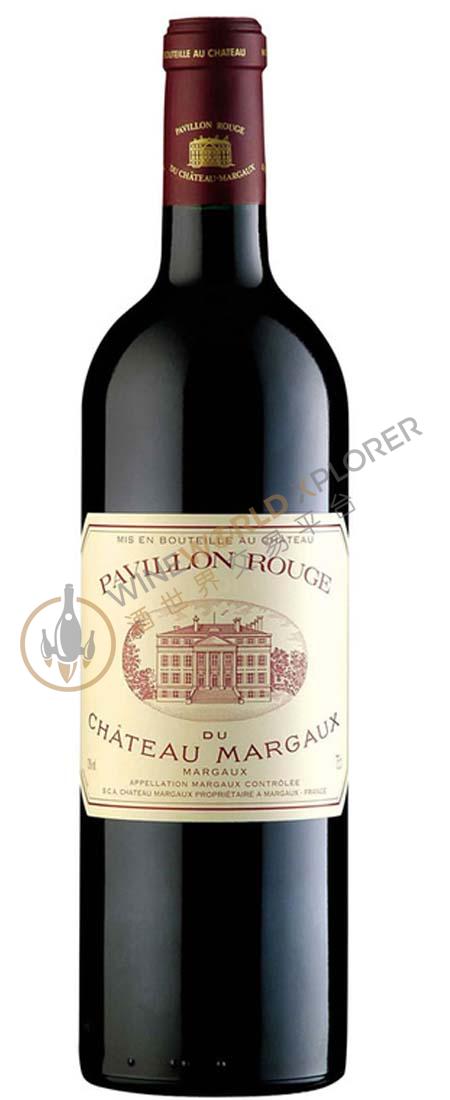
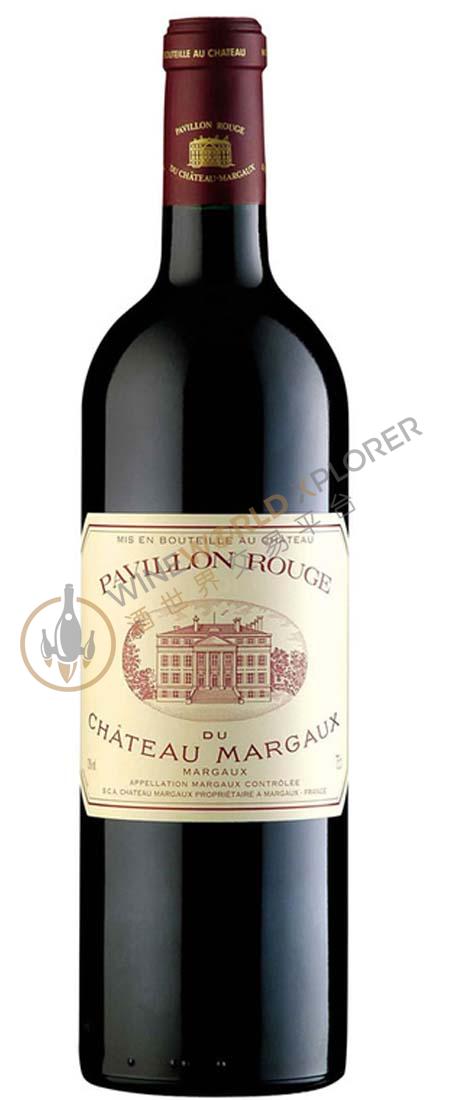
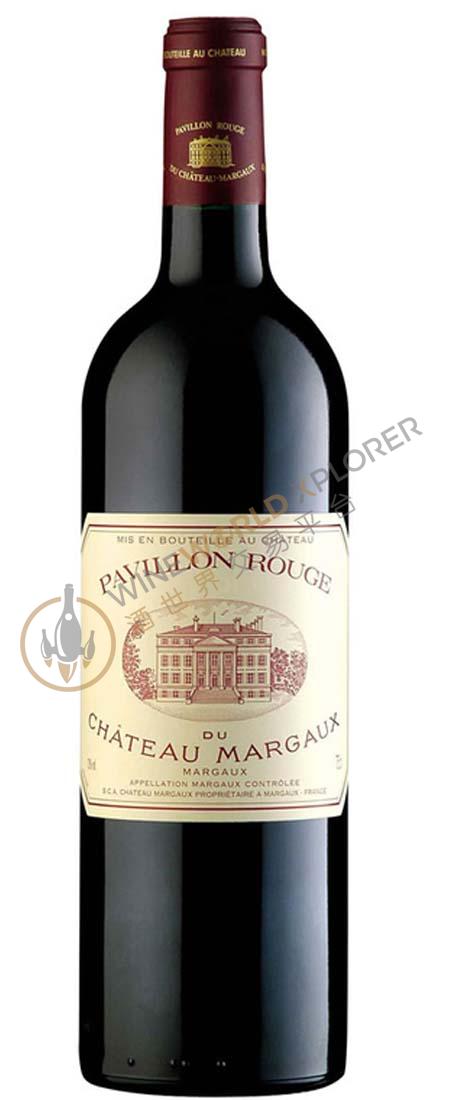
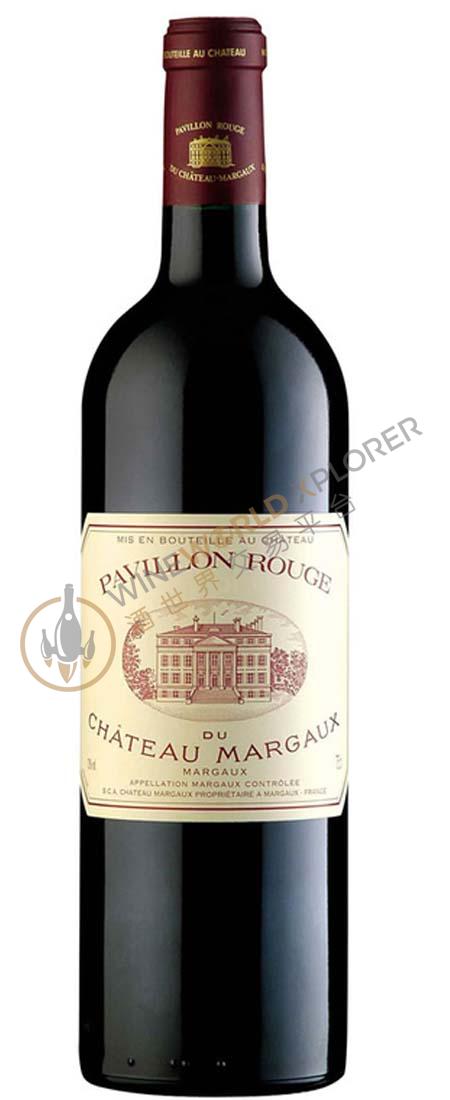
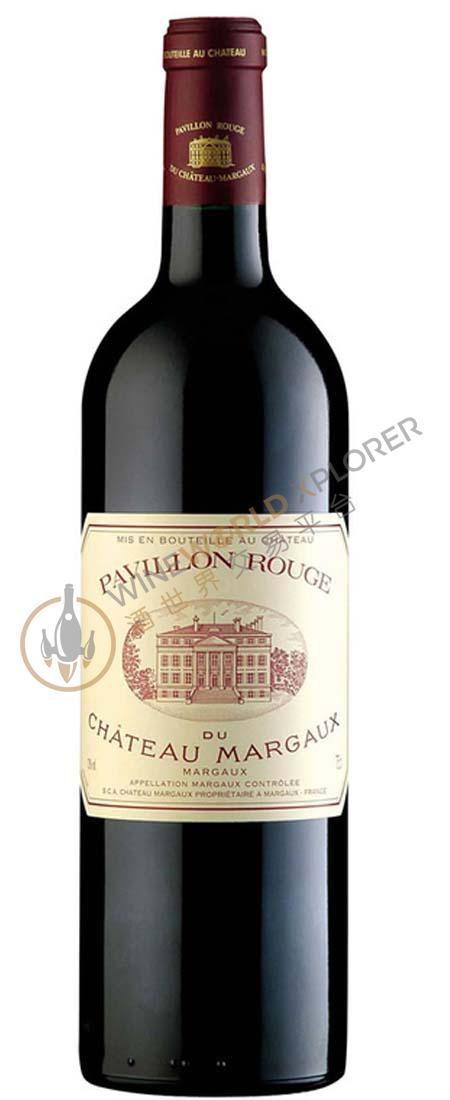
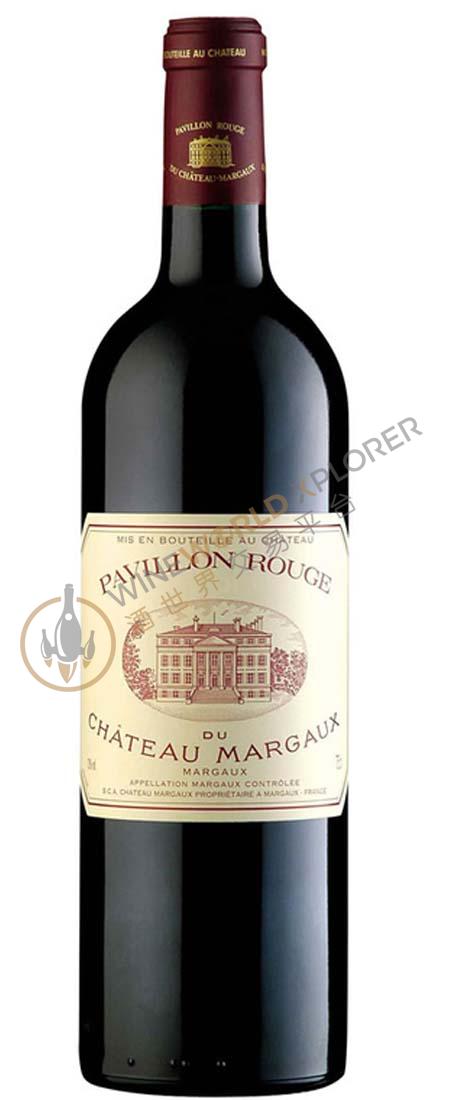
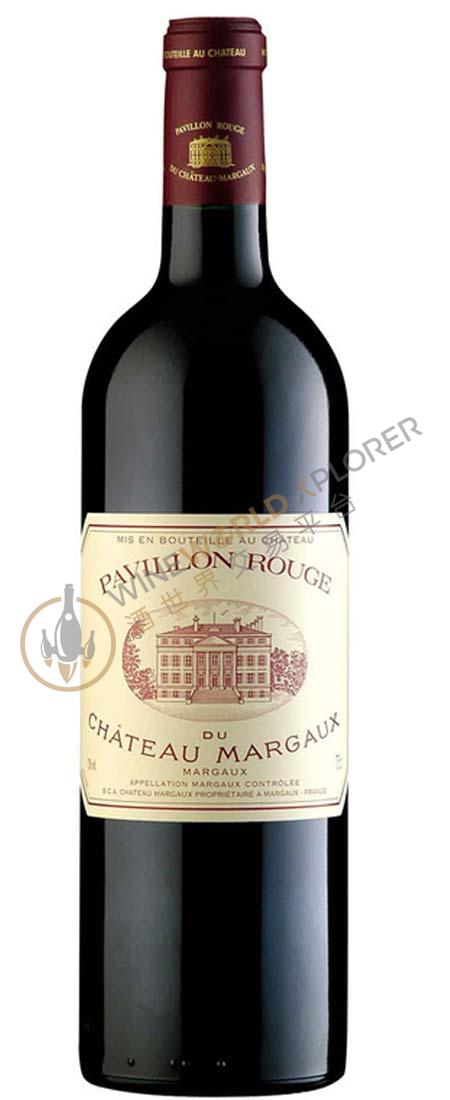
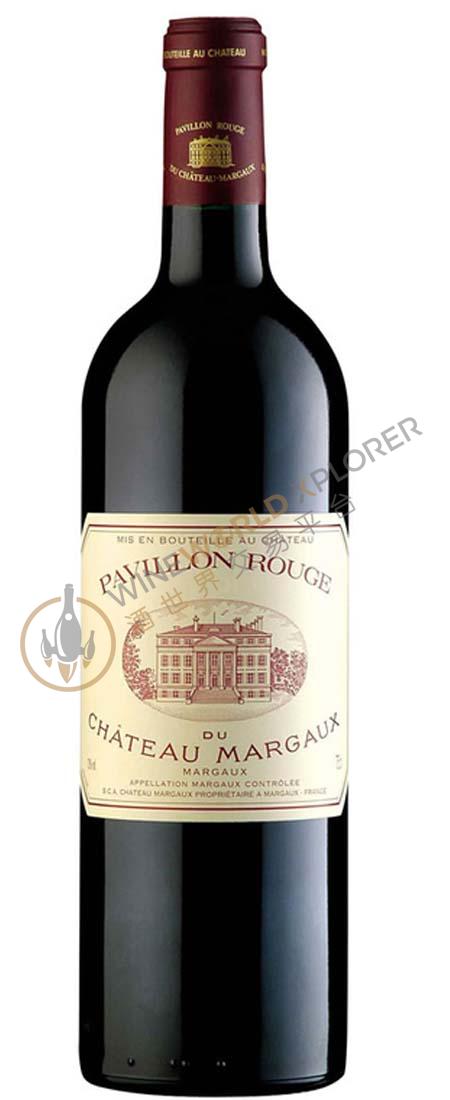
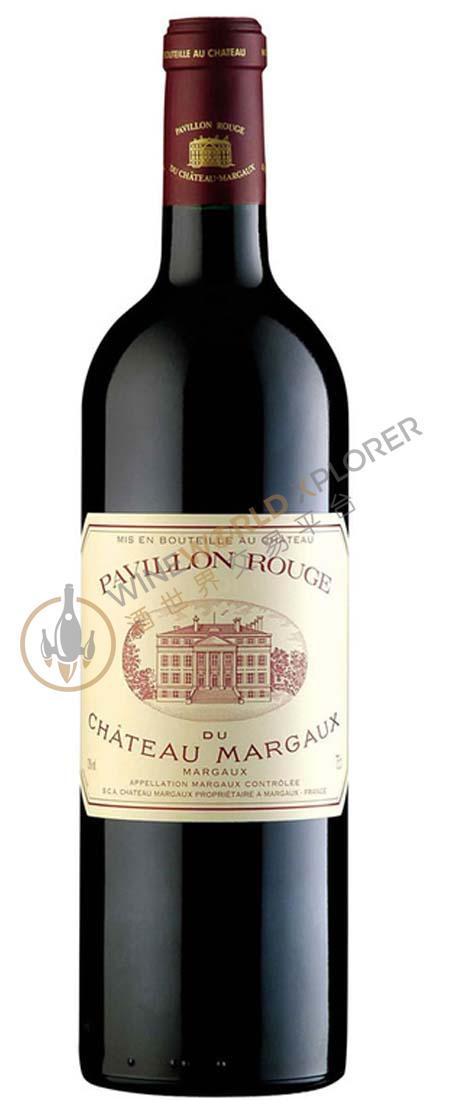
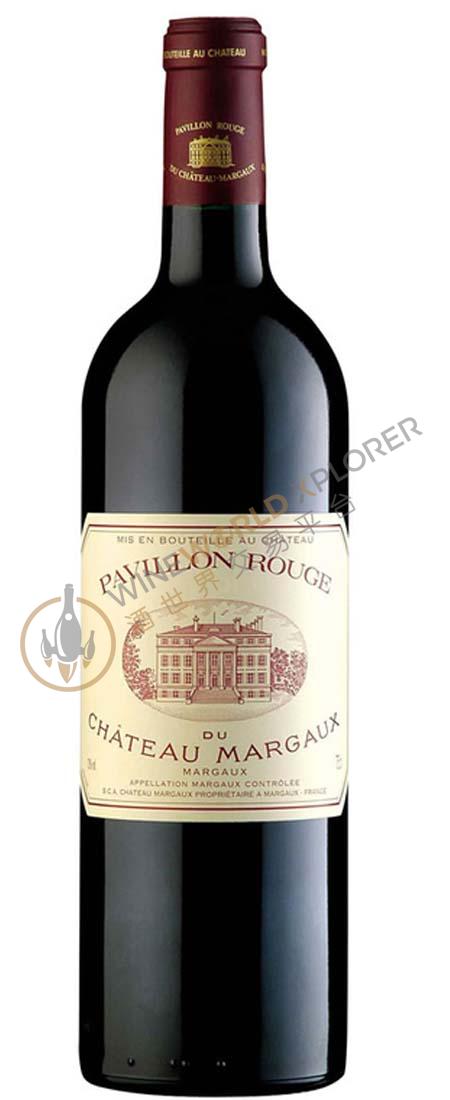
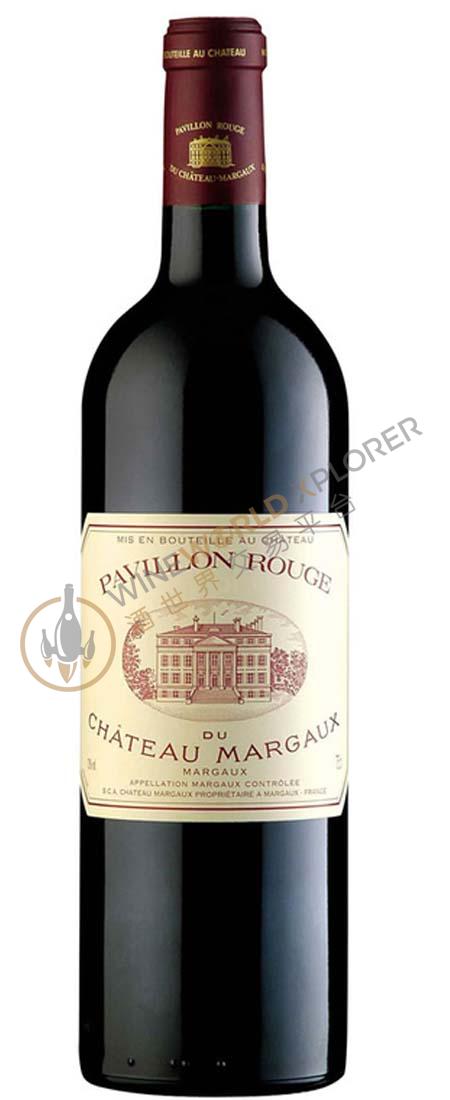
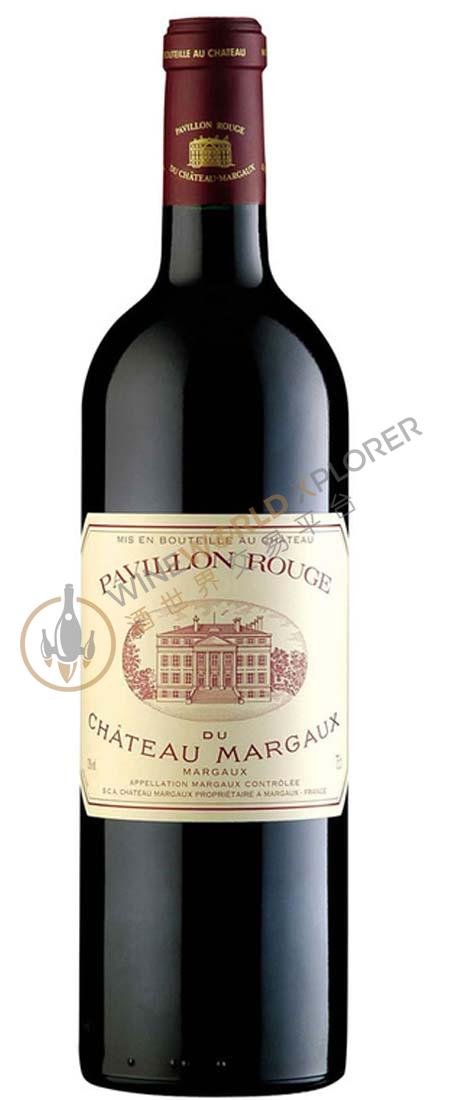
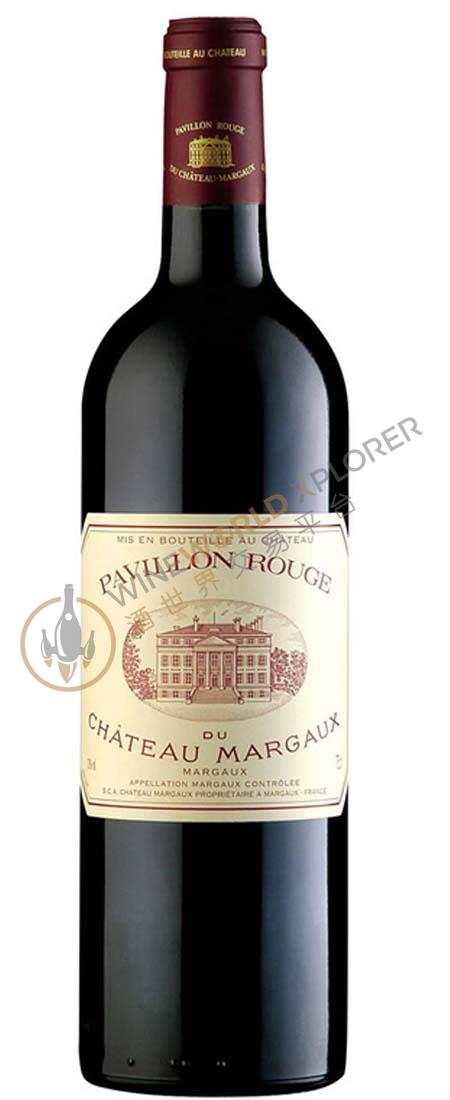
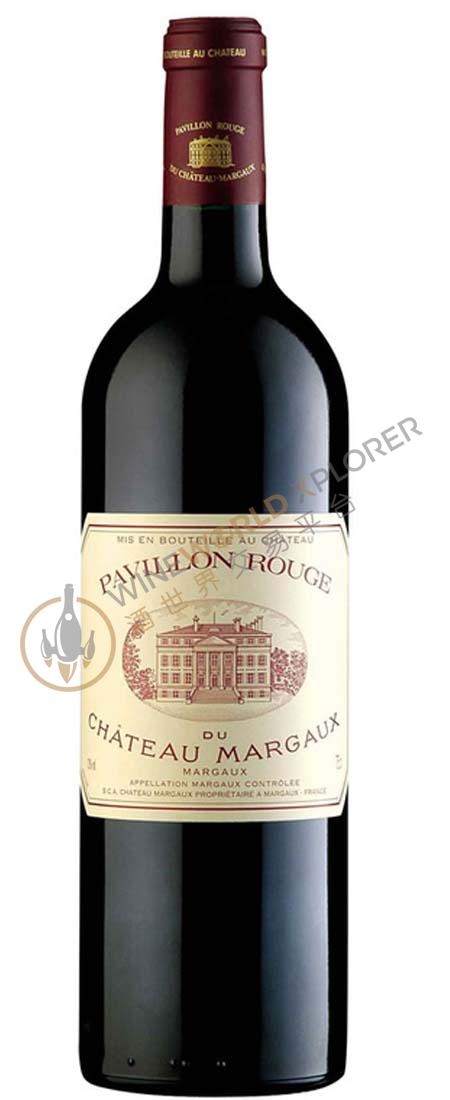
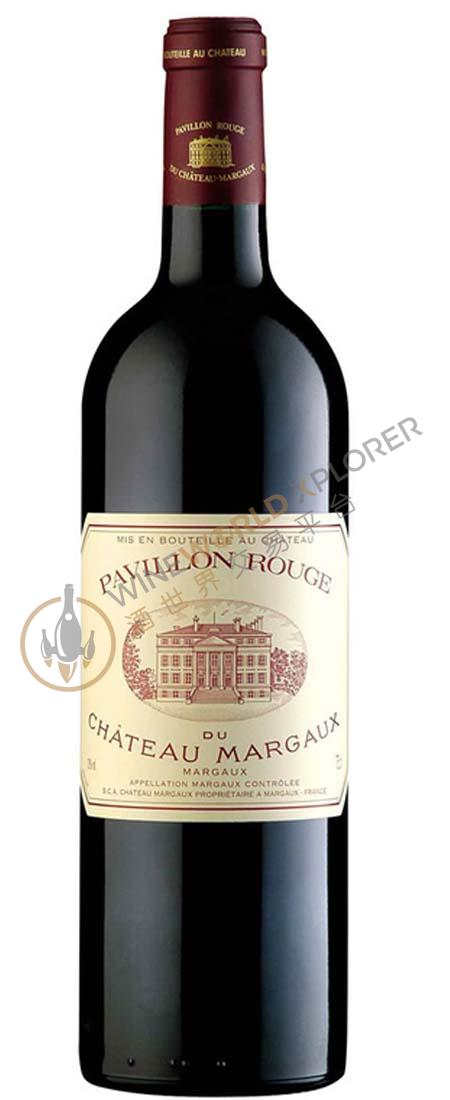
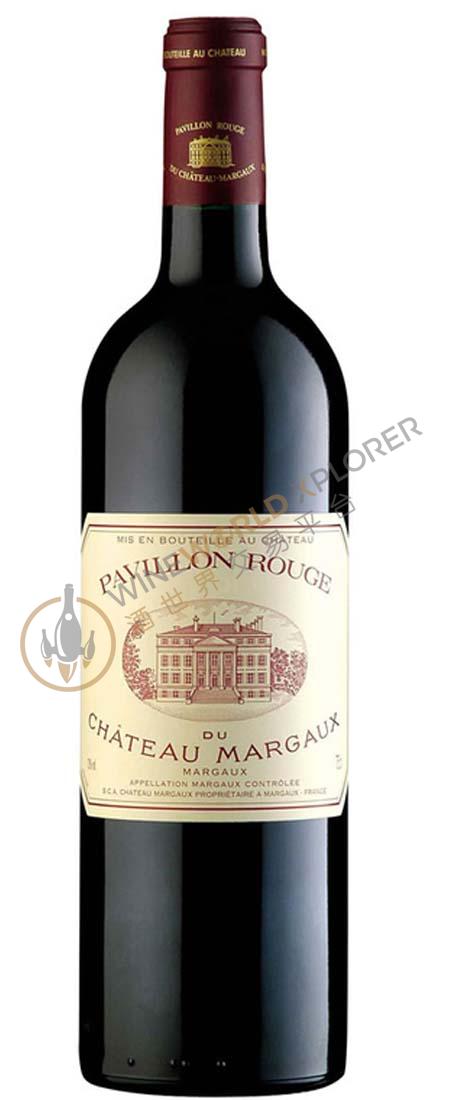
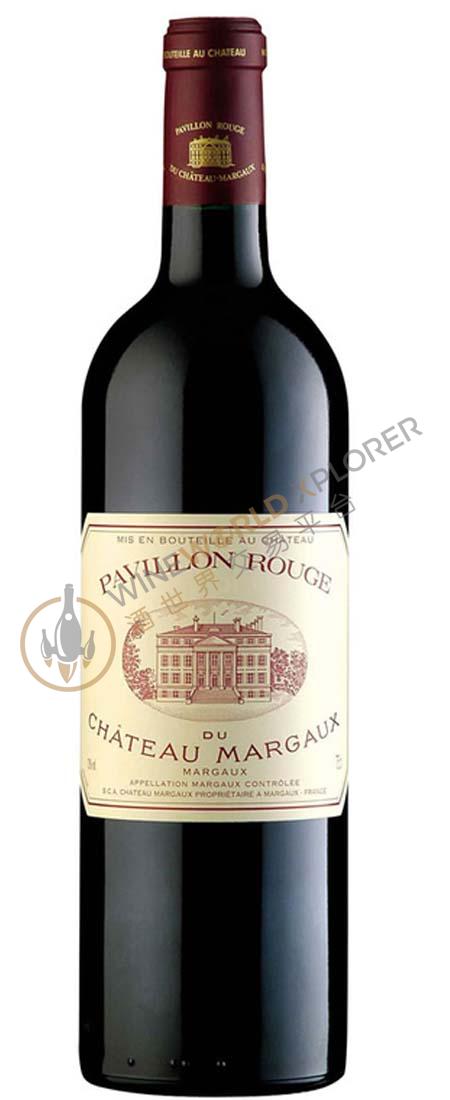
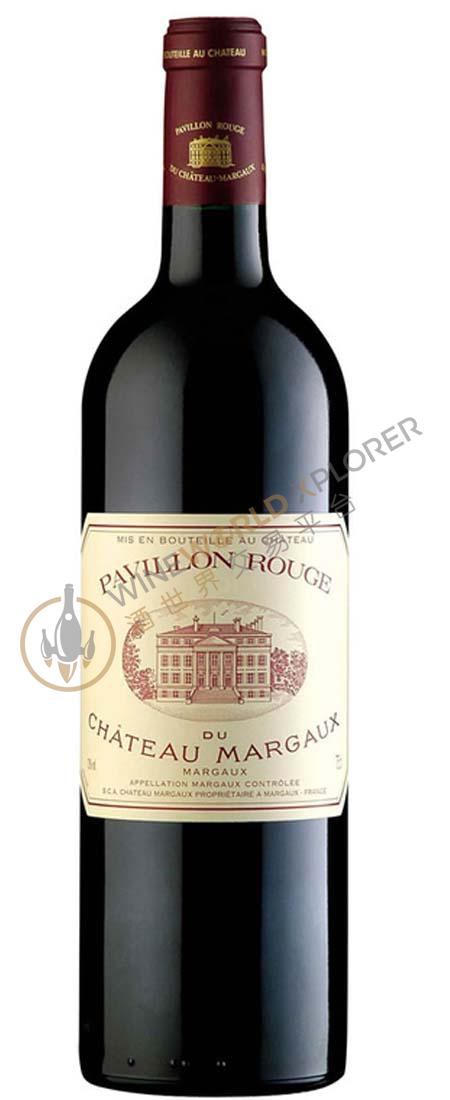
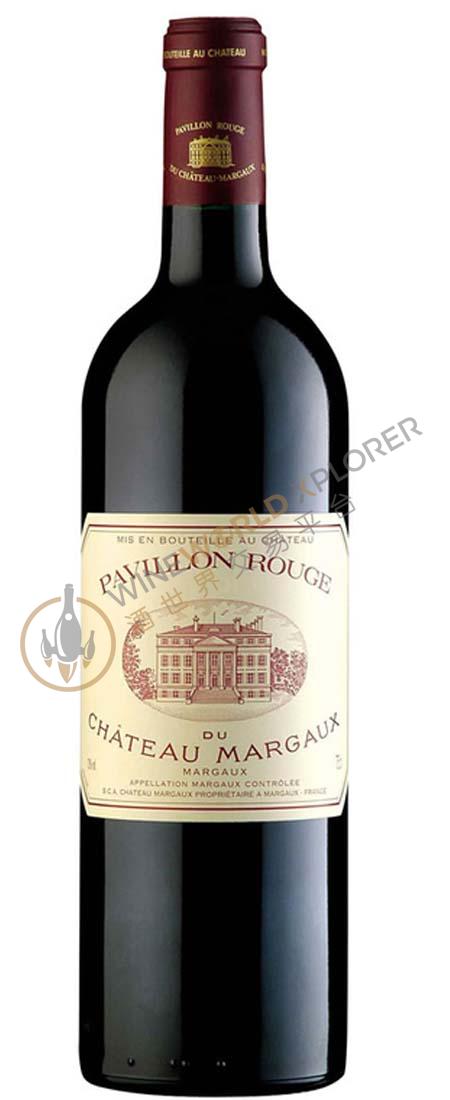
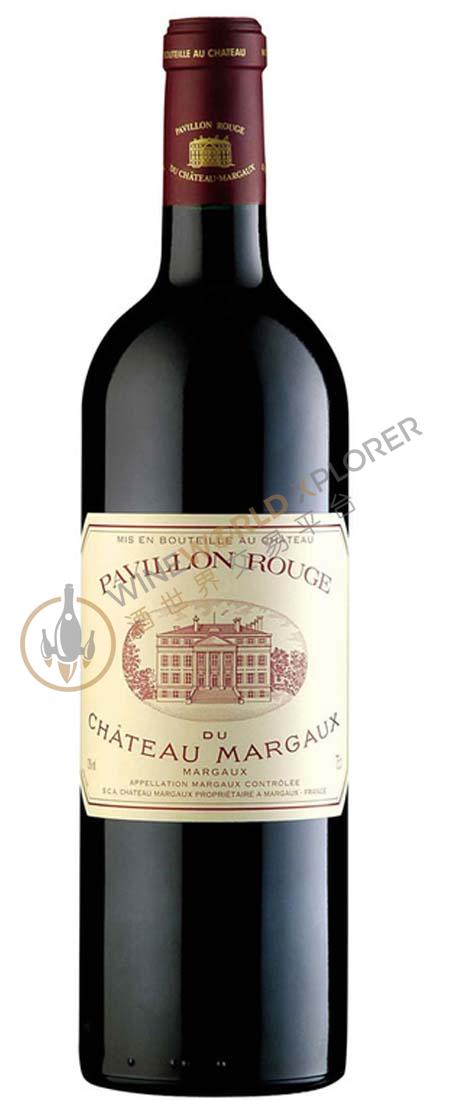
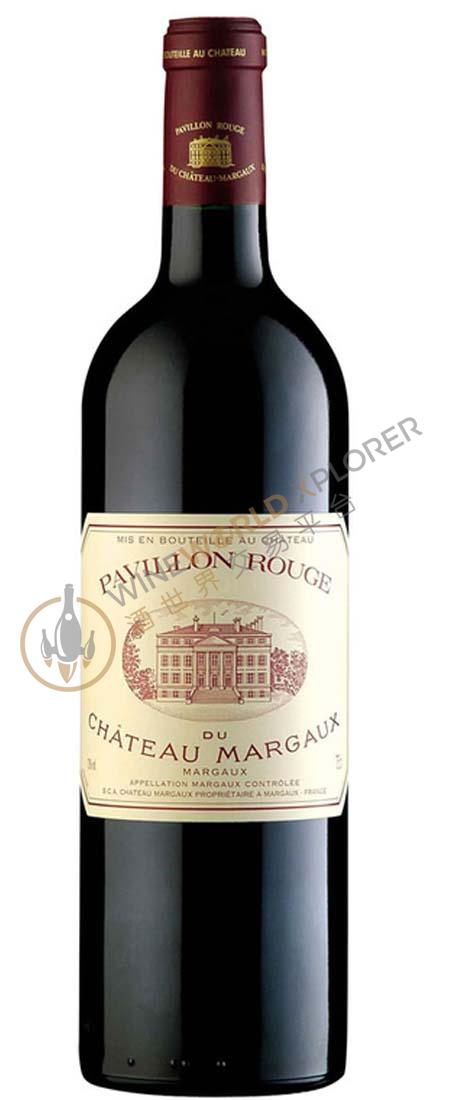
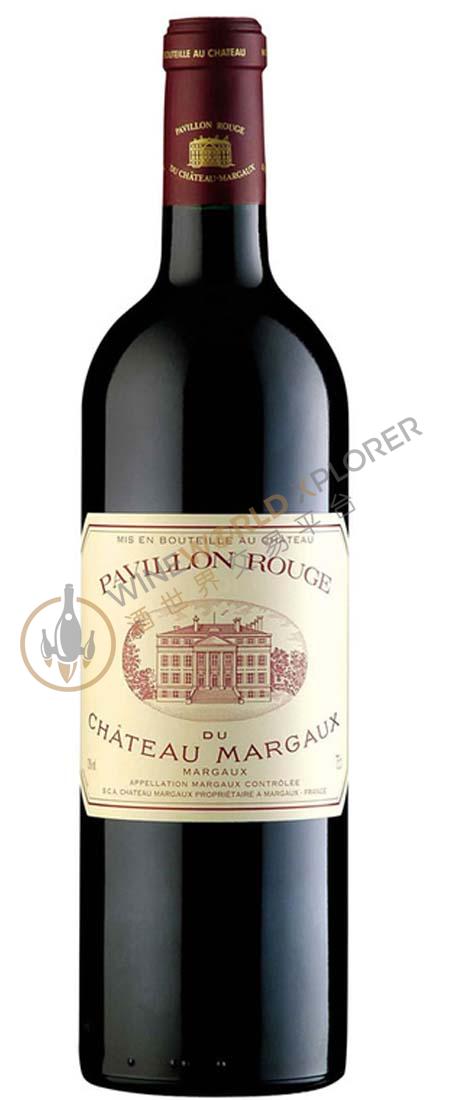
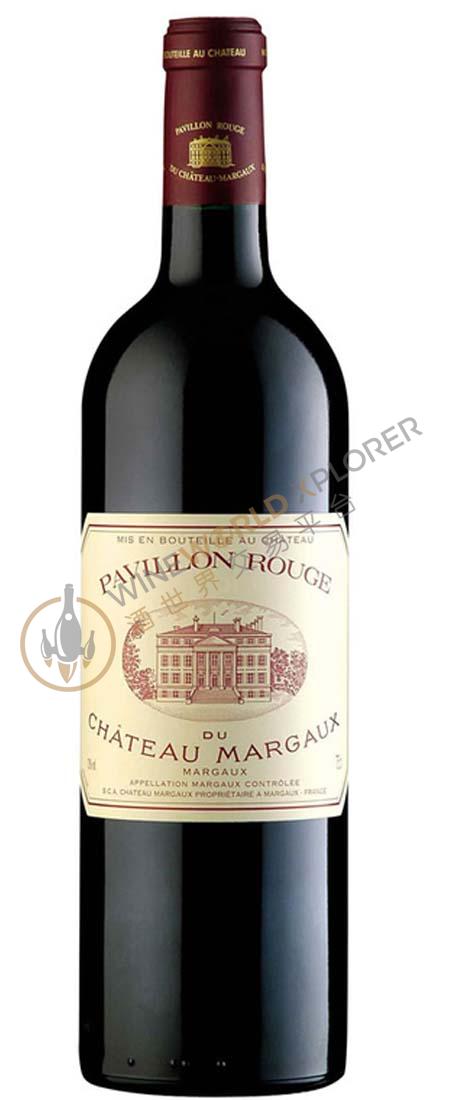
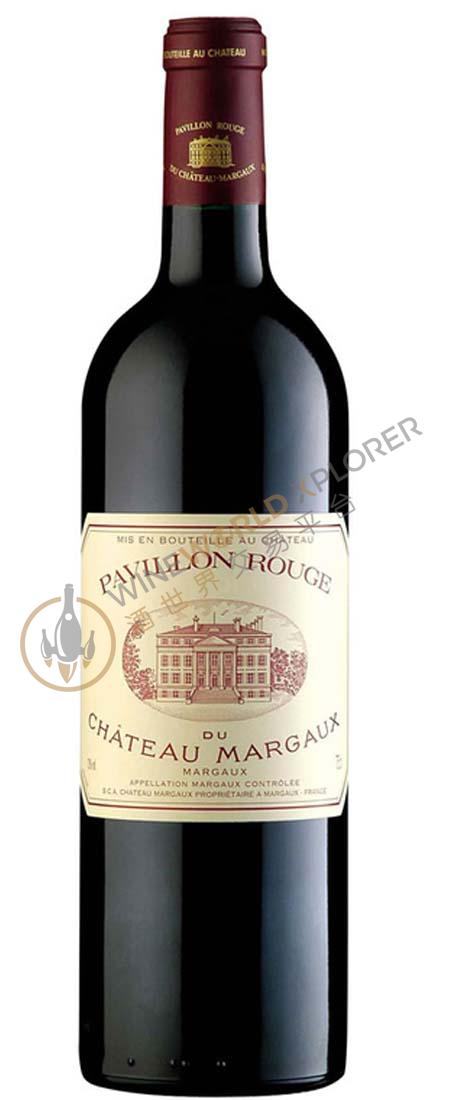
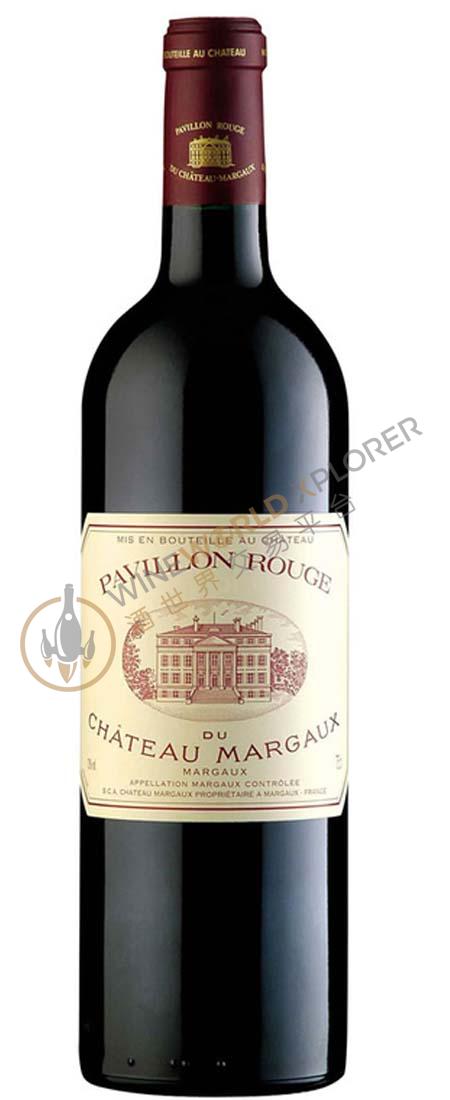
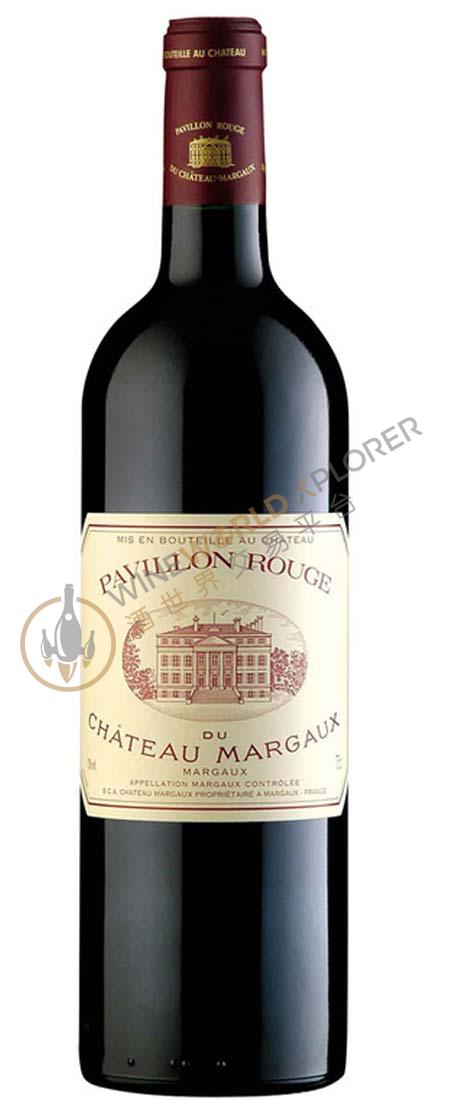
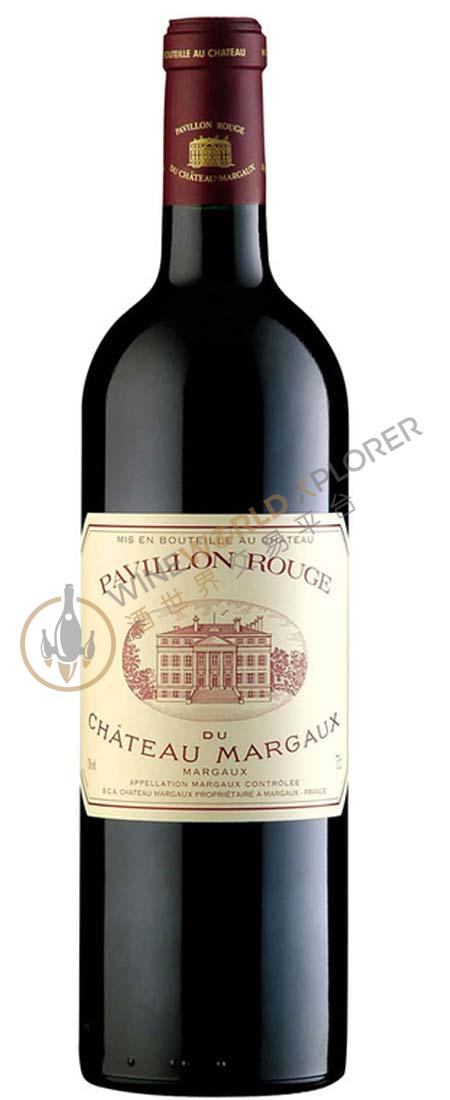
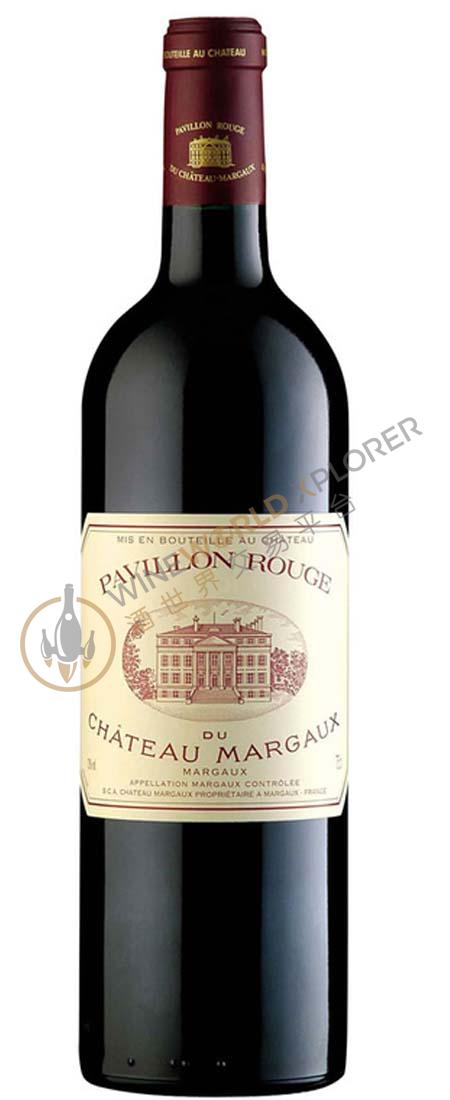
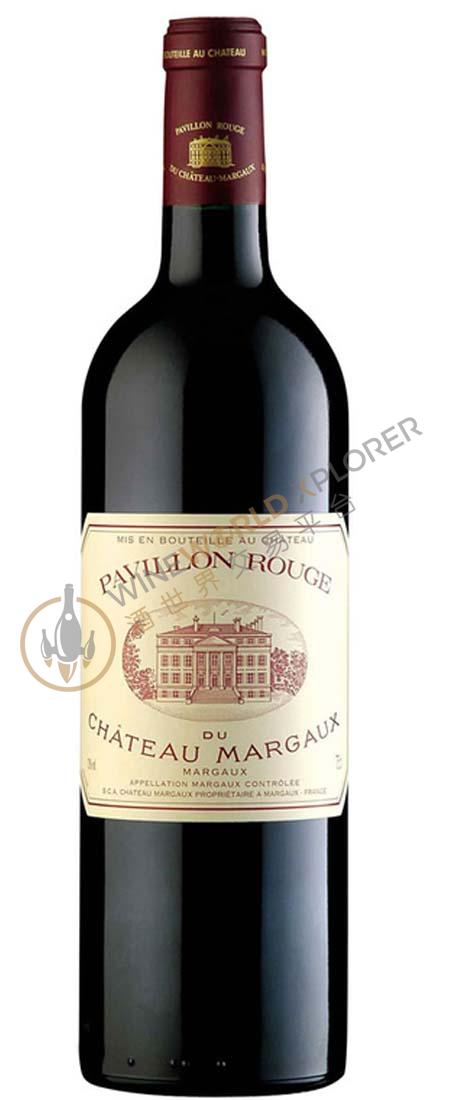
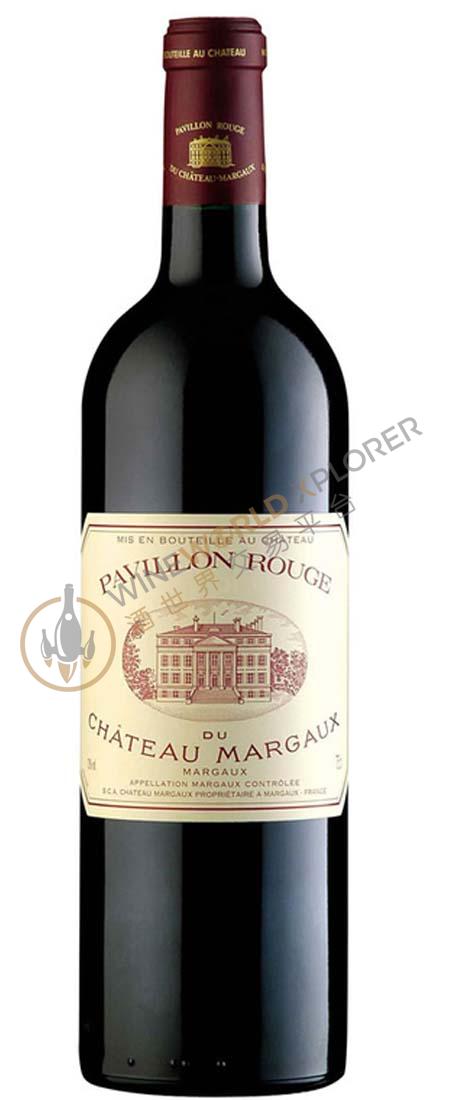
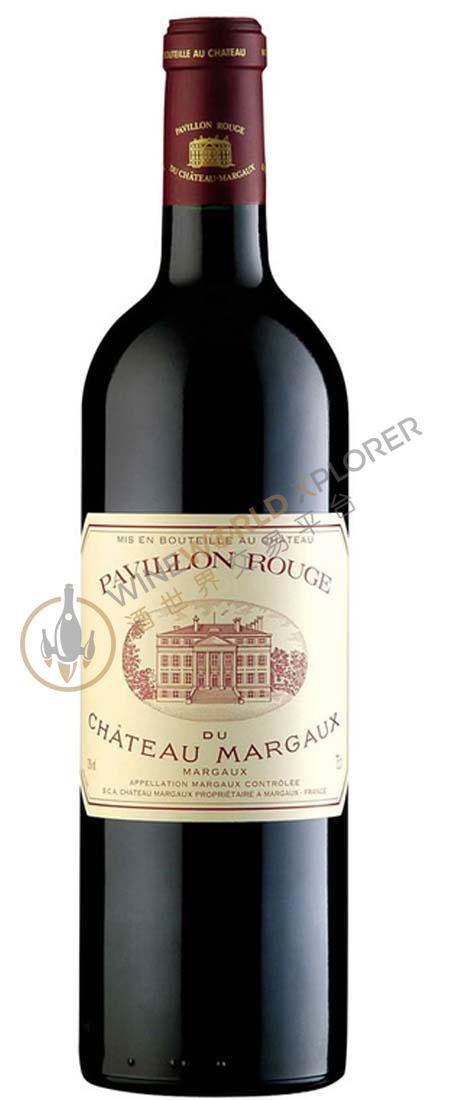
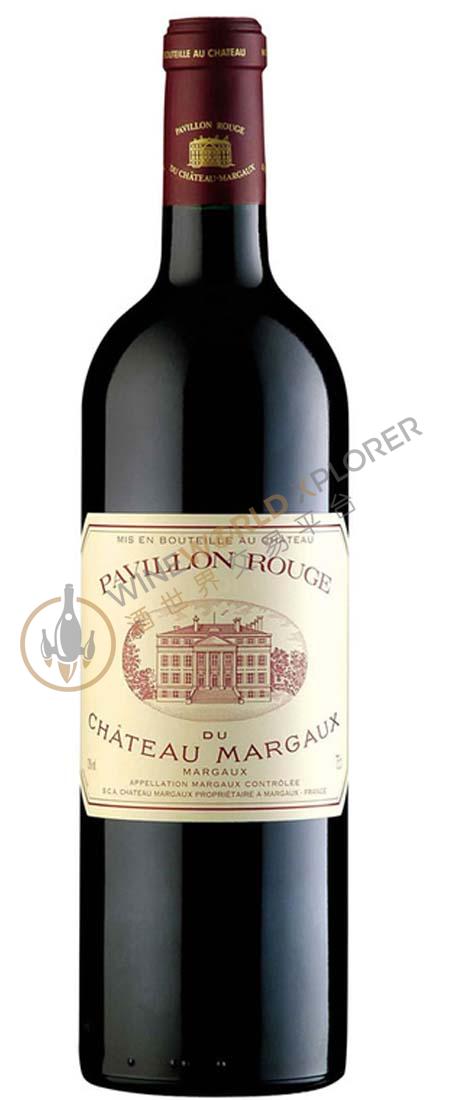
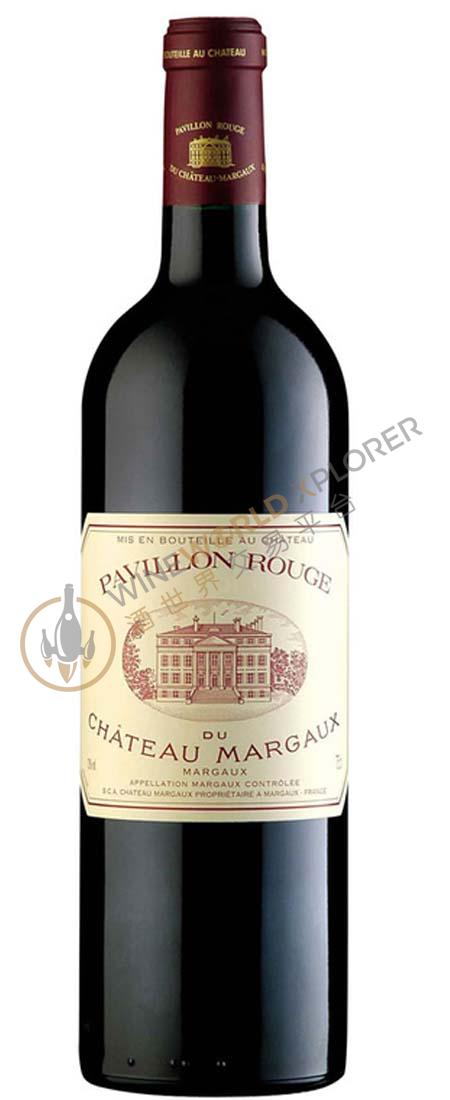
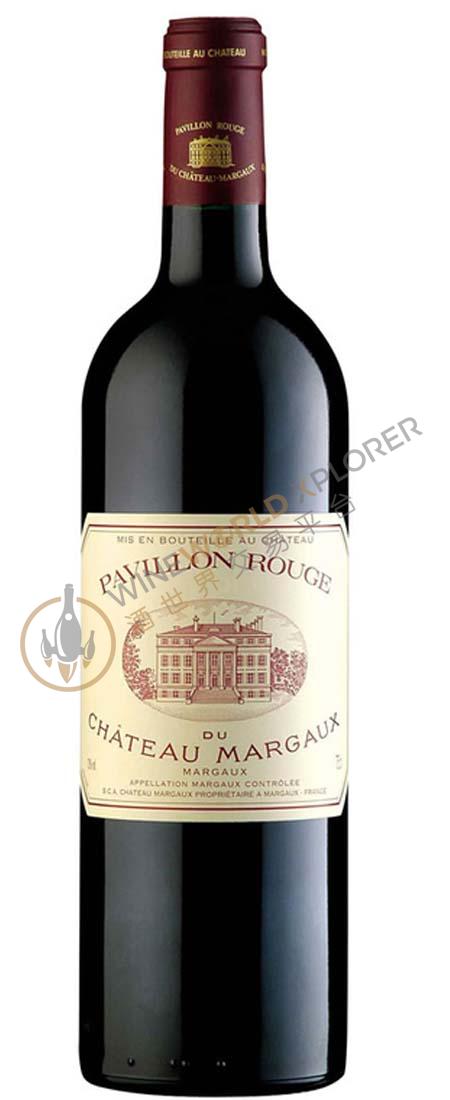
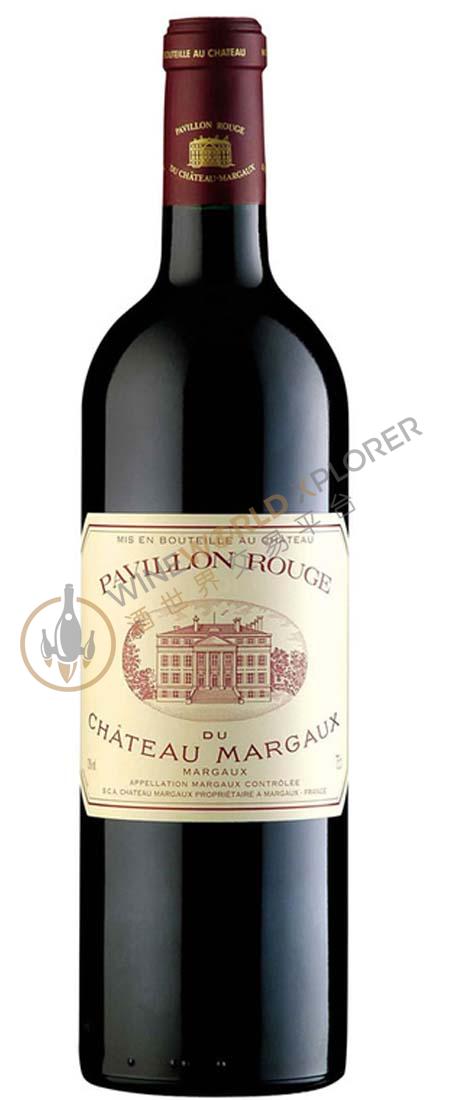
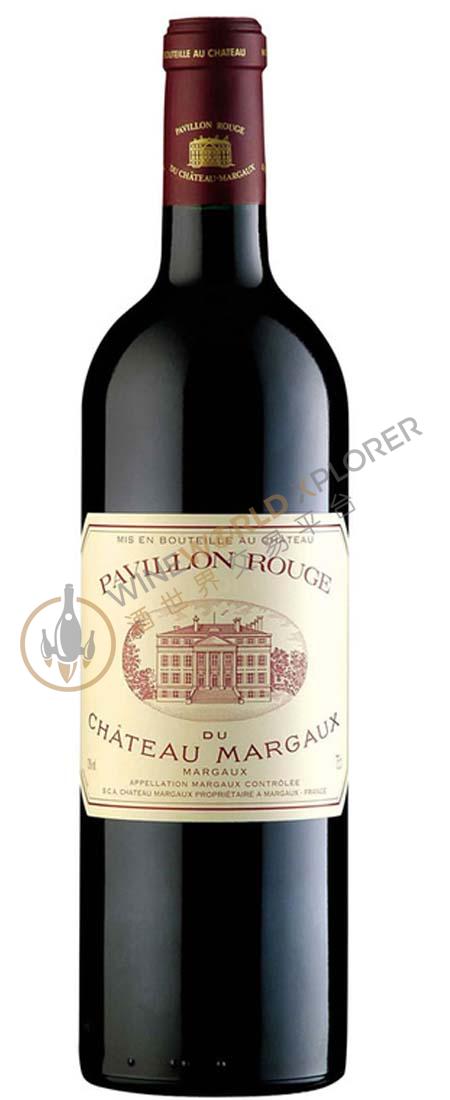
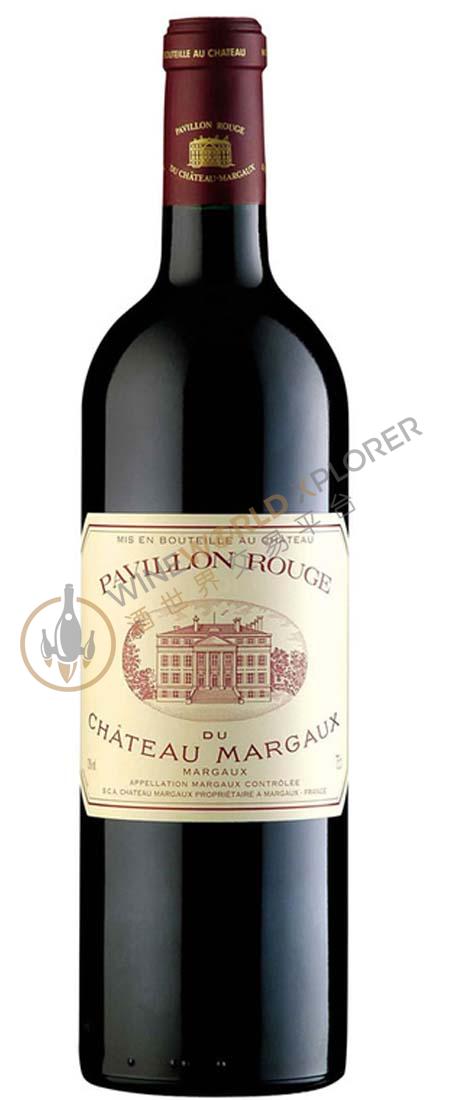
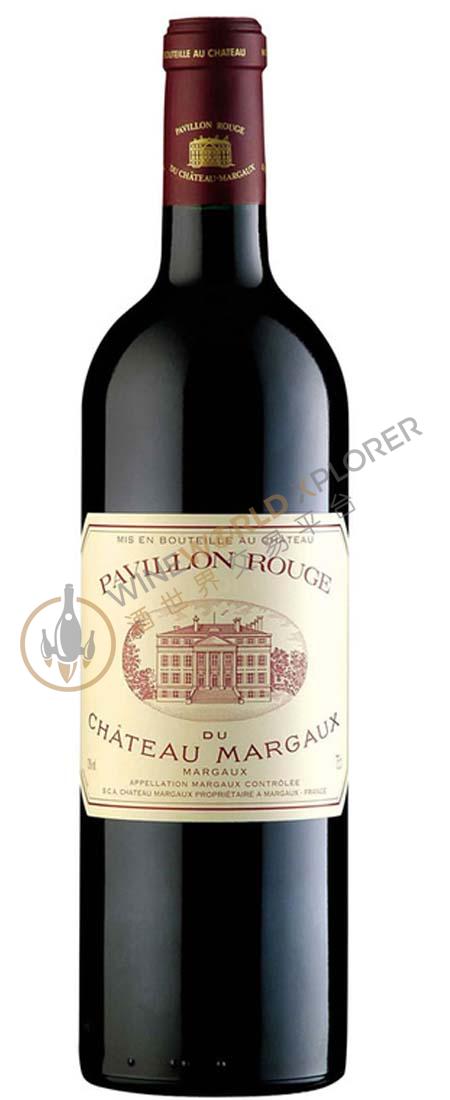
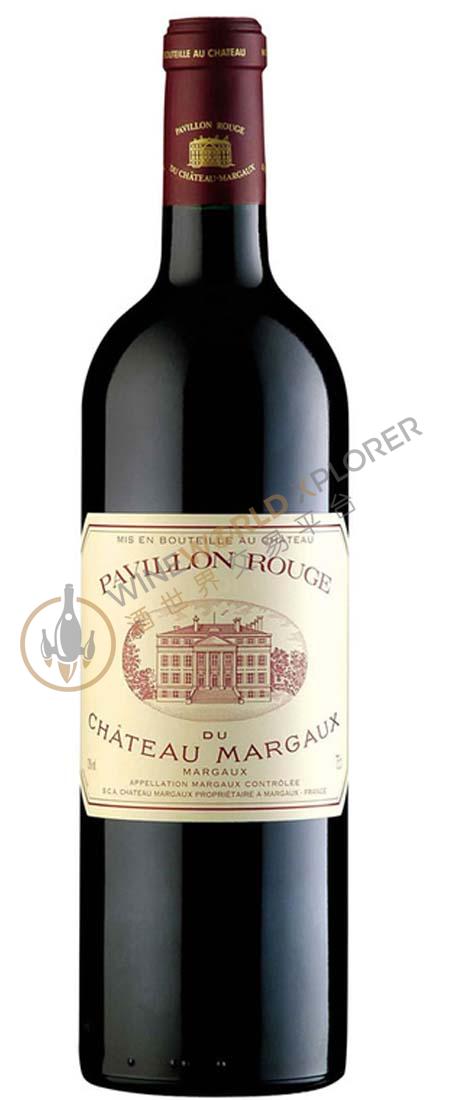
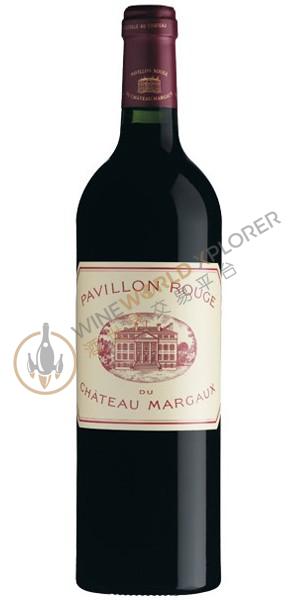
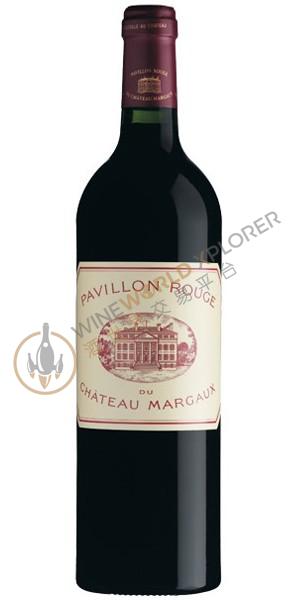
Pavillon Rouge du Chateau Margaux 2008
 View analysis


Description
Tasting notes

Reviewed by: Ian d'Agata
(68% cabernet sauvignon, 26% merlot, 5% petit verdot and 1% cabernet franc; 47% of the estate's total production) Medium-full red. Enticing strawberry and pomegranate aromas of modest complexity. Then supple and fresh on the palate, with pleasant, pure red fruit flavors and a somewhat compact mouth feel. The extremely fine tannins are a thing of beauty: though this very smooth wine finishes slightly short, you'll have no trouble draining a bottle far too quickly!
Reviewed by: Neal Martin
The 2008 Pavillon Rouge de Margaux has a bright raspberry pastille and strawberry scented bouquet with just a slight copper piping aromas tucked underneath that personally I found distracting. The palate is medium-bodied with fine, quite edgy tannin. I admire the fruit here, tobacco-tinged blackberry and bilberry, more graphite scents surfacing towards the finish. It feels persistent in the mouth and should offer another five or six years in drinking pleasure. Tasted blind at Farr Vintners’ 10-Year On tasting.
About the Producer
Sold under the name of “Château Margaux 2nd wine”, it took its permanent name of Pavillon Rouge du Château Margaux in 1908. After an eclipse between the thirties and the mid-seventies, its production restarted on the arrival of André Mentzelopoulos in 1977 and at first greatly increased in order to improve the quality of the first wine. From the mid – 1990s, the creation of a third wine in its turn, allowed for a more and more rigorous selection for Pavillon Rouge. For a few years now, a third of the harvest has gone into the first wine, barely 30% into the Pavillon Rouge, and the remainder is divided between the third and fourth wines. The quality of Pavillon Rouge has become very close to that of the first wine because all the plots involved contributed to the blending of Château Margaux not so long ago. Of course there isn’t the same complexity, the same depth, the same “magic” but the flavours are close and the balance in the mouth leads to the same subtle senses of power and softness. In general it is ready to drink a little earlier whilst retaining an excellent potential to age largely beyond 30 or 40 years.
1977(1)1983(3)1984(1)1985(3)1986(2)1988(1)1990(2)1991(3)1994(3)1995(5)1996(9)1997(1)1998(6)1999(5)2000(8)2001(8)2002(5)2003(12)2004(3)2005(9)2006(4)2007(6)
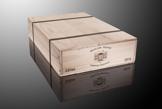
Package Size