
 Wine Advisor



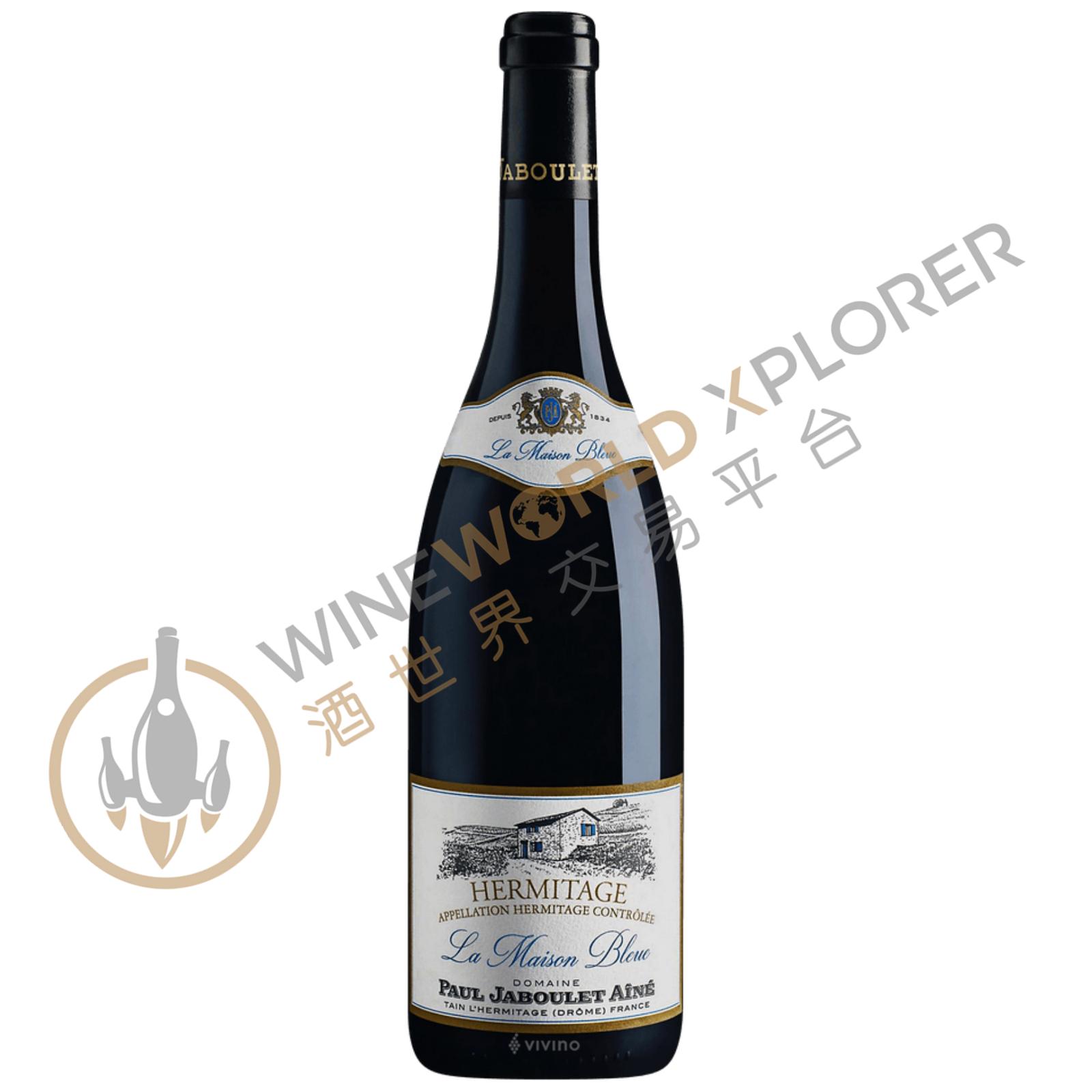
Paul Jaboulet Aine, Hermitage La Maison Bleue 2020
 View analysis


Description
Tasting notes

Reviewed by: Joe Czerwinski
Mostly sourced from les Murets, the 2020 Hermitage La Maison Bleue is a solid effort, with appealing notes of blackberries, raspberries and espresso on the nose. It's full-bodied and rich, yet streamlined and focused, with savory tones of black olives appearing on the softly dusty finish. It should drink well young, yet age well for more than a decade.
Reviewed by: Josh Raynolds
Full, bright-rimmed violet. Highly fragrant cherry and black raspberry scents, along with suggestions of pipe tobacco, olive, peony and baking spices. Juicy and energetic in the mouth, offering concentrated red and blue fruit, floral pastille, smoky bacon and spicecake flavors that become sweeter on the back half. Smooth, rounded tannins build steadily on a very long, mineral- and spice-accented finish that leaves behind suggestions of mocha and allspice. 20% new oak.
Reviewed by: Joe Czerwinski
Just a step behind the La Chapelle this vintage, the 2020 Hermitage La Maison Bleue expresses the non-granitic side of Hermitage, in its opulent fruit and early accessibility. Ripe cherries and raspberries dominate the nose, while the full-bodied palate is a bit warm (it's labeled at 15.5% alcohol) with supple tannins and a long, almost creamy-textured finish.
Reviewed by: James Suckling
Although this youthful Hermitage features extremely ripe blueberry and blackberry aromas, plus the imposing depth you expect for this famous appellation, it is remarkably open for a red wine with this kind of stature, and it already flows gracefully over the palate. Although there are plenty of tannins, they are very fine and even at the finish, with a restrained feel. From 40 to 60-year-old syrah vines. From biodynamically grown grapes.
Reviewed by: James Suckling
An intense nose expressing dark notes of blackberries, dark plums, mocha, stones, bark and hints of grilled herbs and undergrowth. It’s full-bodied with fine tannins. It’s restrained and ample with layers and texture. Focused with a dense core of dark fruits and some bitter chocolate and spices towards the long finish. Try after 2027.
Reviewed by: Josh Raynolds
Full, bright-rimmed violet. Highly fragrant cherry and black raspberry scents, along with suggestions of pipe tobacco, olive, peony and baking spices. Juicy and energetic in the mouth, offering concentrated red and blue fruit, floral pastille, smoky bacon and spicecake flavors that become sweeter on the back half. Smooth, rounded tannins build steadily on a very long, mineral- and spice-accented finish that leaves behind suggestions of mocha and allspice. 20% new oak.
About the Producer
Domaine Paul Jaboulet Aine is the most famous and most representative winery in the Rhone Valley region of France. Hectares of vineyards and a super winery with an annual output of nearly 4 million bottles. Gabler Winery originated from the Hermitage Mountains. In 1834, Mr. Anthony began to plant grapes in this area, and he has linked his life to this land since then. With his passion and perseverance in winemaking, the quality of the wines produced by the winery has continued to rise to his sons Paul and Henri. And Paul added his own name "Paul" to the name of the winery, and the name Domaine Paul Jaboulet Aine has been used to this day. The Gabor family continued to operate the winery and maintained a high standard until 2006 when the Frey family acquired part of the management rights of the winery. The Frey family have long been winemakers in the Champagne region and are the owners of Chateau La Lagune in Bordeaux. The Hermitage vineyards are located on terraced fields between 130 and 250 meters above sea level, with soils of sand, gravel and gravel blocks in the lower part and brown soil and rocky soil in the upper part. The area is only 26 hectares, in addition to the 5 hectares of white grape varieties, the red grapes are only 21 hectares, scattered around the chapel at the top of the Hermitage hills. 6,000 Syrah vines are planted per hectare, with an average age of 45 years, producing 3,000 liters of wine per hectare. Not only grapes are planted on the Hermitage hills, but also fruits such as cherries and pears are planted in the same proportion. Fruits planted around the vineyards often bring the same fruit aroma to the grapes. In 1919, Hermitage La Chapelle bought the Hermitage La Chapelle, and its top red wine, Hermitage La Chapelle, has been included in the list of the most outstanding red wines in the world. Made from 100% Syrah and aged in oak barrels for 18 months, this wine is known as an exemplary wine of the extraordinary quality and amazing potential of Rhone Valley Syrah. Only 2,500 bottles of Gabora Church Garden red wine are produced each year, and it is said that the quota for the Asian market is only 400 bottles. Production of this wine was discontinued in 1961, and it was produced again after 2006. With a strict winemaking tradition and respect for nature, Gabora Winery produces no more than 4,000 liters per hectare, and each gardener takes care of the vineyard with no more than 2.5 hectares, which is three times less than the average vineyard. In addition, the bottle's unique long neck, dark color and calm design allow the wine to last longer. The wines of Château Gaboraux have now been exported to more than 70 countries. The high-quality grapes and exquisite brewing techniques have created elegant but affordable wines, which perfectly present the rich, powerful and rich and varied characteristics of the wines of the Rhone Valley. Gabora Winery hollowed out a 20-meter-high hill into a 10-meter-high cavity as a natural wine cellar, which is unique. Not only is there natural low temperature here, but the stalactites in the cave are intertwined, making it dizzying.
