
 Wine Advisor



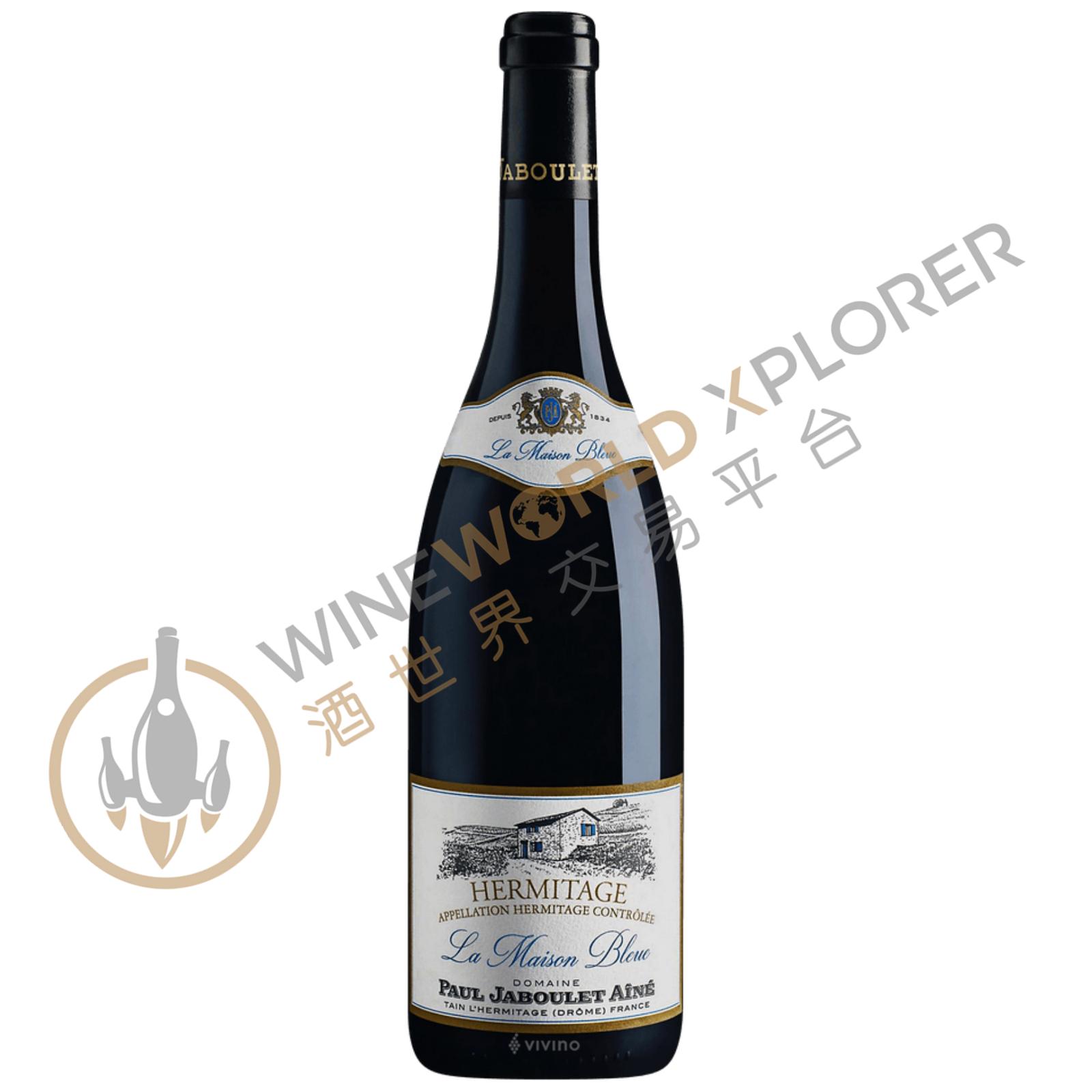
Paul Jaboulet Aine, Hermitage La Maison Bleue 2017
 View analysis


Description
Tasting notes

Reviewed by: Joe Czerwinski
Full-bodied, creamy and supple, the 2017 Hermitage La Maison Bleue looks to be a thrilling Hermitage to drink over the next 10-15 years. It's loaded with mixed blueberries and raspberries, adds subtle notes of mocha and baking spices and picks up a savory hint of black olives on the long, silky finish. Don't make the mistake of thinking only the La Chapelle is worth drinking, this should be a real beauty when it's released next year.
Reviewed by: Joe Czerwinski
Jaboulet's 2017 Hermitage La Maison Bleue is flat-out sexy stuff, full-bodied, plush and generous without being overripe or unstructured. Licorice, cassis and Asian five-spice powder burst from the glass in a complex whirl of scents and flavors. Sourced from the eastern end of the appellation, it offers immediate gratification and admirable quality at a fraction of the price of the La Chapelle.
Reviewed by: James Suckling
This is utterly delicious and has a very plush and sweetly fruited core of flavor with a sweepingly fleshy, rich and quite plush feel. The tannins are very fine here; sleek and assertive, they seem to suggest early drinking. It’s so balanced, too. However, this deserves to be reserved for later, as there’s a lot more to come. Try from 2024.
Reviewed by: Josh Raynolds
Opaque ruby. Vibrant, sharply focused black/blue fruit aromas are complicated by exotic spice, olive and mineral flourishes. Juicy and precise on the palate, showing energetic lift and thrust to its sweet blueberry, black raspberry, violet pastille and spicecake flavors, which deepen steadily on the back half. Picks up a smoky quality with air and finishes spicy and impressively long. Discreet tannins add shape and gentle grip.
About the Producer
Domaine Paul Jaboulet Aine is the most famous and most representative winery in the Rhone Valley region of France. Hectares of vineyards and a super winery with an annual output of nearly 4 million bottles. Gabler Winery originated from the Hermitage Mountains. In 1834, Mr. Anthony began to plant grapes in this area, and he has linked his life to this land since then. With his passion and perseverance in winemaking, the quality of the wines produced by the winery has continued to rise to his sons Paul and Henri. And Paul added his own name "Paul" to the name of the winery, and the name Domaine Paul Jaboulet Aine has been used to this day. The Gabor family continued to operate the winery and maintained a high standard until 2006 when the Frey family acquired part of the management rights of the winery. The Frey family have long been winemakers in the Champagne region and are the owners of Chateau La Lagune in Bordeaux. The Hermitage vineyards are located on terraced fields between 130 and 250 meters above sea level, with soils of sand, gravel and gravel blocks in the lower part and brown soil and rocky soil in the upper part. The area is only 26 hectares, in addition to the 5 hectares of white grape varieties, the red grapes are only 21 hectares, scattered around the chapel at the top of the Hermitage hills. 6,000 Syrah vines are planted per hectare, with an average age of 45 years, producing 3,000 liters of wine per hectare. Not only grapes are planted on the Hermitage hills, but also fruits such as cherries and pears are planted in the same proportion. Fruits planted around the vineyards often bring the same fruit aroma to the grapes. In 1919, Hermitage La Chapelle bought the Hermitage La Chapelle, and its top red wine, Hermitage La Chapelle, has been included in the list of the most outstanding red wines in the world. Made from 100% Syrah and aged in oak barrels for 18 months, this wine is known as an exemplary wine of the extraordinary quality and amazing potential of Rhone Valley Syrah. Only 2,500 bottles of Gabora Church Garden red wine are produced each year, and it is said that the quota for the Asian market is only 400 bottles. Production of this wine was discontinued in 1961, and it was produced again after 2006. With a strict winemaking tradition and respect for nature, Gabora Winery produces no more than 4,000 liters per hectare, and each gardener takes care of the vineyard with no more than 2.5 hectares, which is three times less than the average vineyard. In addition, the bottle's unique long neck, dark color and calm design allow the wine to last longer. The wines of Château Gaboraux have now been exported to more than 70 countries. The high-quality grapes and exquisite brewing techniques have created elegant but affordable wines, which perfectly present the rich, powerful and rich and varied characteristics of the wines of the Rhone Valley. Gabora Winery hollowed out a 20-meter-high hill into a 10-meter-high cavity as a natural wine cellar, which is unique. Not only is there natural low temperature here, but the stalactites in the cave are intertwined, making it dizzying.
