
 Wine Advisor



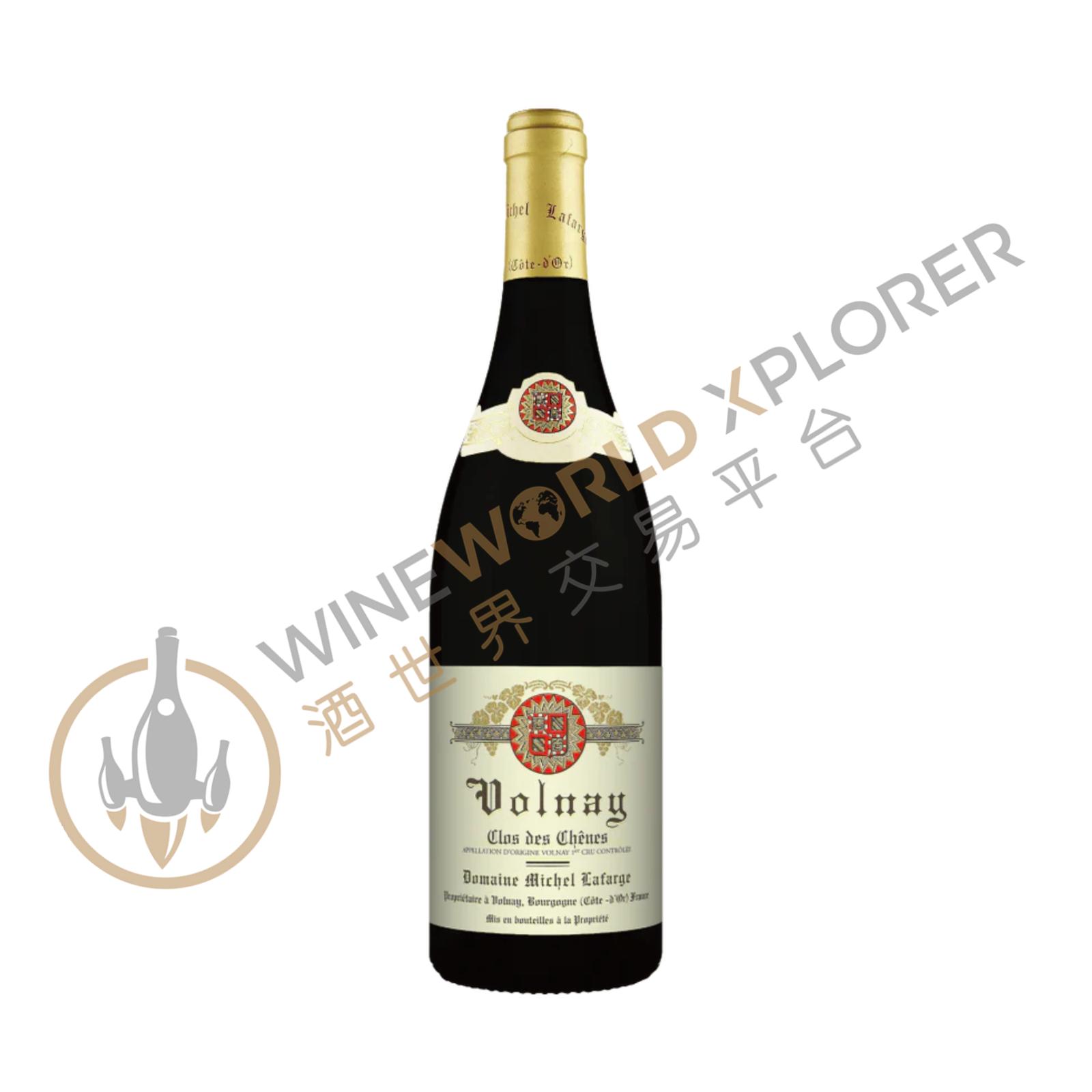
Michel Lafarge, Volnay 1er Cru Clos du Chateau des Ducs 2018
 View analysis


Description
Tasting notes

Reviewed by: William Kelley
It will be very interesting to compare the 2018 Volnay 1er Cru Clos du Château des Ducs with the Clos des Chênes 20 years from now. Though the latter has long been the domaine's emblematic bottling, for several years the Lafarge family has taken to presenting Clos du Château des Ducs at the end of the tasting, and it's priced slightly higher too. Destemmed entirely by hand, the wine reveals a generous bouquet of sweet berries, licorice, rich soil tones, black truffles and spice, followed by a medium to full-bodied palate that's more expressive and enveloping, its textural attack segueing into a deep core, concluding with a long and precise finish.
Reviewed by: Neal Martin
The 2018 Volnay Clos du Château des Ducs 1er Cru has a little more transparency and elegance on the nose compared to its peers, brambly red fruit with a touch of sous-bois and tobacco leaf. The palate is well-defined with fine tannins. A crisp line of acidity imparts tension with more sapidity than its peers. Harmonious, fine weight in the mouth with a Pommard-like grip on the finish, this is a finely crafted, commendable Volnay, one that defies the negative tropes of the vintage. Tasted blind at the Burgfest 2018 red tasting.
About the Producer
The vineyards of the Lafarge estate cover an area of about 12 hectares and have their own plots in the five major first-class gardens in Volnay, including the oak garden (Clos des Chenes), the duc garden (Clos du Chateau des Ducs). , Les Caillerets, Chanlins and Les Mitans, and mainly grow old vines Pinot Noir and a small amount of Gamay. In addition, in Meursault, La Farge has 1.28 hectares of Chardonnay and 1.1 hectares of Aligote. Lafarge Manor has always followed tradition. As the winemaker of the winery, Frederic Lafarge is humble and intelligent. He insists on inheriting family traditions and is very respectful of nature. Frederick believes that winemakers need to know how to adapt to local conditions and treat each vine carefully, and only in harmony with nature can they produce wines that express terroir and unique style. Lafarge estate rarely uses modern mechanical tools. The winery began to implement the biodynamic method in 1997 and completely transformed in 2000, stocking pullets in the vineyard to eliminate various potential pests. The winery will manually prune the plants at the right time, and use hand picking during the harvest season. During the winemaking process, the Lafarge estate uses native yeasts to freeze the grapes and ferment them for extended periods of time. According to the ripeness of the grapes in that year, the winery will also appropriately adjust the time and temperature of the grape fermentation. In addition, the winery also minimizes human intervention, only gently pressing and simply gluing the wine, and almost no filtration of the wine. The Lafarge estate basically does not use new oak barrels, and the wine is matured for 18 months in old barrels with wood trees aged 2-5 years before bottling. Lafarge estate has launched more than ten wines so far. These traditionally brewed wines are fruity, well-structured, rich in layers, and have strong aging potential, and are deeply loved by wine critics and consumers.
