
 Wine Advisor



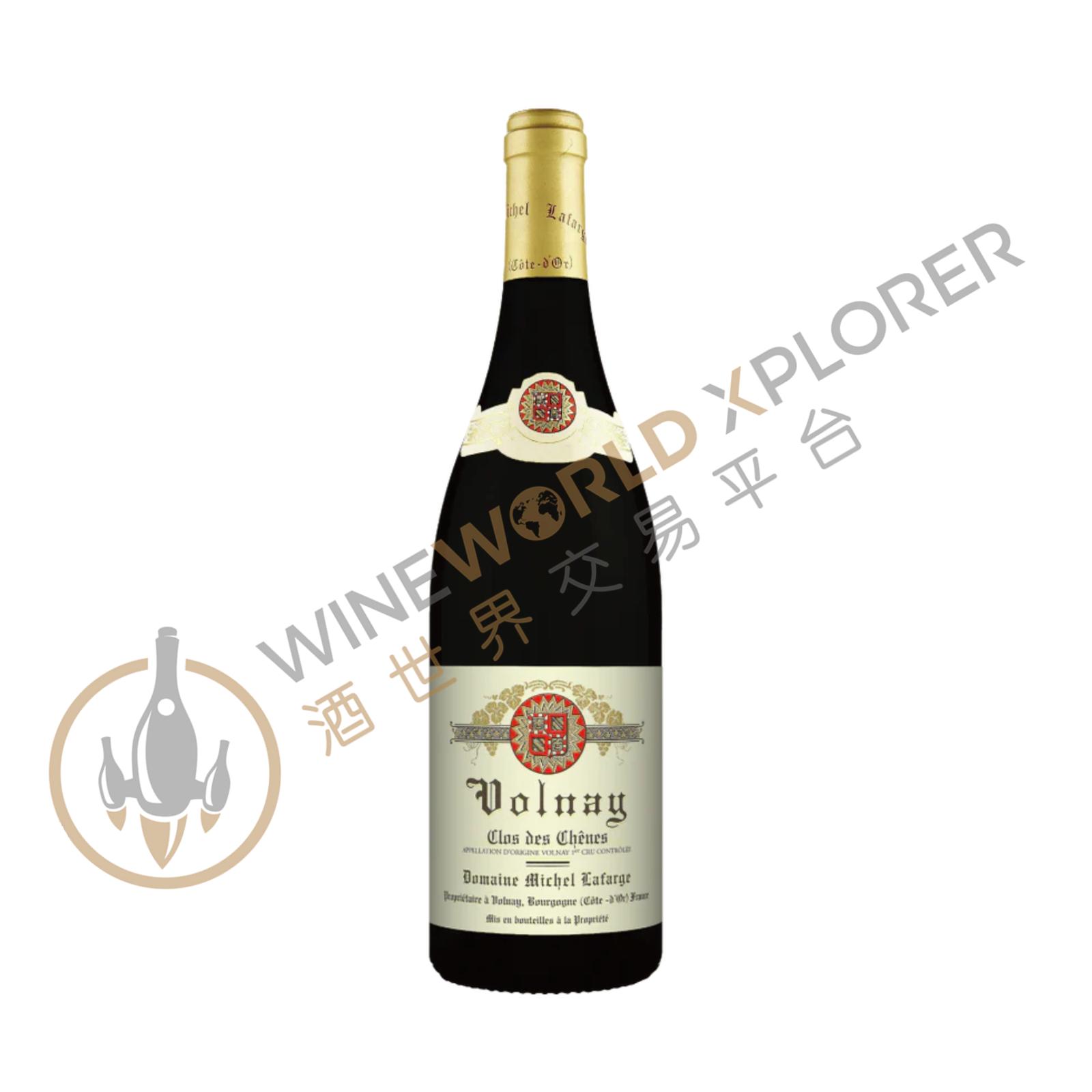
Michel Lafarge, Volnay 1er Cru Clos du Chateau des Ducs 2010
 View analysis


Description
Tasting notes

Reviewed by: Antonio Galloni
The 2010 Volnay Clos du Chateau des Ducs is built on a serious core of fruit. This is an especially powerful, structured Volnay that impresses for its depth and muscle. Dark tonalities of fruit meld into spices, licorice and menthol as the aromas and flavors gain volume in the glass. A plush, resonant finish rounds things out in style. This is an utterly impeccable Volnay from Lafarge. Anticipated maturity: 2020-2040. Yields were down 40% in 2010 at Lafarge. According to Frederic Lafarge, a superb September saved a year marked by damp, cold weather during the flowering and later throughout the summer. On the positive side, the low yields per plant allowed the grapes to achieve full phenolic ripeness. The 2010s were racked in mid-August 2011 and were aging on their fine lees when I tasted them from barrel in November 2011. As pretty as the 2010s are, today I have a slight preference for the 2009s. That said, the 2010s are terrific, and many of the wines are at or near the top of their respective peer groups. A Becky Wasserman Selection, Le Serbet, various American importers, including: Martin Scott Wines, Little Neck, NY; tel. (516) 327-0808; Veritas Imports, Beverly Hills, CA; tel. (310) 205-3803; Toepfer Imports LLC, CO; tel. (303) 818-7640
About the Producer
The vineyards of the Lafarge estate cover an area of about 12 hectares and have their own plots in the five major first-class gardens in Volnay, including the oak garden (Clos des Chenes), the duc garden (Clos du Chateau des Ducs). , Les Caillerets, Chanlins and Les Mitans, and mainly grow old vines Pinot Noir and a small amount of Gamay. In addition, in Meursault, La Farge has 1.28 hectares of Chardonnay and 1.1 hectares of Aligote. Lafarge Manor has always followed tradition. As the winemaker of the winery, Frederic Lafarge is humble and intelligent. He insists on inheriting family traditions and is very respectful of nature. Frederick believes that winemakers need to know how to adapt to local conditions and treat each vine carefully, and only in harmony with nature can they produce wines that express terroir and unique style. Lafarge estate rarely uses modern mechanical tools. The winery began to implement the biodynamic method in 1997 and completely transformed in 2000, stocking pullets in the vineyard to eliminate various potential pests. The winery will manually prune the plants at the right time, and use hand picking during the harvest season. During the winemaking process, the Lafarge estate uses native yeasts to freeze the grapes and ferment them for extended periods of time. According to the ripeness of the grapes in that year, the winery will also appropriately adjust the time and temperature of the grape fermentation. In addition, the winery also minimizes human intervention, only gently pressing and simply gluing the wine, and almost no filtration of the wine. The Lafarge estate basically does not use new oak barrels, and the wine is matured for 18 months in old barrels with wood trees aged 2-5 years before bottling. Lafarge estate has launched more than ten wines so far. These traditionally brewed wines are fruity, well-structured, rich in layers, and have strong aging potential, and are deeply loved by wine critics and consumers.
