Wine Advisor




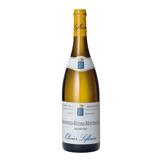
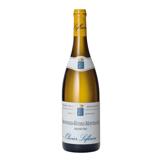
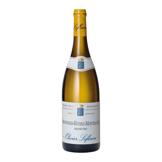
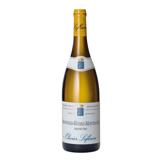
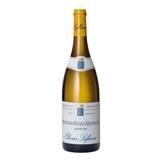
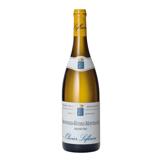
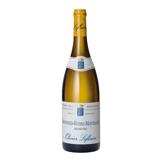
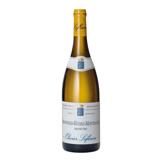
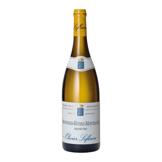
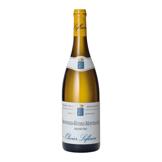
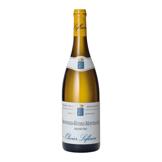
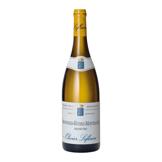
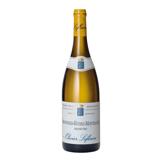
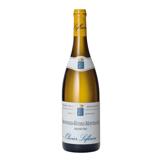
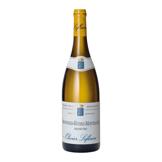
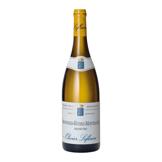
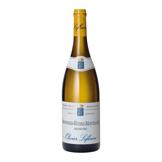
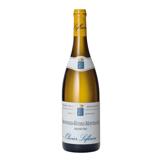
Leflaive, Bienvenues Batard Montrachet Grand Cru 2009
 View analysis


Description
Tasting notes

Reviewed by: Antonio Galloni
The 2009 Bienvenues-Batard-Montrachet is dazzling from start to finish. Silky and seamless at first, the wine impresses for its impeccable balance and tons of class. Chalky, mineral notes appear later, adding length, freshness and verve, while floral notes add the last flourishes of elegance. This is all silk and cashmere, especially on the finish. The Bienvenues seems to hover on the palate, inhabiting in the stratosphere reserved for just a handful of the world's truly great wines. Anticipated maturity: 2017+. Domaine Leflaive is one of the pioneers in biodynamic viticulture in Burgundy. The first experiments began in 1990 and by 1997 all of the vineyards had been converted to biodynamic farming. Winemaker Eric Remy describes the 2009 growing season in considerable detail. The winter was long but mild. The last frost occurred on March 23. Temperatures were normal until the last week of the month, when the weather turned warmer. Flowering began on May 22. The rest of the spring and summer were warm, while a big storm in mid-July dropped 8cm of rain. The rest of the summer was quite warm. The harvest began on September 5, about ten days earlier than normal. Average yields were around 45 hectoliters per hectare. The wines were aged for 12 months in oak followed by 6-8 months in steel. New oak ranged from 10% for the Bourgogne, 15% for the villages, 20% for the premier crus and 25% for the grand crus. The 2009s were bottled between April and June 2011. Importer: Wilson-Daniels, St. Helena, CA; tel. (707) 963-9661
Reviewed by: Neal Martin
Tasted out of stainless-steel tank at the Domaine. Similar to the Combettes, this nose did not want to come out and play when I tasted from tank, but eventually offered subtle limestone and white peach aromas, with a very faint honeyed not in the background. The palate is well balanced with an entry reminiscent of a Corton-Charlemagne. Very well defined towards the finish, that does not quite have the fireworks of the Pucelles at the moment. Tasted January 2011.
Reviewed by: Antonio Galloni
The 2009 Bienvenues-Batard-Montrachet is dazzling from start to finish. Silky and seamless at first, the wine impresses for its impeccable balance and tons of class. Chalky, mineral notes appear later, adding length, freshness and verve, while floral notes add the last flourishes of elegance. This is all silk and cashmere, especially on the finish. The Bienvenues seems to hover on the palate, inhabiting in the stratosphere reserved for just a handful of the world's truly great wines. Anticipated maturity: 2017+. Domaine Leflaive is one of the pioneers in biodynamic viticulture in Burgundy. The first experiments began in 1990 and by 1997 all of the vineyards had been converted to biodynamic farming. Winemaker Eric Remy describes the 2009 growing season in considerable detail. The winter was long but mild. The last frost occurred on March 23. Temperatures were normal until the last week of the month, when the weather turned warmer. Flowering began on May 22. The rest of the spring and summer were warm, while a big storm in mid-July dropped 8cm of rain. The rest of the summer was quite warm. The harvest began on September 5, about ten days earlier than normal. Average yields were around 45 hectoliters per hectare. The wines were aged for 12 months in oak followed by 6-8 months in steel. New oak ranged from 10% for the Bourgogne, 15% for the villages, 20% for the premier crus and 25% for the grand crus. The 2009s were bottled between April and June 2011. Importer: Wilson-Daniels, St. Helena, CA; tel. (707) 963-9661
About the Producer
Domaine Leflaive, based in Puligny-Montrachet, is one of the most important producers in the Côte de Beaune. Focusing almost entirely on white wines made from Chardonnay, the Domaine makes four grand cru wines and four premier crus in Puligny-Montrachet. The Domaine was founded by Joseph Leflaive, a former engineer. In 1905, he purchased vineyards in Puligny-Montrachet which had been ravaged by phylloxera, and set about replanting and expanding them. Upon his death in 1953, his sons Vincent and Jo took over the running of the estate, and are widely credited with building up the reputation that Leflaive enjoys today. In 1990, cousins Anne Claude and Olivier Leflaive took over the running of the estate, with Olivier leaving in 1994 to run his own negociant business. Anne Claude converted the vineyards to biodynamics and is considered a pioneer of that movement in Burgundy. After her death in 2015, her nephew Brice de la Morandiere has taken over the running of Domaine Leflaive. Domaine Leflaive's most important wine is arguably the Montrachet Grand Cru, which, depending on vintage, can fetch upwards of $5000 a bottle. The domaine also has land in Chevalier-Montrachet, Batard-Montrachet, and Bienvenues-Batard-Montrachet, and makes a grand cru wine from each. Additional to this, there are several premier cru wines, the most important of which is probably the Les Clavoillon, which was one of the wines included in the 1976 Judgment of Paris. Domaine Leflaive also makes a sole red wine from Pinot Noir under the Blagny Sous le Dos d'Ane Premier Cru title.