Wine Advisor



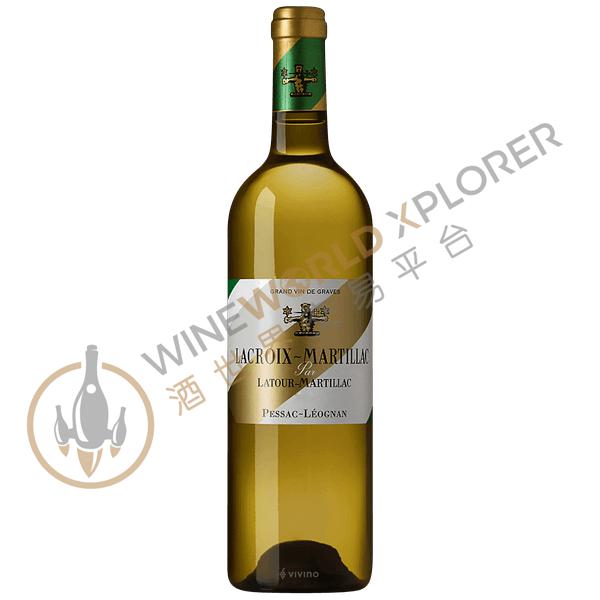
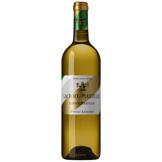
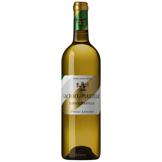
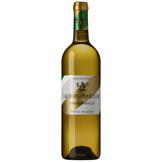
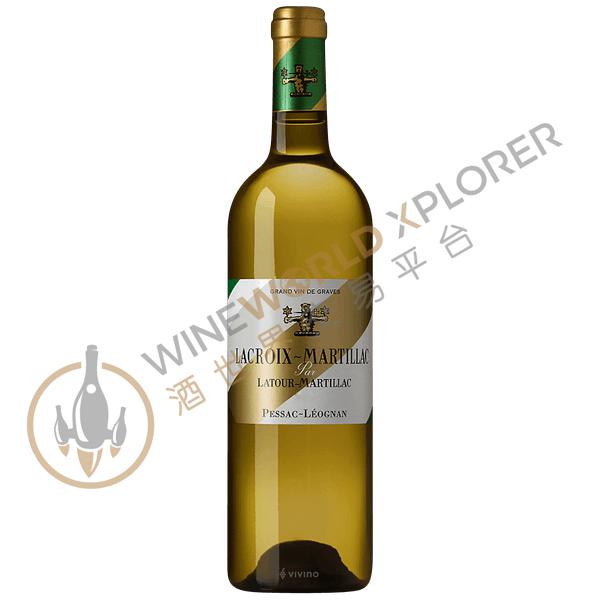
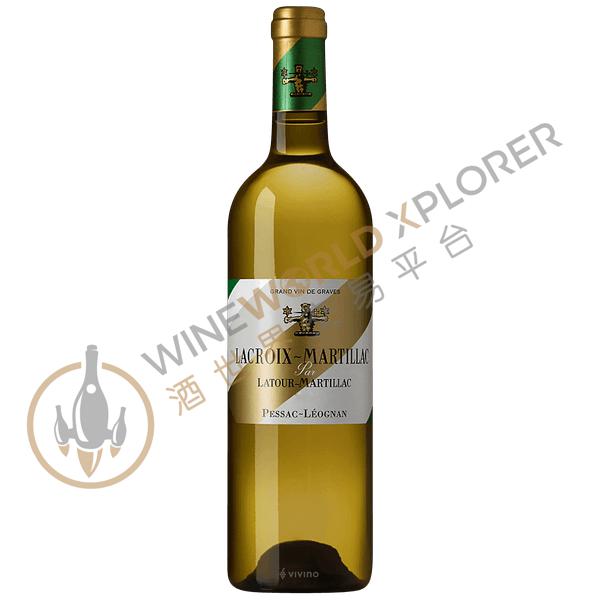
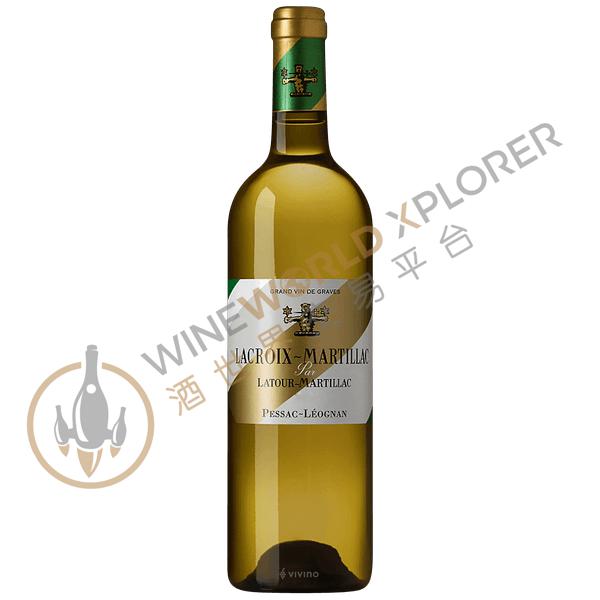
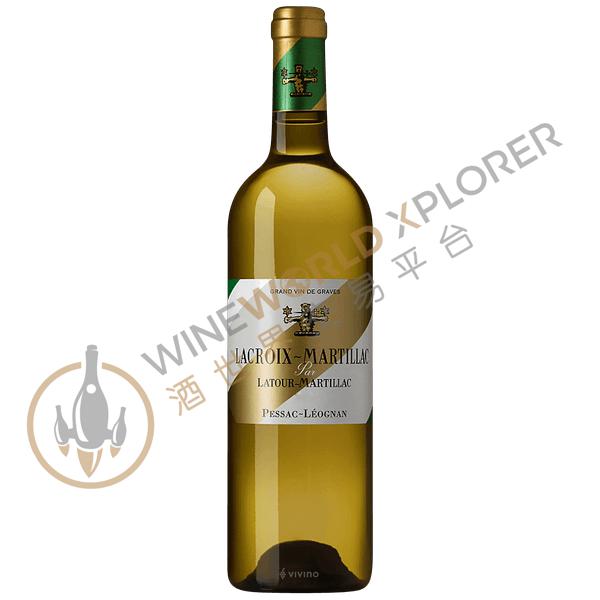
Latour Martillac, Blanc 2005
 View analysis


Description
The best lots from the best parcels are chosen each year to integrate into the blending of the first wines for both red and white wines. This stringent selection is driven by the direction of Loic Kressmann and our winemaker, Valerie Vialard, with the help of one of the most renowned consultants in Bordeaux, Professor Denis Dubourdieu.
Tasting notes

Reviewed by: Neal Martin
A more intense grassy, apply nose. Good concentration and acidity, not complex but very fresh with an apply, kiwi fruit finish. Good length. Very fine. Tasted April 2006.
Reviewed by: Robert M. Parker, Jr.
Another excellent vintage for Bordeaux's dry whites, which tend to be vastly underrated and exceptionally long-lived (30-40 years in some cases). The 2005s possess crisp acidity as well as serious weight, richness, and texture. Space constraints did not allow full tasting notes, but this is one of the top 2005 dry white Bordeaux wines.
Reviewed by: Neal Martin
Tasted blind at the 2005 Southwold tasting, the 2005 LaTour Martillac Blanc is slightly deeper in color than its peers. It offers caramelized pear and beeswax on the nose, just a touch of VA and a mature Mosel Riesling, diesel-like note. The palate is well balanced with a waxy opening, hints of orange rind and clove, although the finish dips too early. This remains interesting to drink, but I would open any bottles in the near future. Tasted February 2017.
Reviewed by: Robert M. Parker, Jr.
This crisp, Sauvignon Blanc-dominated 2005 offers up subtle notes of green beans, lemon oil, crushed rocks, and white flowers. Medium-bodied with good acidity as well as a touch of well-integrated smoky oak, it can be drunk now and over the next 10-15 years.
Reviewed by: Neal Martin
Tasted single blind at Southwold. A little underwhelming after a positive barrel showing. The nose is lacking a little clarity, just a slight greenness here, the Sauvignon Blanc in the driving seat. The palate has moderate concentration and acidity, comes across rather conservative and correct at the moment, with a linear, pear-skin, green apple and lanolin finish. Moderate length. Lacks a little va-va-voom. Drink now-2012. Tasted January 2009.
About the Producer
A small fortified castle from the 12th century existed until the French Revolution, leaving only behind the tower that gives the estate its name. Viticulture first began in the 19th century when the land was attached to the estate of Château La Brède, birthplace of Montesquieu. Under the ownership of Monsieur Charropin, the estate took the identity of Latour-Martillac, but the wine it produced was not noted as remarkable until the involvement of Edward Kressmann. A German wine trader, he became gradually more involved in the vinification from when he first began distributing Latour-Martillac, until he acquired the estate in 1929. Following the death of the owner, Kressmann faced the risk of losing a wine that had been a favourite of his clients for generations, and bought it outright. Already in 1884, Edward Kressmann had planted white grape varieties, and in 1892 launched their wine Graves Monopole Dry which was successful. The estate was eventually passed onto Alfred Kressmann, followed by his son, Jean, in charge since 1940 but inheriting the estate in 1955, who acquired adjacent land expanding the vineyard area to 30 hectares. Currently the estate is under the management of the following generation of the Kressmann family, the brothers Tristan and Loïc, working with the consultants Denis Dubourdieu from 1986 and Michel Rolland between 1989 and 2005. The vineyard area extends 42 hectares (100 acres), of which 33 ha (82 acres) are dedicated the red wine varieties, 60% Cabernet Sauvignon, 35% Merlot and 5% Petit verdot, and 9 ha (22 acres) for white wine production of the varieties 55% Sémillon, 40% Sauvignon blanc, and 5% Muscadelle. The annual production averages 20,000 cases of the red Grand Vin and 11,000 of the dry white. Of the second wine Lagrave Martillac made from the estate's youngest vines, there are produced 4,000 cases of red and 2,000 cases of dry white.