Wine Advisor



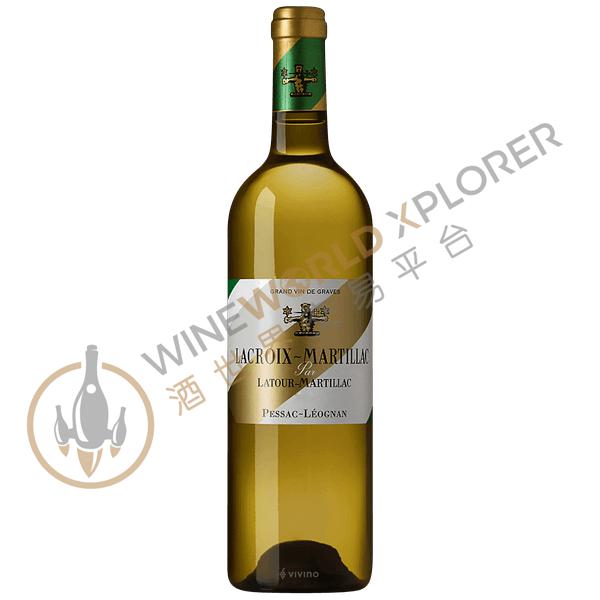
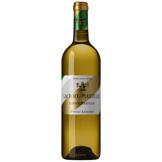
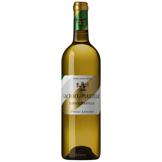
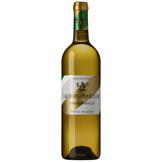
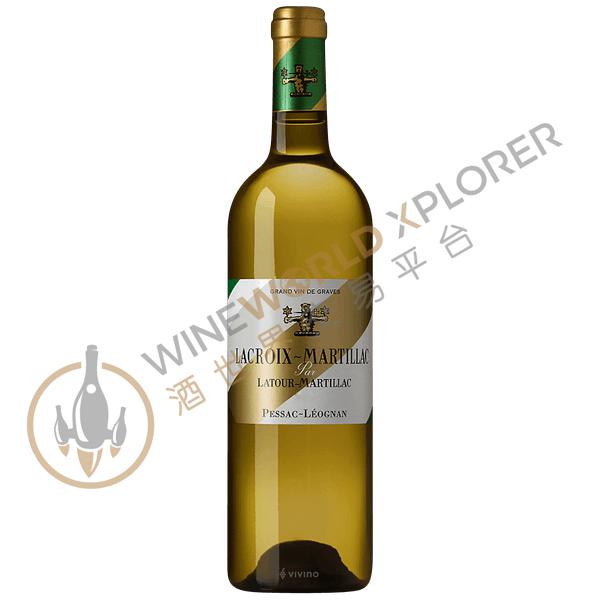
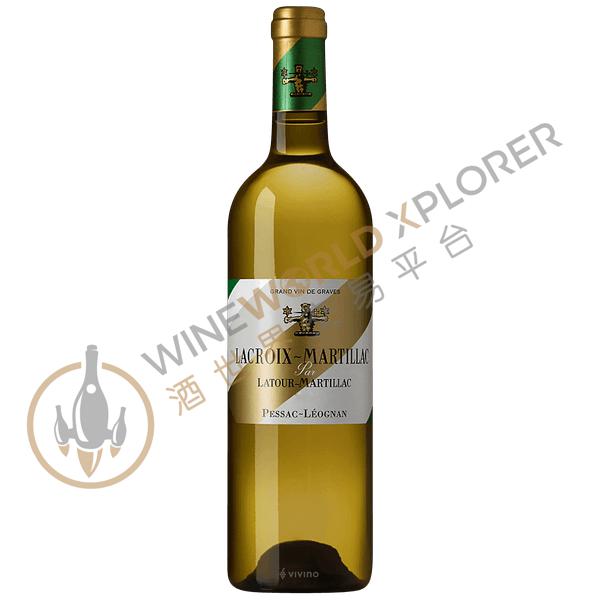
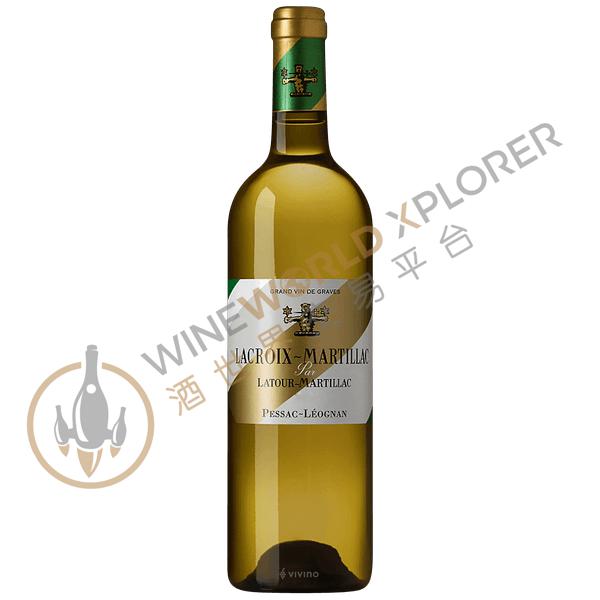
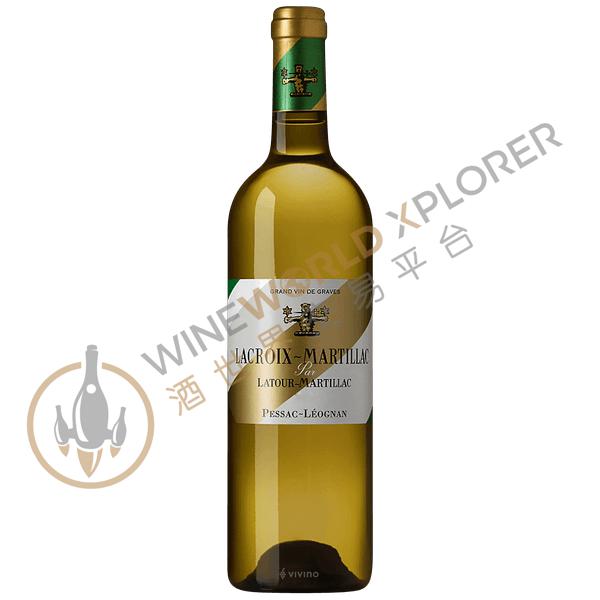
Latour Martillac, Blanc 2012
 View analysis


Description
The best lots from the best parcels are chosen each year to integrate into the blending of the first wines for both red and white wines. This stringent selection is driven by the direction of Loic Kressmann and our winemaker, Valerie Vialard, with the help of one of the most renowned consultants in Bordeaux, Professor Denis Dubourdieu.
Tasting notes

Reviewed by: Neal Martin
Tasted blind at the Southwold 2012 tasting. The 2012 LaTour-Martillac Blanc has a clean, well-defined bouquet with citrus lemon, yellow flowers and light chalky scents. The palate is fresh and lively on the entry, bright with a touch of spice, greengage and gooseberry notes flowing towards the sustained finish. This is a delightful white Bordeaux from LaTour-Matillac. Tasted January 2016.
Reviewed by: Robert M. Parker, Jr.
Orange marmalade, mango, tropical fruit and subtle hints of creme brulee and toasty oak appear in this medium to full-bodied, dry white. Drink it over the next decade.
Reviewed by: Neal Martin
Tasted from a barrel sample at en primeur. A blend of 70% Sauvignon Blanc and 30% Semillon, the Latour-Martillac Blanc has an effervescent bouquet with great delineation and a sorbet-like freshness. The palate is nicely balanced with plenty of tropical tinged fruit, although it needs to evolve just a little more tension on the finish. Very fine. Tasted April 2013.
About the Producer
A small fortified castle from the 12th century existed until the French Revolution, leaving only behind the tower that gives the estate its name. Viticulture first began in the 19th century when the land was attached to the estate of Château La Brède, birthplace of Montesquieu. Under the ownership of Monsieur Charropin, the estate took the identity of Latour-Martillac, but the wine it produced was not noted as remarkable until the involvement of Edward Kressmann. A German wine trader, he became gradually more involved in the vinification from when he first began distributing Latour-Martillac, until he acquired the estate in 1929. Following the death of the owner, Kressmann faced the risk of losing a wine that had been a favourite of his clients for generations, and bought it outright. Already in 1884, Edward Kressmann had planted white grape varieties, and in 1892 launched their wine Graves Monopole Dry which was successful. The estate was eventually passed onto Alfred Kressmann, followed by his son, Jean, in charge since 1940 but inheriting the estate in 1955, who acquired adjacent land expanding the vineyard area to 30 hectares. Currently the estate is under the management of the following generation of the Kressmann family, the brothers Tristan and Loïc, working with the consultants Denis Dubourdieu from 1986 and Michel Rolland between 1989 and 2005. The vineyard area extends 42 hectares (100 acres), of which 33 ha (82 acres) are dedicated the red wine varieties, 60% Cabernet Sauvignon, 35% Merlot and 5% Petit verdot, and 9 ha (22 acres) for white wine production of the varieties 55% Sémillon, 40% Sauvignon blanc, and 5% Muscadelle. The annual production averages 20,000 cases of the red Grand Vin and 11,000 of the dry white. Of the second wine Lagrave Martillac made from the estate's youngest vines, there are produced 4,000 cases of red and 2,000 cases of dry white.