
 Wine Advisor



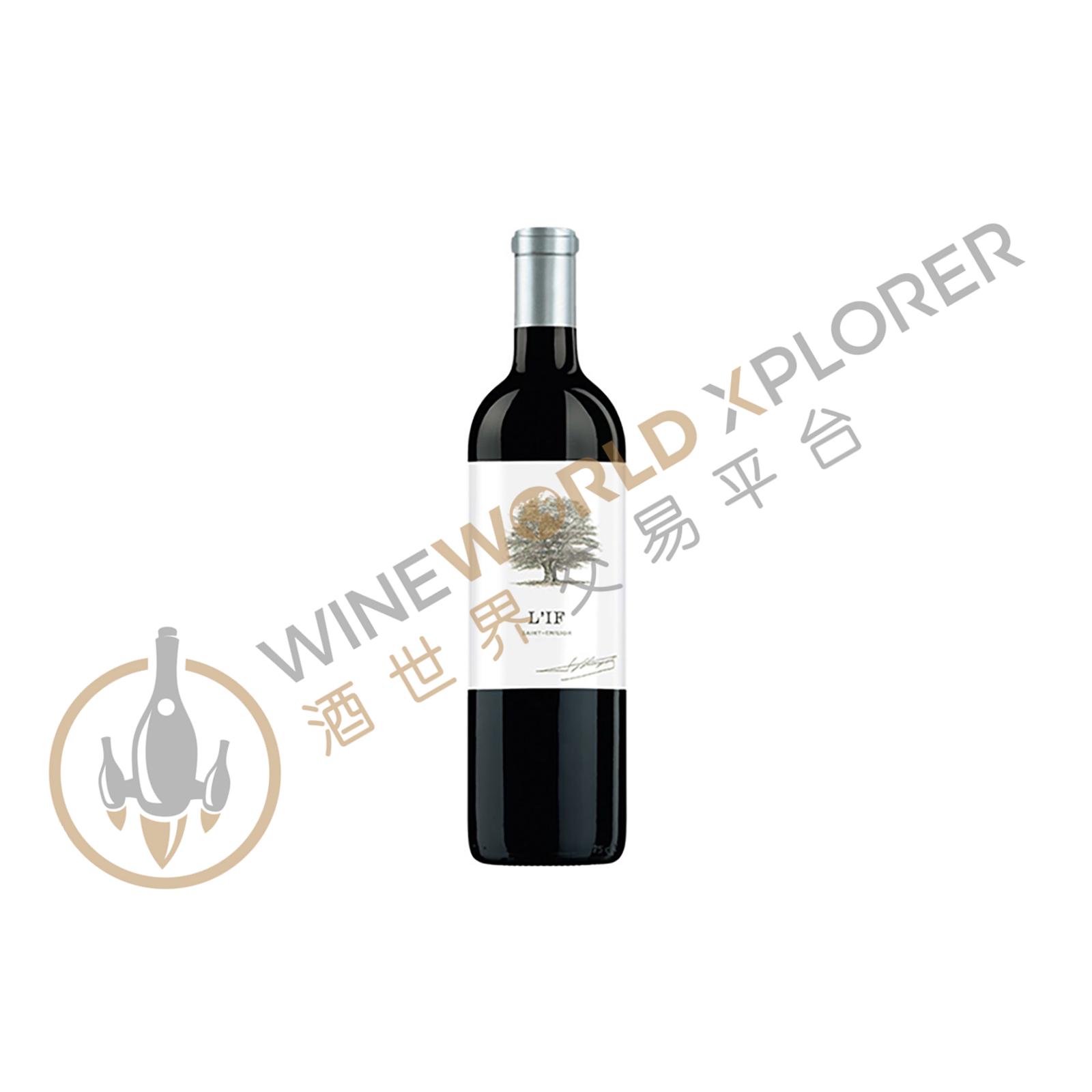
L'If 2025
 View analysis


Description
Tasting notes

Reviewed by: Antonio Galloni
The 2025 L'If is a total stunner. It's like no other vintage I have tasted thus far, perhaps because of the high percentage (25%) of Cabernet Franc. Chalk, mint, white pepper, blood orange and jasmine are some of the many notes that gradually open in the glass. A saline edge shapes the brisk mid-palate and brilliant, chiseled finish. Magnificent. The best L'If to date. Tasted two times.
Reviewed by: William Kelley
Aromas of cherries, rose petals and a touch of new oak introduce the 2025 L'If, a medium- to full-bodied, taut and rather compact wine built around a prominent spine of acidity (the pH is 3.28) that lends it a somewhat intellectual profile.
About the Producer
It should perhaps come as no surprise then that Jacques, assured in his success at Le Pin, should look around for a new challenge. It may have been that he would have liked to expand his little vineyard in Pomerol, and indeed he has purchased a few rows of vines over the years. But suitable plots are hard to come by, not every parcel he purchases makes the grade anyway (especially parcels acquired on a “well, if you want that vineyard, you have to buy this one too” basis). And of course these days, this is even more expensive than it was back in the 1970s; land now changes hands at a much greater price than the ‘mere’ million francs he once paid. There is an obvious solution of course; look elsewhere in Bordeaux, where parcels of land come up for sale more often than once in a blue moon, and when they do the price tag is less eye-watering. Normally on the right bank this means Castillon, or one of the satellite appellations. To Jacques, it meant St Emilion. It was in 2010 that Jacques Thienpont decided to look beyond the borders of Pomerol for a new vineyard venture, and it was not long before he came across Château Le Haut-Plantey, a small property for sale on the plateau of St Emilion, in the Mondot secteur. Having looked through older editions of Cocks et Féret back as far as the first edition, in 1850, I can find no trace of this estate, or indeed of Château La Bouygue as it was also once known. What I have discovered, however, is that the property enjoys an enviable location, sitting just beneath the gardens of Château Troplong-Mondot, a short distance down the road from Château Bellisle-Mondotte. Jacques clearly thought the position to be good as a deal was done, and he soon found himself the proprietor of a vineyard of a decent size, complete with a few tired-looking but perfectly functional buildings. He named the new estate L’If, if being French for yew (there’s a tree theme here, as pin is French for pine), although I don’t believe there is a yew tree on the domaine (perhaps one will arrive soon). That was the easy part though. He had a lot of work on his hands if the estate was to produce something of the level of quality Jacques was hoping for. (6/8/15, updated 11/12/16)
