
 Wine Advisor



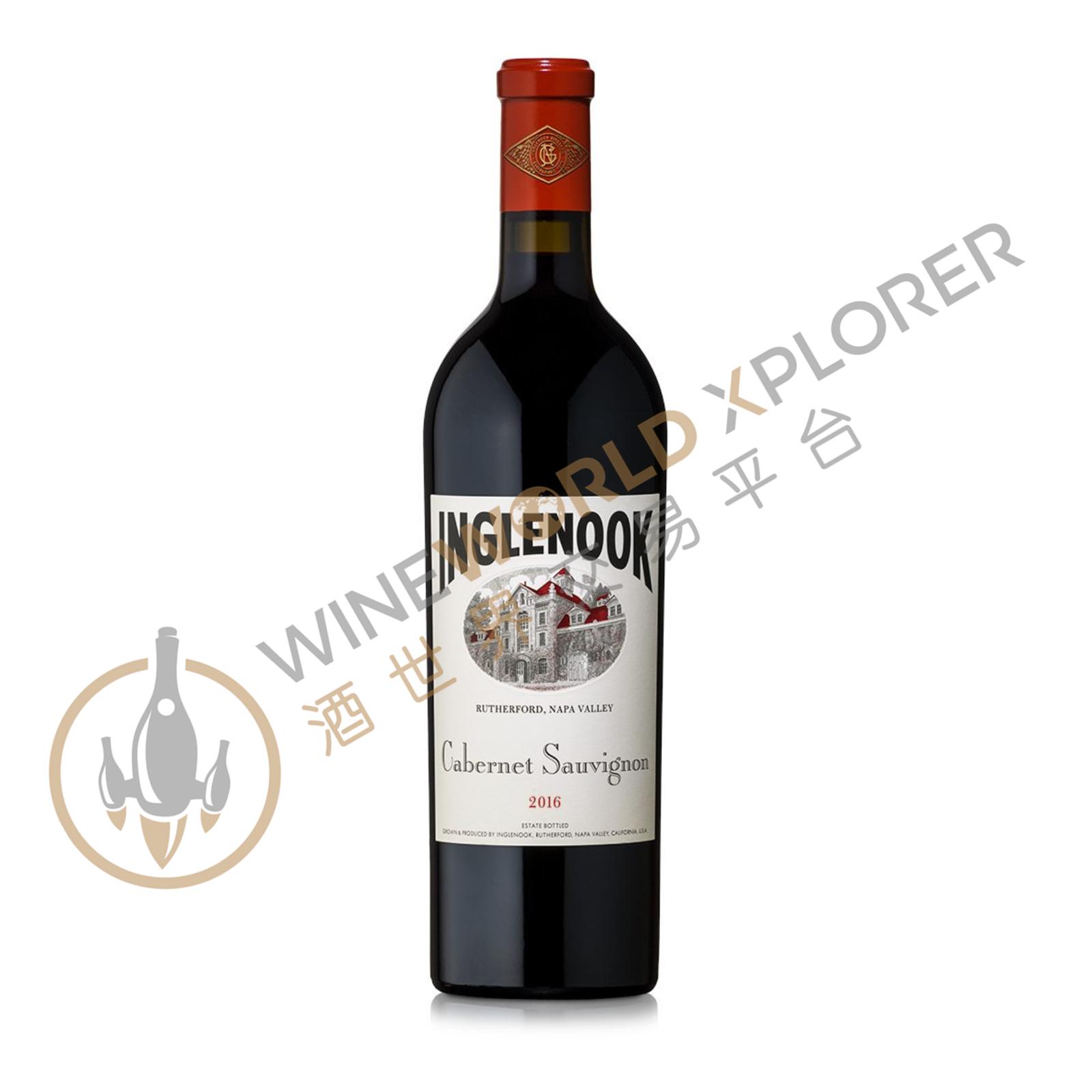
Inglenook, Cabernet Sauvignon 2017
 View analysis


Description
If Captain Niebaum was partially responsible for introducing Cabernet Sauvignon to Napa Valley, then John Daniel Jr. was responsible for carrying on his granduncle's tradition of excellence and finessing that varietal to revered status. In honor of Daniel's Cask Wines program that he began in 1949, our estate-bottled vintages from 1995 through 2008 of this grape variety were originally called Cask and bore oak veneer labels. Up until then the wine consisted of 100 percent Cabernet Sauvignon, aged in American oak barrels. The 2009 vintage, however, saw changes both in name as well as in the production and aging regimen, and now Inglenook's Cabernet Sauvignon is blended with Cabernet Franc, Petit Verdot, Merlot, and Malbec–-depending on the desired profile–-all of which is aged in French oak.
Tasting notes

Reviewed by: Lisa Perrotti-Brown
A barrel sample blended of 93% Cabernet Sauvignon, 5% Merlot, 1% Cabernet Franc and 1% Petit Verdot, the deep garnet-purple colored 2017 Cabernet Sauvignon reveals scents of dried roses, kirsch and black cherries with touches of bay leaves and fallen leaves. Medium-bodied with bright red and black fruits and a chewy backbone, it finishes with a lively herbal lift. 7,440 cases are estimated to be made.
Reviewed by: Antonio Galloni
The 2017 Cabernet Sauvignon is incredibly primary at this stage. Deep, unctuous and flamboyant to the core, with a huge center of fruit, the 2017 is going to need a number of years in bottle to shed some of its baby fat. Although the 2017 is decidedly rich – especially by the standards that have characterized the Inglenook wines in recent years – it holds tremendous promise.
About the Producer
Inglenook's Chateau winery is completed. Conceived to be a state-of-the-art facility, the Chateau's design is based on gravity-flow, one of the first of its type in Napa Valley, and includes an early form of rebar—using cable from cable-cars in San Francisco—to stave off earthquake tremors and to help the building shift safely during the crush process. True to his fastidious nature in each step of the winemaking process, Niebaum devises California's first grape-sorting table and also installs the state's first bottling line to ensure the wines' provenance from growth to bottle, the latter always bearing the California Pure Wine Stamp and secured with an intricate wire maze to guarantee the wine's integrity.
