
 Wine Advisor



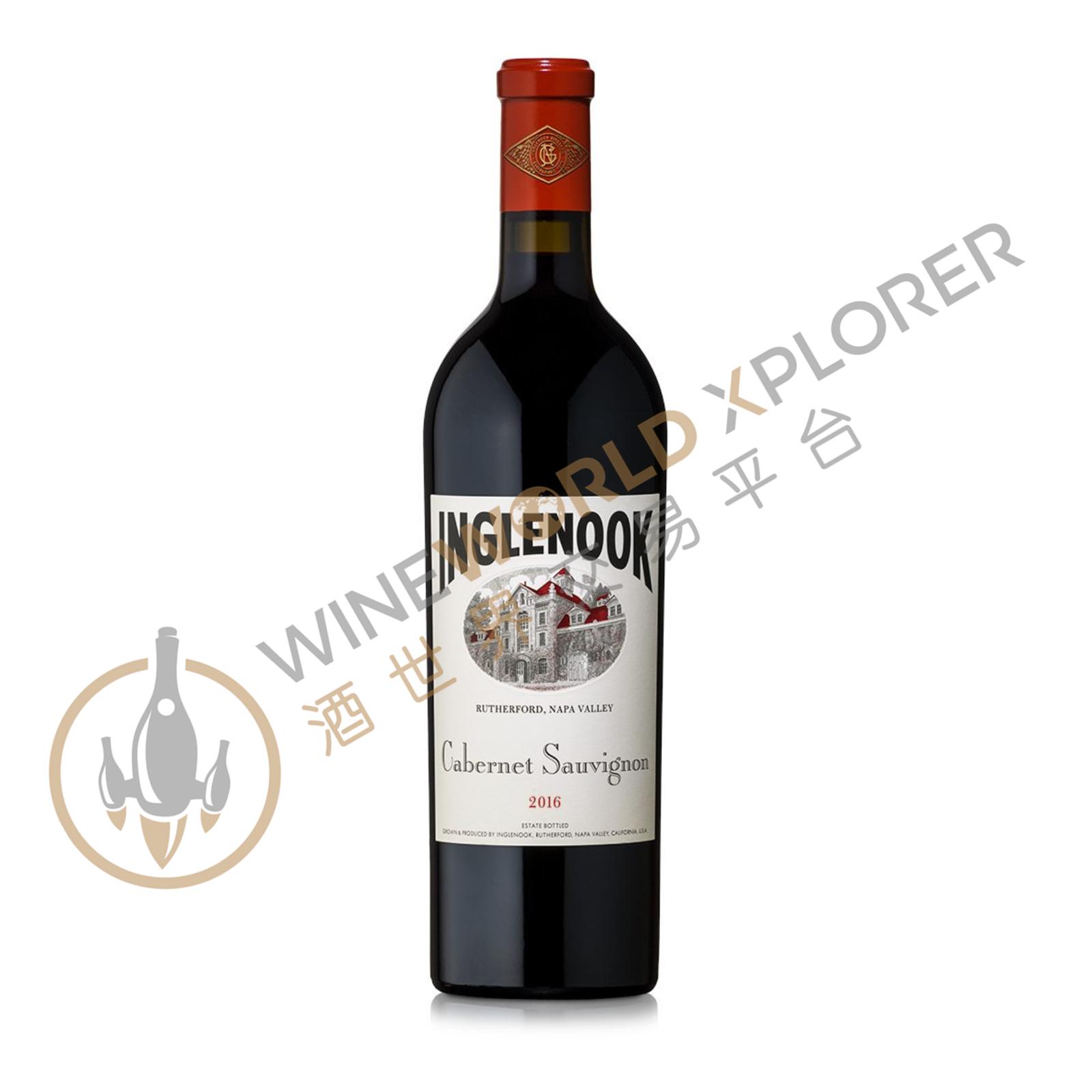
Inglenook, Cabernet Sauvignon 2013
 View analysis


Description
If Captain Niebaum was partially responsible for introducing Cabernet Sauvignon to Napa Valley, then John Daniel Jr. was responsible for carrying on his granduncle's tradition of excellence and finessing that varietal to revered status. In honor of Daniel's Cask Wines program that he began in 1949, our estate-bottled vintages from 1995 through 2008 of this grape variety were originally called Cask and bore oak veneer labels. Up until then the wine consisted of 100 percent Cabernet Sauvignon, aged in American oak barrels. The 2009 vintage, however, saw changes both in name as well as in the production and aging regimen, and now Inglenook's Cabernet Sauvignon is blended with Cabernet Franc, Petit Verdot, Merlot, and Malbec–-depending on the desired profile–-all of which is aged in French oak.
Tasting notes

Reviewed by: Robert M. Parker, Jr.
The 2013 Cabernet Sauvignon (14.3% alcohol) a blend of 87% Cabernet Sauvignon 8% Cabernet Franc and the rest Petit Verdot and Merlot. The wine shows good firmness, ripeness and richness, a dark ruby/purple color, excellent texture and purity but seems to lack that extra spark and wow factor that one expects from such a great terroir. Drink now-2030.
Reviewed by: Joe Czerwinski
Darker and less brick-hued than the 2013 Syrah RC Reserve, Inglenook's 2013 Cabernet Sauvignon is tighter on the nose and palate as well. Red berries are joined by cassis, tobacco and cedar on the nose, while the medium to full-bodied palate features silky tannins but also a distinct tartness, with a lingering, softly woody finish and hard acids.
Reviewed by: Antonio Galloni
A powerful, vibrant wine, the 2013 Cabernet Sauvignon shows the pedigree of this historic Rutherford vineyard. Remarkably light on its feet for such a big wine, the 2013 offers exceptional depth and pedigree from the very first taste. Even with all of its obvious intensity, the 2013 manages to remain polished and vibrant.
About the Producer
Inglenook's Chateau winery is completed. Conceived to be a state-of-the-art facility, the Chateau's design is based on gravity-flow, one of the first of its type in Napa Valley, and includes an early form of rebar—using cable from cable-cars in San Francisco—to stave off earthquake tremors and to help the building shift safely during the crush process. True to his fastidious nature in each step of the winemaking process, Niebaum devises California's first grape-sorting table and also installs the state's first bottling line to ensure the wines' provenance from growth to bottle, the latter always bearing the California Pure Wine Stamp and secured with an intricate wire maze to guarantee the wine's integrity.
