Wine Advisor



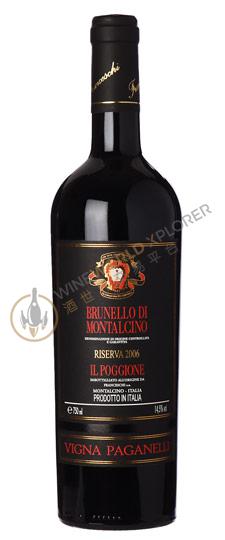
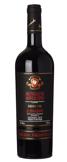
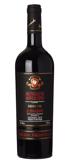
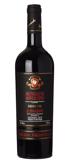
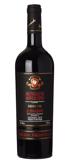
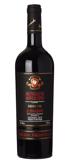
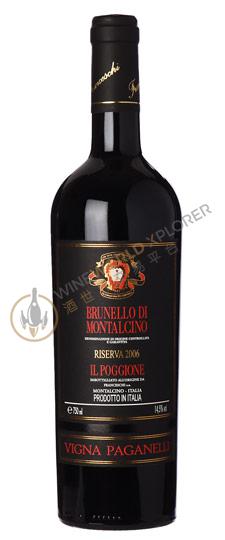
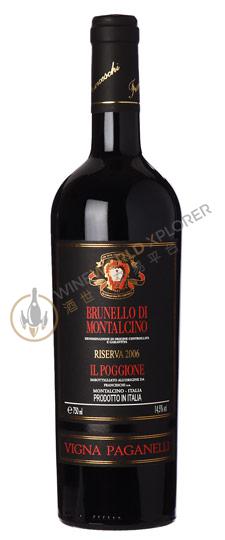
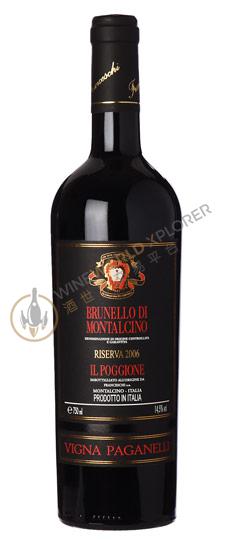
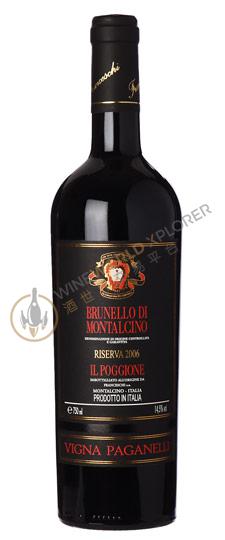
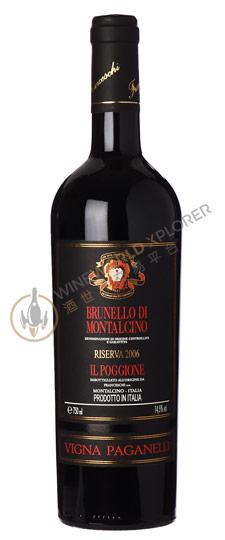
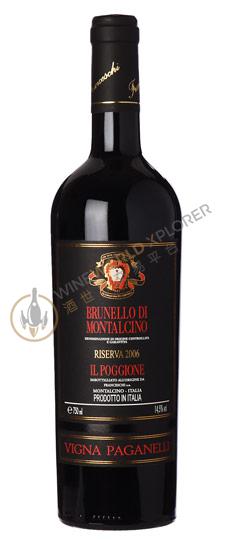
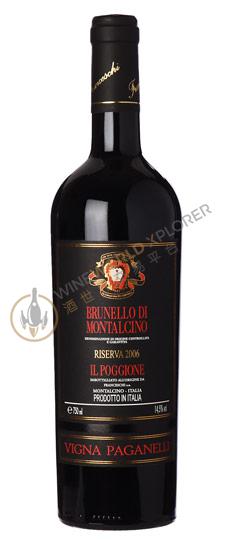
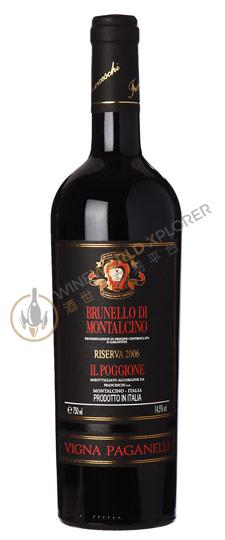
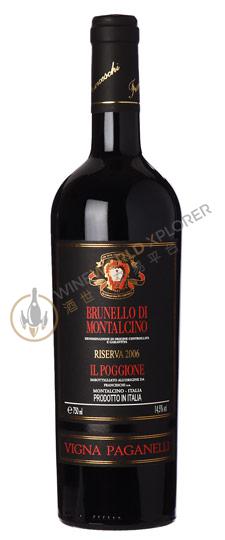
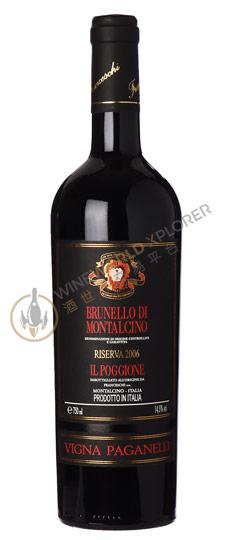
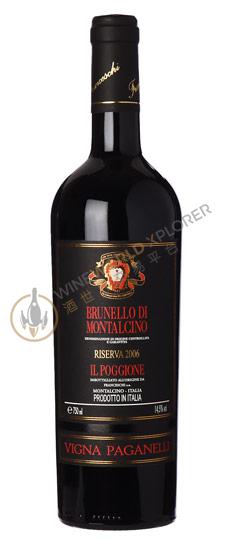
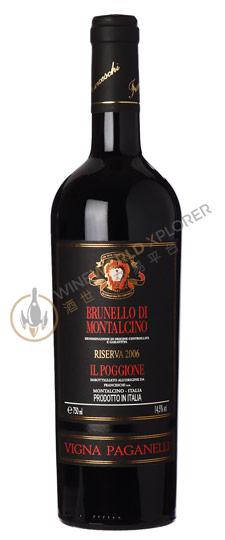
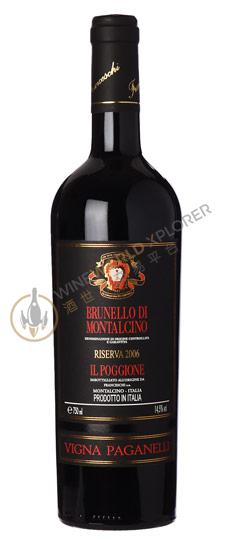
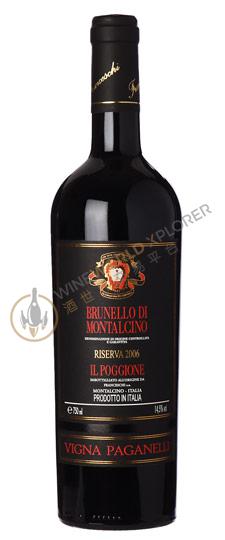
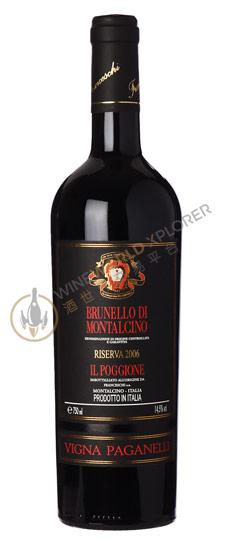
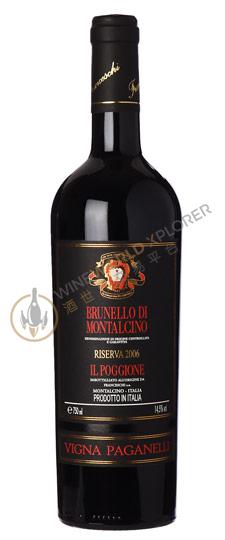
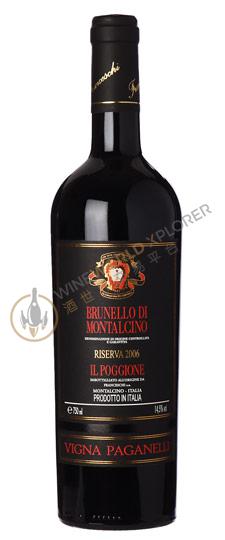
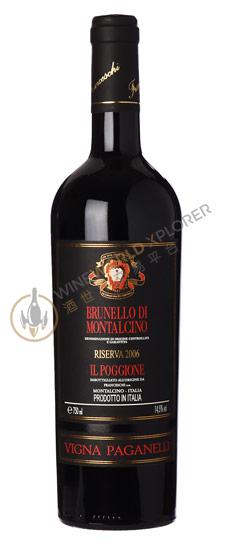
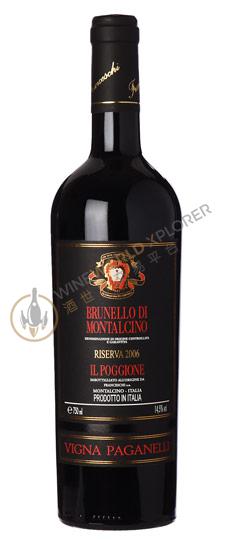
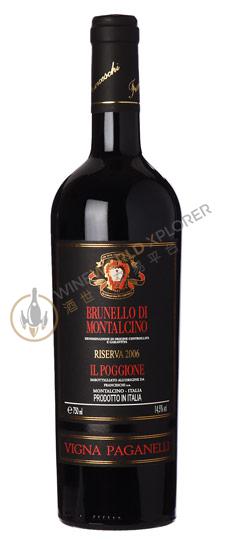
Il Poggione, Brunello di Montalcino Riserva Vigna Paganelli 2006
 View analysis


Description
Tasting notes

Reviewed by: Stephen Tanzer
Bright, dark red with ruby highlights. Youthfully medicinal aromas of dark fruits and minerals. Brooding and primary today, with powerful black cherry, licorice, mineral and menthol flavors dominated by the wine's firm tannic spine. This extremely backward, structured riserva will need a good eight to ten years of aging and should be long-lived, but it's tough going today.
Reviewed by: Antonio Galloni
The 2006 Brunello di Montalcino Riserva Vigna Paganelli offers up plums, black cherries, tar, menthol and a host of other balsamic nuances. The Riserva shows gorgeous inner perfume and an extra touch of density in the fruit that balances the building tannins through to the imposing, regal finish. The 2006 Riserva is shaping up to be another masterpiece from Il Poggione. Anticipated maturity: 2021-2046. (Not yet released) Il Poggione is Montalcino’s fourth largest estate, with an eye-popping 125 hectares of Brunello designated vineyards, behind Banfi, Castelgiocondo and Col d’Orcia. My annual tasting spanned every wine in barrel from 2006-2010. I continue to be deeply impressed by the average level of quality father and son team Fabrizio and Alessandro Bindocci coax from these sites. Frankly, it is hard to go wrong with any of the Brunelli Il Poggione has put into bottle over the last few years. The straight Brunello remains one of the most reasonably priced, cellar-worthy wines in the world. The 2006s are rich, bombastic wines that will require patience to drop their baby fat. The Brunelli are fermented with a submerged cap and pumpovers, an approach that is unusual in Montalcino but common in Piedmont. My visit ended with a taste of the 1955 Brunello, which is still in great shape, even after all these years. Importer: Terlato Wines International, Lake Bluff, IL; tel. (847) 604 8900
Reviewed by: Antonio Galloni
The 2006 Brunello di Montalcino Riserva Vigna Paganelli is huge, powerful and totally implosive. The seductive allure of the 2007 is nowhere to be found. Instead, the 2006 is built on a serious spine of formidable tannin and dark red/black fruit. Hints of tar, licorice, rose petals and tobacco inform the powerful, virile finish. The 2006 is going to require considerable patience, but it is clearly a jewel of a wine, even at this early stage. Anticipated maturity: 2016-2046. It’s hard to know where to start with these new releases from Il Poggione, as every wine I tasted was strikingly beautiful. This is a great showing from father and son team Fabrizio and Alessandro Bindocci. Il Poggione’s Brunello di Montalcino remains one of the most fairly priced, ageworthy wines on the planet. Readers may want to take a look at my video interview with Alessandro Bindocci posted on www.erobertparker.com for more on Il Poggione. Importer: Terlato Wines International, Lake Bluff, IL; tel. (847) 604 8900
Reviewed by: James Suckling
Dark berries, with hints of raspberries and blackberries on the nose. Full body, with velvety tannins and a medium chewy texture. It's a wine with pretty depth of fruit that needs time to open and soften, from the new wood tannins. Better in 2014.
Reviewed by: Antonio Galloni
The 2006 Brunello di Montalcino Riserva Vigna Paganelli is intense, with a burst of crushed ashen stones, fall leaves and freshly turned rich soil adding mature, savory depths to notes of balsamic black cherry as a hint of mint lifts the experience. This possesses a gorgeous inner sweetness complemented by a core of vibrant acidity as red and black fruits wash across the palate and a sharp twang of citrus adds contrast toward the close. This leaves echoes of balsamic spice and tart raspberry candies while finishing with adolescent tannins that are long and remarkably fresh. Make sure to give the Riserva some time after opening as its bouquet comes together beautifully over the course of an hour.
About the Producer
Tenuta il poggione covers an area of 530 hectares (1300 acres), of which 140 hectares (336 acres) are planted with vines and 50 hectares (120 acres) with olive trees; the rest are dedicated to grain fields, forest and livestock. The estate’s guiding principle is to pay great care to the vines, because the secret of producing great red wines lies in the high-quality vineyard work. In the light of a sustainable agriculture, the winery has always planted different crops along the vineyards and limited the use of chemicals. Most recently, it has installed solar panels on the roof of its cellar, with the purpose to reduce the carbon footprint of its wines. The vineyard work is mainly manual, for the harvest and for the other jobs. Thanks to the practice of the green harvest, the monitoring of the vineyards’ health conditions and the soil’s nutritional needs, it is possible to obtain an excellent wine even in more difficult vintages.