
 Wine Advisor



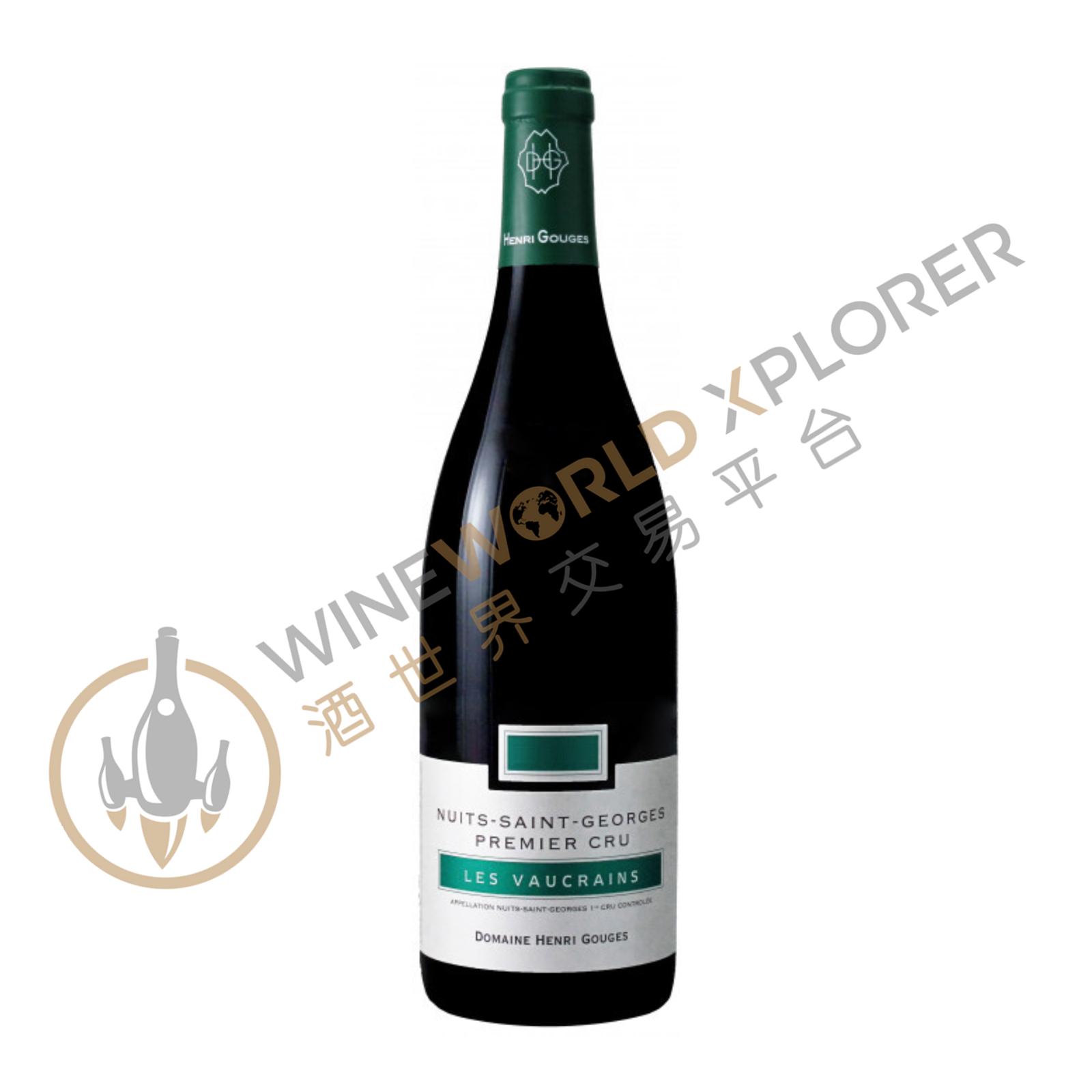
Henri Gouges, Nuits St Georges 1er Cru Les Vaucrains 2017
 View analysis


Description
Located out of the Combe des Vallerots and right on top of the renowned parcel of the “Saint Georges”, the estate’s parcel is right in the middle of the hillside, defined on its higher part by the forest borders. The production of grapes is naturally very low: when tasting, these are intense wines, characteristic of their terroir through freshness and minerality. The Vaucrains are nevertheless exceptional long-keeping wines, which require a dozen years to reveal their full potential.
Tasting notes

Reviewed by: Neal Martin
The 2017 Nuits Saint-Georges Les Vaucrains 1er Cru has a light bouquet of brambly red fruit and rose petal scents, though it needs a little more vigor. The palate is medium-bodied and smooth in texture, with black plum and cranberry notes and rounded, thick tannins that lend good body. A touch of white pepper and spicebox appears toward the finish. Promising. Tasted blind at the Burgfest 2017 tasting.
Reviewed by: Neal Martin
The 2017 Nuits Saint-Georges Les Vaucrains 1er Cru has a lovely, intense bouquet that combines blue and black fruit, crushed violet petals and incense. The palate is medium-bodied with supple tannin, showing a little more cohesion than the Les Pruliers, if not quite the same mineral drive as Domaine Chevillon’s. Still, there is decent length and depth to this Les Vaucrains, though it will need several years in bottle.
About the Producer
Domaine Henri Gouges is located in the Nuits-Saint-Georges wine region of Burgundy, France, and is one of the best known wineries in the region. Château Henri Gouges is owned by the Gouges family. The family has been growing grapes for several generations. Today the family owns Château Henegault, which was purchased in 1919. The estate currently has 14.5 hectares of vineyards, including six first growths in Nuit St Georges. All the grapes harvested at the winery are destemmed and then fermented in concrete vats for approximately 15 days. Once fermentation is complete, the wine is transferred to small oak barrels, about a quarter of which are renewed annually. The wines are bottled at the Château using egg whites to underglaze and filter them before being bottled at the estate. The wines produced by Château Henegault in the 1940s and 1950s were full-bodied, aromatic and restrained, ideal for ageing. Later, due to the renewal of the vines in the vineyard, the wines produced in the 1970s and 1980s were much lighter in body. Today, Château Henegault can once again produce powerful, complex wines. Demand for Henrico's wines has always outstripped supply because of the strict control over quality and production. The wines produced by the estate are now increasingly difficult to find and have become the object of many wine lovers' collections.
