
 Wine Advisor



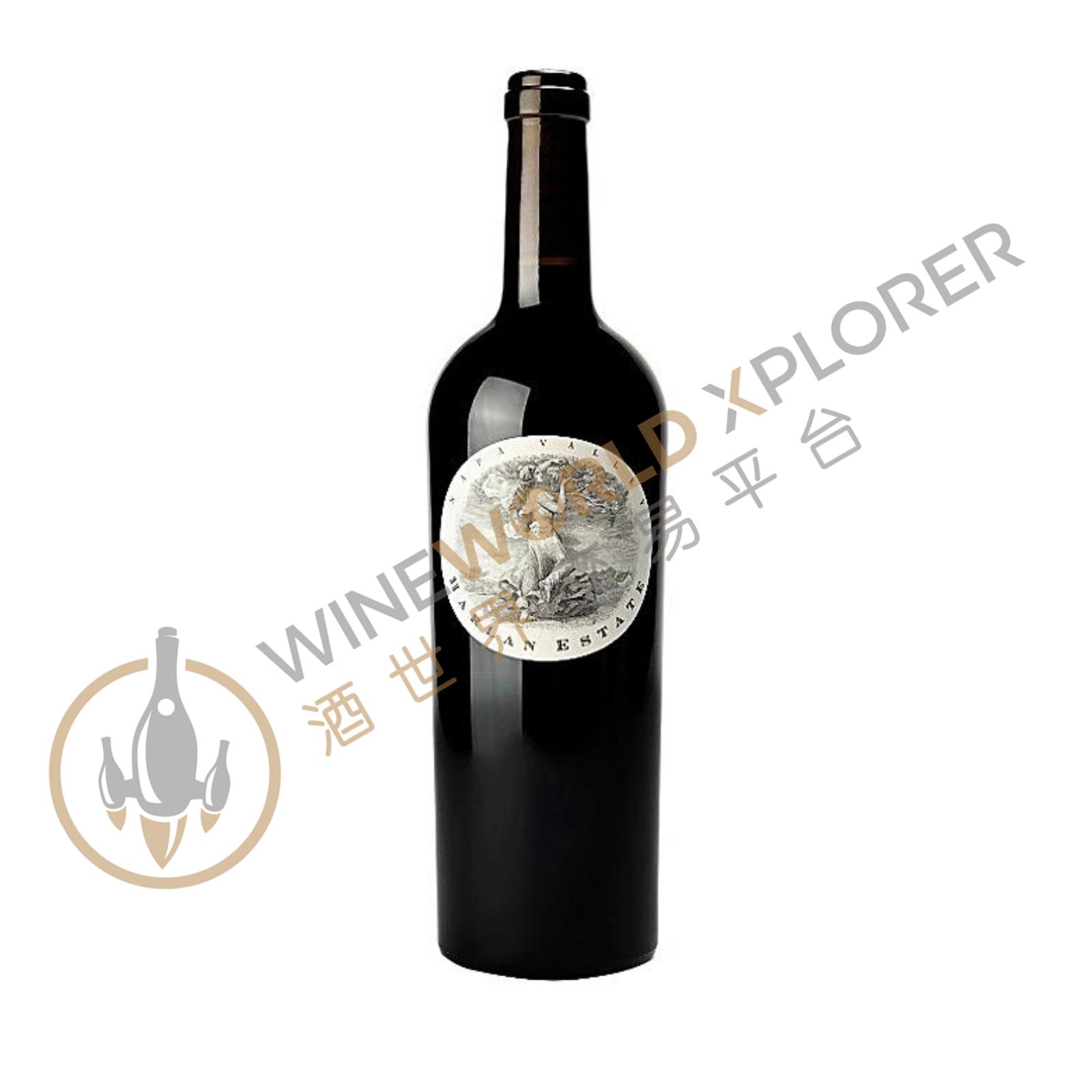
Harlan, Proprietary Red 1999
 View analysis


Description
Tasting notes

Reviewed by: Neal Martin
A similar colour to the ’98 Harland but even more exotic on the nose with super-ripe blackberry, anis, kirsch, liquorice and stewed dates. Opulence incarnate. The palate is full-bodied, super-rich, super-sweet with dense tannic structure but lacking much in the way of freshness and tension. Very sweet and ripe on the menthol-tinged finish. I dunno...just not my bag. Tasted June 2008.
Reviewed by: Robert M. Parker, Jr.
When I visited Harlan, the blend for the 1999 had not yet been set, and I was only able to taste the Cabernet Sauvignon portion, which will be 80-90% of the final wine. It looks to be outstanding. Harlan Estate has converted to wood fermenters. That decision is interesting in view of the fact that many top Bordeaux chateaux discarded their wood fermenters 10-30 years ago in favor of temperature-controlled stainless steel. More controlled fermentation temperatures and increased sanitation were the obvious reasons for the conversion. Wood fermenters still exist in Bordeaux, particularly among some of the St. Emilion garagistes, but elsewhere they are primarily on display for tourists. In short, most of Bordeaux's wood fermenters made their way into barbecue pits. (Not yet released) Tel. (707) 844-1441; fax (707) 944-1444
Reviewed by: Lisa Perrotti-Brown
Very deep garnet-black colour going brick at the rim. Complex, maturing nose with notes of warm blackberry, game, dried plums, moss, white pepper, Provence herbs and a whiff of iron ore. The palate reveals a concentrated, medium to full bodied wine balanced by medium acidity and a medium to firm level of velvety tannins. Very long finish departing with lingering savoury and mineral flavours. Drink now to 2018. Tasted November 2008.
Reviewed by: Robert M. Parker, Jr.
The 1999 Harlan Estate (1,700 cases) reveals moderately intense aromatics of sweet vanilla, menthol, espresso, chocolate, and cassis. The wine is medium to full-bodied, suave, and elegant. It is more restrained and not as intense as previous vintages, reflecting 1999's cool growing season. Nevertheless, this is still an outstanding wine. The finish is long, elegant, and Bordeaux-like. It is not as prodigious as the Harlans produced between 1991 and 1998. I would rank it behind all those wines. Anticipated maturity: now-2016.. The objective at Harlan is simple ... low yields, ripe fruit, no razzle dazzle in terms of fermentation, a natural upbringing, and bottling without clarification. Tel. (707) 944-1441; Fax (707) 944-1444
About the Producer
The land at Château Harlan is unique in that the vineyards are situated on hillsides that are well drained and rise and fall with the slopes. The first 9.7 hectares of vineyard, planted between 1986 and 1987, was planted in a staggered manner, as the two small plots that make up the vineyard are located on either side of the hillside. The vines were planted with 70% Cabernet Sauvignon, 20% Merlot, 8% Cabernet Franc and 2% Petit Verdot. The vineyards are planted at varying densities, with half of the vineyards planted with 1,750 vines per hectare and the other half with 5,500 vines per hectare. The high quality of Château Hallam's wines is a result of the meticulousness of the entire winemaking process. The winemaking philosophy at Château Hallam is to preserve the natural flavour of the grapes and to take a gentle approach to the growing and fermentation process. The barrels in the winery are all new French oak barrels. The main wine, Harlan Estate Proprietary Red, is aged in barrel for 25 months, while the unselected wine is bottled after 10 months as a secondary wine, The Maiden, without filtration or clarification. The wines of Château Hallam are dark in colour, fruity and floral, with strong, restrained tannins and a firm, robust texture, and have the potential to age for at least 20 years. Best vintages include: 1991, 1996, 1997, 2001, 2002, 2004 and 2007.
