
 Wine Advisor



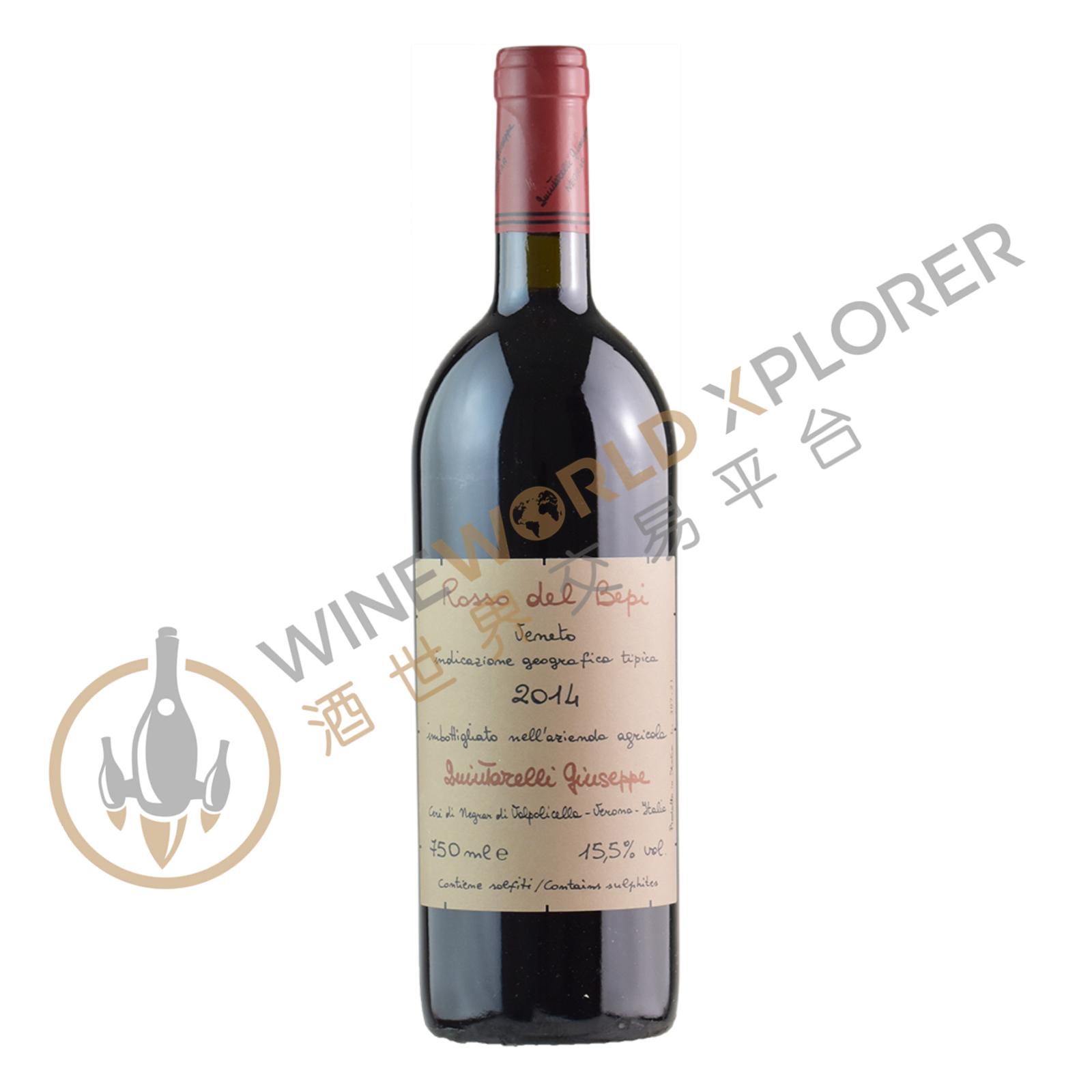
Giuseppe Quintarelli, Rosso del Bepi IGT 2008
 View analysis


Description
Tasting notes

Reviewed by: Monica Larner
Giuseppe Quintarelli's namesake 2008 Rosso del Bepi (made well before this legendary figure would pass away in 2012) is made in the so-called average vintages when Amarone is not produced. This wine replaces Amarone in those declassified years, meaning that we see Rosso del Bepi made in 2008 and next again in 2010. The estate's Amarone della Valpolicella Classico, however, is produced in 2009 and 2011. The final decision on which wine will be released is made just a few months before bottling. In very difficult years, neither wine is produced. I have reviewed the 2008 vintage currently on the market now, although the 2010 vintage of this wine was shortly to be released when I visited the estate (but I did not get a chance to taste it). This wine reflects the ideals of a classic blend of Corvina, Corvinone and Rondinella (with a smaller percentage of other varieties mixed in for good measure), although you do feel some of the extra heat of the vintage, with some lingering sweetness on the close. The wine registers at 15.5% alcohol, and there are ripe nuances of dark fruit, sweet cherry and jammy blackberry. The wine is immediately open, accessible and beautiful, but like all of Quintarelli's releases, it would also benefit from additional aging.
About the Producer
Giuseppe Quintarelli, the father of Amarone and a masterful wine grower, has left an invaluable legacy to his family who now manage the estate. Excellence, tradition, artisanal spirit, and authenticity define the monumental work carried out by this property, where only the finest vintages are produced. These wines, renowned globally, are incredibly elegant, displaying a beautiful mellowness and remarkable aromatic persistence. Despite Giuseppe's unfortunate passing in 2012, his influence on Italian viticulture, particularly Amarone, remains legendary. Located in the hills of Verona within the Valpolicella appellation, the 12-hectare domain was meticulously managed by Giuseppe, who gained recognition for his Amarone della Valpolicella Classico and Recioto, releasing them only after years of aging. Today, Giuseppe's daughter Fiorenza, her husband, two children, Francesco and Lorenzo, and a dedicated team continue the family's tradition. The domain upholds a traditional viticultural approach, drawing inspiration from ancestral practices. The vines are treated minimally, with no use of herbicides, and yields are intentionally kept low through meticulous pruning and green harvests. The grapes, destined for Amarone, are handpicked and dried for four months. The winery has undergone modernization to further enhance the quality of their exceptional wines. Giuseppe Quintarelli's estate is a true gem in the Valpolicella region, revered for its Amarone production. Their deep, complex wines, adorned with handwritten labels, have garnered international acclaim. The estate's portfolio includes Amarone, Recioto, and Valpolicella Classico Superiore, all crafted with a similar blend. However, their cult wine, the Alzero, stands out for its blend of Cabernet Sauvignon, Cabernet Franc, and Merlot. Produced exclusively in outstanding years, Alzero undergoes the same drying process as Amarone. Winemaking at Quintarelli is a patient craft. The top wines undergo a meticulous 20-day pre-ferment maceration for optimal color and tannin extraction, followed by slow fermentations and extensive aging in large Slavonian oak barrels—up to eight years for Amarone wines. Alzero, on the other hand, is aged in barriques for two to three years, followed by an additional four years in larger Slavonian oak barrels. Quintarelli's commitment to unhurried winemaking ensures the creation of exceptional, age-worthy wines that captivate wine enthusiasts worldwide.
