Wine Advisor



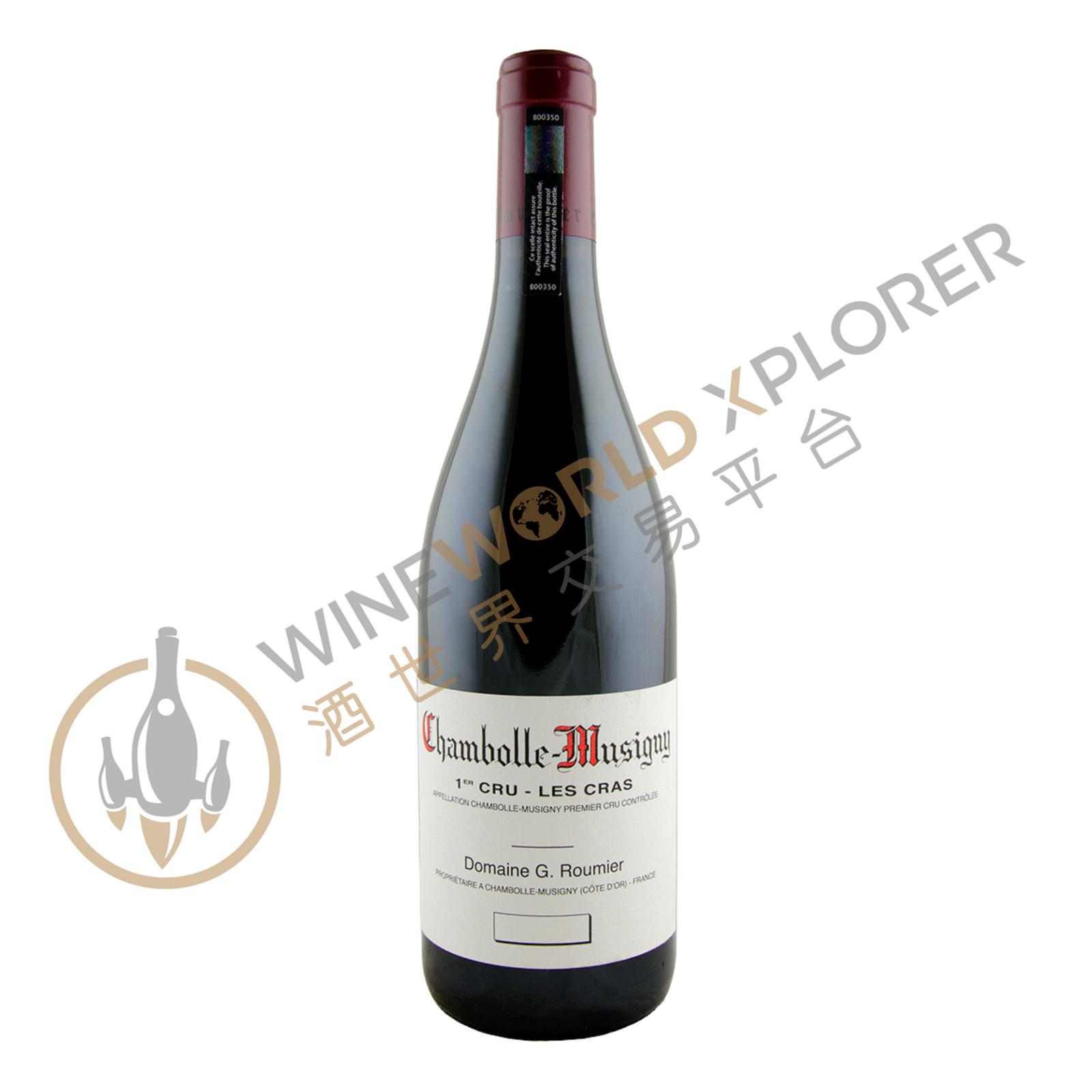
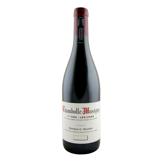
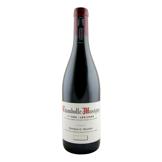
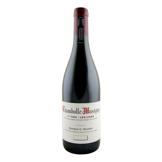
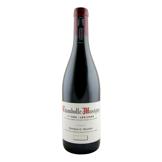
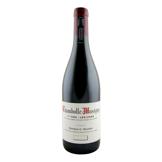
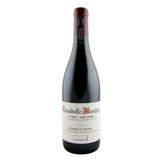
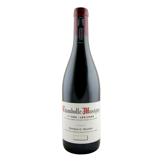
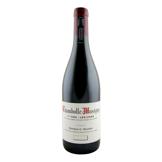
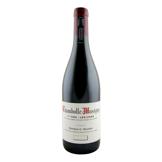
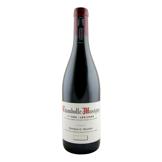
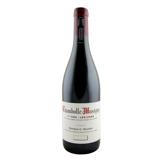
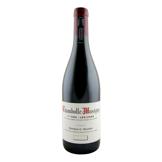
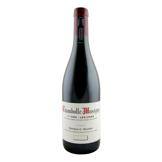
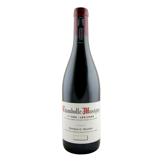
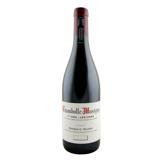
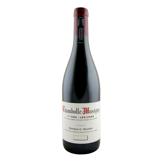
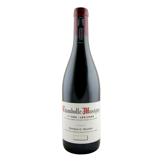
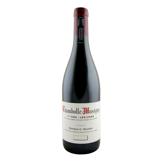
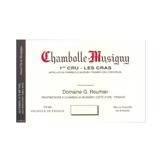
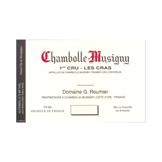
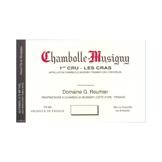
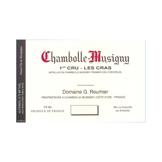
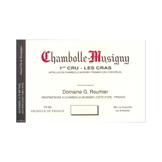
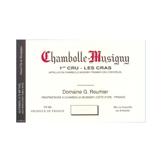
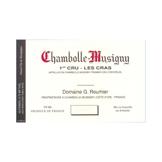
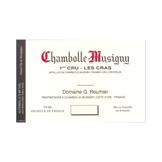
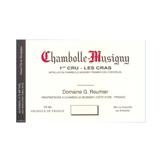
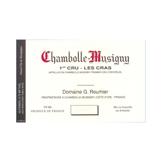
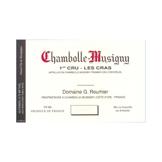
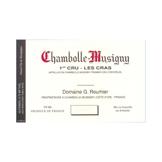
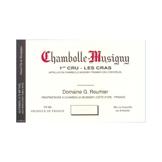
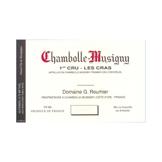
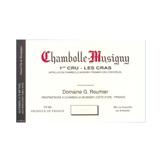
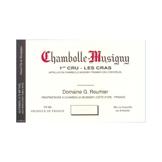
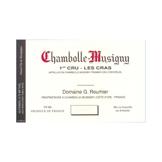
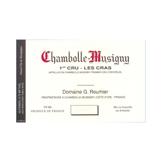
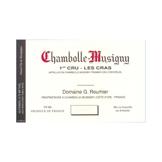
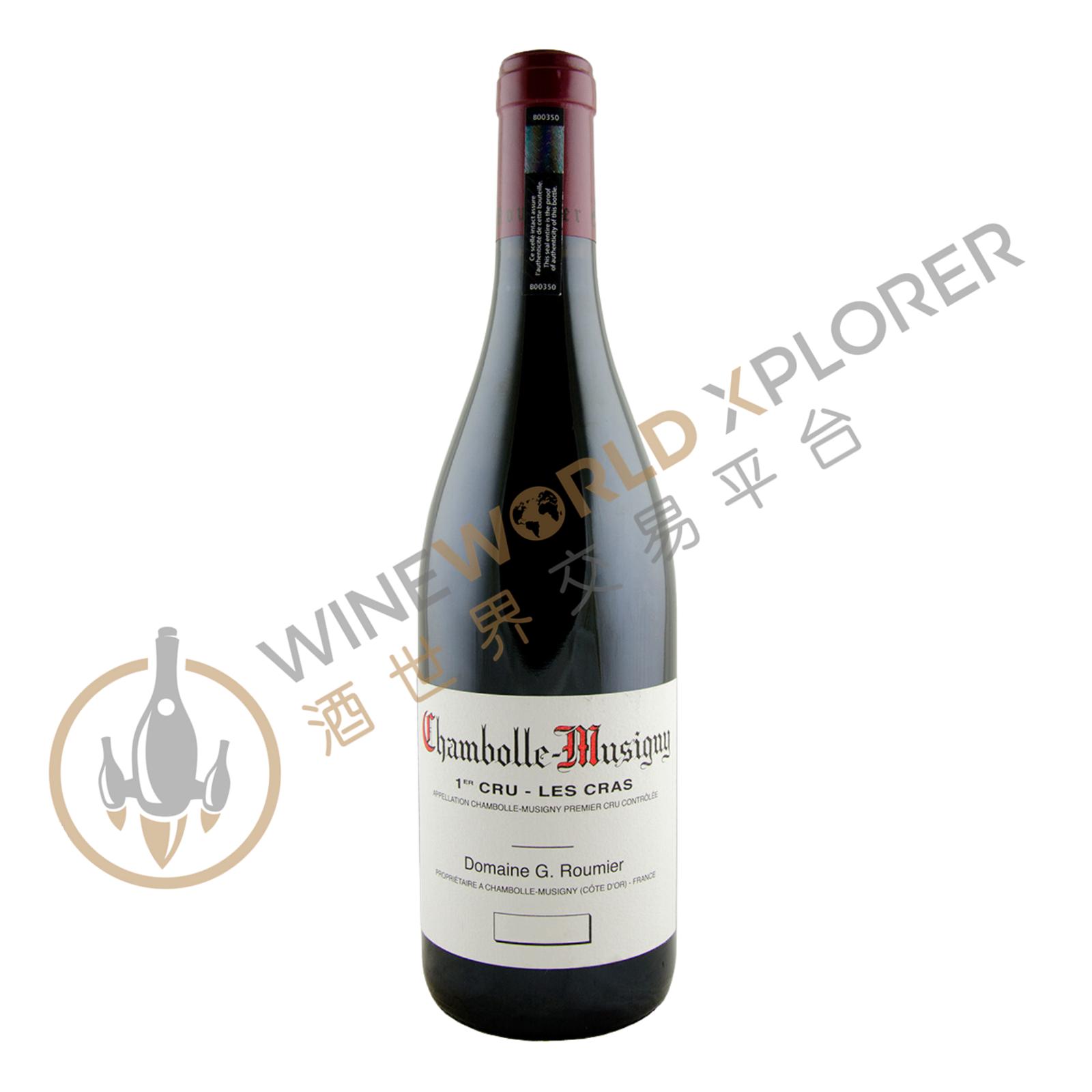
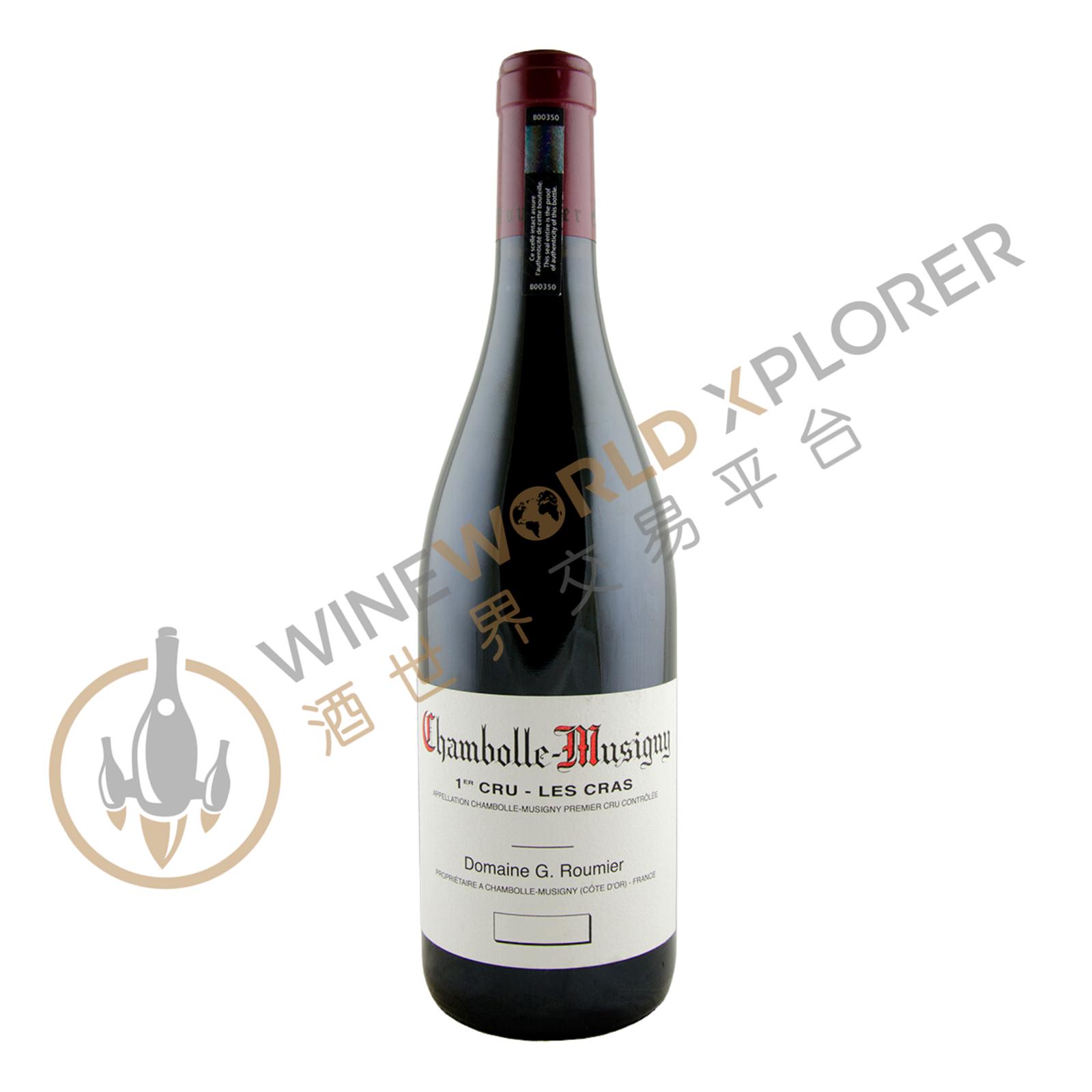
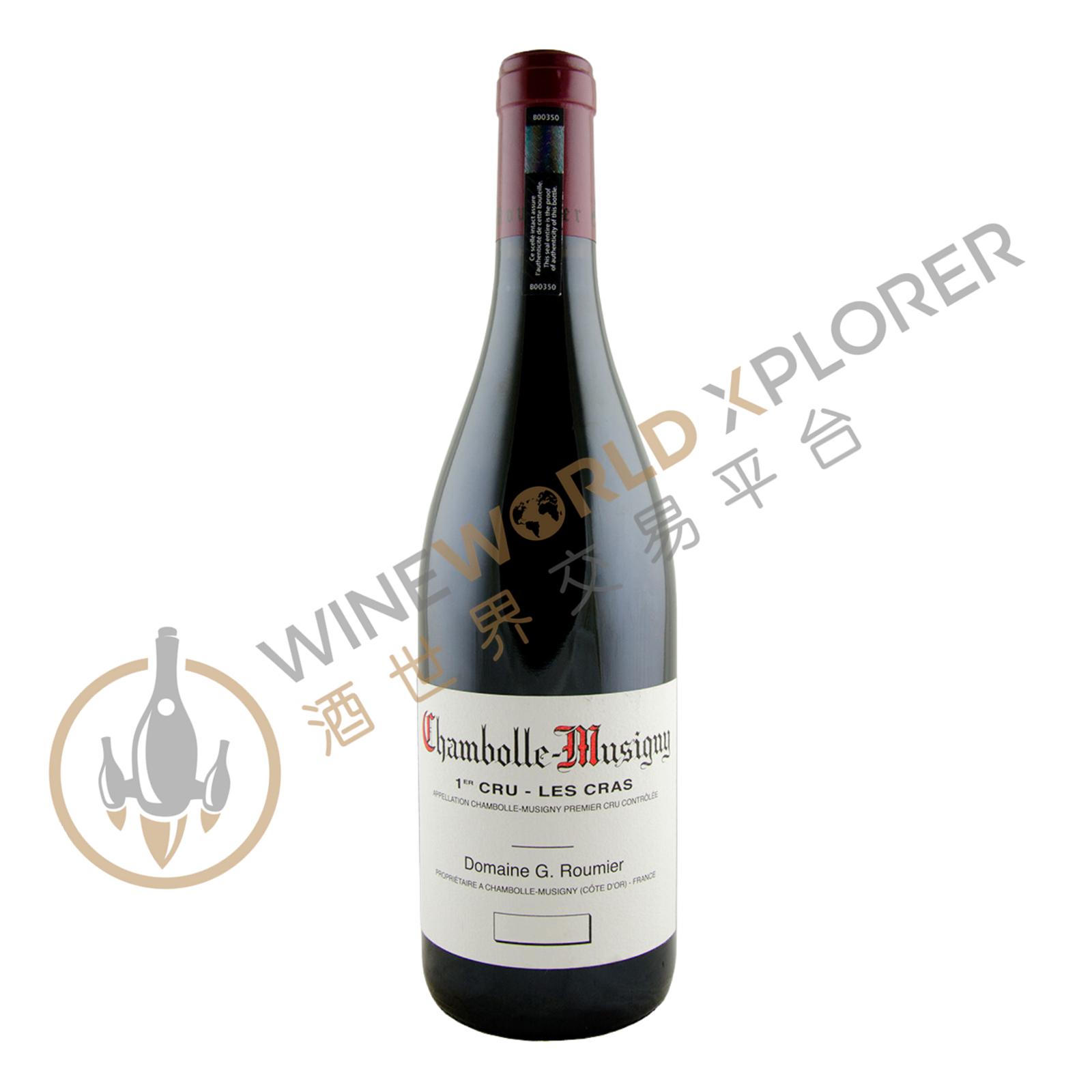
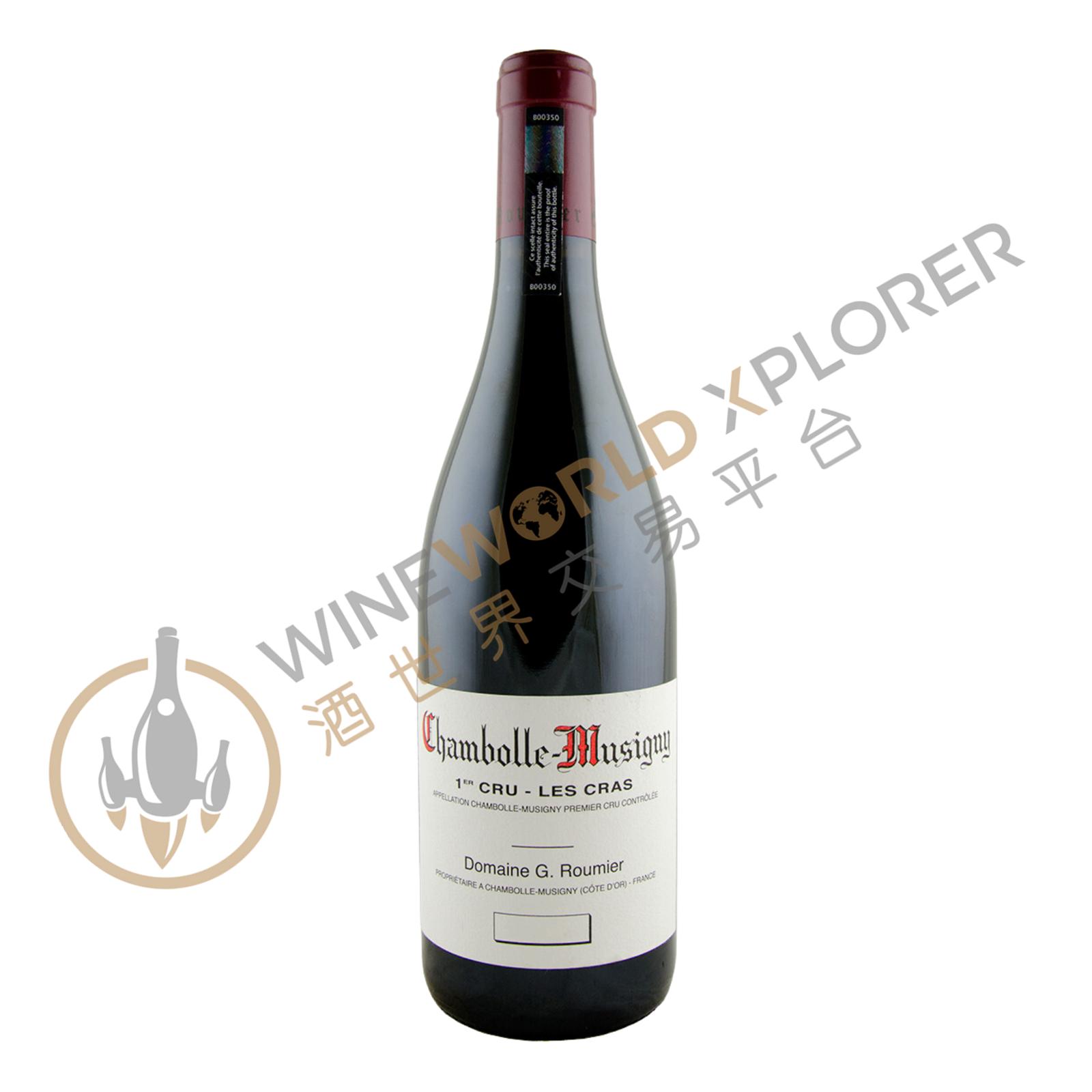
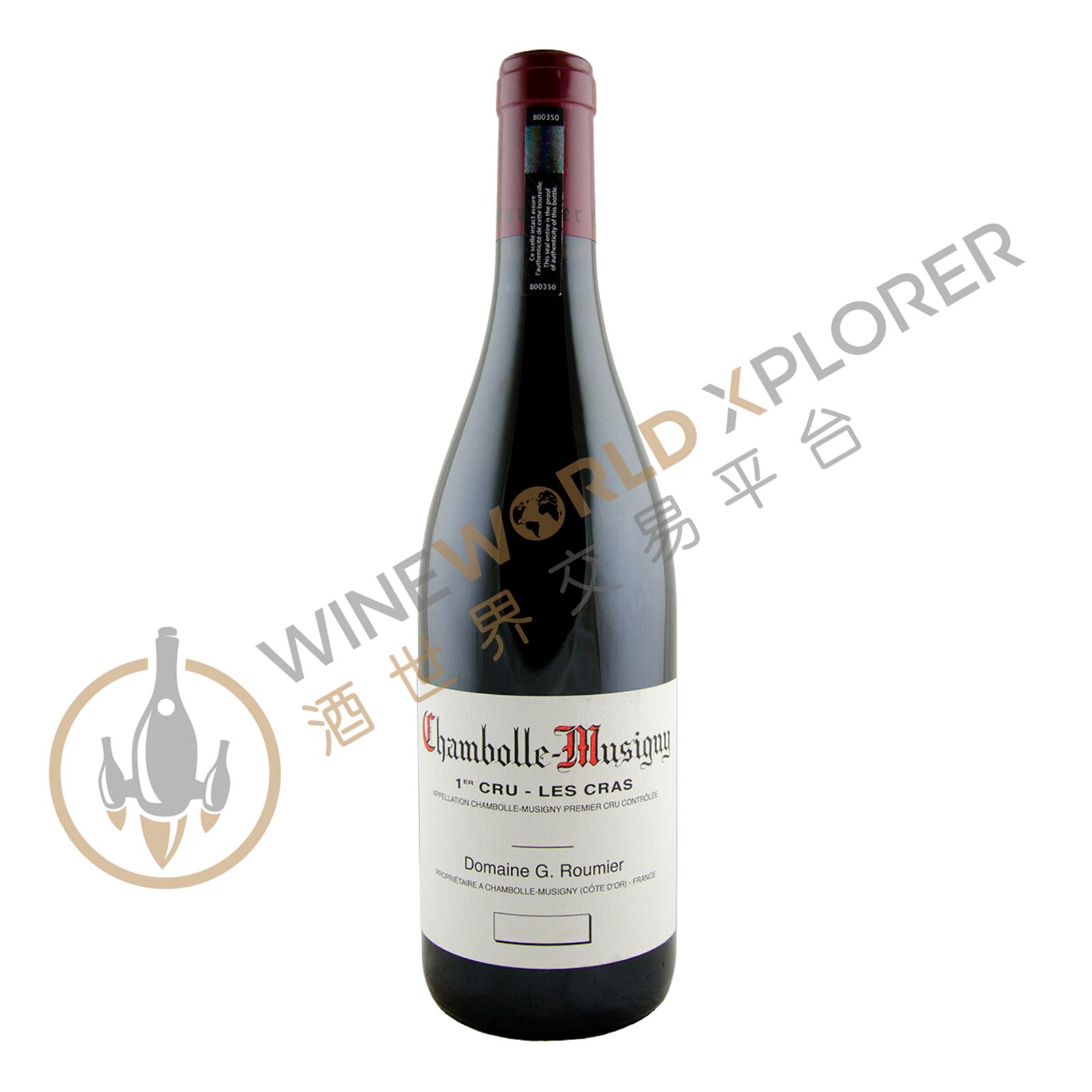
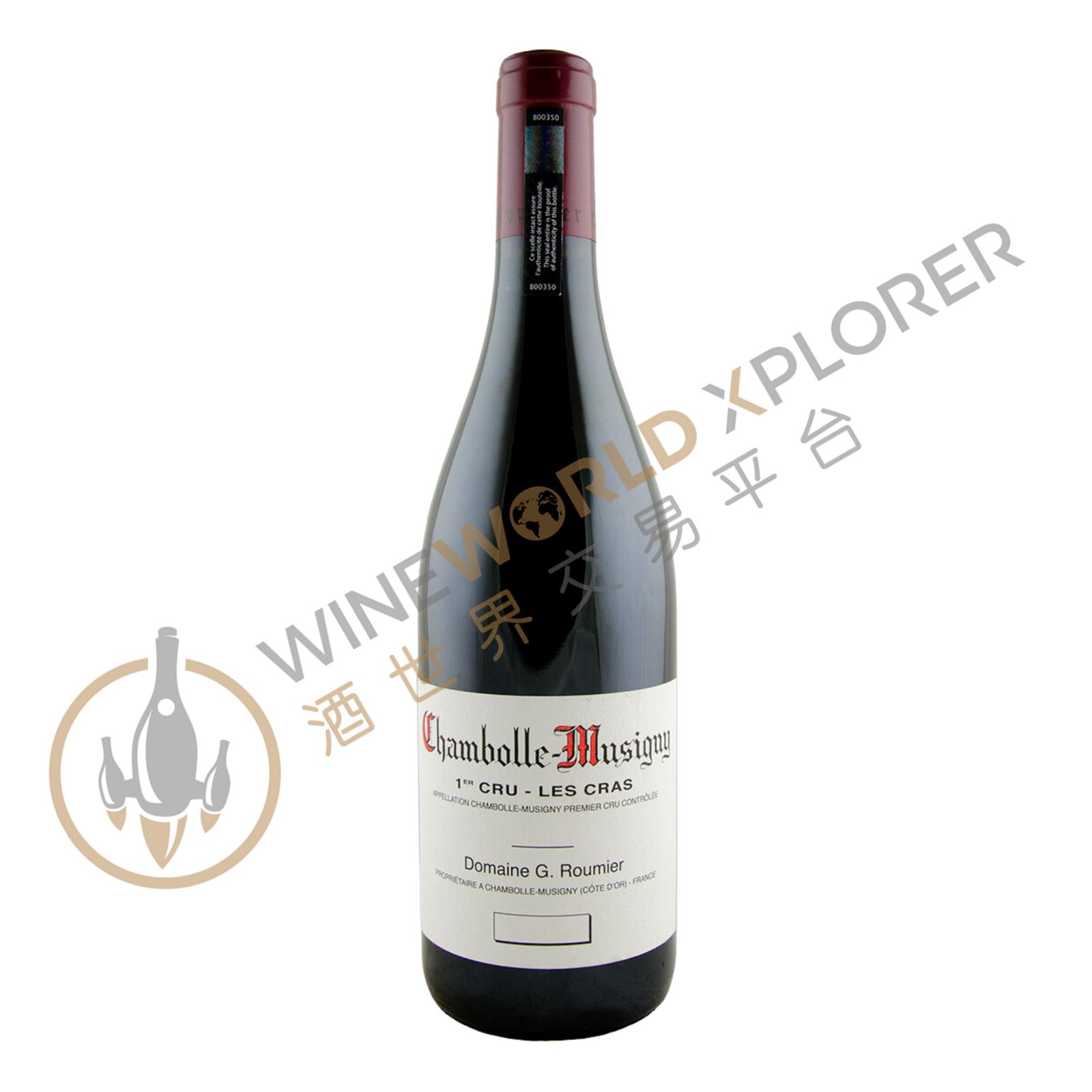
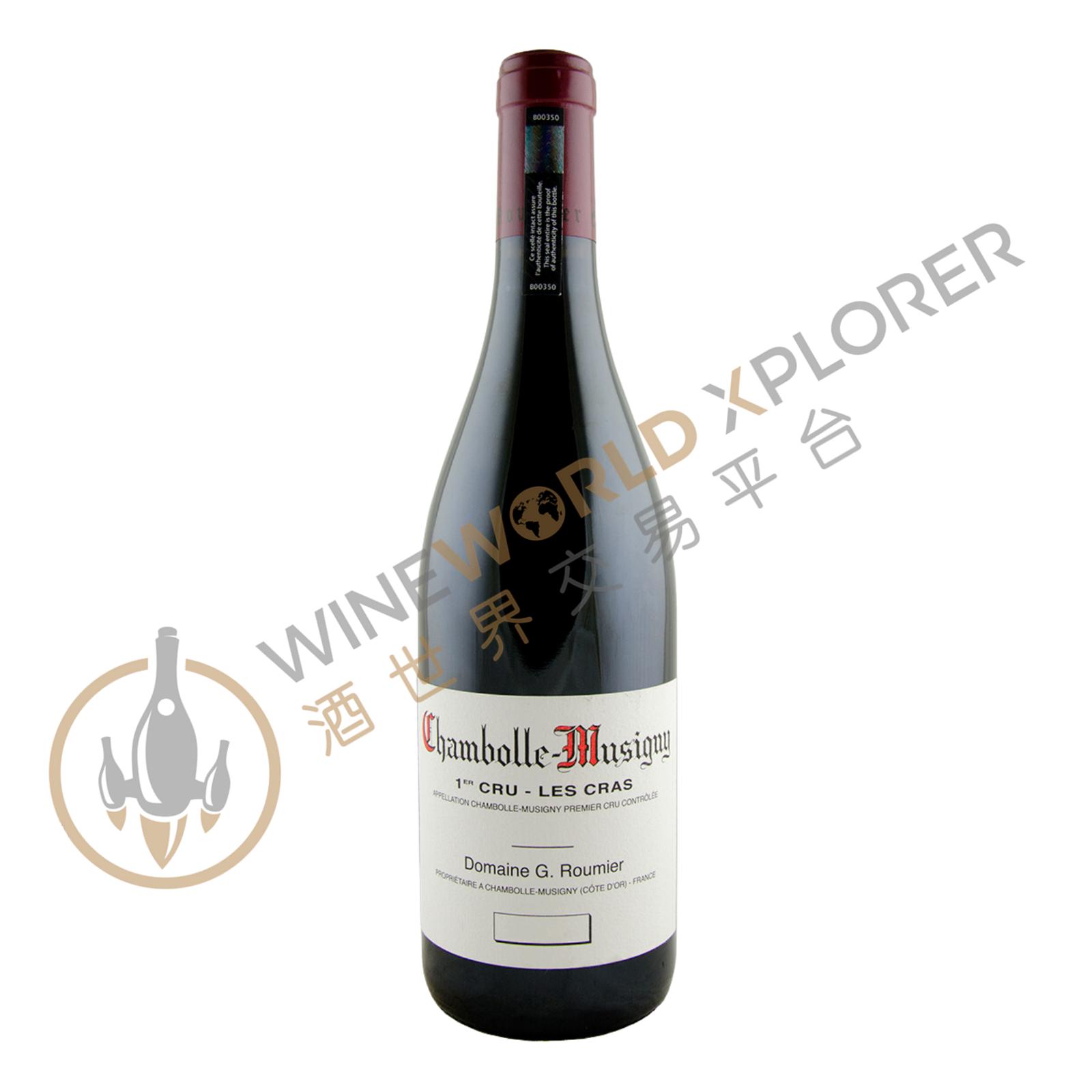
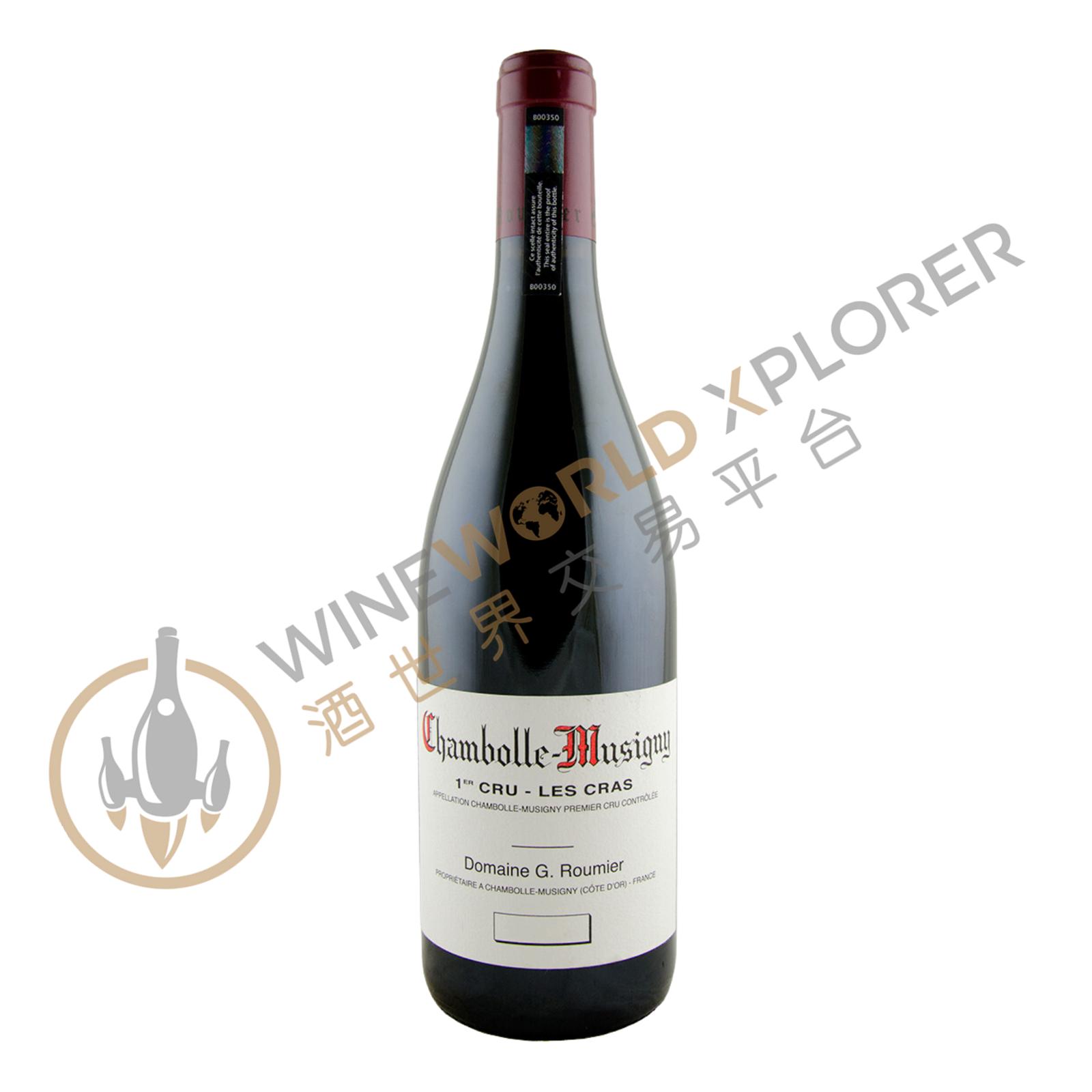
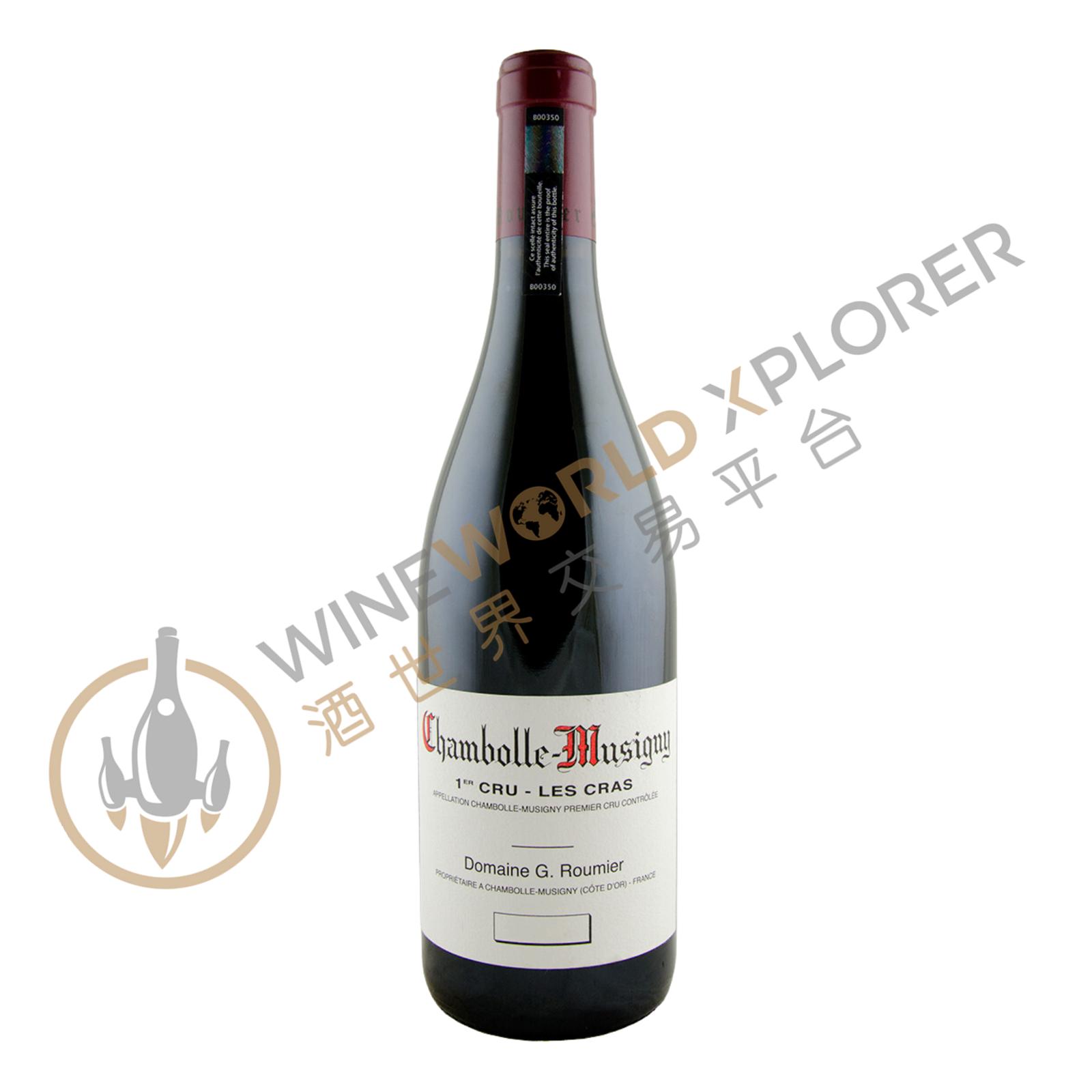
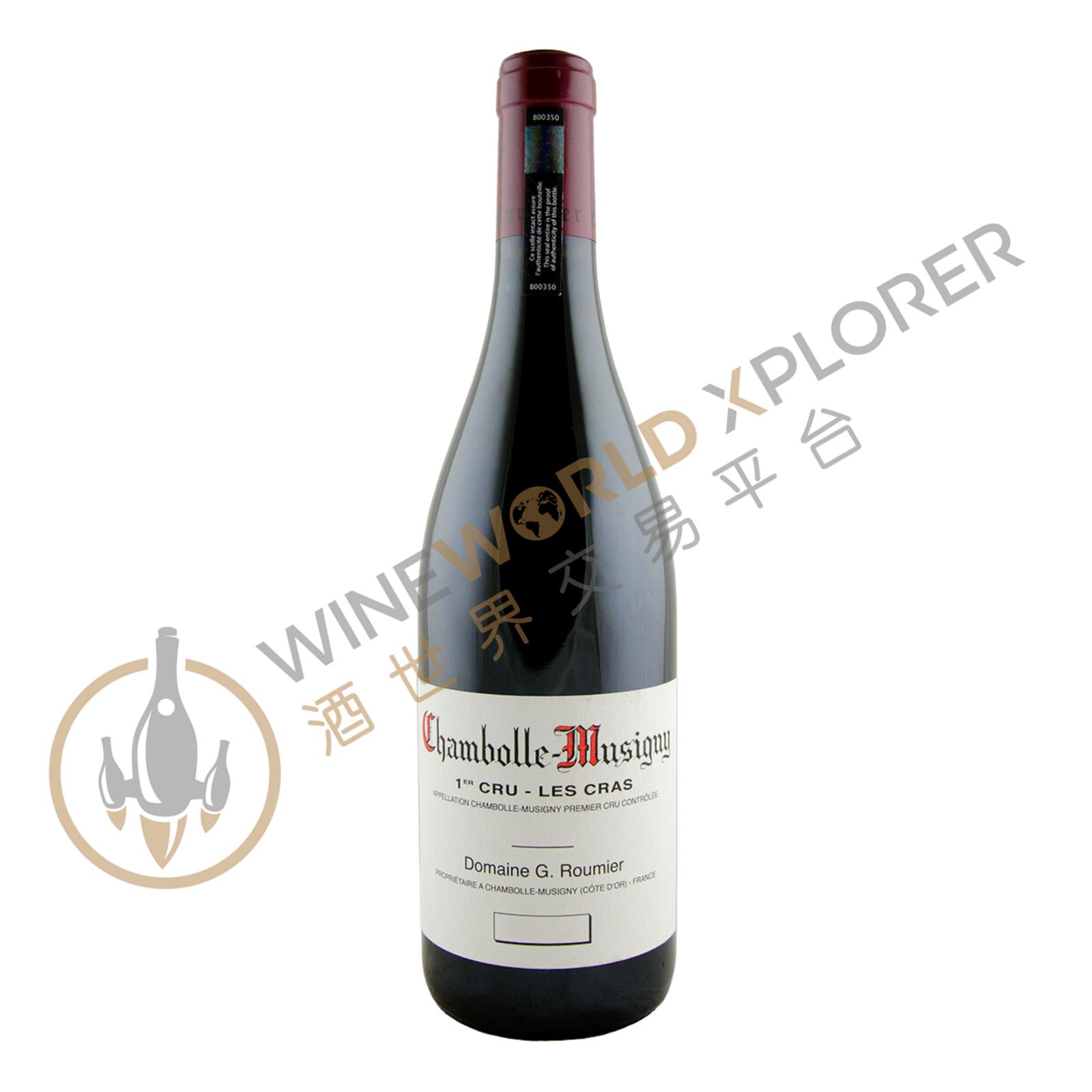
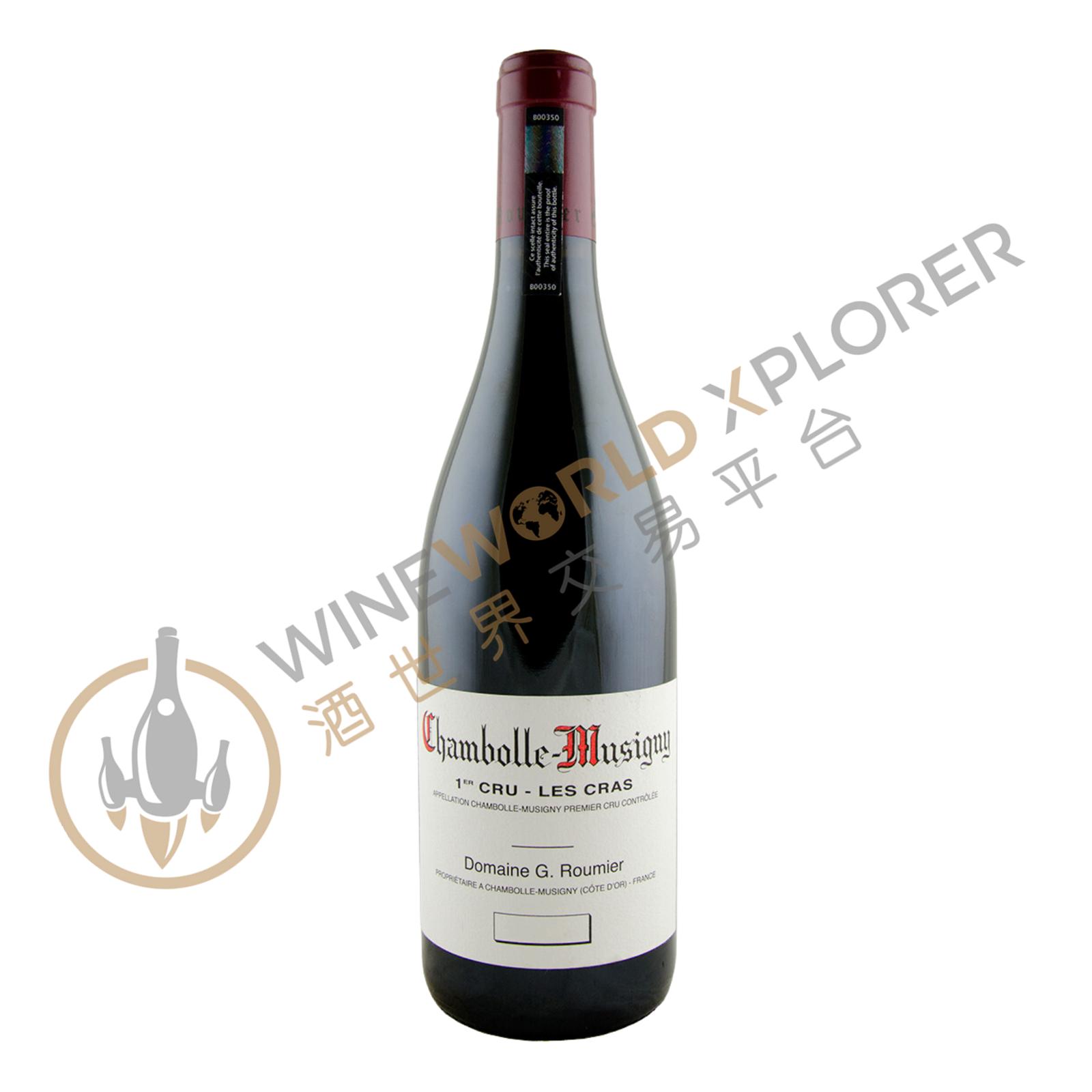
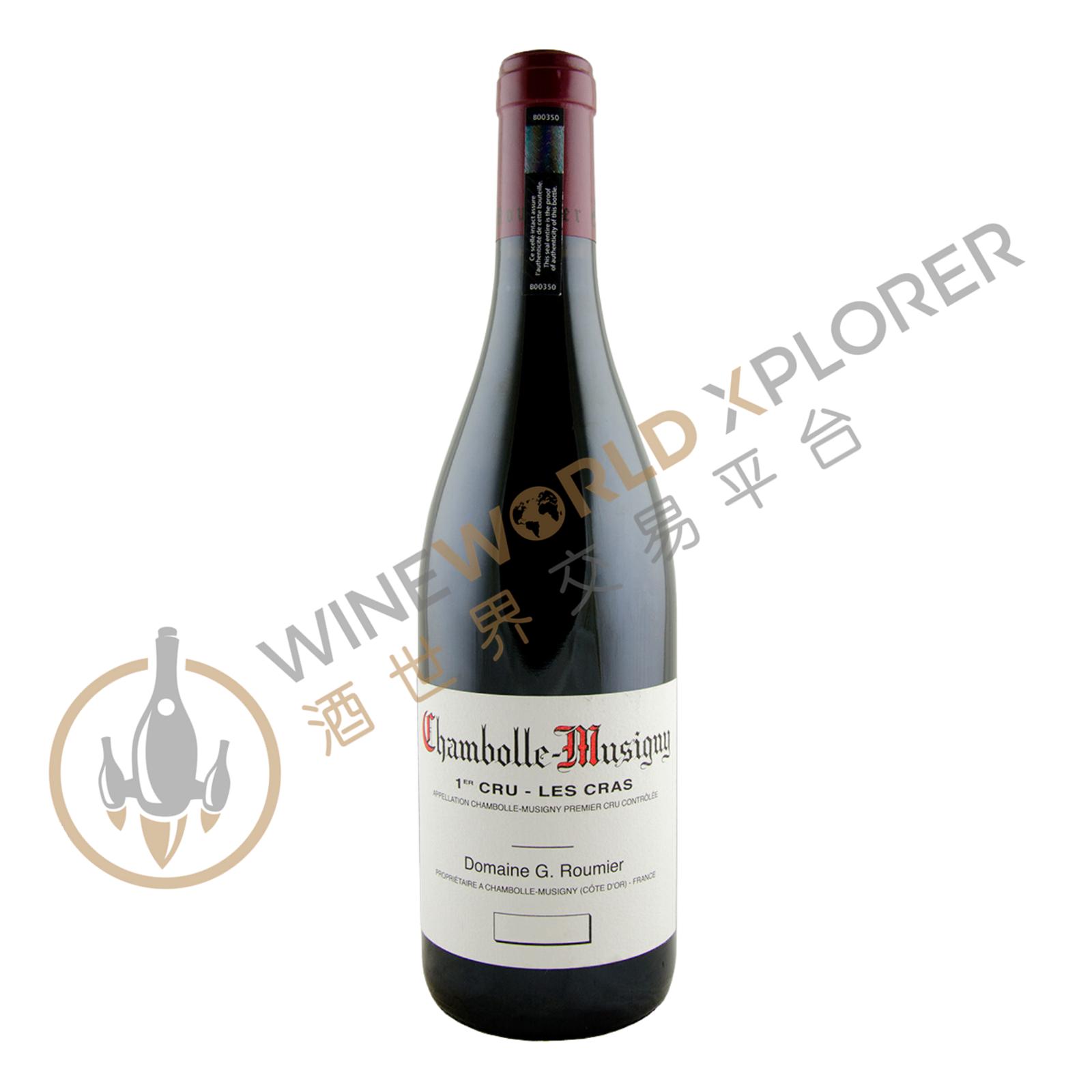
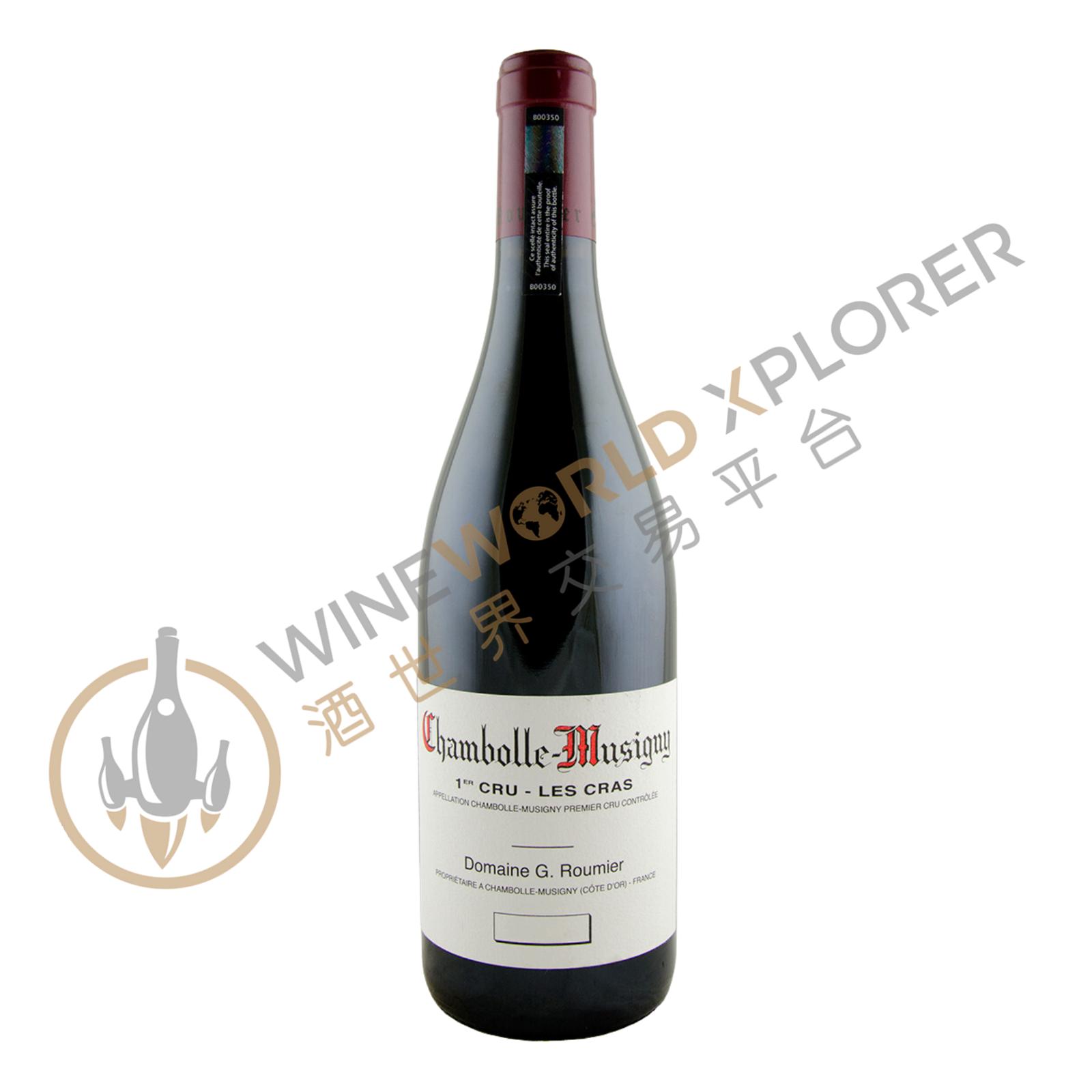
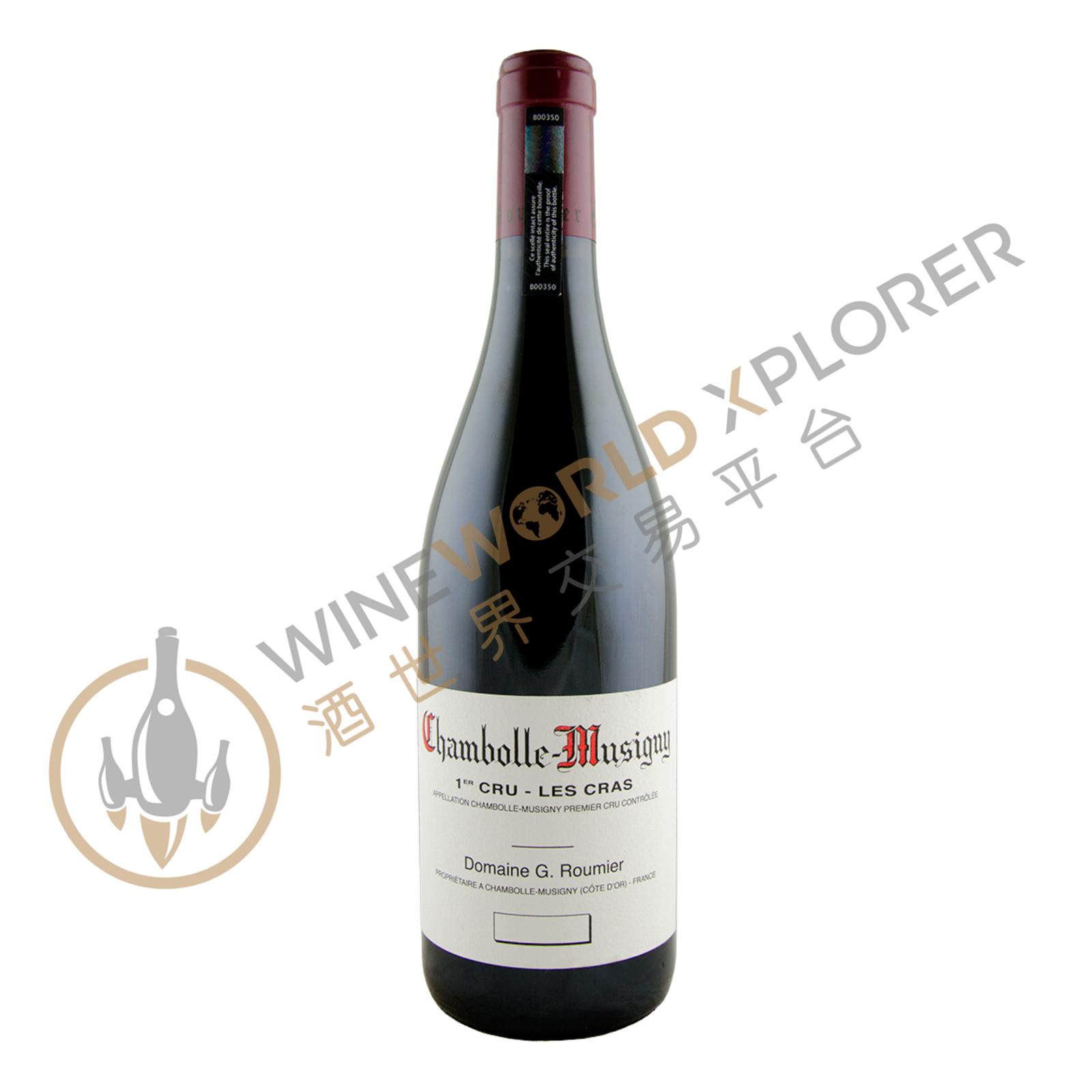
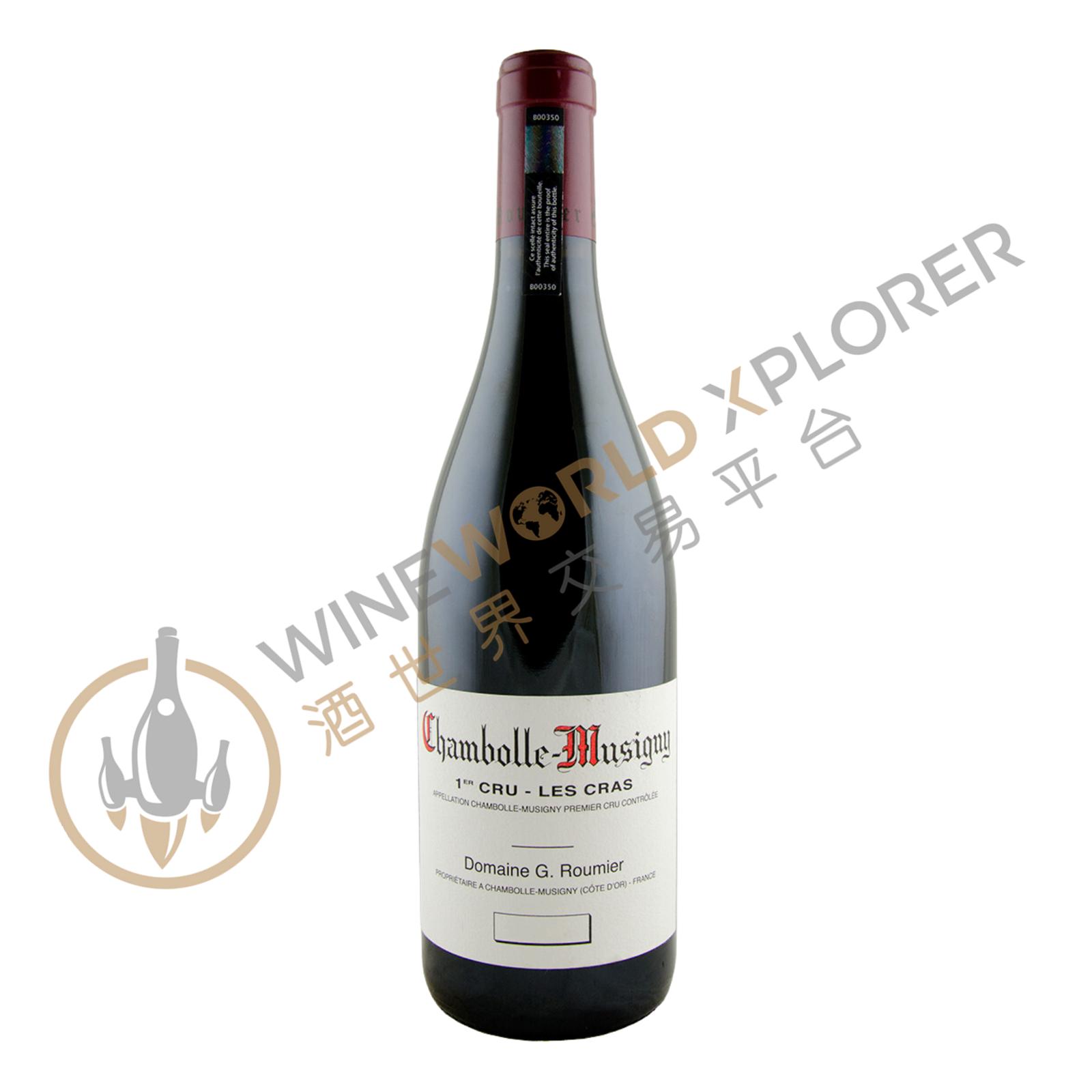
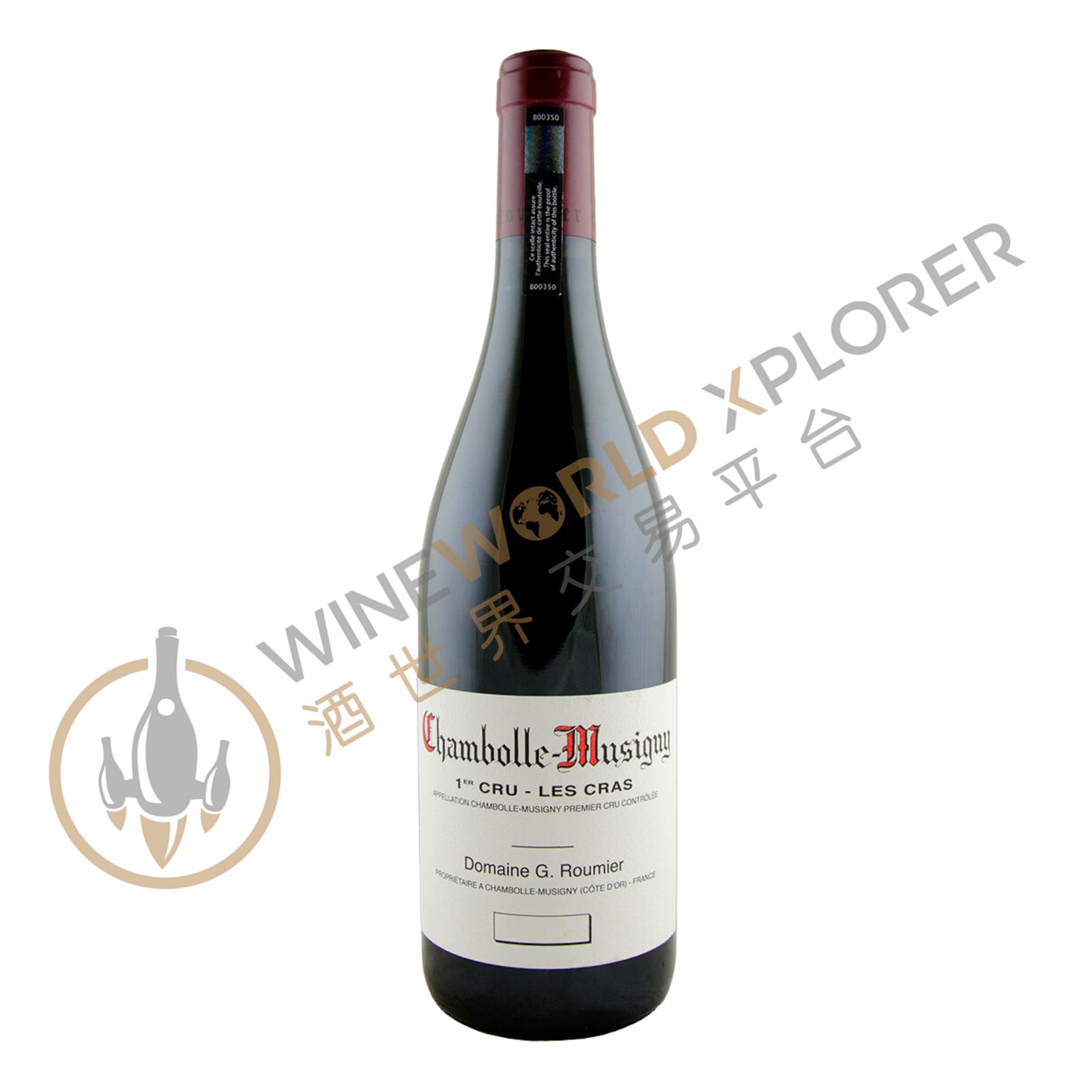
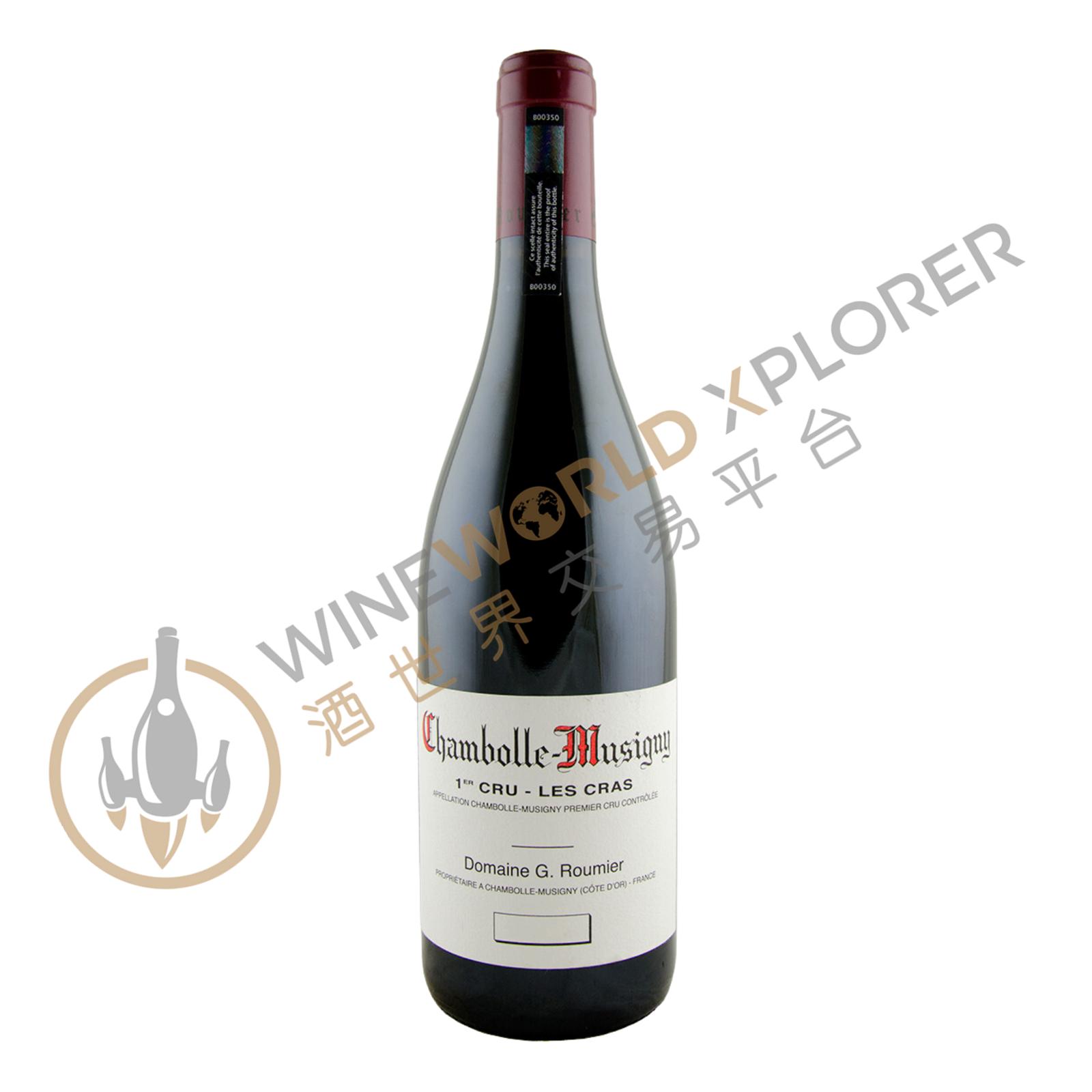
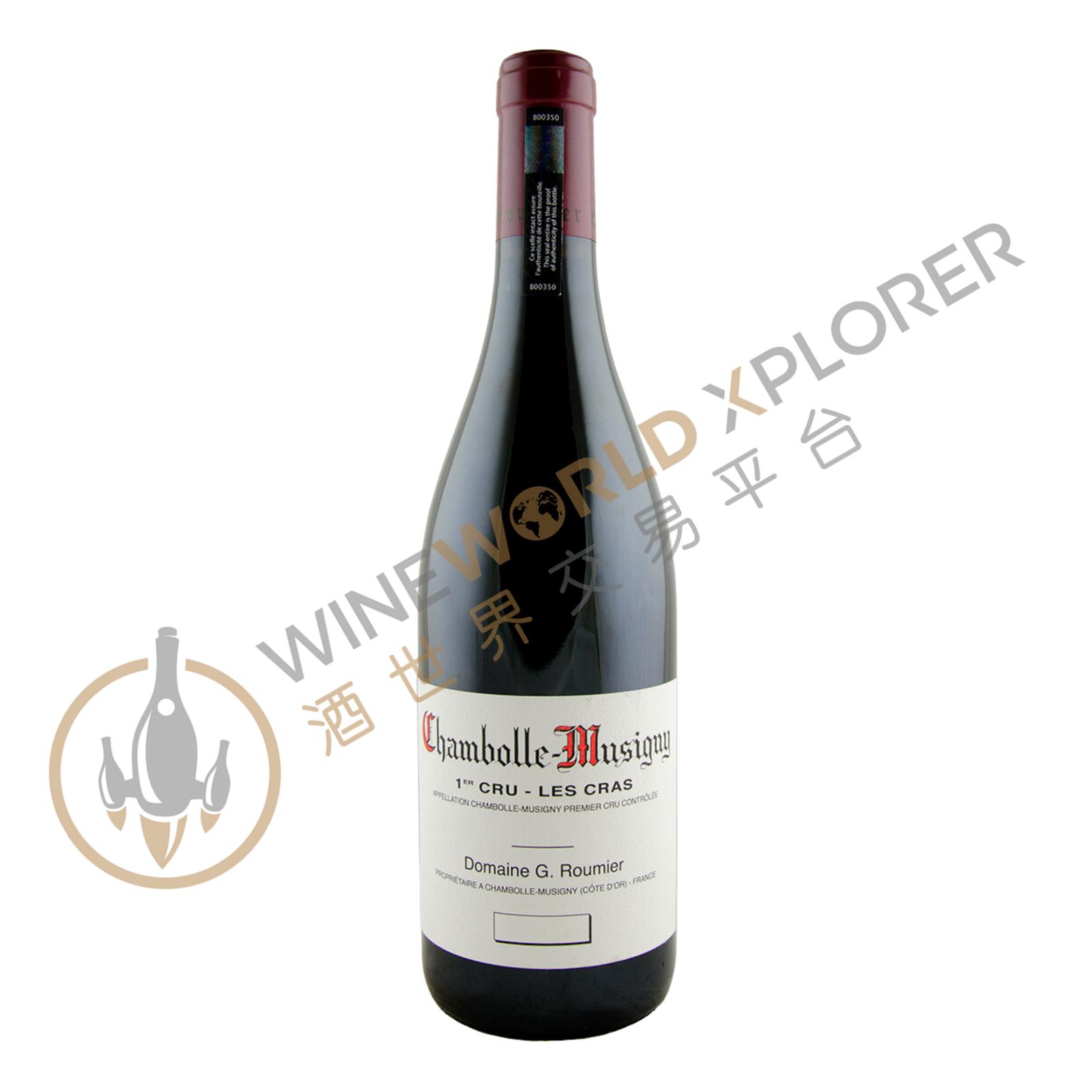
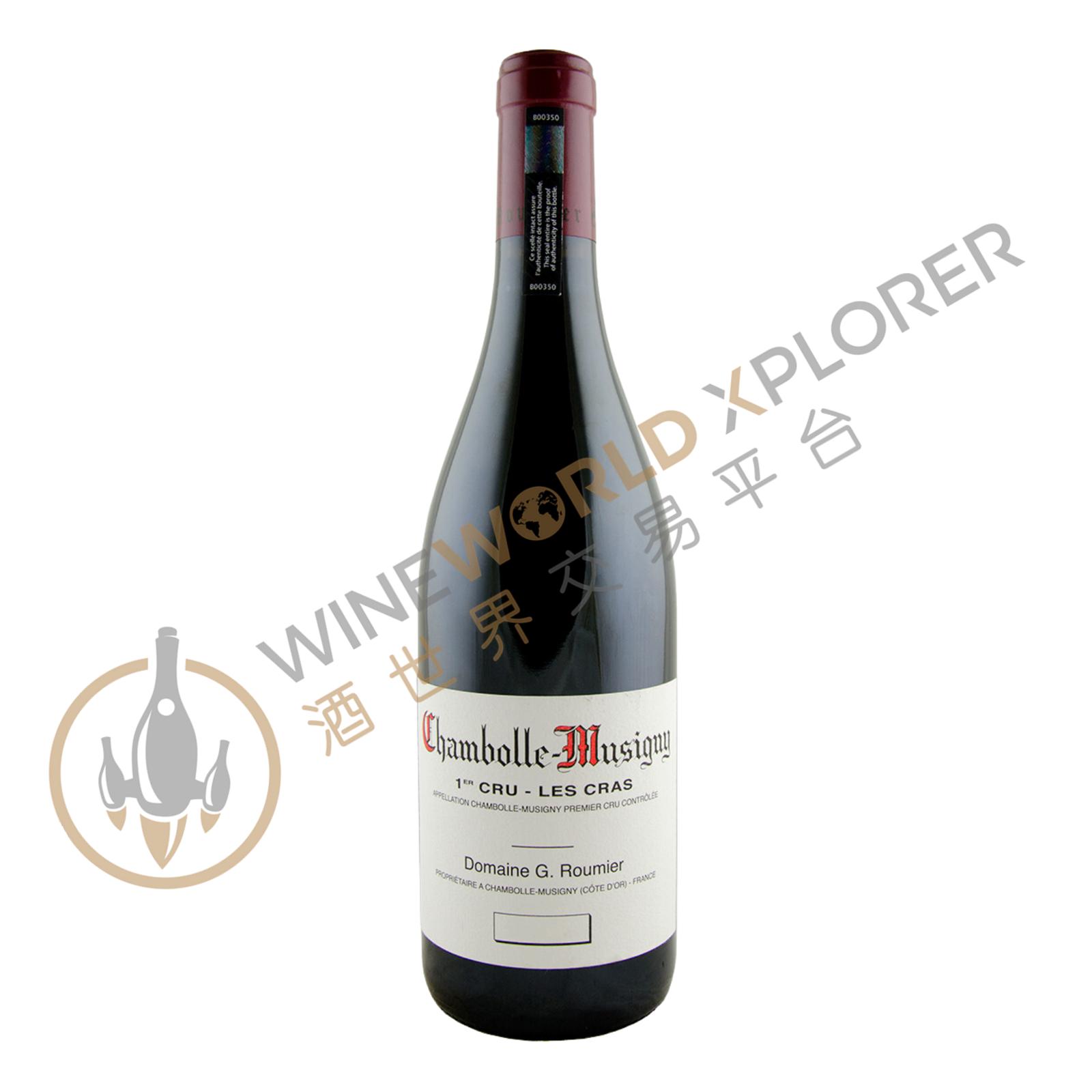
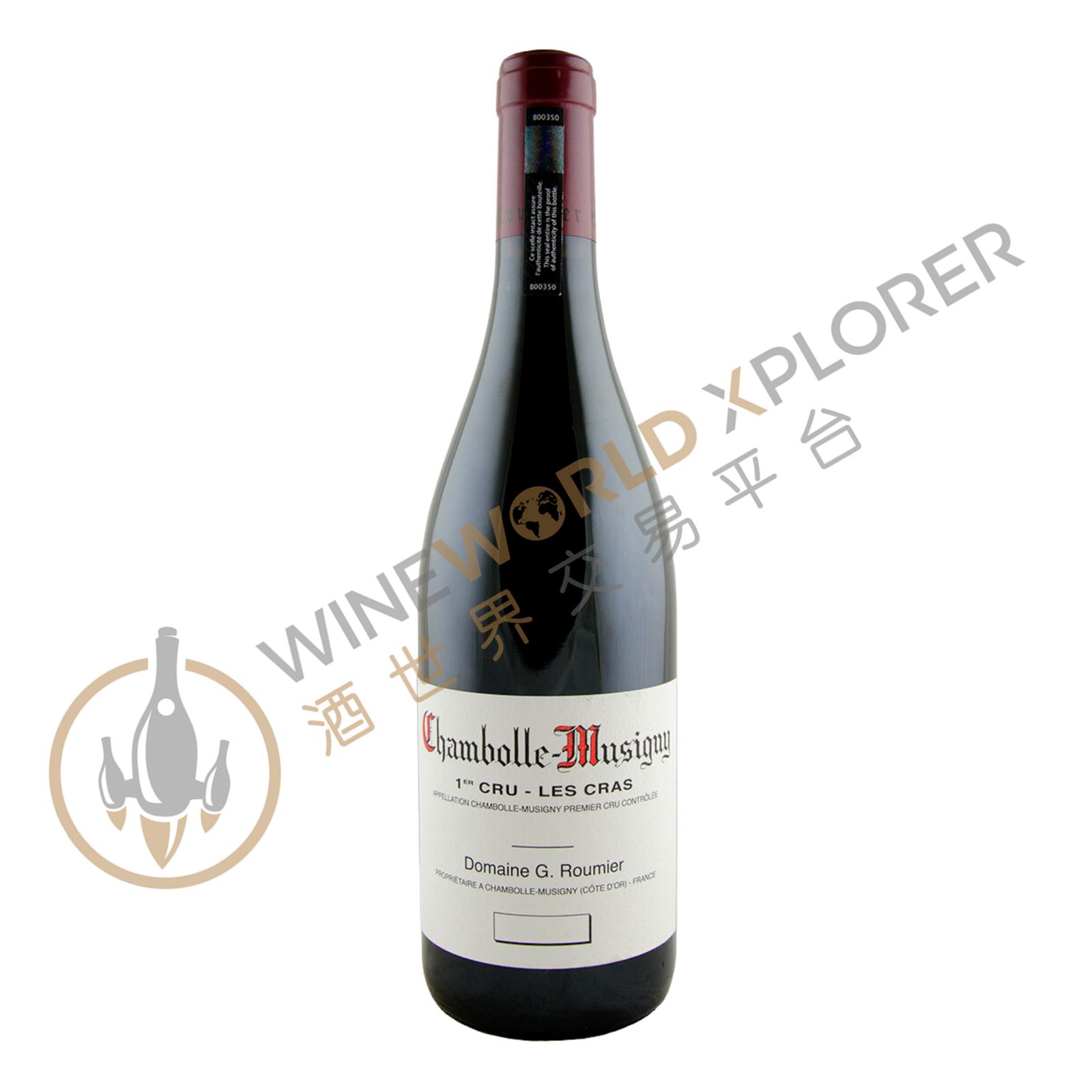
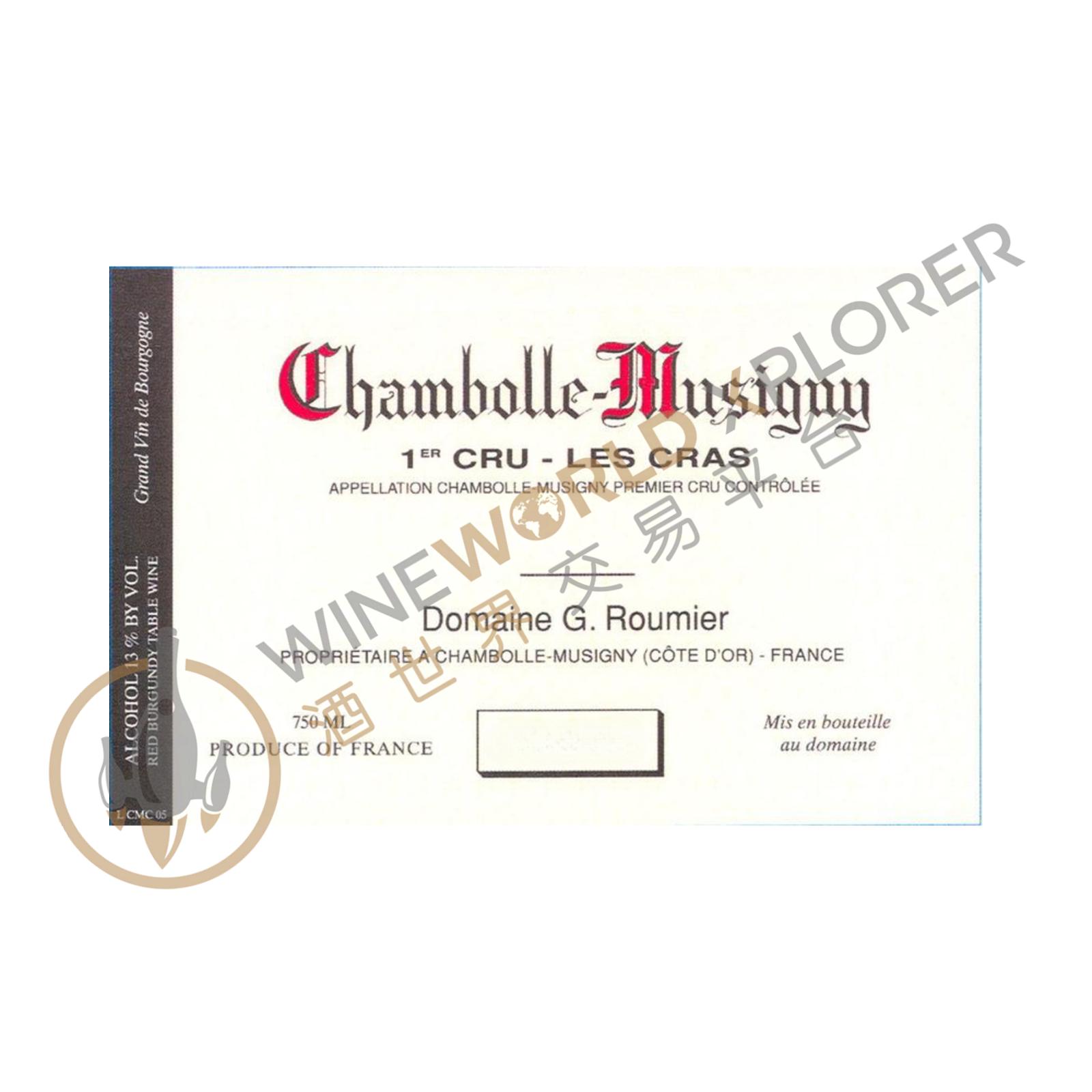
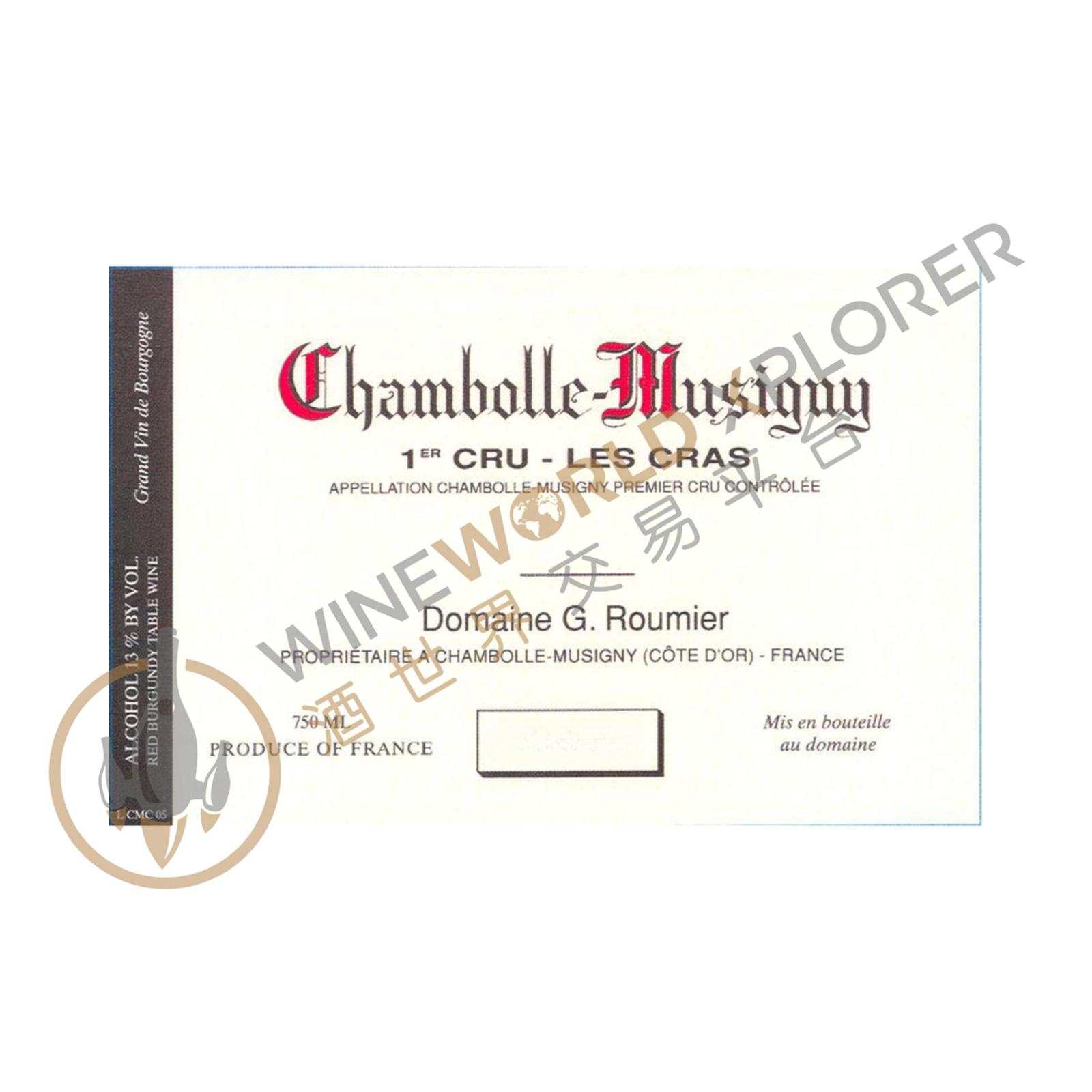
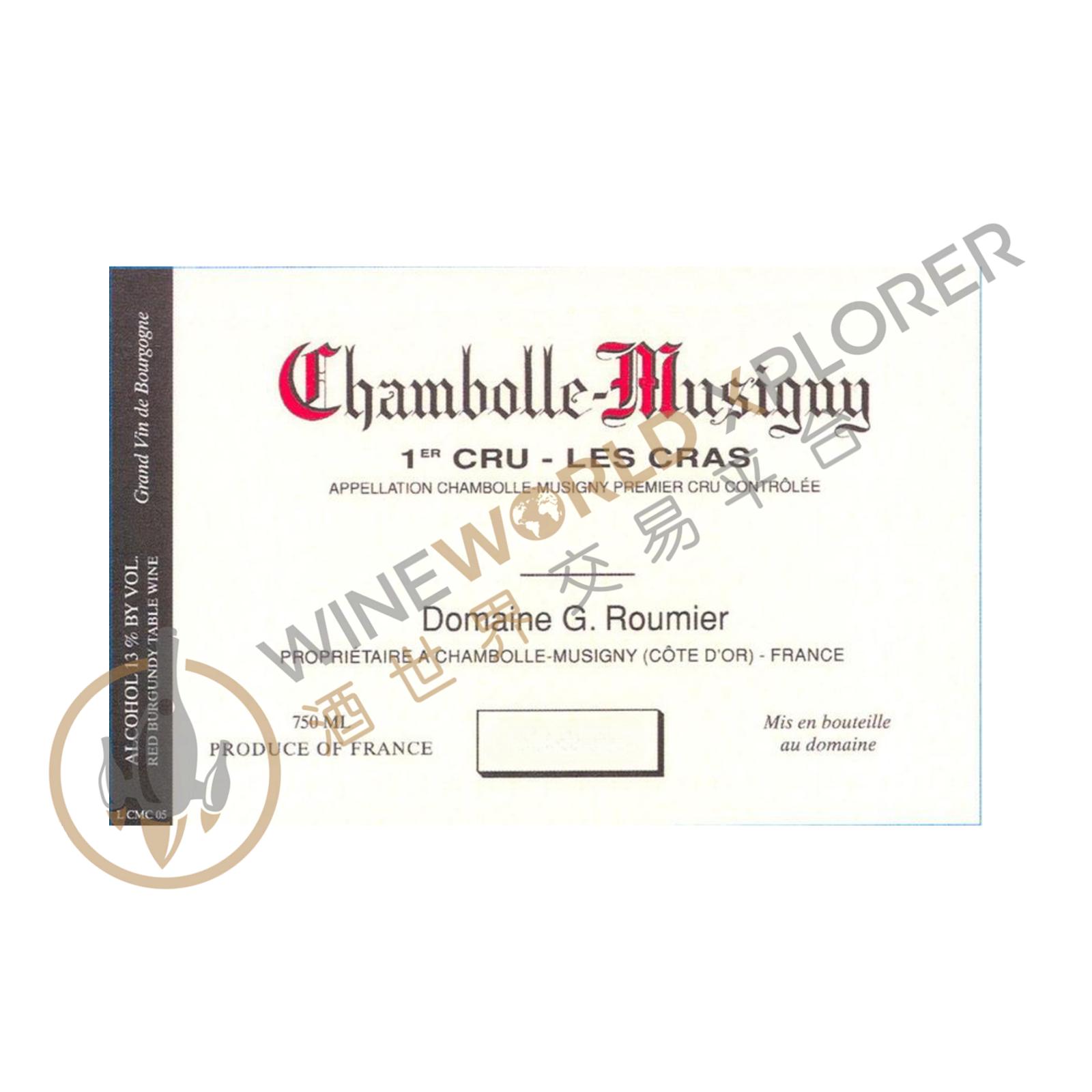
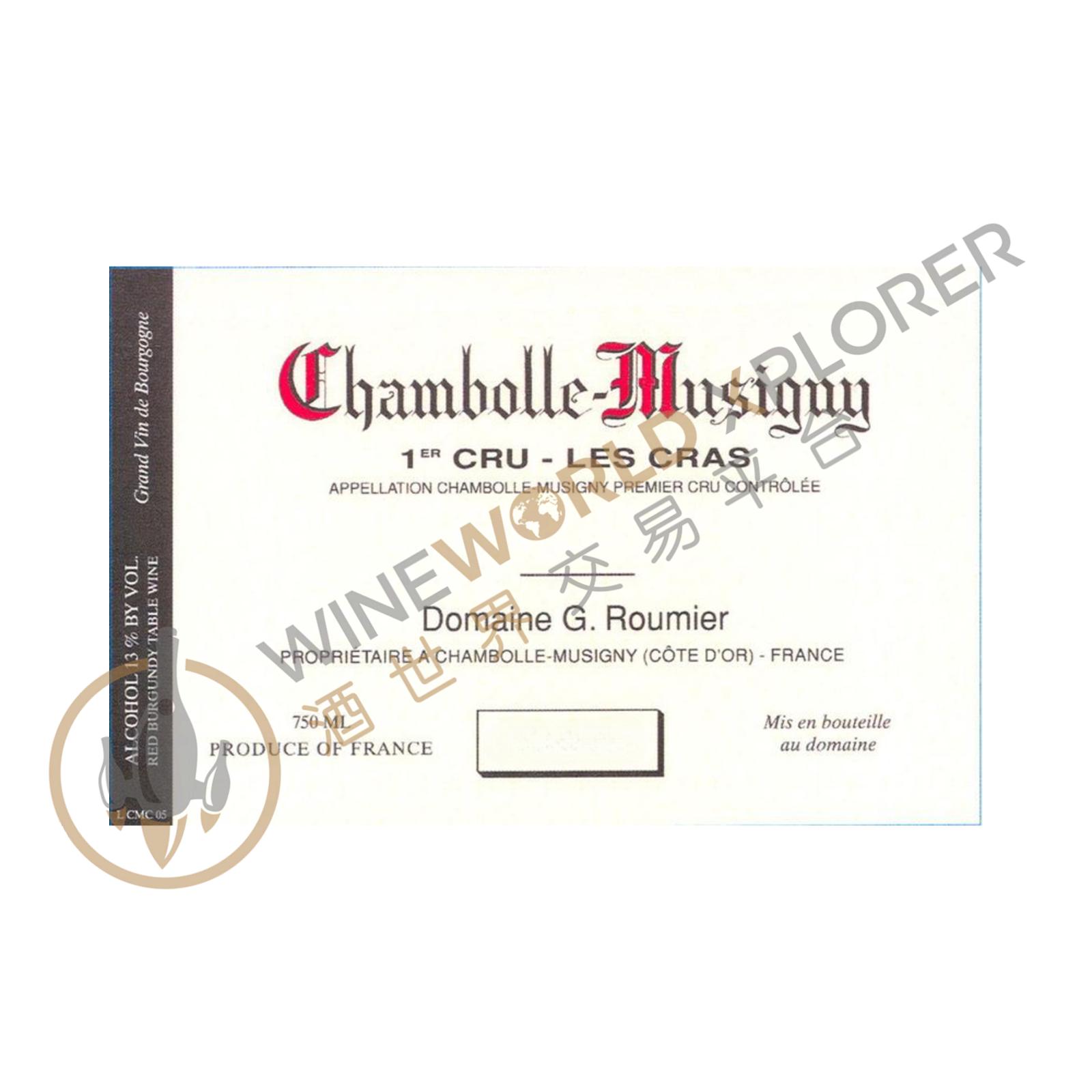
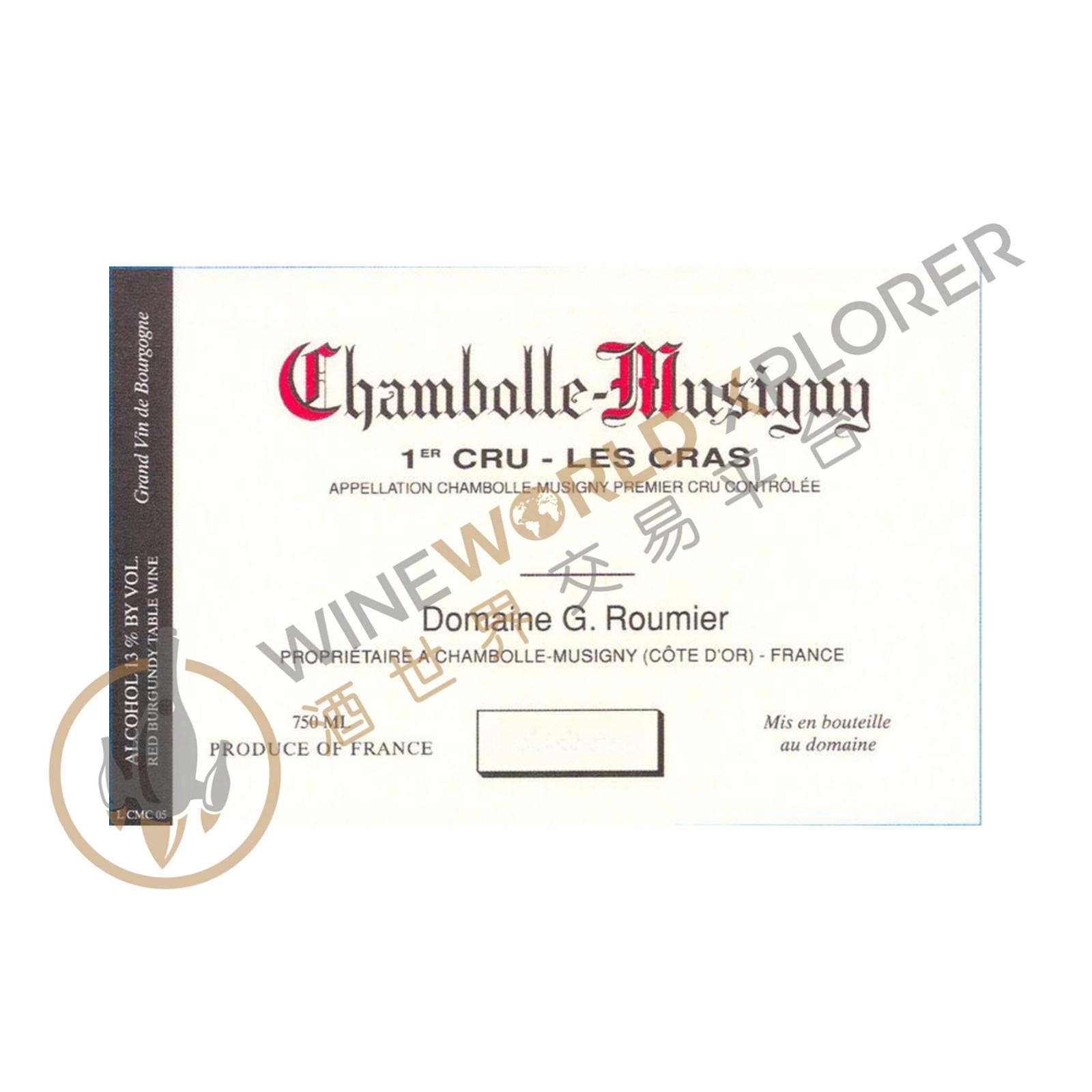
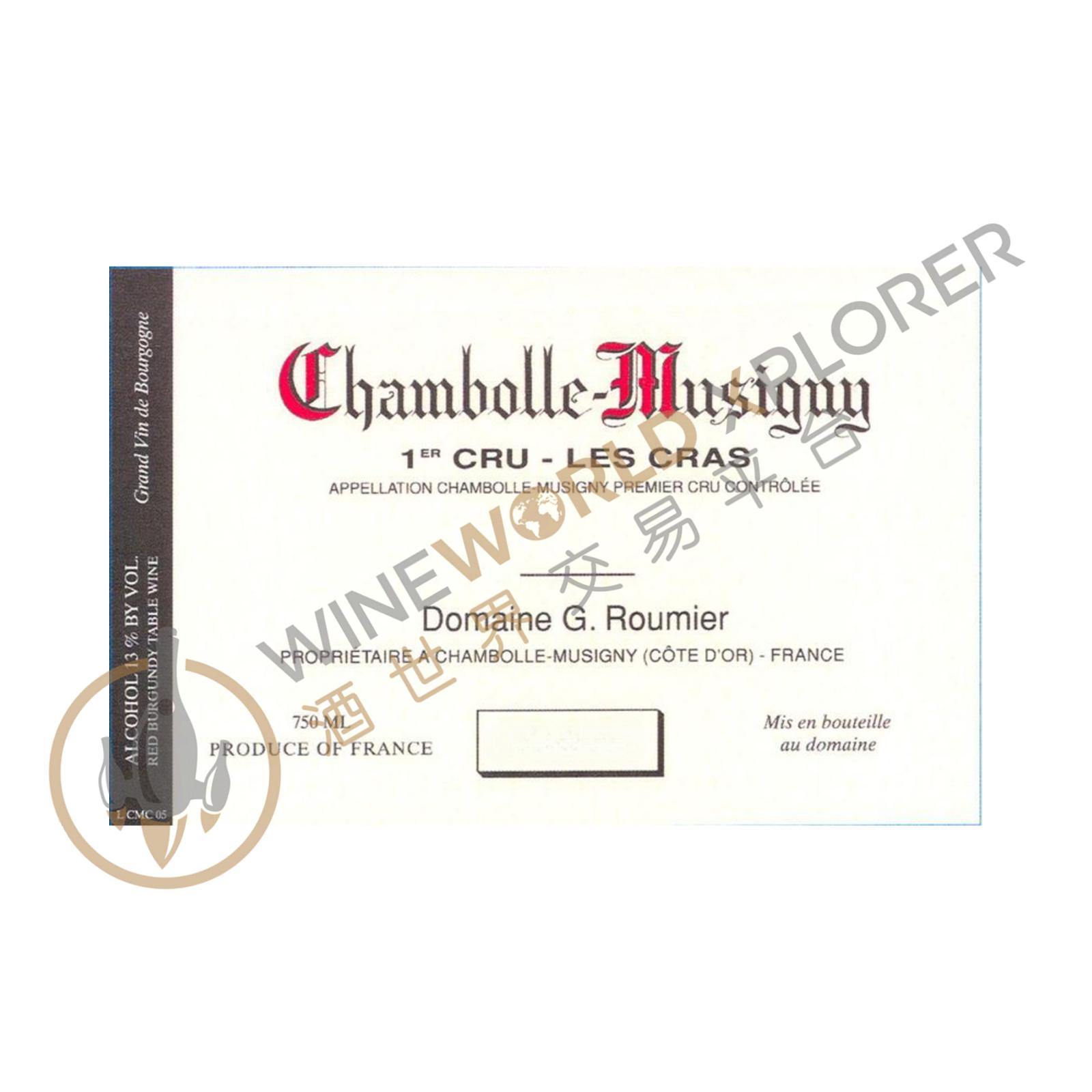
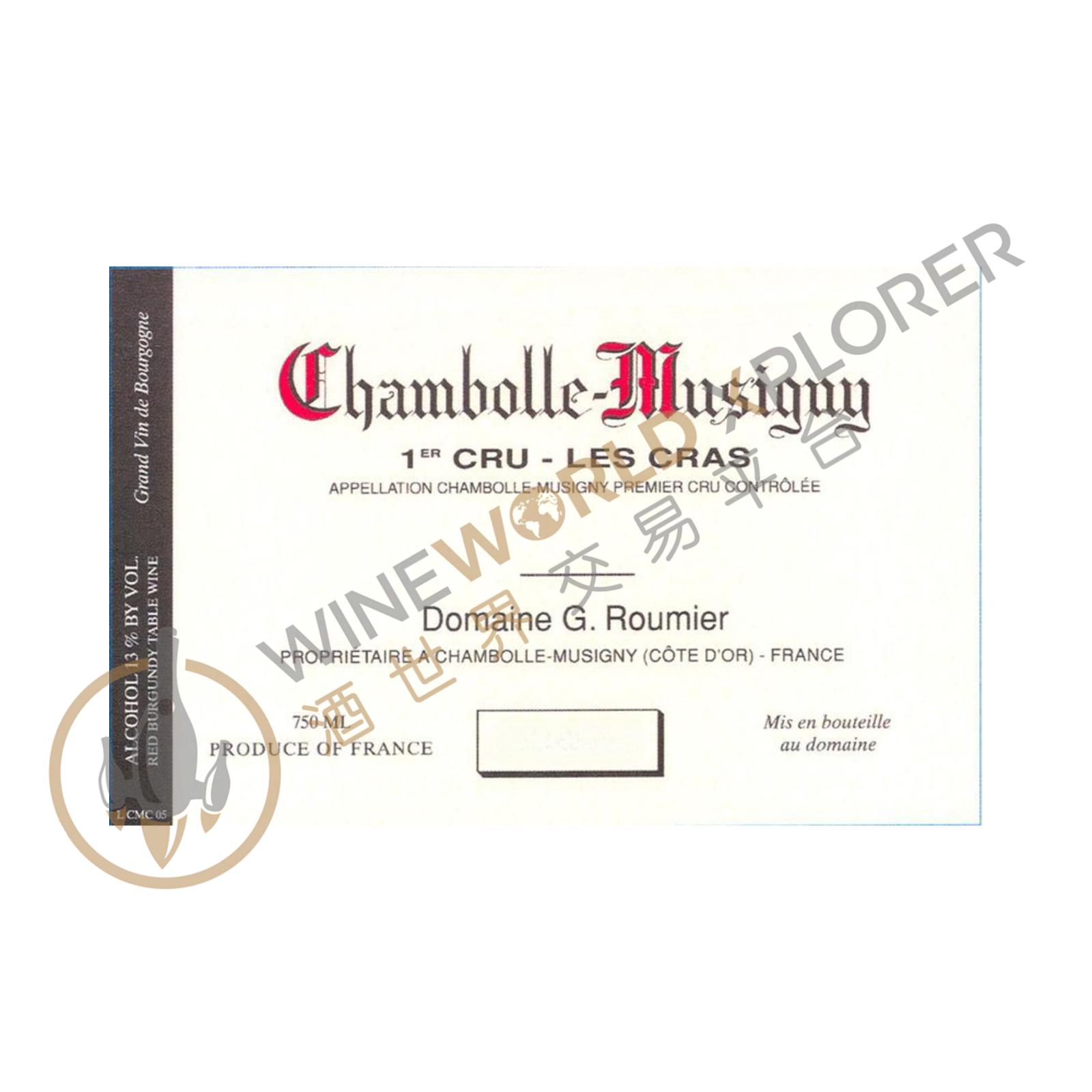
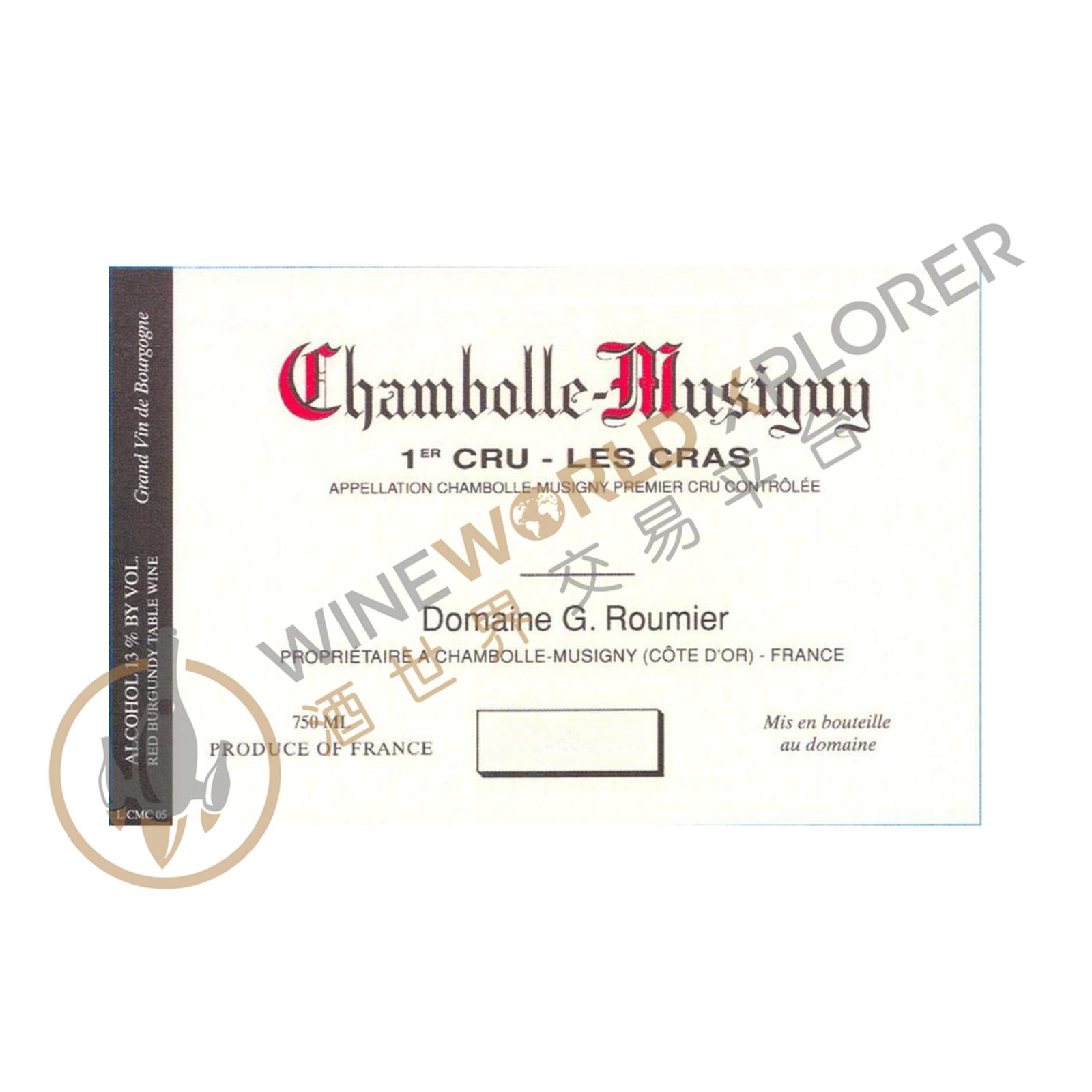
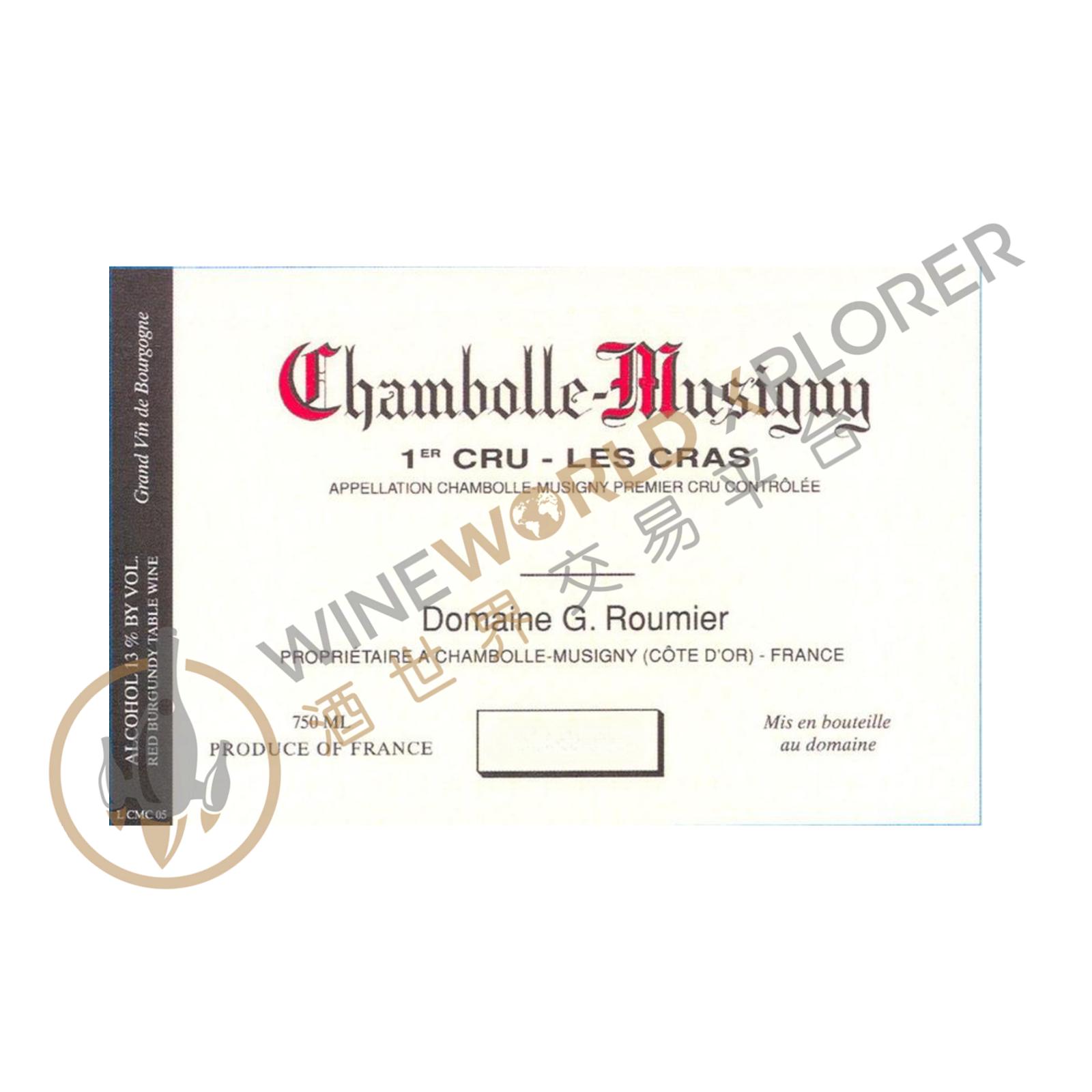
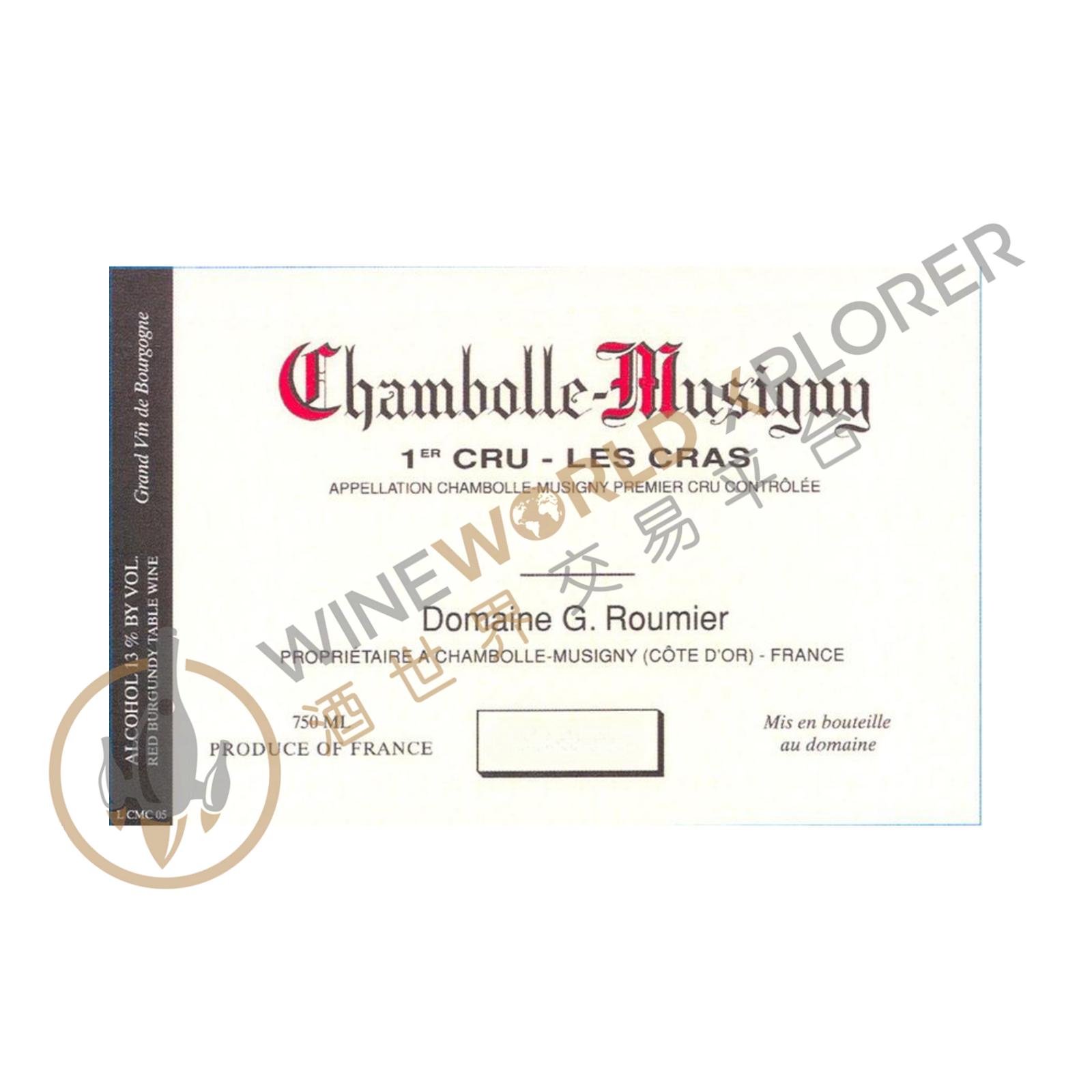
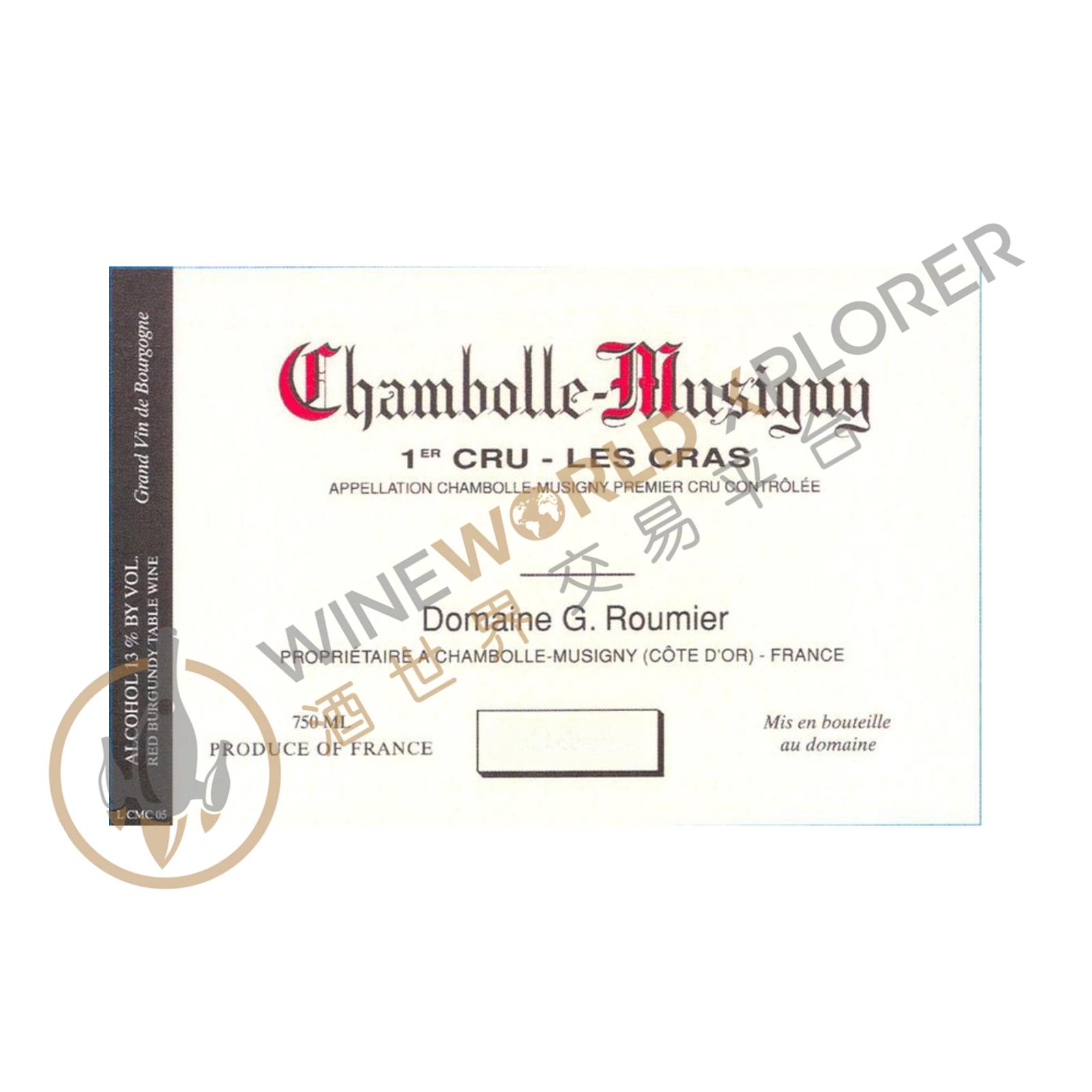
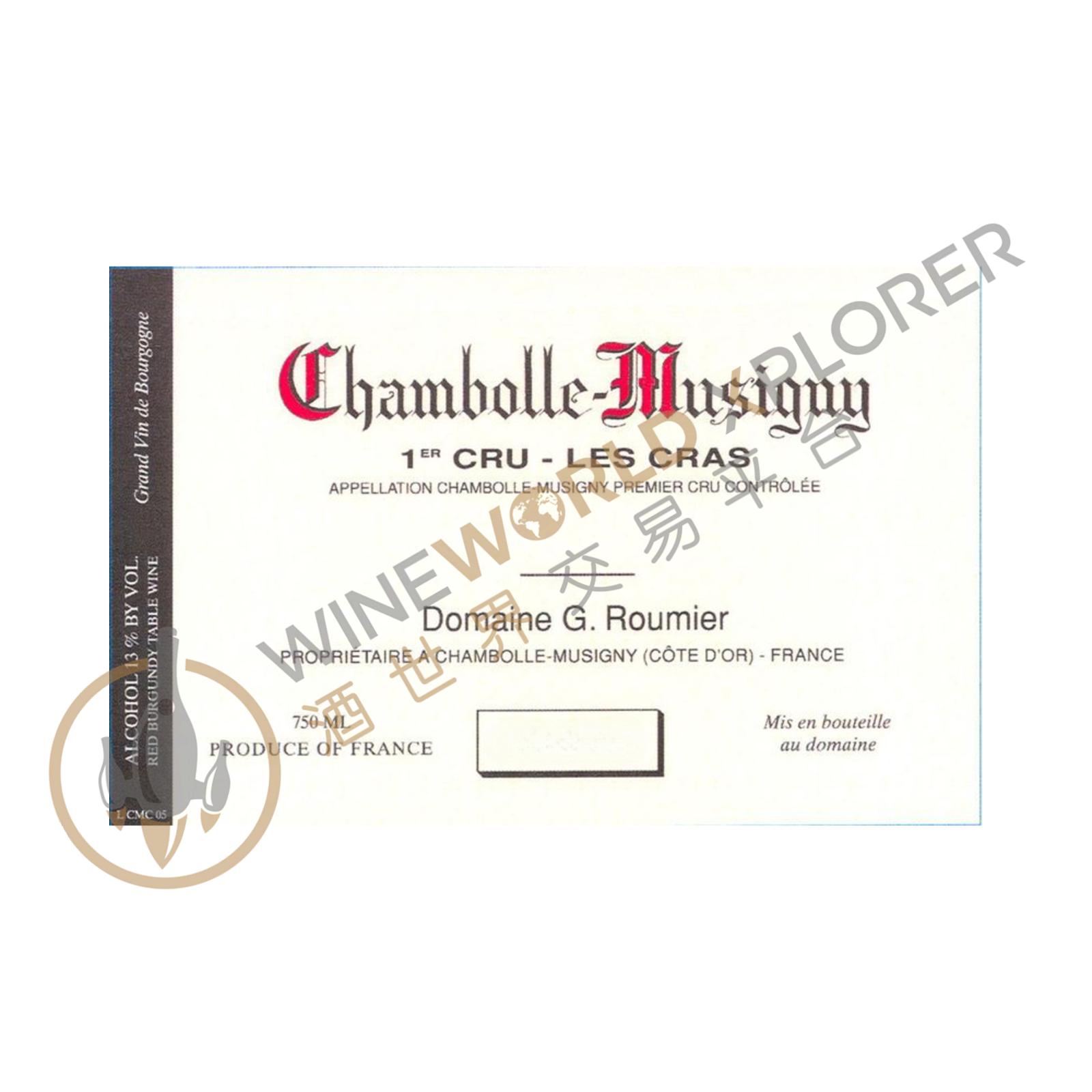
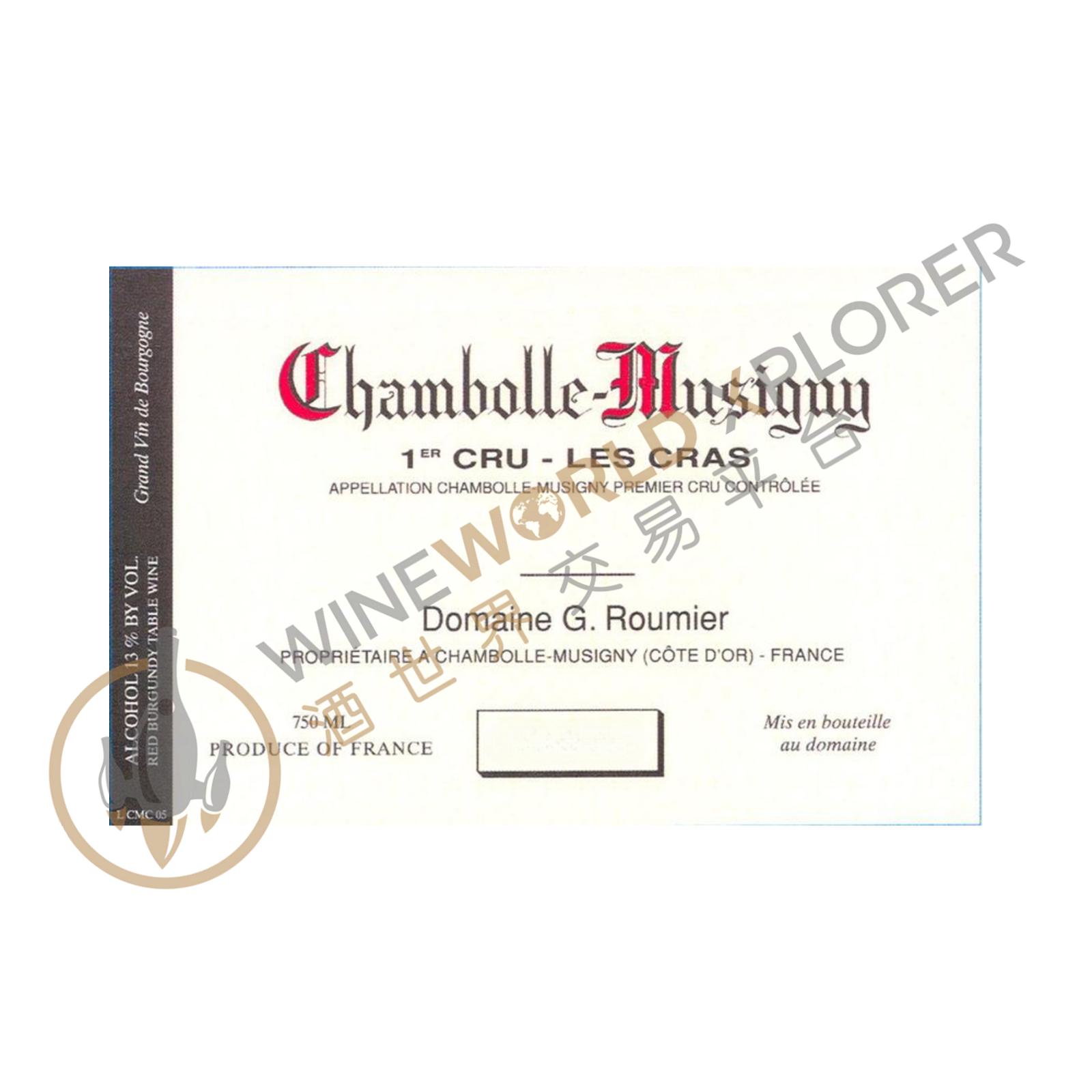
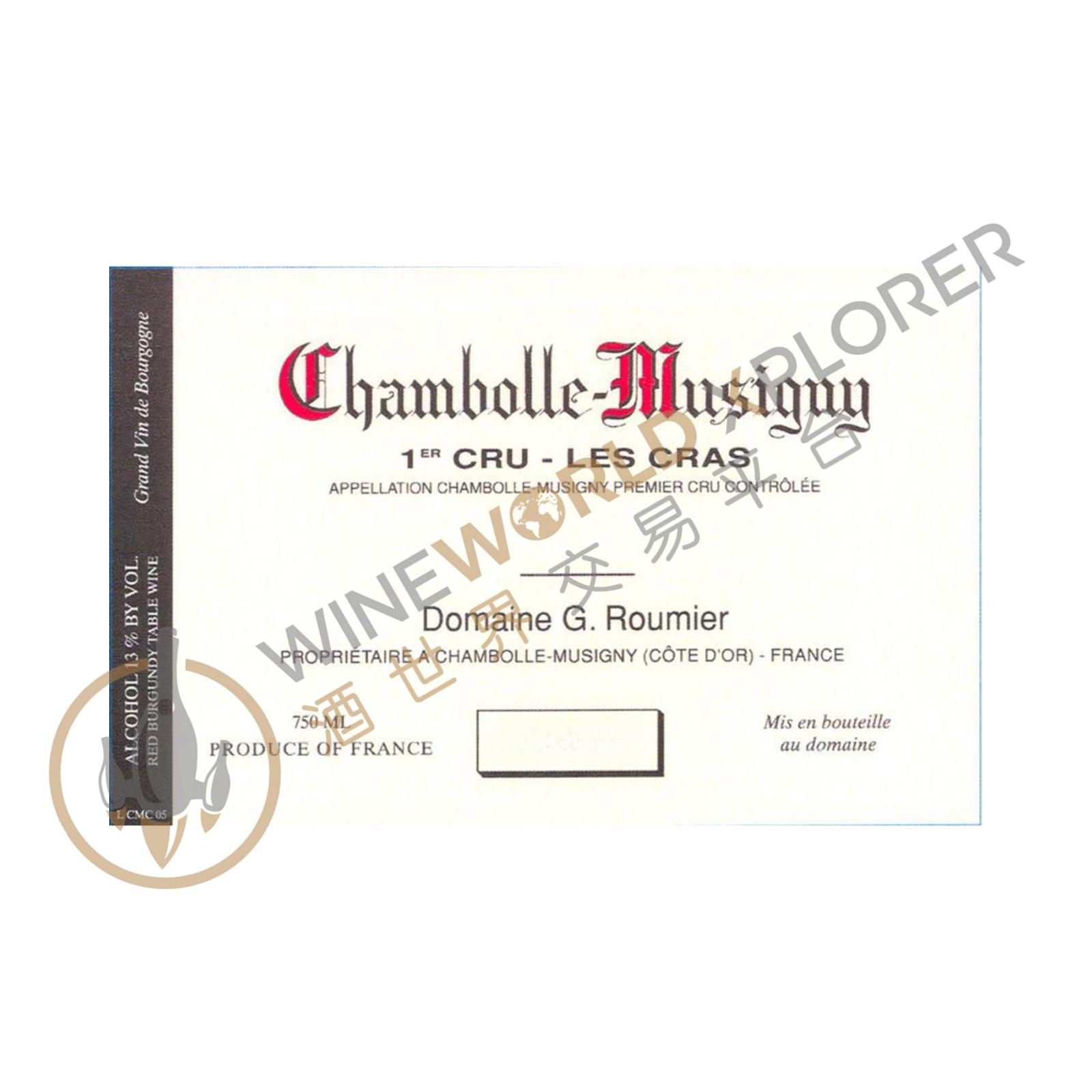
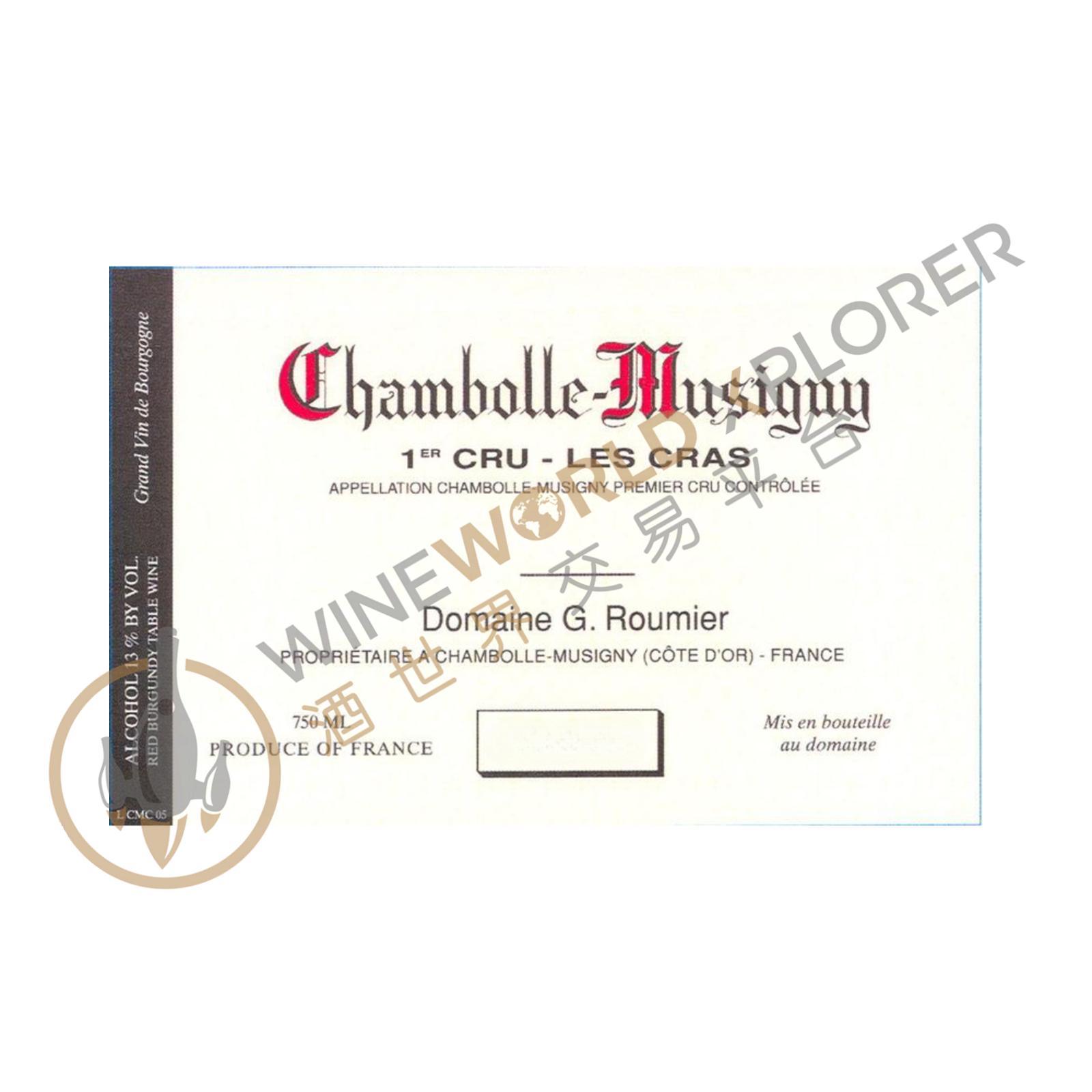
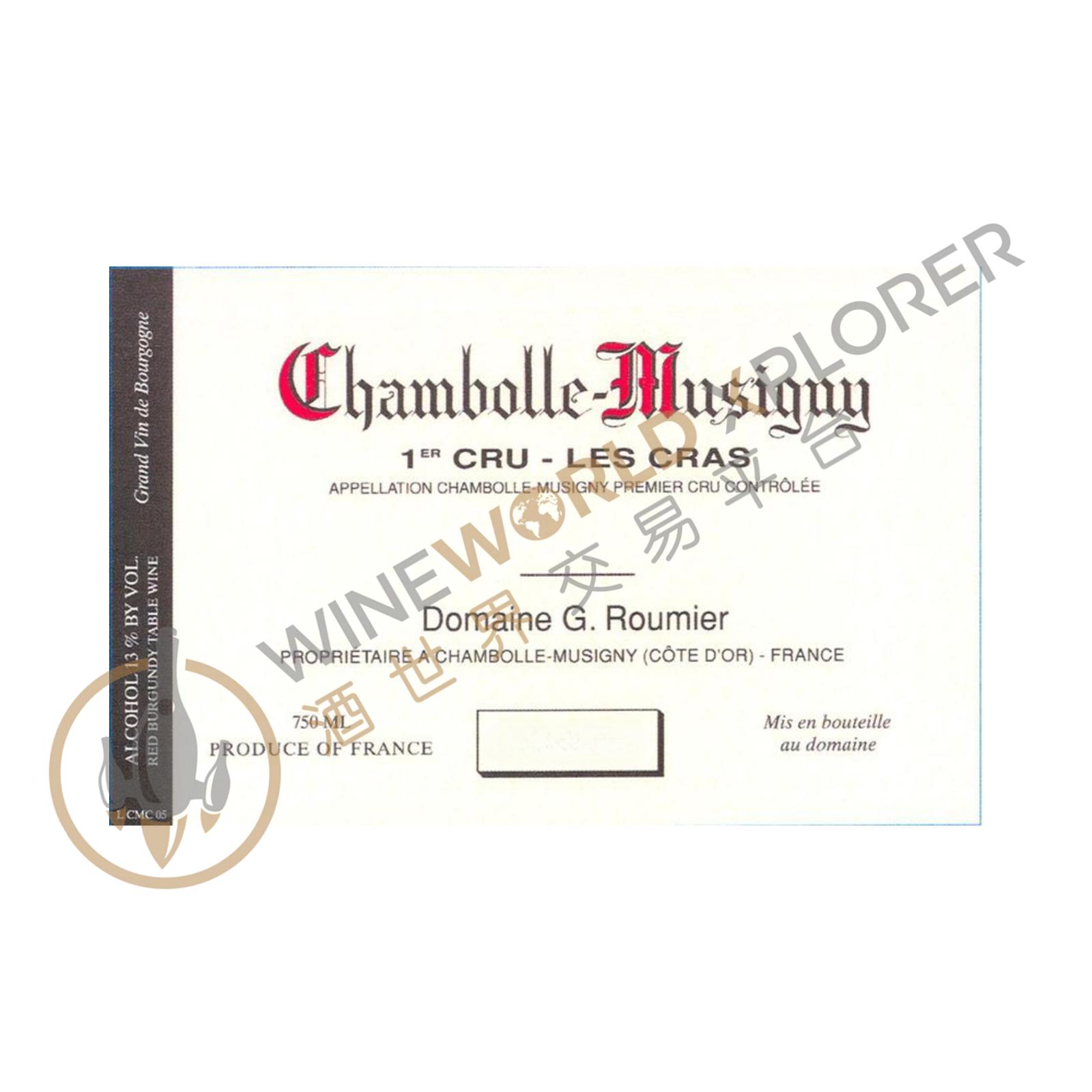
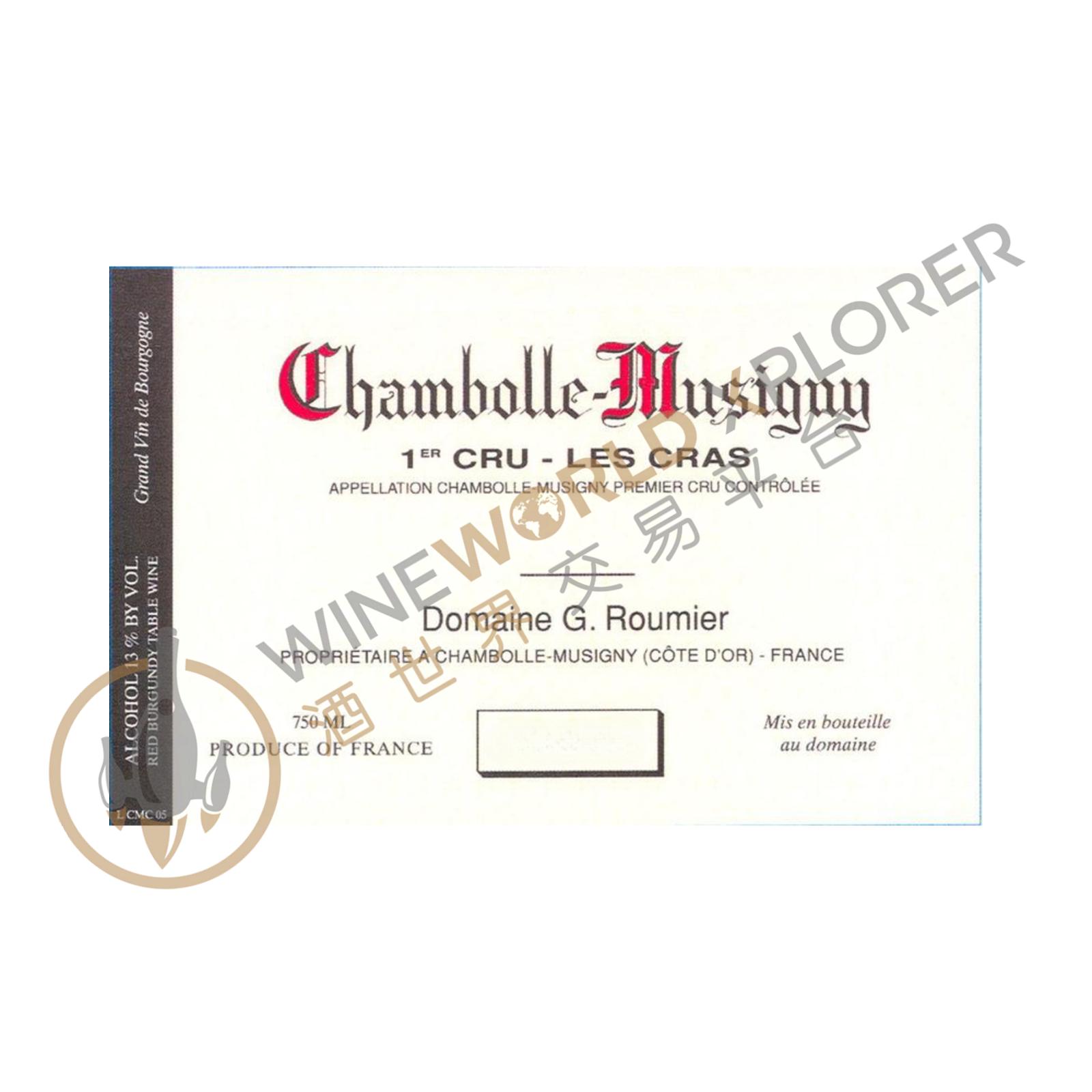
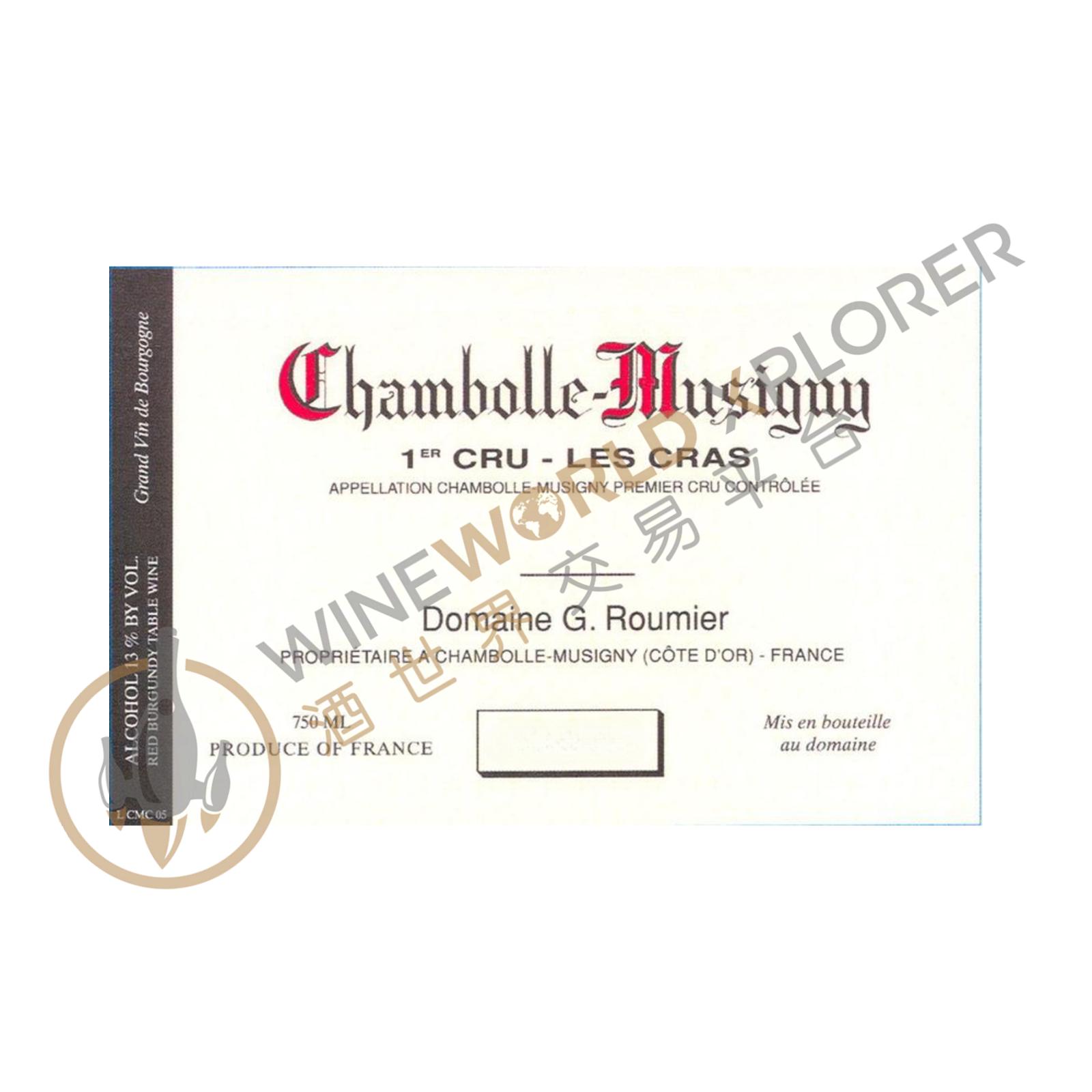
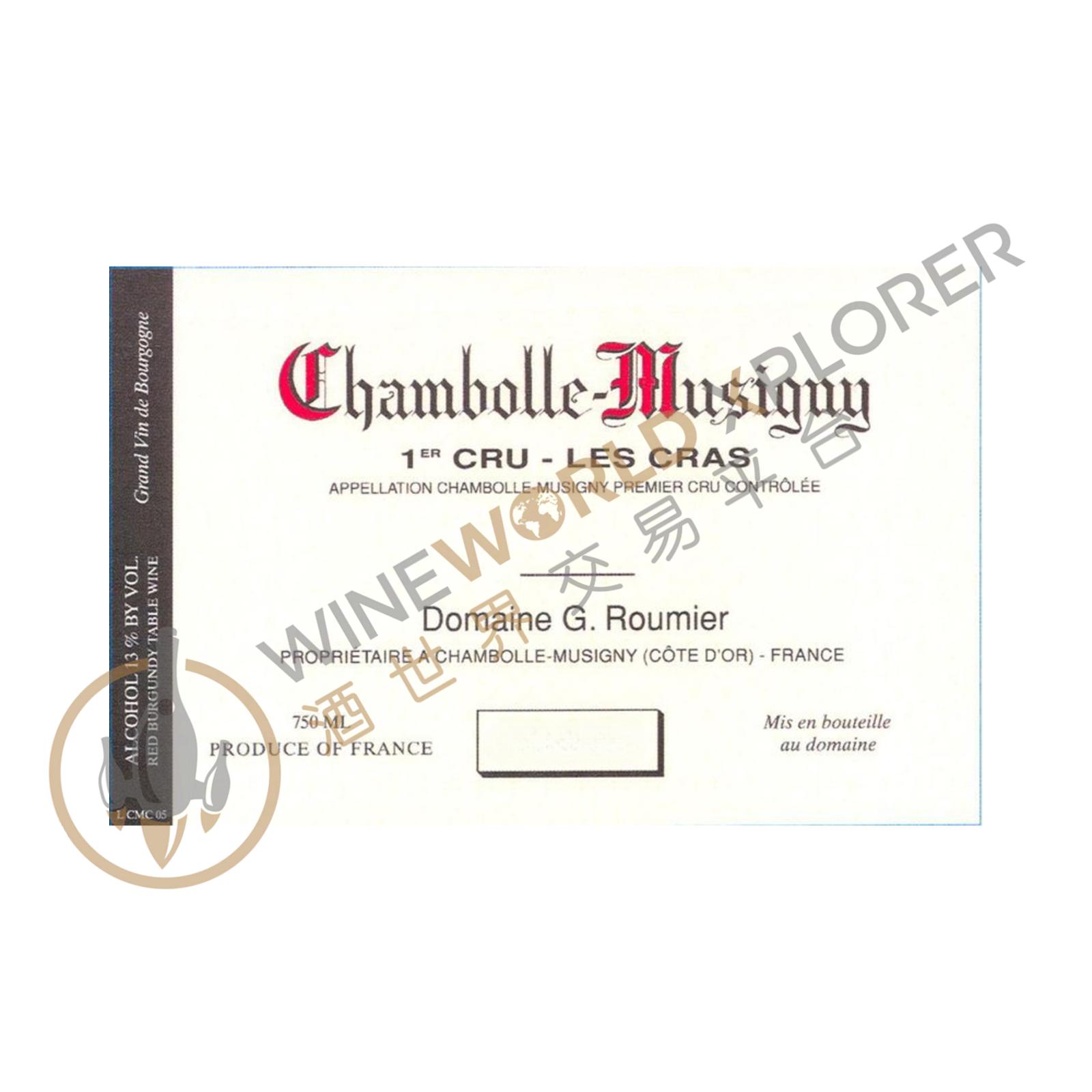
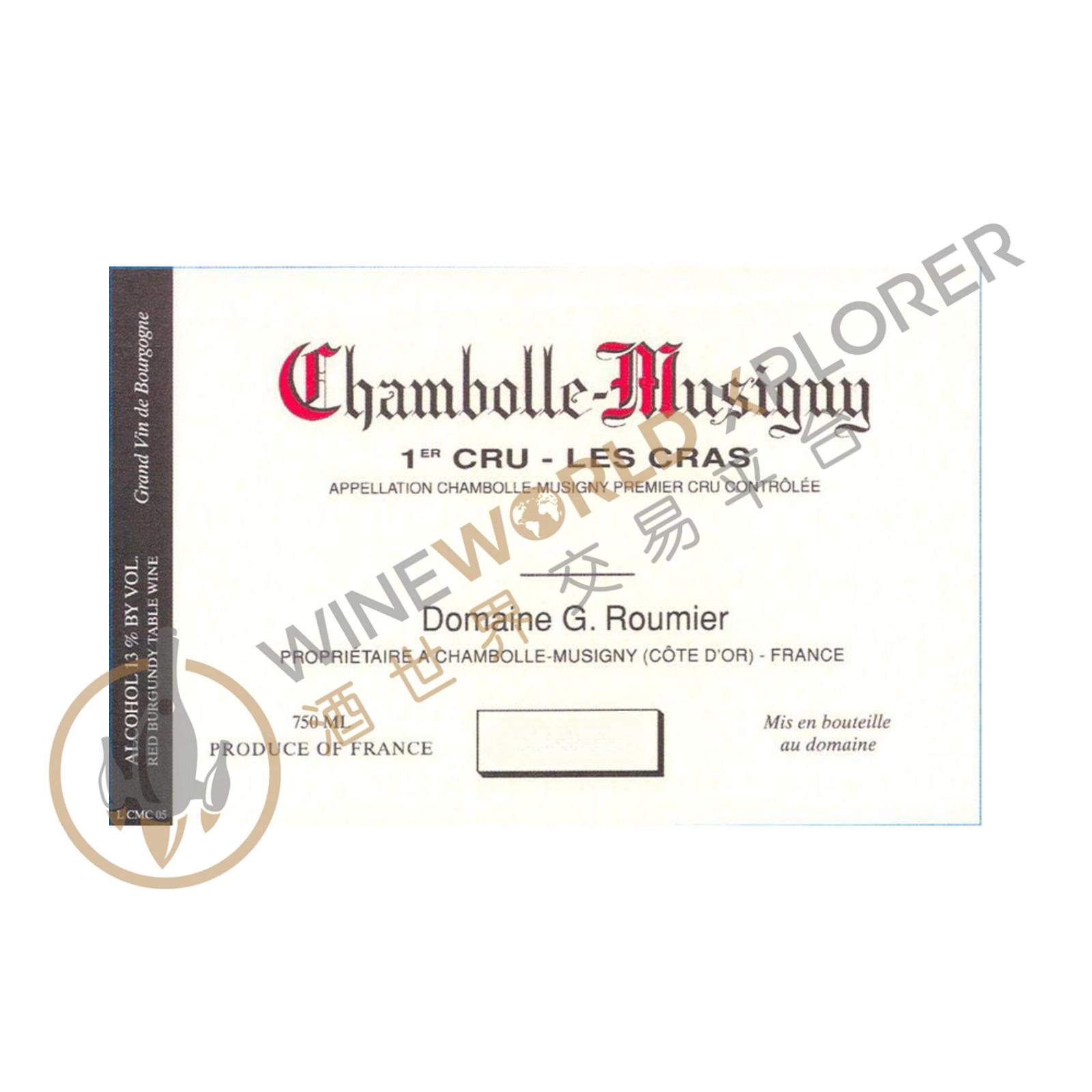
Georges Roumier, Chambolle Musigny 1er Cru Les Cras 2009
 View analysis


Description
Tasting notes

Reviewed by: Antonio Galloni
The 2009 Chambolle-Musigny Les Cras is surprisingly huge and powerful, even within the context of the vintage. This is a decidedly sumptuous Chambolle that pushes the edge of ripeness. My impression is that the wine needs a few years to shed its baby fat.
Reviewed by: Antonio Galloni
Roumier's 2009 Chambolle-Musigny Les Cras can sometimes be a bit edgy, but not in 2009. A cool vein of minerality supports the expressive fruit all the way through to the long, intense finish. Tasted from tank.
Reviewed by: Stephen Tanzer
Moderately saturated medium red. Very ripe aromas of red fruits, chocolate and underbrush. Broad, saline, dry and powerful, with its primary fruit flavors currently dominated by sheer ripeness. Gives a low-acid impression but finishes very ripe and classically dry. In an awkward stage today. Roumier notes that he trusts this wine and expressed the opinion that some of the 2009s resemble the '59s.
Reviewed by: Stephen Tanzer
(not racked) Good deep red. Reduced aromas of chocolate, woodsmoke and game. Very sweet on entry, but more tangy and delineated than the Combottes, with good lift to the fleshy, sweet flavors of cherry, raspberry, violet and pepper. I like what the stems have contributed here. Finishes with firm but sweet tannins.
About the Producer
The domaine was founded in 1924 by Georges Roumier, who began domaine bottling in 1945. He was succeeded in 1957 by his son Jean-Marie and now grandson Christophe, who joined his father in 1982 and took over completely in 1992. Most of the wines are rented (en fermage) from family members although Ruchottes Chambertin is held on a share cropping deal with an external proprietor, Michel Bonnefond. The wines are seductively fruity in their youth yet with excellent ageing potential. The grapes are sorted in the vineyard, with a table de tri at the winery since 2003. They are mostly destemmed, albeit depending on vineyard and vintage, with a few more stems being used recently – then placed in wooden fermenters. The juice is given a cool soak at 15° then allowed to start naturally. The juice is punched down twice a day and temperature controlled so as not to exceed 32°C. There is no great reliance on new wood in the maturation cellar, with 15-25% being used for village wines, 25-40% for premiers crus and no more than 50% for Bonnes Mares. In recent years Christophe has been searching for, and achieving, a greater sense of precision in his wines.
1996(1)1997(1)2002(2)2005(4)2006(4)2007(1)
Package Size
1 x 75cl