Wine Advisor



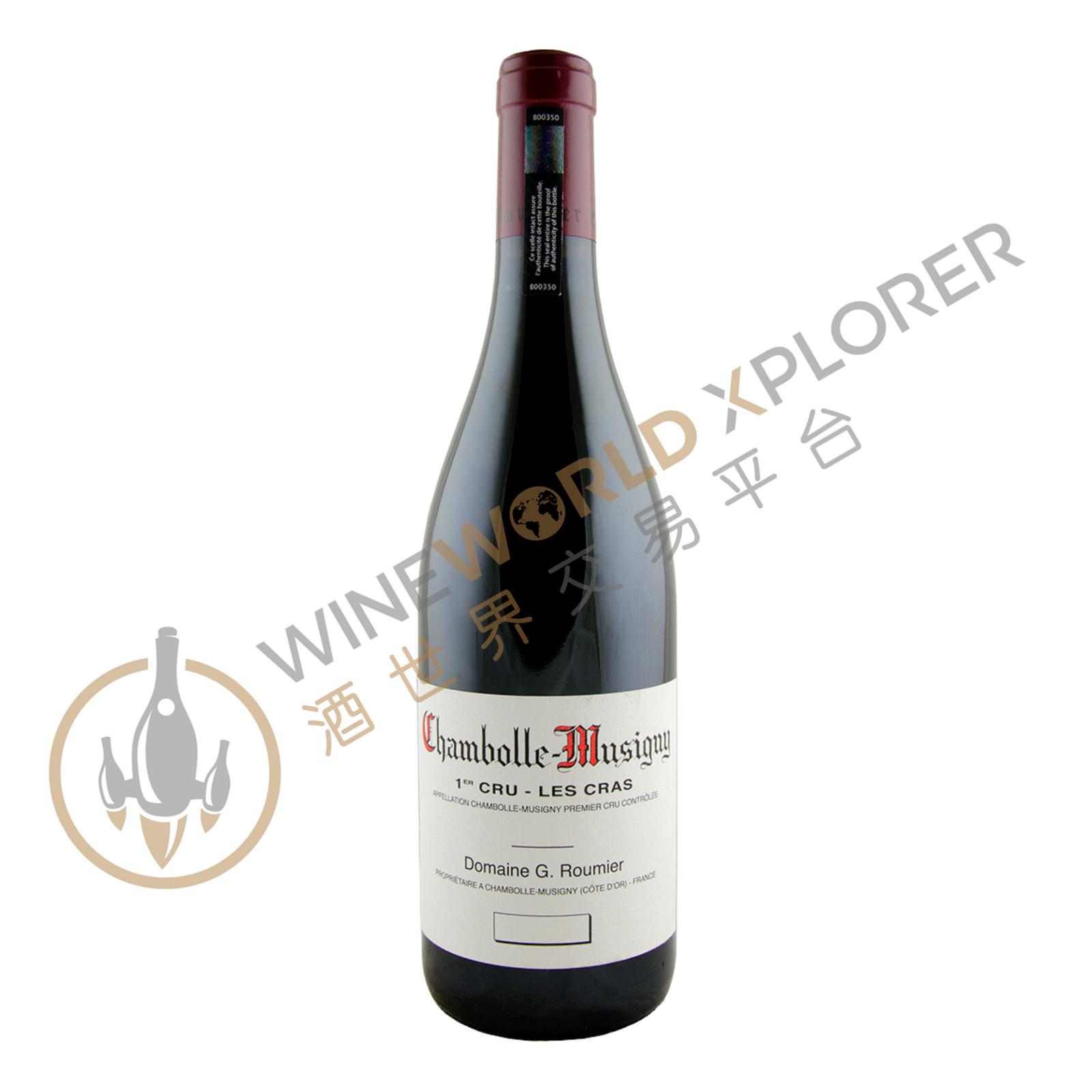
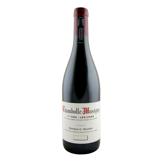
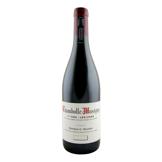
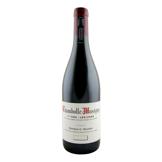
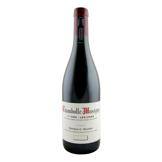
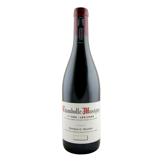
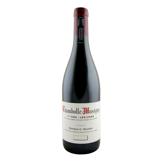
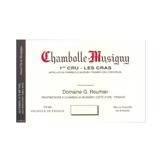
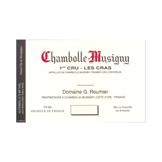
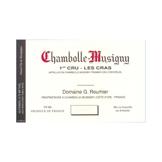
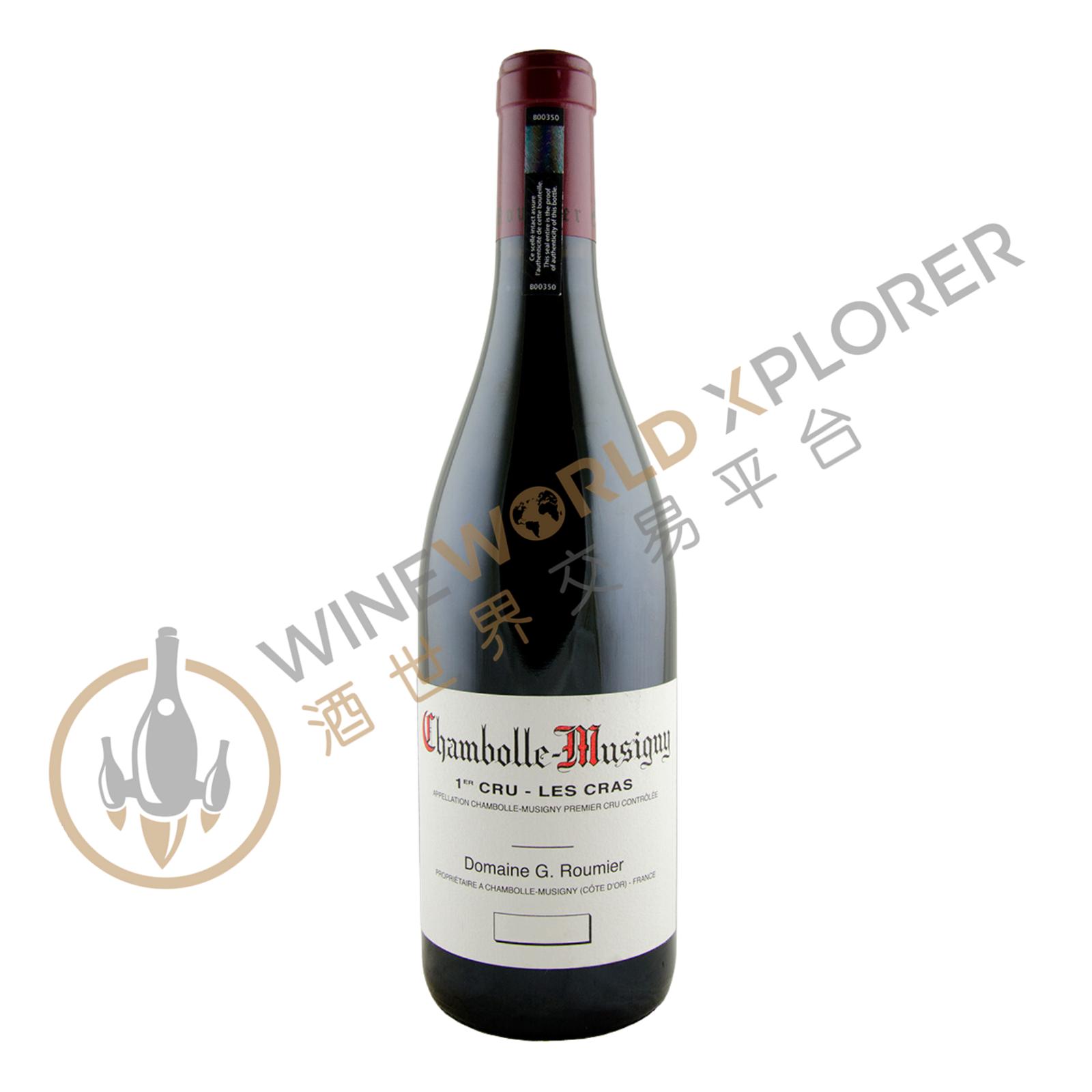
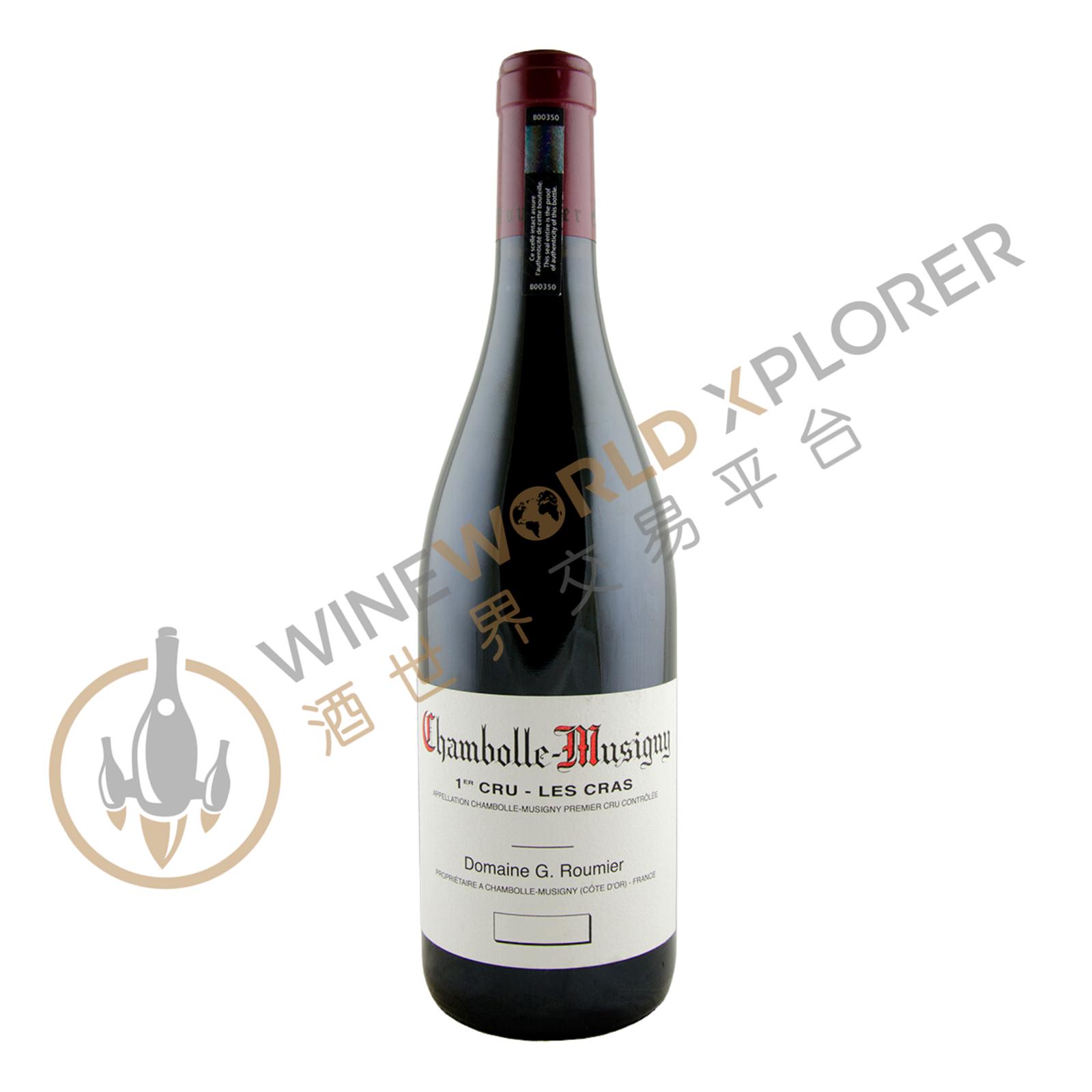
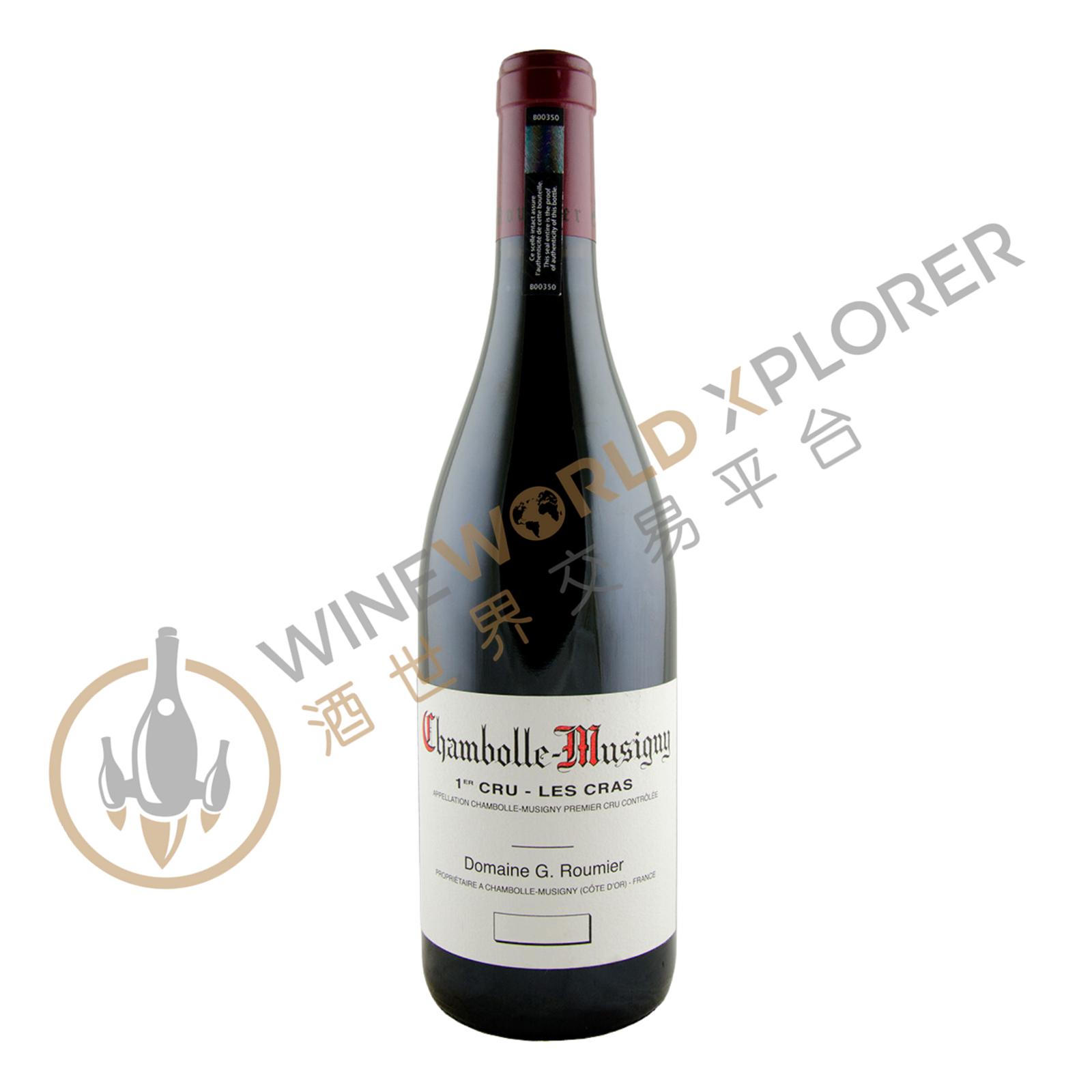
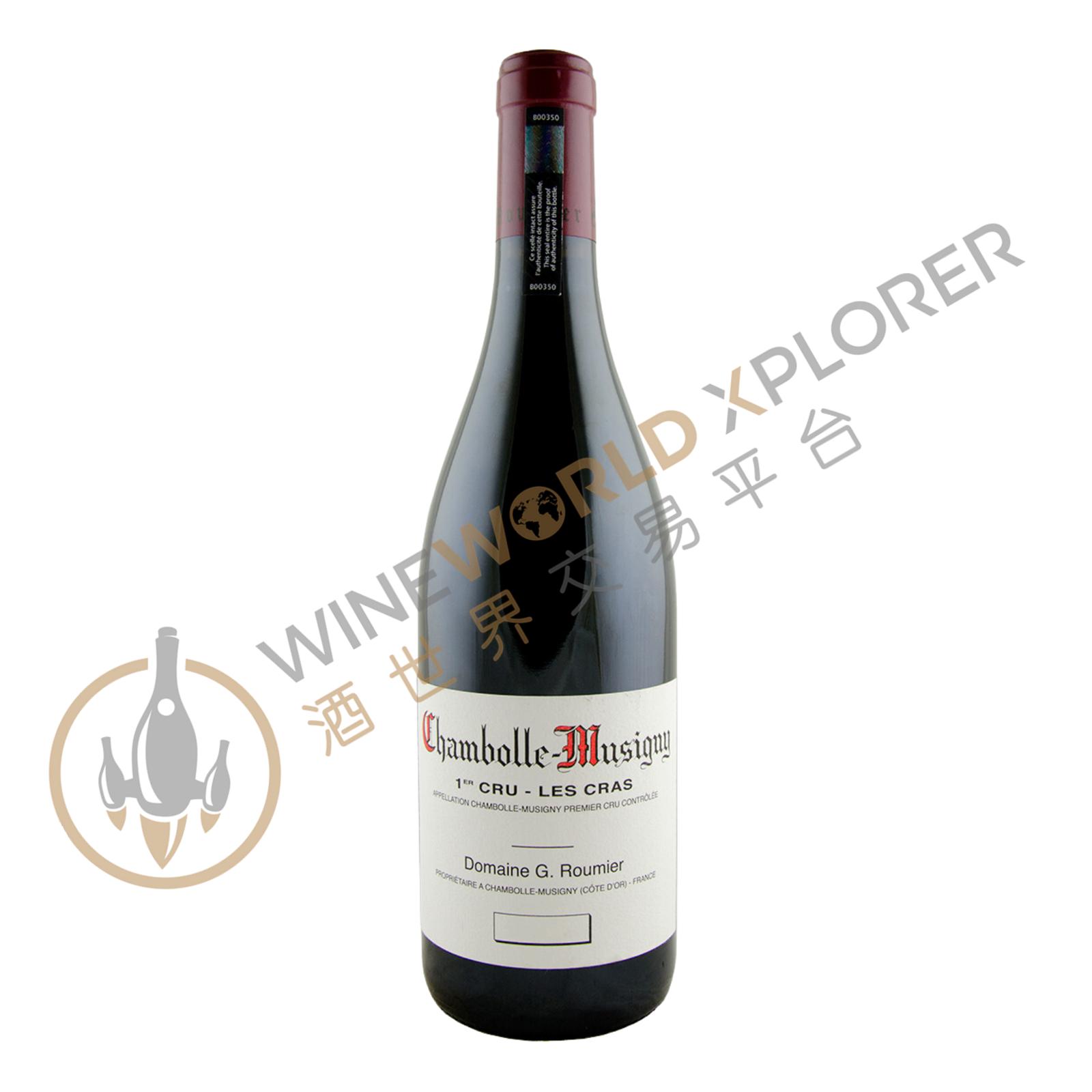
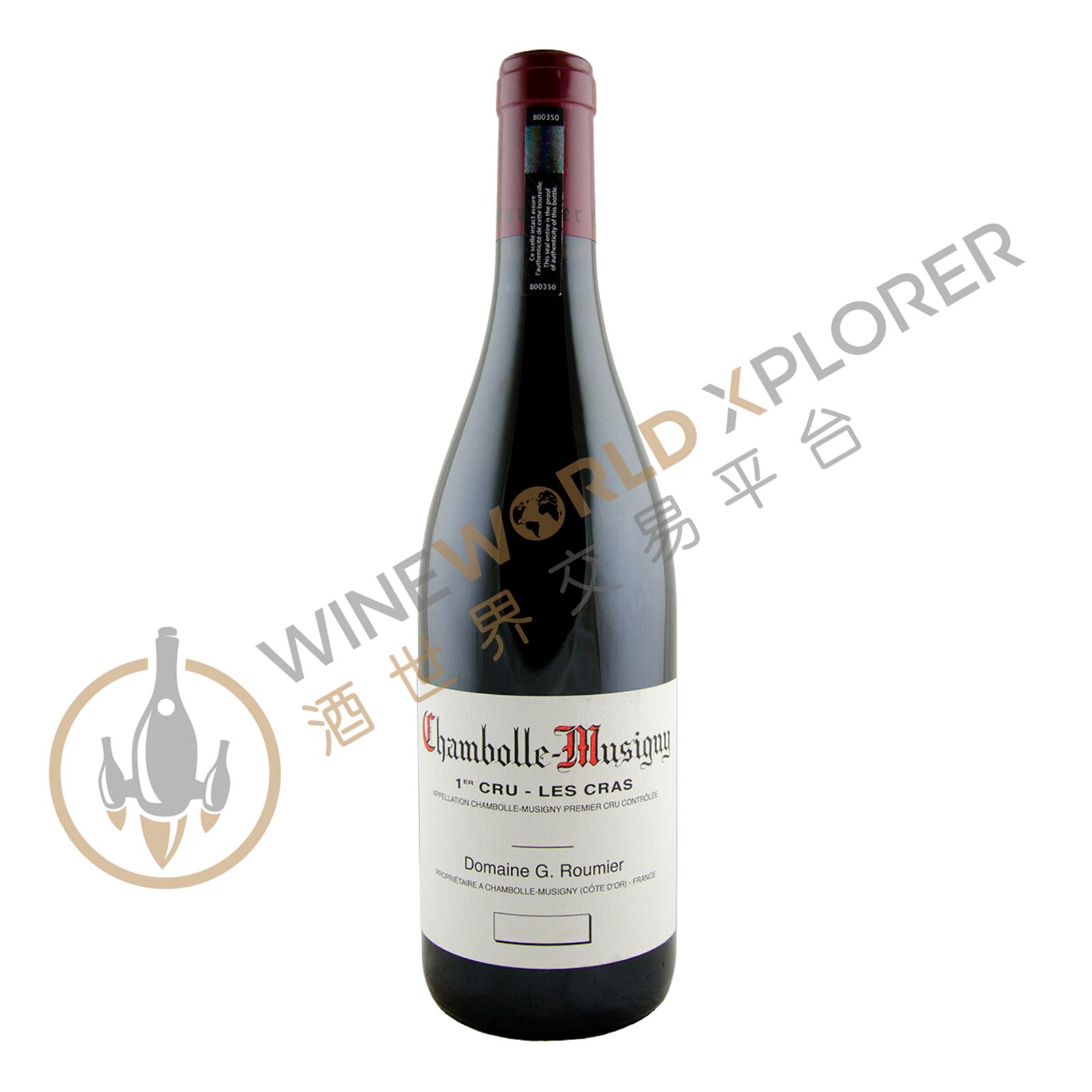
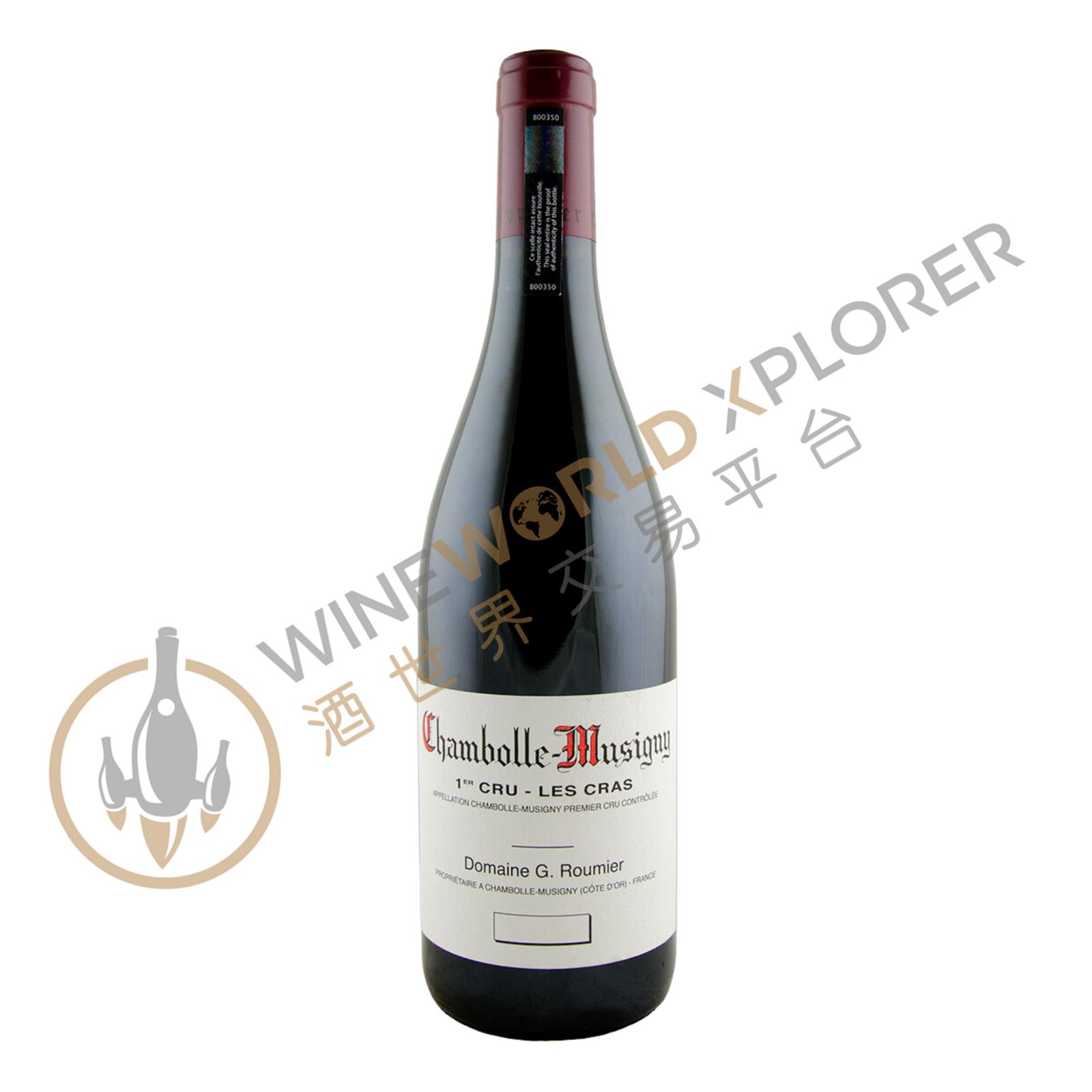
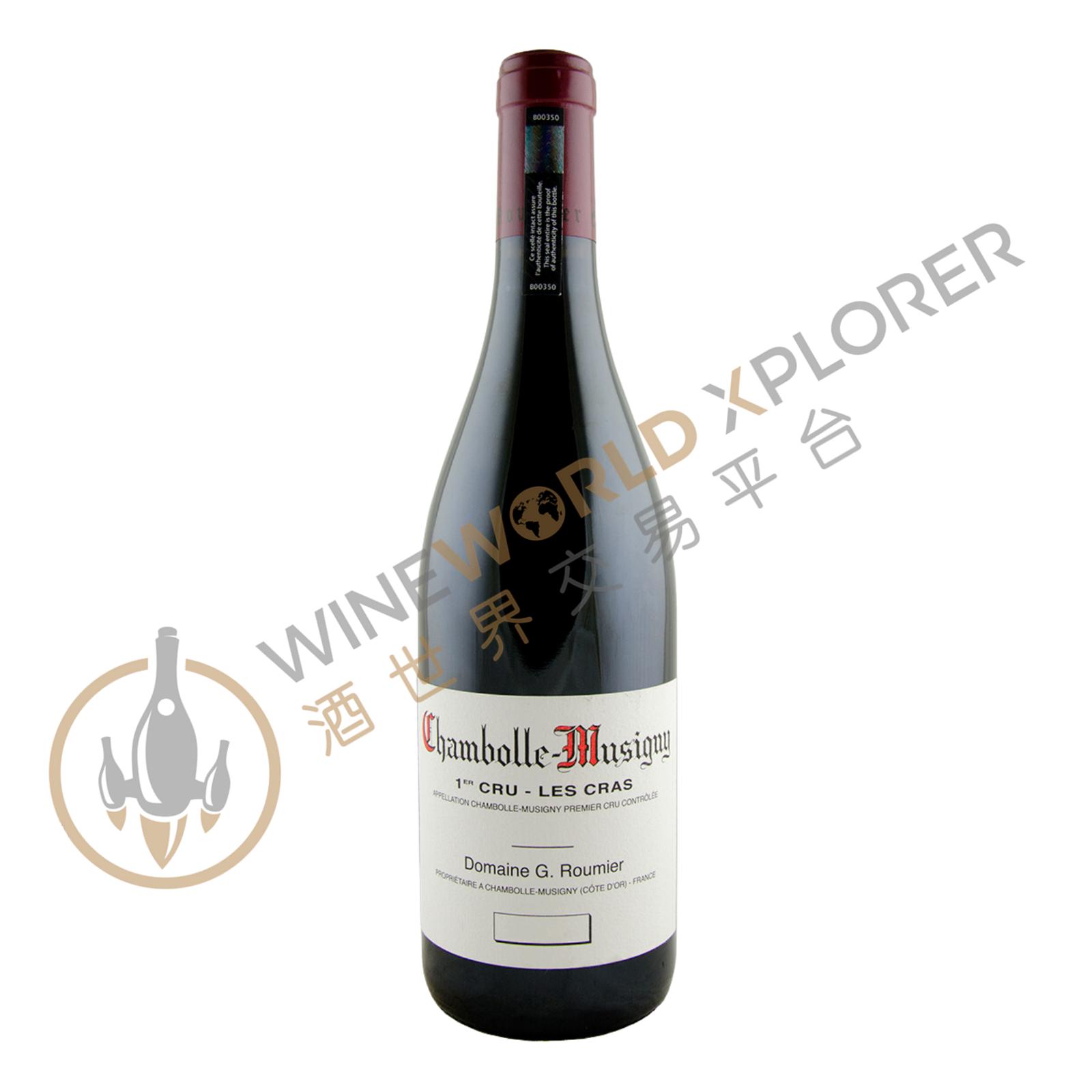
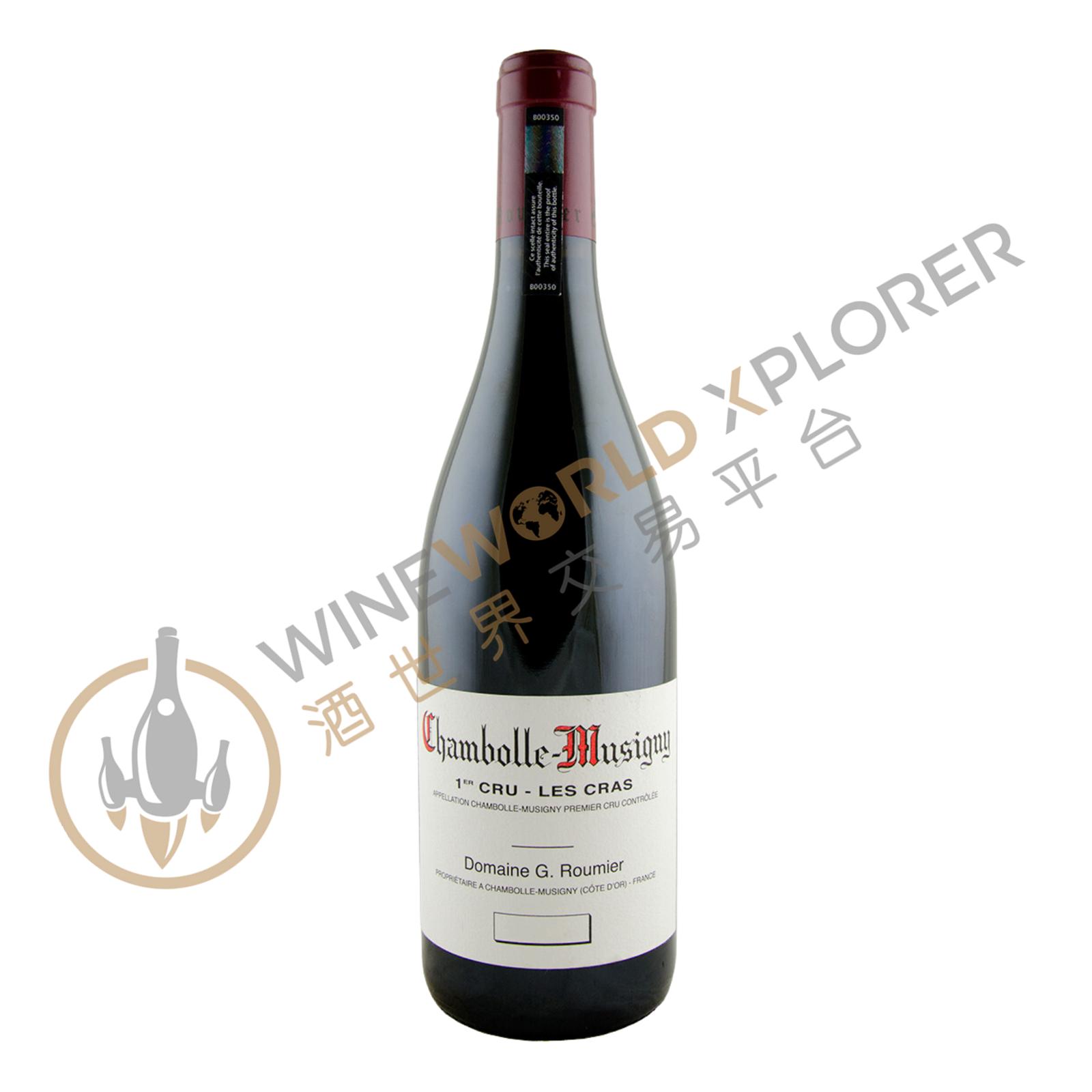
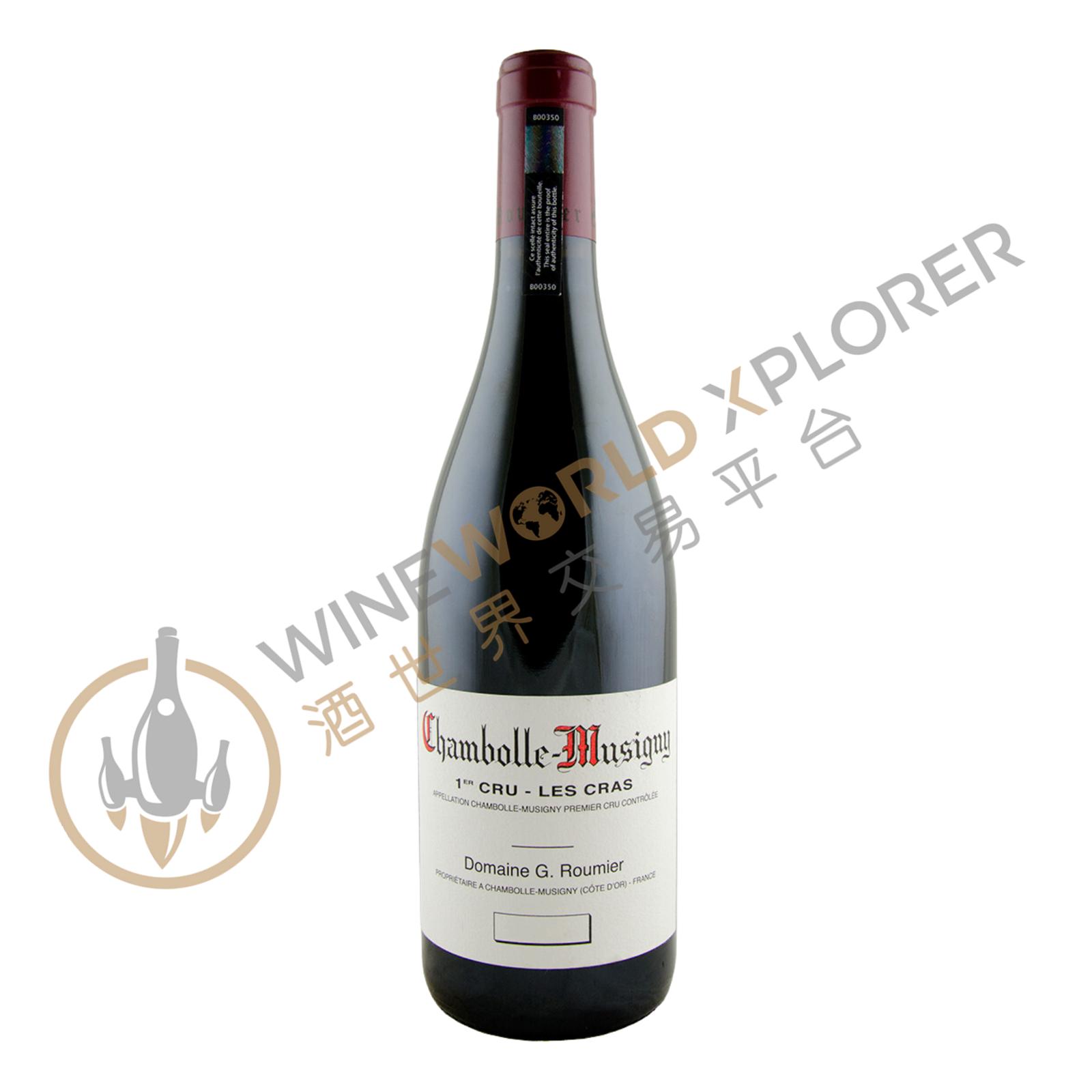
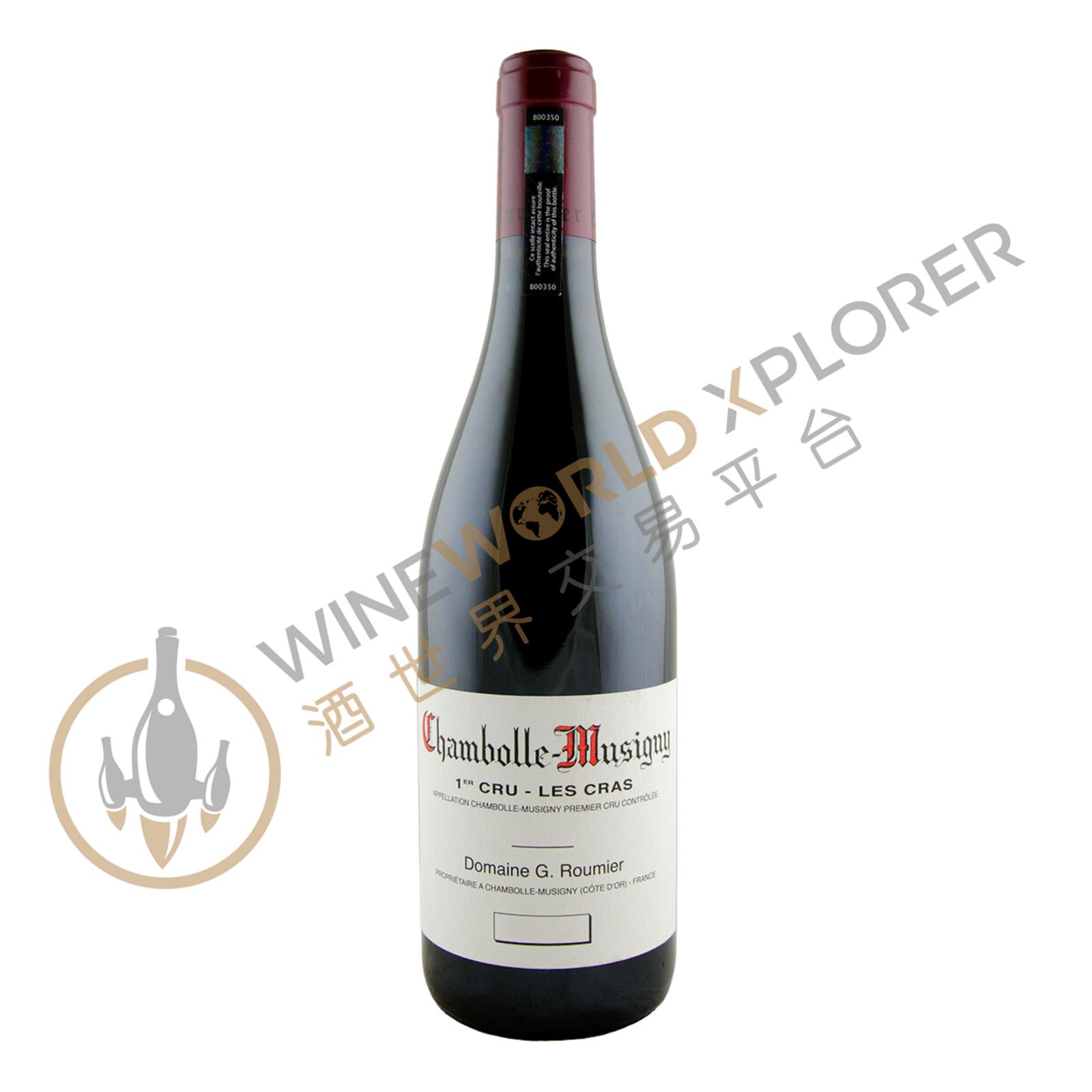
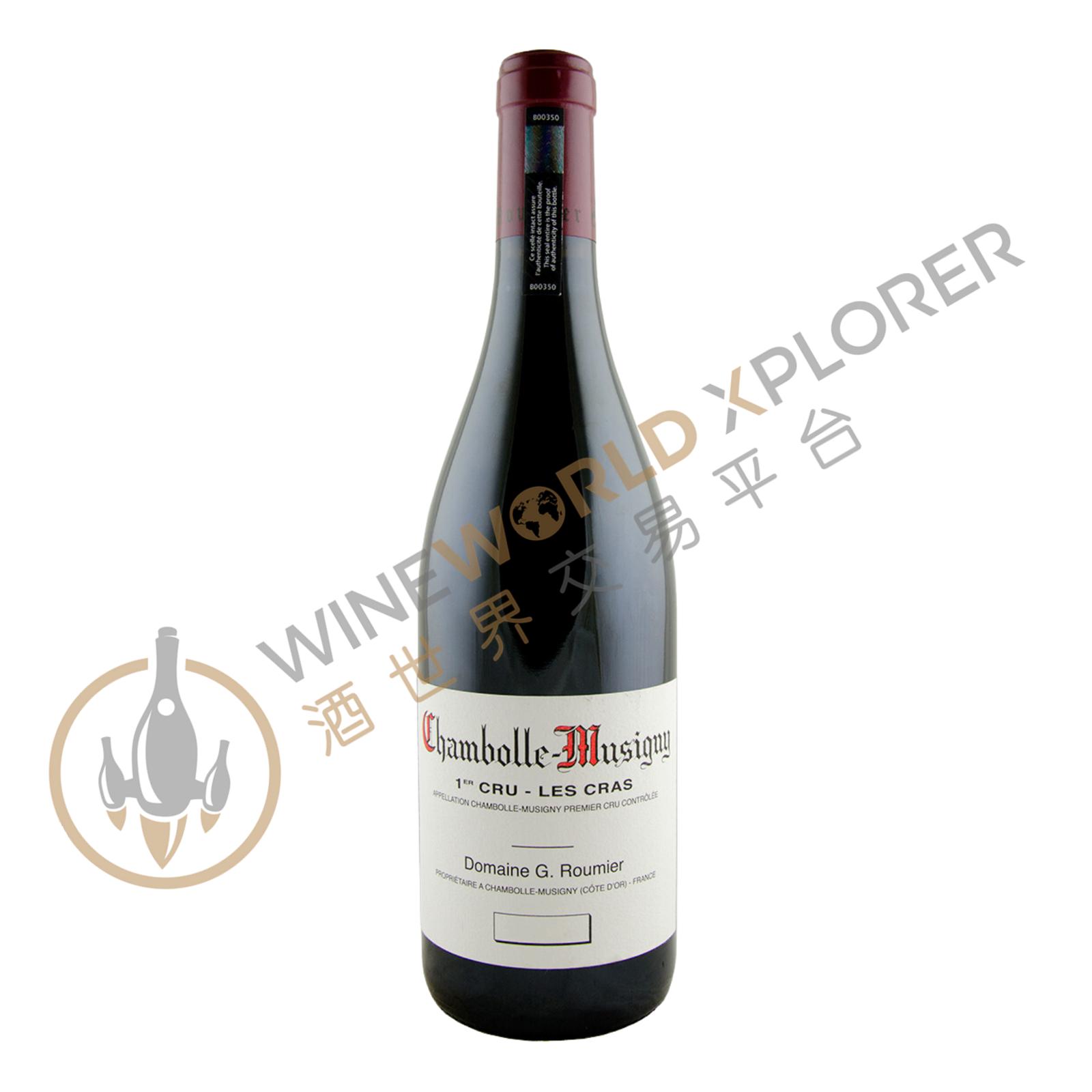
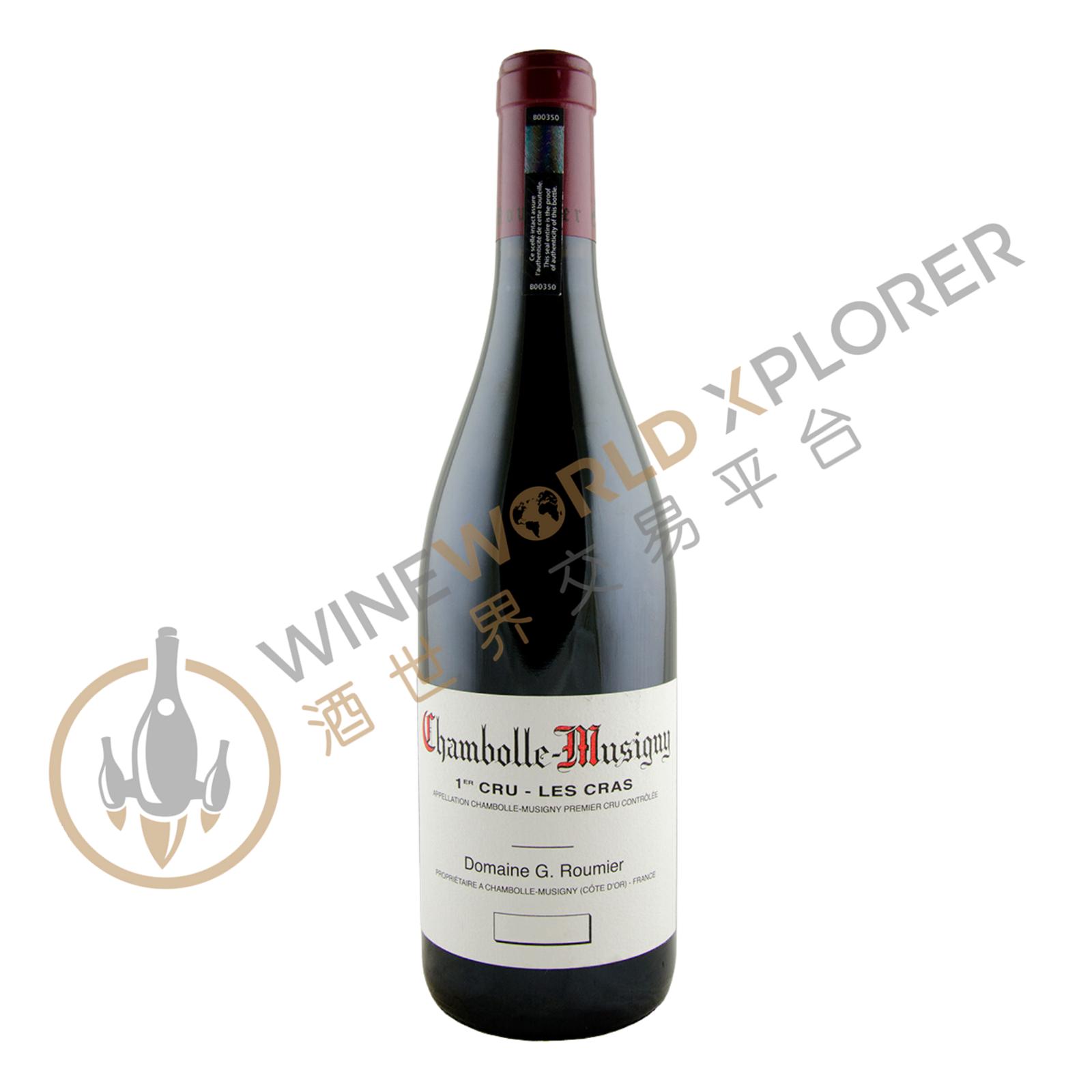
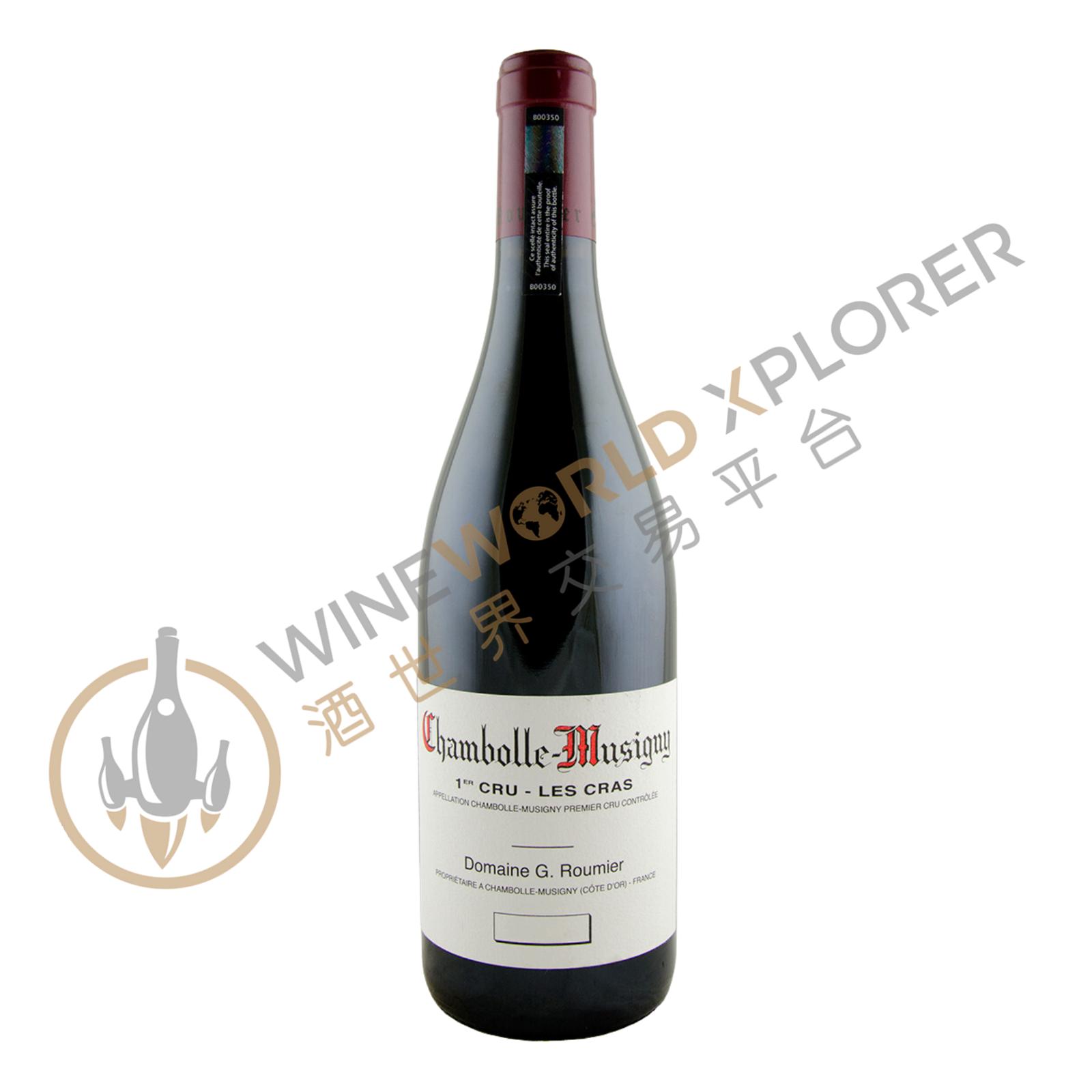
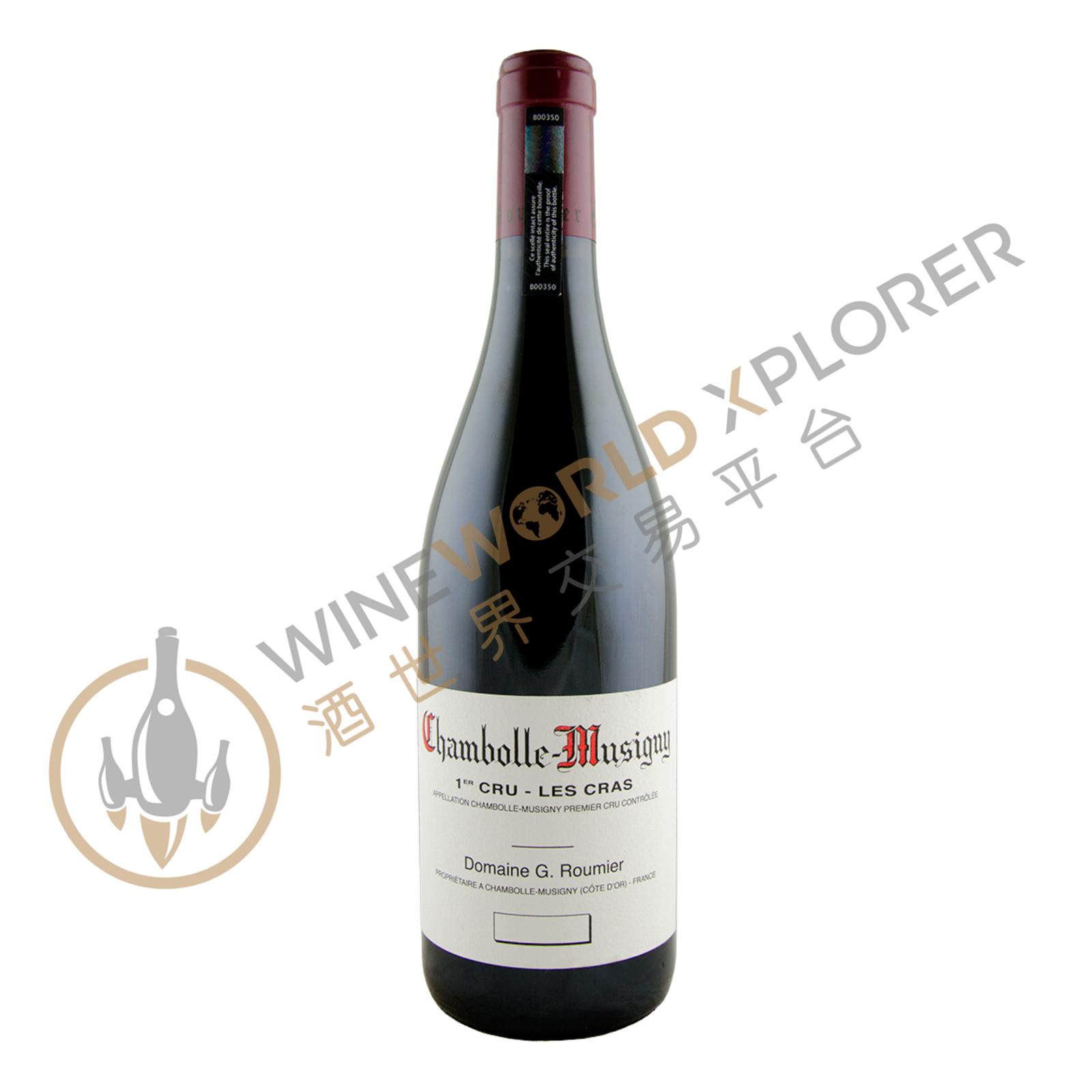
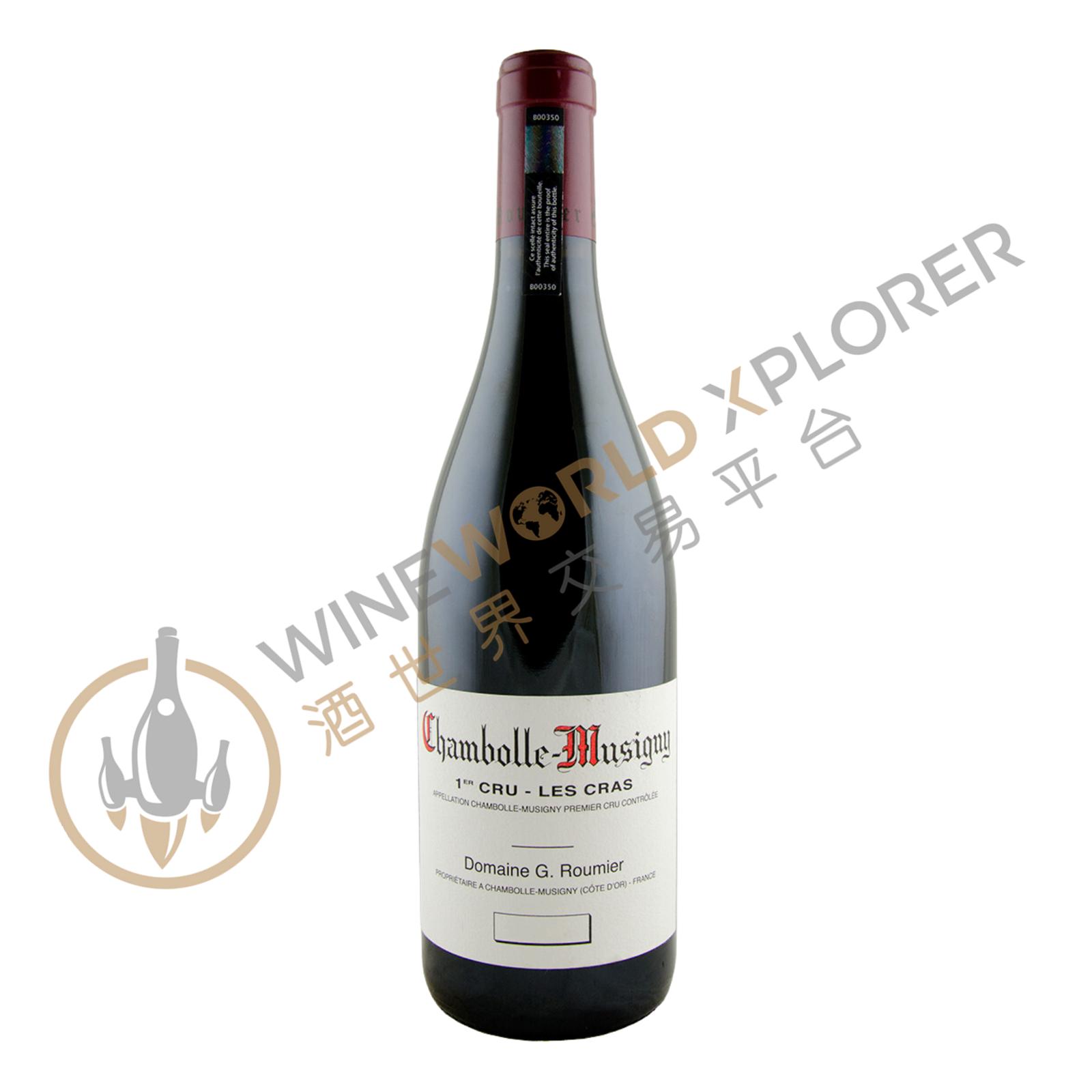
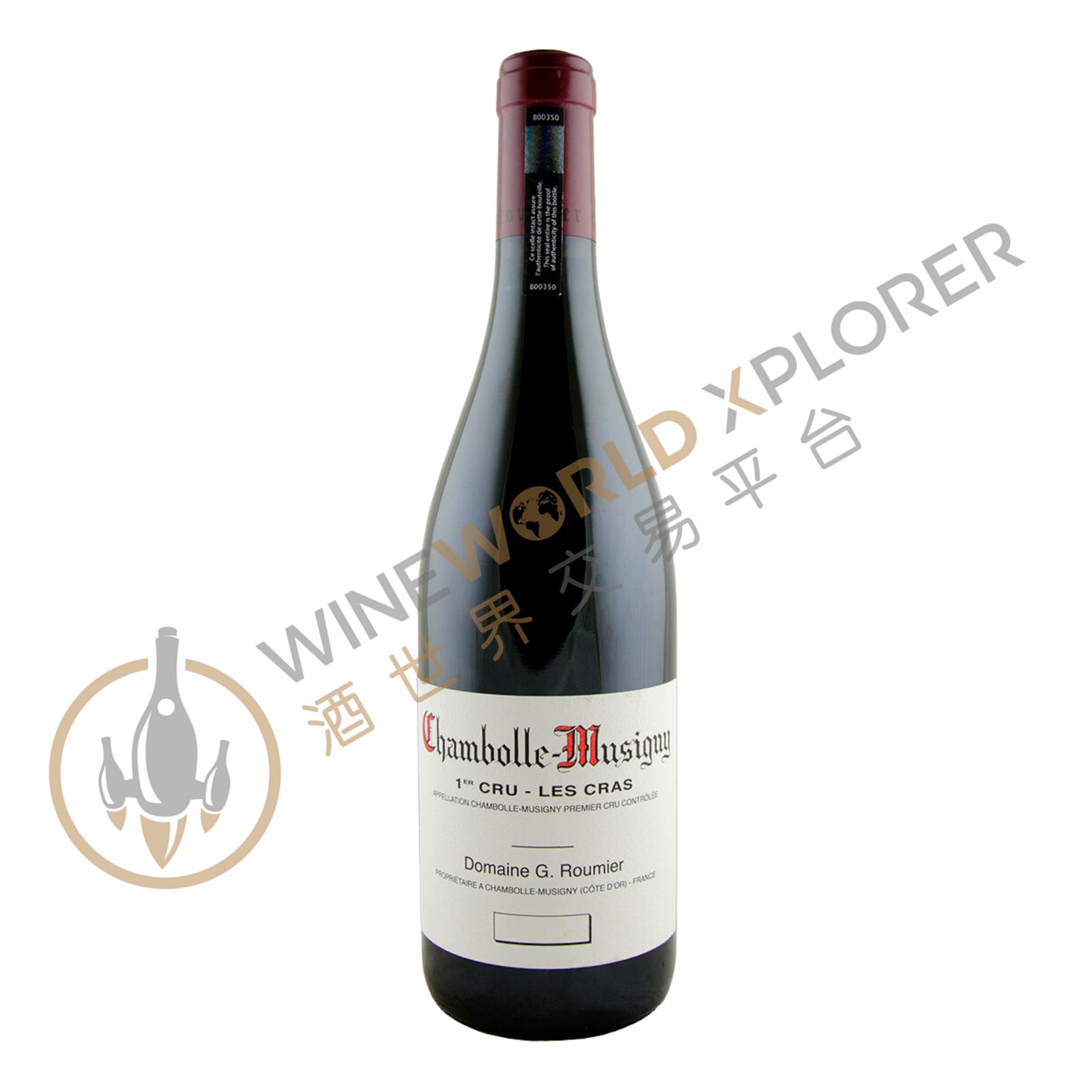
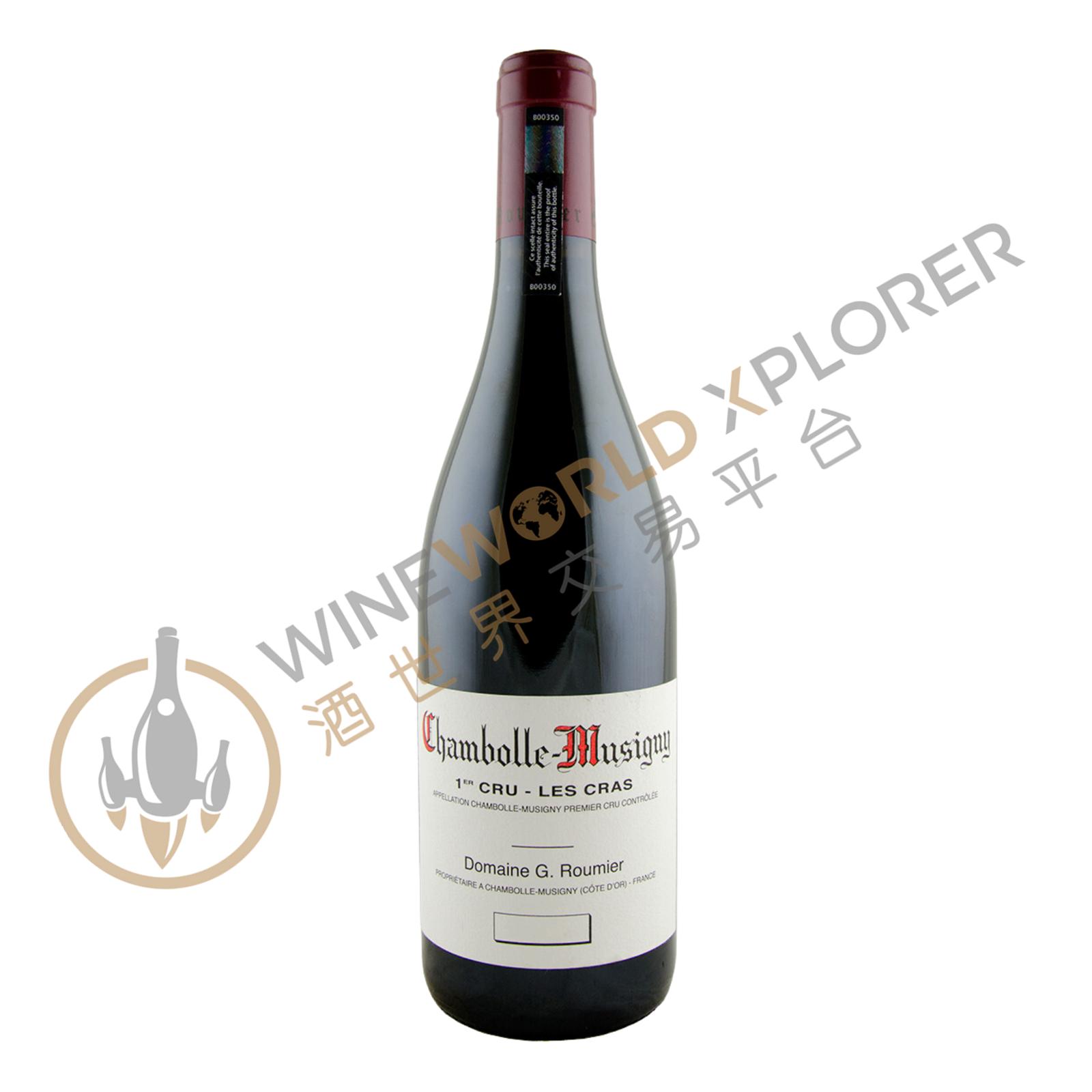
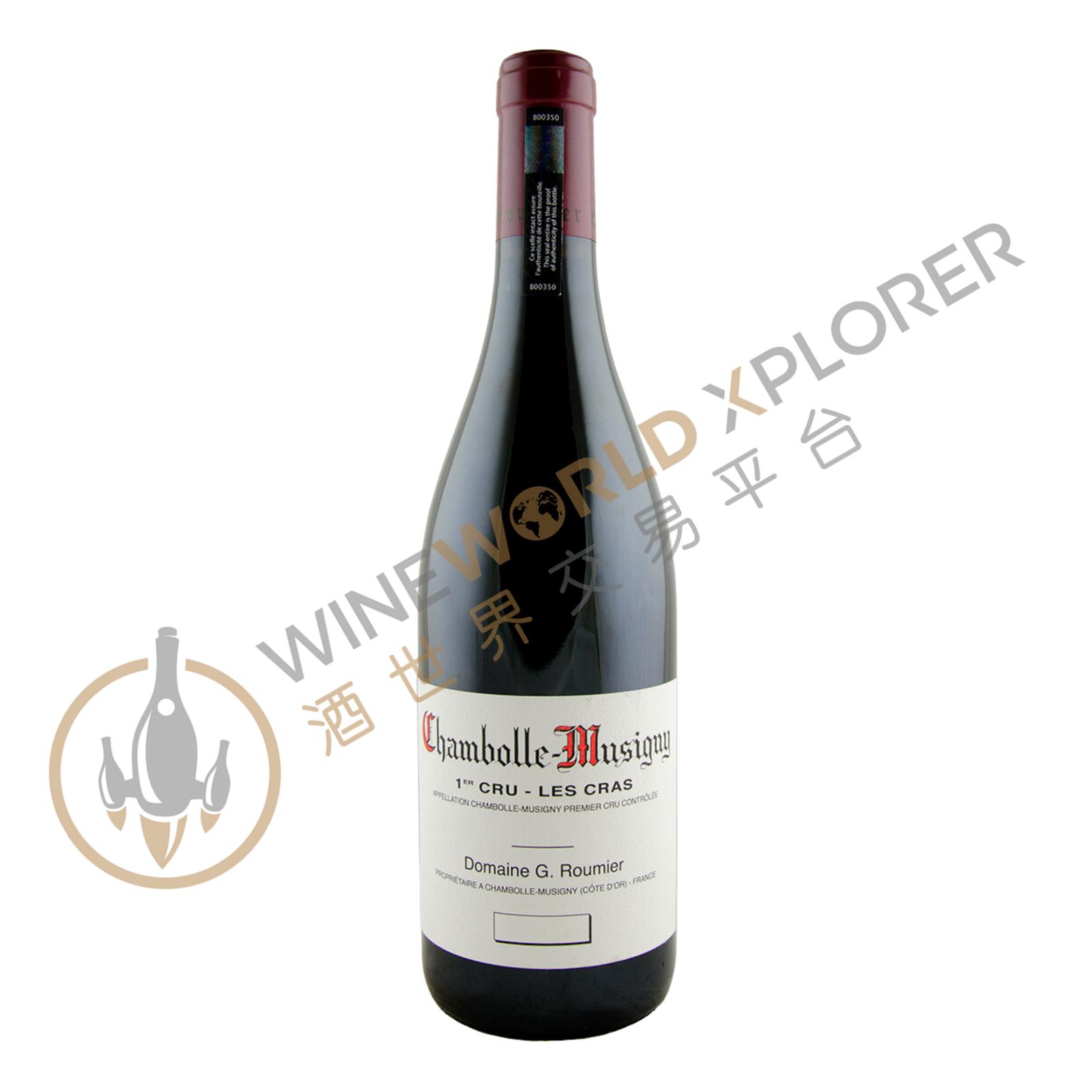
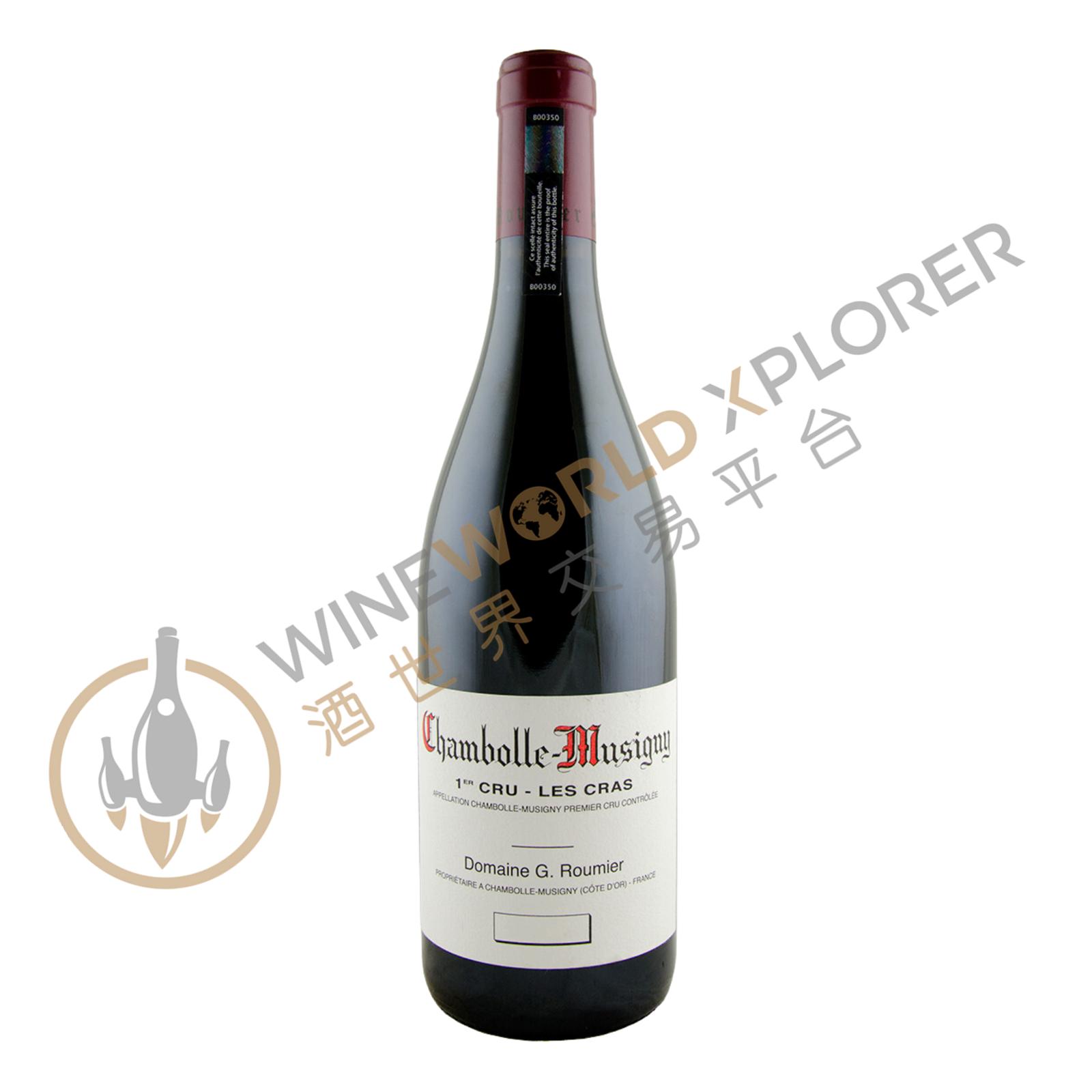
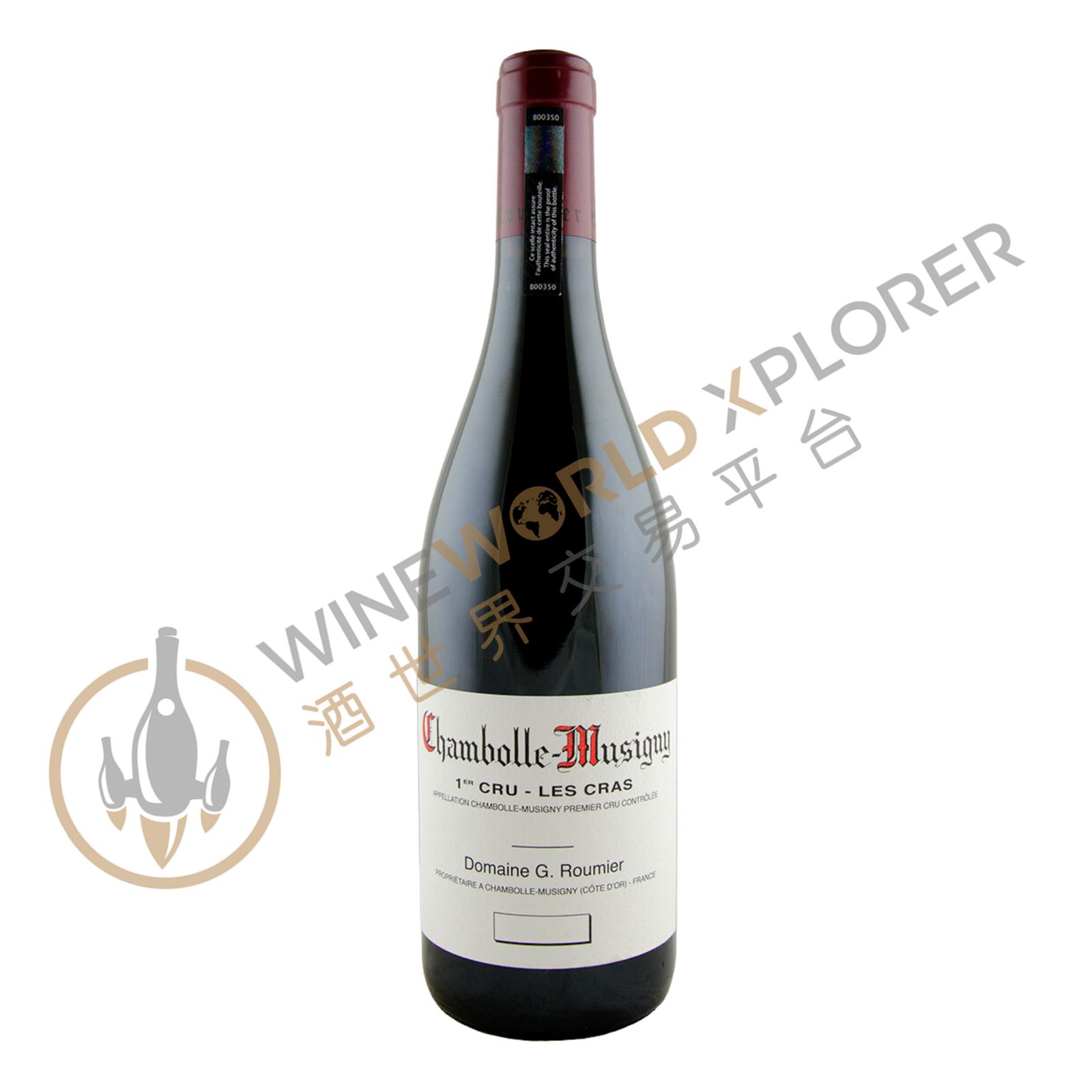
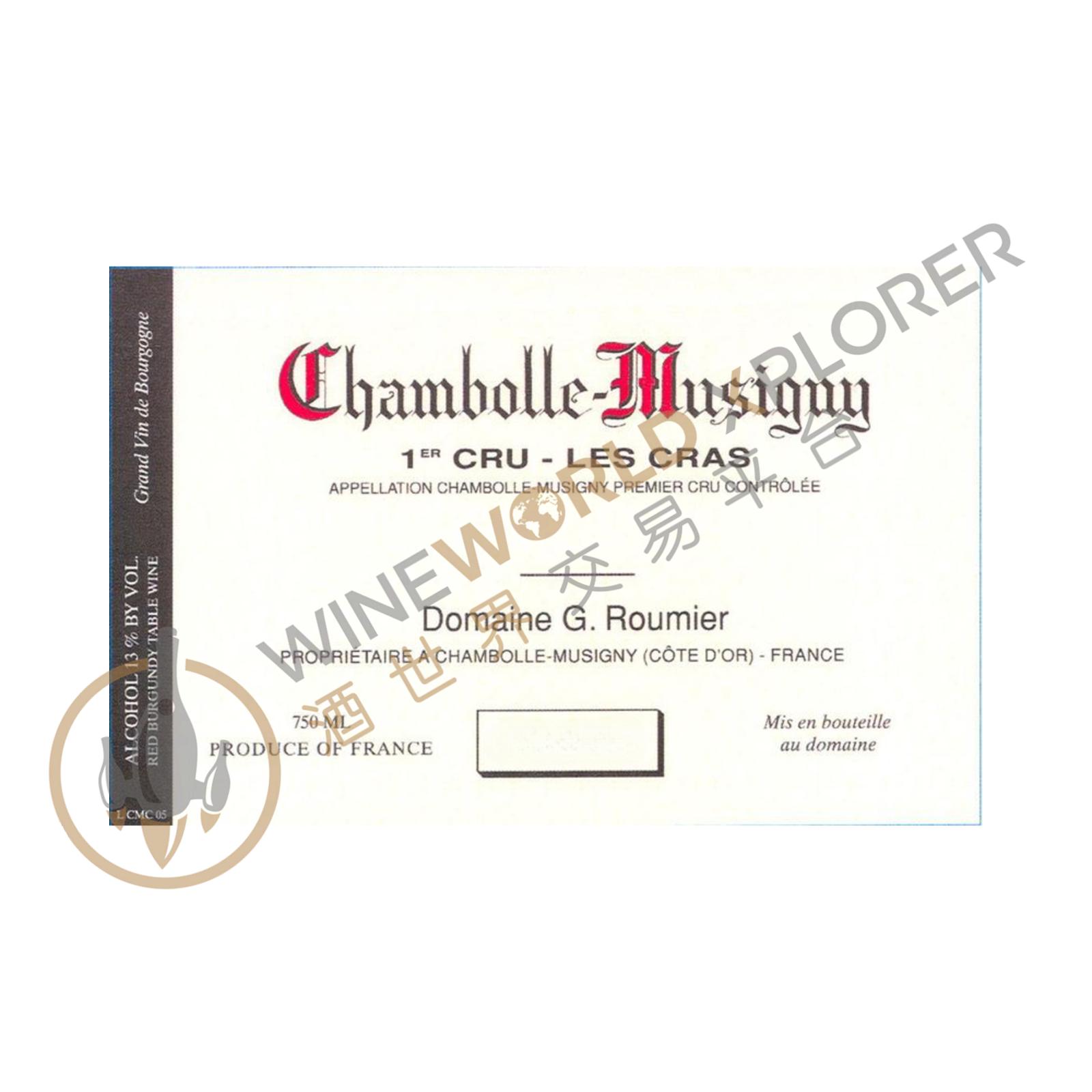
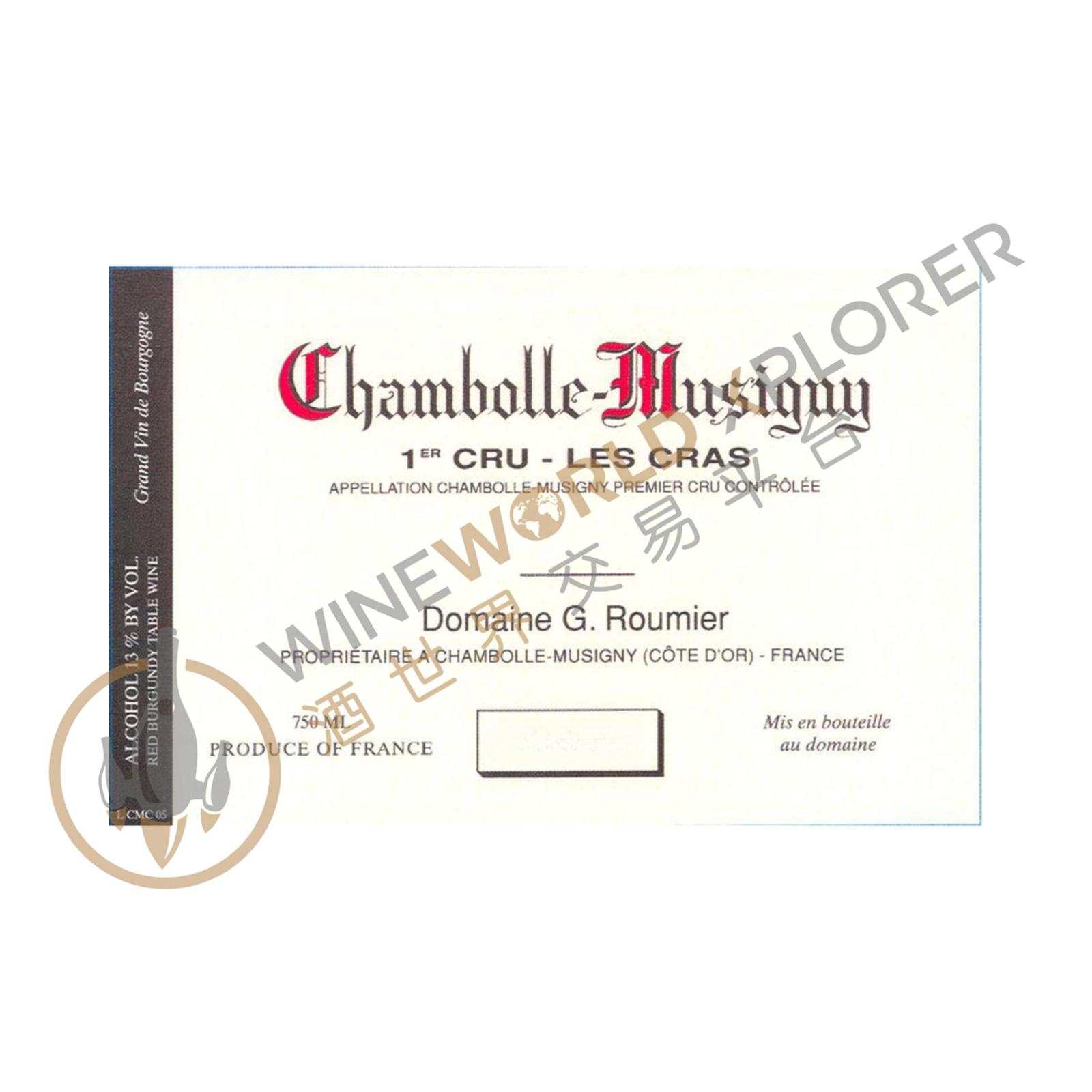
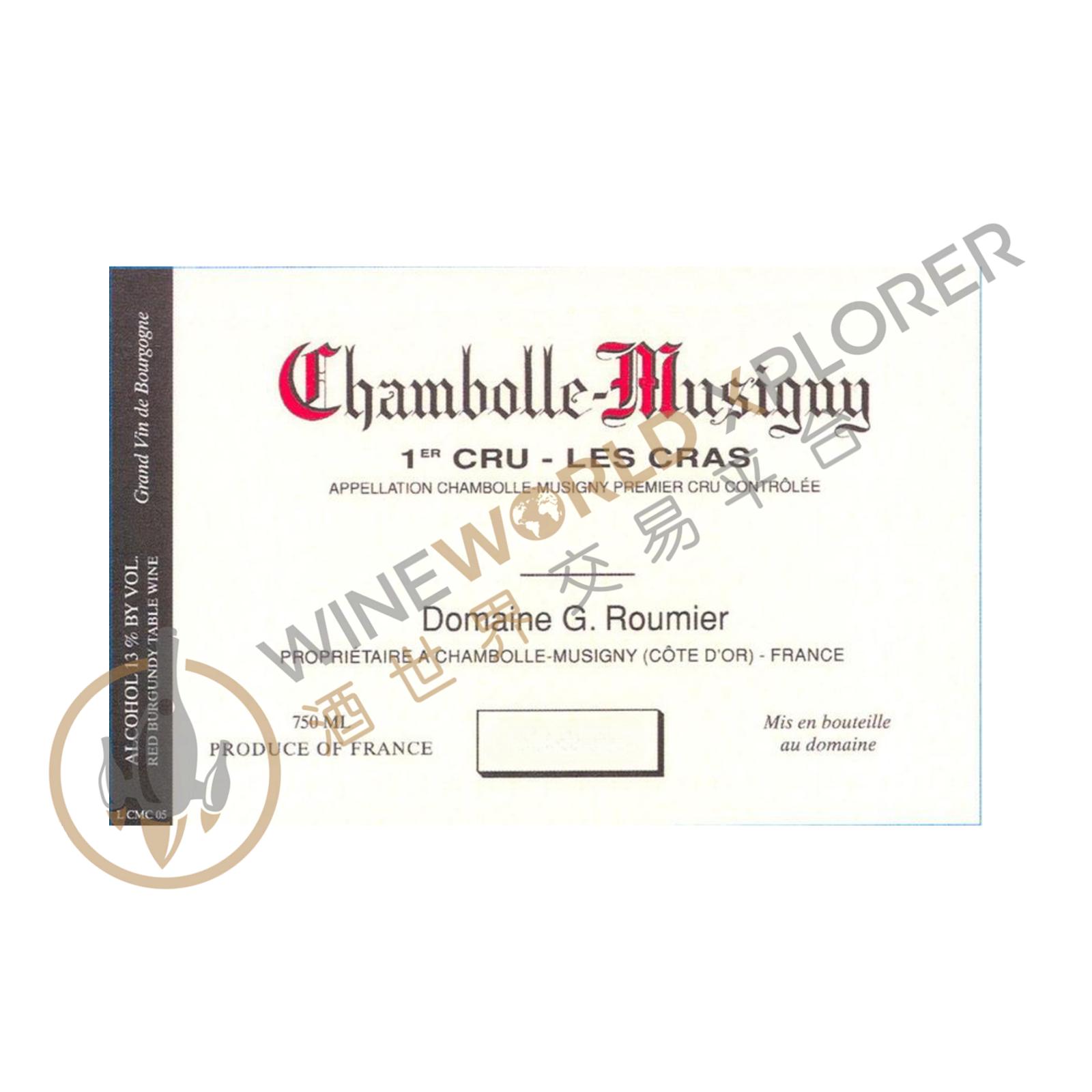
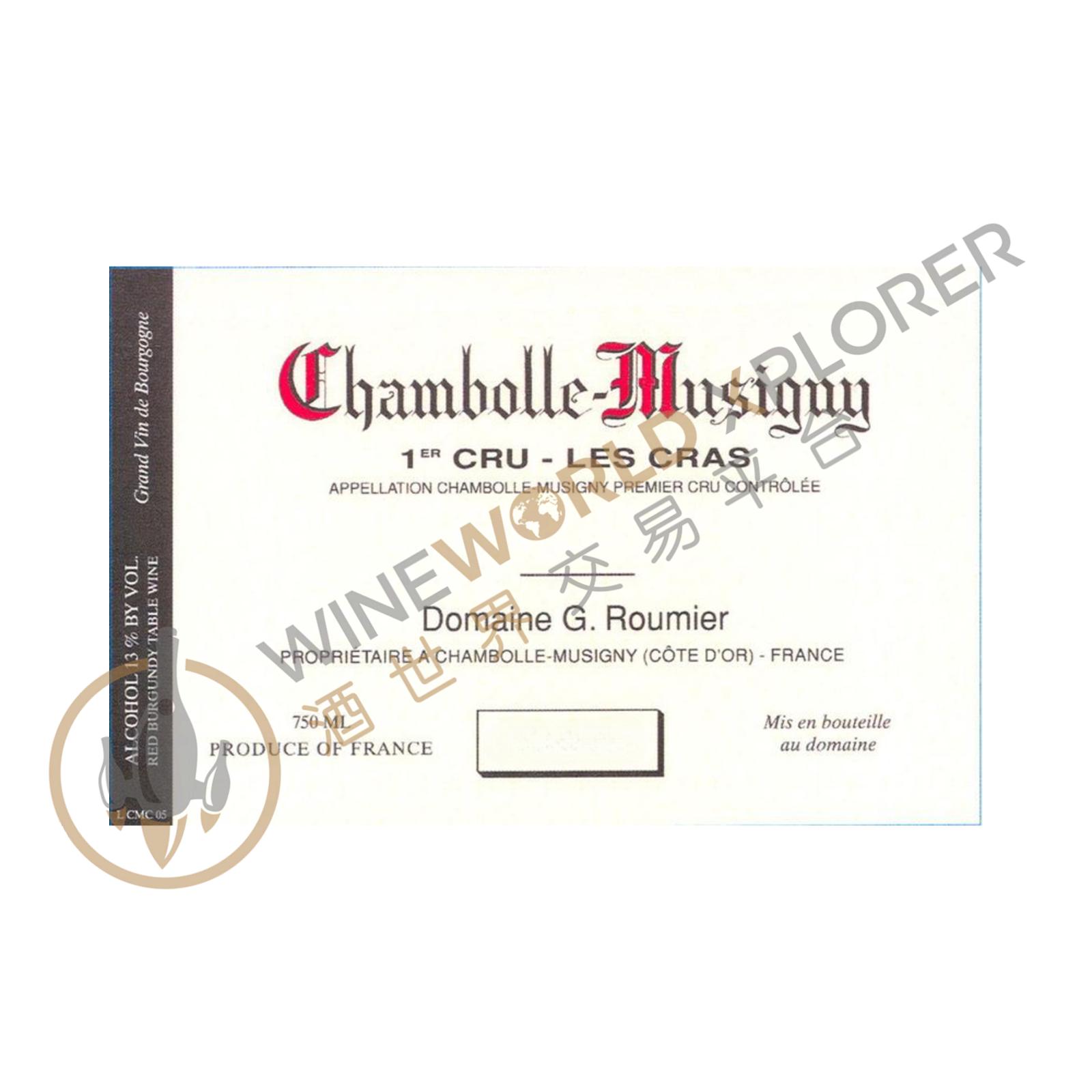
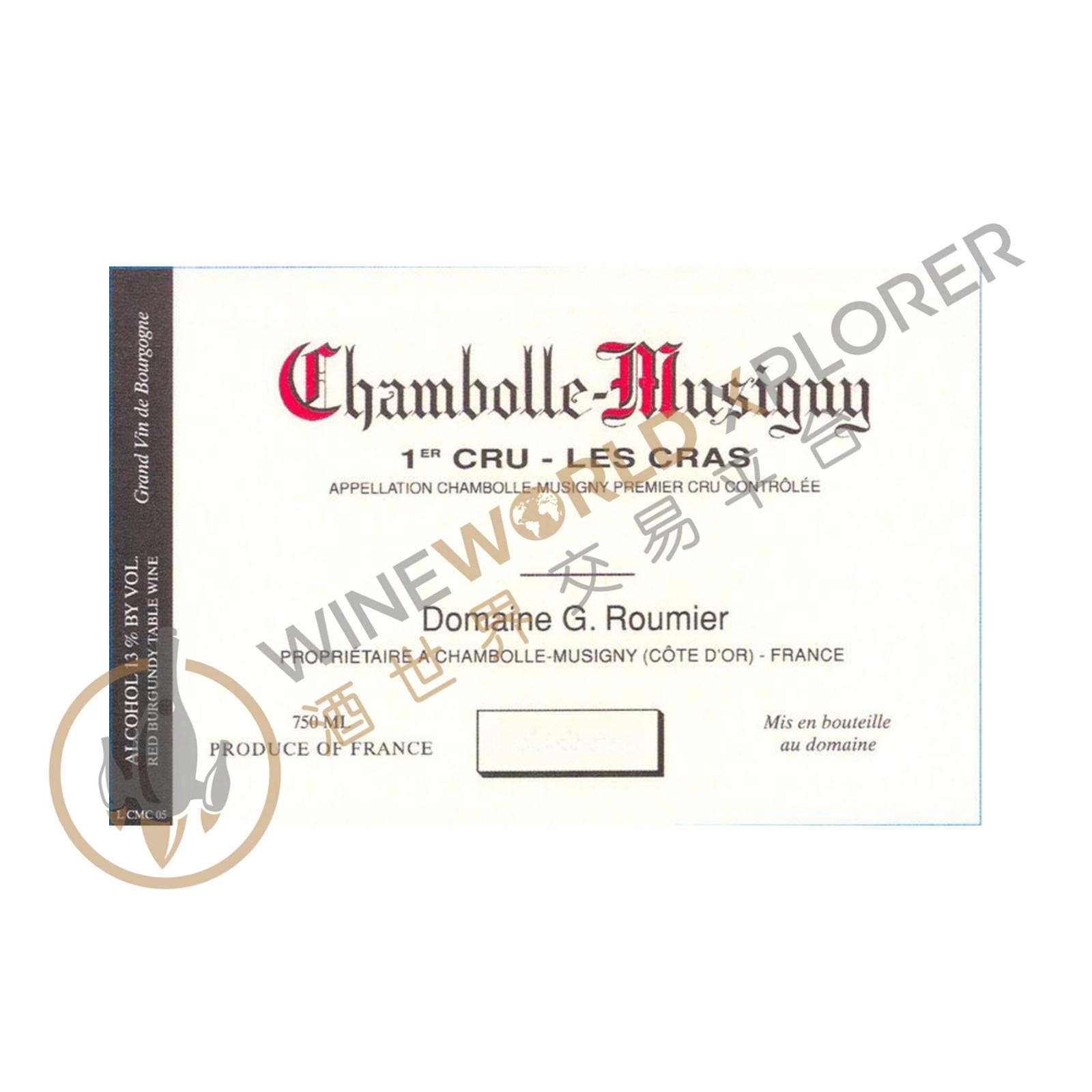
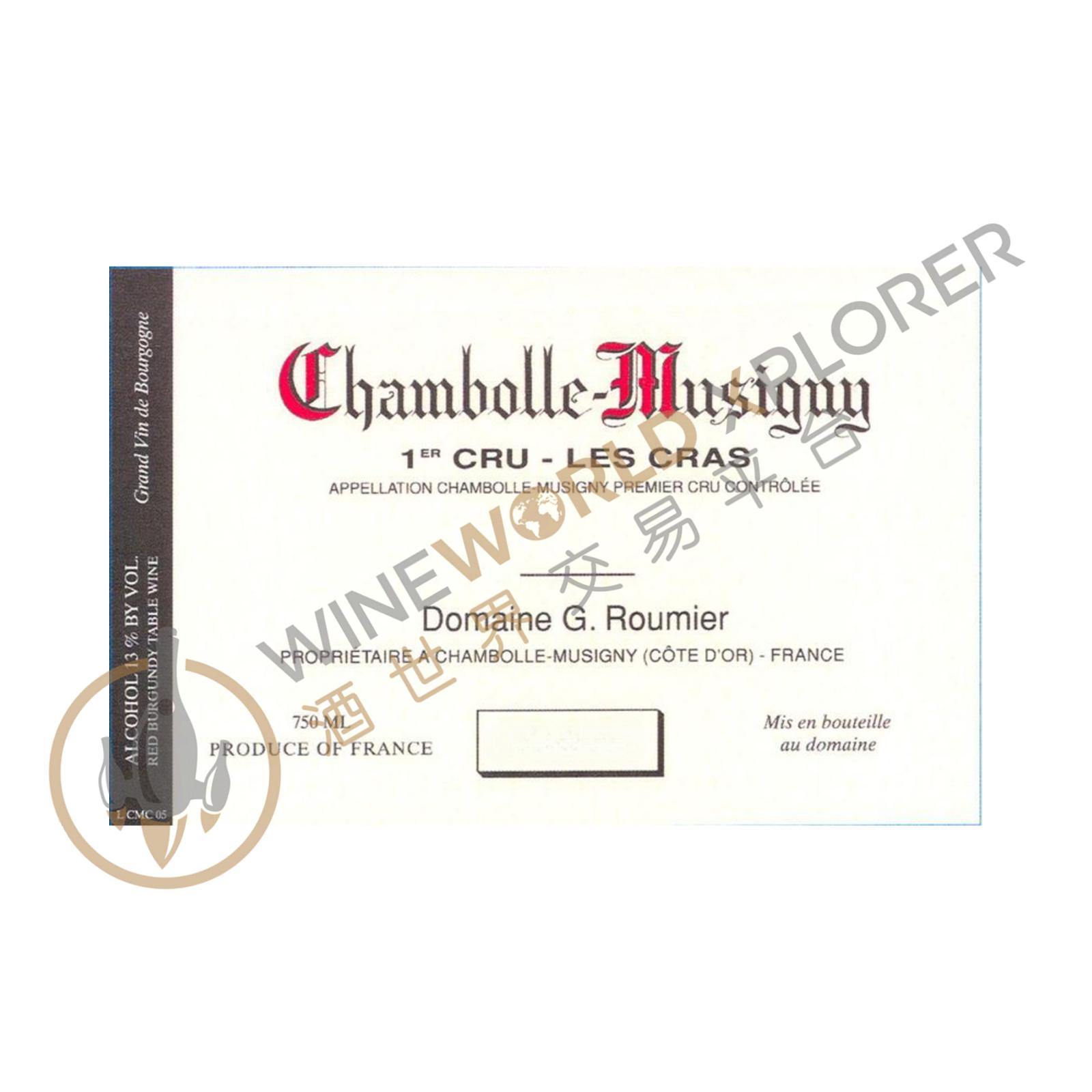
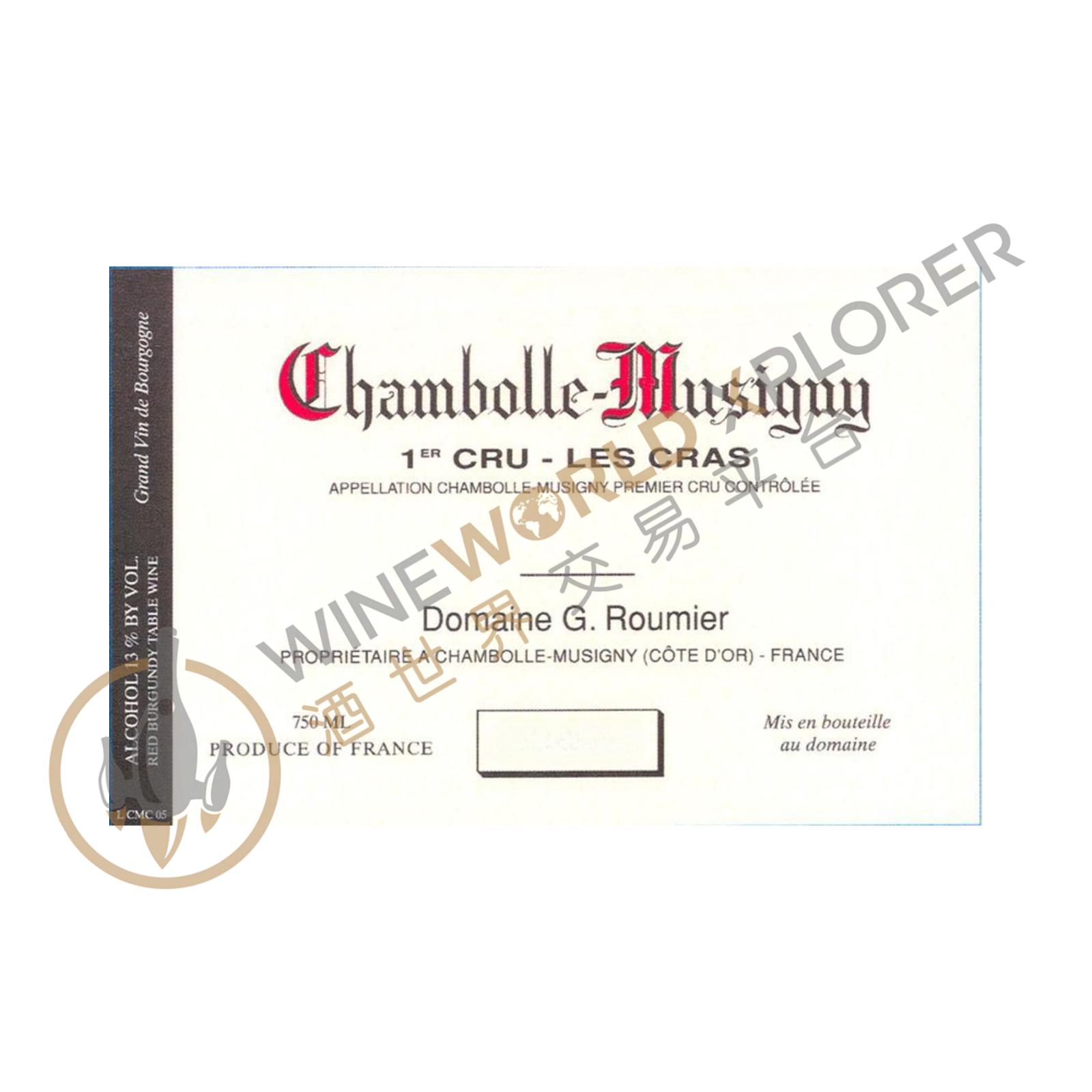
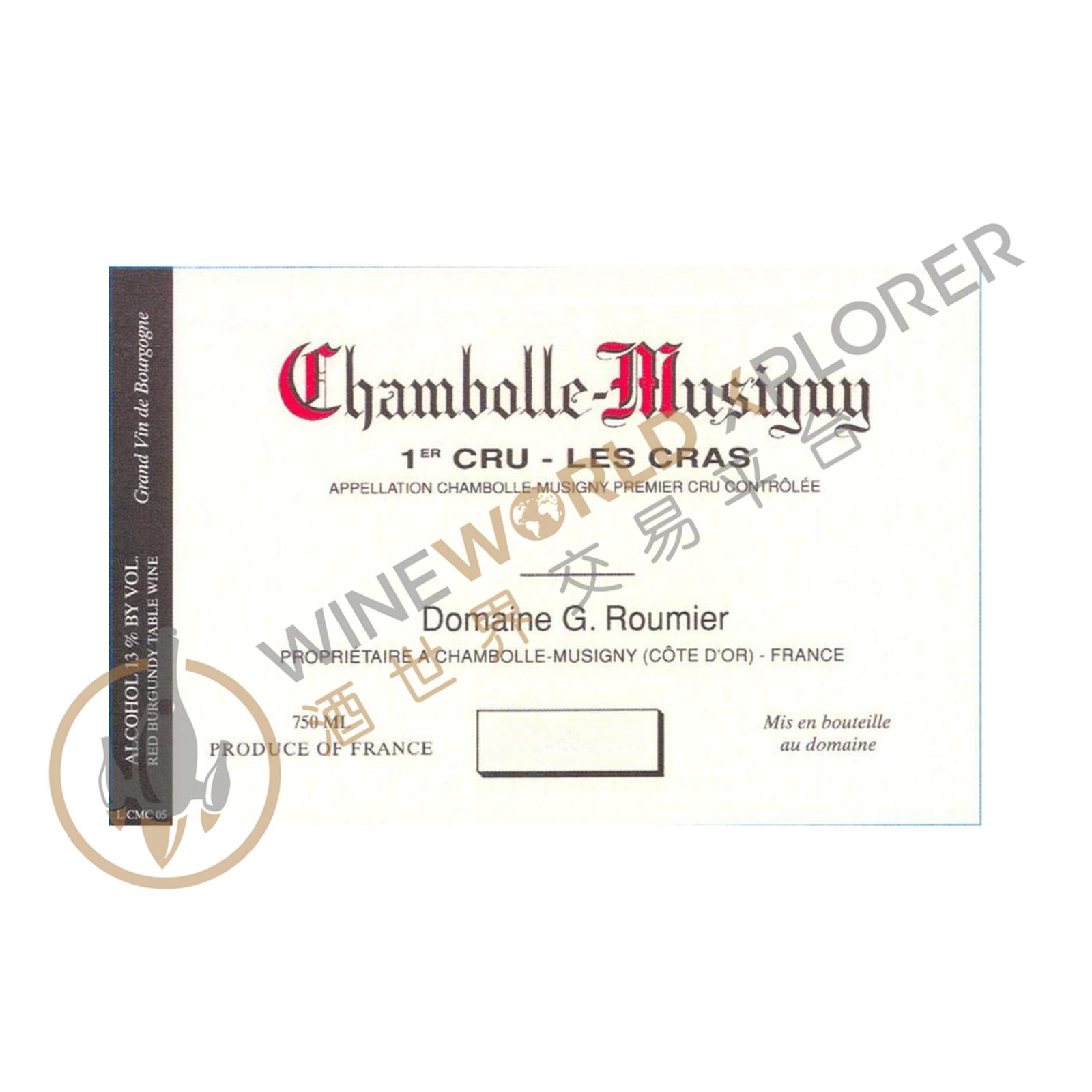
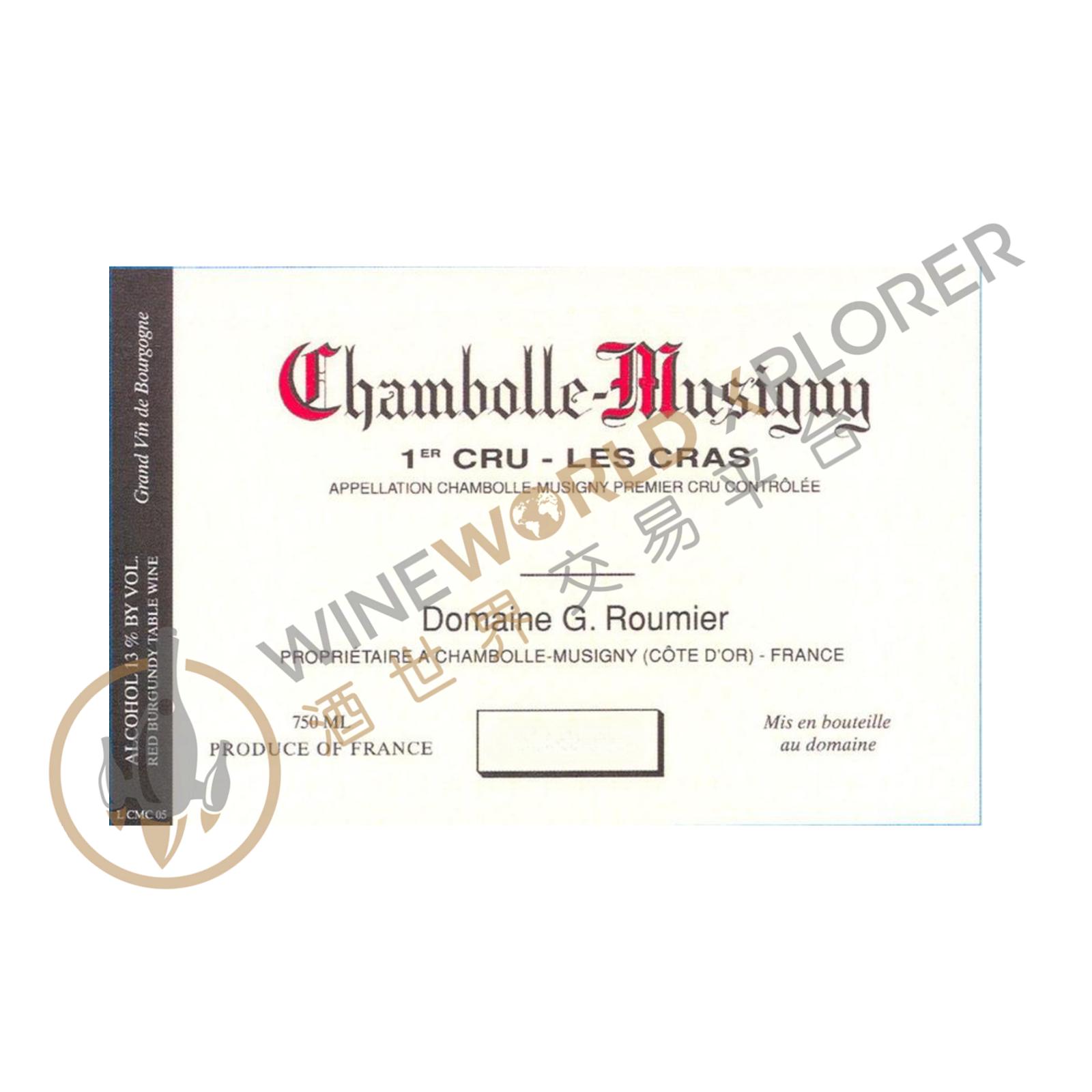
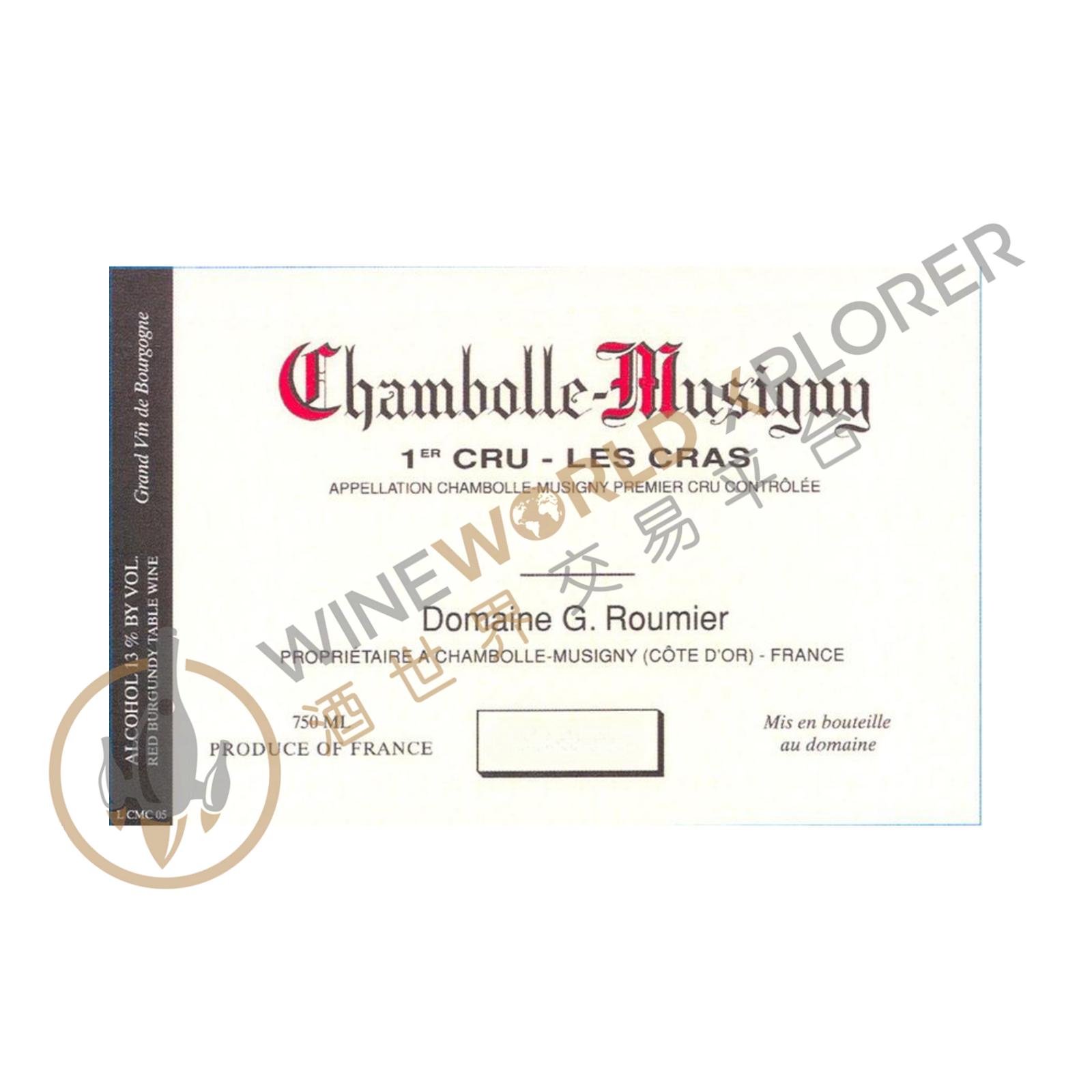
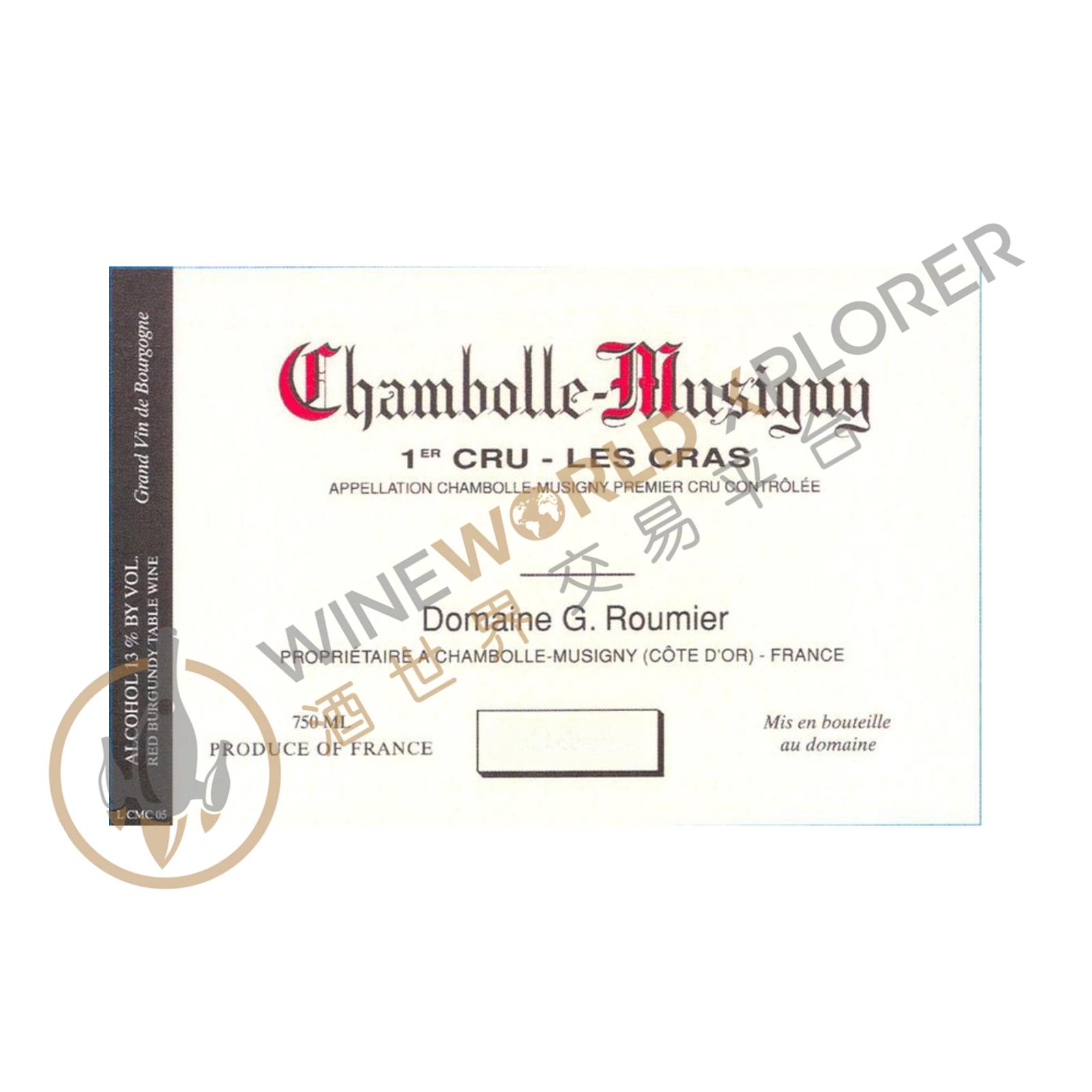
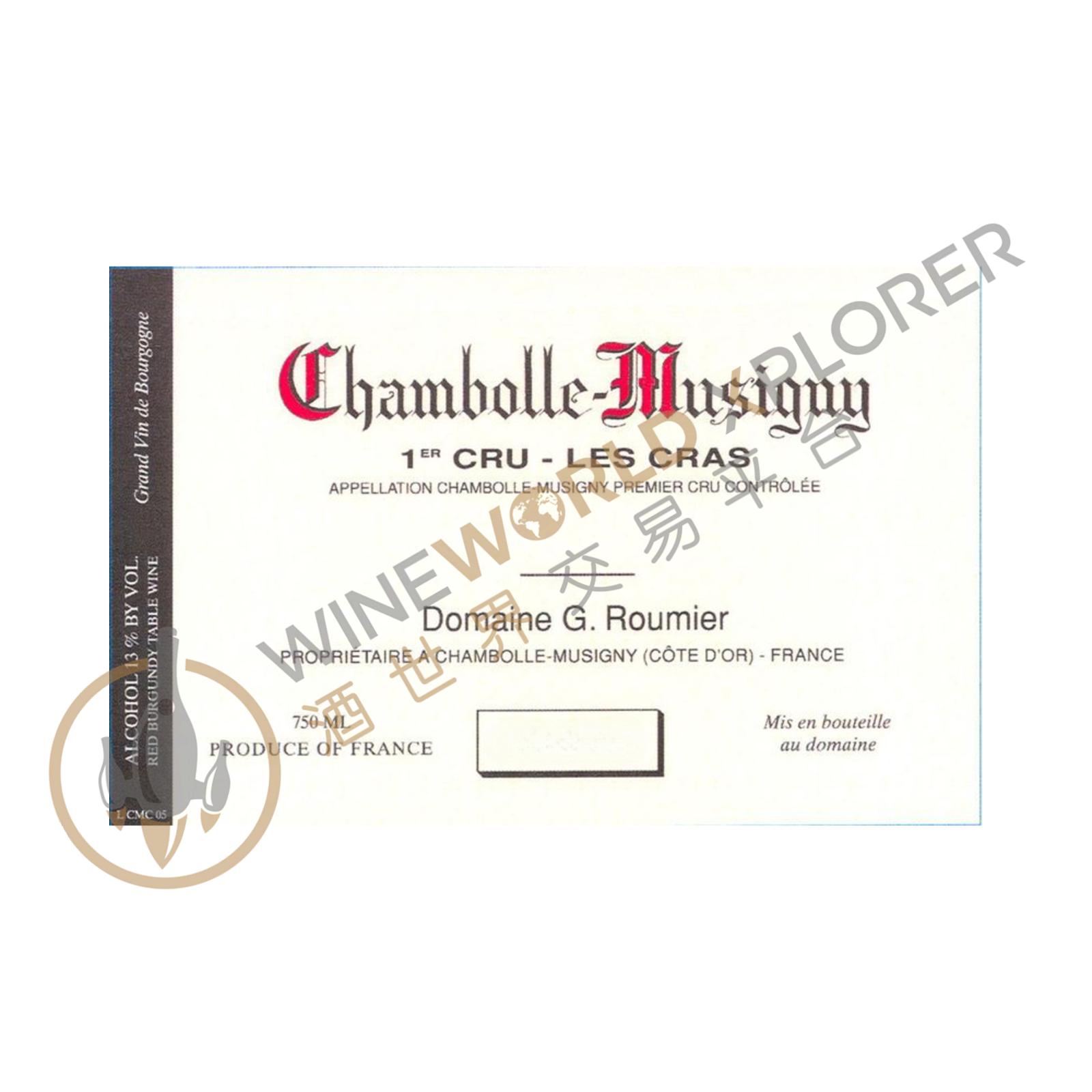
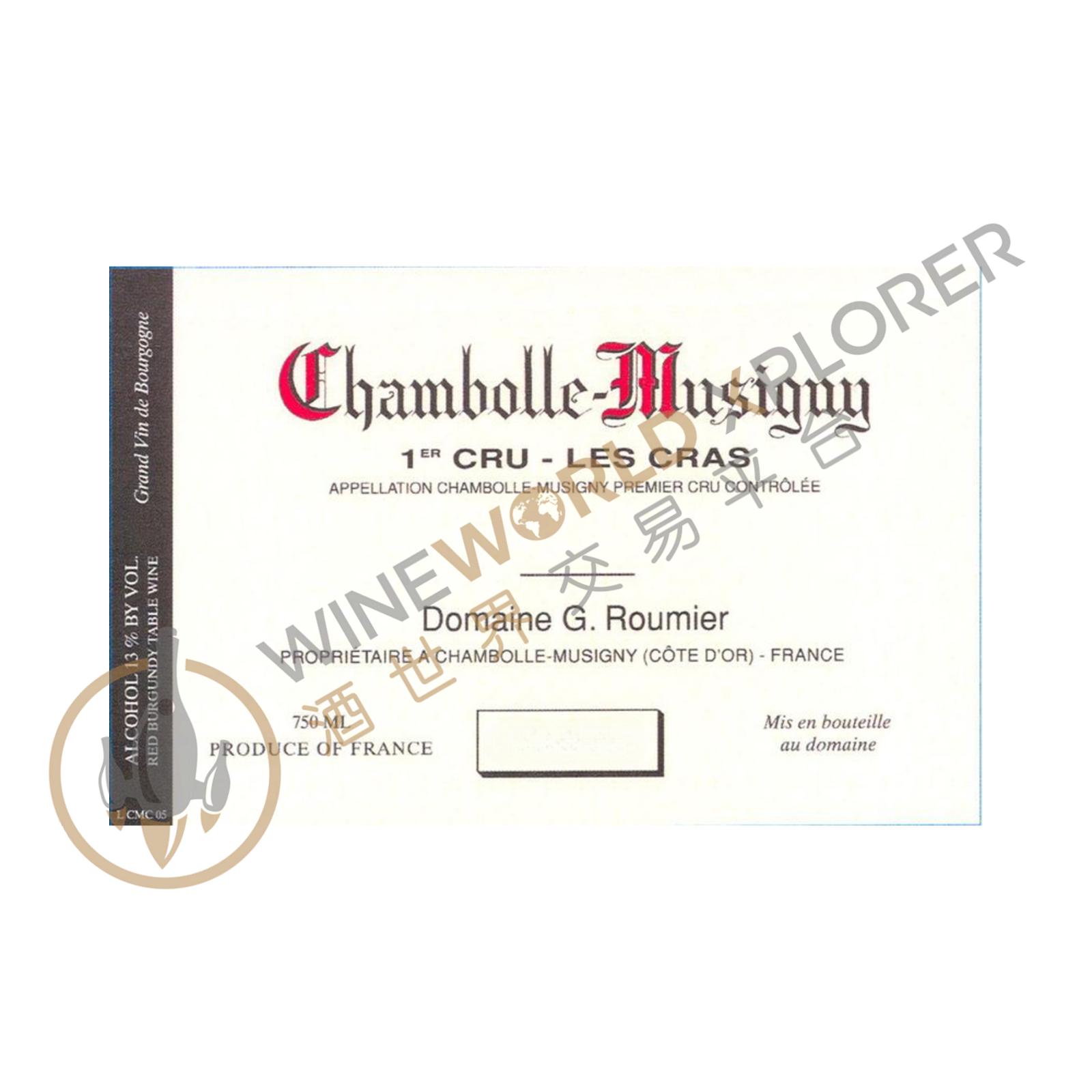
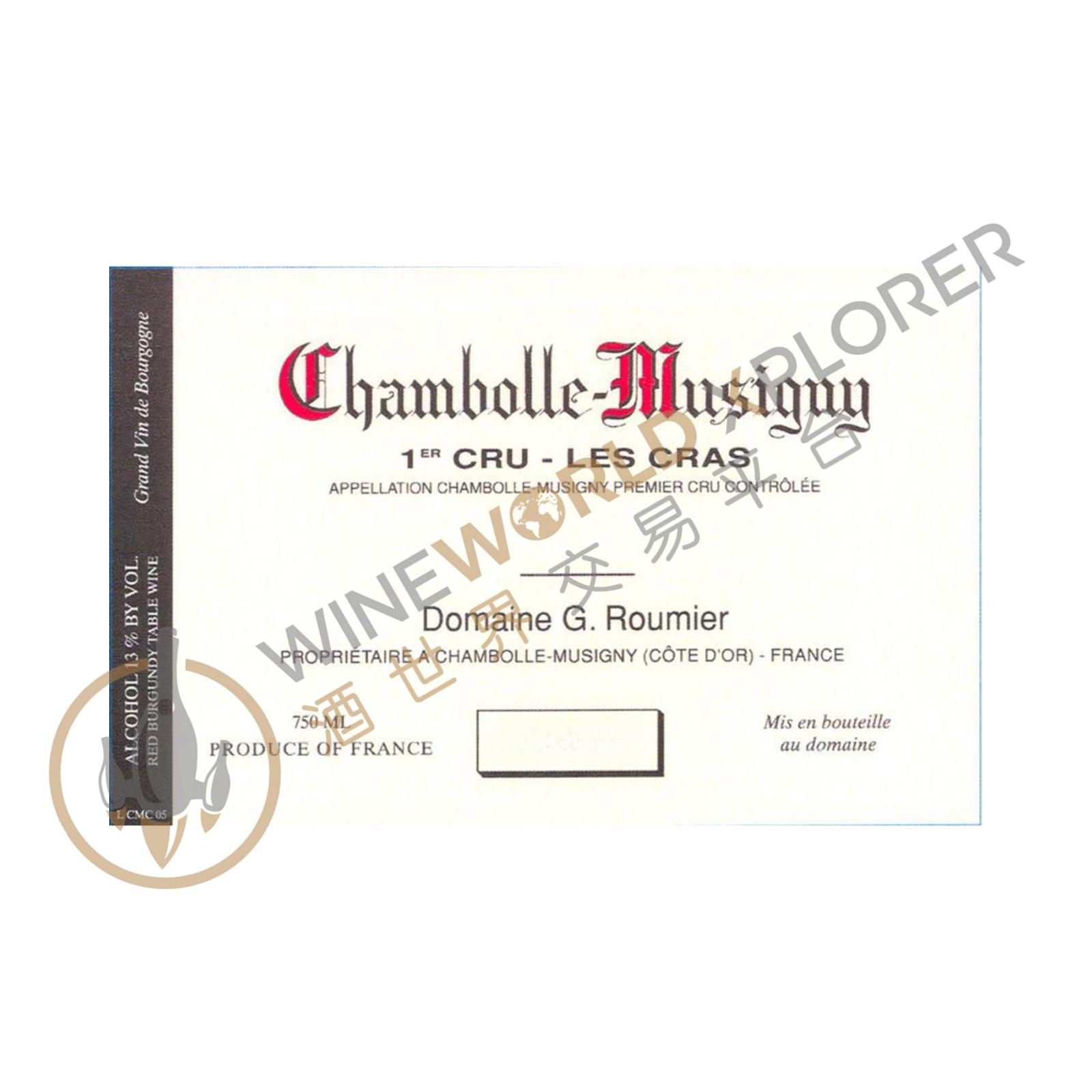
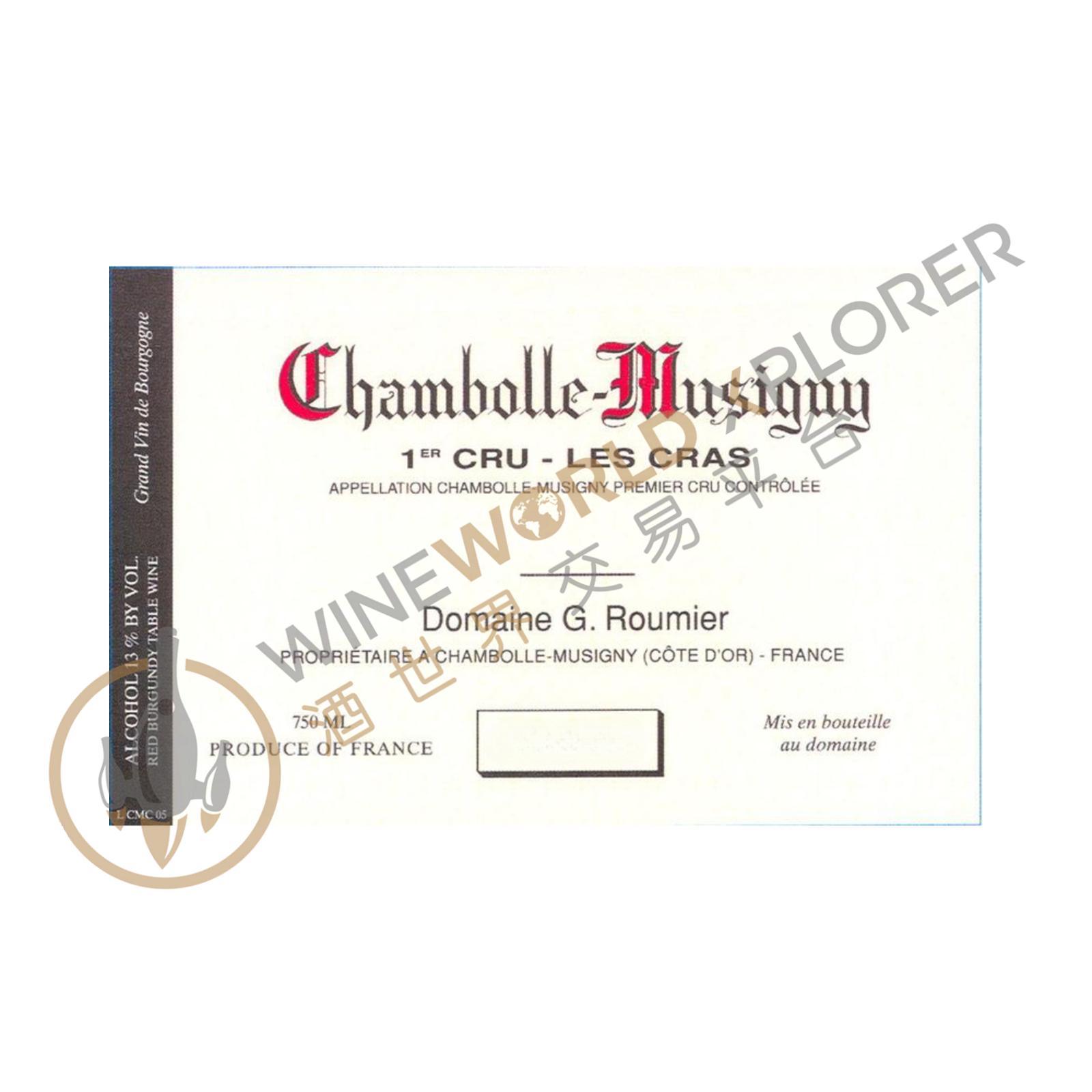
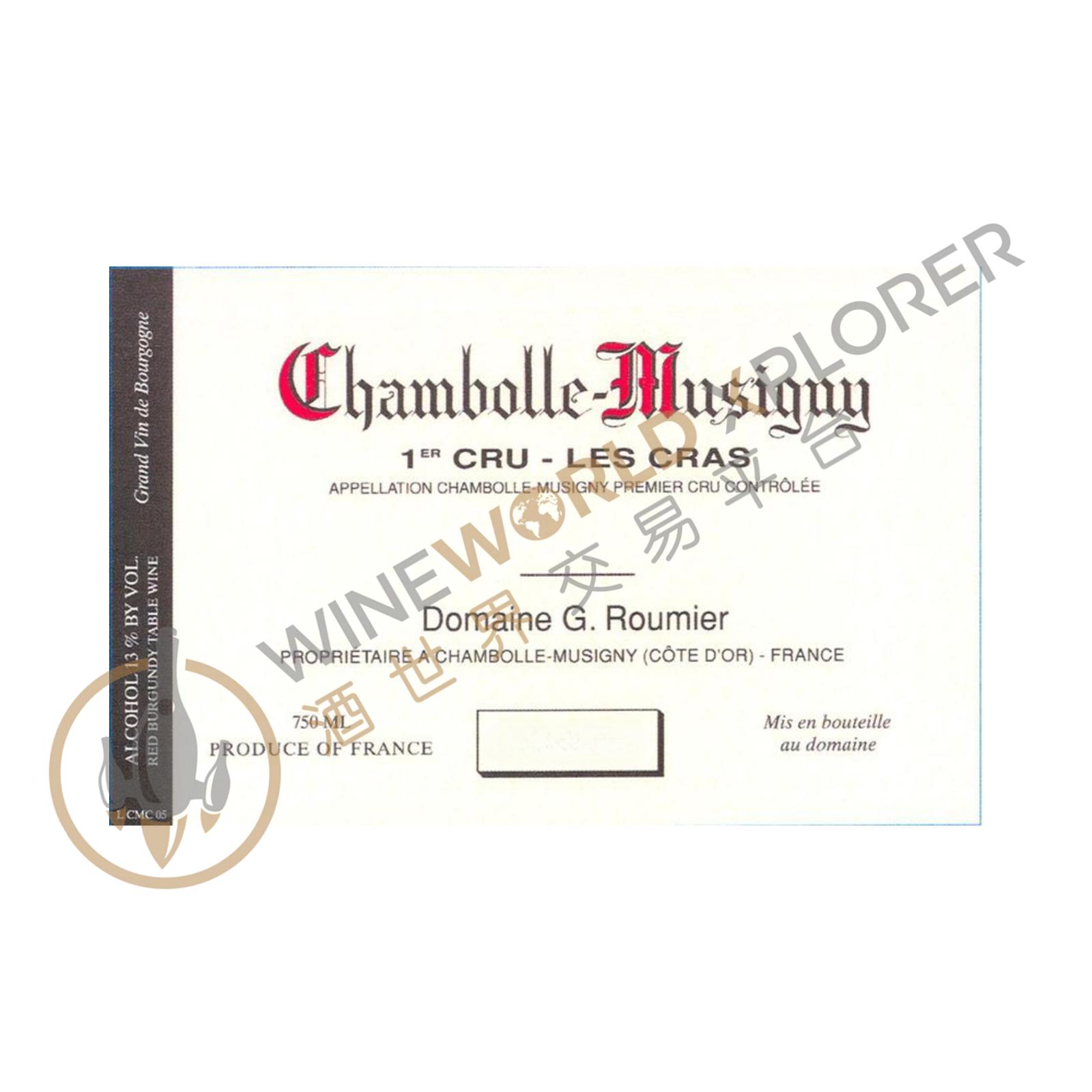
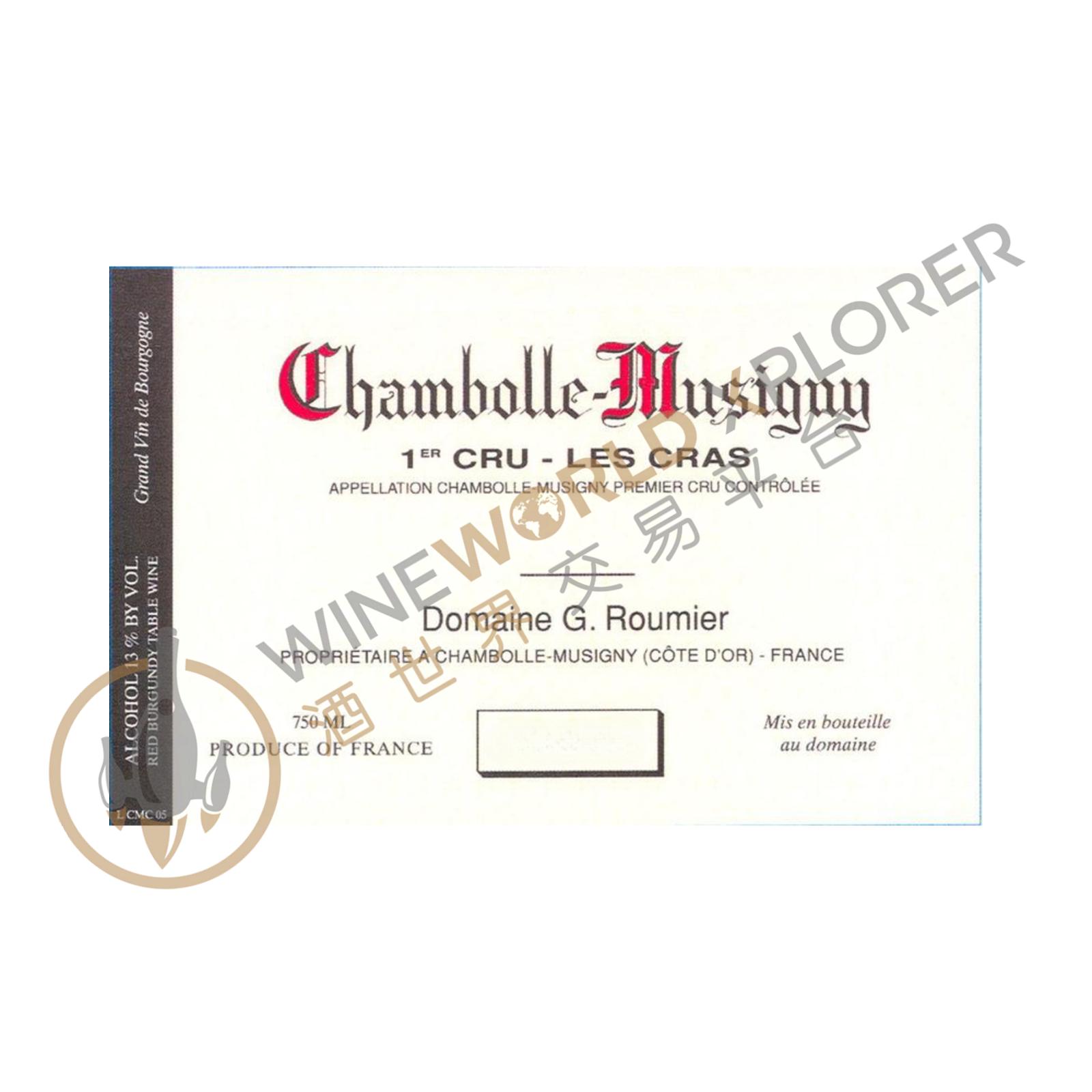
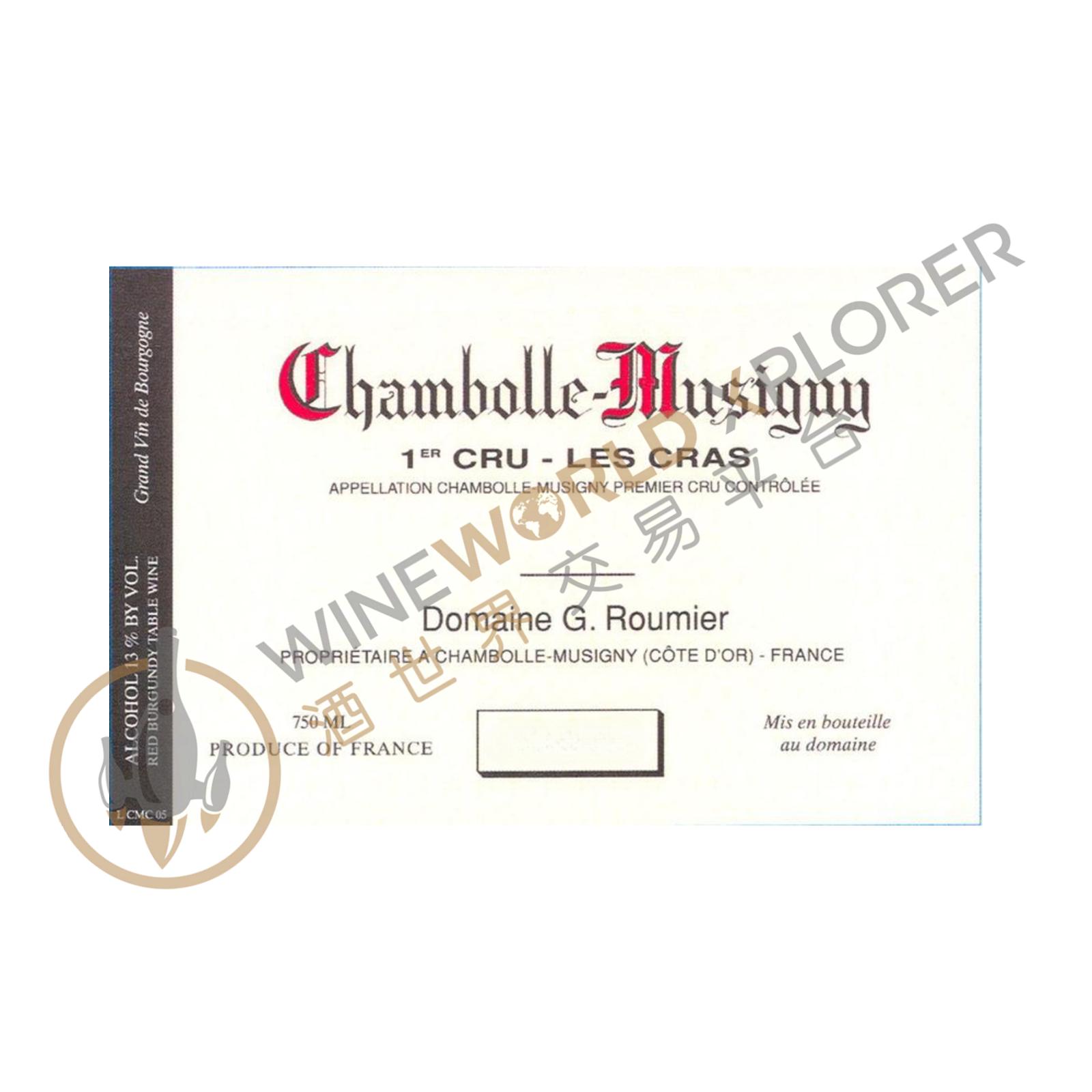
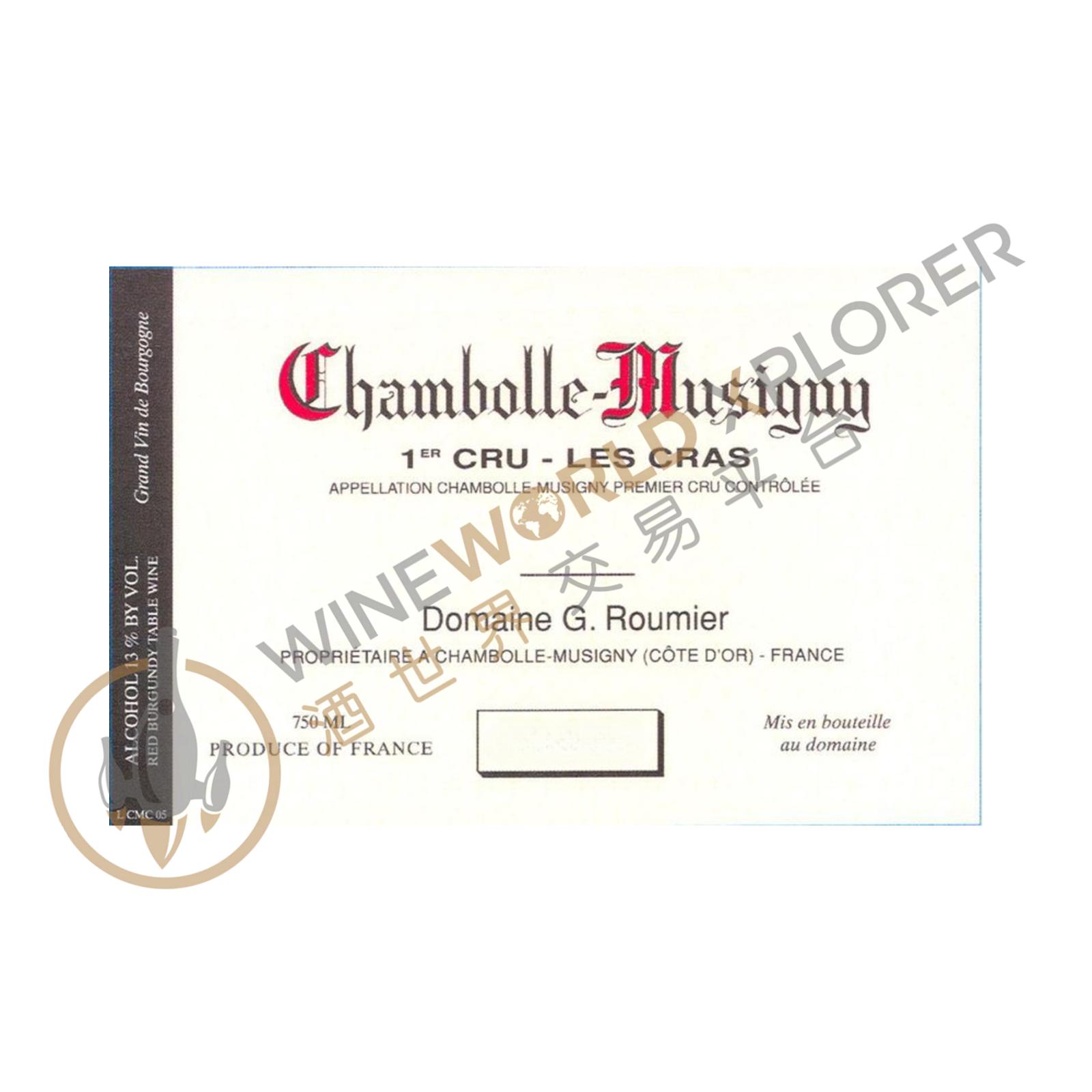
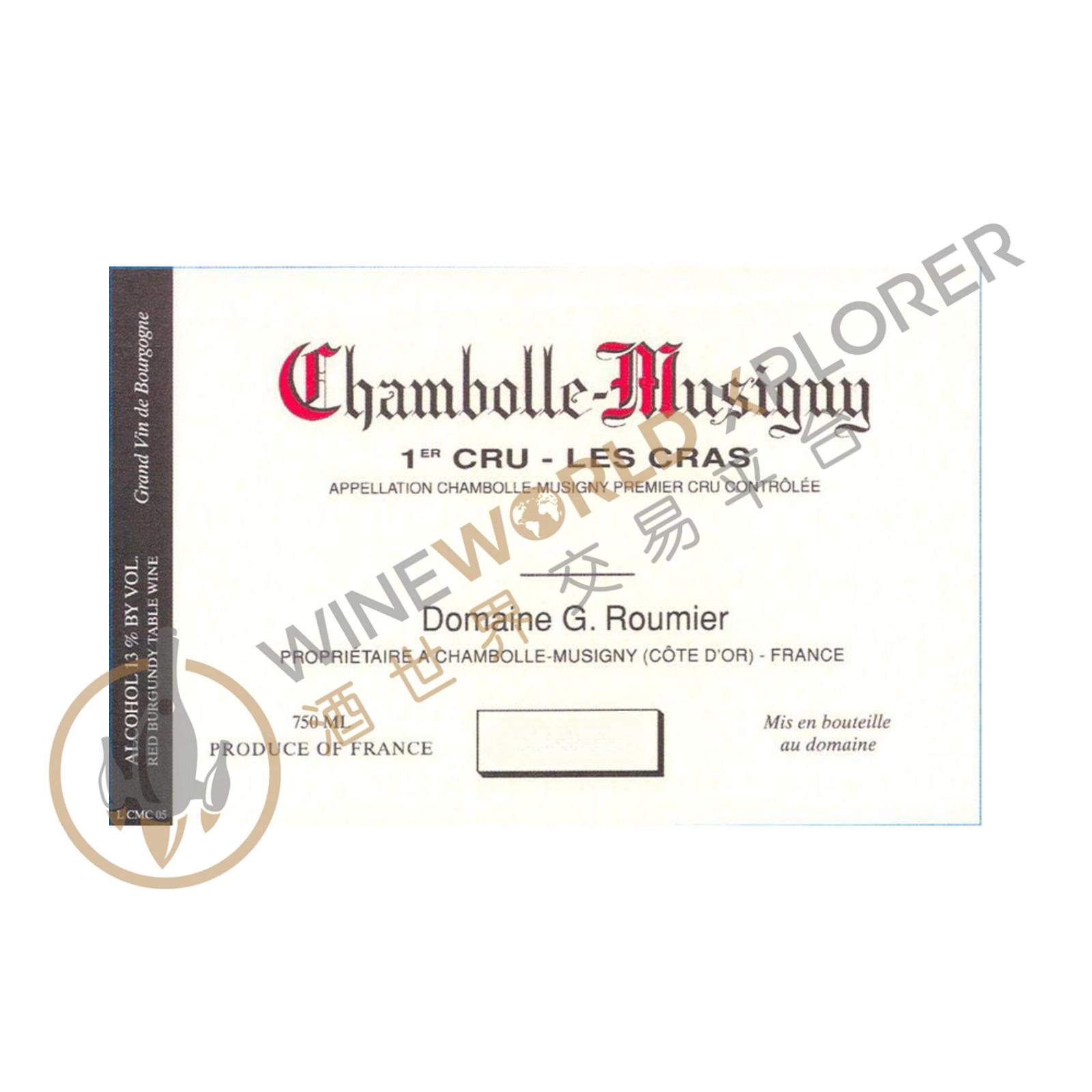
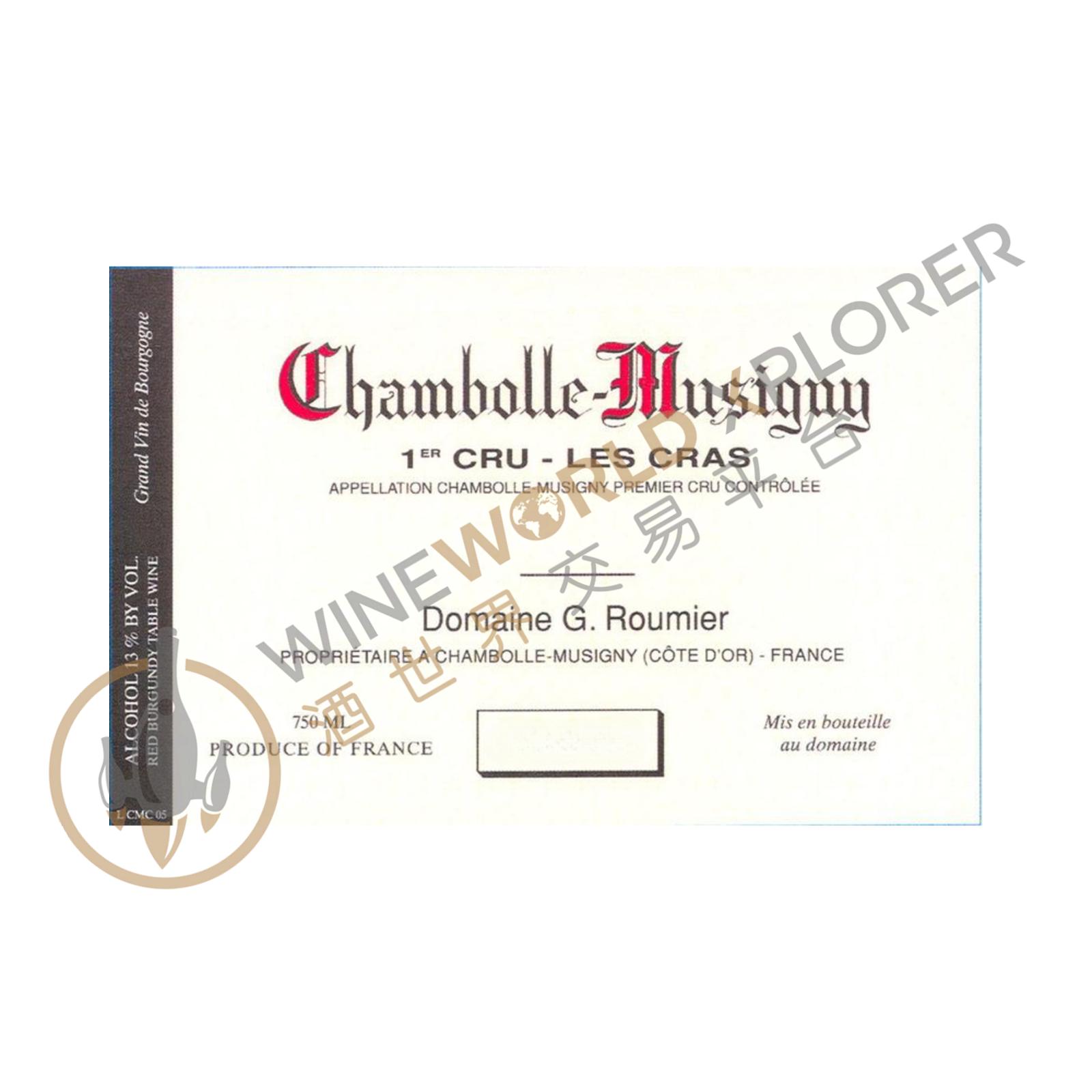
Georges Roumier, Chambolle Musigny 1er Cru Les Cras 2015
 View analysis


Description
Tasting notes

Reviewed by: Neal Martin
The 2015 Chambolle-Musigny Les Cras 1er Cru has a tight, compact bouquet with some oak that needs to be fully subsumed, but there is primal, untamed intensity here. The palate is quite muscular on the entry, almost equidistant in style between Chambolle and Morey, and delivers plenty of substance and grip toward the defined finish. This is a bit of a brute at the moment, but I think it will pull through with bottle age. Tasted blind at the annual Burgfest tasting.
Reviewed by: Stephen Tanzer
(13.55% alcohol; vinified with 53% whole clusters): Bright dark red. Very stony aromas of black raspberry, black pepper and smoky calcaire. Large-scaled, dense, slightly medicinal premier cru with full ripeness but a youthfully clenched quality today. Rather powerful on the back end, finishing with sneaky palate-staining length and fine-grained tannins.
Reviewed by: Stephen Tanzer
(13.4% alcohol): Dark red-ruby. Brown spices and minerals currently dominate dark fruits on the nose. Plush, velvety and full but quite backward in the early going; a distinctly dark style of Chambolle but not yet coming alive. Finishes with substantial ripe tannins and lingering blueberry and spice flavors. This wine will need time in bottle to burn off some of its baby fat.
About the Producer
The domaine was founded in 1924 by Georges Roumier, who began domaine bottling in 1945. He was succeeded in 1957 by his son Jean-Marie and now grandson Christophe, who joined his father in 1982 and took over completely in 1992. Most of the wines are rented (en fermage) from family members although Ruchottes Chambertin is held on a share cropping deal with an external proprietor, Michel Bonnefond. The wines are seductively fruity in their youth yet with excellent ageing potential. The grapes are sorted in the vineyard, with a table de tri at the winery since 2003. They are mostly destemmed, albeit depending on vineyard and vintage, with a few more stems being used recently – then placed in wooden fermenters. The juice is given a cool soak at 15° then allowed to start naturally. The juice is punched down twice a day and temperature controlled so as not to exceed 32°C. There is no great reliance on new wood in the maturation cellar, with 15-25% being used for village wines, 25-40% for premiers crus and no more than 50% for Bonnes Mares. In recent years Christophe has been searching for, and achieving, a greater sense of precision in his wines.
1996(1)1997(1)2002(2)2005(4)2006(4)2007(1)2009(6)2010(3)2011(4)2012(3)2013(6)2014(8)
Package Size