
 Wine Advisor



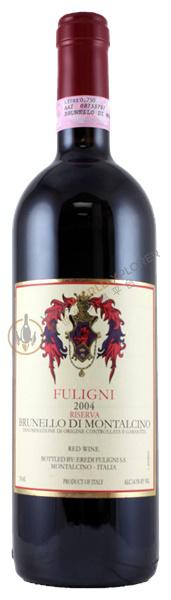
Fuligni, Brunello di Montalcino Riserva DOCG 2016
 View analysis


Description
Tasting notes

Reviewed by: Monica Larner
Here's one of the show-stoppers in this report. The Fuligni 2016 Brunello di Montalcino Riserva is a layered and important wine with deep renderings of wild berry, ripe fruit, oak spice, pressed flowers and garden herbs. This Brunello lives up to its Riserva designation with extra textural richness, more oak definition, structure and a bigger, longer-lasting aromatic profile. The wine closes with hints of cola, rosemary and wild rose.
Reviewed by: Eric Guido
The 2016 Brunello di Montalcino Riserva seduces the senses as it mixes savory and sweet, the dusty rose and crushed stone aromas giving way to wild strawberry and dried cherry. A velvety textural wave saturates the palate with salty minerals and tart raspberry fruits, lifted by stunning acidity and cooling herbal tones that create a cascading feel to the crunchy red fruits. While structured and dry, it"s also incredibly long, crystalline in nature, and lingers on notes of salted licorice and savory spice. This shows all of the best qualities of the vintage, expertly matched to the classic stylings of Fuligni. That said, the 2016 is a sleeping giant, in need of cellaring to show its best. Deciding between this and the estate Brunello from 2016 is like splitting hairs, but what I can say is that the Riserva has the potential for a longer life and possibly a higher score when at full maturity.
Reviewed by: James Suckling
The complexity and beauty of this wine is something else on the nose, offering perfume, cedar, dried flower, black cherry, blueberry and crushed stone. Orange peel, too. Full-bodied with incredible layers of ultra-fine tannins that give this wine horizontal depth that almost seems endless. Extremely long and lightly chewy at the end. This is one for the cellar. Try after 2026.
About the Producer
The Fuligni Family, of ancient Venetian origin, moved to England in the 14th century to lead a Free Company supporting Edward III, receiving favours and honours from the Crown. When the Habsburg-Lorraine became head of the Grand Duchy of Tuscany, Luigi Fuligni moved to Tuscany as a general of the new rulers. The vineyards, of approximately fourteen hectares, are mostly located on the north-eastern slope of Montalcino, with the classic exposure for Brunello. Other vineyards are located south-east, where the soil is mixed (tuff and clay). The vines are on average around 15 years old, although there are some mother vines which are over forty years old and which carry older clones of Sangiovese (with a lower yield per hectare).
