Wine Advisor



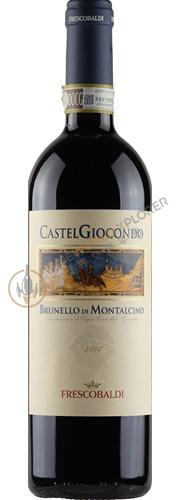
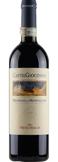
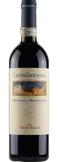
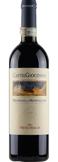
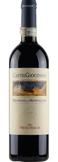
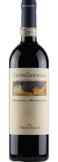
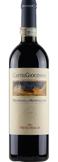
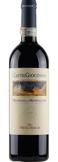
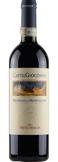
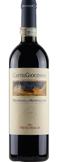
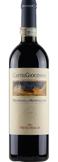
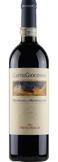
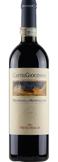
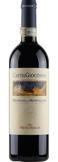
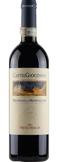
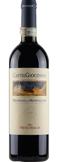
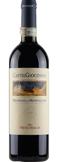
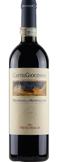
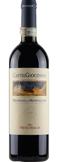
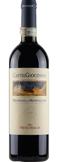
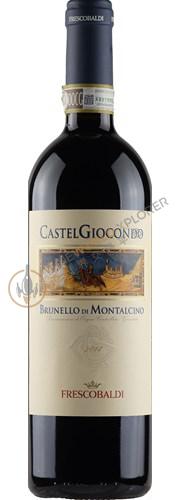
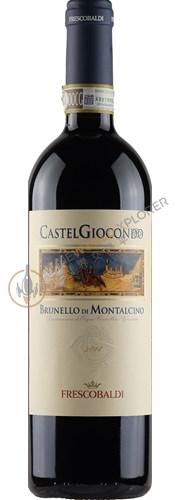
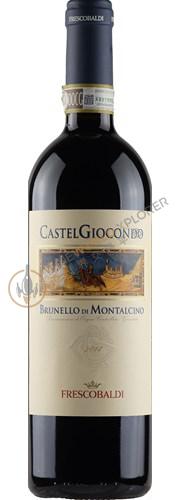
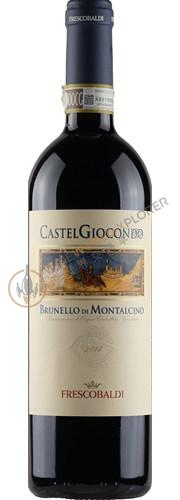
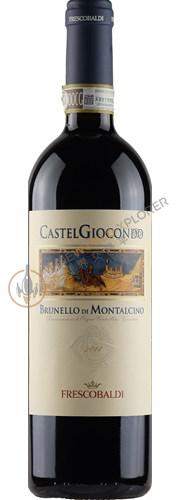
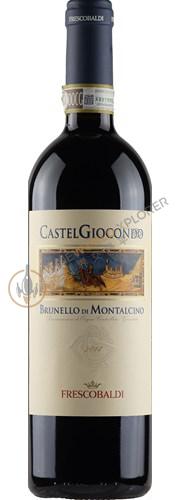
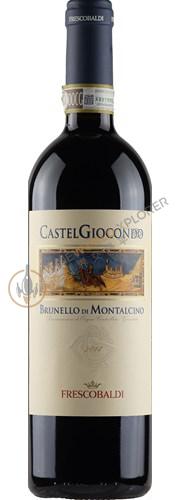
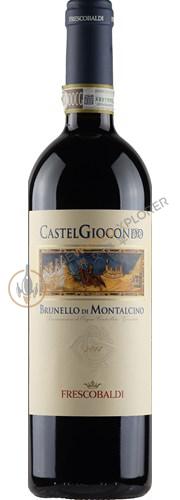
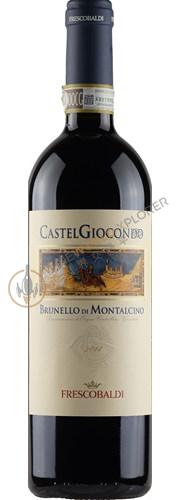
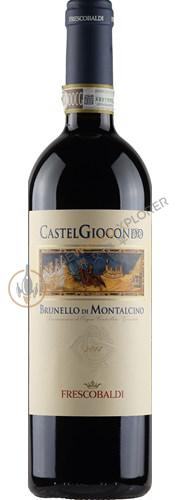
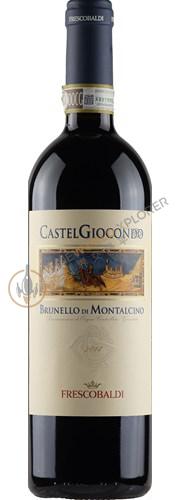
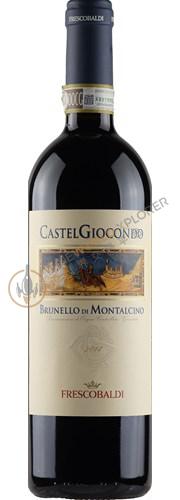
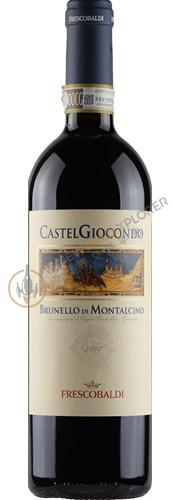
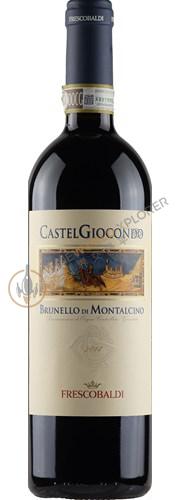
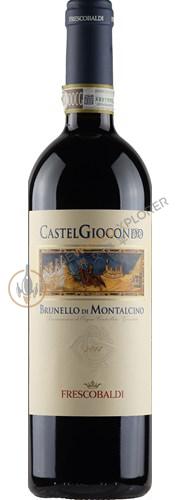
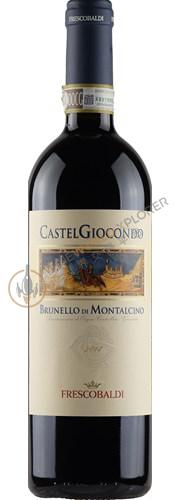
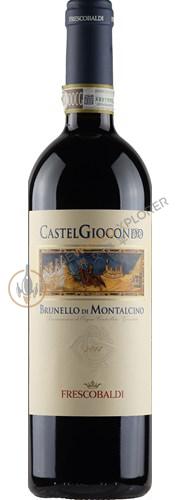
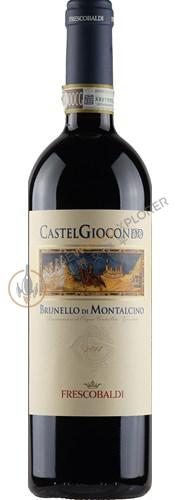
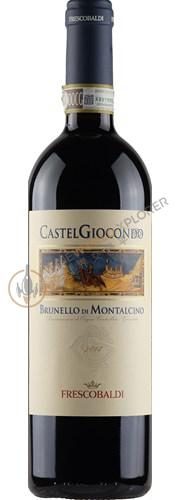
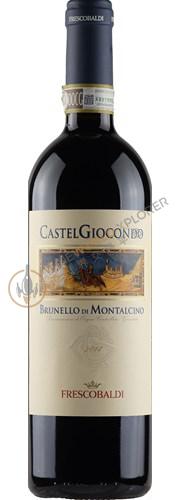
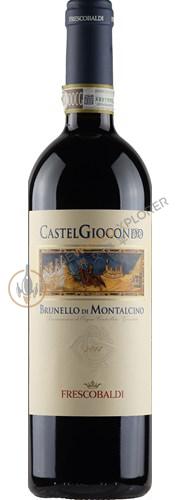
Frescobaldi, CastelGiocondo Brunello di Montalcino 2010
 View analysis


Description
Tasting notes

Reviewed by: Monica Larner
The 2010 Brunello di Montalcino ushers forth a new stylistic chapter in the wines of Marchesi de' Frescobaldi. Gone are those overt oak notes of cinnamon, dark chocolate and moist chewing tobacco. Instead, this fresh and streamlined wine renews its effort to put Sangiovese in prime positioning. The bouquet shows dark cherry, ginger and grilled herb. Instead of immediacy, this wine is engineered for longevity and that comes as a surprise considering that Castelgiocondo has historically been one of the biggest advocates of what is now dubbed "international" Brunello. With the 2010 vintage, this estate goes back to its traditional roots. The wine is young now and needs about five more years to complete its cellar evolution.
Reviewed by: Antonio Galloni
Dark red cherry, smoke, plum, wild flowers and cedar are some of the notes that flesh out in the 2010 Brunello di Montalcino from Castelgiocondo. Ripe, soft and textured on the palate, the 2010 impresses for its silkiness and early approachability. Sweet floral and spiced notes reappear on the finish, adding considerable lift and perfume. This is a lovely showing from Castelgiocondo and the Frescobaldi family.
About the Producer
A commitment to viticulture and to agriculture in general has always been a prominent hallmark of the Frescobaldi family, who have been producing wine in Tuscany for seven hundred years, beginning in the early 1300s. And that family history is filled with illustrious ancestors: literary figures, explorers, musicians, financiers, bishops, and statesmen. The Frescobaldi archives boast many ancient documents and historical registers, such as commercial contracts with an array of European Courts, beginning in the 13th century. In the 15th and 16th centuries, the Florentine wine house furnished wine to the Court of England and to the Papal Court in Rome, amongst others. Even earlier, the Frescobaldis had established relationships and commercial ties with the workshops of numerous artists, among them Donatello, Michelozzo Michelozzi, and Filippo Brunelleschi. Around the year 1000, the first members of the familymoved to Florence from the Val di Pesa, where their most ancient agricultural estate, the Tenuta Castiglioni, still flourishes today. In that era, the cities in Italy’s centre and north were making impressive advances economically, politically, and financially, to the detriment of the then-dominant feudal system. The noble families began settling in the cities, attracted by the commercial and political advantages offered by the urban agglomerations. The Frescobaldis established their presence in the Oltrarno district of Florence, in the Piazza de’ Frescobaldi, where they built their palazzo, covered loggia, and tower. In 1252, Lamberto Frescobaldi constructed the first bridge, built of wood, over the Arno, today’s Ponte Santa Trinita, to connect his own properties with Florence’s historic centre. In 1855, the forebears of the family introduced hitherto unknown vine varietals in Tuscany, including Cabernet Sauvignon, Merlot, Pinot Nero and Chardonnay, paving the way for the future. The 20th century was characterised by the activities of Vittorio, Ferdinando and Leonardo Frescobaldi, who elevated Tuscany to a place of excellence for viticulture. Today, as President, Lamberto Frescobaldi aims to use his significant expertise in the field to further strengthen the uniqueness of the wines of each family estate.