
 Wine Advisor



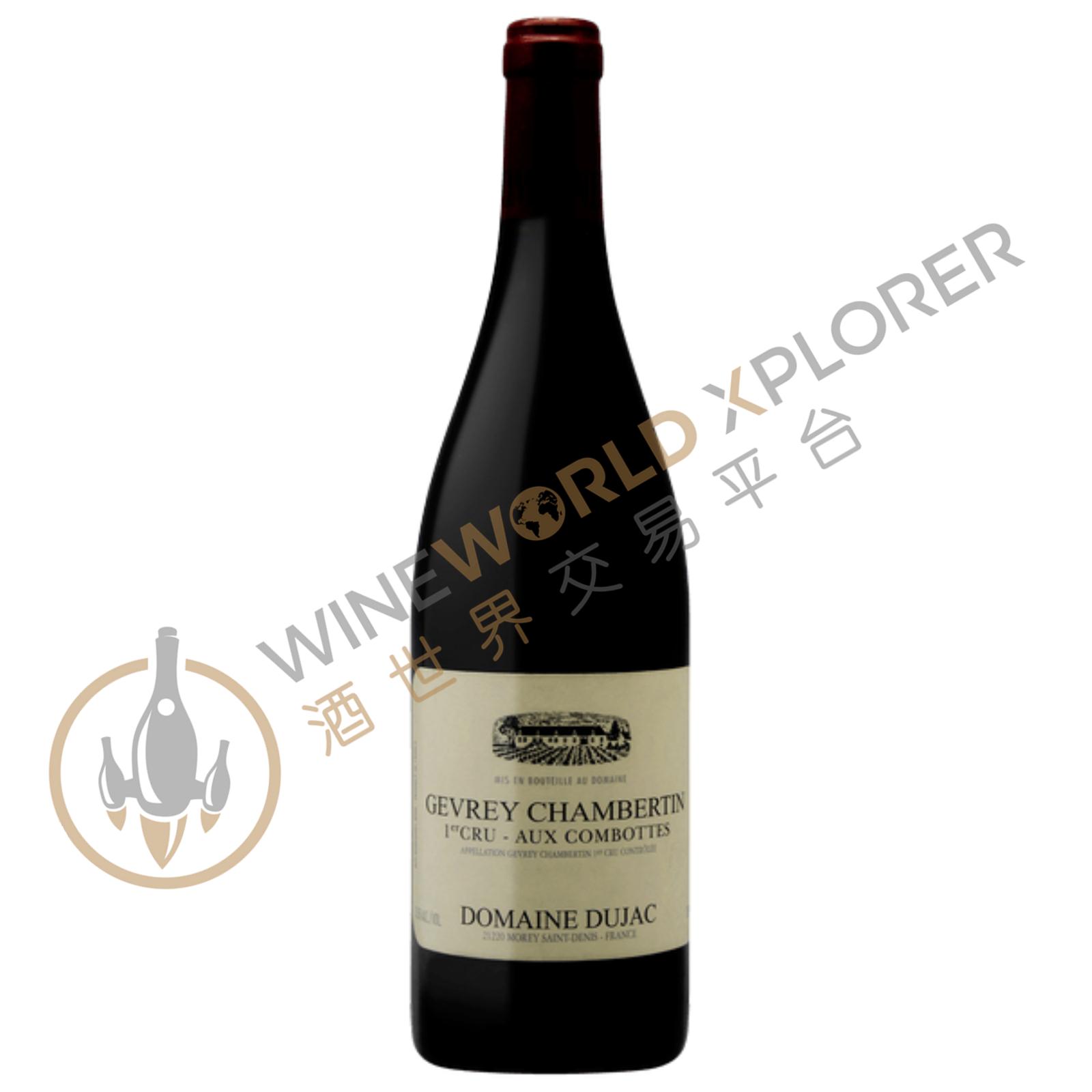
Domaine Dujac, Gevrey Chambertin 1er Cru Aux Combottes 2013
 View analysis


Description
Tasting notes

Reviewed by: Neal Martin
The 2013 Gevrey-Chambertin 1er Cru Aux Combottes (my sample taken from a new cask) has a fragrant, well-defined bouquet with pure raspberry preserve and crushed strawberry scents. There is palpable mineralité here. The palate has a firm grip on the entry, fine density with a straightlaced, lightly peppery finish that lingers nicely. I would have liked more depth toward the finish considering this is a Premier Cru, but let us see if this develops during the remainder of its barrel maturation.
Reviewed by: Neal Martin
Tasted blind at the Burgfest tasting in Beaune, the 2013 Gevrey Chambertin 1er Cru aux Combottes has a light, unpretentious, cranberry and strawberry nose with undergrowth/woodland scents coming through with aeration. It would benefit from more vigor (though that usually comes later with Dujac's wines). The palate is medium-bodied with supple tannin, not as harmonious as its peers, a little edgy and angular at the moment. My main gripe at the moment is that it just cuts away a little short on the finish, leaving you wanting more. There were other Dujac 2013s that showed better. Tasted September 2016.
Reviewed by: Stephen Tanzer
The 2013 Gevrey-Chambertin Aux Combottes is impressive. Power and explosive to the core, with fabulous energy, the Combottes is wonderfully alive in the glass. The 2013 is intensely perfumed and light on its feet, which is to say very much in the style of the year. Deceptively medium in body, the 2013 boasts notable depth, especially on the finish, where a crescendo of flavors and textures is utterly captivating.
About the Producer
Domaine Dujac is managed by the Seysses family. It was founded in 1967 by Jacque Seyesses. At the beginning, Château Dujac had only 4.5 hectares of vineyards in Morey-Saint-Denis. The vineyards were expanded with the purchase of Echezeaux, Bonnes MaresChambertin, Romanee St Vivant and Vosene-Romanee. The estate also owns 1.95 hectares of vineyards in the Clos de la Roche, where the vines are on average 45 to 50 years old. The estate also has 1.45 hectares of vineyards in Clos Saint-Denis, with vines of an average age of 45 to 50 years. In 2005, Château Dujac, together with Chateau de Puligny-Montrachet, acquired Domaine Charles Thomas, acquiring Charles Thomas' shares in the vineyards of Chambertin, Vosne- Romanee and other vineyards. However, the estate sold some of its vineyards after the purchase in order to finance the purchase. However, this acquisition allowed the estate to expand to around 15.5 hectares. Under Jacques' leadership, Château Dujac has developed very well. The grapes were pressed whole and the must was fermented in new oak barrels, and in 1999, when Jacques handed over the running of the estate to his son, the way the estate was made changed dramatically: the grapes were sometimes destemmed and the barrels used for fermentation were probably only 25% new oak. However, the estate's Grand Cru wines are still matured in new oak barrels, while the Grand Cru wines are matured in 60% to 80% new oak barrels. Bottling usually takes place in February or March of the following year. The estate produces around 4,650 bottles/hectare of wine.
