
 Wine Advisor



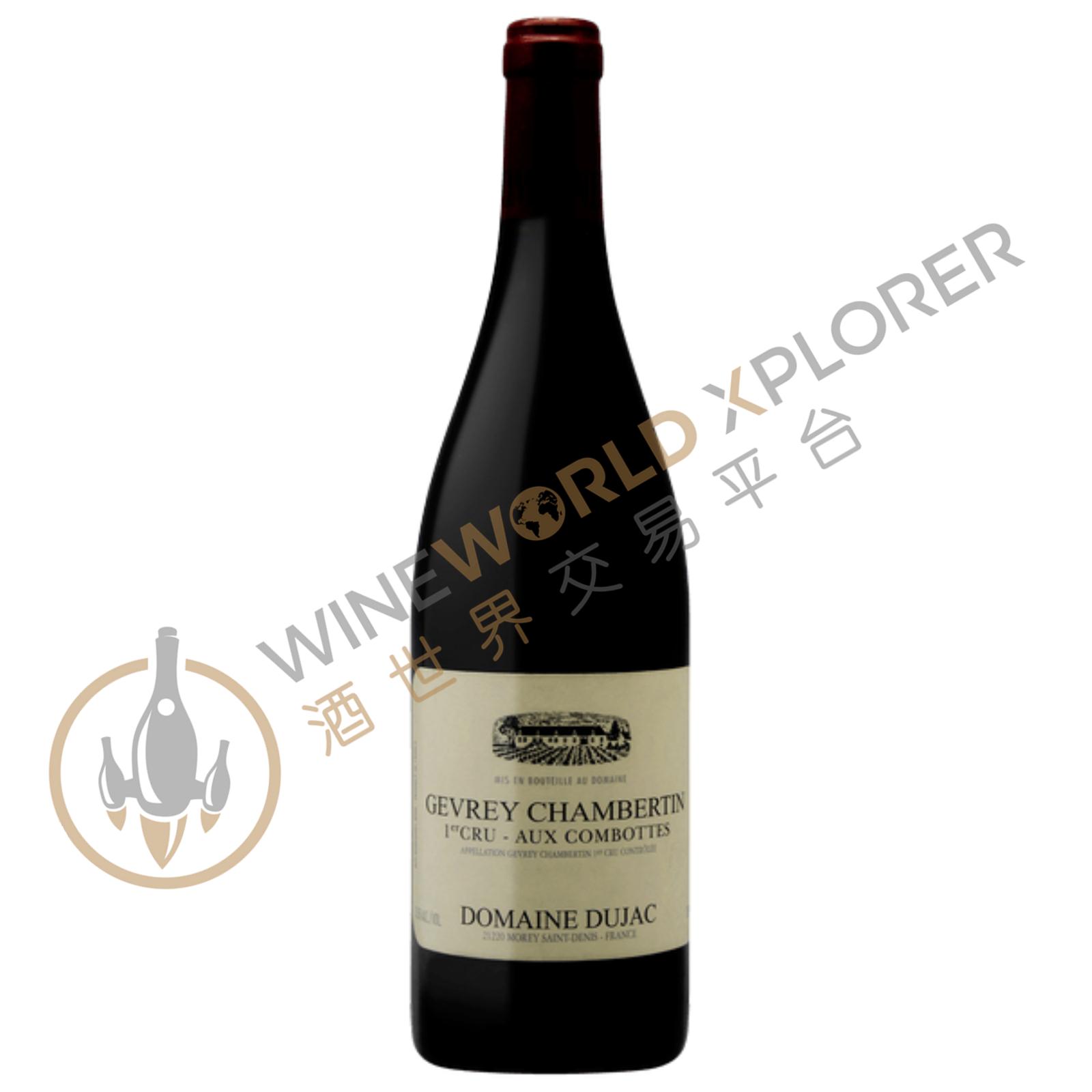
Domaine Dujac, Gevrey Chambertin 1er Cru Aux Combottes 2012
 View analysis


Description
Tasting notes

Reviewed by: Neal Martin
The 2012 Gevrey-Chambertin 1er Cru Les Combottes comes from 1.15-hectares of vineyard, with an average age of 30 years. It has a very precise bouquet that is wonderfully focused: subtle notes of red berry fruit with lifted mineralite. The palate is medium-bodied with fine definition, supple tannins: taut and focused with a linear but very fresh finish. This will probably need four or five years bottle age, but it has great potential. Tasting in the cellars of Domaine Dujac in Morey Saint Denis is always an educational, enlightening experience, granting you a useful picture of how some of the top vineyards performed in the Cote de Nuits during a given year. Alec Seysses was on hand to guide me around his particularly cold cellar, one of those occasions when my warm hands might be bad for pastry, but ideal for warming glasses. “It was the fourth poor year in a row in terms of quantity,” he explained, showing me the concrete eggs now employed at the domaine, a less common sight here in Burgundy compared to Bordeaux. “although in 2012 we had a regular crop of the village crus and the younger vines did well. We averaged around 20 hectoliters per hectare. Everything was racked in early September but there is some reduction from the cold cellar. The softness of the tannins strikes me as a character of the vintage. It is more a dark fruit vintage than a red fruit vintage. Sugars were between 12.5 and 13%, with a few 13.3% here and there. I find the wines similar to 2010, but the 2012 is a little more charming because the tannins are not quite as strong.” Tasting through the complete range of wines from the small batch of negociant wines under “Dujac Fils et Pere” to the clutch of grand crus, it was clear that propitious terroirs that influenced the wines greatly. The village crus were mostly commendable in their own right, but the real excitement begins as you broach the premier crus, where the barrel samples achieve high degrees of complexity and nuance. Like many of the top growers, I was pleased to see individual terroirs articulated with great clarity in 2012, perhaps more so than the 2011s. These barrel samples seemed to contain so much energy: tightly coiled springs of fermented grape juice, brimming with tension and freshness that Jeremy and Alec will endeavor to capture once in bottle. I have little doubt that they will succeed. Importers: The Sorting Table, Napa, CA; tel. (415) 491-4724; Martin Scott Wines, Little Neck, NY; tel. (516) 327-0808; Chambers & Chambers, San Francisco, CA; tel. (415) 642-5500 and though several merchants in the UK including Berry Brother & Rudd.
Reviewed by: Neal Martin
Tasted blind at the annual "Burgfest" tasting in Beaune. The 2012 Gevrey Chambertin 1er Cru Aux Combottes from Domaine Dujac has a lot of reduction on the nose that made it difficult to discern the fruit. The palate is medium-bodied with grainy, quite pronounced tannin. It is a broad-shouldered Combottes but the entire group found it difficult to penetrate through that reduction. I'll refrain from scoring now and wait several years, just like you should too.
Reviewed by: Antonio Galloni
The 2012 Gevrey-Chambertin Aux Combottes shows the pure power and intensity of the year in spades. Dark red stone fruits meld into expressive floral notes, but it is really the wine's energy, depth and textural finesse that stand out most. Readers can look forward to several decades of exceptional drinking.
About the Producer
Domaine Dujac is managed by the Seysses family. It was founded in 1967 by Jacque Seyesses. At the beginning, Château Dujac had only 4.5 hectares of vineyards in Morey-Saint-Denis. The vineyards were expanded with the purchase of Echezeaux, Bonnes MaresChambertin, Romanee St Vivant and Vosene-Romanee. The estate also owns 1.95 hectares of vineyards in the Clos de la Roche, where the vines are on average 45 to 50 years old. The estate also has 1.45 hectares of vineyards in Clos Saint-Denis, with vines of an average age of 45 to 50 years. In 2005, Château Dujac, together with Chateau de Puligny-Montrachet, acquired Domaine Charles Thomas, acquiring Charles Thomas' shares in the vineyards of Chambertin, Vosne- Romanee and other vineyards. However, the estate sold some of its vineyards after the purchase in order to finance the purchase. However, this acquisition allowed the estate to expand to around 15.5 hectares. Under Jacques' leadership, Château Dujac has developed very well. The grapes were pressed whole and the must was fermented in new oak barrels, and in 1999, when Jacques handed over the running of the estate to his son, the way the estate was made changed dramatically: the grapes were sometimes destemmed and the barrels used for fermentation were probably only 25% new oak. However, the estate's Grand Cru wines are still matured in new oak barrels, while the Grand Cru wines are matured in 60% to 80% new oak barrels. Bottling usually takes place in February or March of the following year. The estate produces around 4,650 bottles/hectare of wine.
