
 Wine Advisor



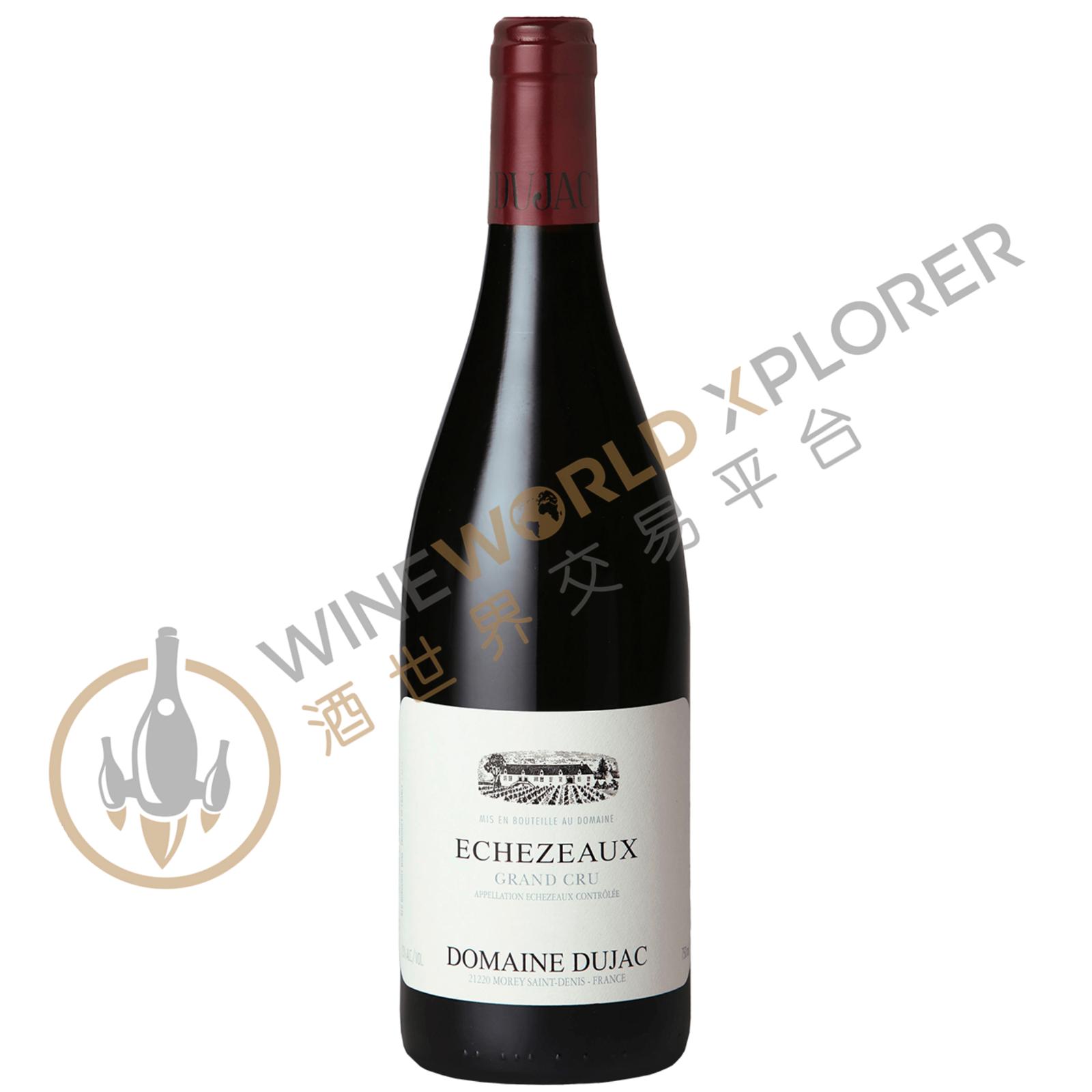
Domaine Dujac, Echezeaux Grand Cru 2016
 View analysis


Description
Tasting notes

Reviewed by: Neal Martin
The 2016 Echézeaux Grand Cru was reduced by 50% due to frost. It has quite a closed, quite broody bouquet that takes time to open. This is actually not unlike a Malconsorts. However, the palate is very classy with a fine line of acidity, red and black fruit mingling together with a saline, marine-like finish that defines the final third. It does not quite possess the effortless harmony and focus of the Aux Malconsorts. But it has a satisfying focus with impressive length, to wit, a great success considering the growing season.
Reviewed by: Stephen Tanzer
(the estate's vines in the lieu-dit Les Champs Traversins lost about 35% of their fruit to the frost): Healthy medium-deep red. Darker on the nose than usual for the Dujac Echézeaux, offering musky scents of black raspberry and licorice. Rich, thick, seamless wine with lovely sweetness and a savory complexity; strong in extract but not particularly clenched in the early going. Finishes with ripe, dusty, chocolatey tannins, a slightly roasted fruit element and excellent length. This will need time in bottle to harmonize.
About the Producer
Domaine Dujac is managed by the Seysses family. It was founded in 1967 by Jacque Seyesses. At the beginning, Château Dujac had only 4.5 hectares of vineyards in Morey-Saint-Denis. The vineyards were expanded with the purchase of Echezeaux, Bonnes MaresChambertin, Romanee St Vivant and Vosene-Romanee. The estate also owns 1.95 hectares of vineyards in the Clos de la Roche, where the vines are on average 45 to 50 years old. The estate also has 1.45 hectares of vineyards in Clos Saint-Denis, with vines of an average age of 45 to 50 years. In 2005, Château Dujac, together with Chateau de Puligny-Montrachet, acquired Domaine Charles Thomas, acquiring Charles Thomas' shares in the vineyards of Chambertin, Vosne- Romanee and other vineyards. However, the estate sold some of its vineyards after the purchase in order to finance the purchase. However, this acquisition allowed the estate to expand to around 15.5 hectares. Under Jacques' leadership, Château Dujac has developed very well. The grapes were pressed whole and the must was fermented in new oak barrels, and in 1999, when Jacques handed over the running of the estate to his son, the way the estate was made changed dramatically: the grapes were sometimes destemmed and the barrels used for fermentation were probably only 25% new oak. However, the estate's Grand Cru wines are still matured in new oak barrels, while the Grand Cru wines are matured in 60% to 80% new oak barrels. Bottling usually takes place in February or March of the following year. The estate produces around 4,650 bottles/hectare of wine.
