
 Wine Advisor



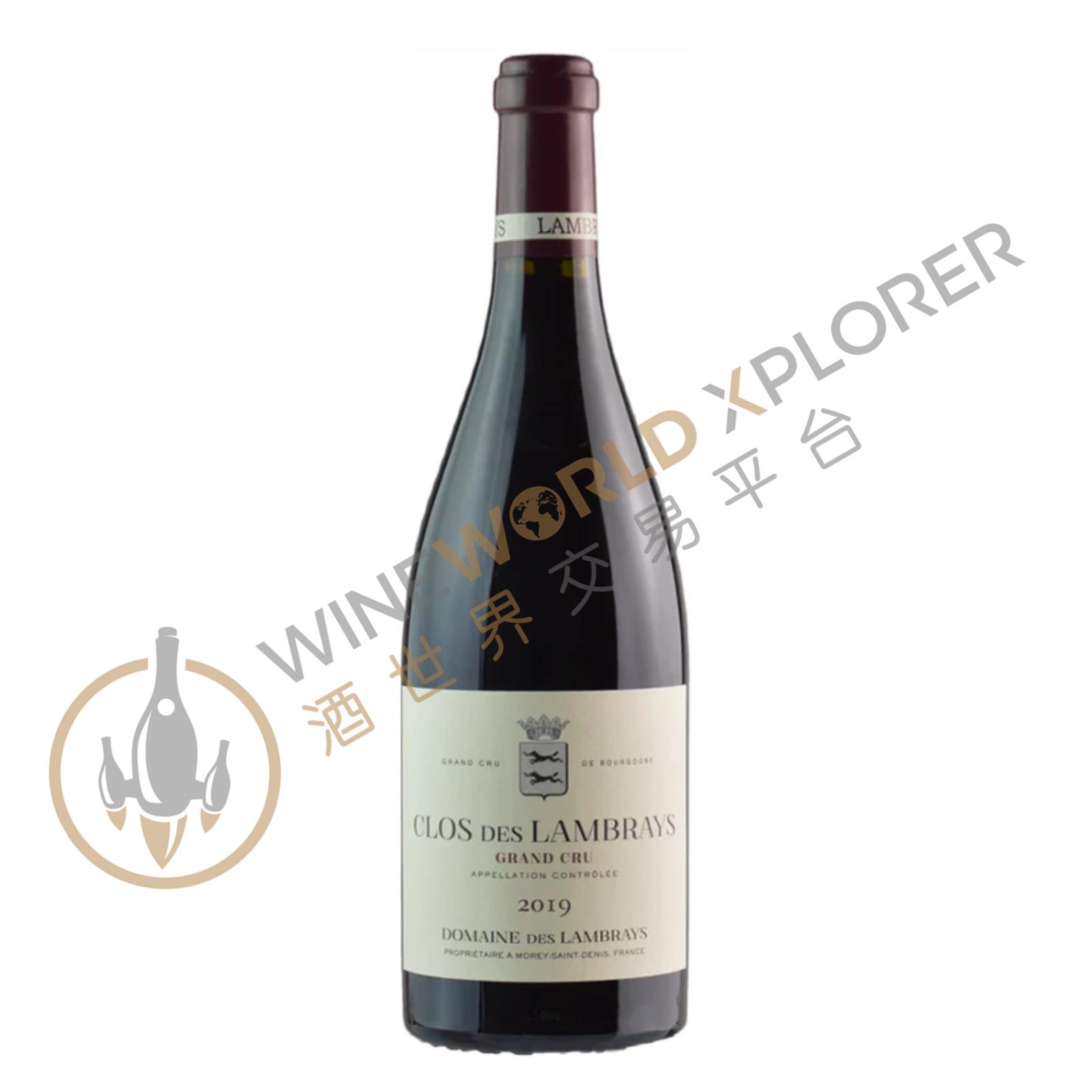
Domaine des Lambrays, Clos des Lambrays Grand Cru 2002
 View analysis


Description
Tasting notes

Reviewed by: Neal Martin
Tasted at Goedhuis’s Burgundy tasting at the Saatchi Gallery. The 2002 Clos des Lambrays is a touch more taciturn on the nose compared to the 2004 with light cherry tomato, chalk dust, grass clippings and crushed stone. The palate is medium-bodied with firm tannins, just a touch of bitterness although that appears to ebb with continued aeration. Good weight, a noticeable citric thread here with touches of nougat interlacing the tart cherry finish that displays good persistency and increases in volume with each swirl of the glass. This is a mercurial Clos des Lambrays, but one that is utterly fascinating. Drink now-2018. Tasted March 2010.
Reviewed by: Pierre Rovani
The medium to full-bodied 2002 Clos des Lambrays sports a nose of freshly laid asphalt, spices, and blackberries. Rich, waxy, and firm, its character offers flavors reminiscent of blackberries, cassis, mocha, chocolate, tar, and licorice. Its firm yet ripe personality will repay patience. Anticipated maturity: 2007-2014. Importer: Weygandt-Metzler, Peter Weygandt, Unionville, PA; tel. (610) 486-0800
Reviewed by: Neal Martin
A moderate nose of wild strawberry with a touch of saddle-leather. Again, it lacks harmony and is somewhat dry on the finish. Lacks roundness and verve. Very average – not sure about this sample. Tasted January 2004.
Reviewed by: Stephen Tanzer
Good medium red; not particularly saturated but with a healthy rim. Alluringly scented, wild-yet-somehow-refined aromas of musky raspberry, strawberry, rose petal, brown spices, cedar, underbrush and coffee; this smells sweet! Silky, stylish and weightless, showing lovely stemmy definition and lift to its flavors of wild red berries, mocha and dried flowers. Not a particularly dense or fleshy style but an alluring, vibrant drink that's perfect right now. In fact, in spite of its intense fruit component this wine may only thin out from here. This subtle, elegant Clos des Lambrays finishes with a firm dusting of tannins and a light touch. (13.7% alcohol; 3.59 pH; 3.5 g/l acidity)
About the Producer
At the heart and the summit of the estate visitors will find the eponymous Clos. There are also two plots of the Morey-Saint-Denis Premier Cru and four plots of the Morey-Saint-Denis village, all of them planted with Pinot noir. With the acquisition of a few “ouvrées” of Chardonnay of two “Climats” classified as Premier Cru in Puligny-Montrachet, les Folatières and the Clos du Cailleret, the estate is now complete. The estate also boasts a castle and its ancient cellar, dating back to the seventeenth century, and of one of the most beautiful gardens of the region. The garden features a three hundred year old cedar as well as orchids and a collection of roses. This classical beauty of the grounds contribute heavily to the wine’s aesthetic qualities.
1938(1)1946(1)1988(1)1989(1)1990(1)1995(3)1996(3)1997(4)1998(2)1999(5)2001(1)
Package Size
