
 Wine Advisor



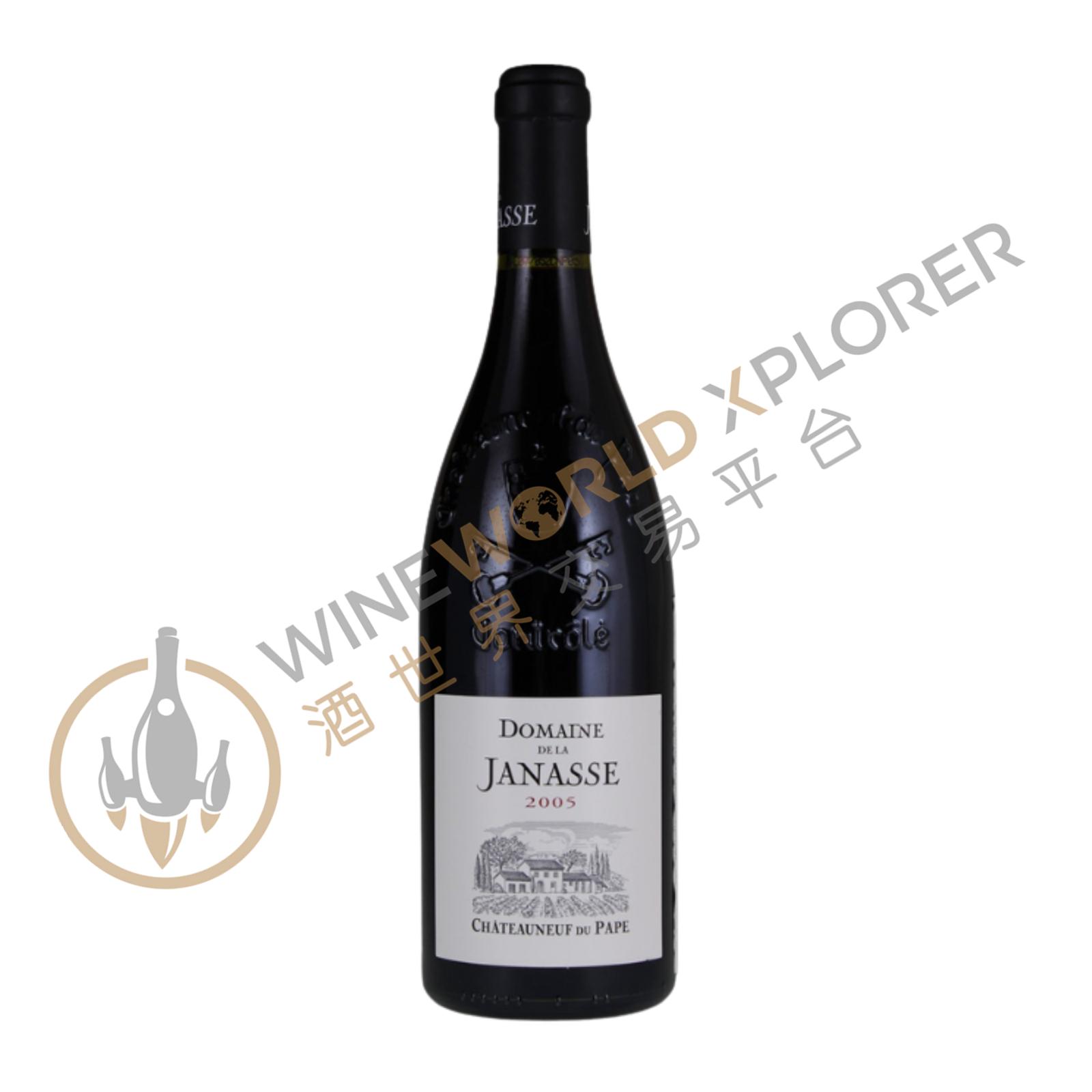
Domaine de la Janasse, Chateauneuf Du Pape Vieilles Vignes 2011
 View analysis


Description
Tasting notes

Reviewed by: Joe Czerwinski
Pressed flowers, black cherries and dark chocolate all appear on the nose of the 2011 Chateauneuf du Pape Cuvee Vieilles Vignes. Tasted from magnum, this is an impressively full-bodied, rich, velvety wine, with a long, mouthwatering finish and no trace of the reported 16+% alcohol. It should drink well through at least the end of this decade.
Reviewed by: Robert M. Parker, Jr.
The same thing is true for its sibling, the 2011 Chateauneuf du Pape Vieilles Vignes. This cuvee comes from four parcels of the estate’s oldest vines, and tends to be 80% Grenache, 15% Mourvedre and 5% Syrah. The Grenache is always aged in foudre and the other cepages aged in small oak. The three terroirs include Les Soumades (primarily red clay soils), La Crau, old vines near Chateau Beaucastel, and the terroir after which this estate is named, Janasse, which is primarily clay and limestone covered by the thick carpet of stones known as the galets roules. Achieving 16.5% natural alcohol in 2011 was no easy task, but this wine is not the least bit hot. Full-bodied, intense and opulent, it may be the wine of the vintage, not only in Chateauneuf du Pape, but in all of southern France. This amazing effort transcends the vintage. It is a tribute to the extraordinary viticultural and winemaking perfection/obsession of Christophe and Isabelle Sabon and their father. This black/purple-hued 2011 exhibits lots of cassis, floral, black raspberry and kirsch characteristics as well as potential longevity of 10-15 years or longer. It is an amazing effort for the vintage! (Not yet released) Domaine de la Janasse is one of the great winemaking estates of not only France, but of the world. It is situated adjacent to the Auto Route de Soleil opposite Chateauneuf du Pape, at the entrance to the village of Courthezon. Janasse is managed by Christophe Sabon and his sister, Isabelle. Although their father is technically retired, he is still a visible as well as spiritual presence at this superb estate. Janasse owns over 40 acres in Chateauneuf du Pape as well as significant holdings in the Cotes du Rhone appellations. The consistency at this estate since the mid-1990s has been remarkable. Year in and year out, the wines, both reds and whites, are among the finest one will find ... anywhere! 2011 is consistently a top vintage at Janasse, even though it is by no means a great vintage in the southern Rhone, and their prodigious 2010s compete with their remarkable array of 2007s and 2009s. First, the 2011s, a challenging year that depended on vignerons making strict selections, not only in the vineyard, but also on the triage tables. Sabon has certainly done that. Janasse’s white Chateauneuf du Papes are fascinating as Sabon is one of the last producers to still do a 100% malolactic fermentation and no filtration. 2010 rivals 2007 as the two greatest vintages I have ever tasted at Domaine de la Janasse (and I’ve been tasting their wines for over two decades). Importer: Eric Solomon, European Selections, Charlotte, NC; tel. (704) 358-1565
Reviewed by: Jeb Dunnuck
And a candidate for the wine of the vintage, the 2011 Chateauneuf du Pape Vieilles Vignes is always a rough blend of 85% Grenache and the balance Syrah, Mourvedre, Clairette and other permitted varieties, that has the Grenache aged all in foudre and the Syrah and Mourvedre aged in one-third new barrels (that’s less than 6% of the blend in new barrels). Exhibiting gorgeous black fruits, spice-box, toast, licorice and roasted meat-like qualities on the nose, it is full-bodied, concentrated and layered on the palate, with loads of texture, yet delivers no weight, heat, or ever puts a foot wrong. Shockingly good in the vintage, it should not be missed. Hats off to Christophe and Isabelle. Drink now-2027. Located in the town of Courthezon, and covering 38 acres in Chateauneuf du Pape and 100 acres in Cotes du Rhone, Domaine de la Janasse is run by the brother/sister pair, Christophe and Isabelle Sabon. While 2011 was a difficult vintage throughout the region, you wouldn’t know it by tasting here. These wines are superb across the board and should not be missed. Importer: Eric Solomon, European Selections, Charlotte, NC; tel. (704) 358-1565
Reviewed by: Josh Raynolds
Inky purple. Concentrated cherry and blueberry aromas, with accents of potpourri and pungent Moroccan spices. Deep dark fruit flavors possess superb energy and vivacity, with fresh acidity adding bite and lift. The clinging finish shows uncommon intensity, with mounting sweetness and sneaky, harmonious tannins. Here's a wine that transcends the vintage.
Reviewed by: Josh Raynolds
Bright purple. Dark fruit liqueur, star anise, cinnamon and licorice aromas are sharpened by a lively mineral quality and a touch of white pepper. Sappy, sweet and incisive, with a suave blend of power and vivacity to its blackcurrant and mulberry flavors. Juicy acidity gives focus to the finish, which features velvety tannins, a touch of smokiness and outstanding energy.
About the Producer
Founded in 1973 by Aime Sabon, Domaine de la Janasse is particularly young in comparison to the older French wineries. The vineyards were originally owned by Aime Sabon's father, who did not make wine, and the grapes were sold in bulk to wine merchants; in 1967, Aime Sabon retired from the Navy and returned home to take over the vineyards, and in 1973, he built his own cellar, thus creating Domaine de la Janasse. Domaine de la Janasse covers 137.5 acres and has vineyards in several different appellations, including: Chateauneuf du Pape, Cotes du Rhone and Cotes du Rhone Village. The vines of Domaine de la Janasse are planted on different soils and some are very old, up to 90 years old. The fruit from these old vines is used to produce Janasse Cuvee Vieilles Vinges, the estate's speciality. Domaine de la Janasse produces wines in the new style of Châteauneuf-du-Pape wines. Since 1993, the winery has been destemming the grapes from the harvest. This practice has continued and to date at least 80% of the berries are destemmed before fermentation. The Grenache is fermented in stainless steel tanks; the Mourvedre and Syrah are fermented in short conical oak barrels. Grenache is matured in large oak barrels; Mourvedre and Syrah are matured in a mixture of new French oak barrels and large oak barrels, which can add a new and trendy style to their wines.
