
 Wine Advisor



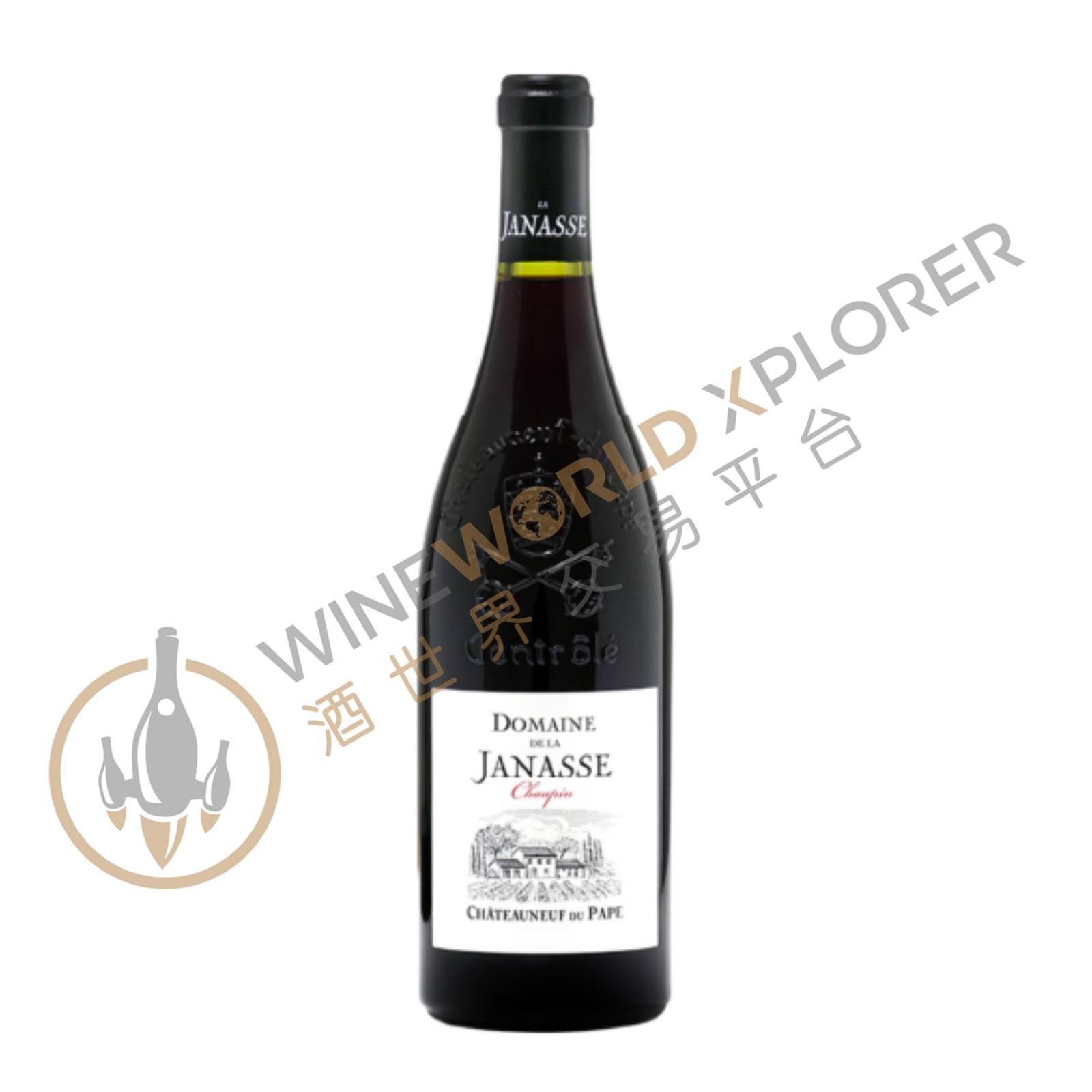
Domaine de la Janasse, Chateauneuf Du Pape Chaupin 2009
 View analysis


Description
Tasting notes

Reviewed by: Robert M. Parker, Jr.
The 2009 Chateauneuf du Pape Chaupin is aged in foudre (2/3) and 600-liter demi-muids (1/3). It may not reach the heights of the sensational 2007, but it is a gorgeous effort that represents Grenache at its finest. Intense black cherry liqueur notes intermixed with lavender, licorice, crushed rock and floral characteristics cascade from the glass of this unctuously textured, full-bodied wine with silky tannins and low acidity. Fleshy and full, it is a terrific example of Grenache from a great terroir. Drink it over the next 10-15 years. (Not yet released) Christophe Sabon, his sister Isabelle, and their father operate one of the great Chateauneuf du Pape winemaking estates. They continue to invest in new vineyards as well as state-of-the-art winemaking equipment. Moreover, they never seem to be satisfied with the status quo, and are constantly challenging their past performances. Their 2007s were unbelievably good wines, the 2008s were among the finest wines of the appellation, and the 2009 vintage is another resounding success for them. The style is progressive, combining the best of traditional winemaking with the finest of a more modern approach. The wines all reflect their Provencal origins, only tiny quantities of new oak are used, and then only with the two grape varietals that can benefit from it (such as Syrah and Mourvedre). This is also a fabulous source for top wine values as the following tasting notes demonstrate. Christophe Sabon told me that the white varietals he works with tend to come from sandy and gravelly soils, so there is more finesse. Both Chateauneuf du Pape blanc cuvees are well-worth a search of the marketplace. Interestingly, Sabon achieves excellent acidity in his white Chateauneufs despite the fact that they go through 100% malolactic fermentation, an unusual practice for white Chateauneuf du Papes. His objective is to bottle them unfiltered, which he is able to do. The wines are also extremely low in SO2. As I wrote last year, Christophe Sabon made two of the finest Chateauneuf du Papes of 2008. The estate’s third cuvee, the Chaupin, was declassified into the traditional wine, which no doubt benefitted from it. Sabon told me there was more Mourvedre used in the blend in order to provide more structure and support to the Grenache in 2008. In 2009, all three cuvees were produced. I always think the harvest at Janasse must be one of the most difficult to manage as they have 200 acres of vines with over 200 separate parcels spread throughout the southern Rhone. Christophe told me it takes nearly two full days to just drive around and sample all the different vineyards to see where they are in terms of maturity. Importer: Eric Solomon, European Selections, Charlotte, NC; tel. (704) 358-1565
Reviewed by: Robert M. Parker, Jr.
One of my favorites was already the 2009 Chateauneuf du Pape Chaupin (which is always aged in foudres and 600-liter demi-muids, two-thirds in the former and one-third in the latter) and this wine has really put on richness and intensity since I tasted it last year. An absolutely magnificent wine, it scored a good four points higher this year, and it is unusual for me to vary that much from one tasting to the next. Tipping the scales at 15% natural alcohol, this dense purple wine has noble sweetness and an extraordinary concentration of lavender, black cherry liqueur, licorice, and minerality. Full-bodied, with silky tannins, a multi-dimensional, unctuously textured, voluptuous palate and a stunning finish, this wine is outrageously delicious and a phenomenal expression of old-vine Grenache. It should drink well for up to 20+ years. This impeccably run estate, in the capable hands of Christophe Sabon, his sister Isabelle, and their father, is one of the superstars of the southern Rhone Valley. Over the last 12-15 years, the quality of the wines has gone from strength to strength, with brilliant wines being produced in all price categories. They make sumptuous, complex, world-class red, white and rose Cotes du Rhones, and year-in and year-out, their Chateauneuf du Papes are among the top three or four wines of the vintage. Tasting two great vintages (2009 and 2010) from the Sabons was one of the most thrilling tastings I have had this year. My tasting began with some unbelievable Cotes du Rhones. Importer: Eric Solomon, European Selections, Charlotte, NC; tel. (704) 358-1565
Reviewed by: Joe Czerwinski
In just a beautiful spot right now, the 2009 Chateauneuf du Pape Cuvee Chaupin offers up scents of purple raspberries and hints of Mexican chocolate. Full-bodied and silky-textured, it's at the peak of its maturity, with at least 5-6 years left ahead of it. Drink or hold.
About the Producer
Founded in 1973 by Aime Sabon, Domaine de la Janasse is particularly young in comparison to the older French wineries. The vineyards were originally owned by Aime Sabon's father, who did not make wine, and the grapes were sold in bulk to wine merchants; in 1967, Aime Sabon retired from the Navy and returned home to take over the vineyards, and in 1973, he built his own cellar, thus creating Domaine de la Janasse. Domaine de la Janasse covers 137.5 acres and has vineyards in several different appellations, including: Chateauneuf du Pape, Cotes du Rhone and Cotes du Rhone Village. The vines of Domaine de la Janasse are planted on different soils and some are very old, up to 90 years old. The fruit from these old vines is used to produce Janasse Cuvee Vieilles Vinges, the estate's speciality. Domaine de la Janasse produces wines in the new style of Châteauneuf-du-Pape wines. Since 1993, the winery has been destemming the grapes from the harvest. This practice has continued and to date at least 80% of the berries are destemmed before fermentation. The Grenache is fermented in stainless steel tanks; the Mourvedre and Syrah are fermented in short conical oak barrels. Grenache is matured in large oak barrels; Mourvedre and Syrah are matured in a mixture of new French oak barrels and large oak barrels, which can add a new and trendy style to their wines.
