
 Wine Advisor



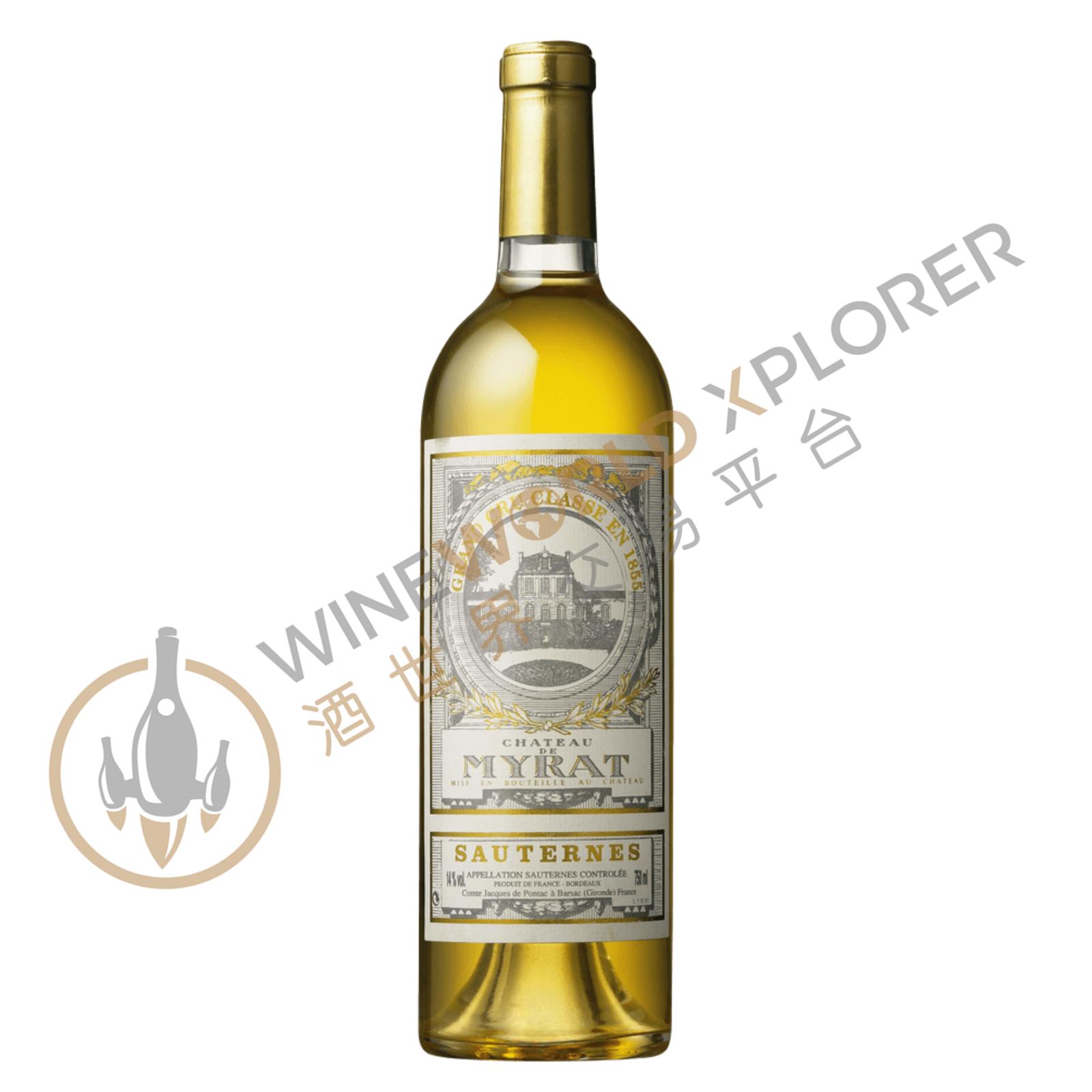
de Myrat, Sauternes 2009
 View analysis
Description
Tasting notes

Reviewed by: Neal Martin
Very tight and taciturn on the nose at the moment, but the palate is very well balanced with vibrant acidity, real clarity of fruit here with a superb, tense, citrus finish that just slices through that pure, heavenly botrytized fruit. This is very elegant, almost understated, but the purity is utterly charming.
Reviewed by: Neal Martin
Tasted at the de Myrat vertical at the property. The 2009 Château de Myrat has never quite matched its impressive performance from barrel, but it remains an excellent Sauternes. The nose takes some coaxing from the glass, which is unusual for a 2009, with dried honey, caramelized pear and quince aromas. I would just have liked more intensity, but it does begin revving up with aeration. The palate is medium-bodied with a spicy opening, understated at first but improving in the mouth, leading to a vigorous quince and marmalade finish that fans out nicely. This is very fine and it should offer another decade's worth of drinking pleasure, probably more. Tasted April 2016.
Reviewed by: Lisa Perrotti-Brown
The 2009 de Myrat is pale to medium gold and has an evolving, nutty nose of baked apricots, dried pineapple, mango and honey with spices nuances. The palate is full, rich, spicy, nutty and maturing, finishing long and oily.
Reviewed by: Neal Martin
The 2009 de Myrat displays noticeable vanilla-tinged oak that is waiting to be subsumed on the nose of this Sauternes: high-toned and generous, this is more spirituous than its peers. The palate is very candied on the entry. This is a “playful,” citric 2009 Sauternes, one that does not possess the breeding of others, although the finish displays decent balance and a naive charm. It is a Sauternes of purity rather than power. Drink now-2025.
About the Producer
The Pontac family has been famous since the 16th century, when Jean de Pontac founded Château Haut-Brion in 1533. He lived to be 101, through the reigns of Louis XII, François I, Henri II, Charles IX and Henri III. A century later, his descendant Arnaud de Pontac introduced the concept of “growth” linked to a delimited terroir and in 1660 became president of the Parliament of Bordeaux, alongside renowned philosophers such as Montaigne and Montesquieu. He popularized a new type of wine known as “French Claret” and helped open a tavern in London, “Pontac’s Head”, which quickly became fashionable. In 1937, Earl Max de Pontac acquired Château de Myrat, located on the limestone plateau of Barsac, where he managed this grand cru classé of Sauternes for over 40 years. The formation of the "noble rot", essential to the production of Sauternes-Barsac, depends on the presence of botrytis cinerea, which develops in the microclimate created by the Ciron River. The harvest at Château de Myrat takes place over several weeks, from late September to early November, to harvest the grapes at their optimum maturity.
