Wine Advisor



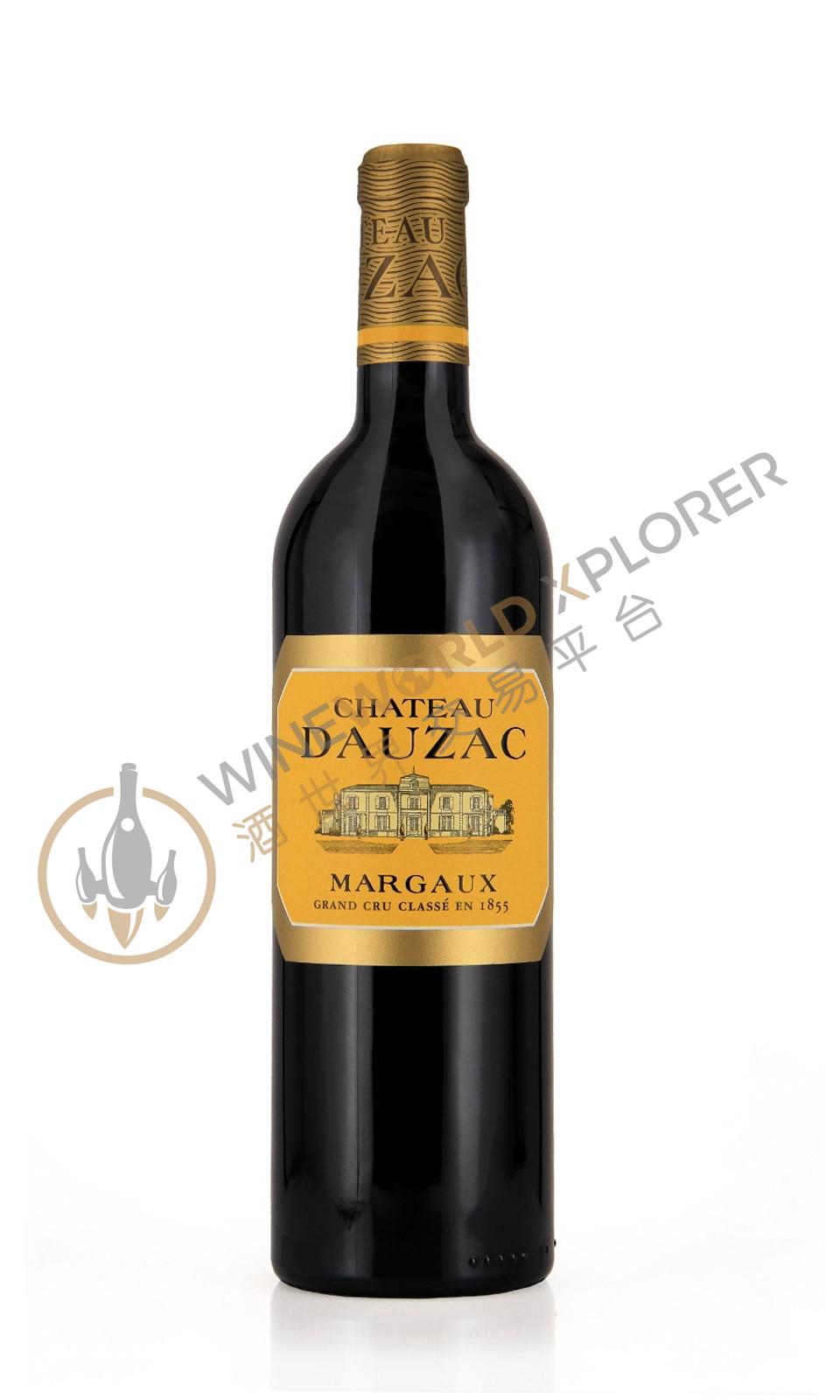
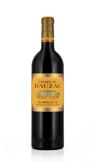
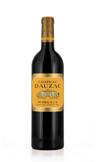
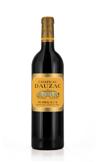
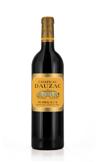
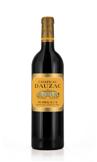
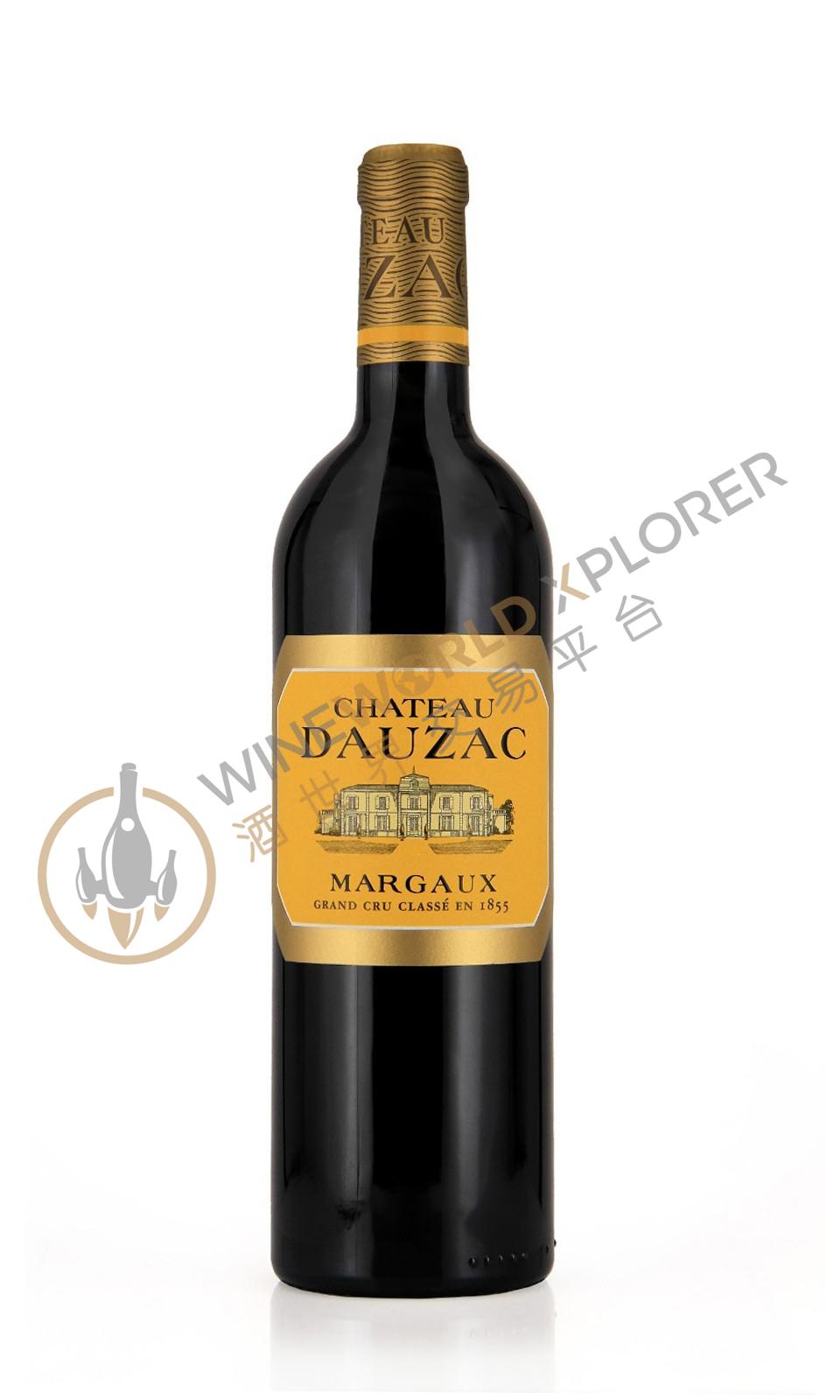
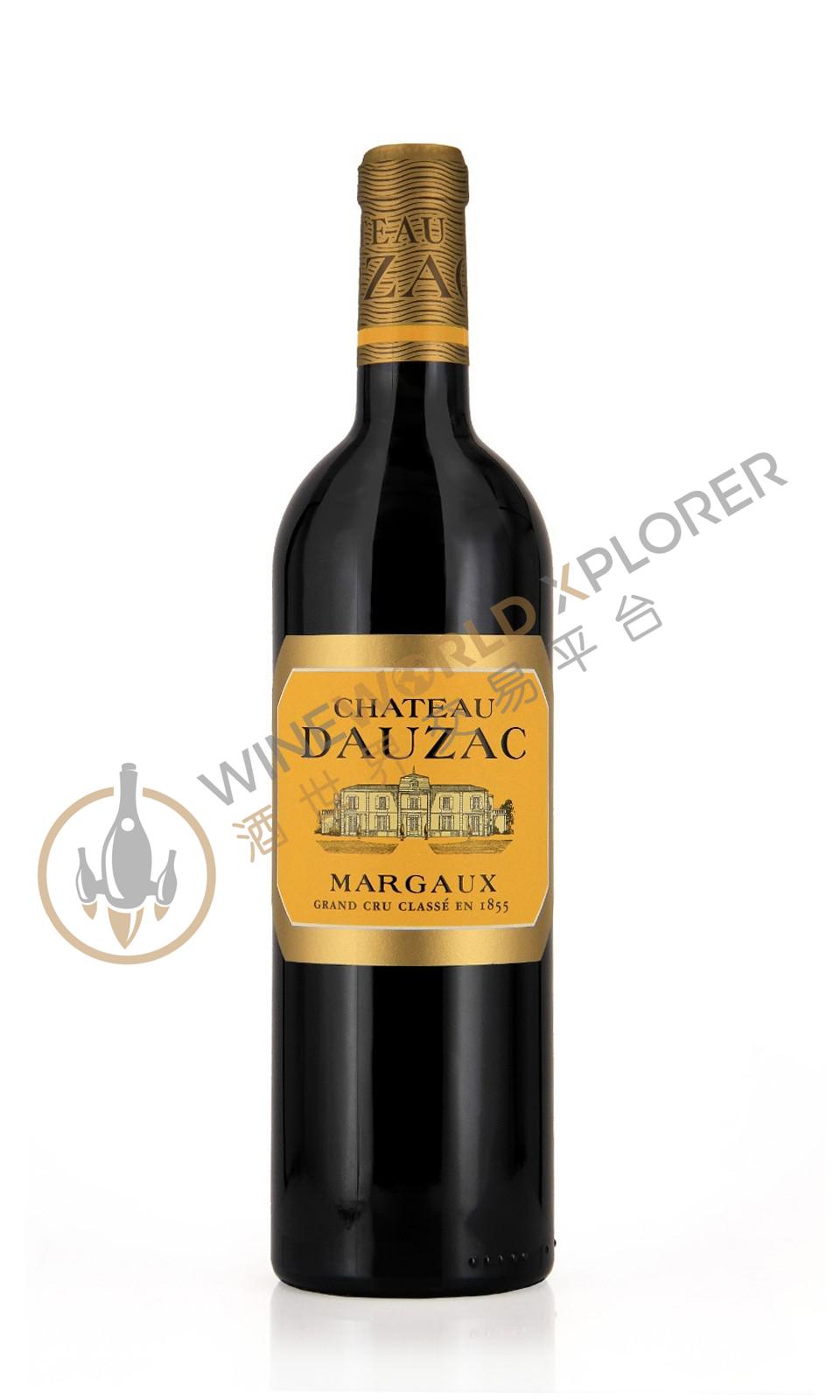
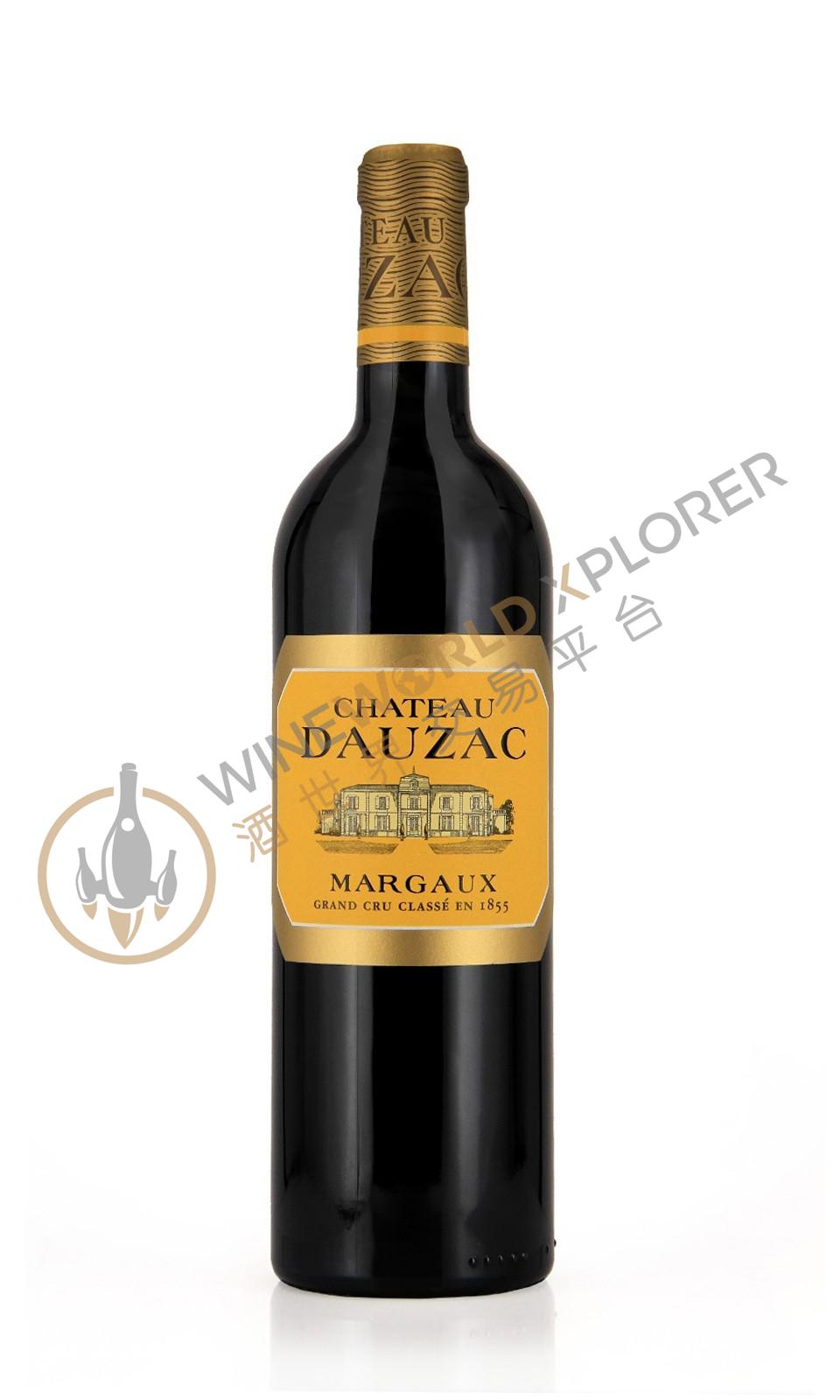
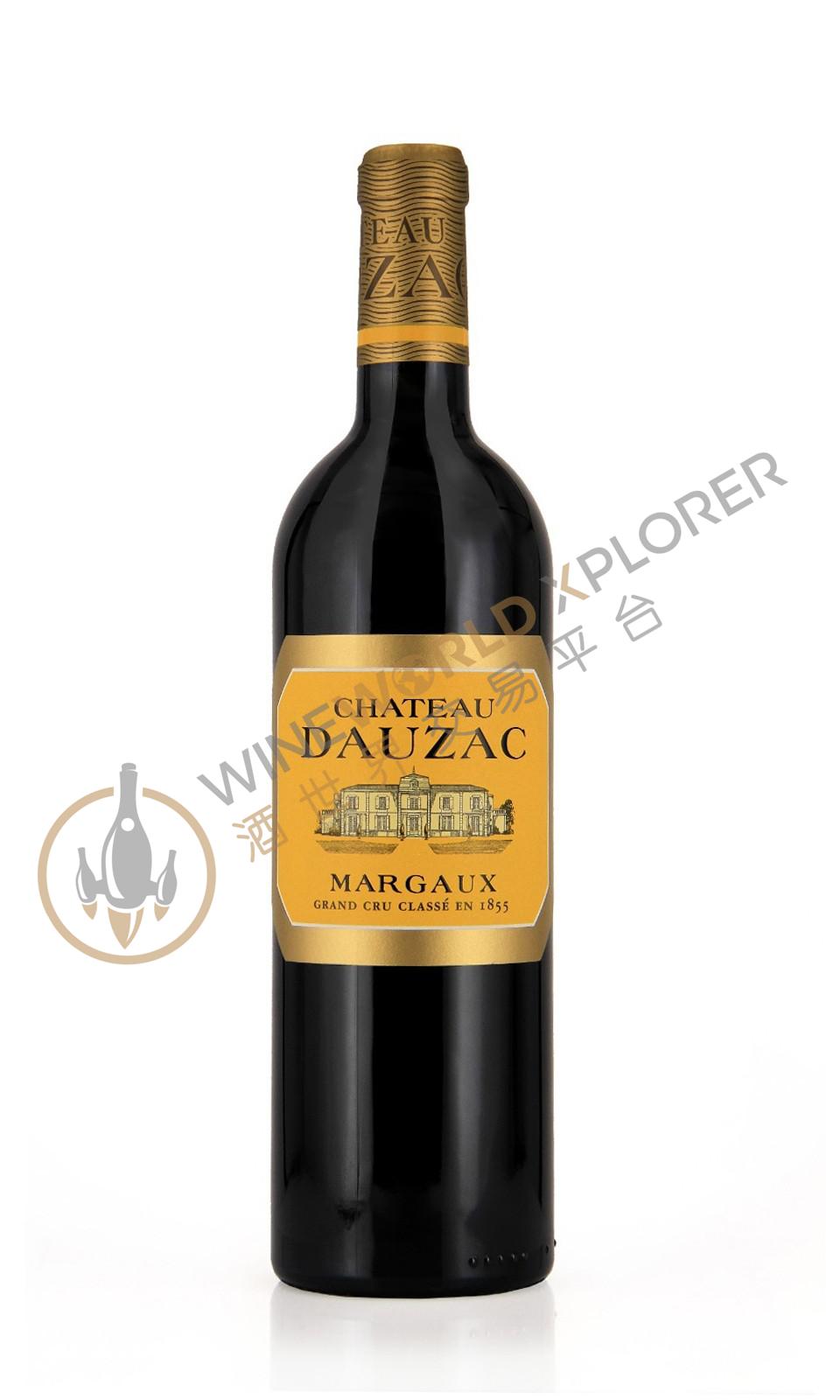
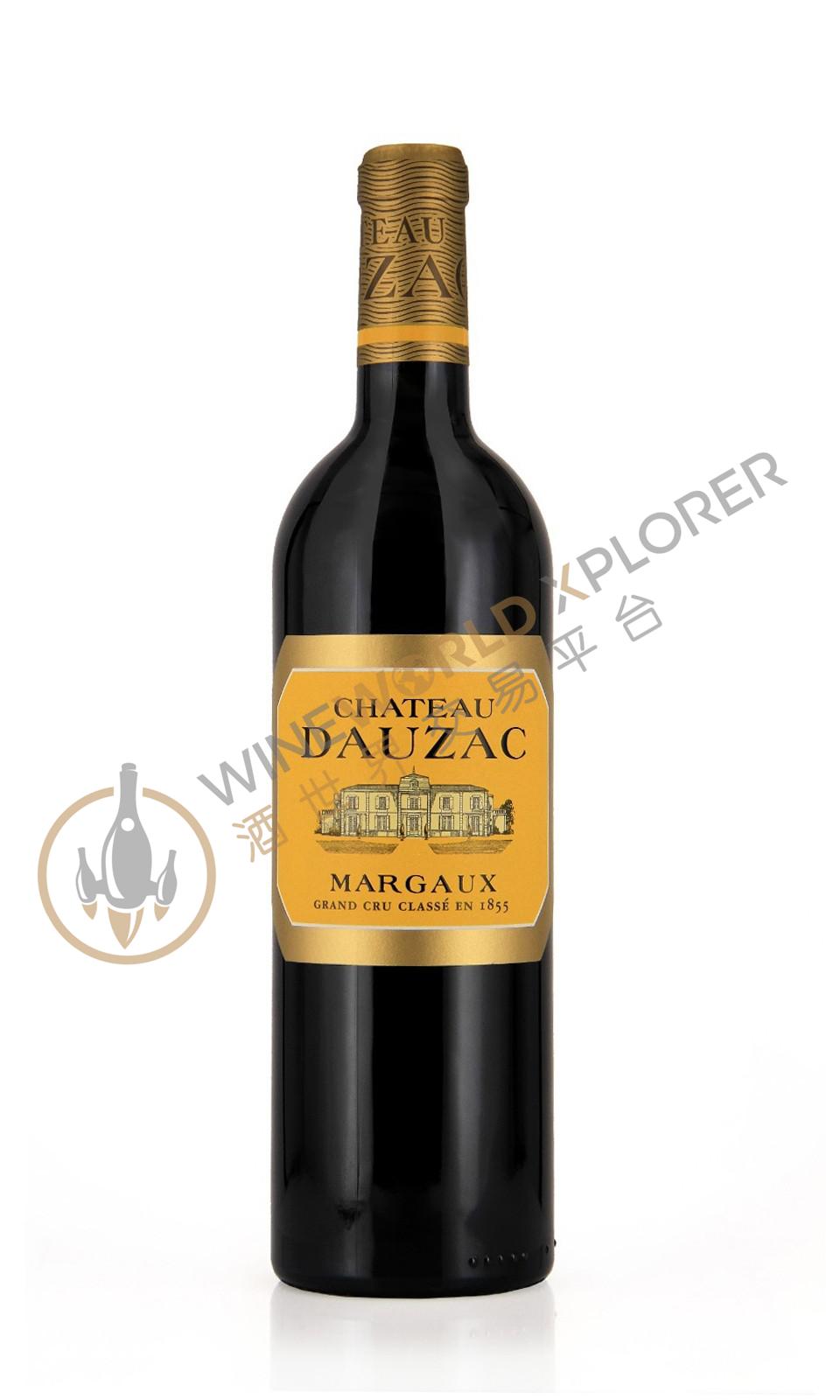
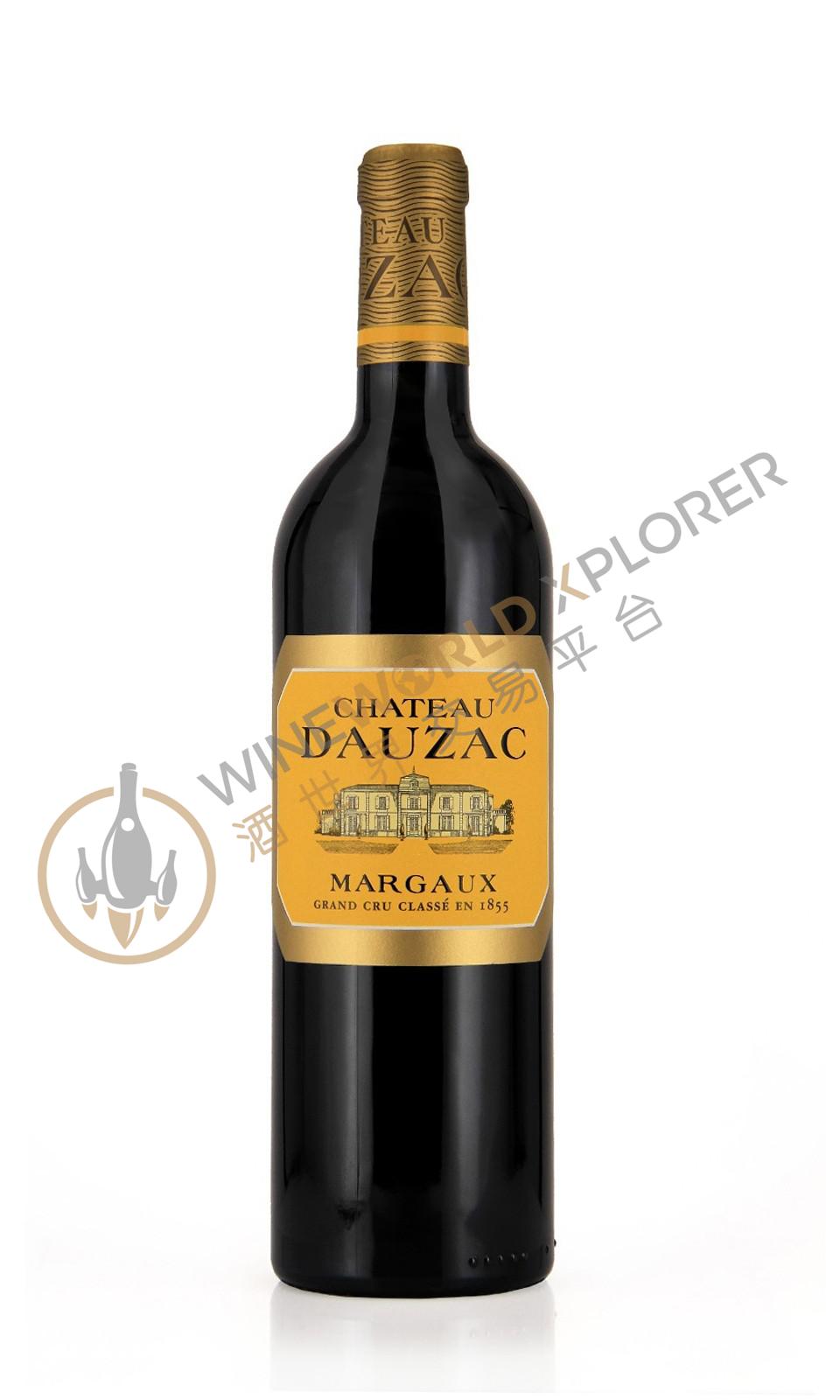
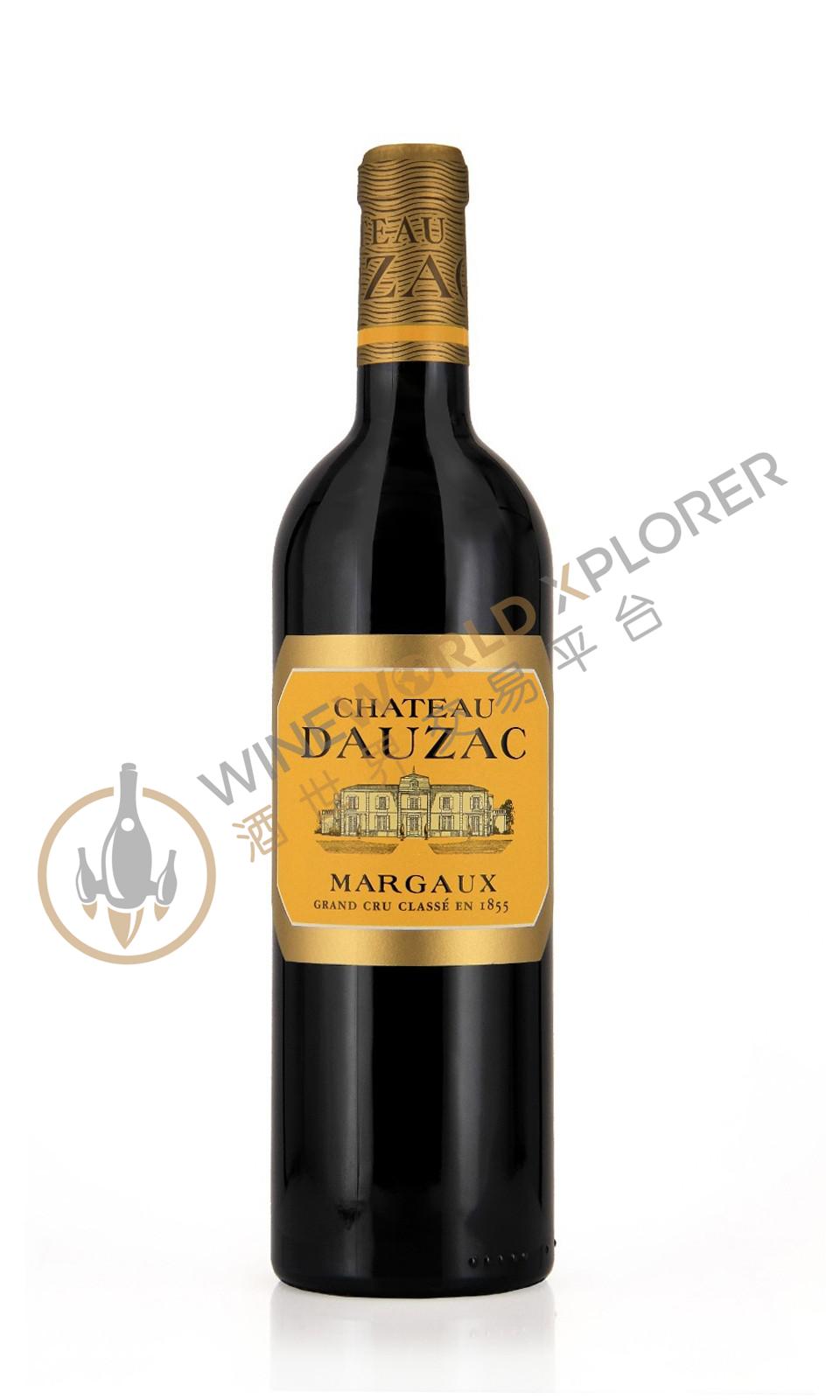
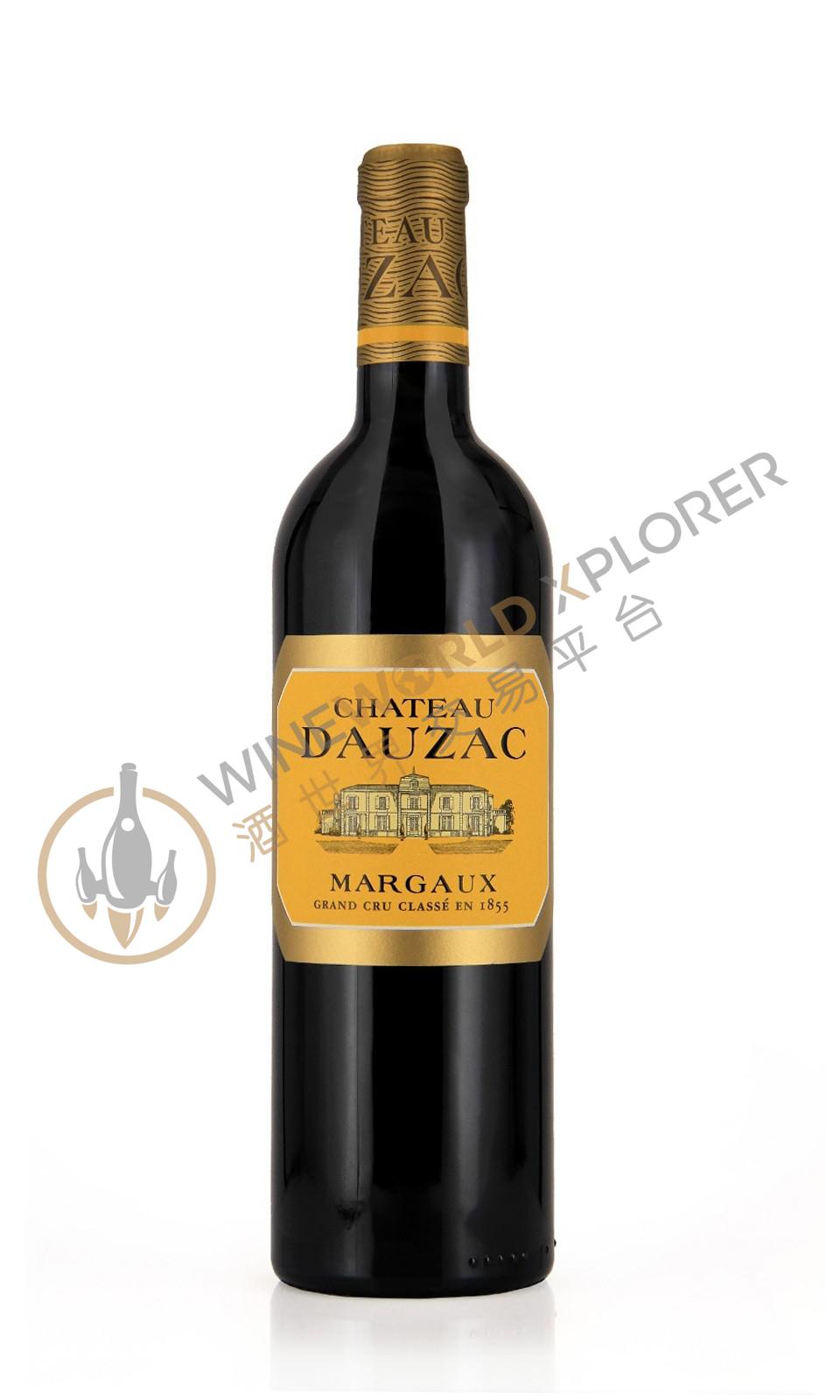
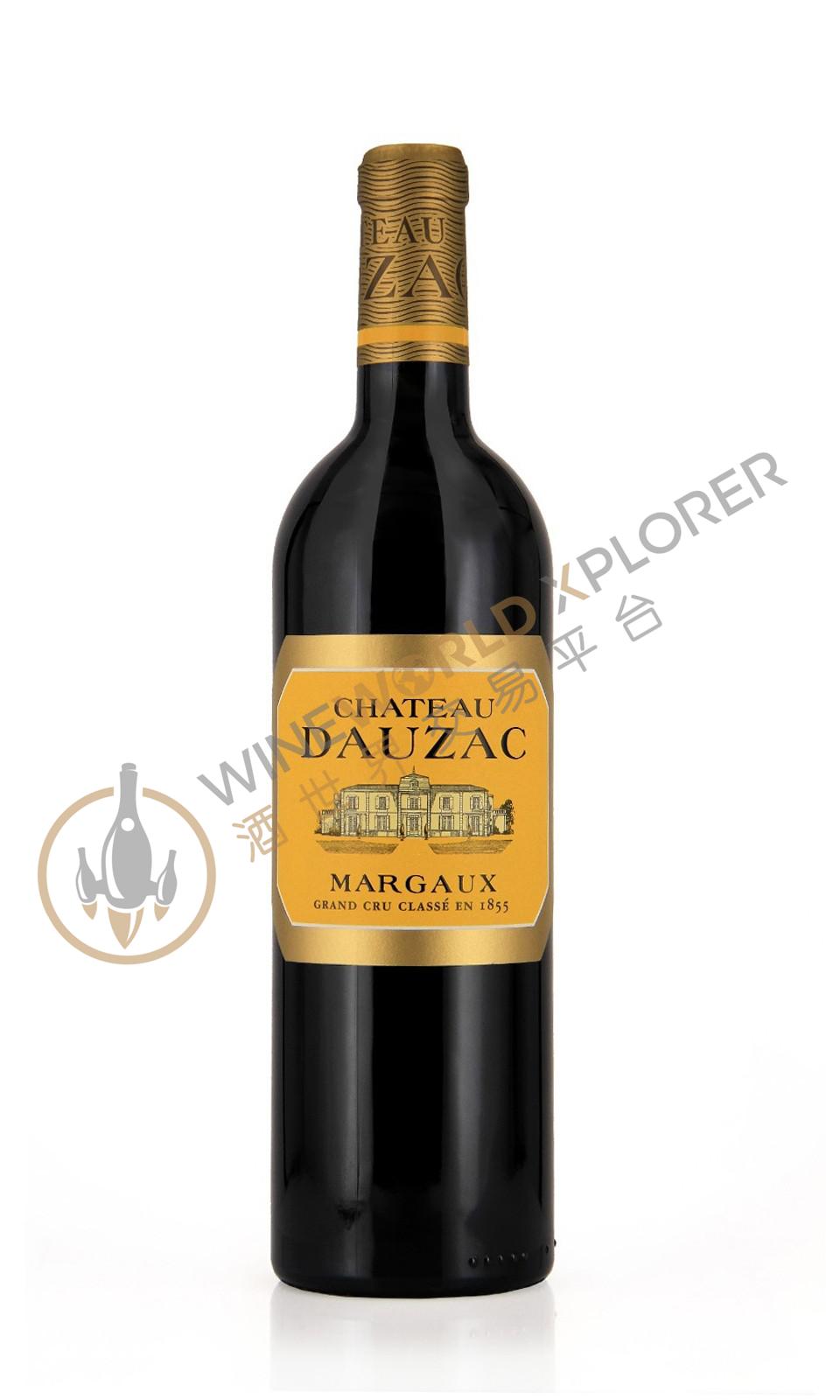
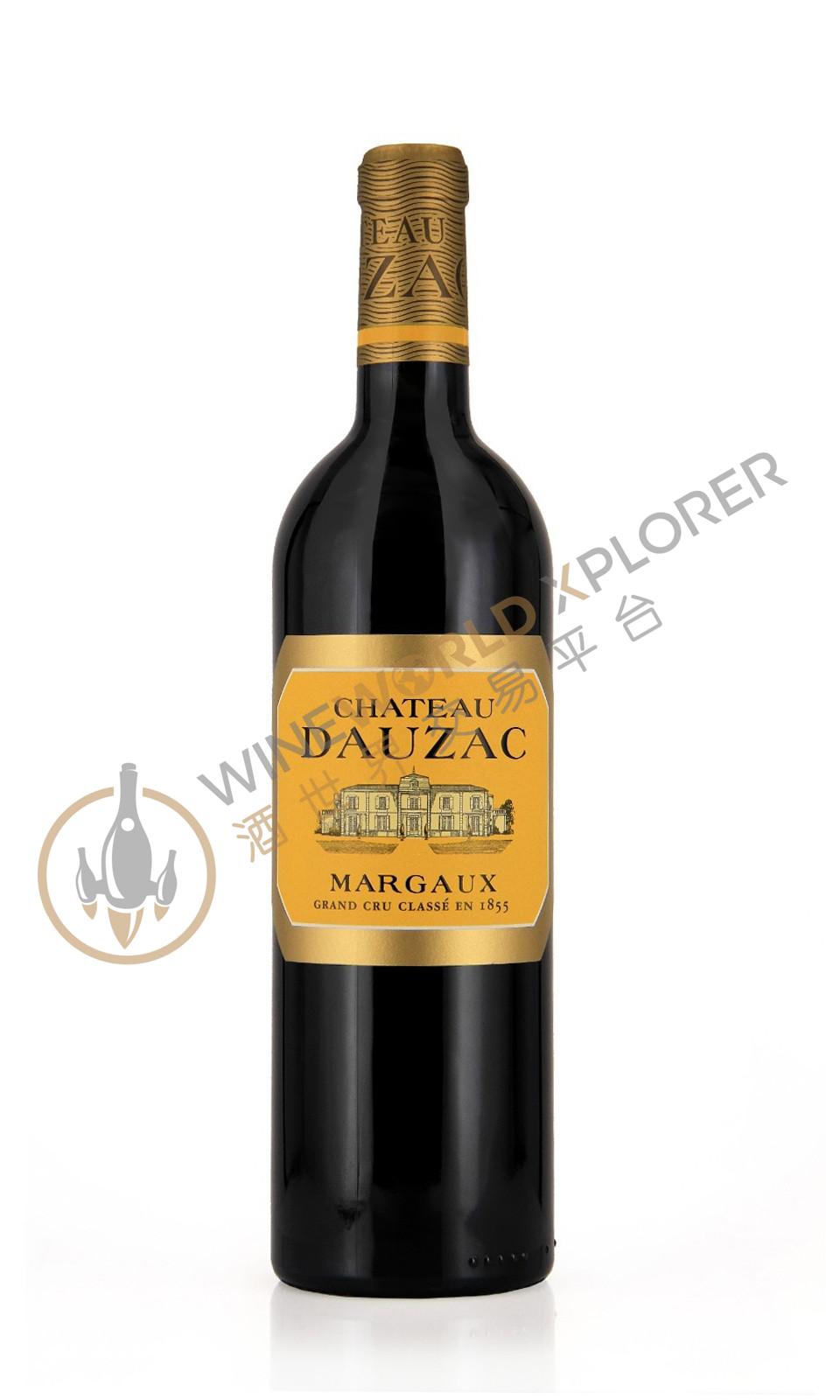
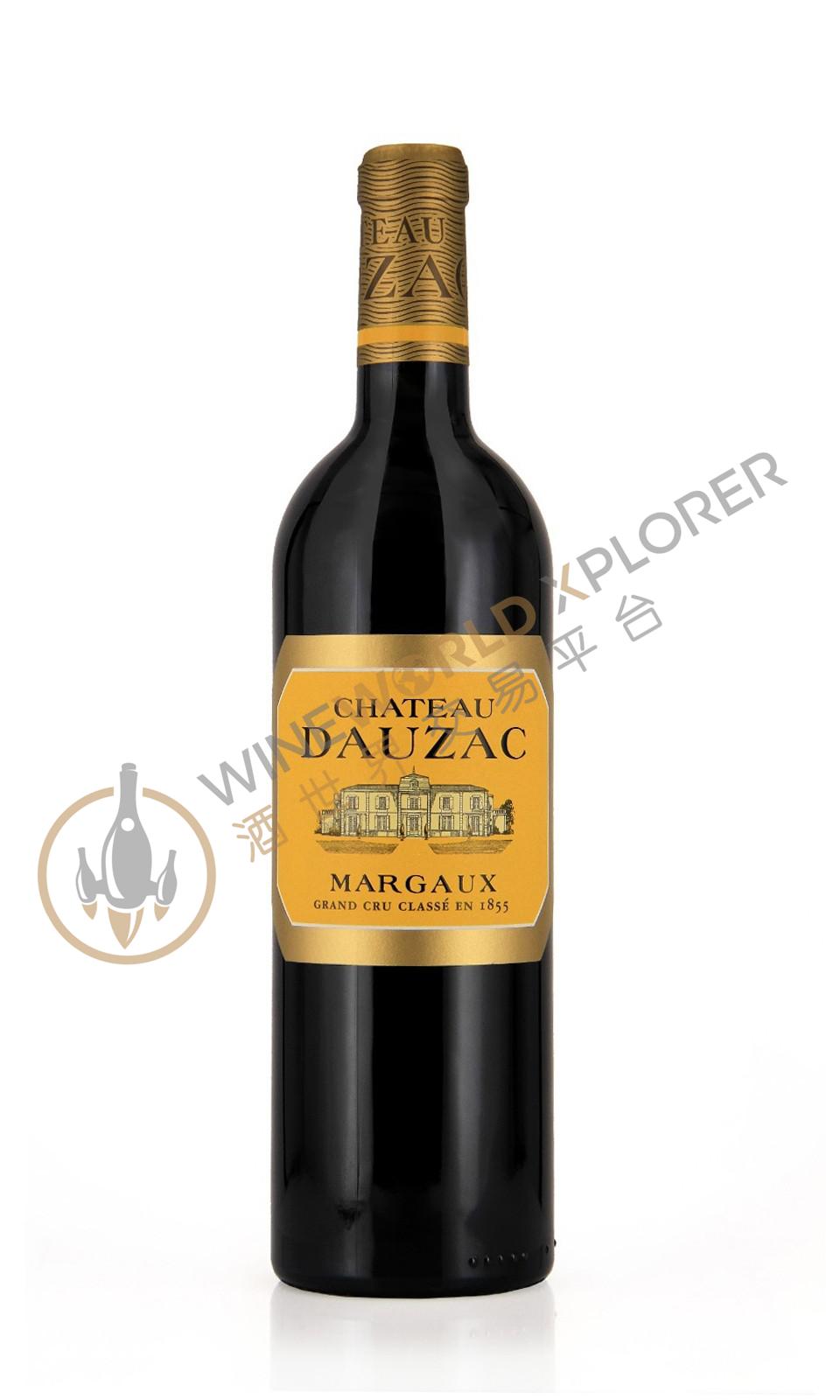
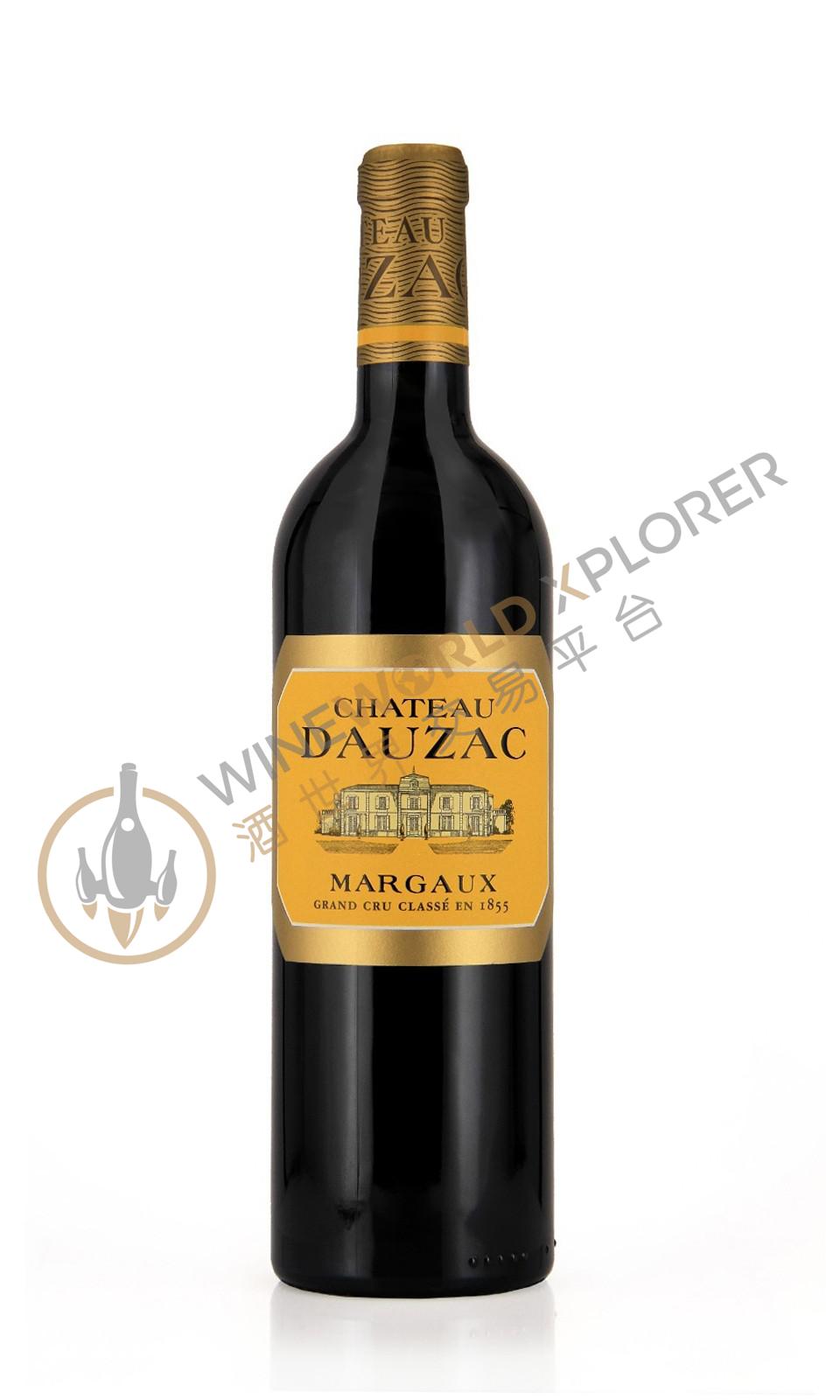
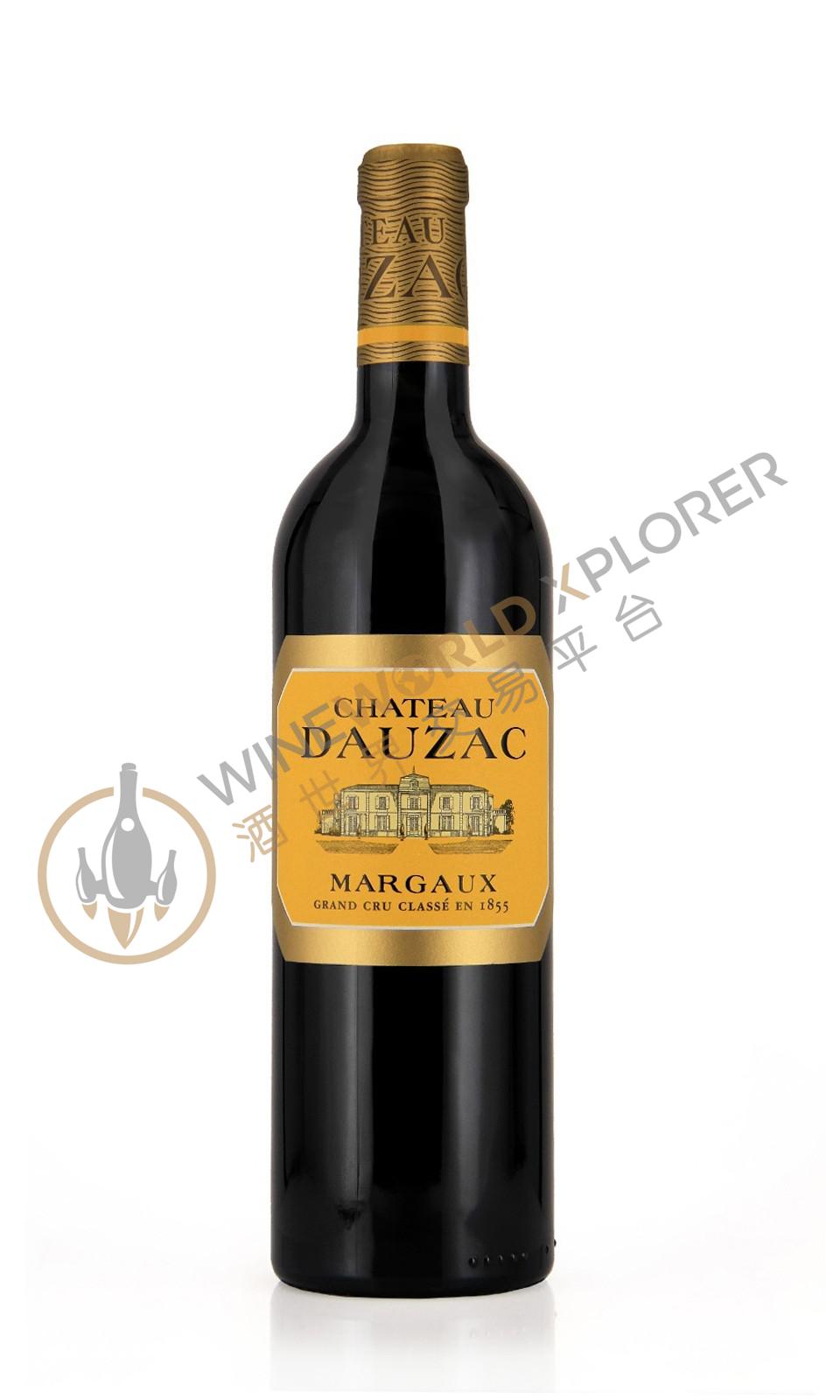
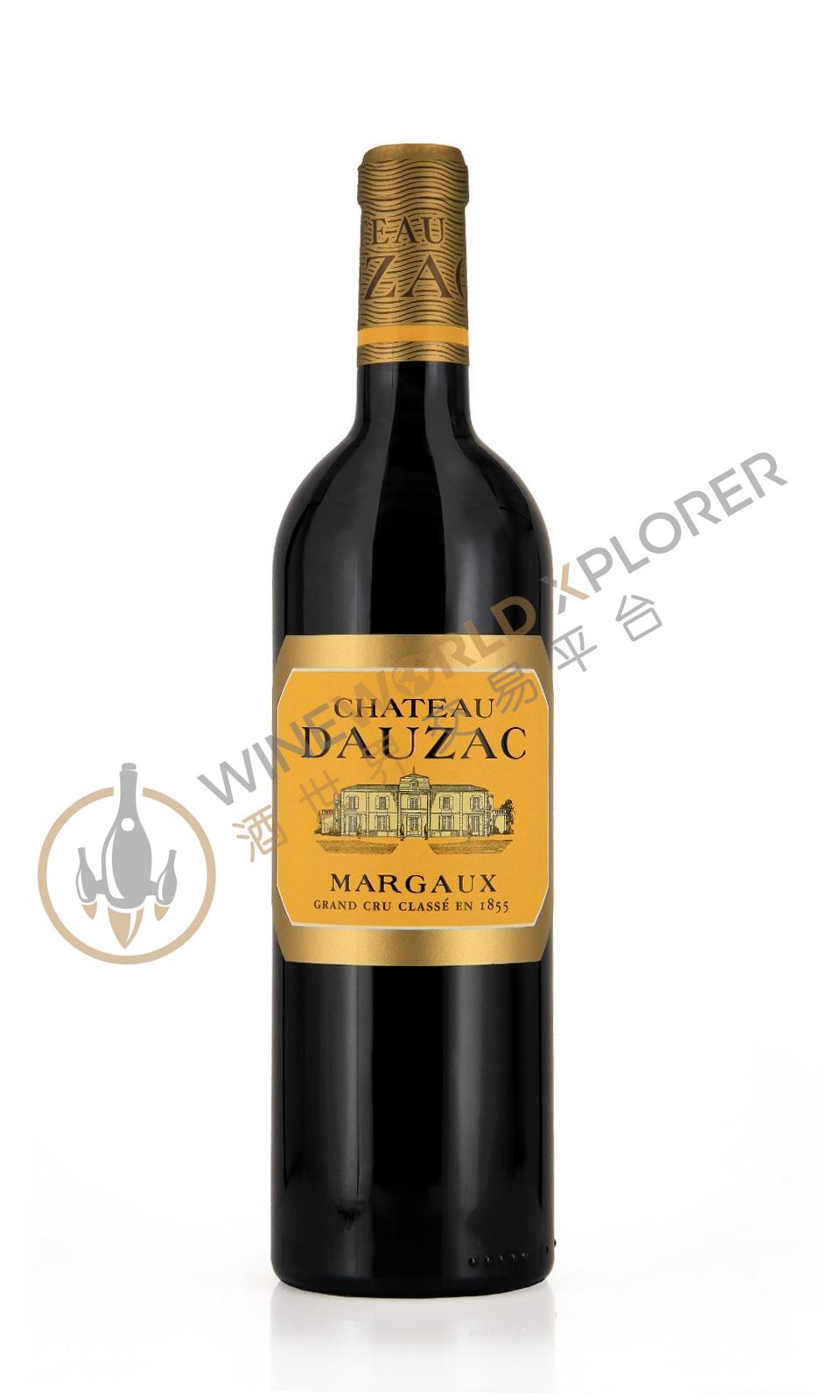
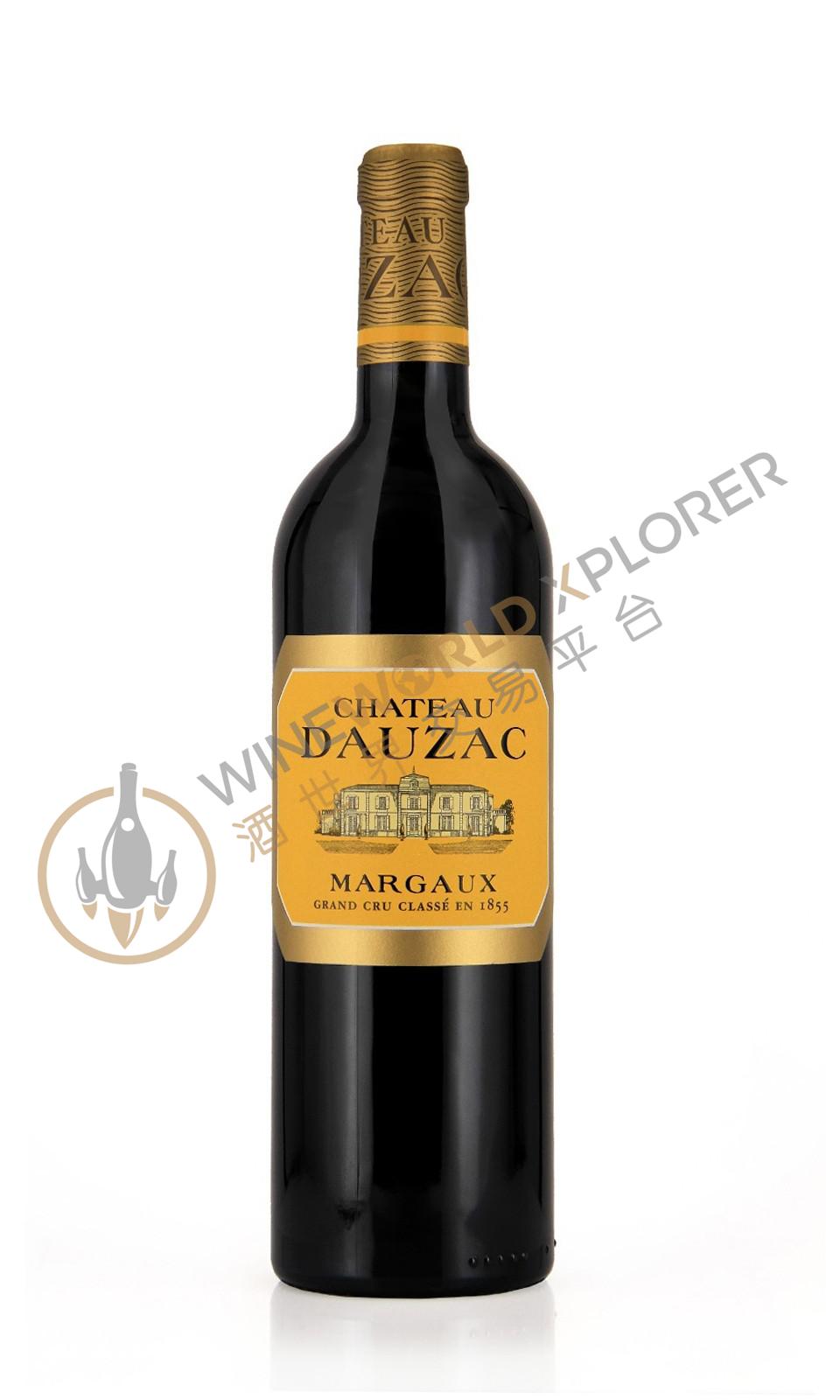
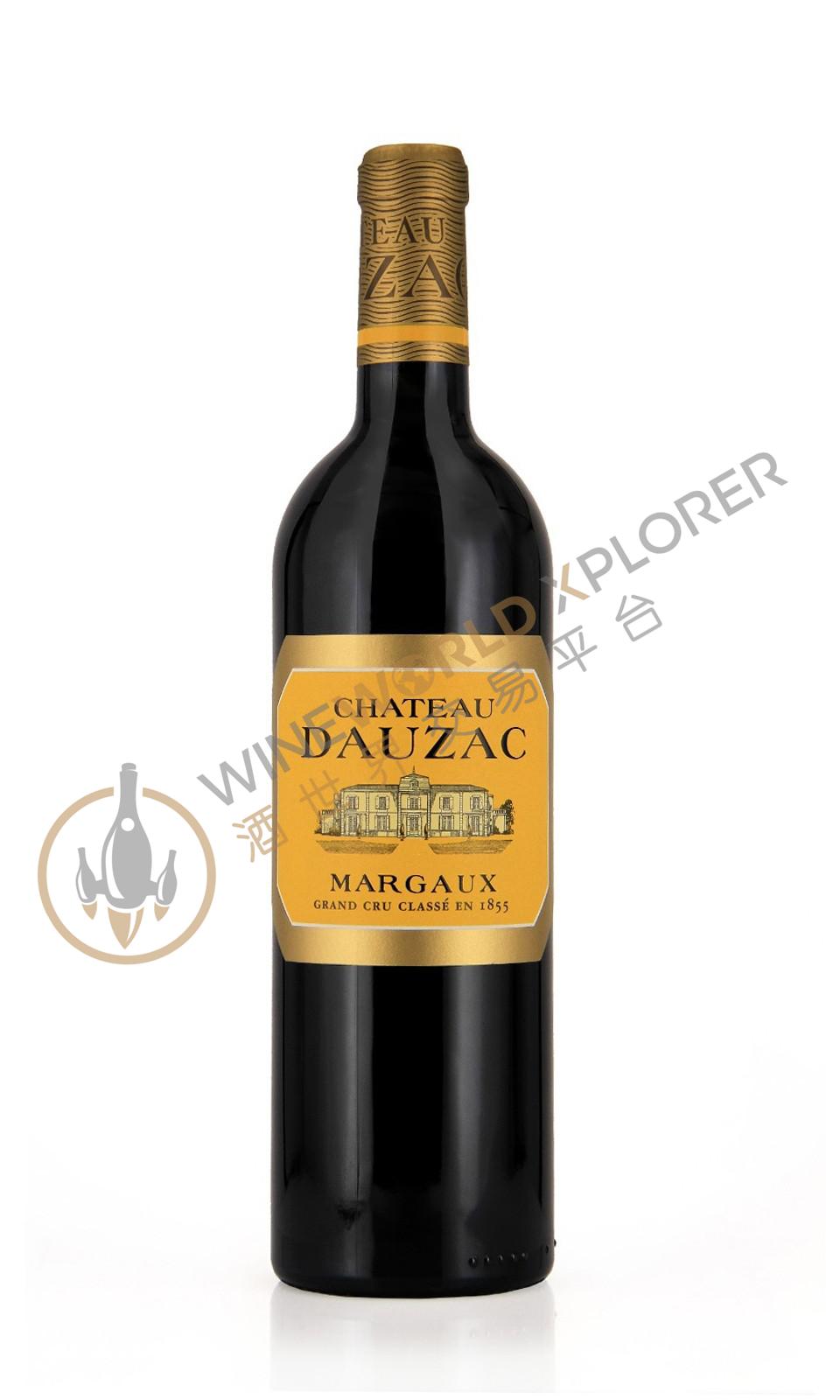
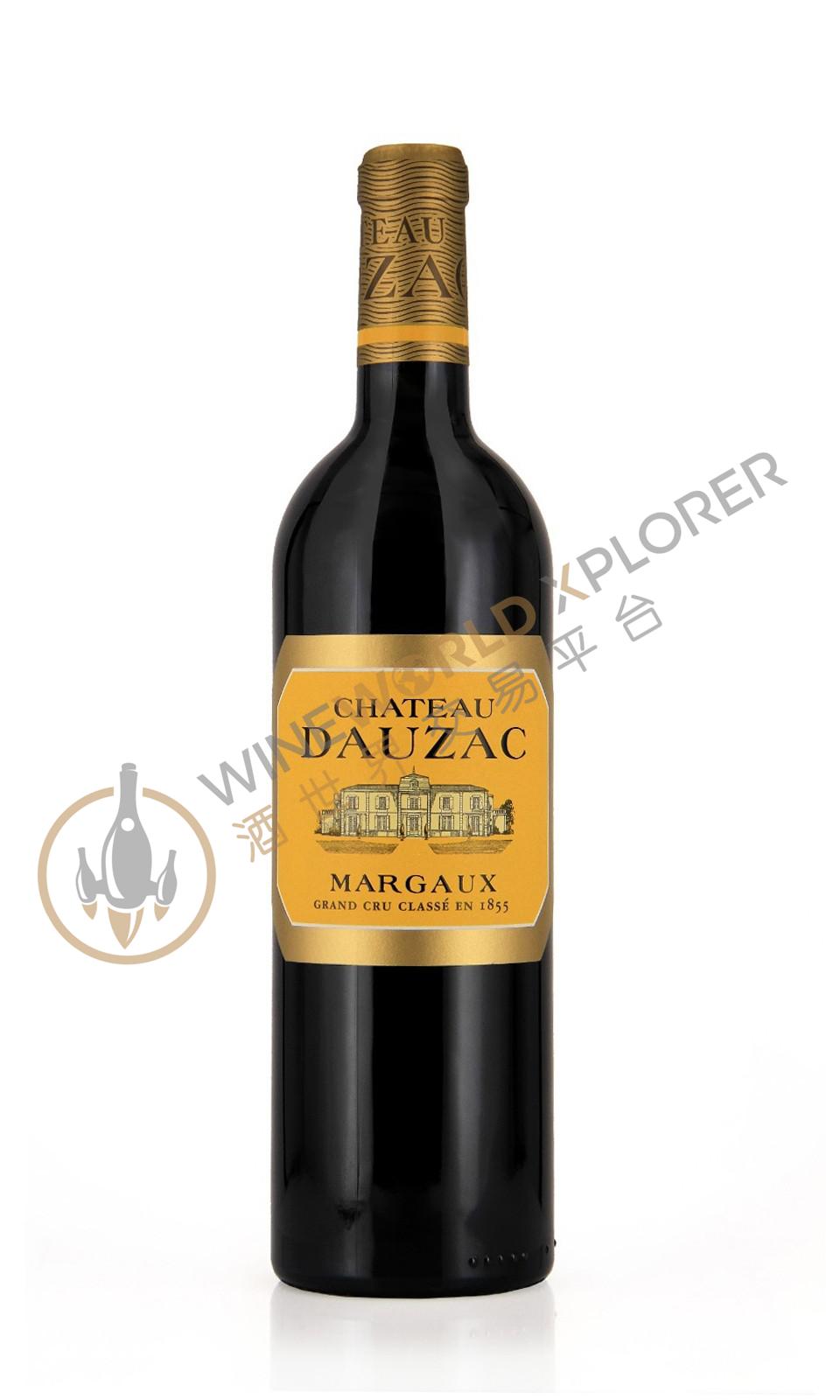
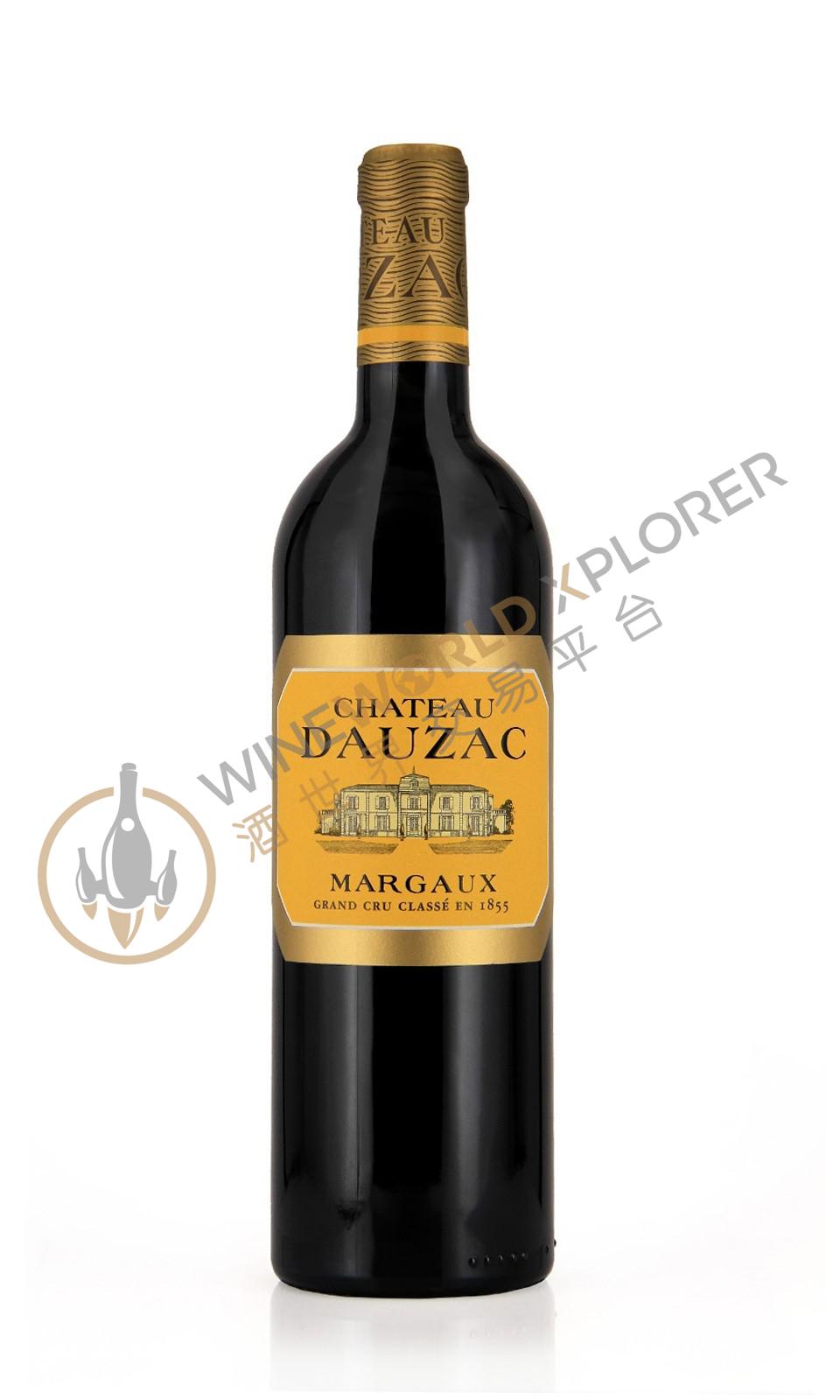
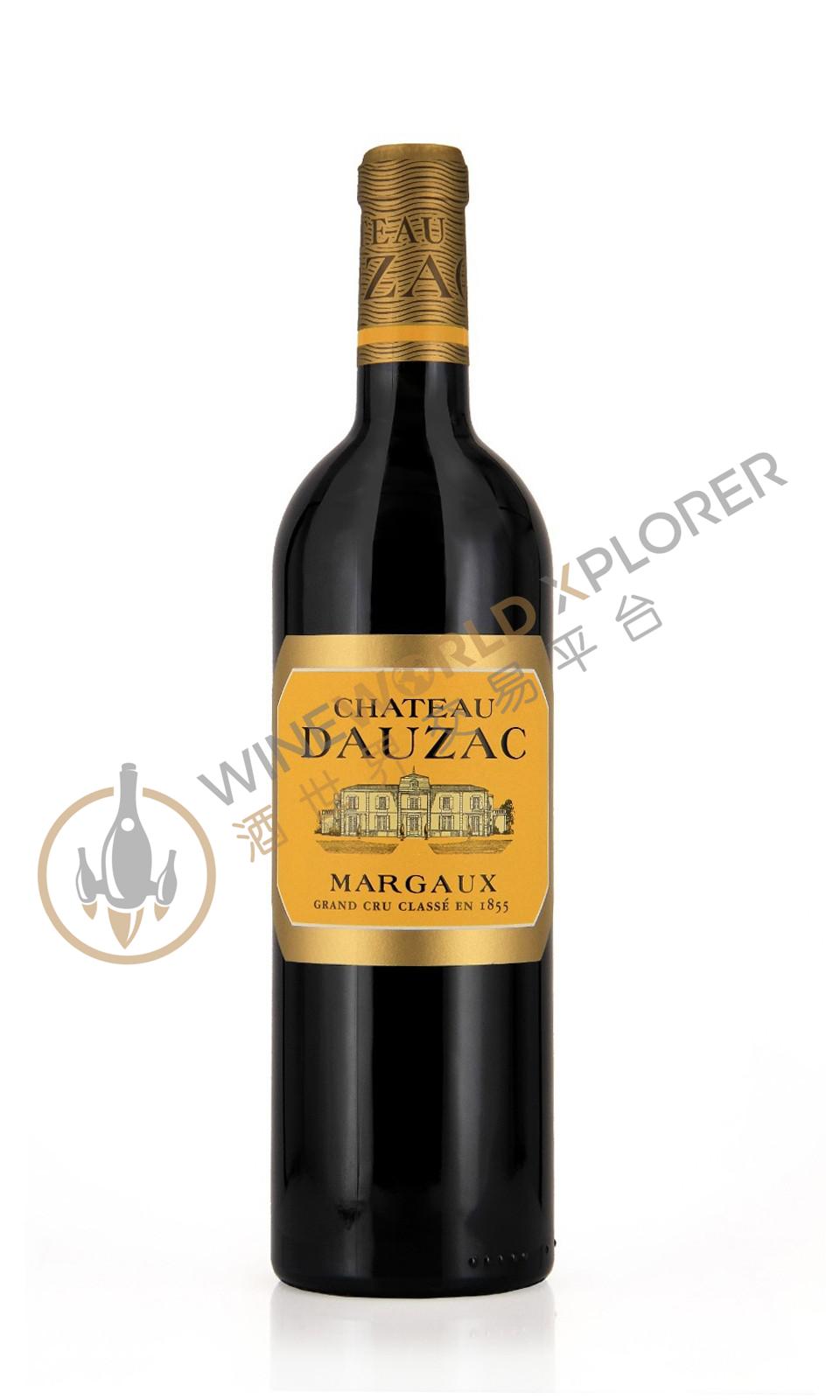
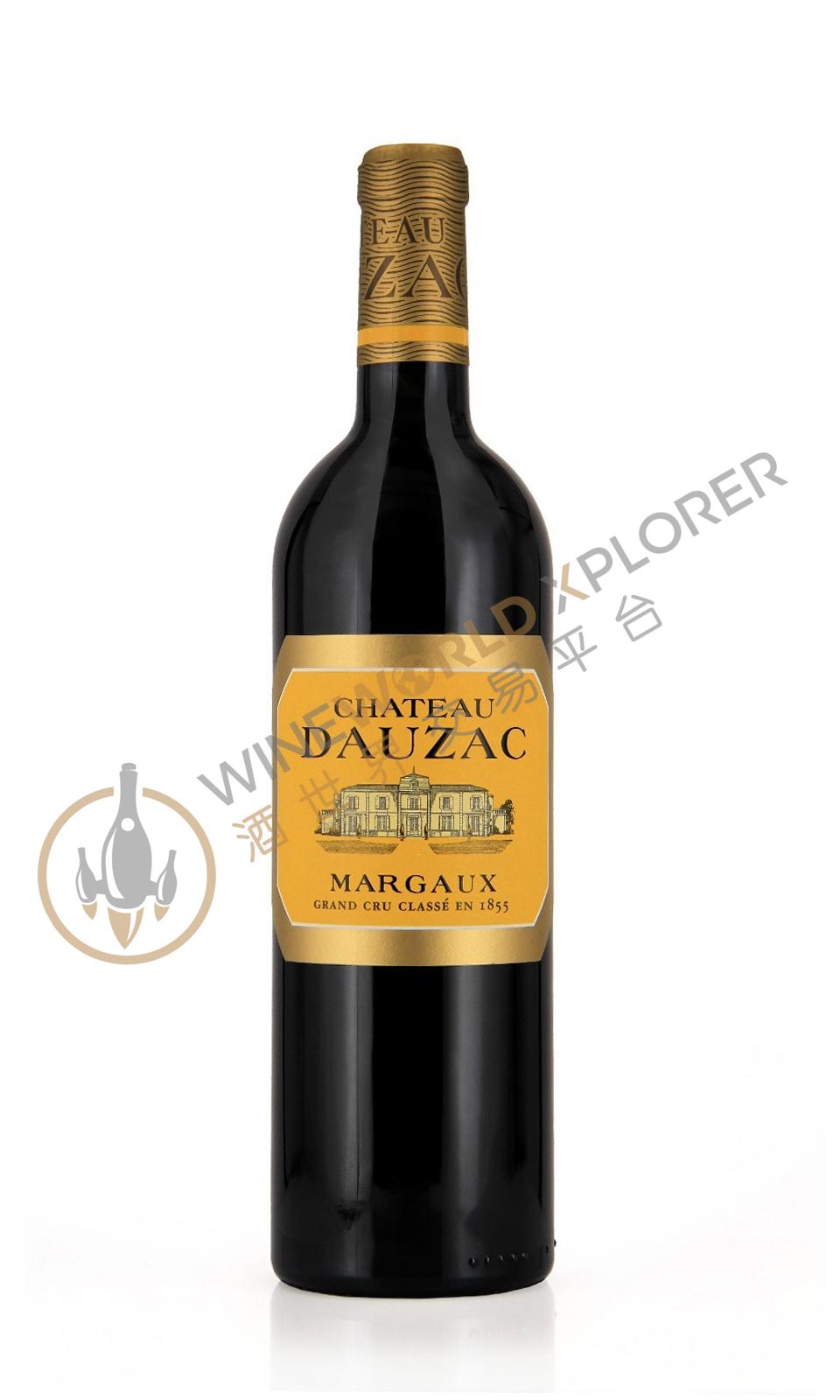
Dauzac 2020
 View analysis


Description
Tasting notes

Reviewed by: Lisa Perrotti-Brown
The 2020 Dauzac is a blend of 72% Cabernet Sauvignon and 28% Merlot, aging in French oak barriques, 66% new. The alcohol is 14%. Deep purple-black colored, it sashays out of the glass with lively, carefree scents of kirsch, black raspberries and blackcurrant pastilles with hints of dried Provence herbs, graphite and damp soil, plus a waft of tobacco. The medium-bodied palate maintains a bright crunchiness to the fruit with just enough acidity and well-managed, approachable tannins, finishing with an earthy lift.
Reviewed by: Neal Martin
The 2020 Dauzac has a very perfumed bouquet that is quintessential Margaux—crushed violets and iris flowers combine beautifully with black cassis fruit. The palate is medium-bodied with pliant tannins. There's a lot of concentration and plenty of fruit here, quite weighty and mouth-filling (especially for a Margaux). It may be missing the sophistication it showed a few months earlier, but you get a lot of wine in your glass. Tasted blind at the annual Southwold tasting.
Reviewed by: James Suckling
A full-bodied red with ripe-berry, chocolate and walnut character. Soft, integrated tannins and a flavorful finish. I like the way that the tannins fold beautifully into the wine, so that you hardly sense them.
Reviewed by: James Suckling
This has enticing aromas of dried violets, chocolate, oyster shells, bark, blackcurrants, black plums and cloves. There’s plenty packed into a medium body, with ultra-fine, creamy tannins enveloping a perfumed core of black fruit. So creamy and caressing. 72% cabernet sauvignon and 28% merlot. Drink from 2025.
About the Producer
Château Dauzac, a Grand Cru Classé from the 1855 classification, is located in the Margaux appellation of Bordeaux, France. The estate spans 49 hectares, with 45 hectares in Margaux and 4 in Haut-Médoc. Known for its Cabernet Sauvignon-dominated blends, Château Dauzac produces wines with complex bouquets and deep gravel terroirs. The winery emphasizes biodiversity and sustainable practices, aiming to progress among the best Médoc Grands Crus Classés. Its distinctive emperor yellow label, introduced in 1924, symbolizes the estate’s commitment to tradition and innovation.