
 Wine Advisor



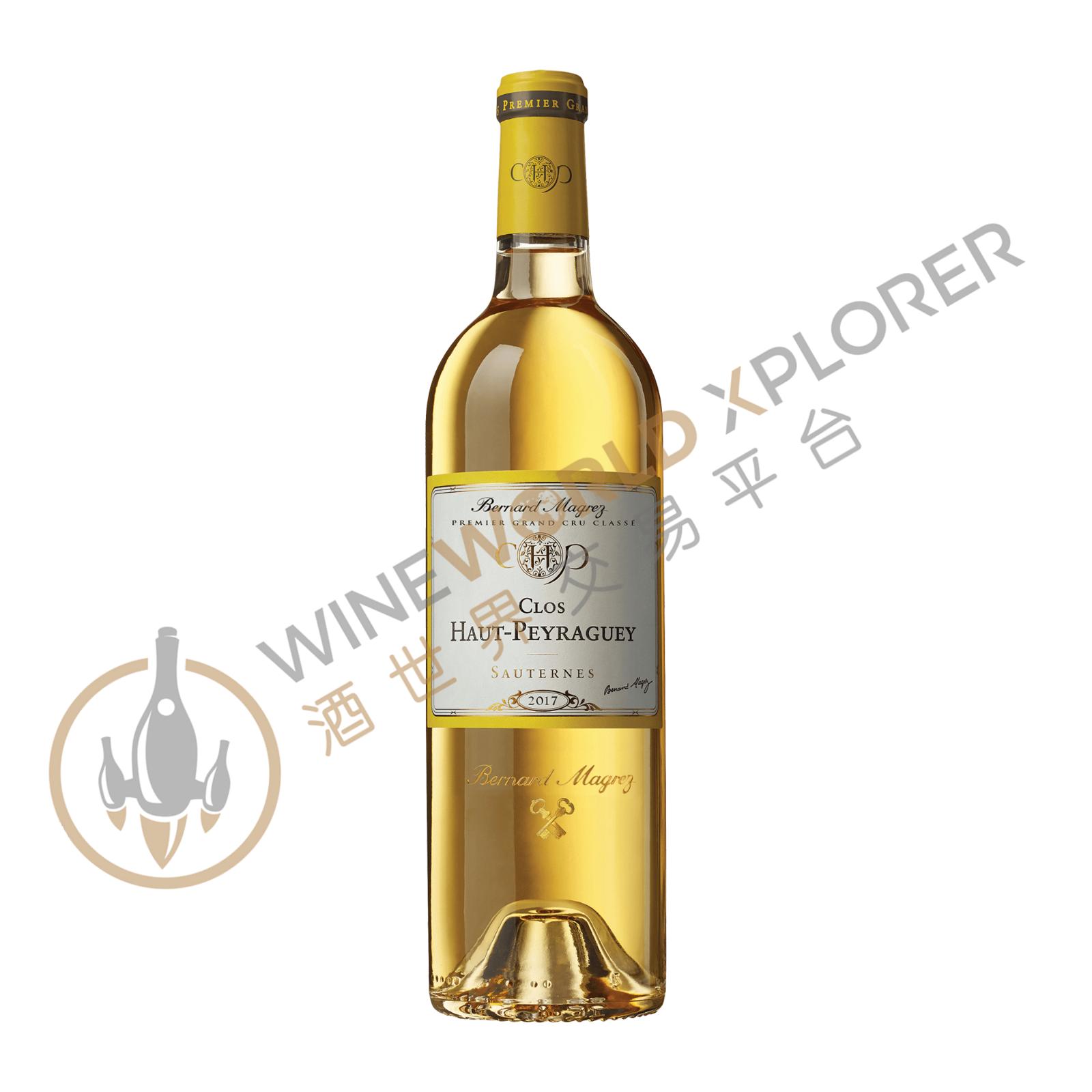
Clos Haut Peyraguey 2009
 View analysis


Description
Tasting notes

Reviewed by: Neal Martin
The nose is surprisingly taciturn at the moment, taking time to unfurl and reluctantly offering some light honeyed, white flower aromas. The palate is medium-bodied, very well defined, quite minerally with dried apricot, honey, nectarine and a touch of lemon curd. It would benefit from more weight and intensity towards the finish, but it has good length and finesse, gaining weight all the time with aeration.
Reviewed by: Neal Martin
To be honest, I was anticipating a better showing from Clos Haut Peyraguey. The nose of the 2009 does not quite possess the vivacity and clarity of its peers, although there are attractive waxy scents emerging with aeration. The palate is well-balanced, lighter and more feminine in style than its peers, while the tincture of caramel towards the finish suggests that this will be one of the shorter-lived 2009s? I will seek to re-taste this.
Reviewed by: Lisa Perrotti-Brown
The 2009 Clos Haut-Peyraguey has a pale to medium gold color and nose of dried tropical fruit, praline, ginger, beeswax and honey. Maturing, it is rich, lively and savory in the mouth with a stewed tea finish.
Reviewed by: James Suckling
A wine with honey and dried apple character with hints of peach pie and pears. Medium-to-full body, medium sweet and a fresh, spicy finish. Drink now or hold.
About the Producer
This ancient barony, acquired in the 18th century by a Monsieur de Pichard, the then president of the Bordeaux parliament, has existed for centuries. It benefits from unique terroir and climatic conditions, supported by an ancestral savoir-faire that enables it to perform at the highest levels of excellence. At the time of the 1855 classification, the estate was called Château Peyraguey. Then, in 1879, the estate was split into two. One part was named Lafaurie-Peyraguey, as a tribute to Monsieur Lafaurie (the former owner) who had brought the property renown, while the highest parts of the estate, situated at the top of the hill of Bommes, were named Clos Haut-Peyraguey. In 2012, Bernard Magrez purchased Clos Haut-Peyraguey from the Pauly family who had run the estate since 1914. To ensure that the high levels of excellence achieved by this Sauternes Premier Grand Cru are maintained and to acquire international prestige for the growth, Bernard Magrez lavishes meticulous care and attention on the vines, applying both traditional and innovative methods to achieve a unique wine: Clos Haut-Peyraguey, a Sauternes for the initiated. The estate covers 12 hectares, 8 of them forming a single block, close to the Ciron, a tributary of the Garonne River. The vines of Clos Haut-Peyraguey are situated at an elevation of 50 to 80 metres on complex gravelly-sandy soils very suited to the Sémillon, the undisputed king grape variety at the Clos, although Sauvignon is also planted and makes up a twentieth of the vineyard. In the vineyards, sustainable farming is practised. Replanting is done by phasing in new vines, rather than replacing whole plots. Once the famous botrytis, or noble rot, has made its appearance on the bunches, the grapes are picked by hand in several sorties, only the most sugar-rich and aromatic berries being picked each time. Clos Haut-Peyraguey has won awards at the most renowned national and international wine challenges and has gained recognition by the most prestigious wine guides.
