
 Wine Advisor



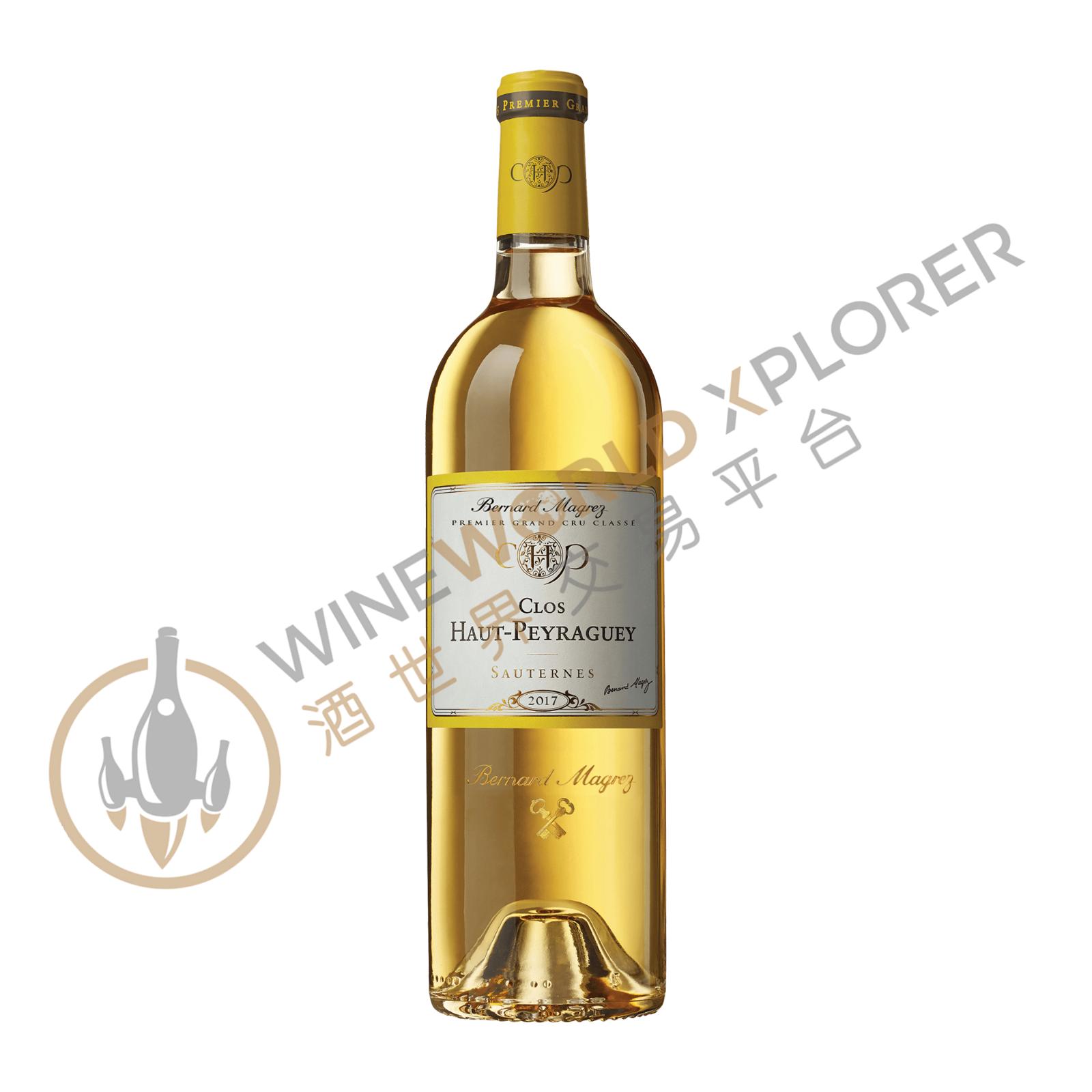
Clos Haut Peyraguey 2007
 View analysis


Description
Tasting notes

Reviewed by: Neal Martin
Tasted single blind against its peers. The Clos Haut Peyraguey has a very fragrant, floral bouquet with a “patisserie” element: touches of lemon meringue, apricot and walnut. The palate is very well-balanced, quite taut and spicy on the entry, not quite as “flowing” as other 2007 Sauternes but very zesty and tensile. This is an excellent Sauternes that will need time to harmonize, but all the constituent parts are here. Tasted January 2011.
Reviewed by: Neal Martin
The Clos Haut Peyraguey 2007 has an expressive nose with notes of clear honey, apricot, fig and a touch of walnut: very well defined and natural. The palate is quite racy and spicy with ginger inflecting the mandarin, pear, marmalade and apricot fruit. It displays superb weight and persistency towards the finish with just a faint tang of ginger lingering on the aftertaste. Excellent. Drink now-2025.
Reviewed by: Neal Martin
The nose is still a little muffled at the moment (as evident by the separate tries tasted from barrel.) Remaining rather yeasty and closed. Apple, a touch of honey, perhaps a little earthy at this stage. The palate is more cohesive with notes of marmalade, dried lychee, a touch of peach and orange zest. The finish is a little disjointed - certainly more towards the marmalade end of the tasting spectrum rather than peach or honey. Good acidity, full of vigour on the finish. All the components here to make a great Clos Haut-Peyraguey. Drink 2010-2025. Tasted April 2008.
Reviewed by: Neal Martin
The 2007 Clos Haut-Peyraguey was tasted from two bottles: the first a little fungal, the second a bit yeasty and not quite right. The palate is more representative as it is tangy with fine acidity, marmalade and quince, though it shows a little bitterness on the finish. Tasted at the 2007 horizontal in Sauternes.
About the Producer
This ancient barony, acquired in the 18th century by a Monsieur de Pichard, the then president of the Bordeaux parliament, has existed for centuries. It benefits from unique terroir and climatic conditions, supported by an ancestral savoir-faire that enables it to perform at the highest levels of excellence. At the time of the 1855 classification, the estate was called Château Peyraguey. Then, in 1879, the estate was split into two. One part was named Lafaurie-Peyraguey, as a tribute to Monsieur Lafaurie (the former owner) who had brought the property renown, while the highest parts of the estate, situated at the top of the hill of Bommes, were named Clos Haut-Peyraguey. In 2012, Bernard Magrez purchased Clos Haut-Peyraguey from the Pauly family who had run the estate since 1914. To ensure that the high levels of excellence achieved by this Sauternes Premier Grand Cru are maintained and to acquire international prestige for the growth, Bernard Magrez lavishes meticulous care and attention on the vines, applying both traditional and innovative methods to achieve a unique wine: Clos Haut-Peyraguey, a Sauternes for the initiated. The estate covers 12 hectares, 8 of them forming a single block, close to the Ciron, a tributary of the Garonne River. The vines of Clos Haut-Peyraguey are situated at an elevation of 50 to 80 metres on complex gravelly-sandy soils very suited to the Sémillon, the undisputed king grape variety at the Clos, although Sauvignon is also planted and makes up a twentieth of the vineyard. In the vineyards, sustainable farming is practised. Replanting is done by phasing in new vines, rather than replacing whole plots. Once the famous botrytis, or noble rot, has made its appearance on the bunches, the grapes are picked by hand in several sorties, only the most sugar-rich and aromatic berries being picked each time. Clos Haut-Peyraguey has won awards at the most renowned national and international wine challenges and has gained recognition by the most prestigious wine guides.
