
 Wine Advisor



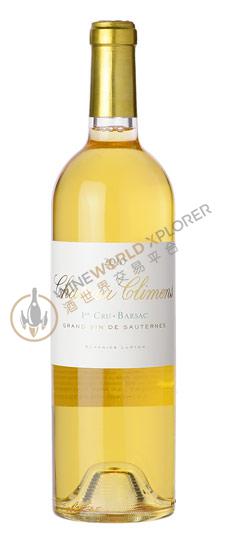
Climens 2008
 View analysis


Description
Tasting notes

Reviewed by: Neal Martin
The 2008 Climens delivers 132g/L residual sugar. It has a much less expressive nose than the 2009: honey, wet wool, slightly petrolly in style. The palate is very well balanced with a fine bead of acidity, great depth and intensity, showing more clarity than the nose suggests. I would afford this another two or three years in bottle. Excellent. Tasted at the Climens vertical at the château in April 2022.
Reviewed by: Stephen Tanzer
Bright golden yellow. Fresh apricot, orange oil, hazelnut and racy spices on the tangy nose. Silky, lush and deep, with superb balancing acidity keeping this utterly seamless wine light on its feet. Showing more spice than apricot fruit now but this refined, very long wine is dusty with material and very long and subtle on the aftertaste. Its balance makes it attractive already but I'd hold it for at least another five to seven years to give it a chance to absorb some of its spicy oak.
Reviewed by: Neal Martin
Tasted single blind against its peers. This has a very well -defined nose of dried pineapple, quince and vanilla pod that unfolds seductively in the glass. The palate is medium-bodied with a mellifluous texture, although there remains some oak that needs to be subsumed into the wine. It displays fine definition towards the finish with impressive length. Always a little curmudgeonly in its youth, this Climens deserves a decade in bottle. Tasted January 2012.
Reviewed by: Neal Martin
The 2008 Climens has a “clinical” bouquet with tangerine, grapefruit, pear and apricot that is very pure, but at the moment very tight. The palate is understated on the entry but builds nicely, with viscous honeyed fruit with marmalade, quince and spice. It clams up on the finish like Climens often does in its youth, but there is patently great potential and may merit a higher score in adulthood. Drink now-2040.
Reviewed by: Neal Martin
Tasting through the individual lots with Berenice Lurton, what comes across are the components of a crisp, refreshing, minerally Climens that may not have as much botrytis as previous vintages, but will have a thrilling sense of tension and poise. It was the energy in several lots that enamoured, with subtle white peach and apple-blossom aromas, hints of grapefruit and honeysuckle, the later tries bearing semblances to great Alsace. Great potential: taut, poised and brimming with vim and vigor.
About the Producer
Château Climens is a wine producer located in the Sauternes village of Barsac on the left bank of the Gironde river, south of Bordeaux. It was classified as a first growth in the 1885 Classification of Sauternes and Barsac alongside other châteaux such as Guiraud and Suduiraut. Climens is one of only a handful of châteaux in Bordeaux that produces its wines from only one grape: Semillon. The wine is characterized by fresh citrus notes, white flowers and spice, which becomes more honeyed and concentrated with age. Semillon thrives on the limestone-rich soils in the vineyards. Botrytis develops on the grapes because of the misty mornings, humidity and warmer afternoons that are typical during the months before harvest. If the grapes are not of the highest quality, or if botrytis has not properly formed, owner Bérénice Lurton and her team will not produce their top wine, the grand vin Château Climens. They have been bold enough in the past to declassify an entire harvest of fruit – either selling the grapes off to other producers rather than bottling as their own or releasing wines under secondary labels. The grapes are harvested and brought into the winery, plot by plot, where they are gently pressed before fermentation in oak barrels. Maturation takes place in French oak barrels on lees for about 20 months. Wines from the best vintages can last decades – a recent tasting of the 1921 vintage revealed a rich, balanced and zesty wine. Château Climens has been owned by the Lurton family since the 1970s (when it was acquired by Lucien Lurton), and in 1992 the estate came under the control of Bérénice Lurton (his daughter). In 2010, Climens began to practice biodynamic winemaking and viticulture, and the 2014 vintage was the first to be entirely certified as biodynamic. Chemical sprays were replaced with natural preparations and plant infusions, from flowers such as chamomile and juniper which are grown on the estate and dried in the attics above the chais.
