
 Wine Advisor



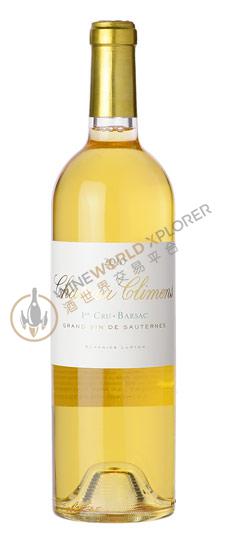
Climens 2003


Description
Tasting notes

Reviewed by: Neal Martin
Ex-chateau bottle tasted blind in Sauternes. The Climens ’03 has always been a capricious Barsac: brilliant out of barrel but found wanting under vertical conditions. Here, amidst a blind horizontal, it fell somewhere between the two! This bottle offers a sweet ripe bouquet of candied orange peel, dried honey and fig that is missing a little delineation (as discerned on previous bottles.) The palate is ripe and rounded on the entry with a touch of spice that lends it a pleasant edginess. Mango and pineapple form the middle whilst the finish is composed and focused with commendable precision and citric acidity. To repeat comments I have made before, this is a decent Climens, but Berenice Lurton has made far superior wines in recent years. Tasted April 2013.
Reviewed by: Neal Martin
Having tasted two separate lots in 2004, finally a chance to taste the end product. This is a superb Climens with a vibrant honeyed, passion fruit nose with a scent of clotted cream (I noted creme fraiche in one of the lots last time.) Very good level of botrytised fruit with beautiful definition and poise. Finishing with a flourish of marmalade tinged fruit. Very long. A sumptuous Climens. Tasted October 2005.
Reviewed by: Robert M. Parker, Jr.
No tasting note was given.
Reviewed by: Robert M. Parker, Jr.
Space limitations preclude including tasting notes. 2003 is a rich, sweet vintage of powerful, full-bodied wines that possess huge levels of glycerin, alcohol, and residual sugar.
Reviewed by: Neal Martin
Tasted at Chateau Climens. To be honest, this Climens has never won me over and in this marathon vertical its lacks of freshness and precision is tangible, not because of any winemaking fault, but because of the incessant heat of the growing season. It is just smudged on the nose with faint honeyed aromas. The palate is more pleasurable with viscous layers of honeyed tinged with Clementine and apricot. The finish is attractive although it does lack a little tension, a little Alsace-like in personality. Not a bad 2003 Barsac by a long way, but there are better Climens made during this period. Drink now-2020. Tasted April 2009.
About the Producer
Château Climens is a wine producer located in the Sauternes village of Barsac on the left bank of the Gironde river, south of Bordeaux. It was classified as a first growth in the 1885 Classification of Sauternes and Barsac alongside other châteaux such as Guiraud and Suduiraut. Climens is one of only a handful of châteaux in Bordeaux that produces its wines from only one grape: Semillon. The wine is characterized by fresh citrus notes, white flowers and spice, which becomes more honeyed and concentrated with age. Semillon thrives on the limestone-rich soils in the vineyards. Botrytis develops on the grapes because of the misty mornings, humidity and warmer afternoons that are typical during the months before harvest. If the grapes are not of the highest quality, or if botrytis has not properly formed, owner Bérénice Lurton and her team will not produce their top wine, the grand vin Château Climens. They have been bold enough in the past to declassify an entire harvest of fruit – either selling the grapes off to other producers rather than bottling as their own or releasing wines under secondary labels. The grapes are harvested and brought into the winery, plot by plot, where they are gently pressed before fermentation in oak barrels. Maturation takes place in French oak barrels on lees for about 20 months. Wines from the best vintages can last decades – a recent tasting of the 1921 vintage revealed a rich, balanced and zesty wine. Château Climens has been owned by the Lurton family since the 1970s (when it was acquired by Lucien Lurton), and in 1992 the estate came under the control of Bérénice Lurton (his daughter). In 2010, Climens began to practice biodynamic winemaking and viticulture, and the 2014 vintage was the first to be entirely certified as biodynamic. Chemical sprays were replaced with natural preparations and plant infusions, from flowers such as chamomile and juniper which are grown on the estate and dried in the attics above the chais.