
 Wine Advisor




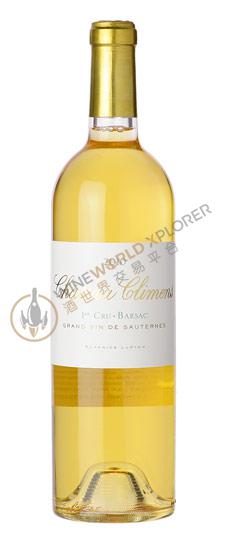
Climens 1989
 View analysis


Description
Tasting notes

Reviewed by: Robert M. Parker, Jr.
For whatever reason, the 1989 is merely outstanding rather than dazzling. While it lacks the complexity of the 1988, it is a plump, muscular, rich, intense, full-bodied, sweeter wine than usual. For a 1989, it even possesses good acidity. If more complexity and grip develop, my rating will look stingy. Anticipated maturity: 1995-2010. Last tasted, 1/93.
Reviewed by: Neal Martin
A lovely nose of honey, kerosene, marmalade and orange peel although moderate botrytis. The palate is very well balanced, superb acidity, quite Germanic in style with great poise and focus on the finish. Great breeding but it is still backward and reticent. Needs time. Tasted September 2007.
Reviewed by: Neal Martin
For me, one of the most intriguing wines of the Climens Vertical, it just seemed to have a different character to the other wines. The nose is far more broody and sullen. Rich honey, lemon curd and toffee on the nose. Lacks the joie-de-vivre of the 90. The palate is very concentrated with ripe apricot and orange. It seems to have less botrytis than the 90. I have a feeling that this will explode in a few years time. For now, it is sitting and waiting. Tasted June 2004.
Reviewed by: Neal Martin
Tasted at the Bordeaux Index’s Chateau Climens dinner. A little lighter in colour than the ’90, this ’89 Climens retains its glorious barley sugar, honeysuckle and peach-tinged nose with touches of ginger evolving with aeration. The palate is harmonious, supple and very pure with acacia honey, quince, apricot and noticeably less residual sugar on the finish than the aforementioned ’90. Superb, but the chateau bottle in April was better. Tasted November 2009.
Reviewed by: Robert M. Parker, Jr.
For whatever reason, the 1989 is merely outstanding rather than dazzling. Although it lacks the complexity of the 1988, it is a plump, muscular, rich, intense, full-bodied, and sweeter-than-usual Climens. For a 1989, it possesses good acidity. If more complexity and grip develop, my rating may look stingy. Anticipated maturity: now-2010. Last tasted 11/94
Reviewed by: Robert M. Parker, Jr.
For whatever reason, the 1989 is merely outstanding rather than dazzling. Although it lacks the complexity of the 1988, it is a plump, muscular, rich, intense, full-bodied, and sweeter-than-usual Climens. For a 1989, it possesses good acidity. If more complexity and grip develop, my rating may look stingy. Anticipated maturity: now-2010.
Reviewed by: Neal Martin
Tasted at Chateau Climens. This has a slightly deeper hue than the 1990. The nose is even more defined than the 1990 with quince, barley sugar, dried apricot and a touch of Clementine. The palate is medium-bodied, a great sense of tension and vibrancy, taut, focused with a compelling citrus/white peach, viscous finish that leaves the tongue revivified and ready for another drop. This is unequivocally a superlative Climens that on this occasions just pips the stunning 1990. Classic – immortal! Drink now-2040+ Tasted April 2009.
Reviewed by: Robert M. Parker, Jr.
For whatever reason, the 1989 is merely outstanding rather than dazzling. Although it lacks the complexity of the 1988, it is a plump, muscular, rich, intense, full-bodied, and sweeter-than-usual Climens. For a 1989, it possesses good acidity. If more complexity and grip develop, my rating may look stingy. Anticipated maturity: now-2010.
About the Producer
Château Climens is a wine producer located in the Sauternes village of Barsac on the left bank of the Gironde river, south of Bordeaux. It was classified as a first growth in the 1885 Classification of Sauternes and Barsac alongside other châteaux such as Guiraud and Suduiraut. Climens is one of only a handful of châteaux in Bordeaux that produces its wines from only one grape: Semillon. The wine is characterized by fresh citrus notes, white flowers and spice, which becomes more honeyed and concentrated with age. Semillon thrives on the limestone-rich soils in the vineyards. Botrytis develops on the grapes because of the misty mornings, humidity and warmer afternoons that are typical during the months before harvest. If the grapes are not of the highest quality, or if botrytis has not properly formed, owner Bérénice Lurton and her team will not produce their top wine, the grand vin Château Climens. They have been bold enough in the past to declassify an entire harvest of fruit – either selling the grapes off to other producers rather than bottling as their own or releasing wines under secondary labels. The grapes are harvested and brought into the winery, plot by plot, where they are gently pressed before fermentation in oak barrels. Maturation takes place in French oak barrels on lees for about 20 months. Wines from the best vintages can last decades – a recent tasting of the 1921 vintage revealed a rich, balanced and zesty wine. Château Climens has been owned by the Lurton family since the 1970s (when it was acquired by Lucien Lurton), and in 1992 the estate came under the control of Bérénice Lurton (his daughter). In 2010, Climens began to practice biodynamic winemaking and viticulture, and the 2014 vintage was the first to be entirely certified as biodynamic. Chemical sprays were replaced with natural preparations and plant infusions, from flowers such as chamomile and juniper which are grown on the estate and dried in the attics above the chais.
