
 Wine Advisor



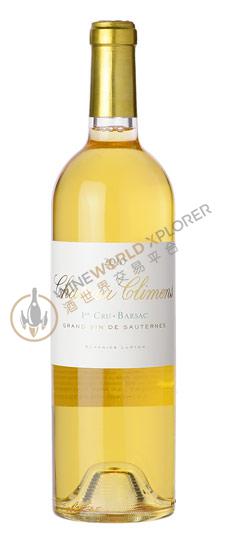
Climens 2001
 View analysis


Description
Tasting notes

Reviewed by: Neal Martin
The Climens 2001 has always possessed a deliriously complex and intense bouquet that is beautifully defined: dried quince and marmalade, honeycomb and antique furniture. There is an inchoate, resinous element that will surely surface over the next decade or so. This is a bouquet that demands attention and in this blind tasting, sticks out from the crowd, a sui generis. Since I last tasted it, the palate has opened up and is beginning to pump on all cylinders. It is wonderfully balanced with fabulous intensity and a long, citrus-tinged finish that is utterly beguiling. As Kate Bush once sang: "Wow".
Reviewed by: Robert M. Parker, Jr.
Tasted a few months prior to bottling, the 2001 appears to be one of the most remarkable Climens (and there have been many of those over the last 30 years) yet produced. The harvest started October 1, with tremendous levels of botrytis, and yields were an astonishingly low six hectoliters per hectare. As usual, the 2001 (100% Semillon) was aged for 18 months in oak casks. Its light greenish gold color is followed by a flawless bouquet of honeyed pineapples, citrus, lanolin, and floral scents. The finish lasts for well over a minute. Good acidity and tremendous extract should result in one of the most prodigious sweet wines in modern-day Bordeaux. Monumental! Anticipated maturity: 2010-2045.
Reviewed by: Neal Martin
This has a light well defined bouquet with touches of white peach, white flowers and just a touch of lemon curd. Good delineation. The palate is very zesty on the entry with orange peel and bitter lemon, expanding nicely with a sharp, poised, racy finish with great penetration. Reminds me of Coutet (but it turned out to be Climens.) Tasted March 2011.
Reviewed by: Robert M. Parker, Jr.
A prodigious offering, the 2001 Climens’ light medium bold color with a greenish hue is followed by ethereal aromas of tropical fruits (primarily pineapple), honeysuckle, and flowers. It is a medium-bodied wine of monumental richness, extraordinary precision/delineation, great purity, and moderate sweetness. The finish seemingly lasts forever. This monumental effort is the stuff of legends. Anticipated maturity: 2010-2040+.
Reviewed by: Neal Martin
An intriguing, complex nose of citrus fruits, mango and chalk dust. The palate is good botrytis levels, quite floral with notes of custard creams, lemon and honey. Well-integrated - a rich, opulent wine in a similar style to Doisy-Vedrines. Superb. Then a fine half-bottle in February 2005. Tasted blind: an understated nose that reminded me of a Gewurztraminer VT. Peach, mango, rosewater and apricot. The palate has wonderful acidity and balance: unlike the nose quintessential Barsac. Apricot, pear and almond. It does not have the glycerin nor the botrytis that I was expecting. Peardrops on the finish. A lovely wine, very succinct. Drink in 10 to 15 years time.
Reviewed by: Neal Martin
Tasted at the Chateau Climens vertical in Zurich. A very pale silvery/golden hue. The nose is more generous and open than the bottle poured at the chateau last April. Very opulent, honeyed with touches of almond, icing sugar, coconut, glycerine, lime cordial and a touch of tinned pineapple. The palate is full-bodied, ripe and opulent, slightly lower in acidity than I recall, mellifluous with again, that leitmotif of pineapple towards the languid finish. Lovely, but it deserves cellaring for another 10+ years. Tasted November 2009.
Reviewed by: Neal Martin
Tasted at Chateau Climens. Like the 2002, this 2001 seems to have closed down on the nose and so allowing for 40 minutes aeration, it reluctantly reveals aromas of pineapple, Seville orange, apricot blossom and a touch of candle wax. Good definition but tightly-coiled. The palate is tight but beautifully delineated with a vibrant sense of minerality that should develop in the future. Delicate touches of mandarin and apricot on the finish, slightly chalky tannins. Everything lies in the future for this wine. Drink 2012-2035+. Tasted April 2009.
Reviewed by: Neal Martin
The 2001 Climens has a well-defined, complex bouquet of dried honey, peach skin, quince and a light beeswax scent. Tight at first, it only takes a few swirls of the glass to get going. The palate is where the action is: very intense and concentrated with layers of botrytized fruit, lightly spiced with tangy marmalade, quince and nectarine notes, merging into saffron and gingerbread toward the very engaging, persistent finish. This is a magnificent Barsac that is only beginning to show what it is capable of.
Reviewed by: Stephen Tanzer
Medium yellow. Reticent, liqueur-like aromas of yellow plum, vineyard peach, spices, white flowers and menthol. Impeccably balanced and impressively structured, with its new oak component to the fore. But this extremely bright, intense, focused wine possesses a strong core of spicy, botrytized fruit. Finishes with terrific fruit and an almost tannic firmness. Like so many of these 2001s, give this long aeration if you plan to taste a bottle any time soon.
Reviewed by: Stephen Tanzer
Pale yellow-gold. Musky aromas of nearly roasted yellow fruits and marzipan, with an intoxicating botrytis tang. Firm on entry, then powerful and gripping in the middle, with multidimensional flavors of peach, passion fruit, spicy oak, acacia flower and vanilla. A wine of great power and intensity, yet there's nothing overbearing or heavy about it. To the best of my knowledge, this is the only one of these 2001s made entirely from semillon.
About the Producer
Château Climens is a wine producer located in the Sauternes village of Barsac on the left bank of the Gironde river, south of Bordeaux. It was classified as a first growth in the 1885 Classification of Sauternes and Barsac alongside other châteaux such as Guiraud and Suduiraut. Climens is one of only a handful of châteaux in Bordeaux that produces its wines from only one grape: Semillon. The wine is characterized by fresh citrus notes, white flowers and spice, which becomes more honeyed and concentrated with age. Semillon thrives on the limestone-rich soils in the vineyards. Botrytis develops on the grapes because of the misty mornings, humidity and warmer afternoons that are typical during the months before harvest. If the grapes are not of the highest quality, or if botrytis has not properly formed, owner Bérénice Lurton and her team will not produce their top wine, the grand vin Château Climens. They have been bold enough in the past to declassify an entire harvest of fruit – either selling the grapes off to other producers rather than bottling as their own or releasing wines under secondary labels. The grapes are harvested and brought into the winery, plot by plot, where they are gently pressed before fermentation in oak barrels. Maturation takes place in French oak barrels on lees for about 20 months. Wines from the best vintages can last decades – a recent tasting of the 1921 vintage revealed a rich, balanced and zesty wine. Château Climens has been owned by the Lurton family since the 1970s (when it was acquired by Lucien Lurton), and in 1992 the estate came under the control of Bérénice Lurton (his daughter). In 2010, Climens began to practice biodynamic winemaking and viticulture, and the 2014 vintage was the first to be entirely certified as biodynamic. Chemical sprays were replaced with natural preparations and plant infusions, from flowers such as chamomile and juniper which are grown on the estate and dried in the attics above the chais.
1929(1)1940(1)1967(1)1986(2)1989(2)1990(3)1995(1)1996(2)1997(2)
Package Size
1 x 3L
