
 Wine Advisor



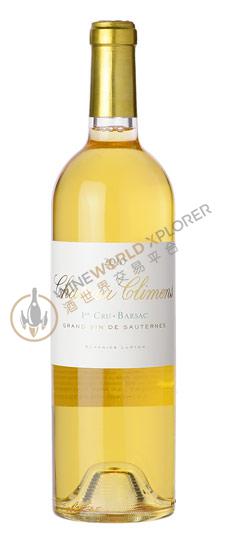
Climens 1998
 View analysis


Description
Tasting notes

Reviewed by: Robert M. Parker, Jr.
(No tasting note given)
Reviewed by: Neal Martin
First tasted May 2000: an expansive expressive nose: pineapple and apricots. Fine acidity with dense powerful exotic fruits. Almost a leafy quality. Intense concentrated finish with ample botrytis. Excellent. Tasted again May 2004 - has not quite achieved its initial promise but still a very fine Climens. A rich, fruit-driven nose with tangerines and honey. Good levels of botrytis, opulent with marmalade notes developing. A bit short on the finish. Very fine.
Reviewed by: Neal Martin
Tasted at Chateau Climens. Although this has a similar hue to the ’99, the nose blossoms in the glass, with clear honey, tangerine and a touch of barley sugar. Very well defined. The palate is medium-bodied, slightly waxy on the entry with touches of apricot, barley sugar and spice. The finish just lacks a little weight and length, quite linear compared to others. A little short. The bouquet is better than the nose in this year. Drink now-2020. Tasted April 2009.
Reviewed by: Lisa Perrotti-Brown
Pale to medium gold in color, the 1998 Climens has a nose of chalk dust, lemongrass, straw and dried apples with hints of candied lemons and toasted almonds. The palate is a little tired and fading, with pleasant nutty/savory notions and a bit of dryness to the finish. Drink up!
Reviewed by: Stephen Tanzer
Bright green-tinged yellow. Fine, highly nuanced nose combines yellow plum, peach, grapefruit, vanilla and toast, along with cooler menthol and mineral notes. Very bright and very young; not yet showing its flesh. Not especially sweet, even for Barsac, with a reported 49 g/l r.s. Currently the flavors are dominated by new oak scents of toffee and vanilla (the wine was aged in 50% new barrels, compared to a typical 33%). Should eventually merit a 90-plus rating, but this wine is developing very slowly.
Reviewed by: Stephen Tanzer
Sexy aromas of peach, apricot and spicy, toasty oak. Not especially fat but sophisticated on the palate; flavors of ripe white pit fruits meld nicely with oak notes of resin, toffee and butterscotch. The finish is a bit dominated by the oak but remains sweet, not bitter. Climens is notoriously tricky to taste early, and thus this wine may well be stronger than it showing today.
About the Producer
Château Climens is a wine producer located in the Sauternes village of Barsac on the left bank of the Gironde river, south of Bordeaux. It was classified as a first growth in the 1885 Classification of Sauternes and Barsac alongside other châteaux such as Guiraud and Suduiraut. Climens is one of only a handful of châteaux in Bordeaux that produces its wines from only one grape: Semillon. The wine is characterized by fresh citrus notes, white flowers and spice, which becomes more honeyed and concentrated with age. Semillon thrives on the limestone-rich soils in the vineyards. Botrytis develops on the grapes because of the misty mornings, humidity and warmer afternoons that are typical during the months before harvest. If the grapes are not of the highest quality, or if botrytis has not properly formed, owner Bérénice Lurton and her team will not produce their top wine, the grand vin Château Climens. They have been bold enough in the past to declassify an entire harvest of fruit – either selling the grapes off to other producers rather than bottling as their own or releasing wines under secondary labels. The grapes are harvested and brought into the winery, plot by plot, where they are gently pressed before fermentation in oak barrels. Maturation takes place in French oak barrels on lees for about 20 months. Wines from the best vintages can last decades – a recent tasting of the 1921 vintage revealed a rich, balanced and zesty wine. Château Climens has been owned by the Lurton family since the 1970s (when it was acquired by Lucien Lurton), and in 1992 the estate came under the control of Bérénice Lurton (his daughter). In 2010, Climens began to practice biodynamic winemaking and viticulture, and the 2014 vintage was the first to be entirely certified as biodynamic. Chemical sprays were replaced with natural preparations and plant infusions, from flowers such as chamomile and juniper which are grown on the estate and dried in the attics above the chais.
