Wine Advisor



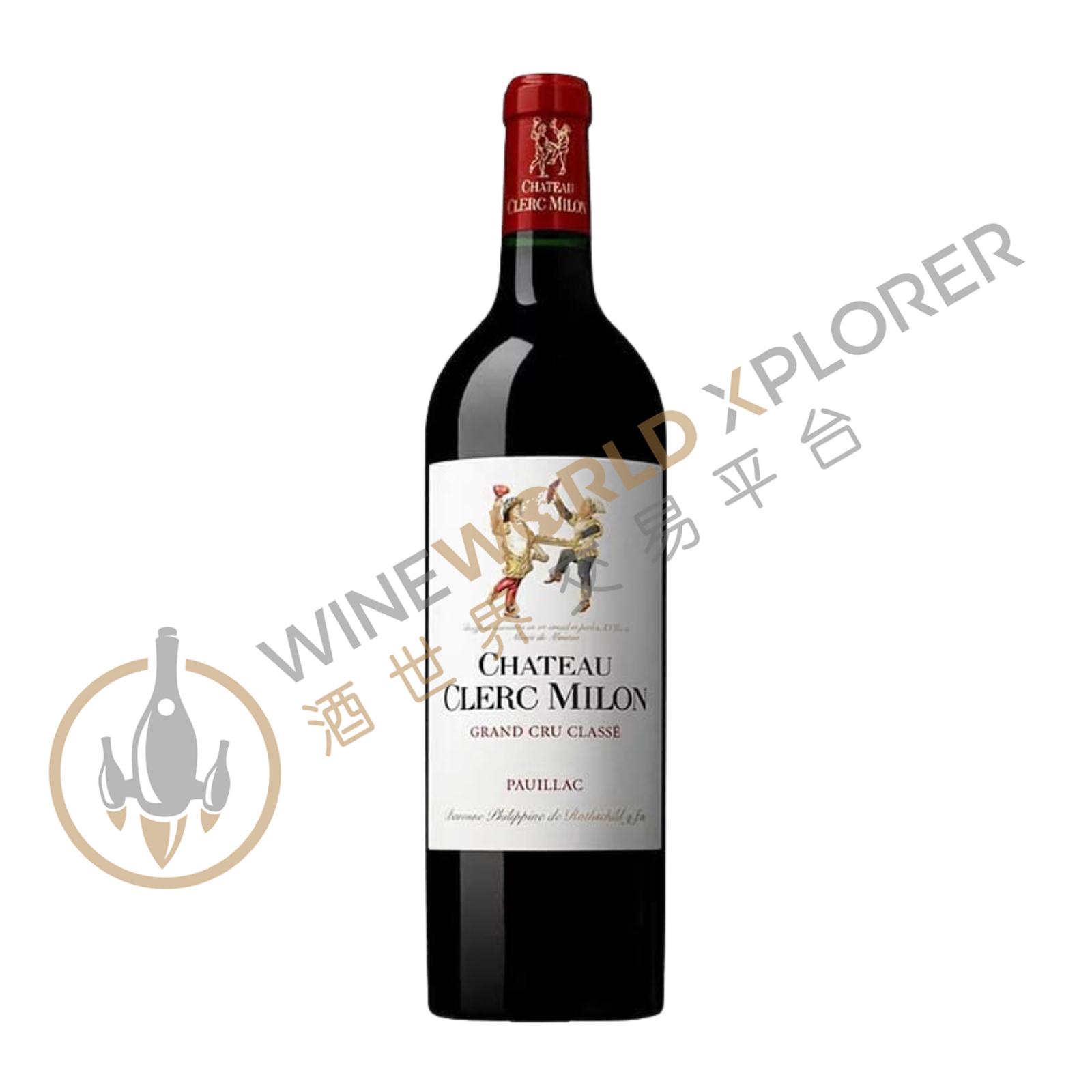
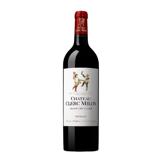
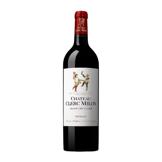
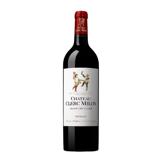
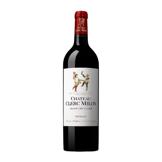
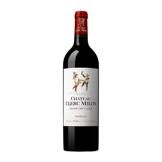
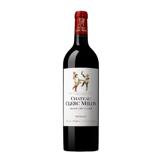
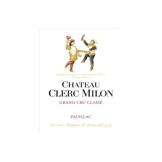
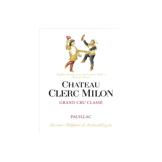
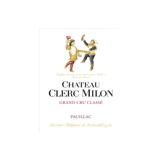
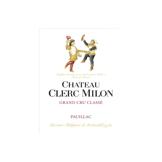
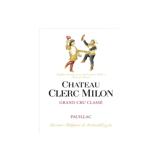
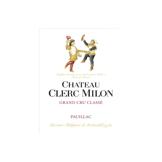
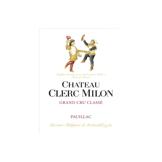
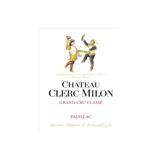
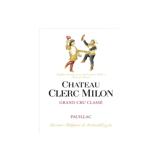
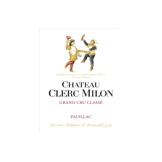
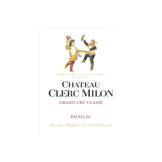
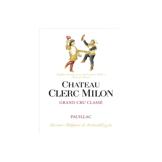
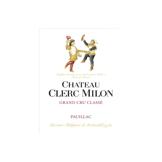
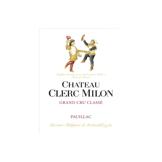
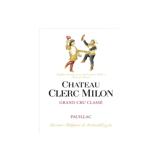
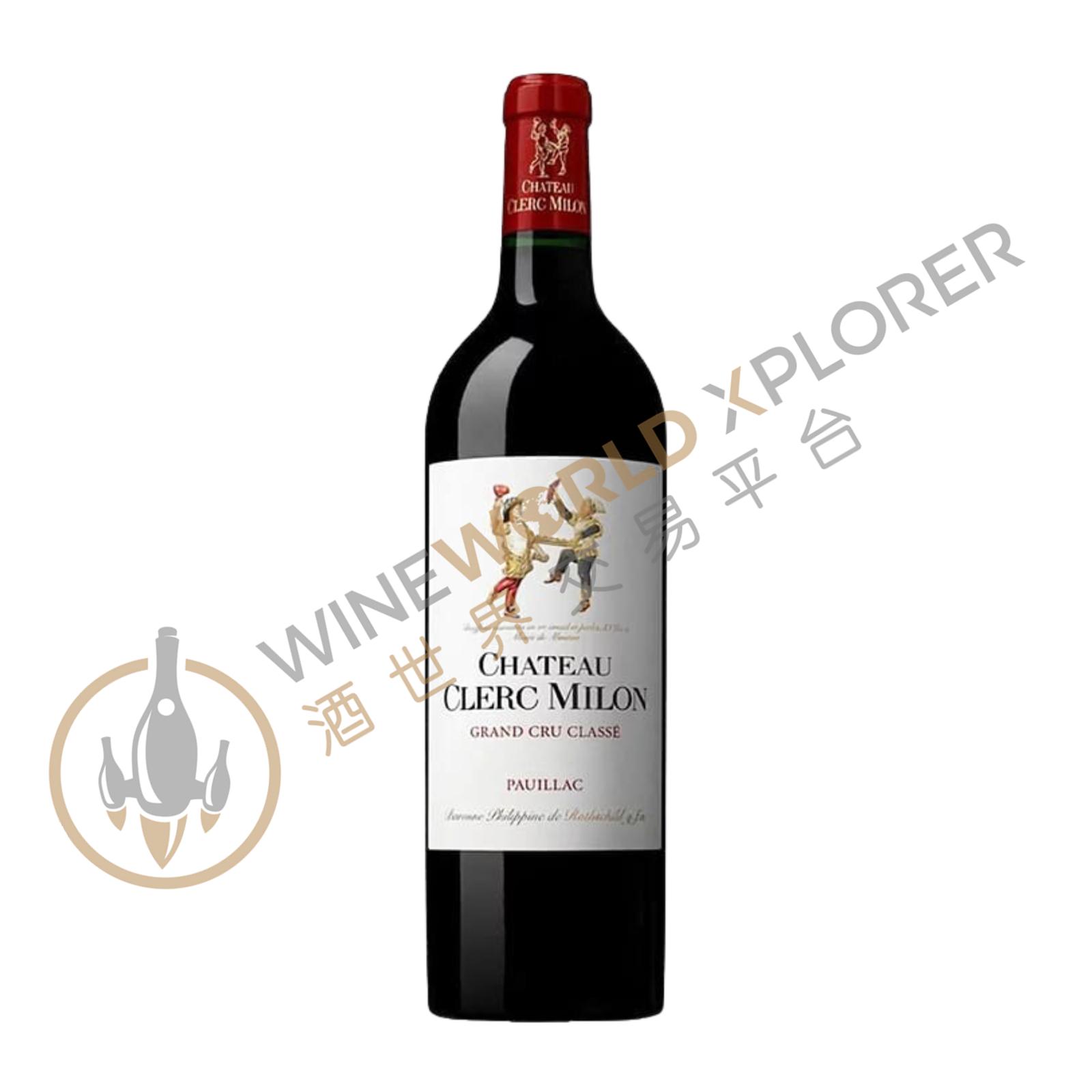
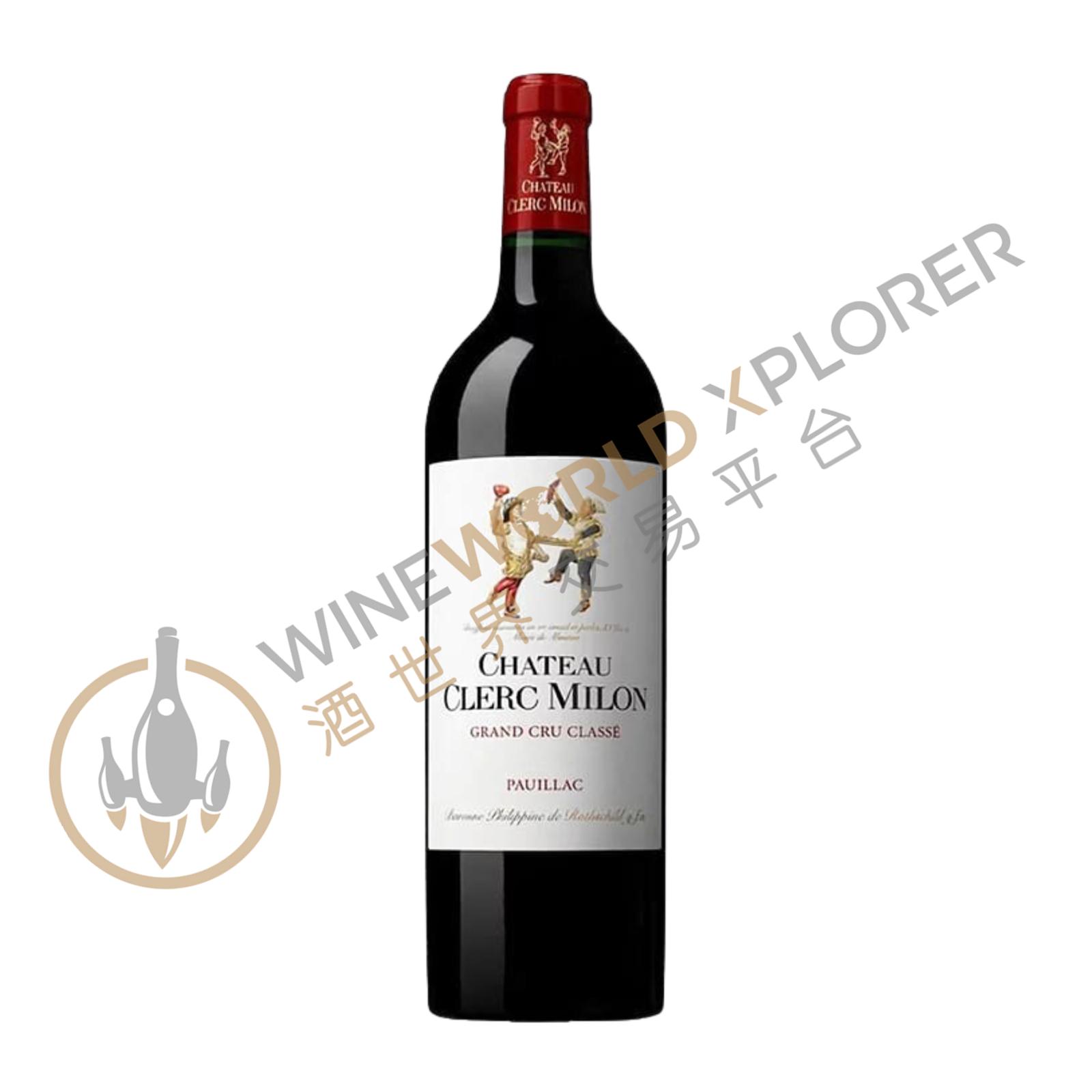
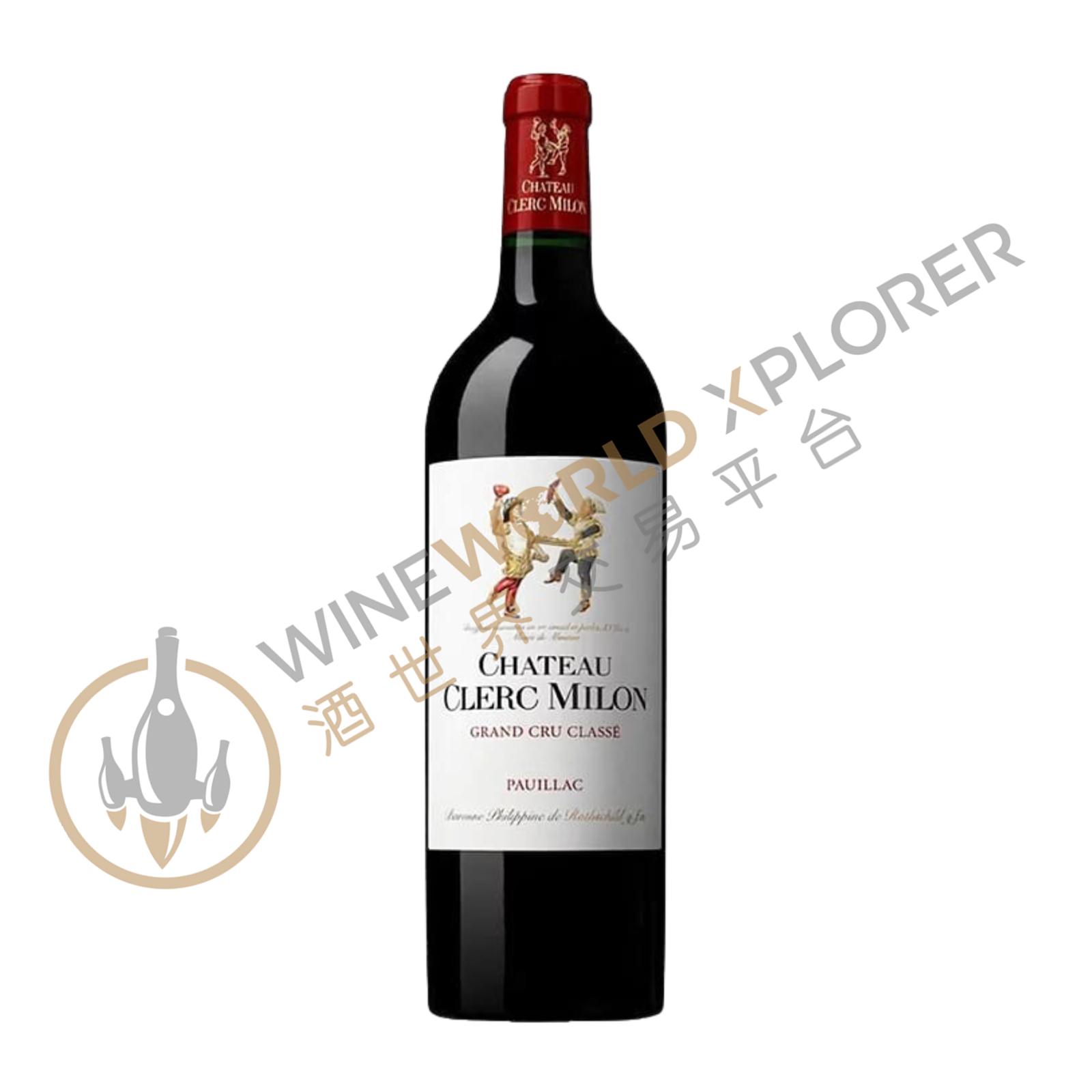
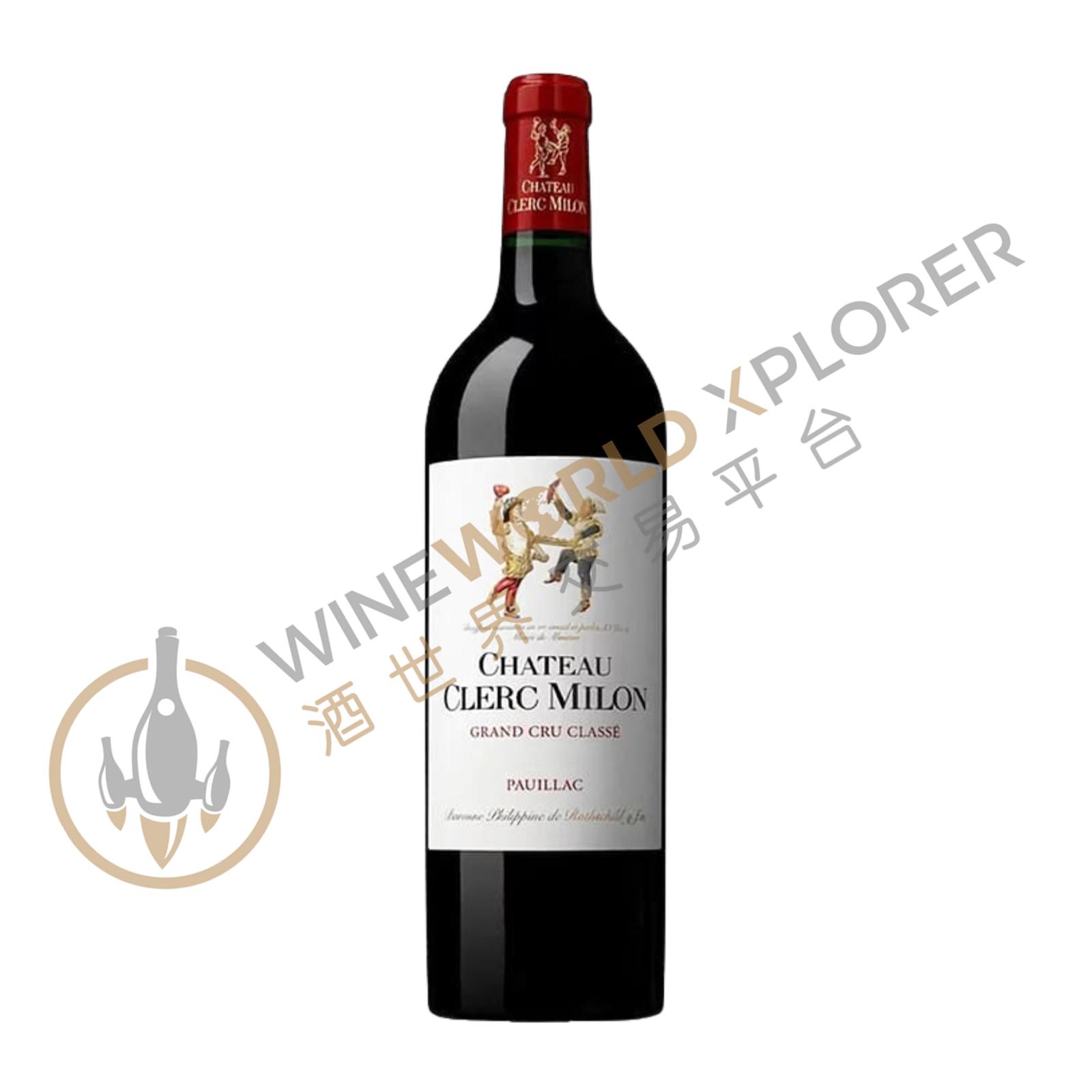
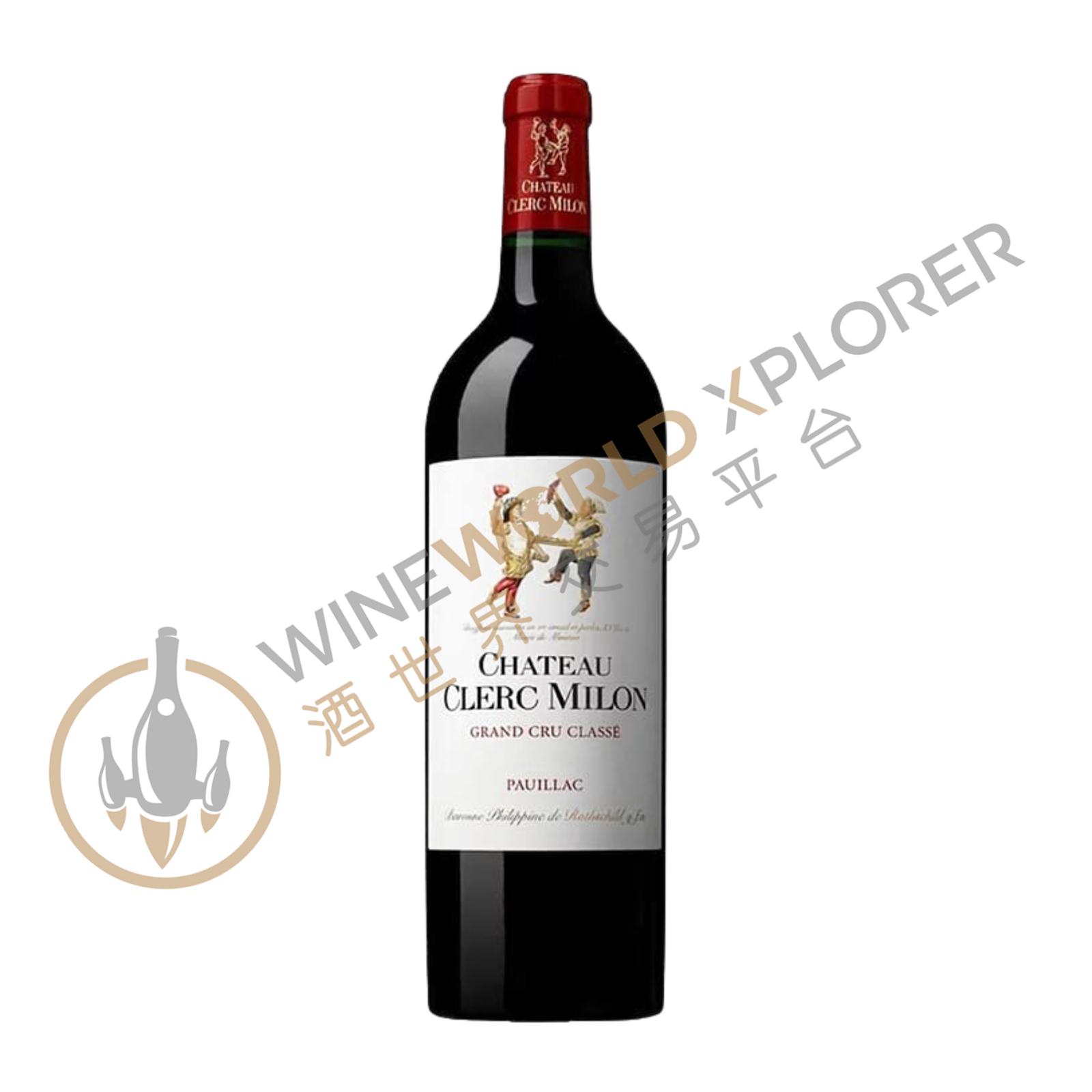
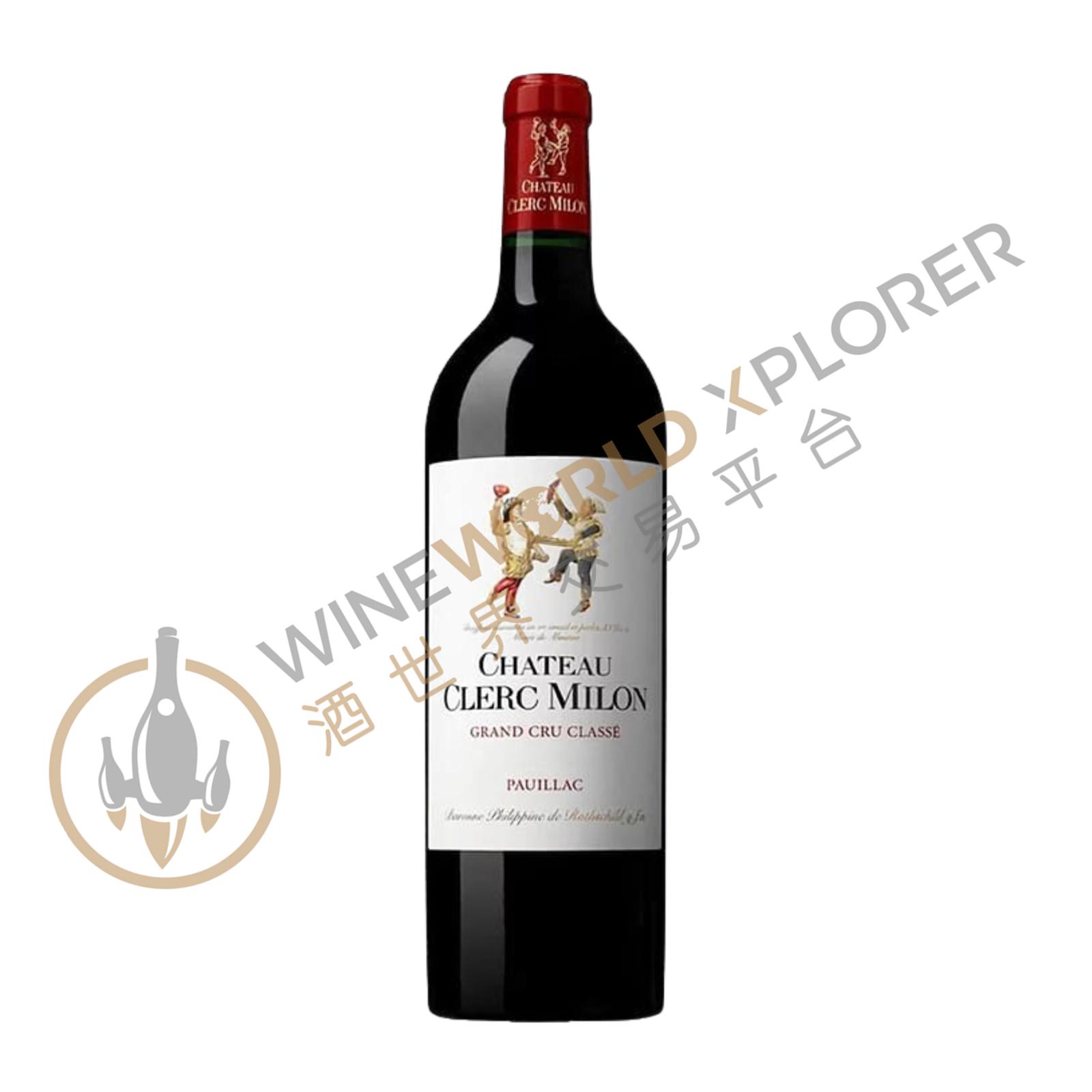
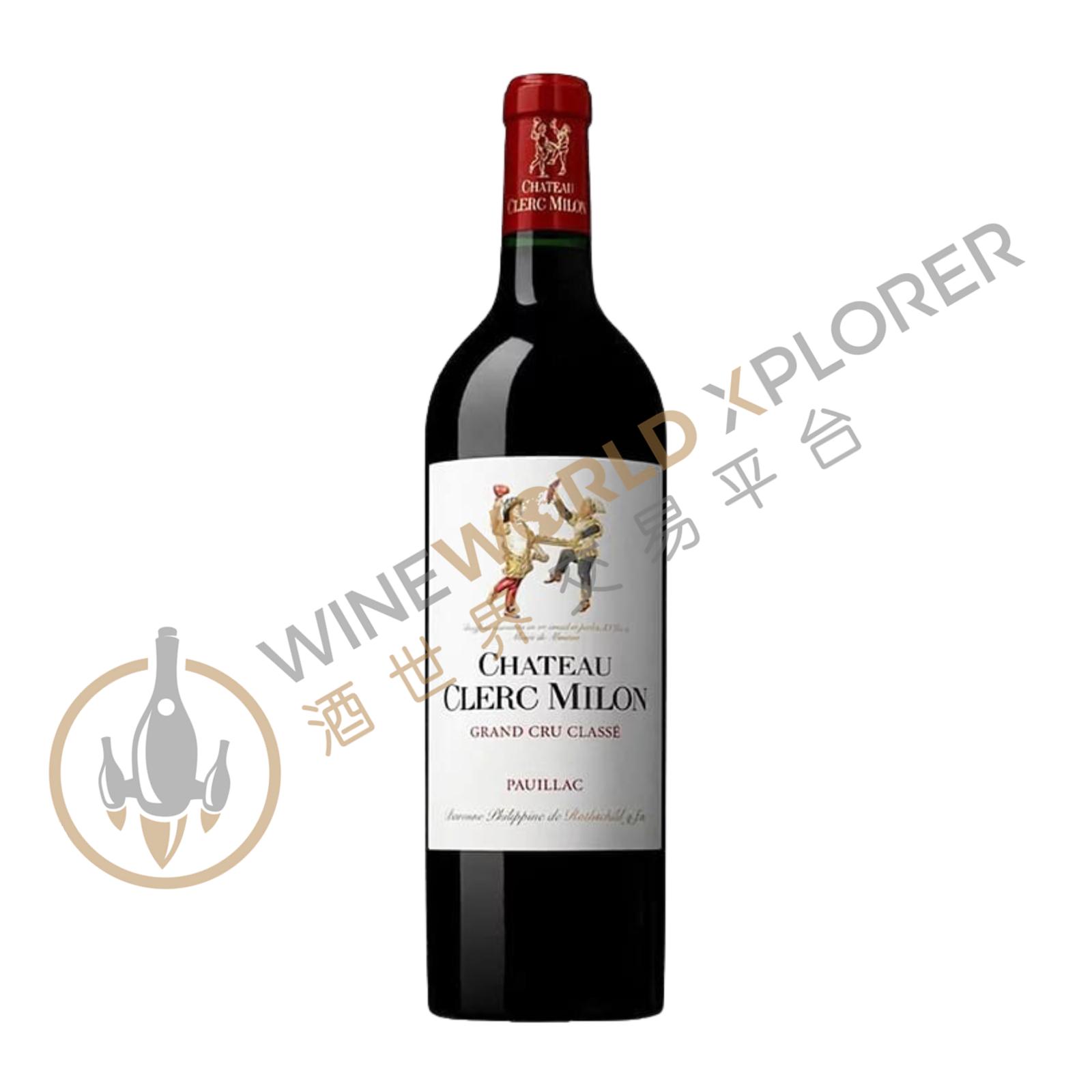
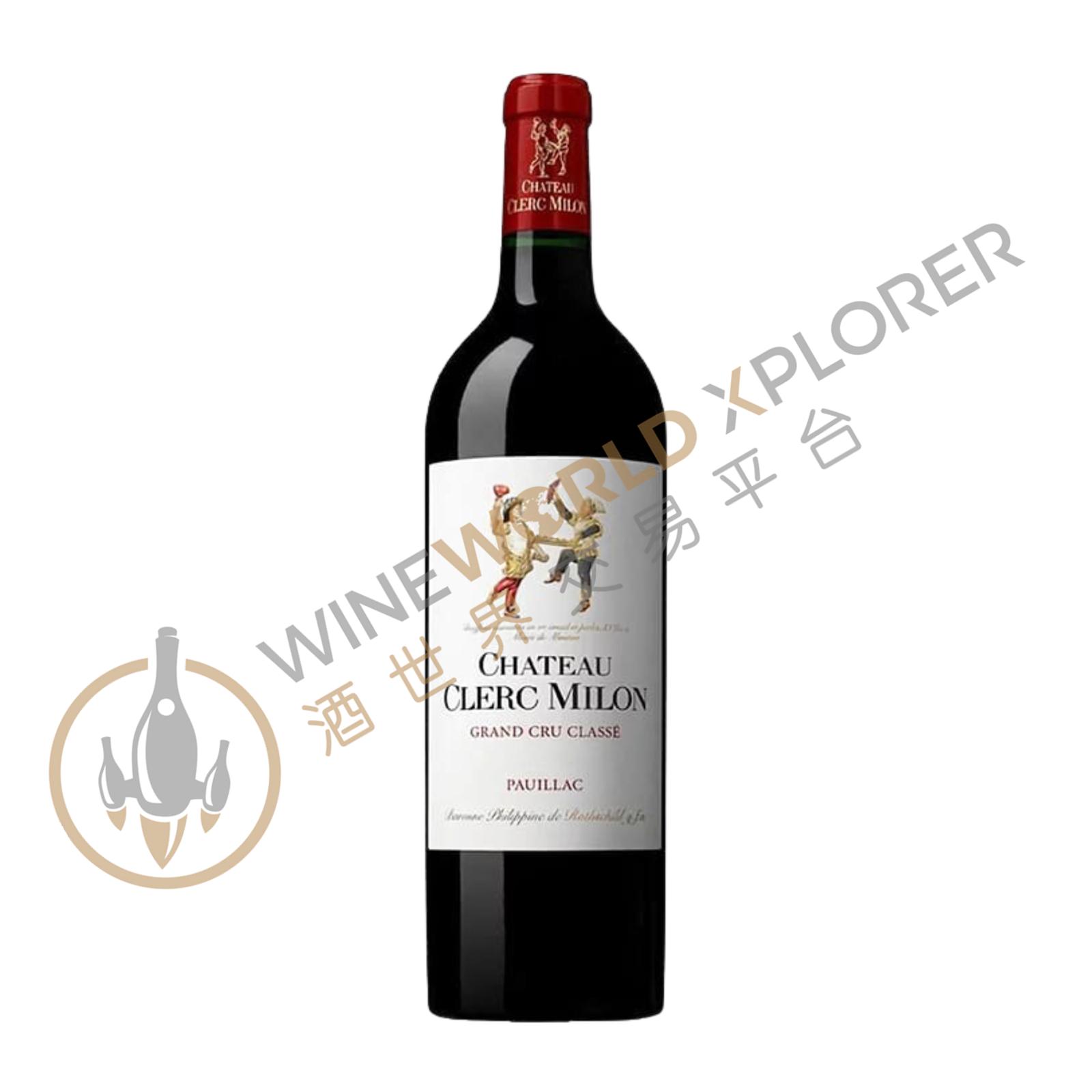
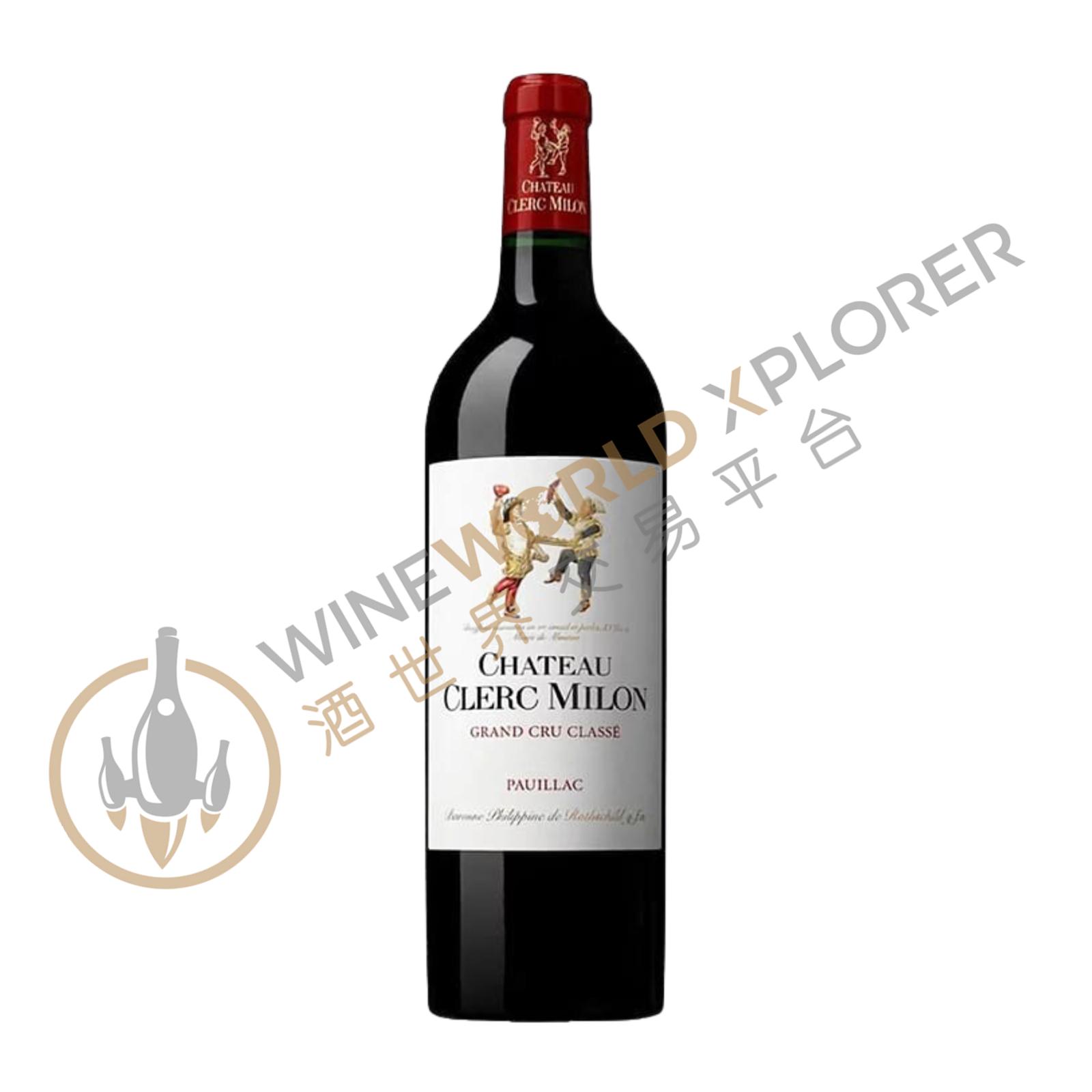
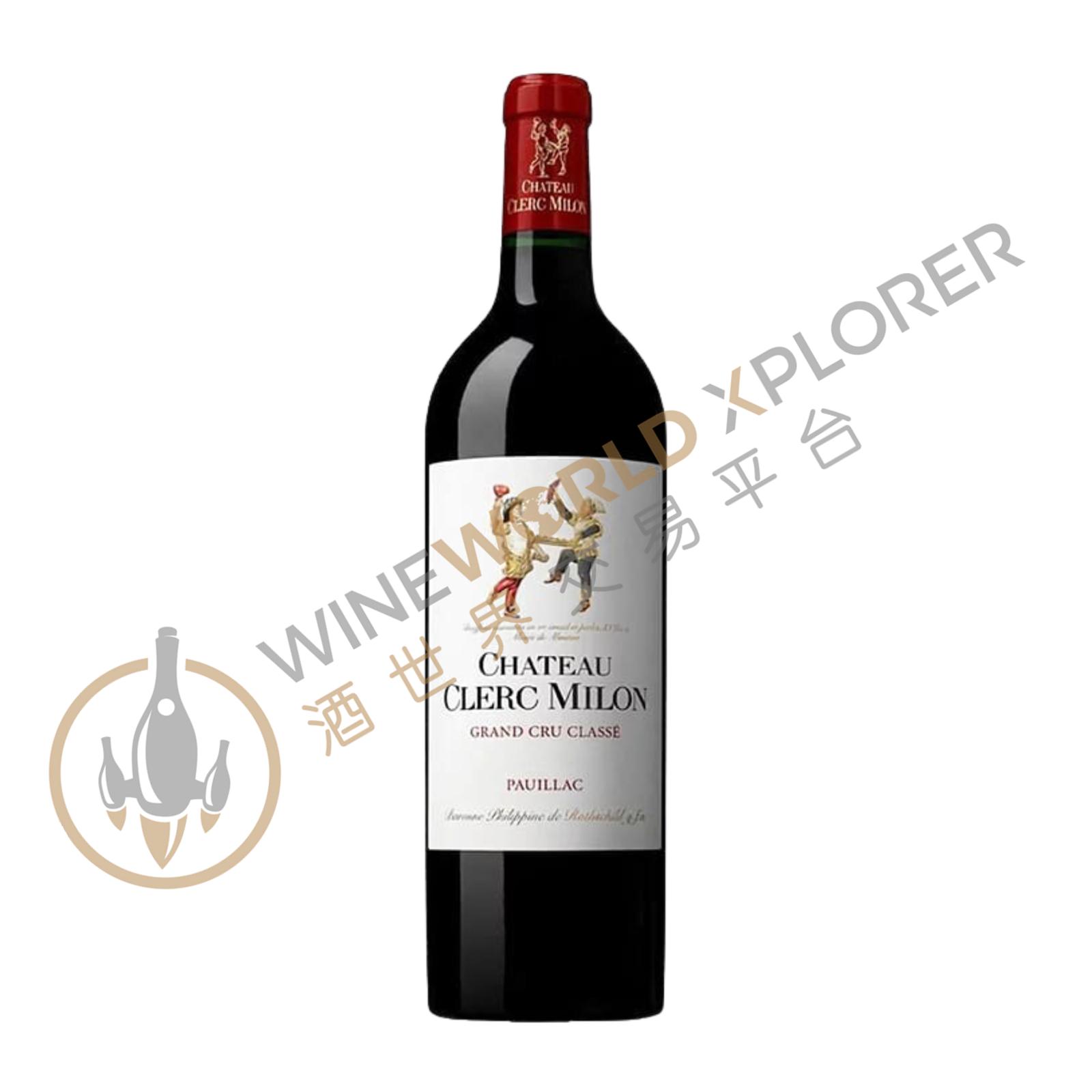
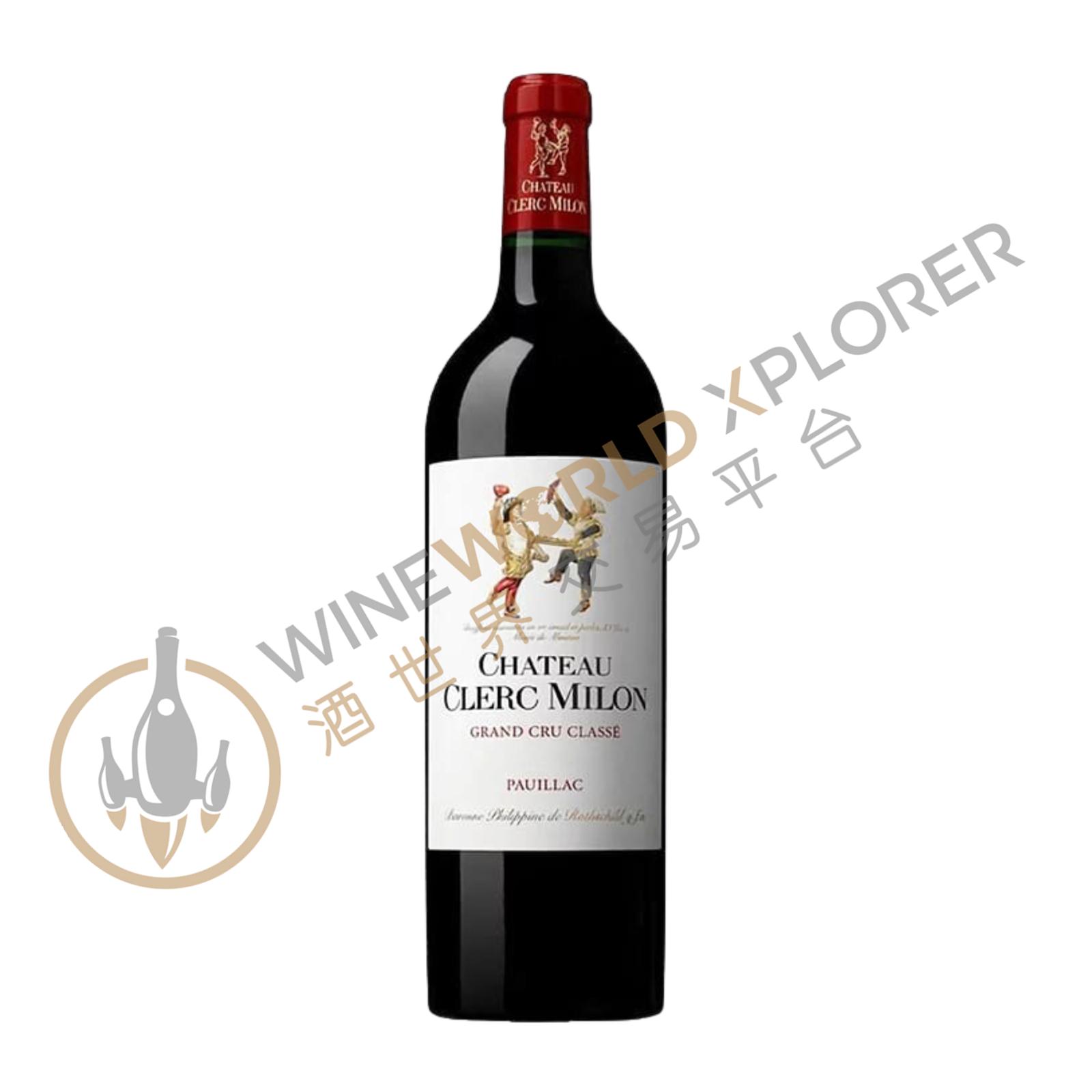
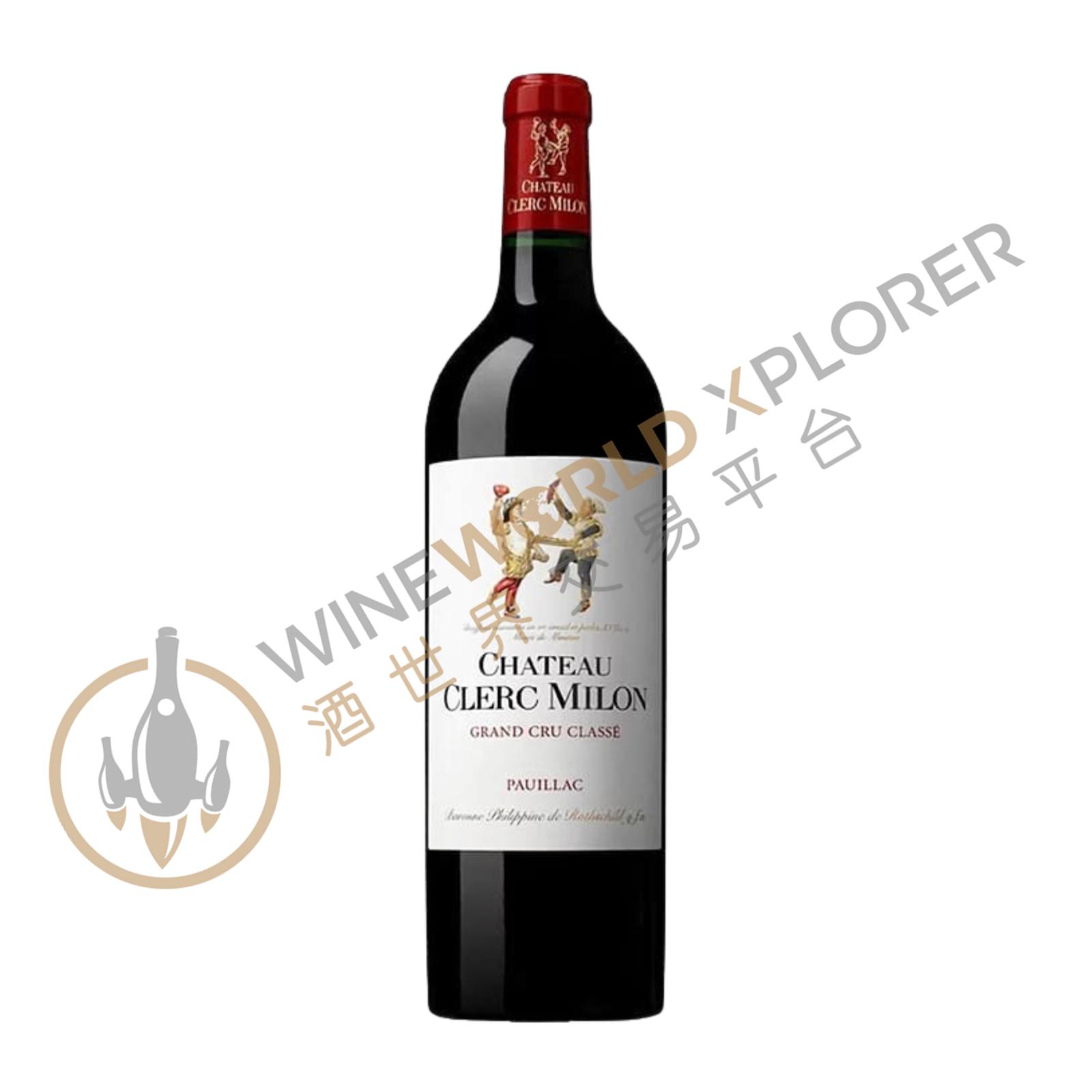
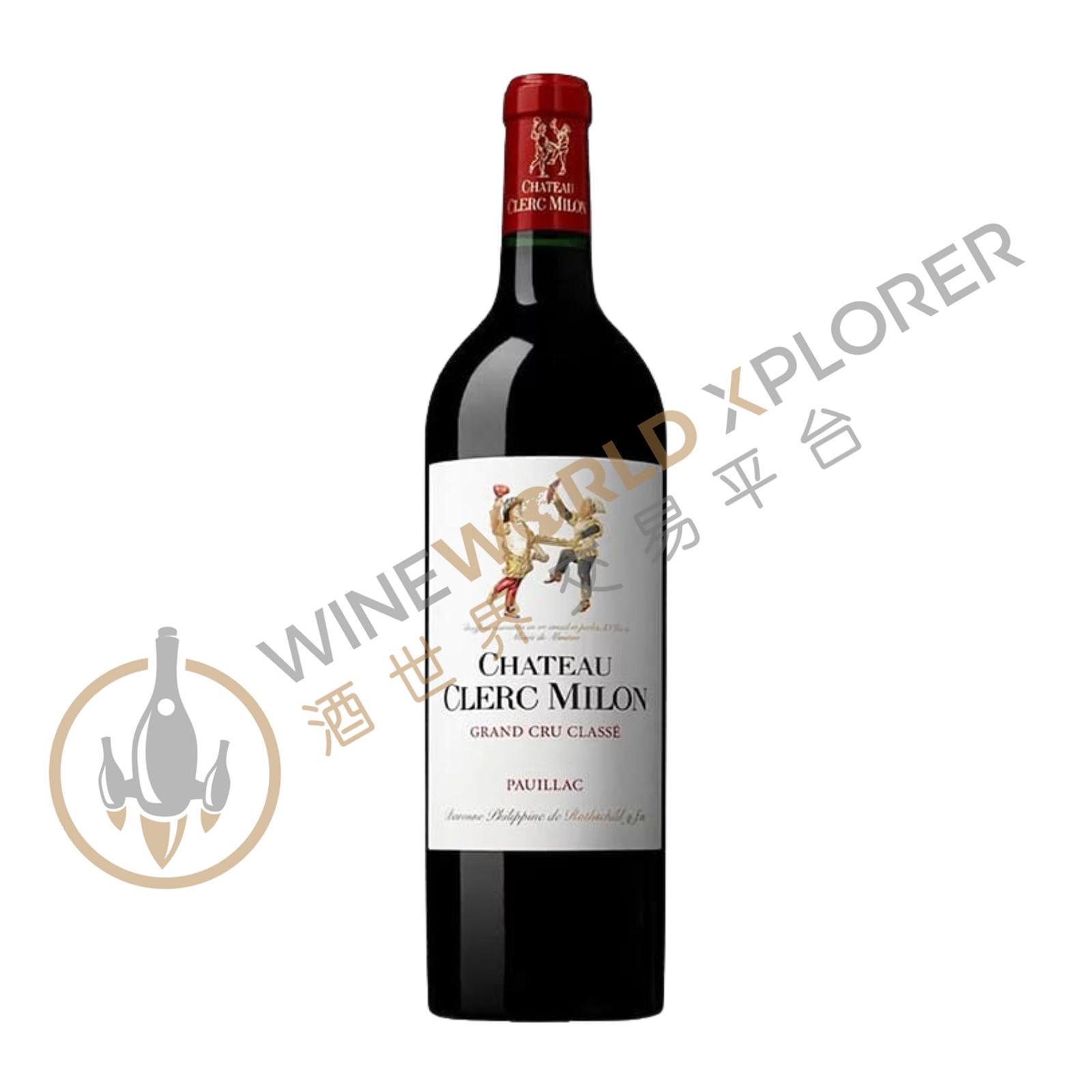
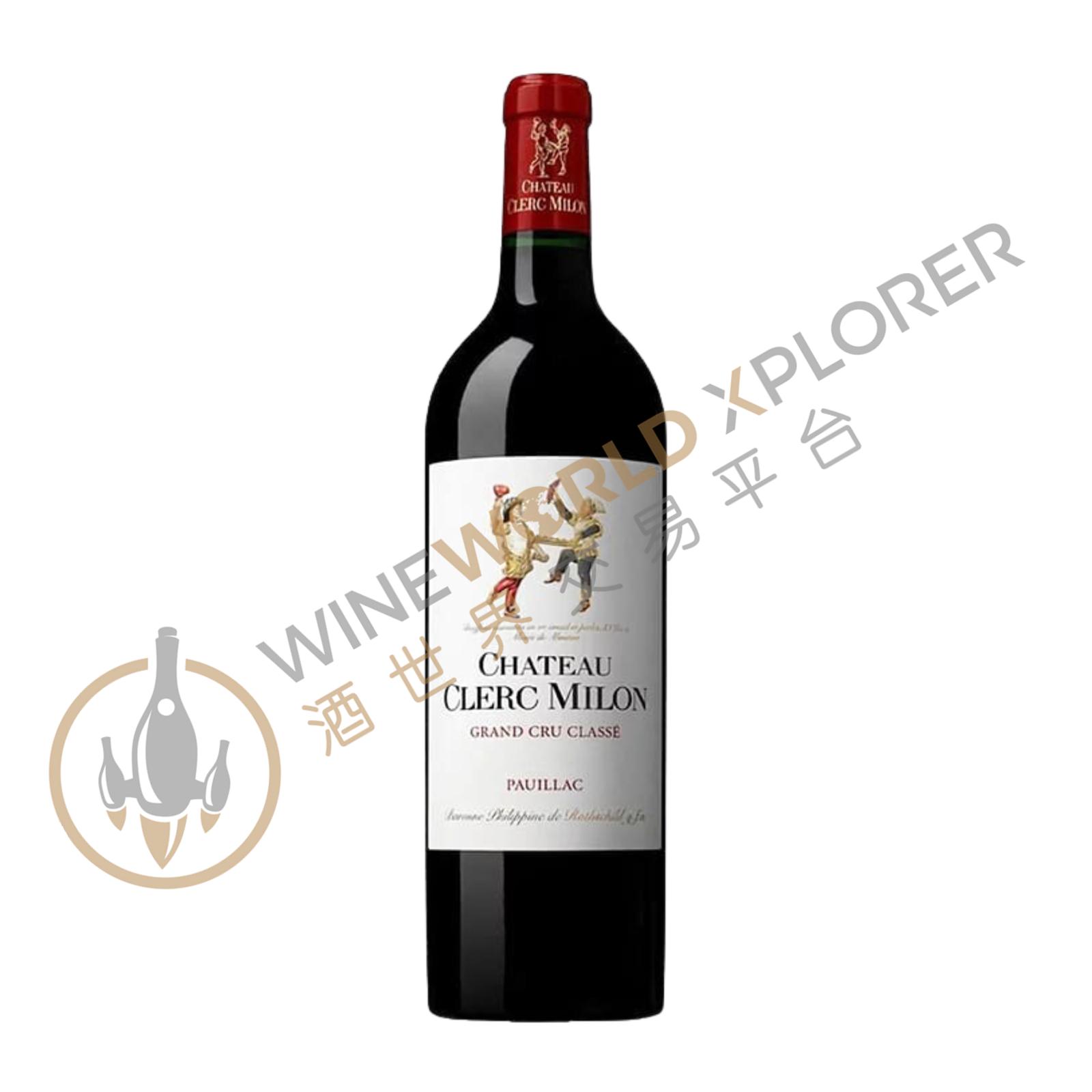
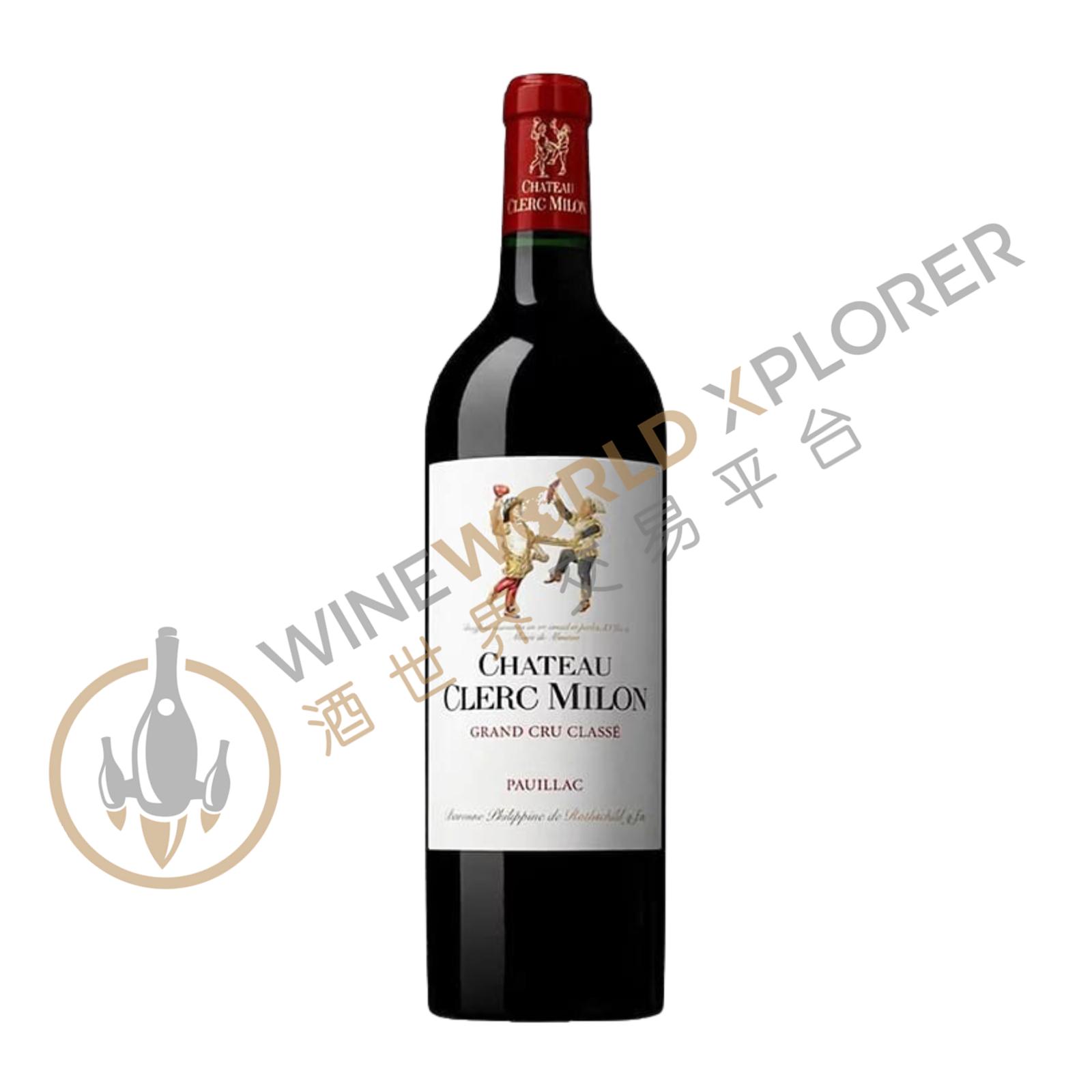
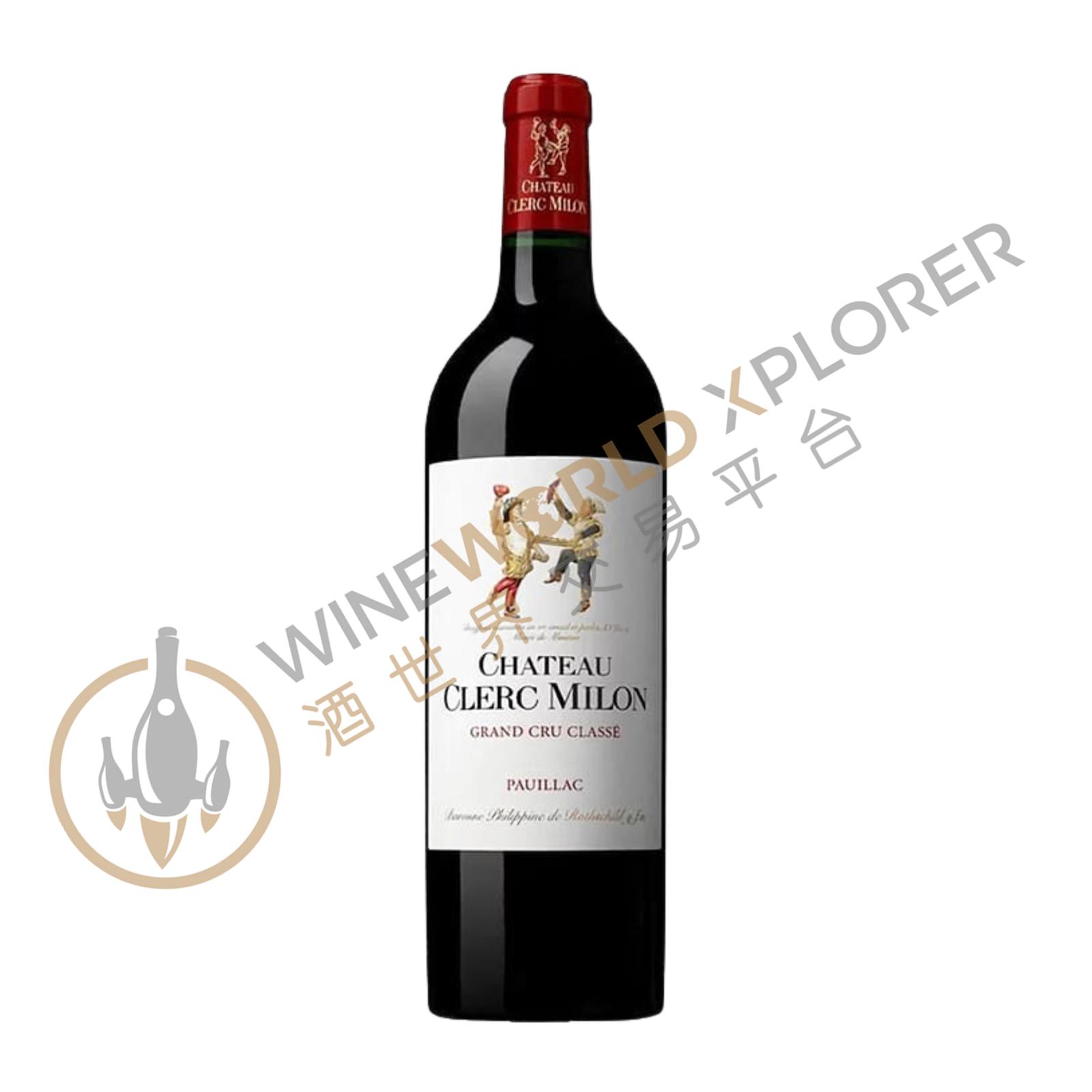
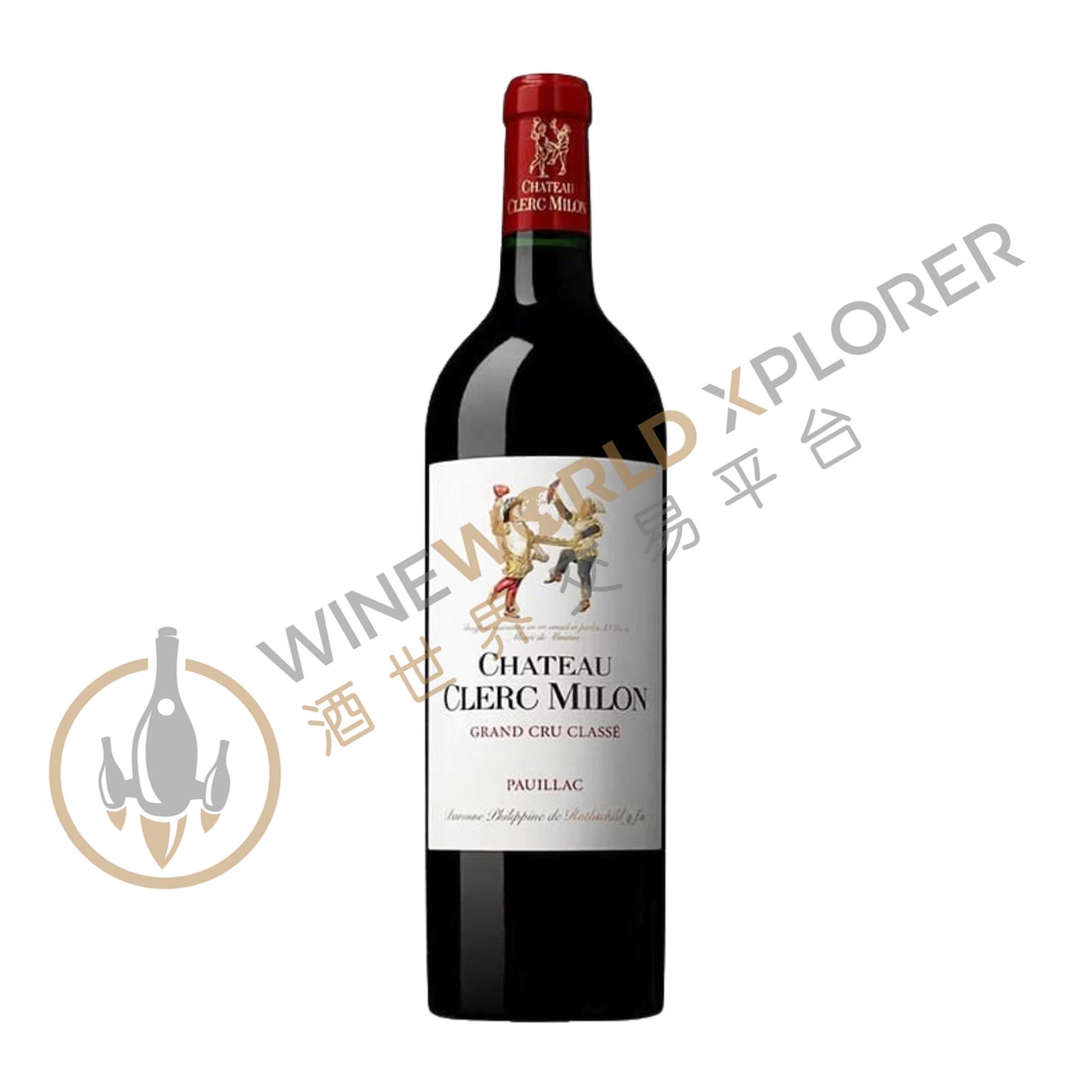
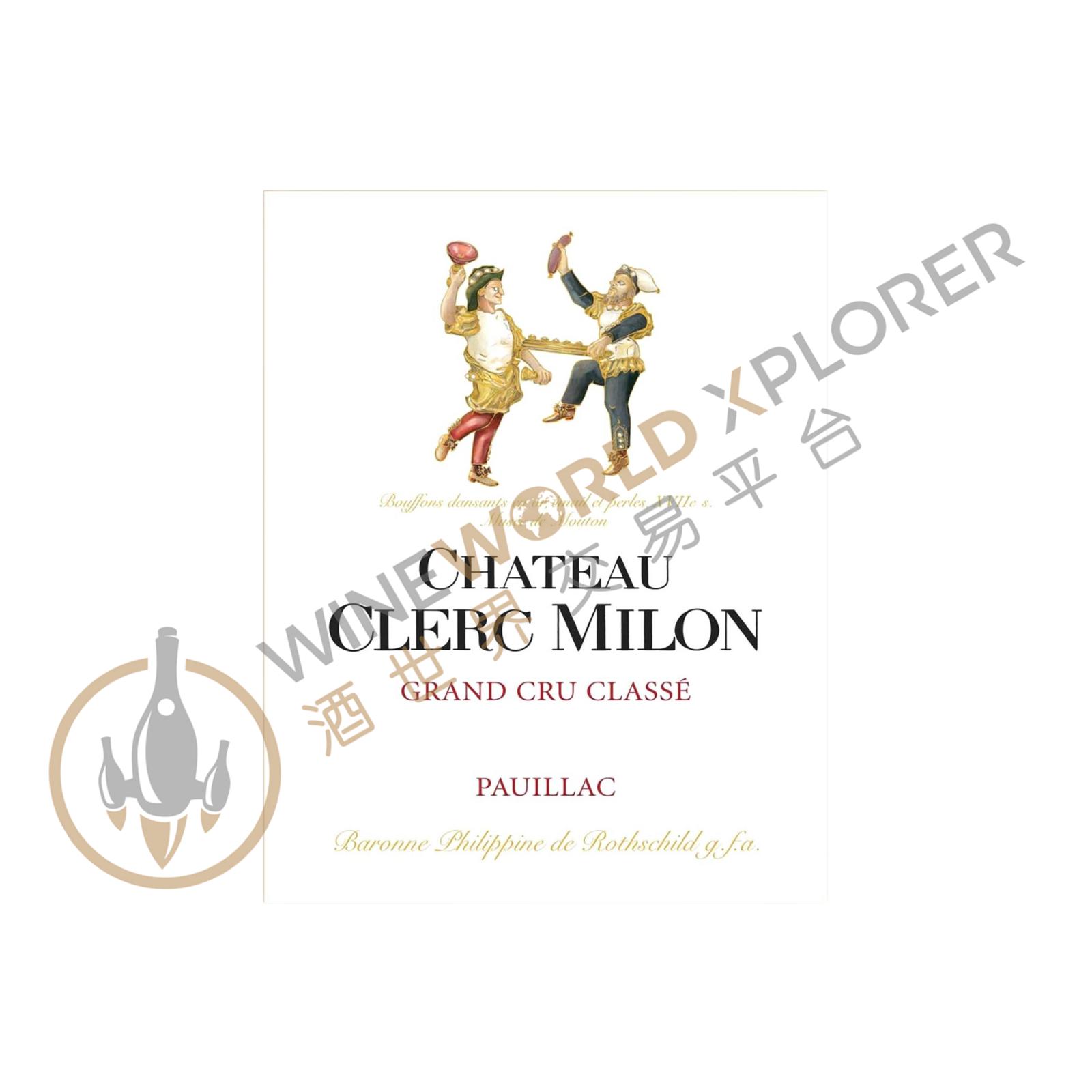
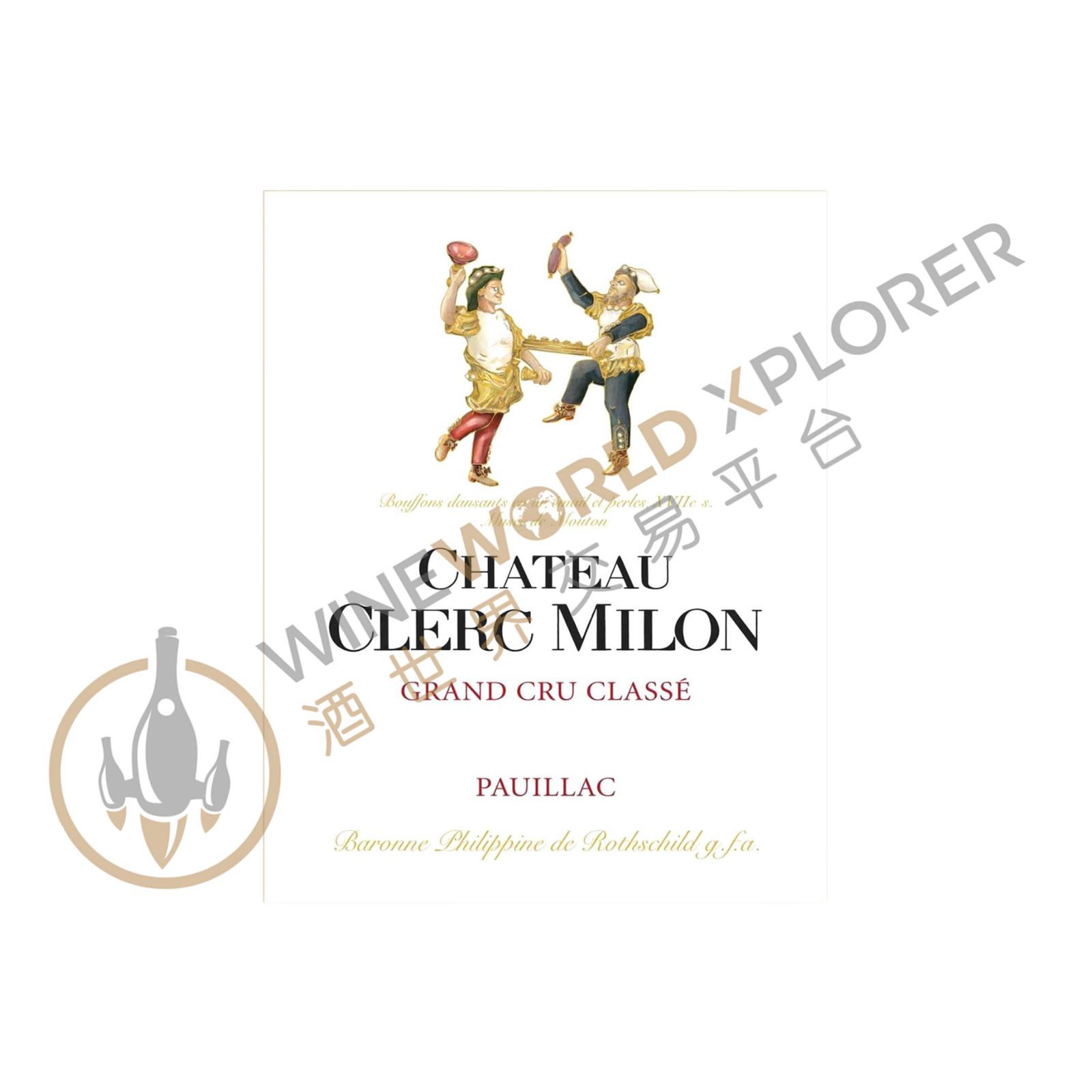
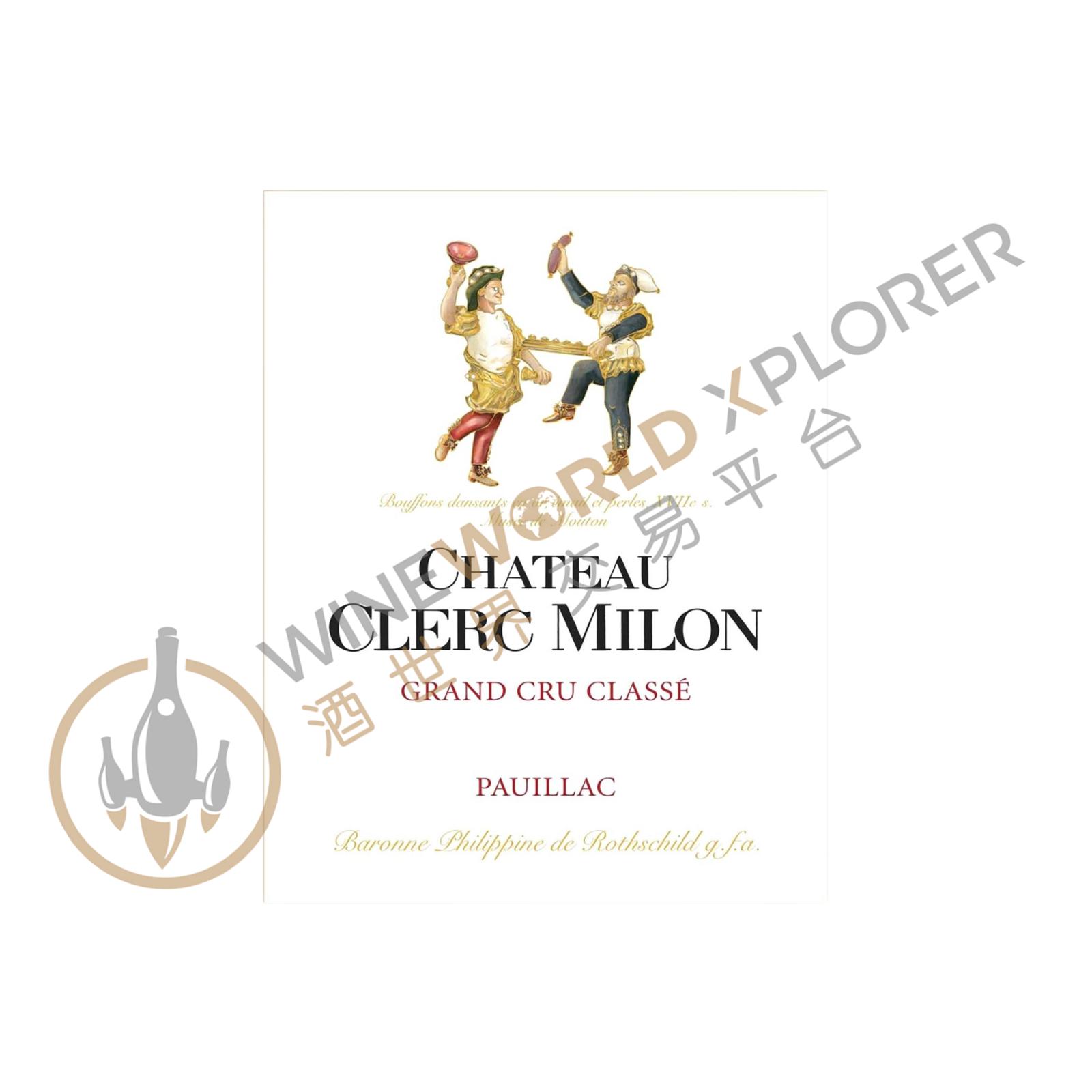
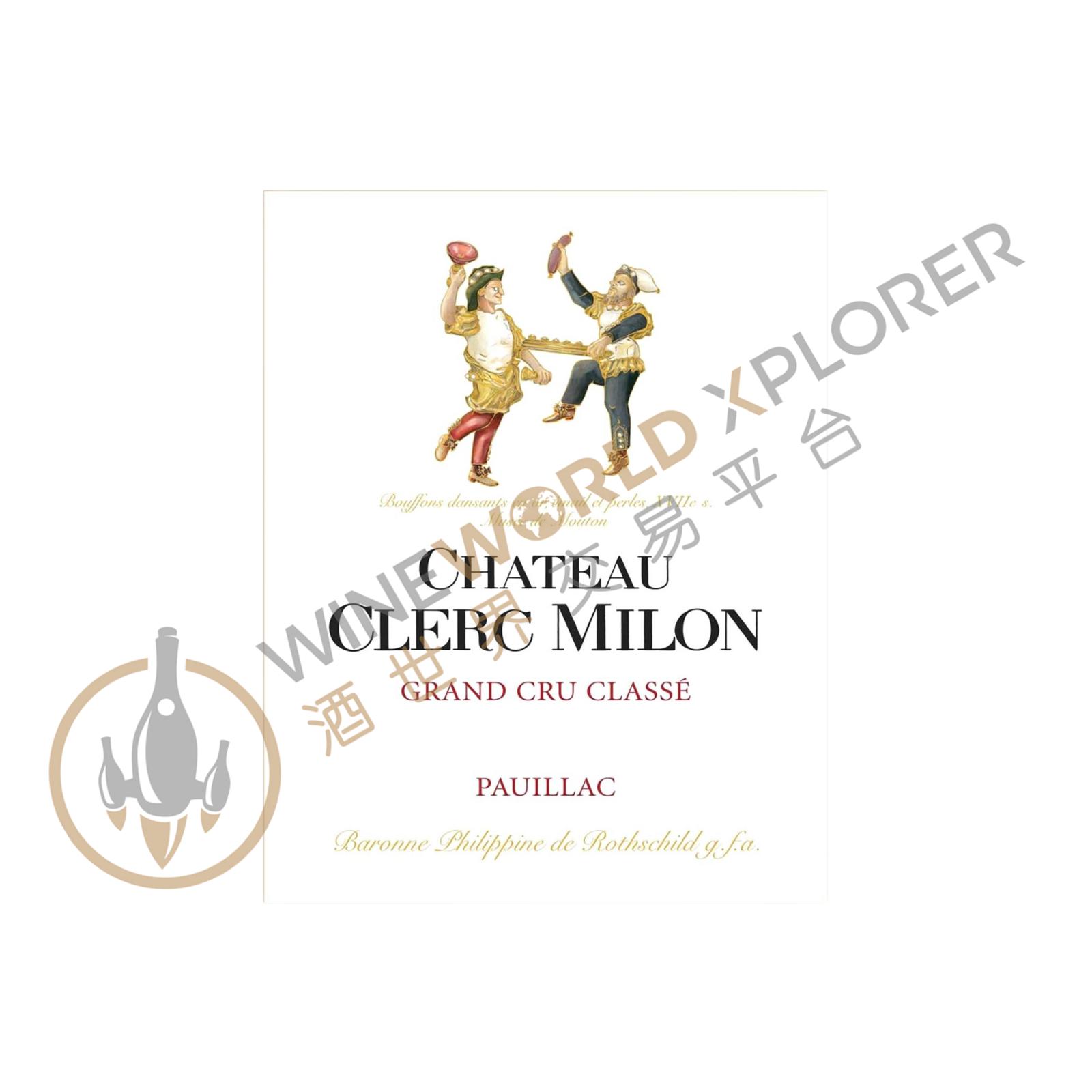
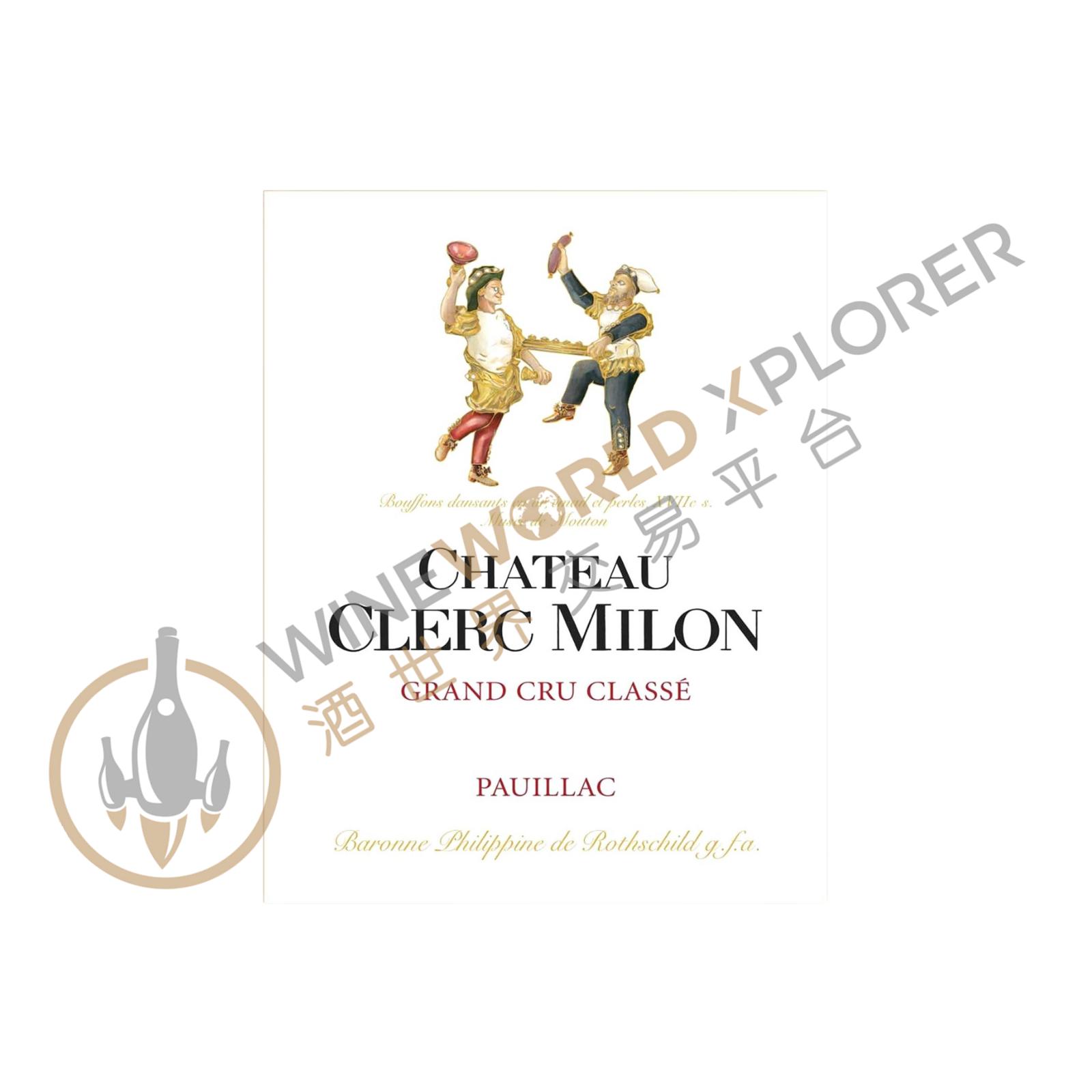
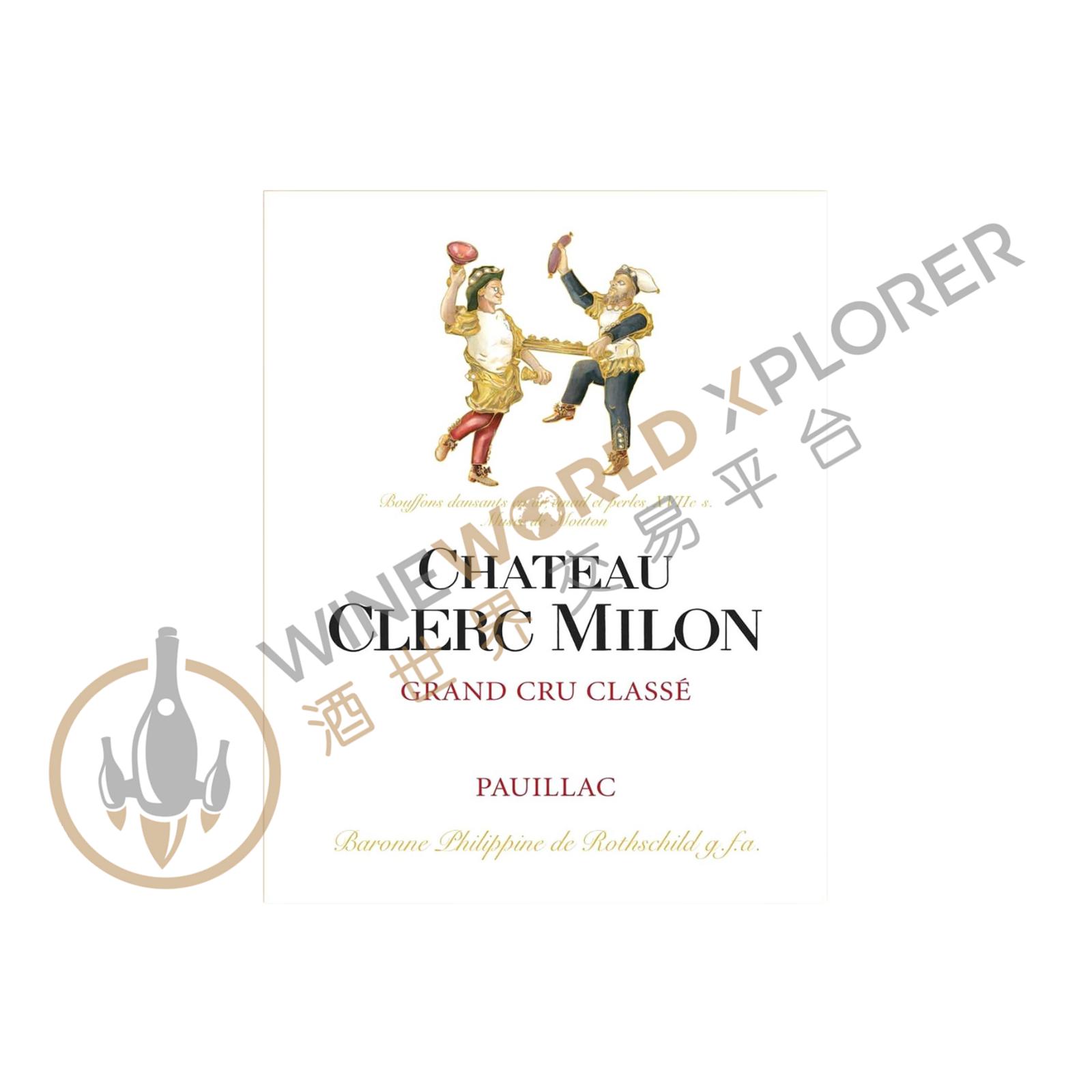
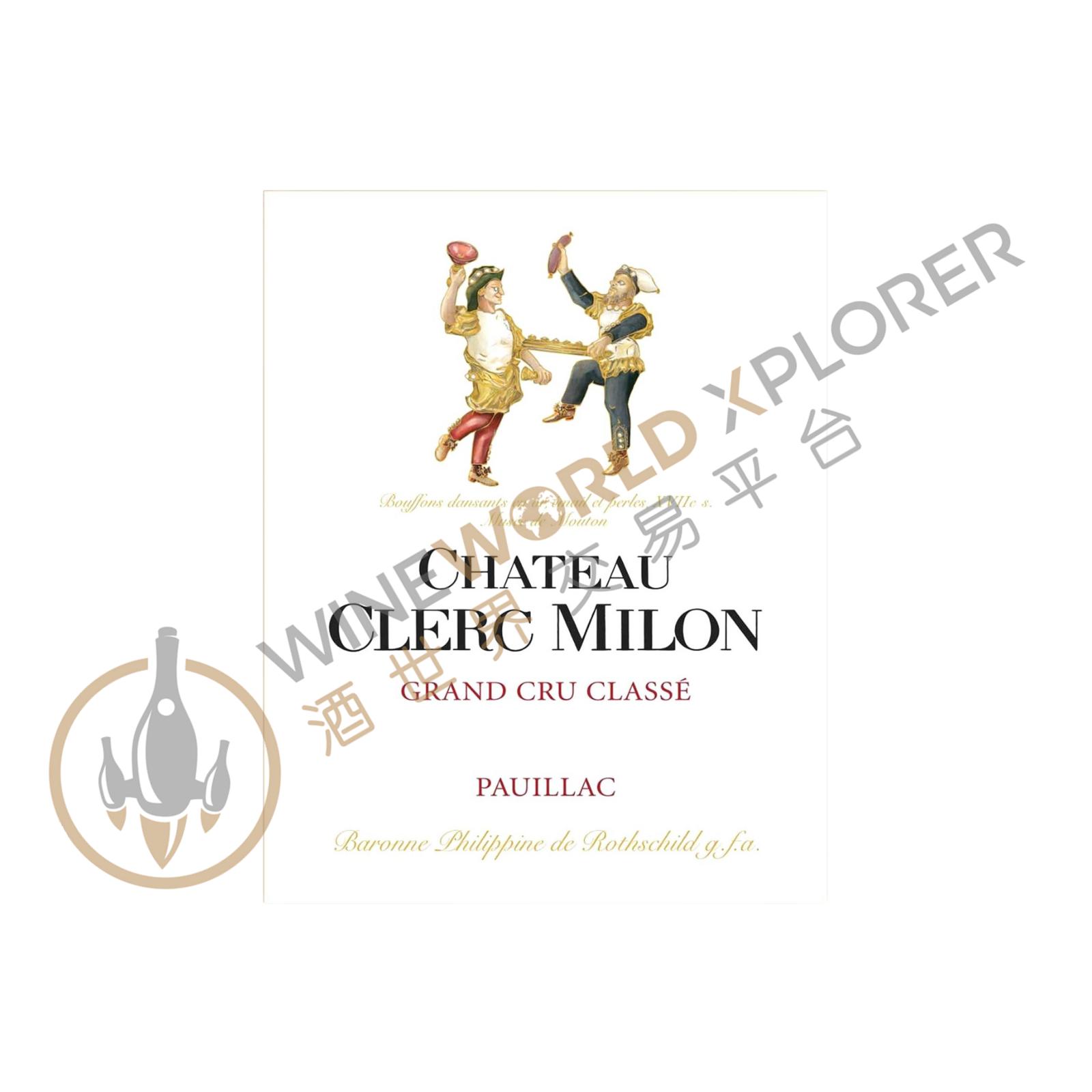
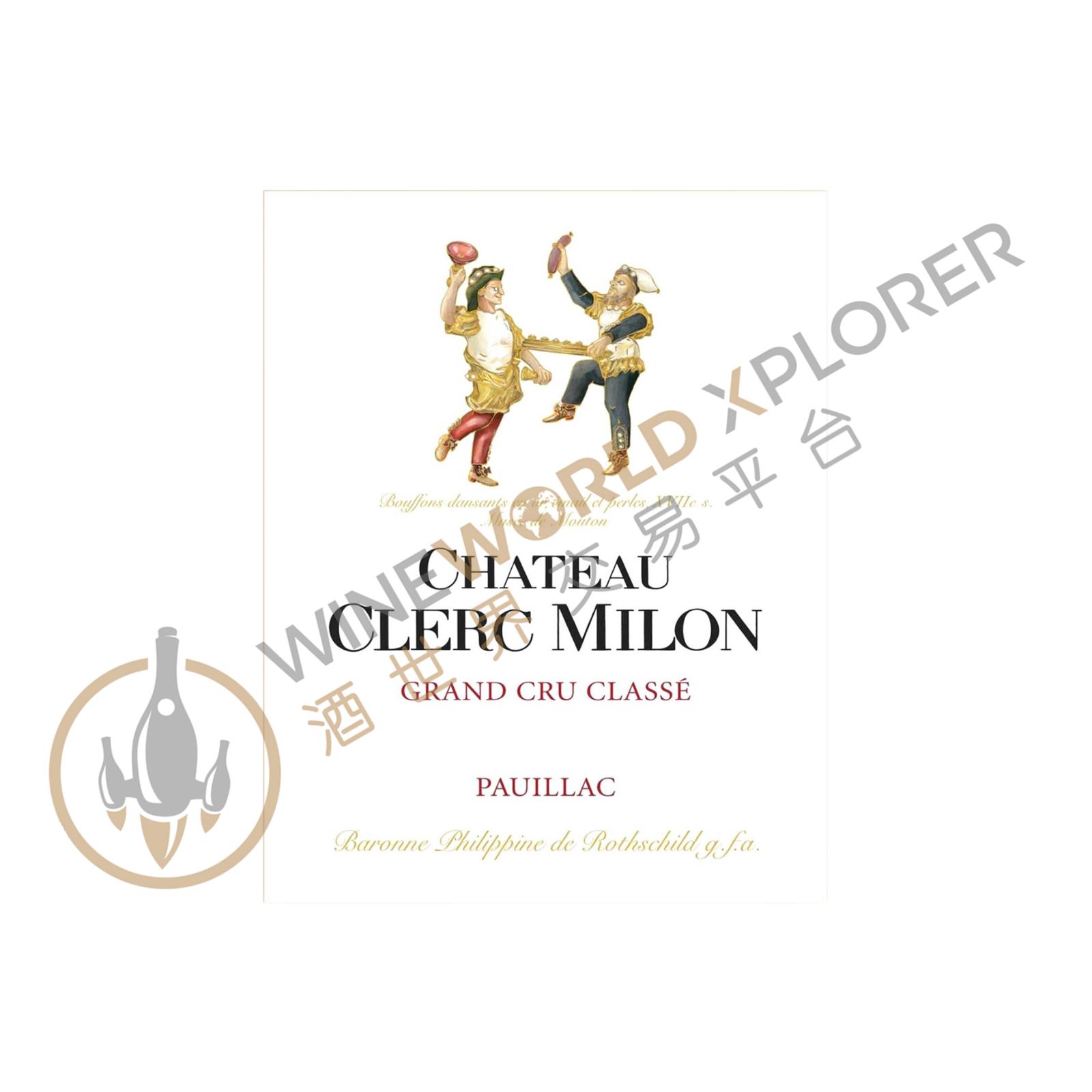
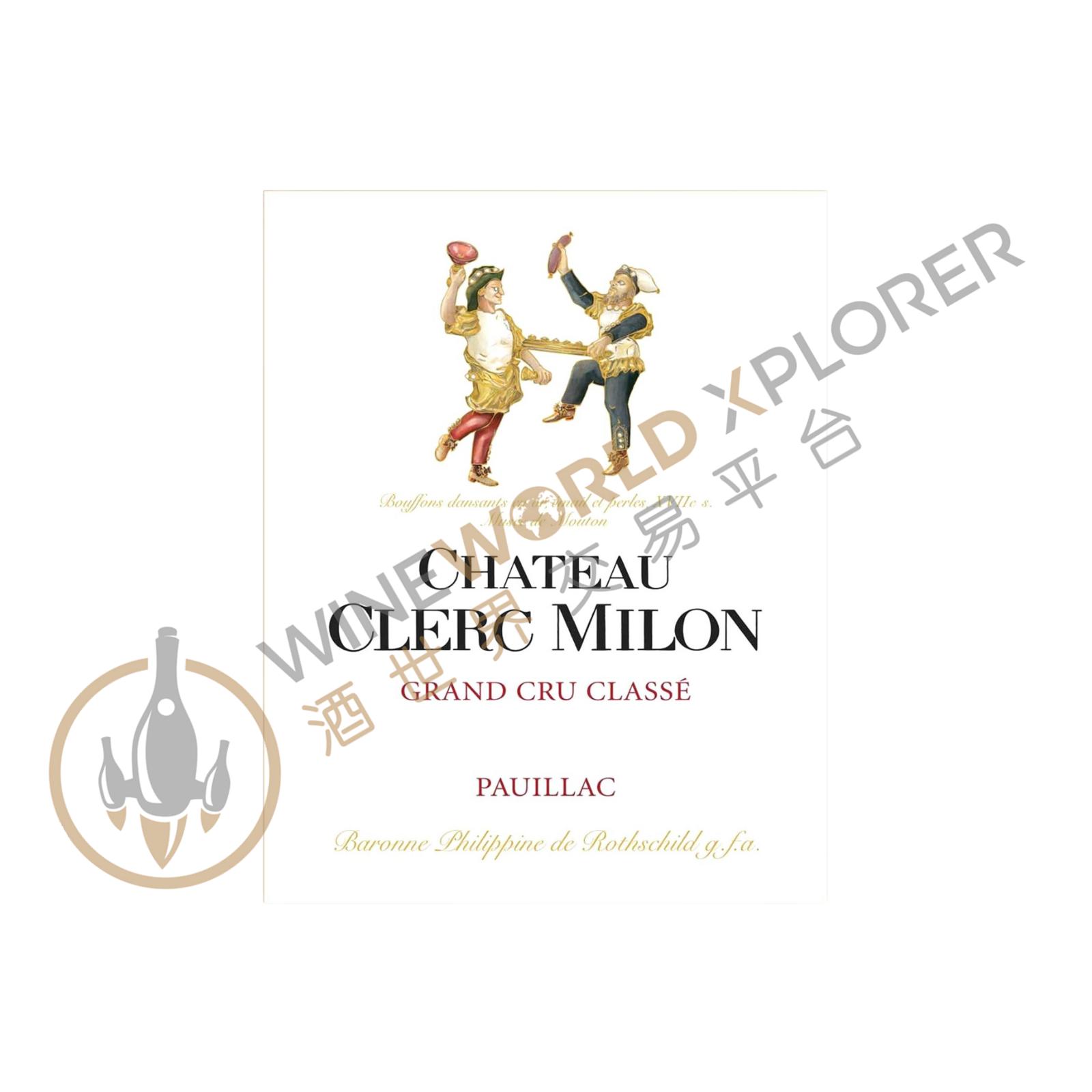
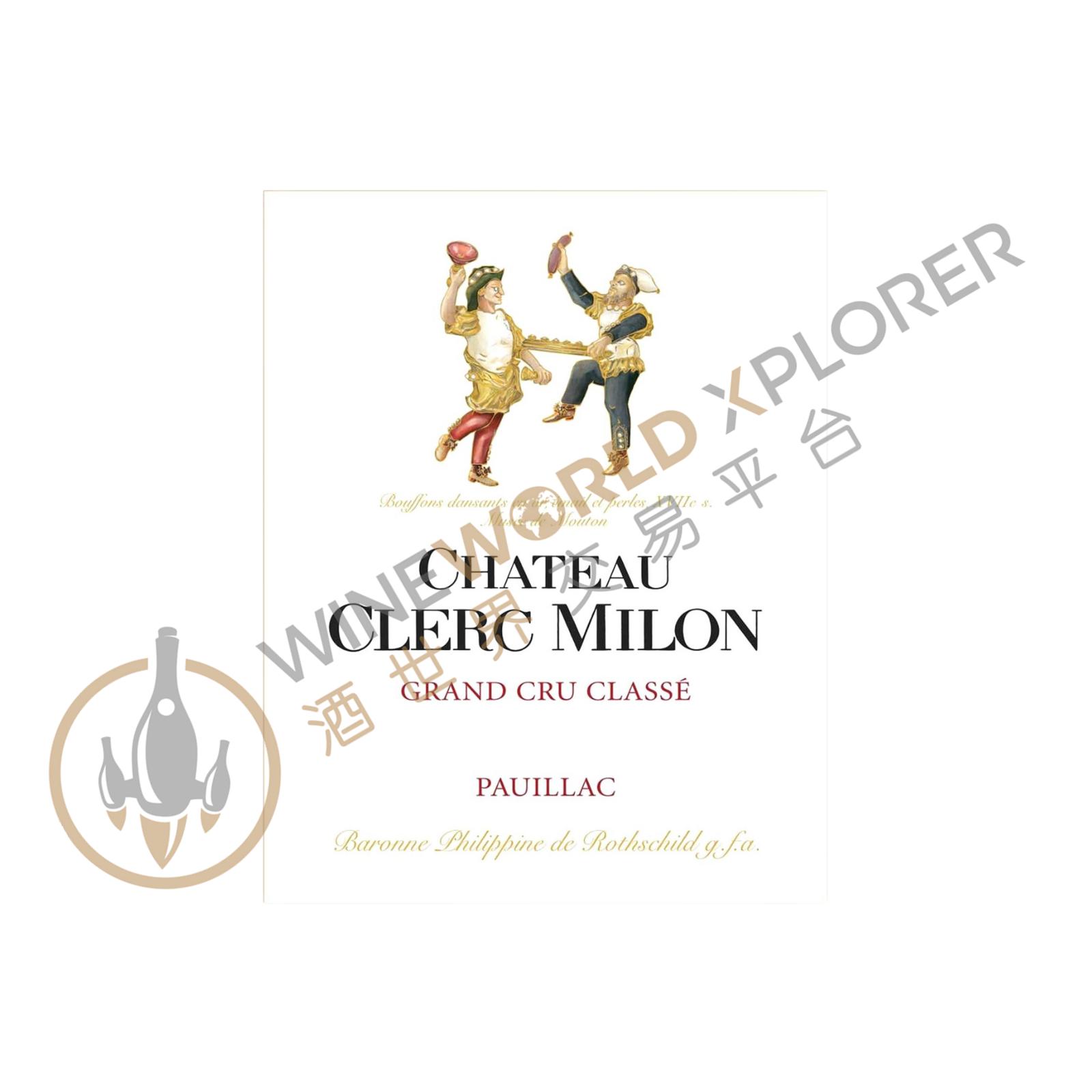
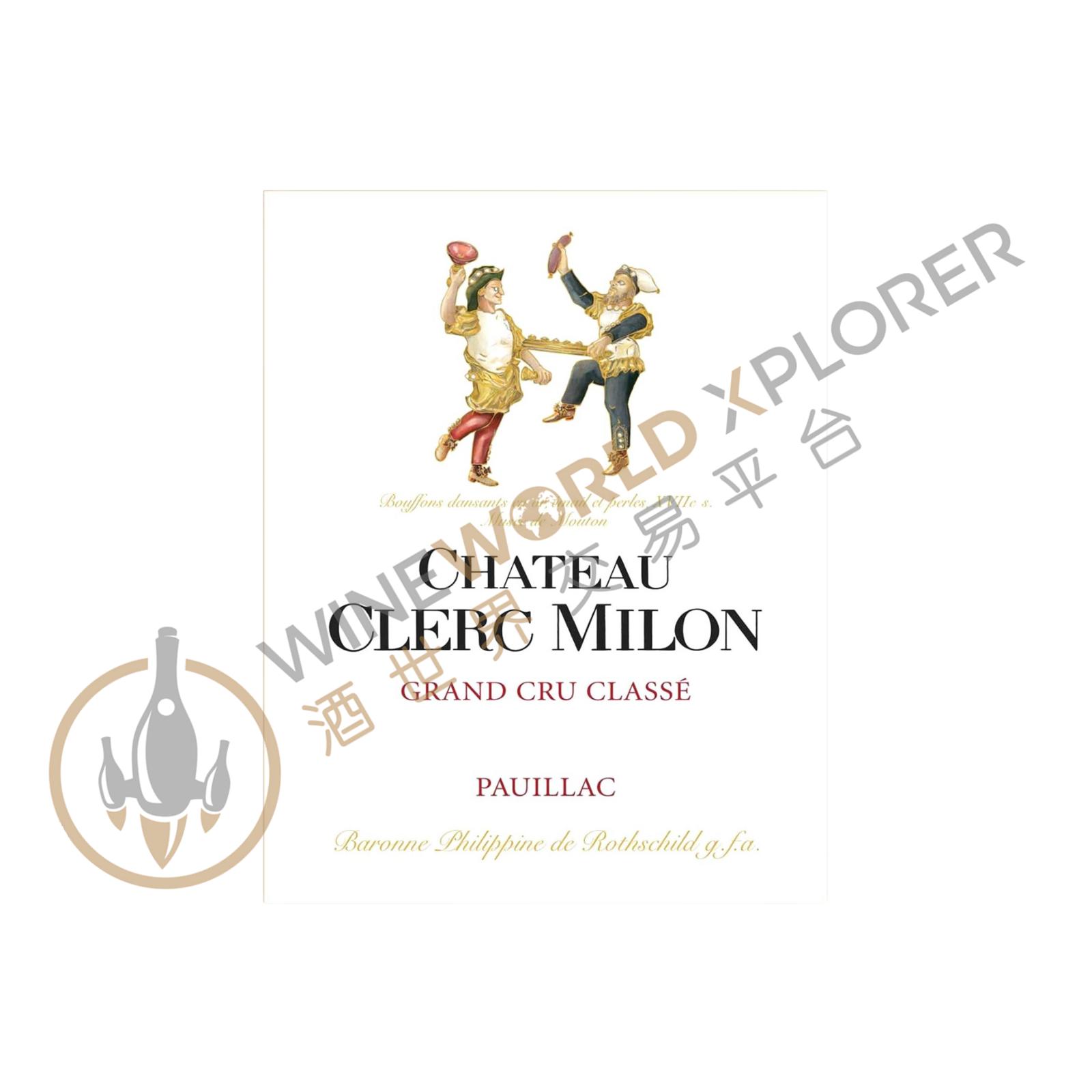
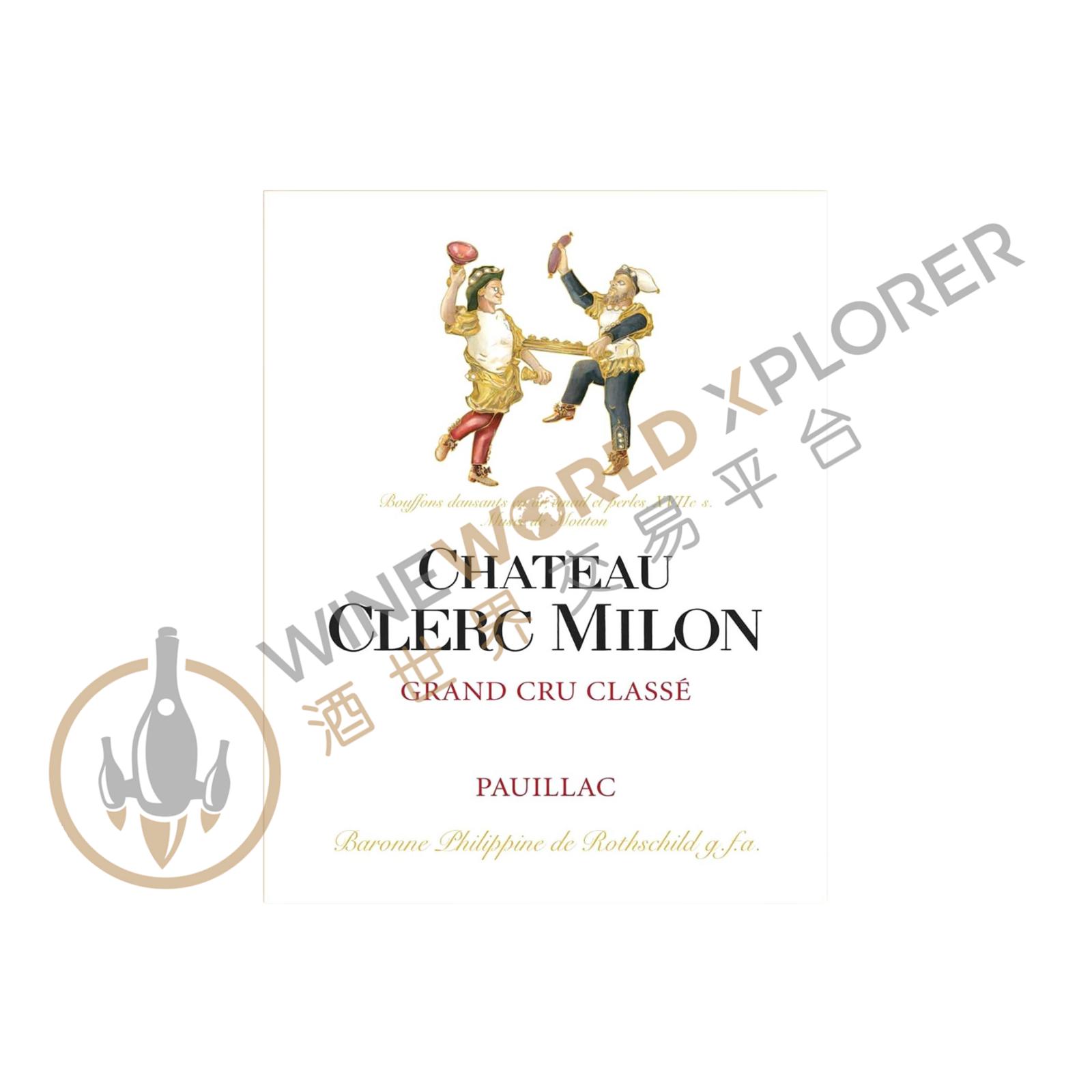
Clerc Milon 2016
 View analysis


Description
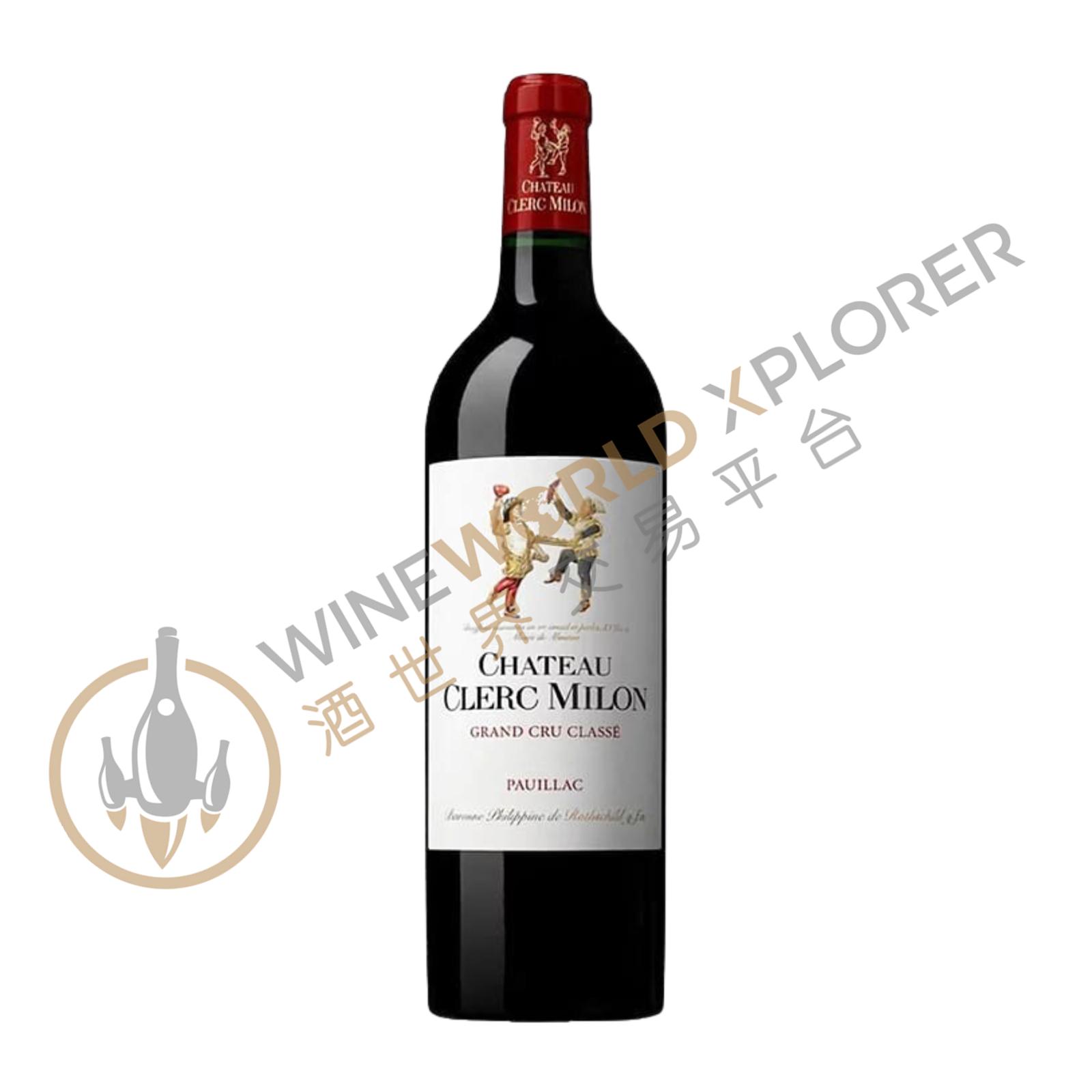
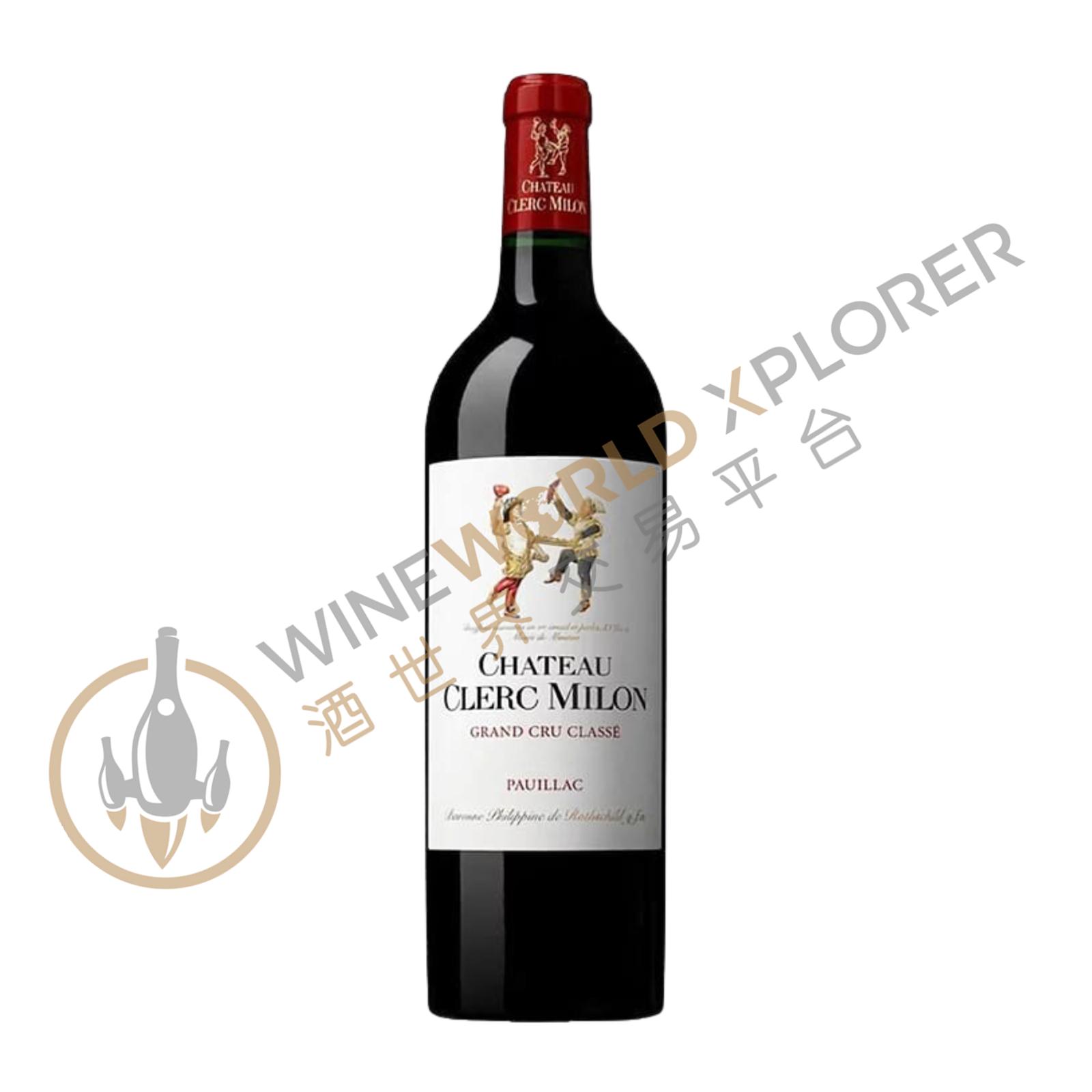
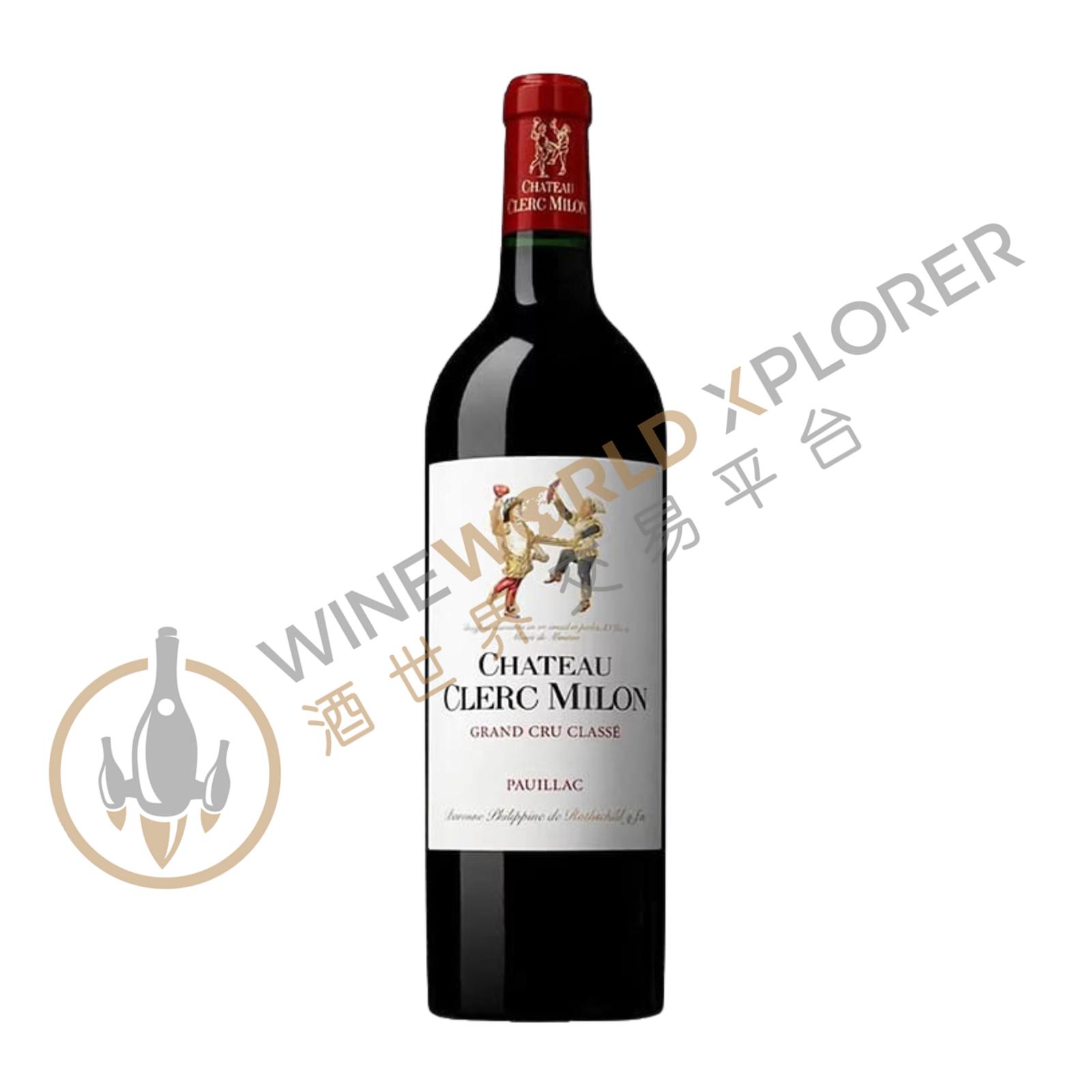
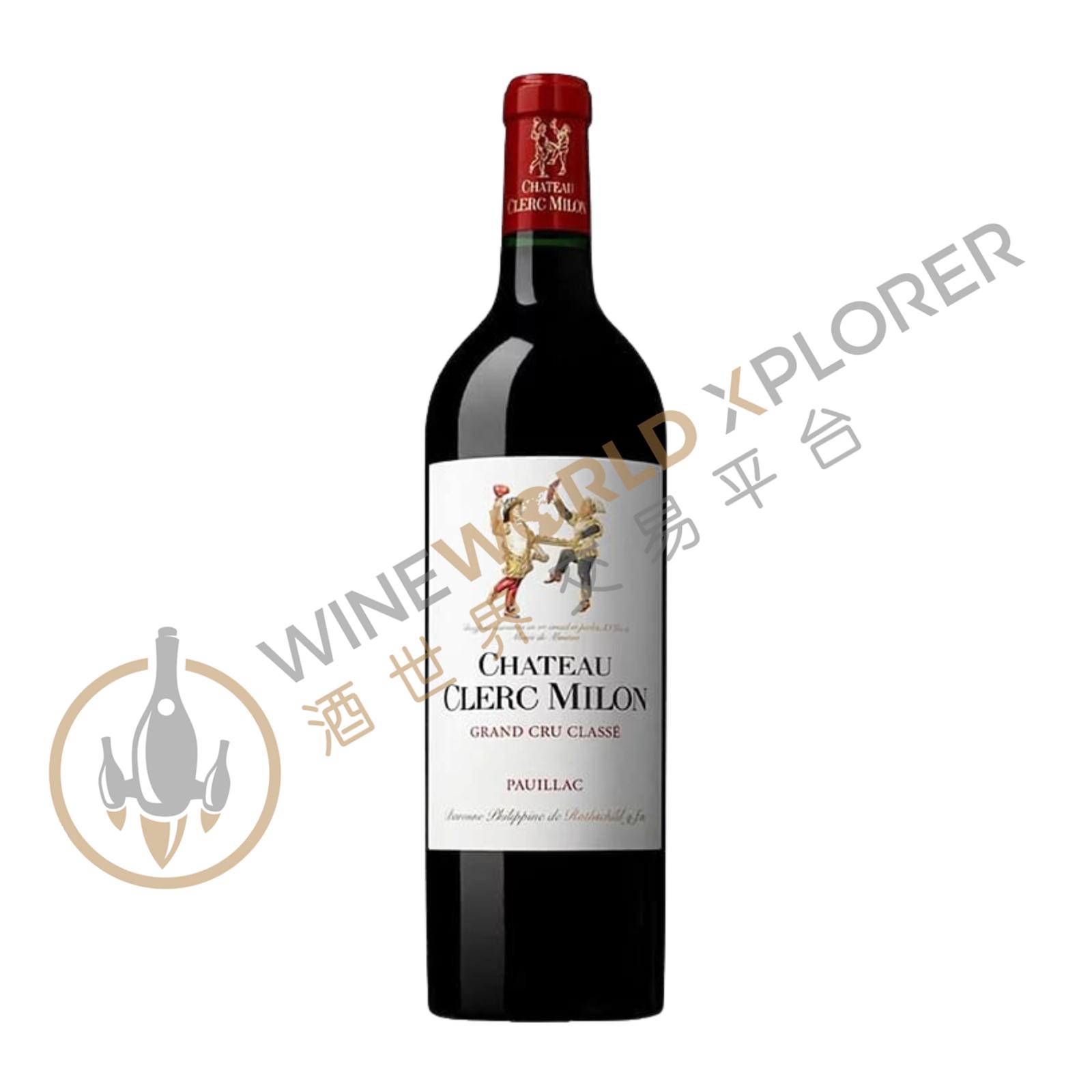
A wine with considerable ageing potential made in the traditional Médoc way, Château Clerc Milon is the result of a particularly successful marriage between gravel and clay-limestone terroirs and Cabernet Sauvignon and Merlot grapes. Powerful, tannic, full-bodied and rich in fruit, it also has all the typical elegance of the finest Pauillac wines.
Tasting notes

Reviewed by: Neal Martin
The 2016 Clerc Milon is a blend of 55% Cabernet Sauvignon, 29% Merlot, 13% Cabernet Franc, 2% Petit Verdot and 1% Carmenere (the latter vinification intégrale, so that it includes 50% of the stems, and Philippe Dhalluin said he was pleased with the results). It has a very pure bouquet, a mixture of red and black fruit, a touch of cedar and ash in the background. It takes time to really unfold in the glass. The palate is adorable: svelte tannin, beautifully pitched acidity, great depth with a silky smooth finish that just caresses the mouth. There is a little tightness here compared to the more expressive 2016 d'Armailhac, but I have no doubt that it will turn into a top-flight Clerc-Milon.
Reviewed by: Antonio Galloni
The 2016 Clerc Milon is striking. Here, the interplay of dense fruit and supporting structure make for a wonderfully complete and expressive wine. Dark blue stone fruit, licorice, lavender, spice and menthol are all beautifully delineated in the glass. The aromatic and structure of both Cabernets come through with notable energy and precision. The 2016 has enough density and pedigree to drink well for many years to come.
Reviewed by: Neal Martin
The 2016 Clerc-Milon has a crisp, graphite-infused bouquet of well-defined black fruit, hints of peony and iris petals showing underneath. The classic palate is medium-bodied with fine-grained tannins, well-judged acidity and just the right amount of austerity toward a finish that has a bitter edge. Excellent (and less "aloof" than I found 12 months earlier). Tasted blind at the Southwold tasting.
Reviewed by: Neal Martin
The 2016 Clerc-Milon has a tightly knit bouquet of blackberry, raspberry and light floral scents, very similar to its sibling, d’Armailhac. The palate is medium-bodied with ripe tannin. Initially it displays crisp acidity and feels quite fleshy, but it firms up and finishes persistent but linear and a little aloof. I personally find that appealing, and I suspect this Pauillac will blossom after several years in bottle.
Reviewed by: Lisa Perrotti-Brown
The Cabernet Franc was fantastic this year, so it was all used in the grand vin. The final blend is 55% Cabernet Sauvignon, 29% Merlot, 13% Cabernet Franc, 2% Petit Verdot and 1% Carménère. Deep garnet-purple colored, the 2016 Clerc Milon leaps from the glass with beautiful scents of chocolate-covered cherries, plum preserves and crushed blackcurrants with suggestions of lilacs, cardamom, underbrush and unsmoked cigars. Medium to full-bodied, the palate has a firm frame of finely grained tannins and seamless freshness lifting the perfumed fruit to a nice long finish.
Reviewed by: Antonio Galloni
The 2016 Clerc Milon has more fruit on the nose than d'Armailhac, with blackberry, raspberry and cedar, just a touch of leather coming through with time. The palate is medium-bodied with supple tannins, not the most powerful Pauillac, but well balanced with a grainy texture. A touch of cracked black pepper and tobacco towards the classically-styled finish. Old school in a good way. Tasted blind at the Southwold 10-Year-On tasting.
Reviewed by: James Suckling
Refined and ultra-fine with a linear and polished character. Full-bodied, yet tight and racy. A classy and sophisticated young wine.
Reviewed by: James Suckling
Hot crushed stones and dark berries jump out of the glass. Full body, very dense fruit and powerful tannins, yet it remains agile and bright with beauty and energy. So muscular and toned. Truly outstanding Clerc for the future. Unwavering nature to this. Try after 2024.
About the Producer
A legendary terroir, prestigious neighbours, a providential encounter: the history and the success of Château Clerc Milon are summed up in these three words. The terroir is that of Pauillac, where some of the world’s finest wines are made. The neighbours are Mouton and Lafite, illustrious First Growths whose nearby vines can be seen from the terrace of the Château. The encounter was with Baron Philippe, who in 1970 acquired the then badly neglected estate and decided to restore it to its status as a Classified Growth. Now, thanks to Baroness Philippine, Clerc Milon, one of the most highly regarded châteaux in the Bordeaux region, can boast technical facilities and reception areas worthy of its reputation.
1949(2)1995(2)1996(2)1998(2)1999(1)2000(5)2001(4)2003(2)2004(2)2005(3)2006(8)2007(5)2008(10)2009(5)2010(9)2011(3)2012(14)2013(4)2014(10)2015(19)
Package Size