Wine Advisor



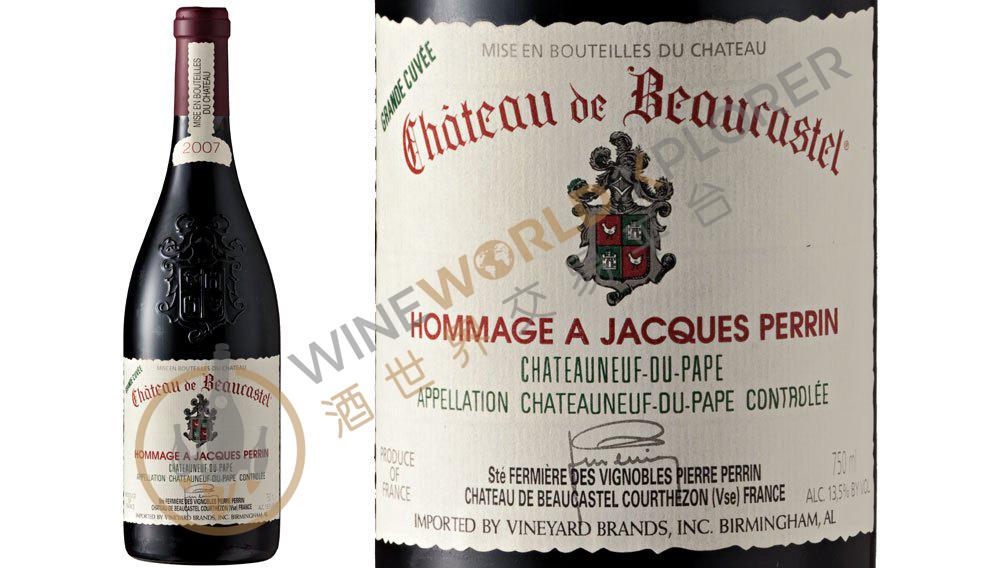
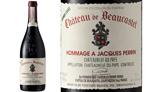
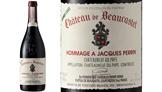
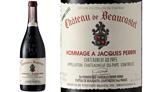
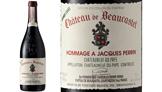
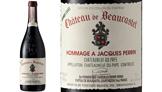
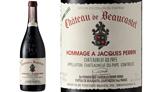
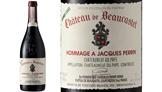
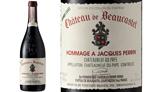
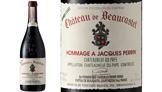
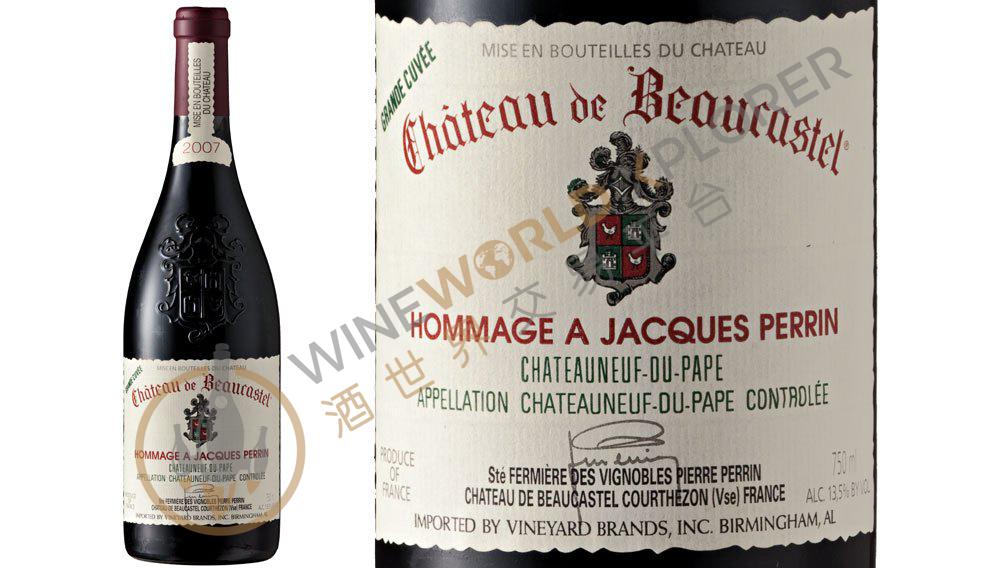
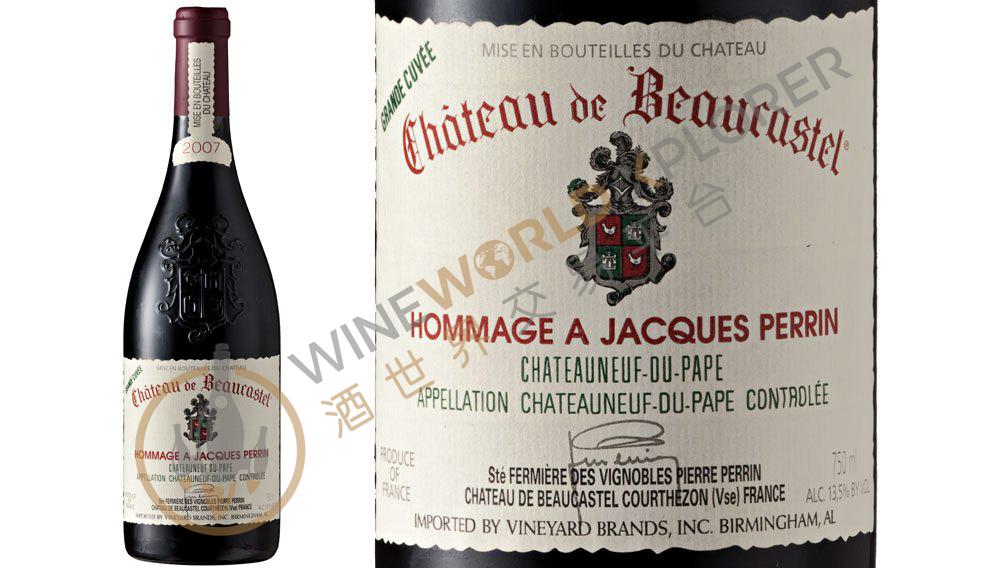
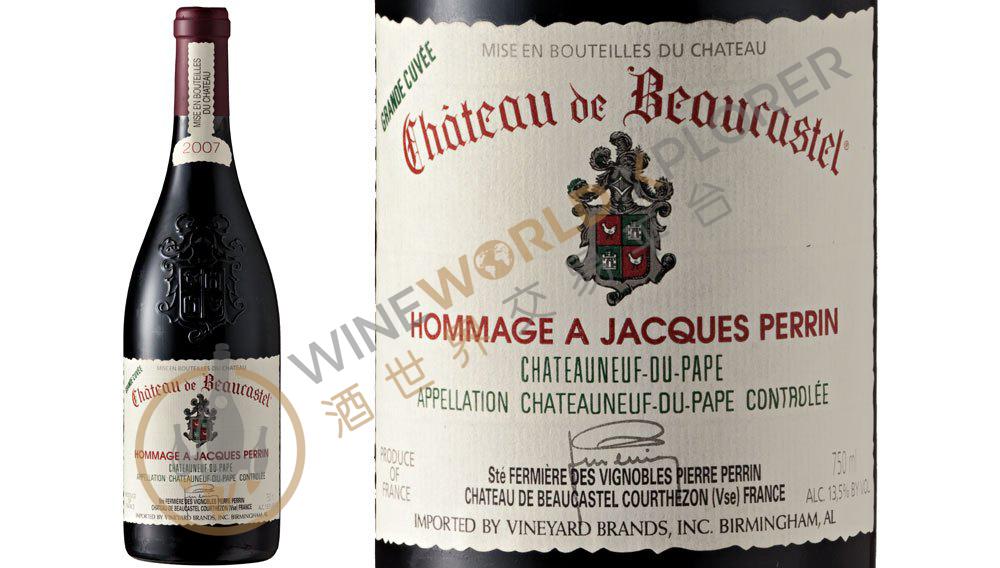
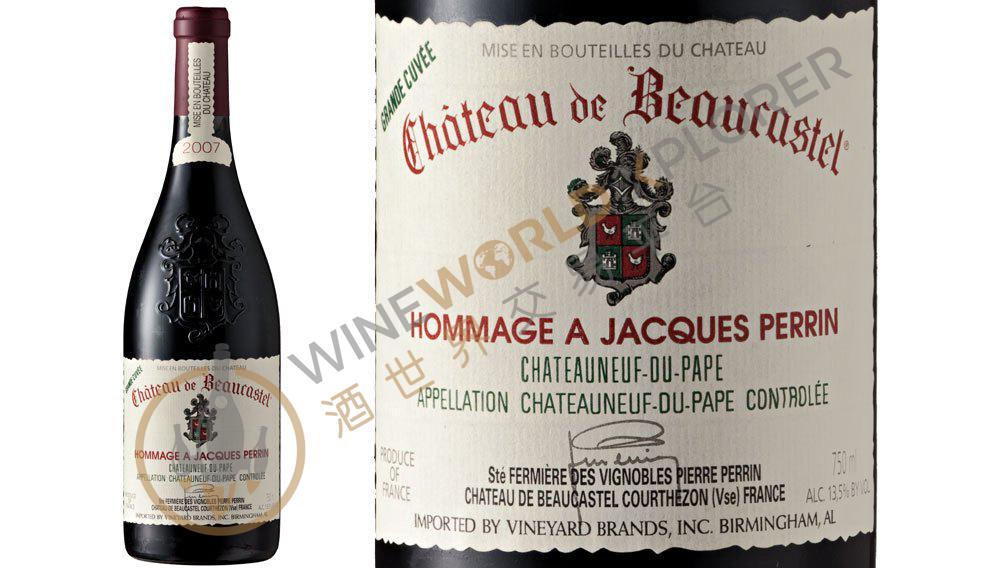
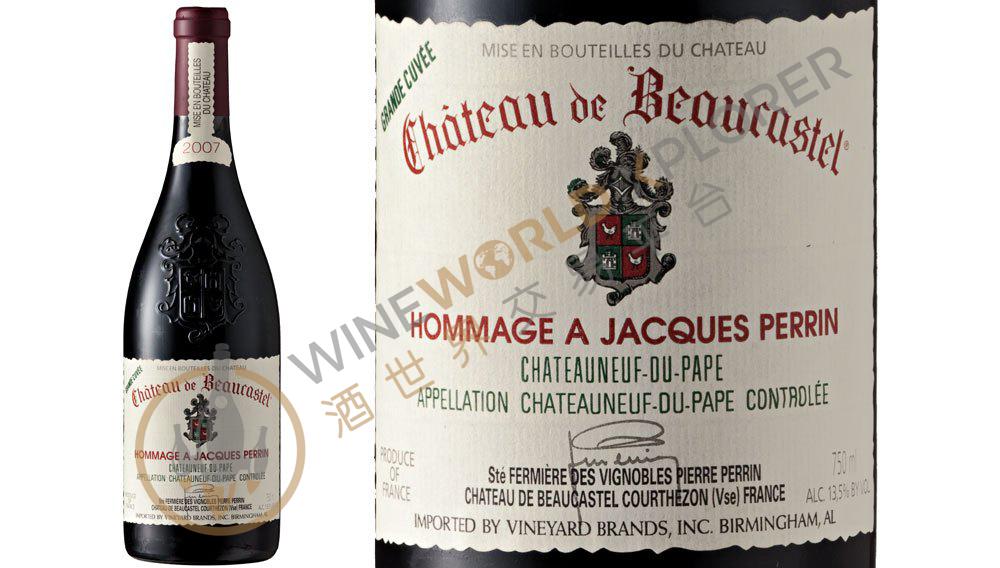
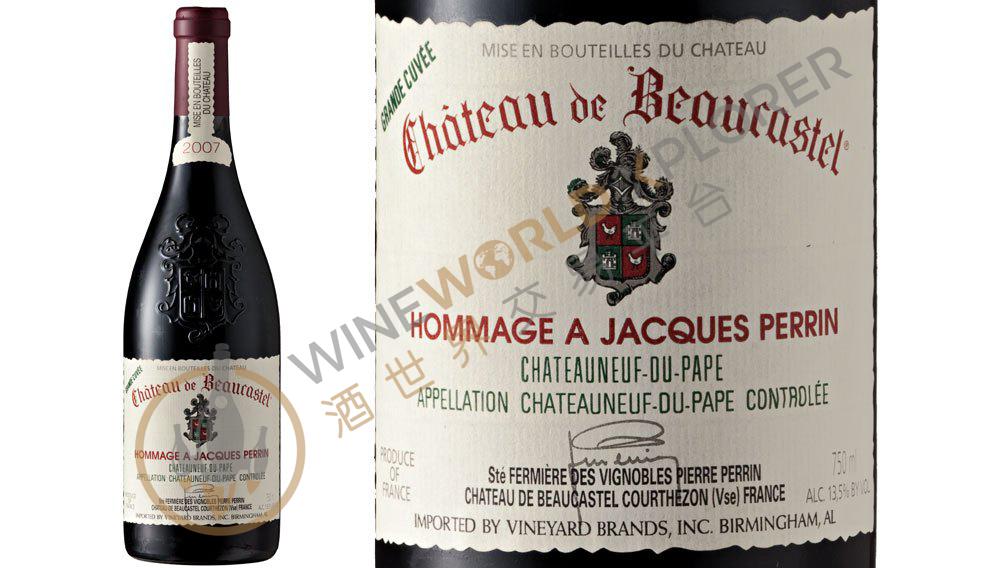
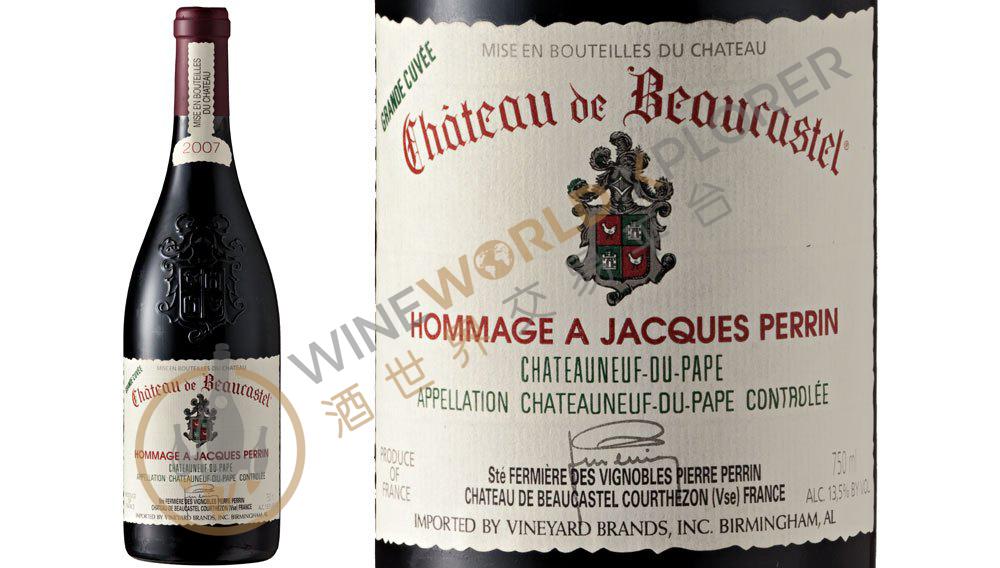
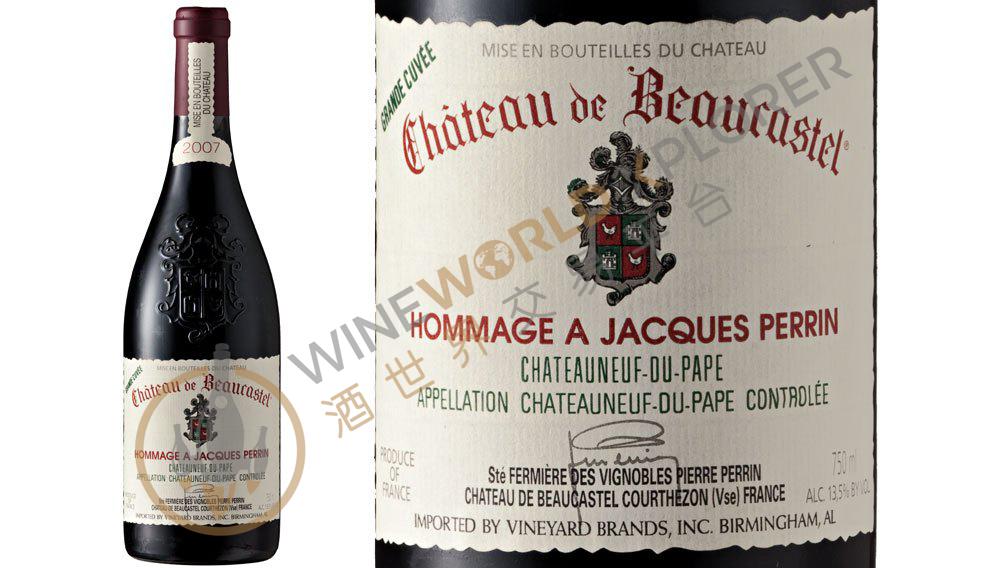
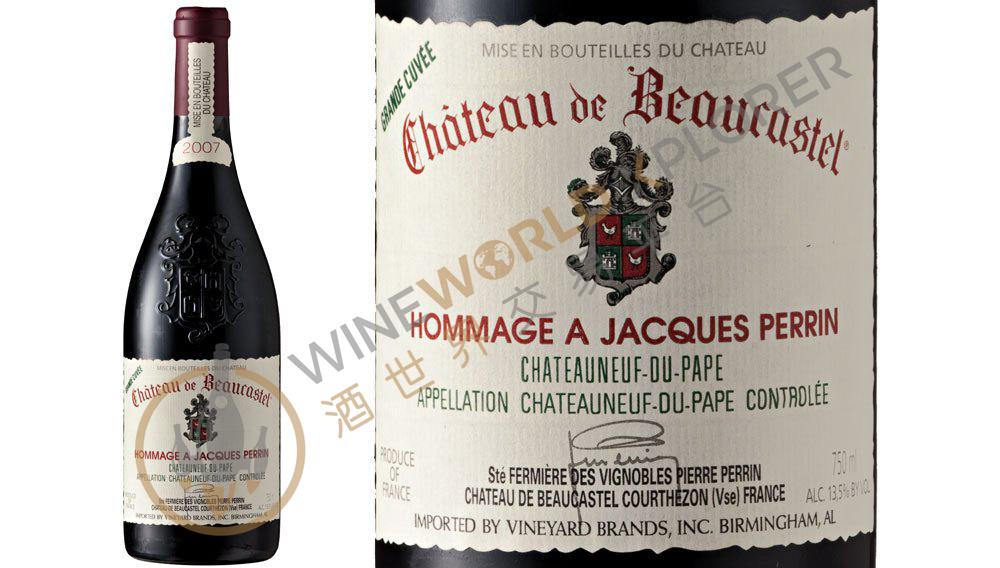
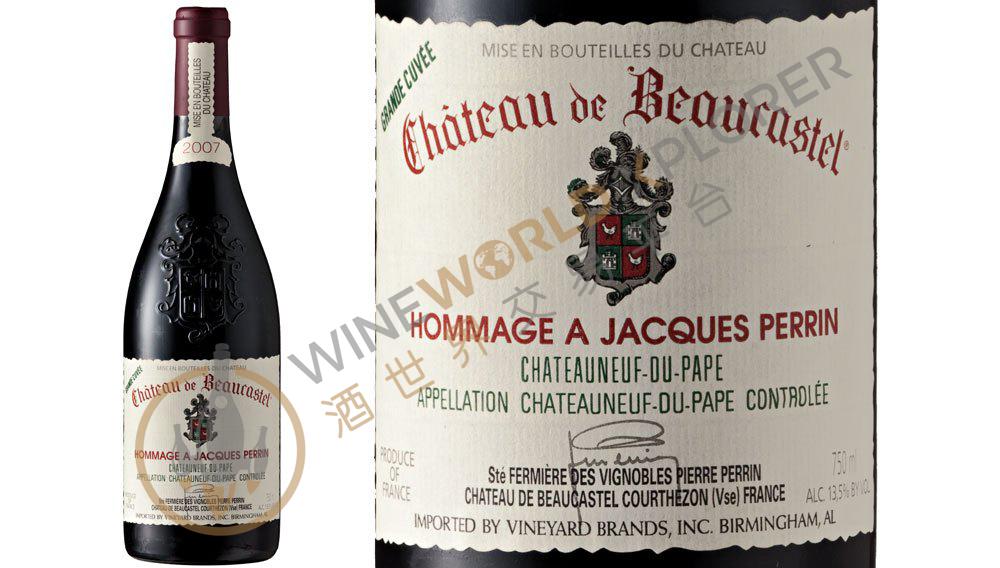
Chateau de Beaucastel, Hommage a Jacques Perrin 2003
 View analysis


Description
Tasting notes

Reviewed by: Jeb Dunnuck
Unfortunately, the 2003 Châteauneuf du Pape Hommage À Jacques Perrin was subtly corked. You could still see its potential (and I recommended the table drink it quickly before the TCA became even more apparent), but this is the second corked bottle of this wine I’ve had in a row, which is slightly concerning.
Reviewed by: Jeb Dunnuck
Still closed and tight, the 2003 Chateau de Beaucastel Chateauneuf du Pape Hommage a Jacques Perrin is ruby to the rim in color and offers up smoked black fruits, assorted floral characteristics, licorice, truffle and big minerality to go with a full-bodied, dense and chewy palate feel. Turning more spice-driven with air, this beauty is just now entering the early stages of maturity and needs another 3-4 years in the cellar to fully shine. It should have another decade or so of prime drinking after that. Impressive! It is a big step up from the traditional cuvee. It is worth noting that this bottle developed subtle corky aromas over the evening. However, even on the second day, this was still subtle and dwarfed by the core of fruit, hence, my decision to still include this review.
Reviewed by: Robert M. Parker, Jr.
The 2003 Chateauneuf du Pape Hommage a Jacques Perrin is a blend of 40% Mourvedre, 40% Grenache, 10% Syrah, and 10% Counoise (normally this cuvee includes 60% Mourvedre and 20% Grenache). A 50-year effort, it is closed, backward, and formidably tannic at present, but the color is a deep ruby/blue/purple, and the nose offers up scents of graphite, blueberries, black truffles, earth, smoke, and licorice. Ripe, full-bodied, and powerful, but searingly tannic, it will need at least a decade of cellaring. Anticipated maturity: 2015-2050. The irony is that in spite of the much higher percentage of Grenache, it is still extremely tannic and backward, even more so than the 2001, 2000, 1999, or 1998. P.S. Of considerable interest during my September, 2004 visit was Francois Perrin’s decision to open a 1980 Chateauneuf du Pape blanc (rated 94). He did this because I have been visiting Beaucastel for nearly 26 years, and in its youth, I remember this wine was quite impressive. At about age 6-7, it seemed to be completely dead and oxidized, and had taken on an old gold color. However, according to Perrin, about five years ago it came alive, and this bottle was spectacular. The aging of not only white Hermitage (which is primarily Marsanne) but also these special cuvees of Roussanne (particularly Beaucastel’s, but I suspect also other Roussane-based white Chateauneuf du Papes such as Grand Veneur’s La Fontaine and La Nerthe’s Clos de Beauvenir) is bizarre, and defies any rational explanation. They are compelling when first released, then become nearly undrinkable only to re-emerge in the future, but one is never quite sure at what age that will happen. It is one of the mysteries of wine, but it is reassuring to know there are still things the so-called experts cannot explain. Importer: Vineyard Brands, Birmingham, AL; tel. (205) 980-8802
Reviewed by: Robert M. Parker, Jr.
The 2003 Beaucastel Chateauneuf du Pape Hommage a Jacques Perrin has turned out even better than I thought last year. Black purple to the rim, with an extraordinary nose of smoke, camphor, blackberry, cassis, sweet cherry, white flowers, licorice, and Chinese black tea, the wine has superb richness, huge tannins, massive concentration, and a monster finish. Forget this wine for 5-8 years and drink it over the following 35 or more. Importer: Vineyard Brands, Birmingham, AL; tel. (205) 980-8802
About the Producer
Chateau de Beaucastel (also known as Château Beaucastel) is located in the Chateauneuf du Pape appellation, one of the most famous sub-appellations of the Rhone Valley, France. Founded in the 16th century by the Beaucastel family, the estate was acquired in 1909 by the Perrin Family, currently owned by Charles Perrin. Jacques Perrin was a pioneer in organic farming in the 1960s and in 1974 he adopted the principles of "biodynamic" management of the vineyards, going against the trend of the time. He was convinced that respecting the nature of the terroir was the right way to go. Mourvedre, a native grape variety that has been present in the Châteauneuf-du-Pape appellation since ancient times, has long been abandoned by most people because it is not easy to grow. Jacques Perrin has worked tirelessly to cultivate Mourvedre, restoring the original flavour of Châteauneuf-du-Pape wines and enhancing their value. Jacques Perrin's red wines are made from Mourvèdre, the rare grape variety from which they derive their classic flavour. When Jacques Perrin died in 1978, the estate was managed by Jacques' sons, Jean-Pierre and Francois. Under the management of the two brothers, the winery has flourished. Today, the affairs of the estate have been taken over by Jean-Pierre's son, Charles Perrin. The vineyards of Château de Beaucastel have a rare terroir - the underlying limestone is covered with rounded pebbles, clay and gravel, with good drainage, which allows the vines to have deep, strong roots. At the same time, the Mistral winds bring a cool microclimate to the vineyards, which favours the growth of the grapes. Organic fertilizers are used exclusively in the vineyard. The vineyards are still planted with the 13 grape varieties approved by the Châteauneuf-du-Pape Appellation of Origin, including Mourvèdre, Grenache Noir, Syrah, Cinsault and Counoise for the red grapes and Roussanne and Grenache Blanc for the white grapes. Grenache Blanc.) Château de Beaucastel produces both red and white wines, with the Mourvedre grape predominating in the red wines and the Roussanne grape in the white wines. Some of the better known wines are the Chateau de Beaucastel Hommage a Jacques Perrin (Chateauneuf-du-Pape), the Chateau de Beaucastel Châteauneuf-du-Pape (Châteauneuf-du-Pape), the Chateau de Beaucastel Nouvelle Vague (Châteauneuf-du-Pape) and the Châteauneuf-du-Pape (Châteauneuf-du-Pape), Chateauneuf-du-Pape, and the Coudoulet de Beaucastel, Cotes-Du-Rhone. The most noteworthy of these is the Château Beaucastel Salute to Perrin dry red wine. The weather was perfect in 1989 and the quality of the Mourvèdre harvested at the estate was outstanding. The brothers Jean-Pierre and François, the owners, decided to make a special wine in memory of their father. They named the wine Château de Beaucastel Tribute to Perrin, using Mourvèdre from old vines as the main grape. These old vines produce very low yields of ripe, concentrated fruit. For the past 30 years, Château de Beaucastel has been considered one of the greatest wineries in the Châteauneuf-du-Pape region. Today, under the stewardship of Charles Perrin and his siblings, Château de Beaucastel is creating new glories and continuing the legacy of the Rhone Valley.