Wine Advisor



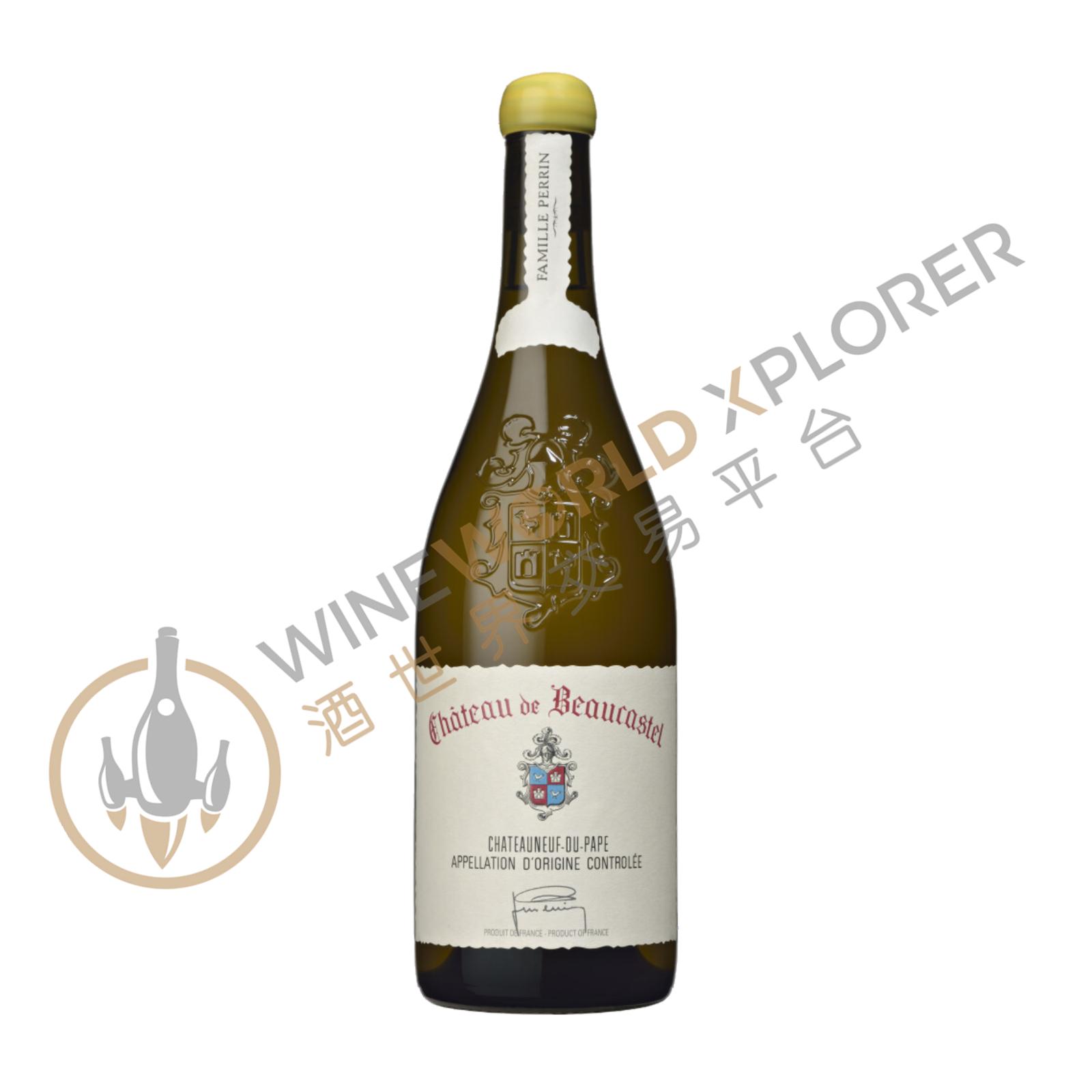
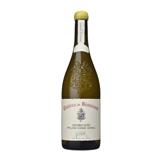
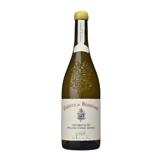
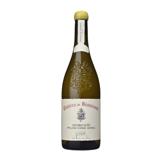
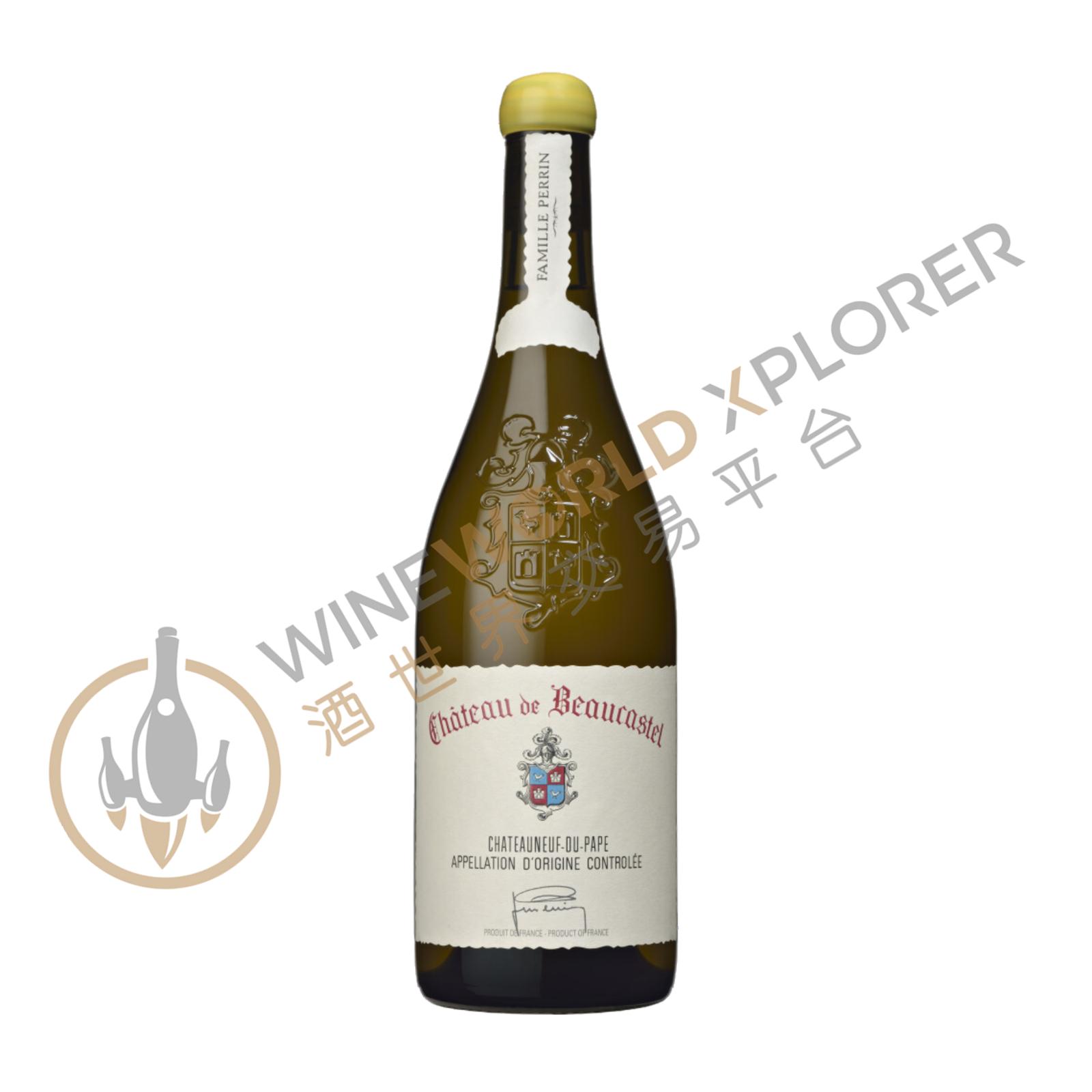
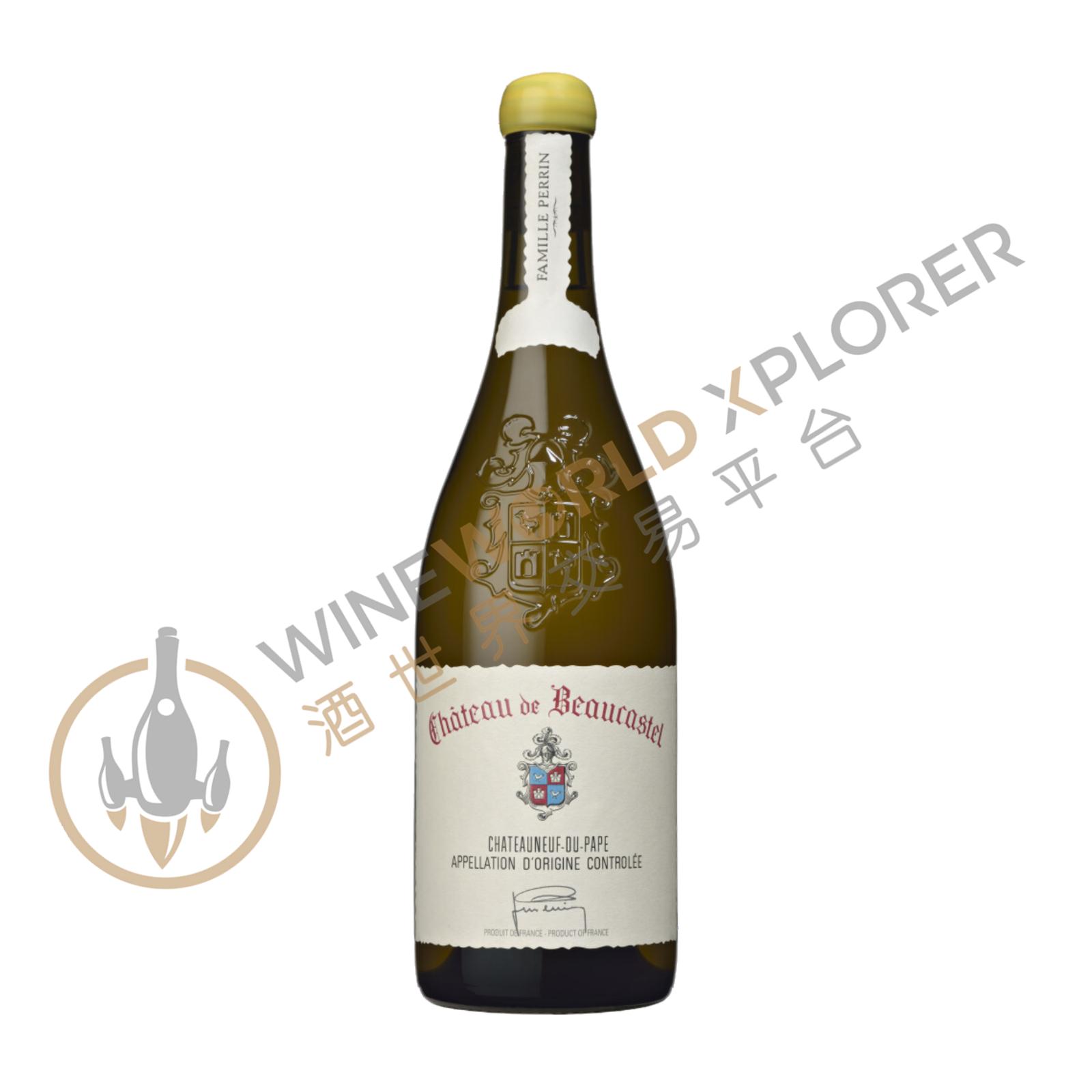
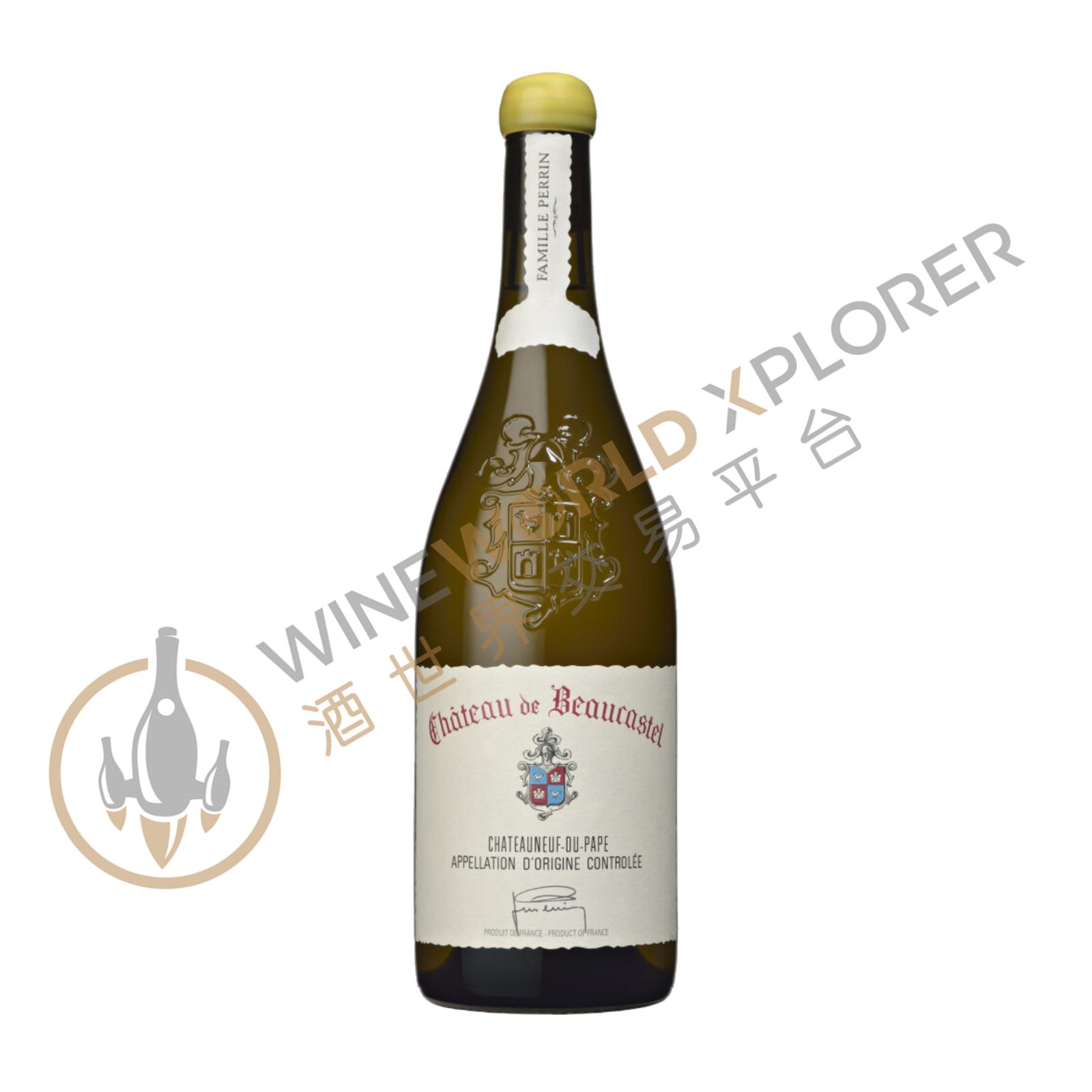
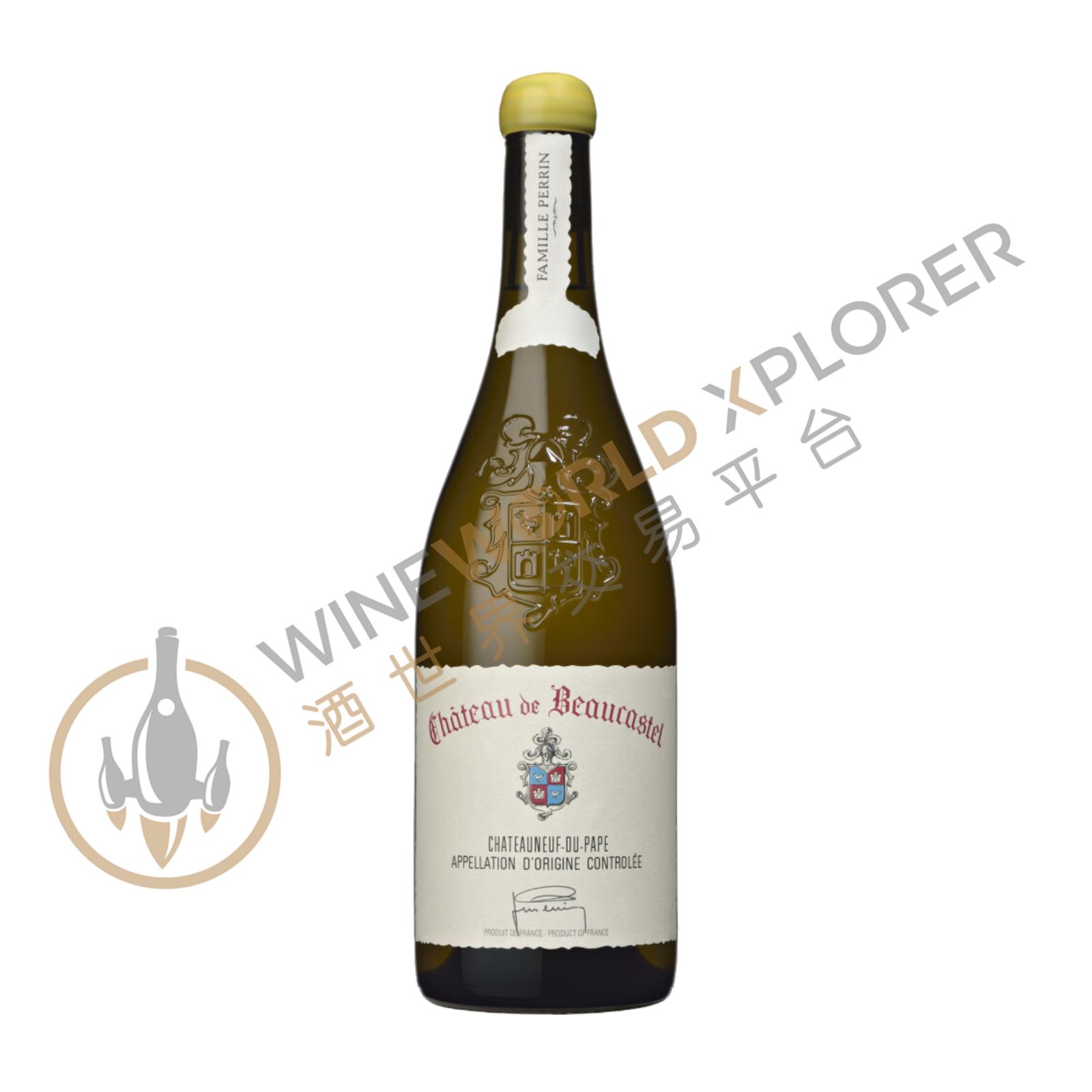
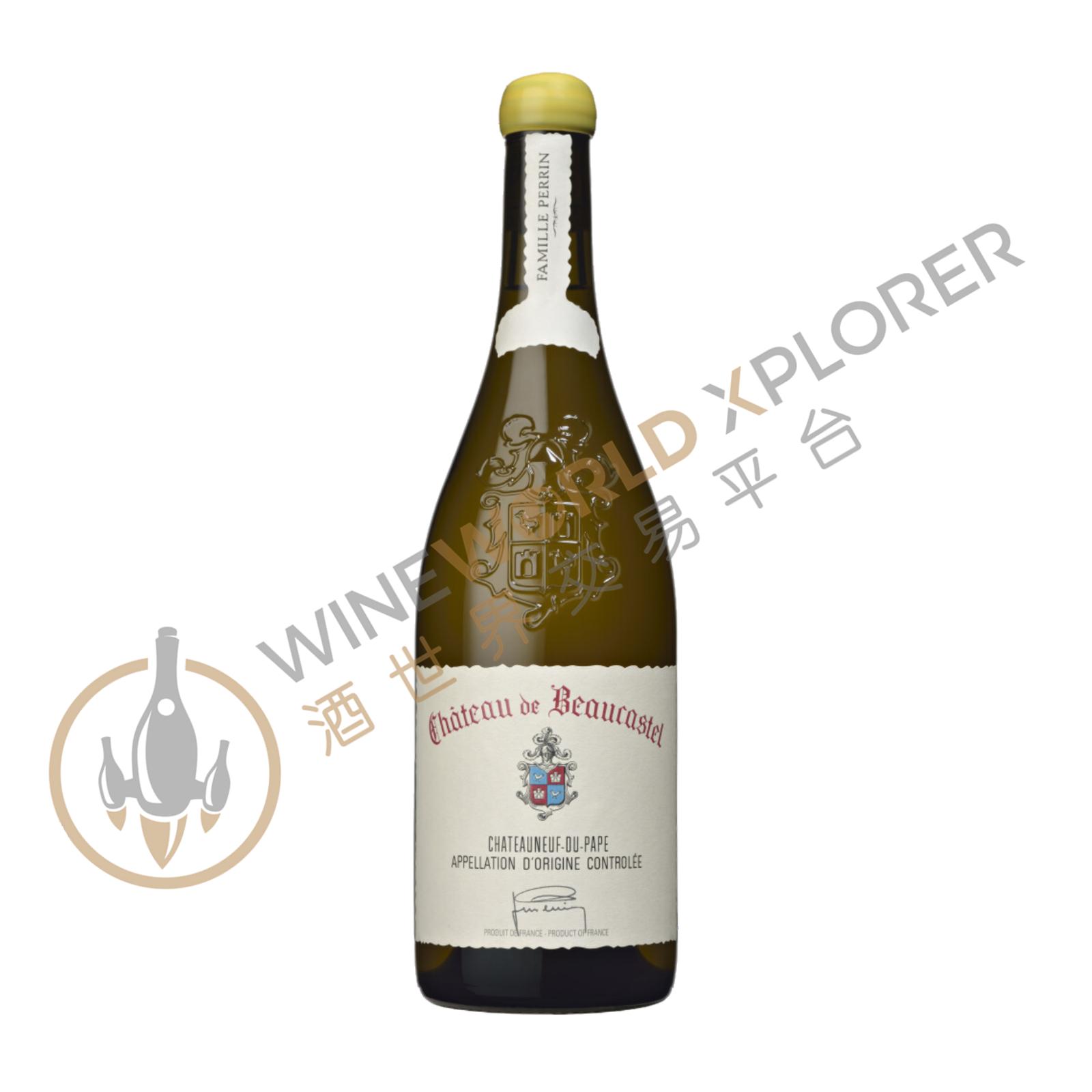
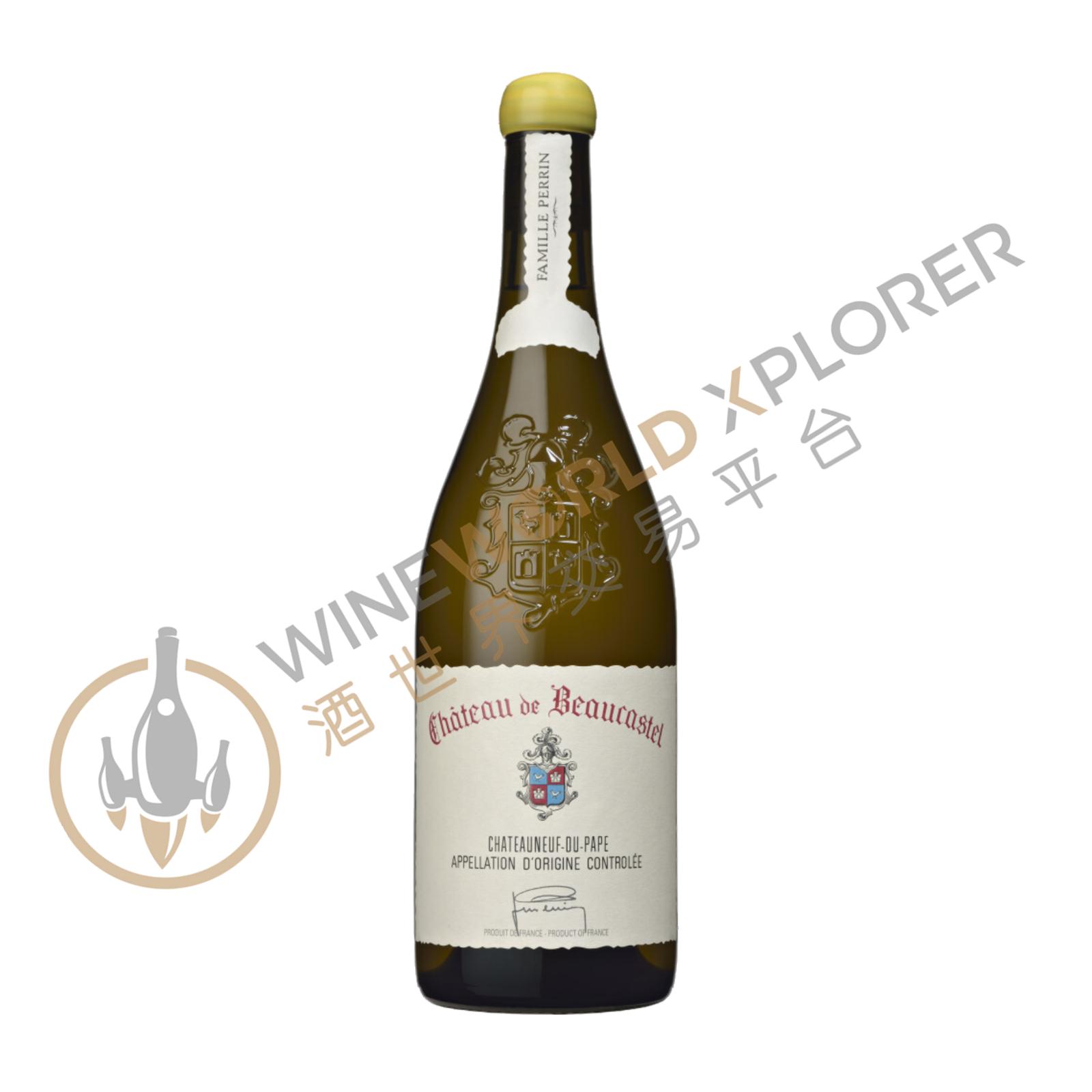
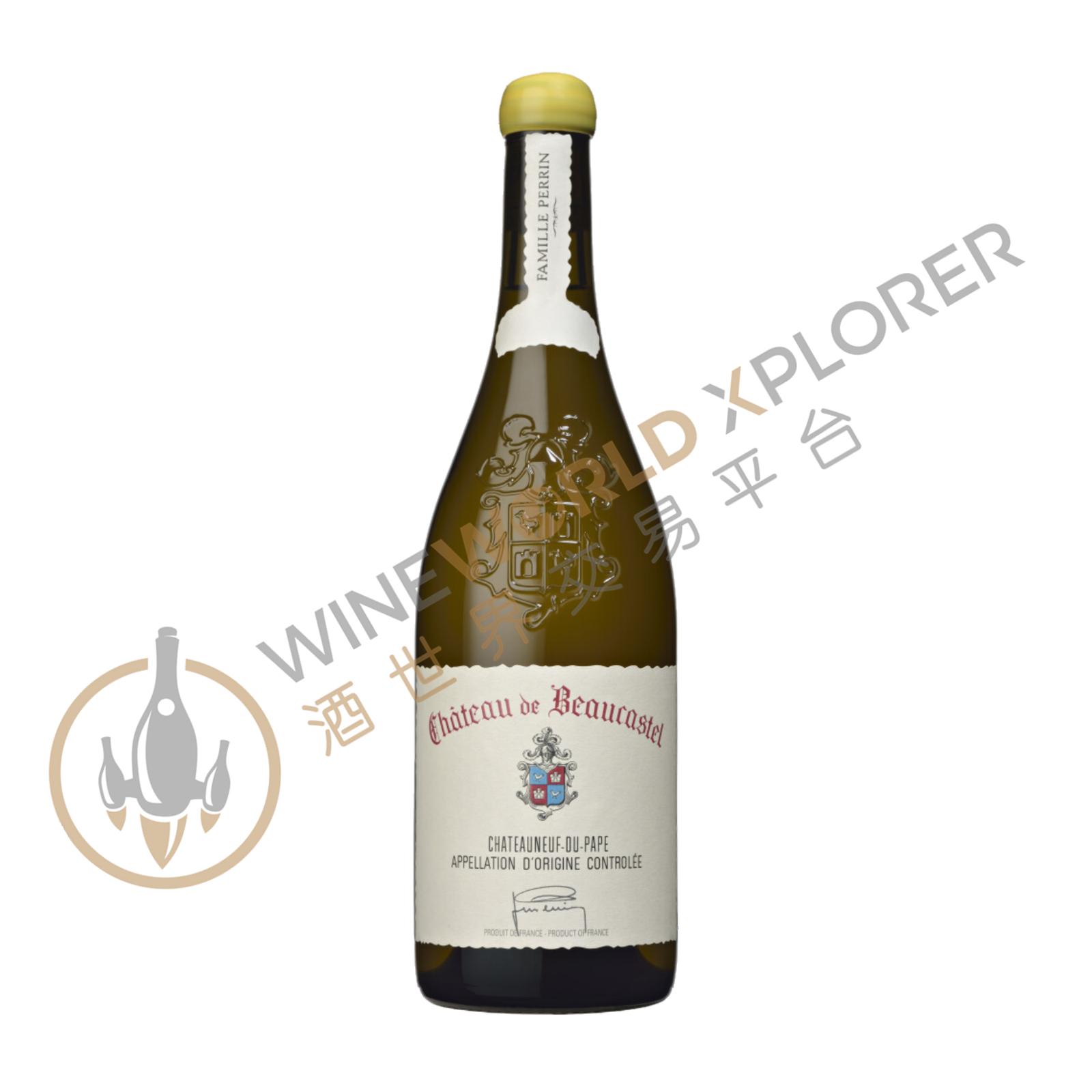
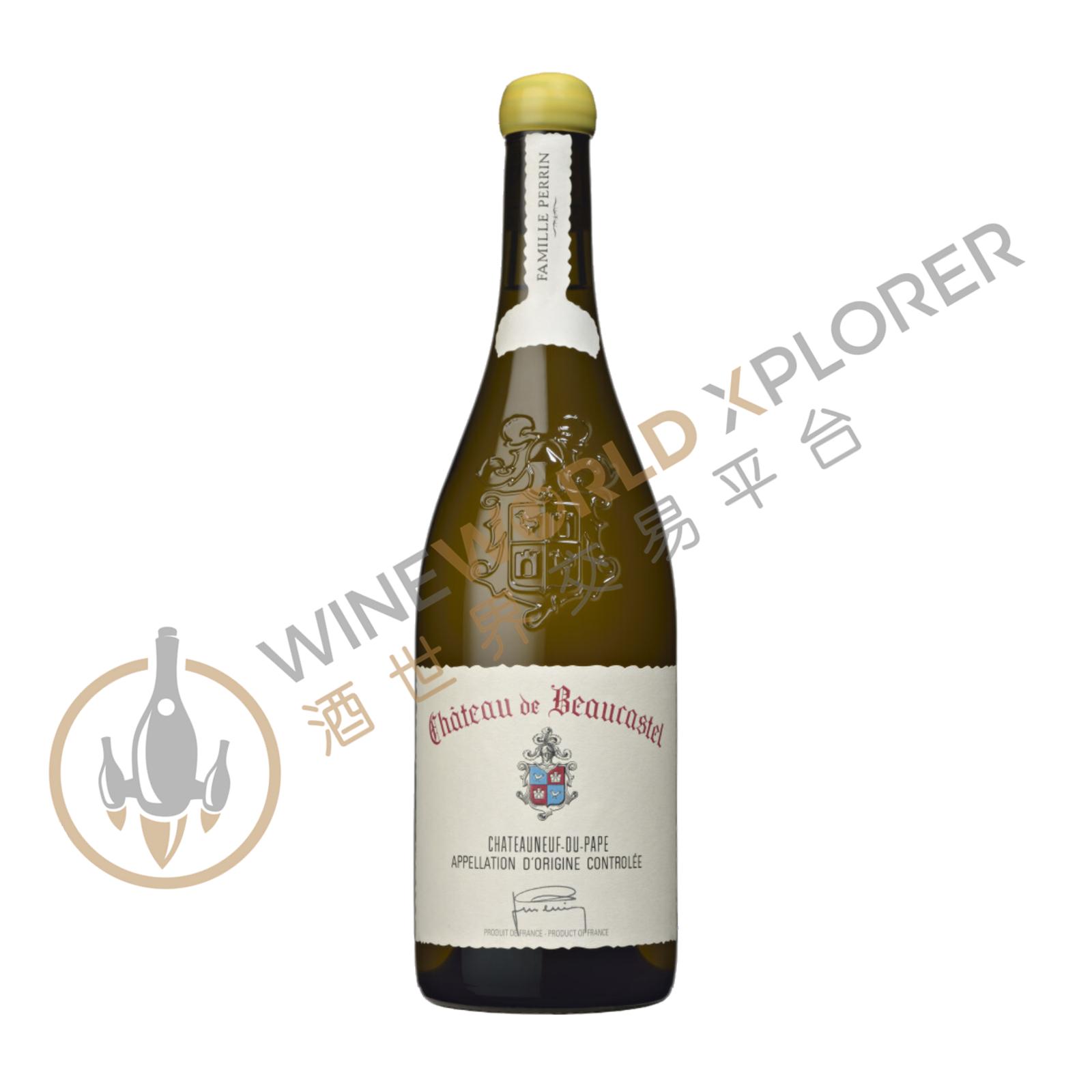
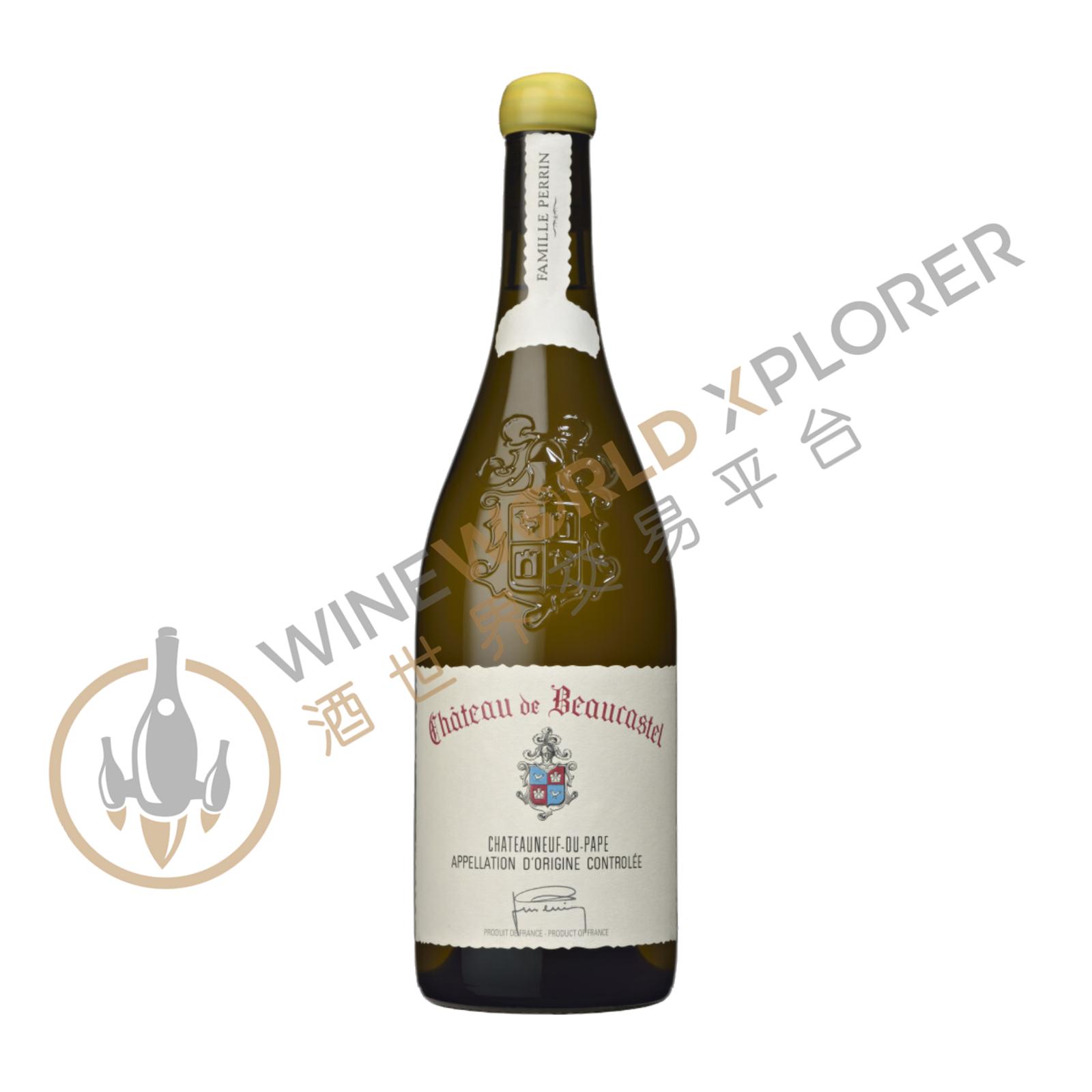
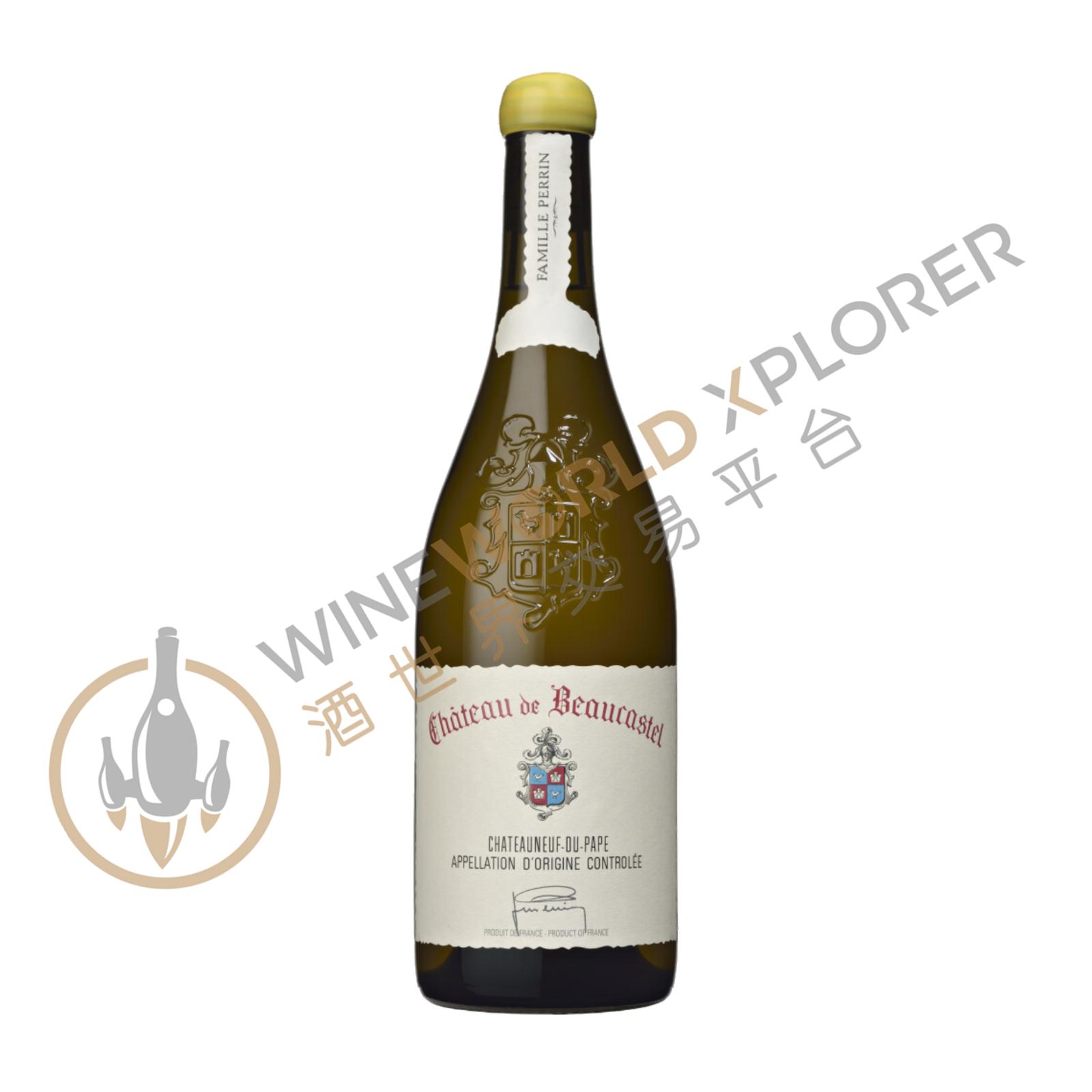
Chateau de Beaucastel, Chateauneuf du Pape Blanc 2023
 View analysis


Description
Beaucastel, Chateauneuf Du Pape, Rhone, White, 2012
Tasting notes

Reviewed by: Nicolas Greinacher
I tasted various single-varietal components (Grenache Blanc, Clairette and Roussanne) that will form the blend of the 2023 Châteauneuf-du-Pape Blanc. Profound and expressive, this looks like yet another stunning edition from the Perrin family. At this early stage, the 2023 might come in at the same quality level as the 2022 and 2021, but I don’t see it surpassing them.
Reviewed by: Yohan Castaing
The 2023 Chateauneuf du Pape Blanc from Château de Beaucastel reveals aromas of ripe pear, white flowers, herbs, spices and hints of fresh thyme. Medium to full-bodied, round and sappy, it’s enrobing and generous with a seamless texture, gastronomic bitterness and a long, saline, fresh finish. Very harmonious, this is a deep, fleshy Châteauneuf-du-Pape composed of 80% Roussanne and 20% Clairette, Grenache Blanc, Bourboulenc, Picardan and Piquepoul.
Reviewed by: James Suckling
A textured, dense, silky and harmonious white blend of roussanne, grenache blanc, picardan, bourboulenc and clairette. The nose exhibits aromas of baked lemons, verbena, beeswax, wild herbs and some dried spices. Medium-bodied with moderate acidity. The cooked lemons and herbs bring a lively, energetic mid-palate. It’s oily and highly textural. Vibrant and long. Drink or hold.
About the Producer
Chateau de Beaucastel (also known as Château Beaucastel) is located in the Chateauneuf du Pape appellation, one of the most famous sub-appellations of the Rhone Valley, France. Founded in the 16th century by the Beaucastel family, the estate was acquired in 1909 by the Perrin Family, currently owned by Charles Perrin. Jacques Perrin was a pioneer in organic farming in the 1960s and in 1974 he adopted the principles of "biodynamic" management of the vineyards, going against the trend of the time. He was convinced that respecting the nature of the terroir was the right way to go. Mourvedre, a native grape variety that has been present in the Châteauneuf-du-Pape appellation since ancient times, has long been abandoned by most people because it is not easy to grow. Jacques Perrin has worked tirelessly to cultivate Mourvedre, restoring the original flavour of Châteauneuf-du-Pape wines and enhancing their value. Jacques Perrin's red wines are made from Mourvèdre, the rare grape variety from which they derive their classic flavour. When Jacques Perrin died in 1978, the estate was managed by Jacques' sons, Jean-Pierre and Francois. Under the management of the two brothers, the winery has flourished. Today, the affairs of the estate have been taken over by Jean-Pierre's son, Charles Perrin. The vineyards of Château de Beaucastel have a rare terroir - the underlying limestone is covered with rounded pebbles, clay and gravel, with good drainage, which allows the vines to have deep, strong roots. At the same time, the Mistral winds bring a cool microclimate to the vineyards, which favours the growth of the grapes. Organic fertilizers are used exclusively in the vineyard. The vineyards are still planted with the 13 grape varieties approved by the Châteauneuf-du-Pape Appellation of Origin, including Mourvèdre, Grenache Noir, Syrah, Cinsault and Counoise for the red grapes and Roussanne and Grenache Blanc for the white grapes. Grenache Blanc.) Château de Beaucastel produces both red and white wines, with the Mourvedre grape predominating in the red wines and the Roussanne grape in the white wines. Some of the better known wines are the Chateau de Beaucastel Hommage a Jacques Perrin (Chateauneuf-du-Pape), the Chateau de Beaucastel Châteauneuf-du-Pape (Châteauneuf-du-Pape), the Chateau de Beaucastel Nouvelle Vague (Châteauneuf-du-Pape) and the Châteauneuf-du-Pape (Châteauneuf-du-Pape), Chateauneuf-du-Pape, and the Coudoulet de Beaucastel, Cotes-Du-Rhone. The most noteworthy of these is the Château Beaucastel Salute to Perrin dry red wine. The weather was perfect in 1989 and the quality of the Mourvèdre harvested at the estate was outstanding. The brothers Jean-Pierre and François, the owners, decided to make a special wine in memory of their father. They named the wine Château de Beaucastel Tribute to Perrin, using Mourvèdre from old vines as the main grape. These old vines produce very low yields of ripe, concentrated fruit. For the past 30 years, Château de Beaucastel has been considered one of the greatest wineries in the Châteauneuf-du-Pape region. Today, under the stewardship of Charles Perrin and his siblings, Château de Beaucastel is creating new glories and continuing the legacy of the Rhone Valley.