Wine Advisor



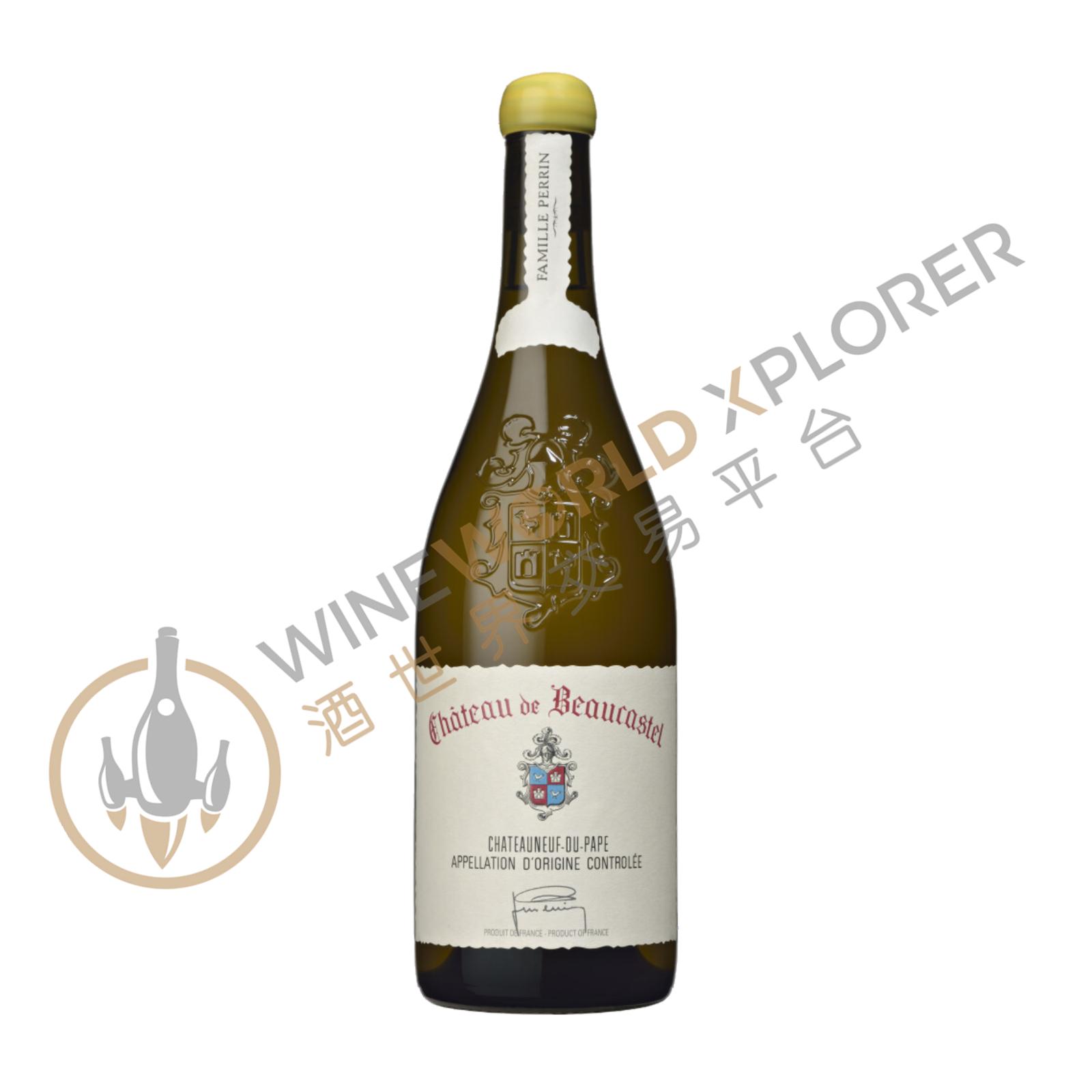
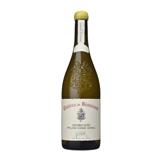
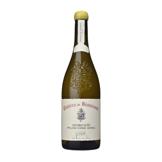
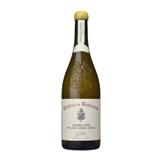
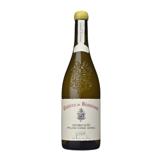
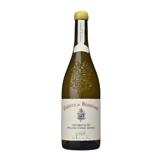
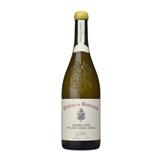
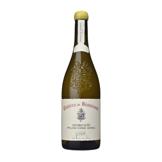
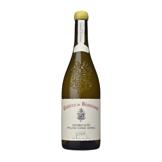
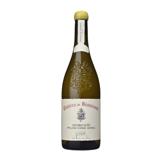
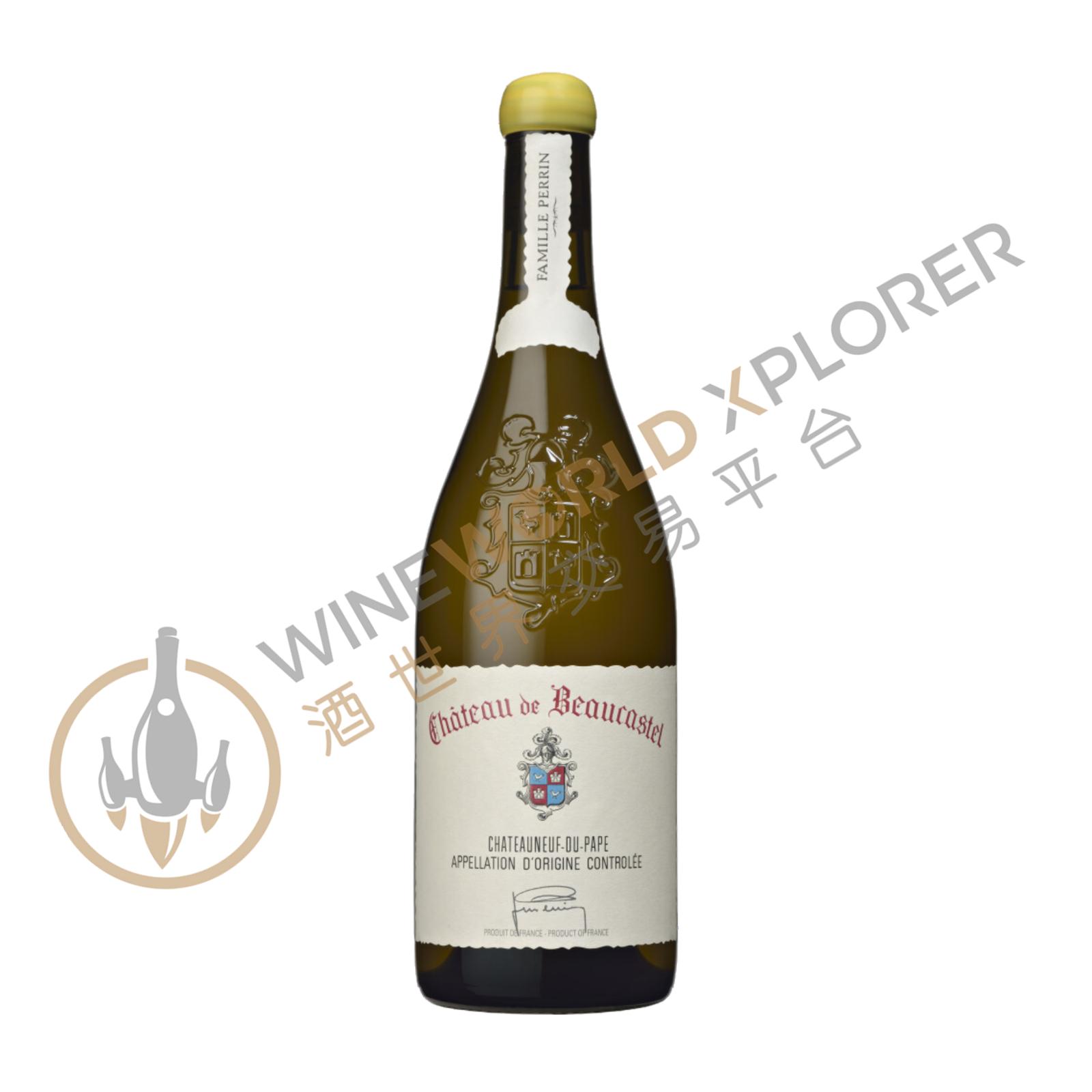
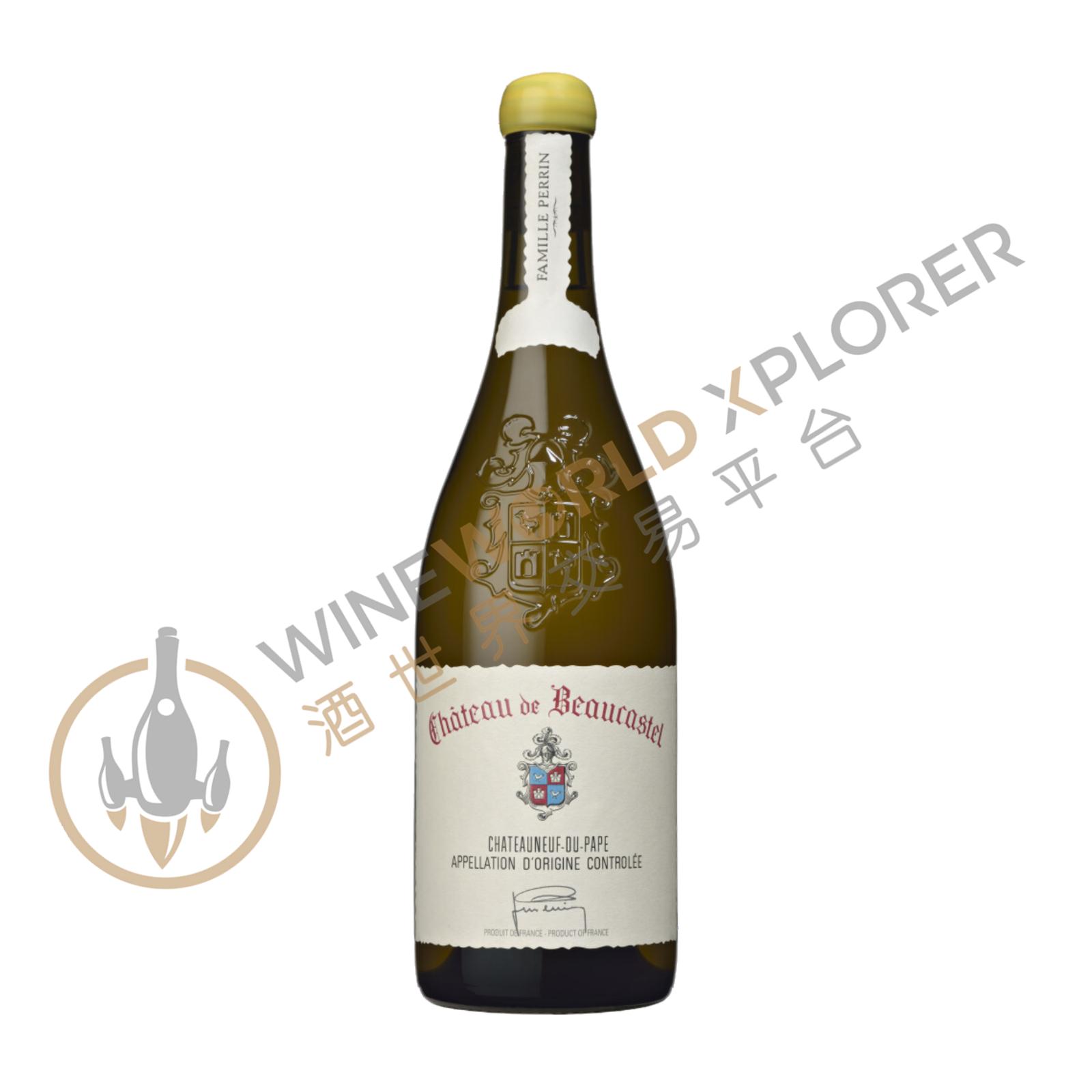
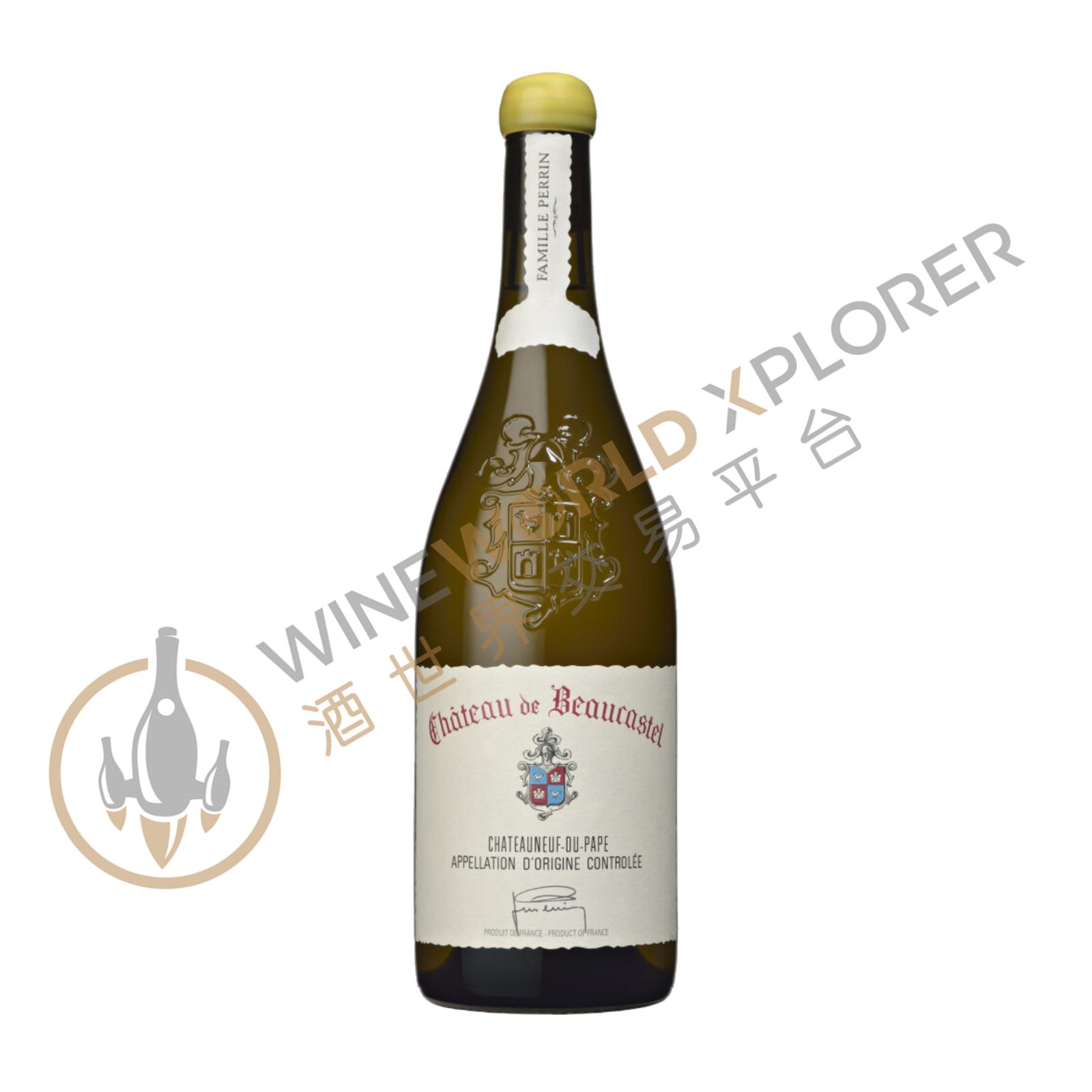
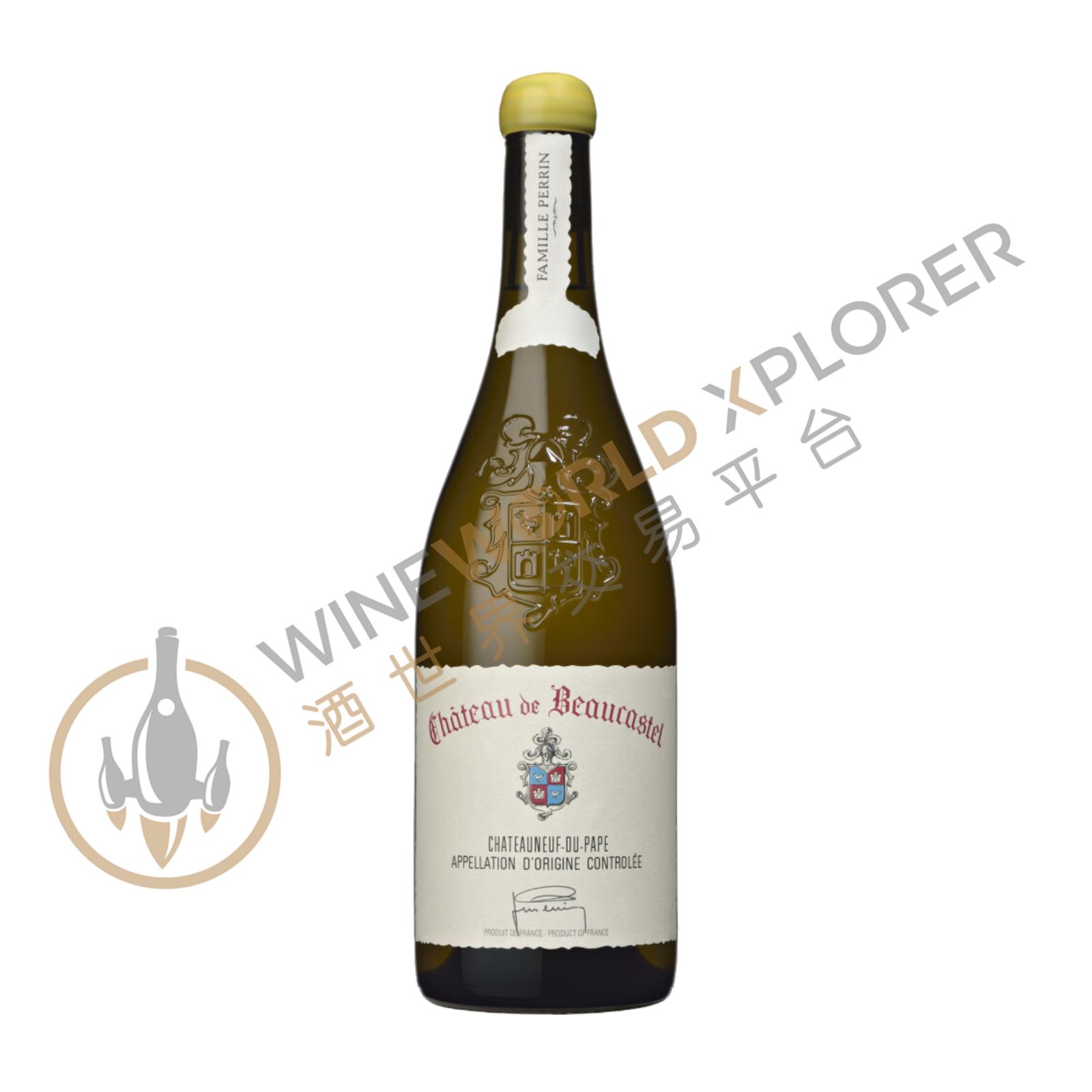
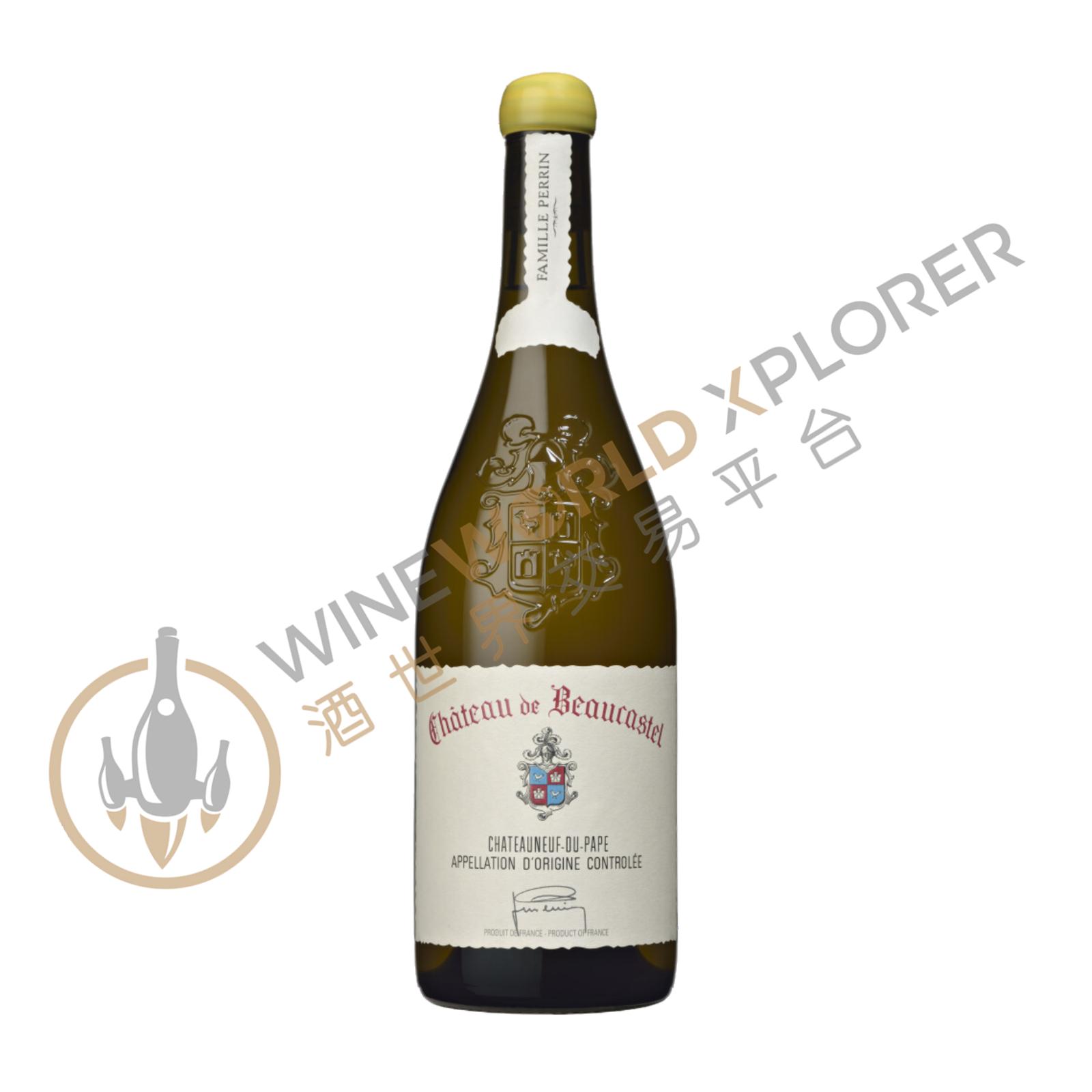
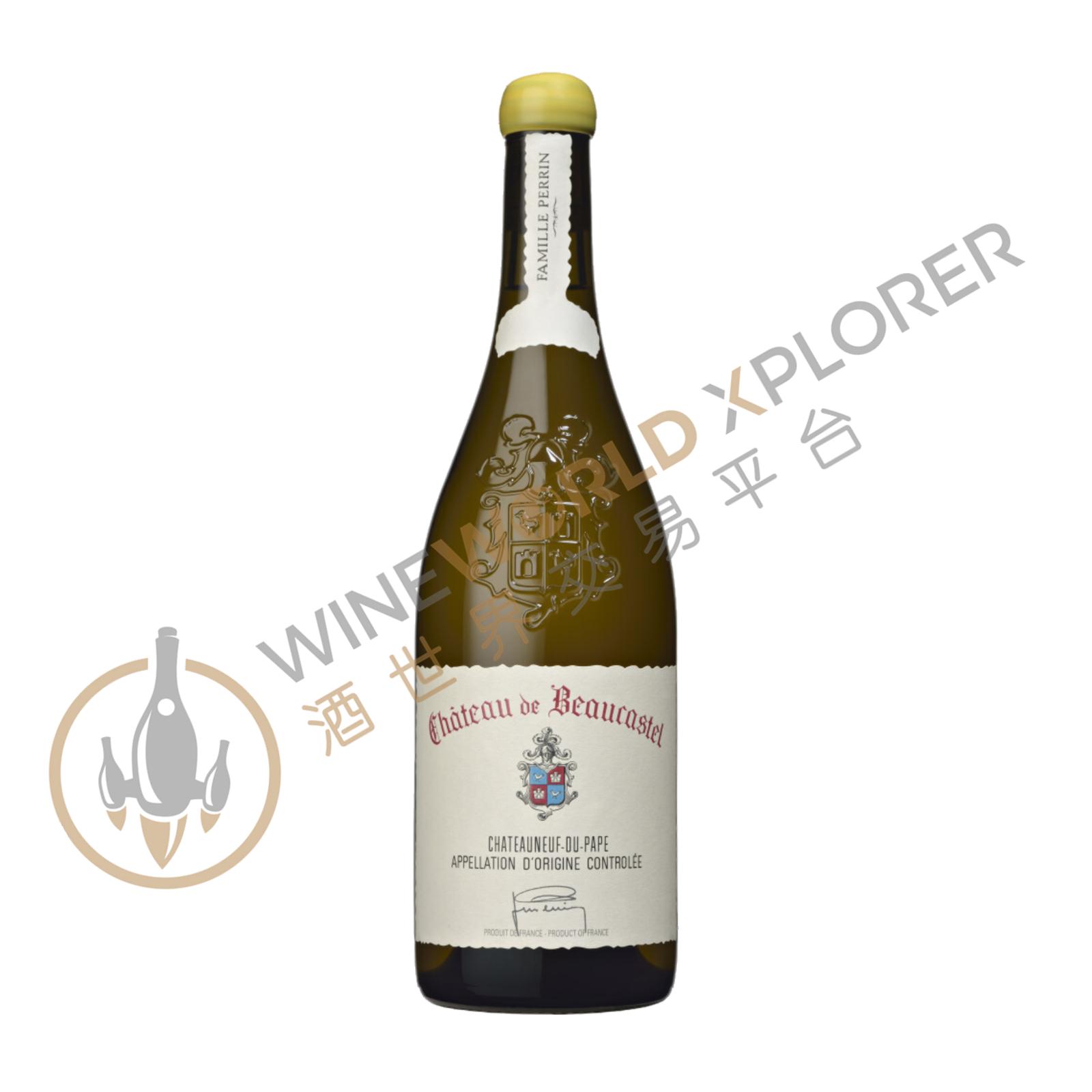
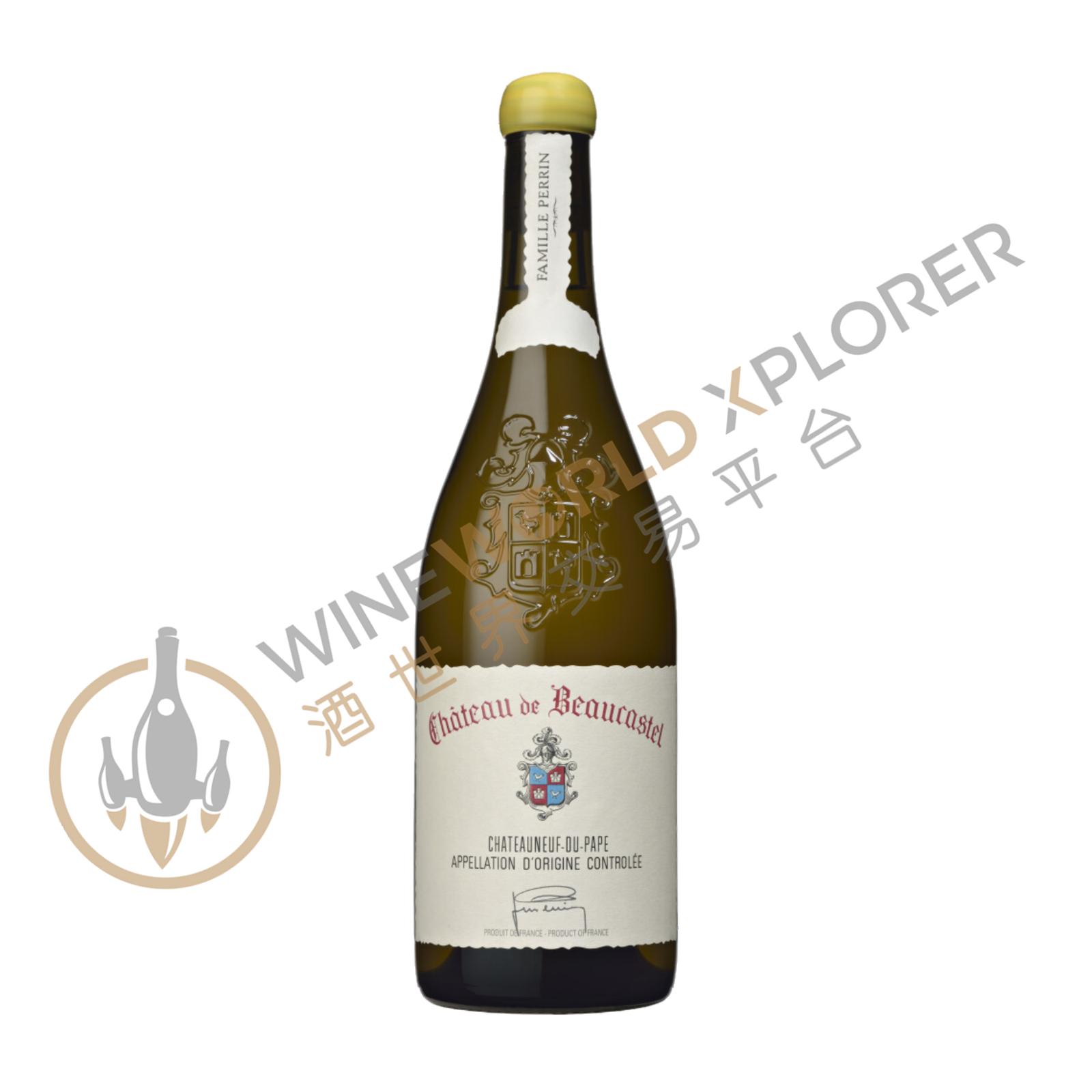
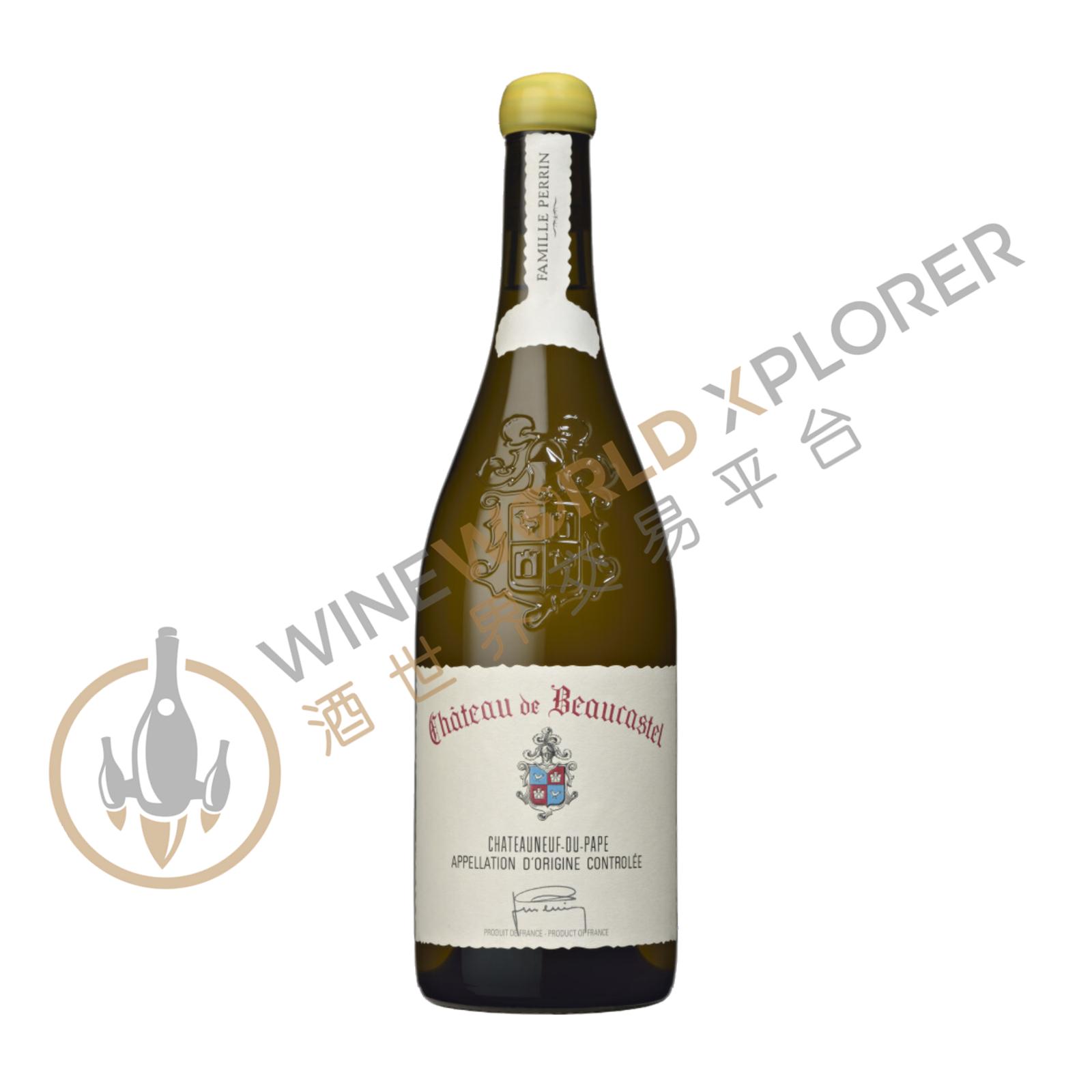
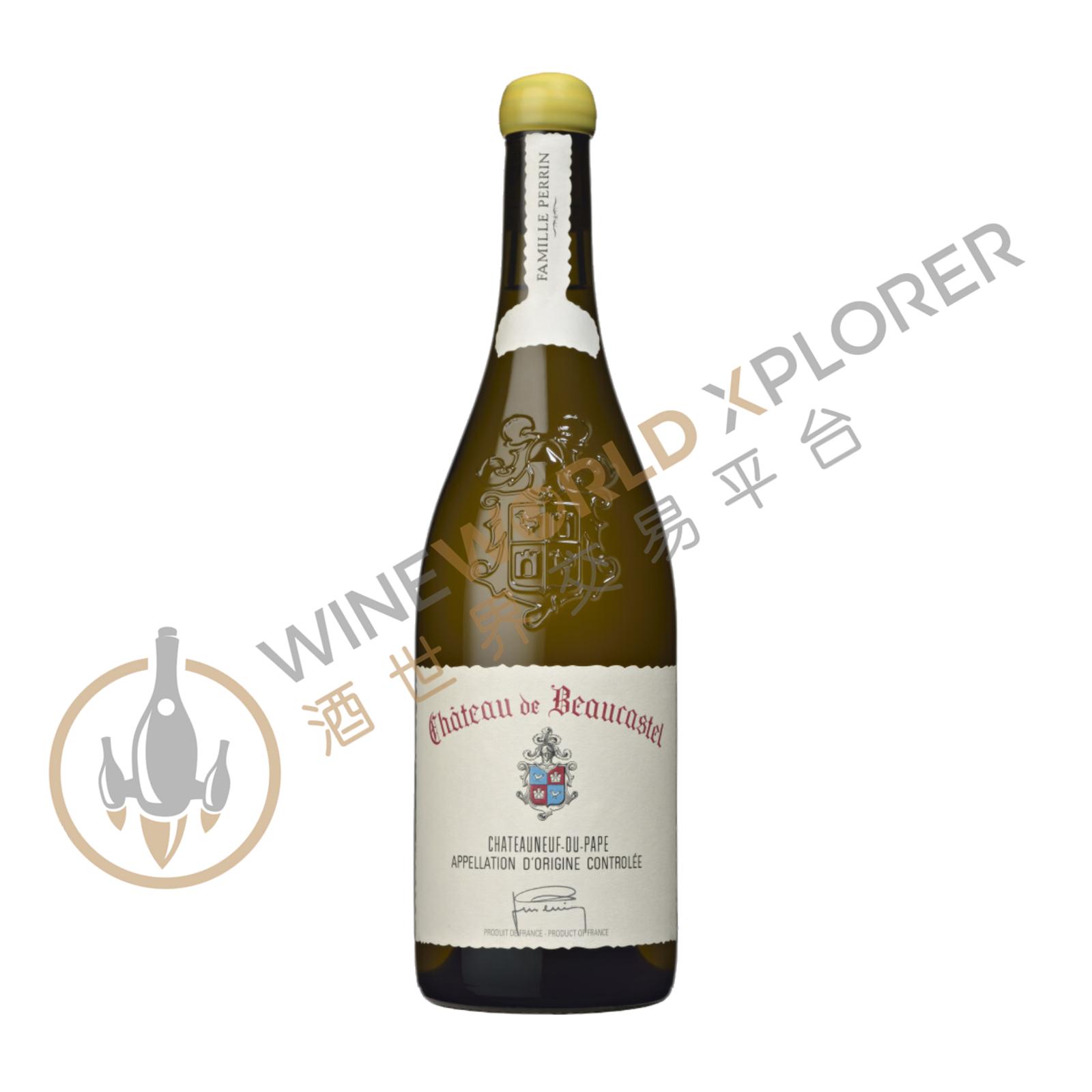
Chateau de Beaucastel, Chateauneuf du Pape Blanc 1999
 View analysis


Description
Beaucastel, Chateauneuf Du Pape, Rhone, White, 2012
Tasting notes

Reviewed by: Jeb Dunnuck
Slightly darker colored than other wines in the retrospective, the 1999 Chateauneuf du Pape had a touch of oxidation in its buttered-citrus, hazelnut, spice-cabinet and old-furniture bouquet. Still impressive on the palate, though, with beautiful depth of fruit and a layered, balanced texture, it's hard to say where this is going with any degree of certainty, but my gut says continue to cellar.
Reviewed by: Robert M. Parker, Jr.
Beaucastel's 1999 Chateauneuf du Pape blanc is a terrific success, not surprising in view of the fact that all recent vintages have been gorgeous. It is made from 80% Roussanne and 20% Grenache Blanc, fermented in 80% cuves and 20% barrels, of which 10% are new, and bottled with minimal clarification. Like a top Hermitage, the Perrins subscribe to the theory (and I tend to agree) that this is a wine to drink during its first 2-4 years of life, or forget it for at least a decade. It takes on an oxidized mid-life crisis between 5-10 years of age, and re-emerges as a completely different animal around age ten. Of course, each vintage has its own track record, but it is a fascinating wine to drink young, as well as an impressive one to have after ten years. The light gold-colored 1999 reveals intense marmalade and rose petal, honeyed richness with a touch of spice and toast. Thick and unctuously-textured, but supported by excellent acidity, it can be drunk over the next 4-5 years, and then ignored for a decade. It will keep for 20 years. Importer: Vineyard Brands, Birmingham, AL; tel. (205) 980-8802
Reviewed by: Robert M. Parker, Jr.
Readers seeking white Beaucastels for long-term aging should check out the 1999 Chateauneuf du Pape. It offers a sensational bouquet, but its acid profile results in more delineation as well as greater potential for longevity. Full, concentrated, and layered, it will drink well for 10-15 years. Importer: Vineyard Brands, Birmingham, AL; tel. (205) 980-8802
About the Producer
Chateau de Beaucastel (also known as Château Beaucastel) is located in the Chateauneuf du Pape appellation, one of the most famous sub-appellations of the Rhone Valley, France. Founded in the 16th century by the Beaucastel family, the estate was acquired in 1909 by the Perrin Family, currently owned by Charles Perrin. Jacques Perrin was a pioneer in organic farming in the 1960s and in 1974 he adopted the principles of "biodynamic" management of the vineyards, going against the trend of the time. He was convinced that respecting the nature of the terroir was the right way to go. Mourvedre, a native grape variety that has been present in the Châteauneuf-du-Pape appellation since ancient times, has long been abandoned by most people because it is not easy to grow. Jacques Perrin has worked tirelessly to cultivate Mourvedre, restoring the original flavour of Châteauneuf-du-Pape wines and enhancing their value. Jacques Perrin's red wines are made from Mourvèdre, the rare grape variety from which they derive their classic flavour. When Jacques Perrin died in 1978, the estate was managed by Jacques' sons, Jean-Pierre and Francois. Under the management of the two brothers, the winery has flourished. Today, the affairs of the estate have been taken over by Jean-Pierre's son, Charles Perrin. The vineyards of Château de Beaucastel have a rare terroir - the underlying limestone is covered with rounded pebbles, clay and gravel, with good drainage, which allows the vines to have deep, strong roots. At the same time, the Mistral winds bring a cool microclimate to the vineyards, which favours the growth of the grapes. Organic fertilizers are used exclusively in the vineyard. The vineyards are still planted with the 13 grape varieties approved by the Châteauneuf-du-Pape Appellation of Origin, including Mourvèdre, Grenache Noir, Syrah, Cinsault and Counoise for the red grapes and Roussanne and Grenache Blanc for the white grapes. Grenache Blanc.) Château de Beaucastel produces both red and white wines, with the Mourvedre grape predominating in the red wines and the Roussanne grape in the white wines. Some of the better known wines are the Chateau de Beaucastel Hommage a Jacques Perrin (Chateauneuf-du-Pape), the Chateau de Beaucastel Châteauneuf-du-Pape (Châteauneuf-du-Pape), the Chateau de Beaucastel Nouvelle Vague (Châteauneuf-du-Pape) and the Châteauneuf-du-Pape (Châteauneuf-du-Pape), Chateauneuf-du-Pape, and the Coudoulet de Beaucastel, Cotes-Du-Rhone. The most noteworthy of these is the Château Beaucastel Salute to Perrin dry red wine. The weather was perfect in 1989 and the quality of the Mourvèdre harvested at the estate was outstanding. The brothers Jean-Pierre and François, the owners, decided to make a special wine in memory of their father. They named the wine Château de Beaucastel Tribute to Perrin, using Mourvèdre from old vines as the main grape. These old vines produce very low yields of ripe, concentrated fruit. For the past 30 years, Château de Beaucastel has been considered one of the greatest wineries in the Châteauneuf-du-Pape region. Today, under the stewardship of Charles Perrin and his siblings, Château de Beaucastel is creating new glories and continuing the legacy of the Rhone Valley.