
 Wine Advisor



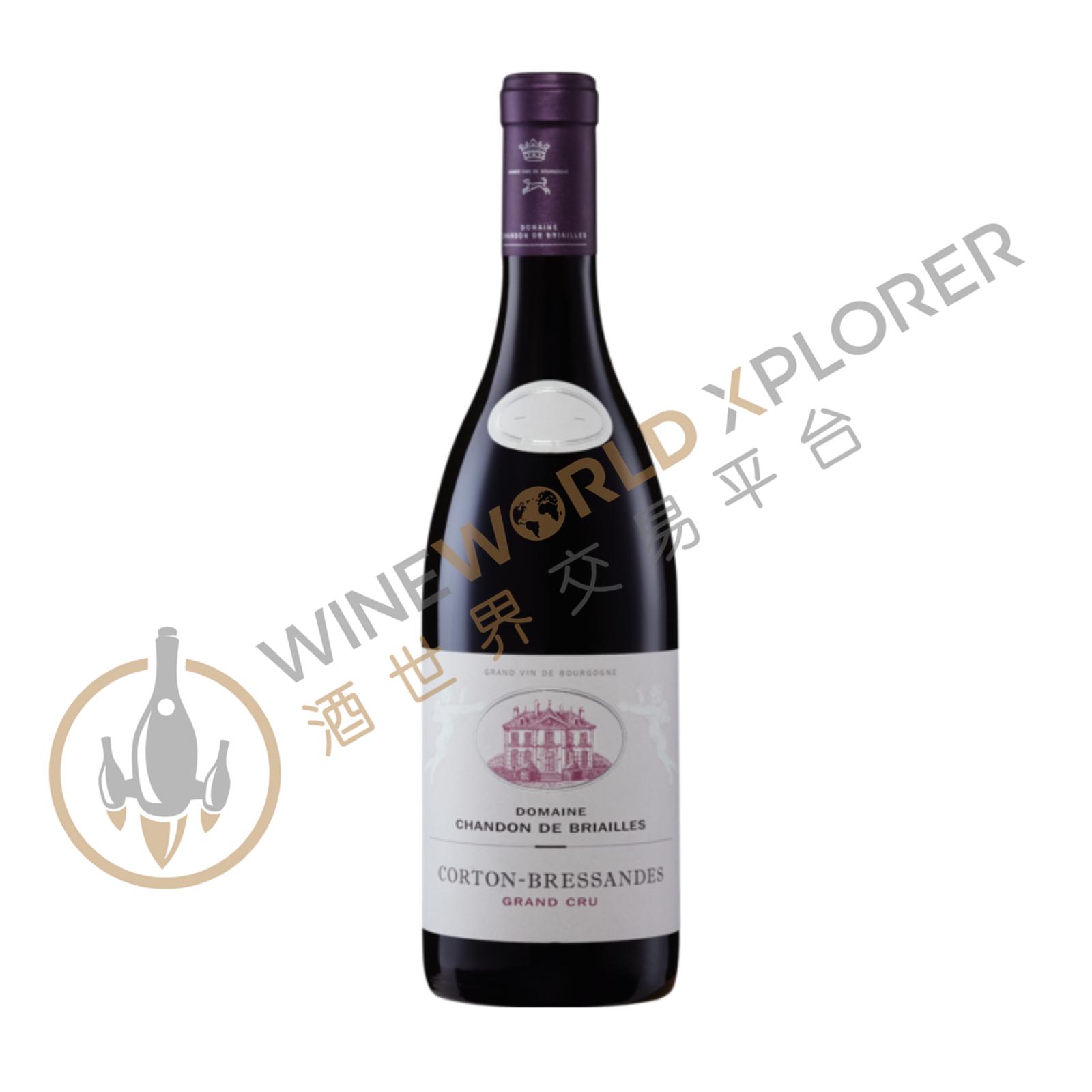
Chandon de Briailles, Corton Bressandes Grand Cru 2009
 View analysis


Description
Tasting notes

Reviewed by: Stephen Tanzer
(80% vendange entier): Good dark red. Dark, brooding aromas of cherry pit, botanical herbs, smoke and earth. Deep, energetic and penetrating, offering a beautiful combination of volume and focus. This very tactile wine boasts vibrant, highly perfumed flavors of black fruits, pepper and spices and finishes uncompromisingly dry, with firm tannins and superb cut and lift. Showed a riper aroma of strawberry jam after 24 hours in the recorked bottle without any loss of freshness. I'd lay this beauty down for at least six to eight years.
Reviewed by: Stephen Tanzer
(80% vendange entier Bright, deep, saturated red. Sweet, nuanced aromas of redcurrant, cherry, chocolate and smoky minerality, lifted by a floral element. Sweet and creamy but juicy in the mouth; a rather muscular Corton, but with the breadth of the vintage in spades. Really spreads out to saturate the palate on the finish, with plenty of ripe tannins to see it through a decade or two of development.
About the Producer
In the ownership of the same family since 1834, the Domaine Chandon de Brailles currently belongs to the Count and Countess Aymard-Claude de Nicolay and their children. The Count inherited it from his grandmother, Countess Chandon de Briailles. François de Nicolay succeeded his mother, with his sister Claude in 2001. He very quickly realized the level of quality of the wines achieved thanks to this method and decided to convert the family domaine. Biodynamics for the domaine is also a growing method that preserves our terrestrial universe and it is durable. Through this method, the domaine passes on to future generations parcels of land that are unpolluted and alive, capable of producing wines of great quality. That is to say: with charm, finesse and great aromatic complexity. The domaine is 13.7 hectares: one-third Savigny, Pernand and Corton. The grapes are partially de-stemmed with the proportion of whole cluster varying from 30 to 50% depending on the vintage. The wines stay on the lees for 12 to 15 months and then it is pushed with inert gas into big tanks for blending where it stays one or two months before bottling
