Wine Advisor



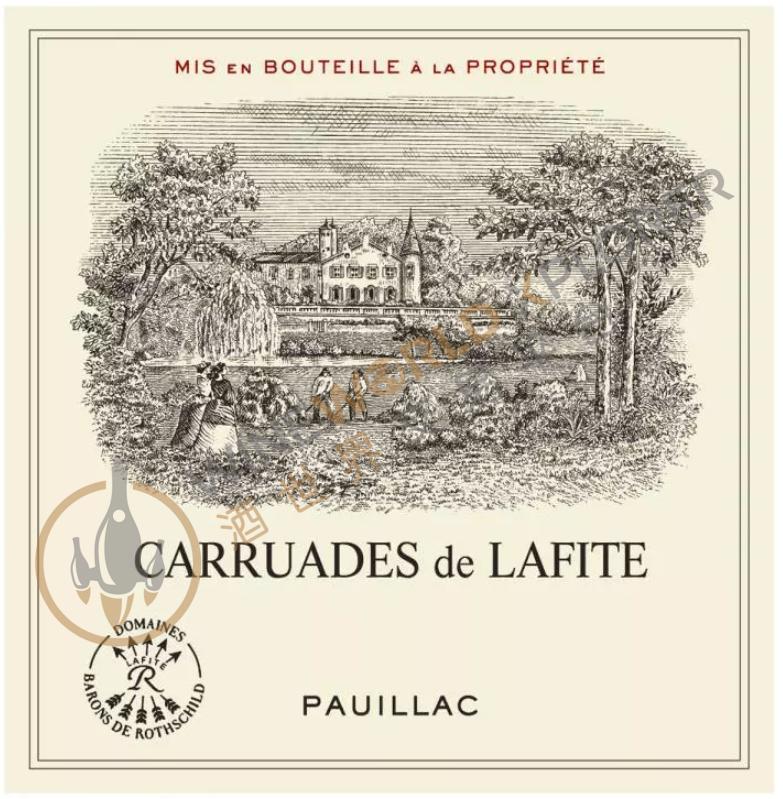
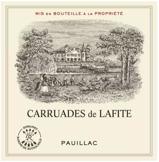
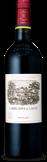
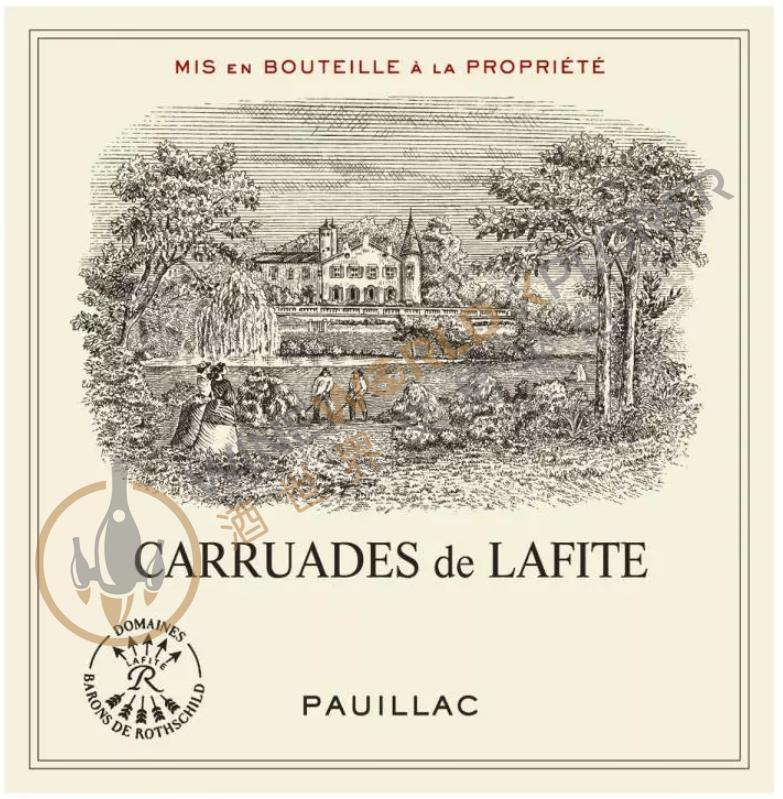
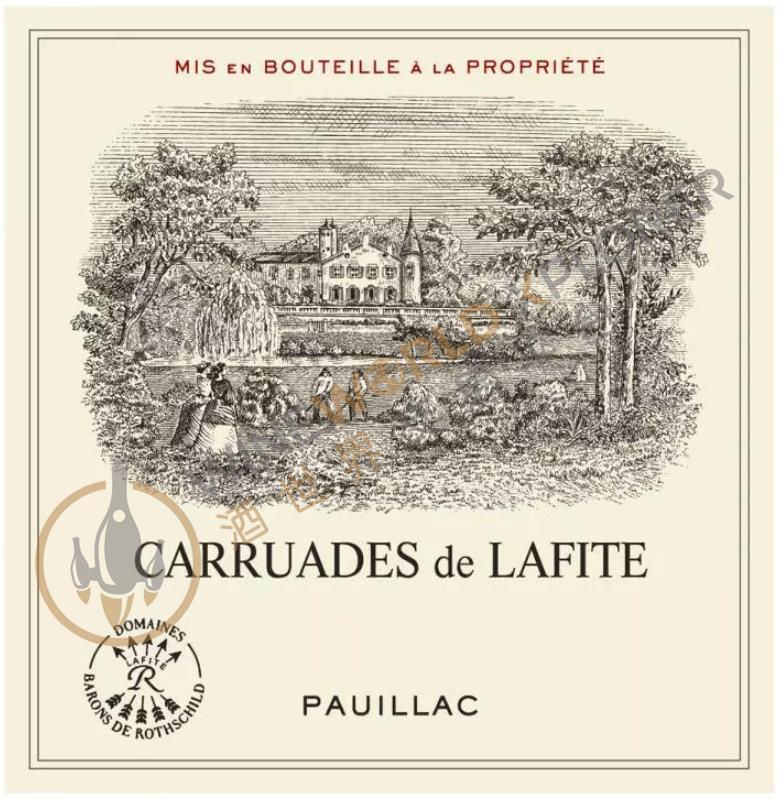
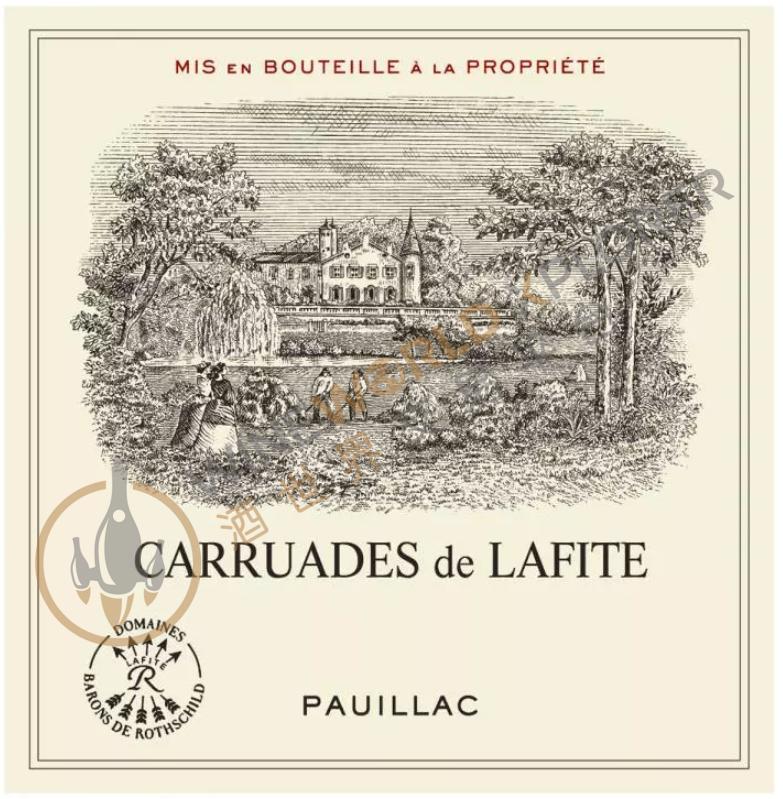
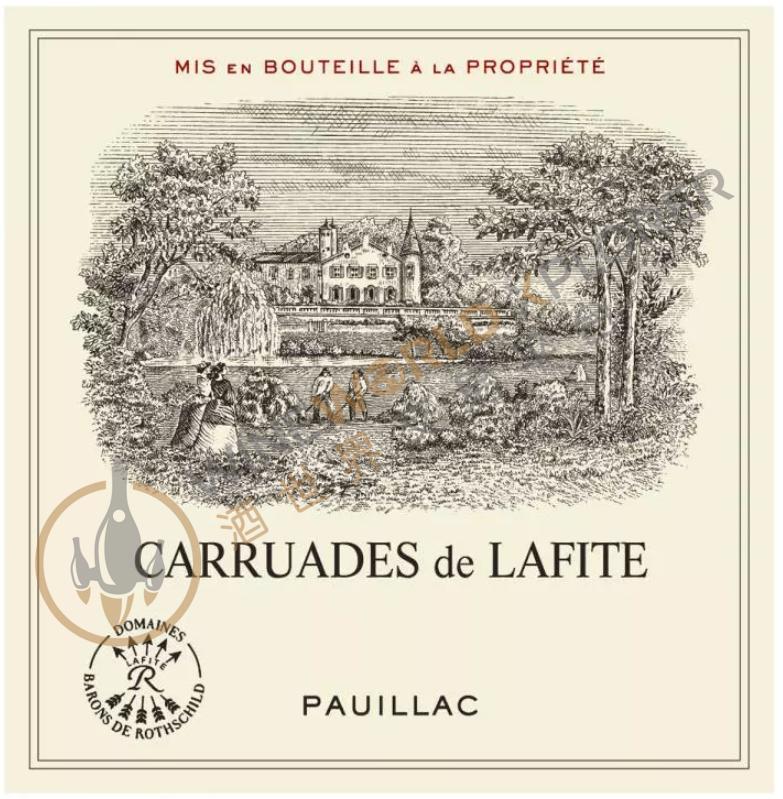
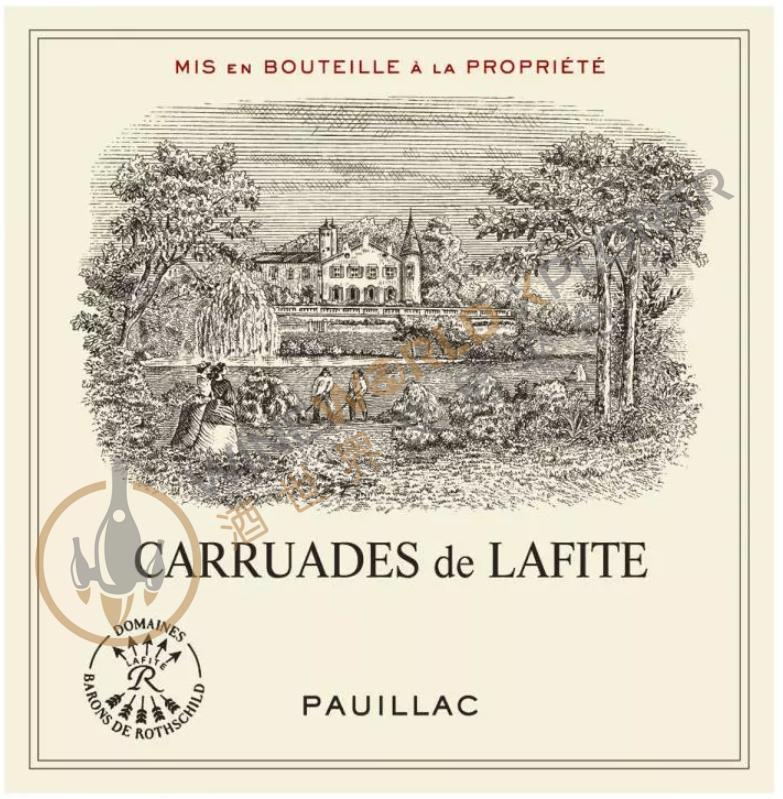
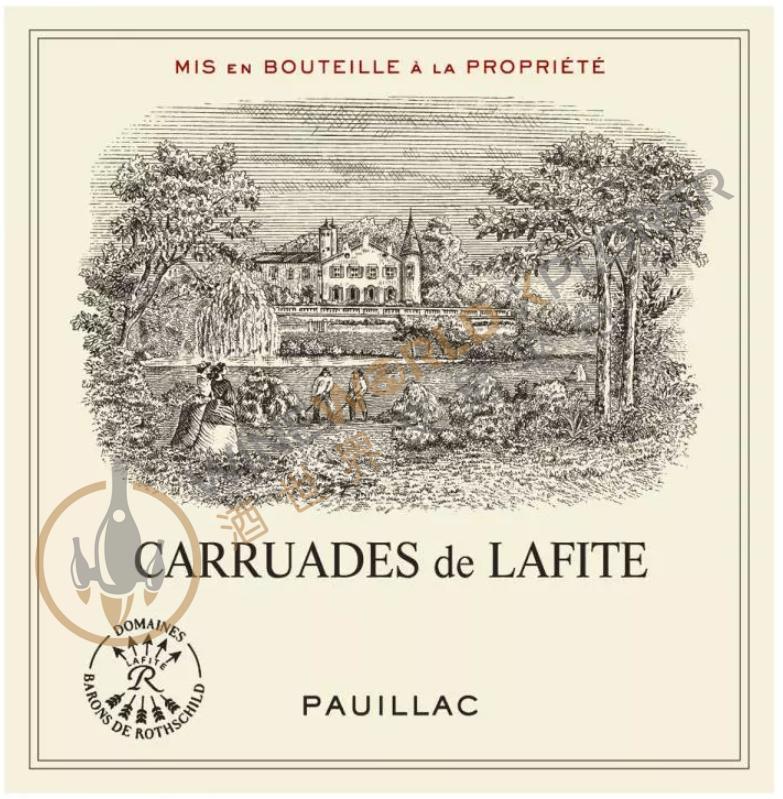
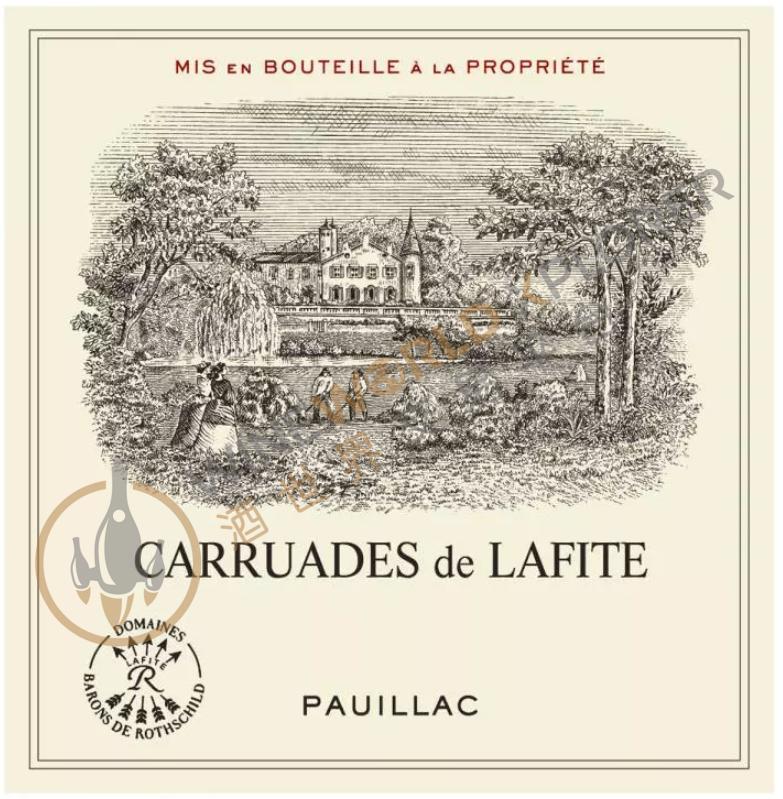
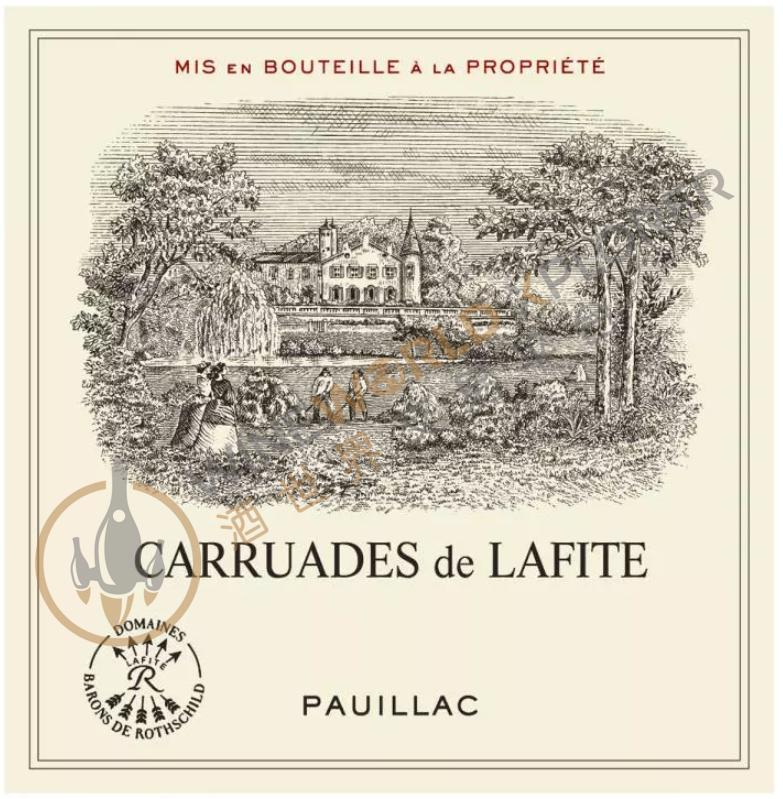
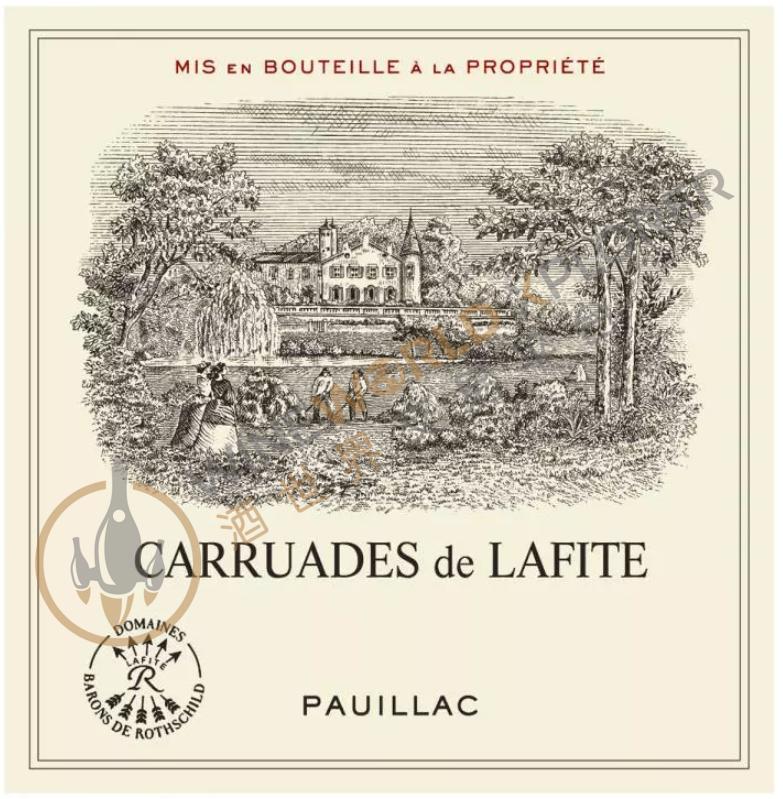
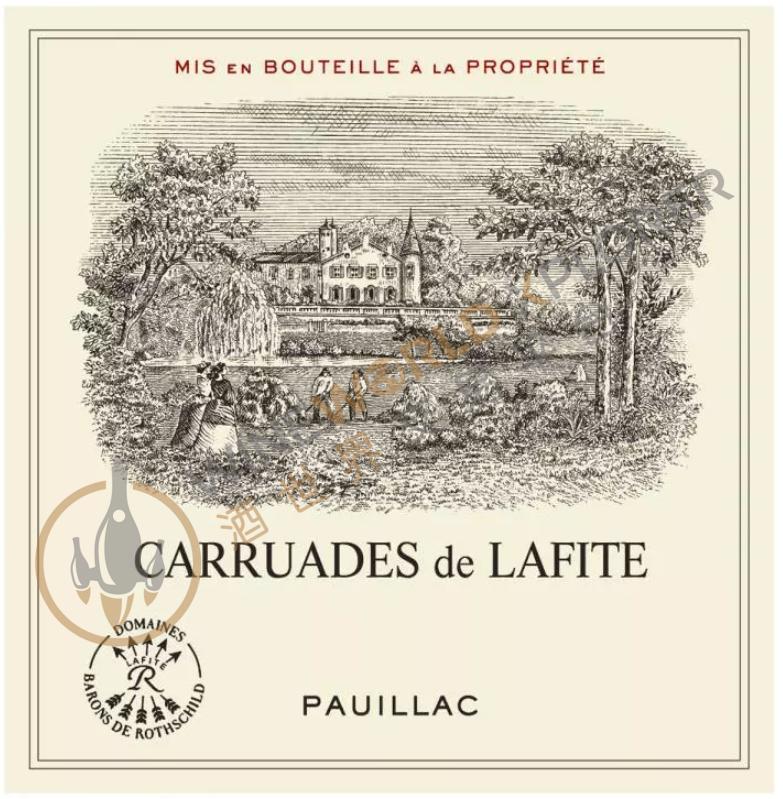
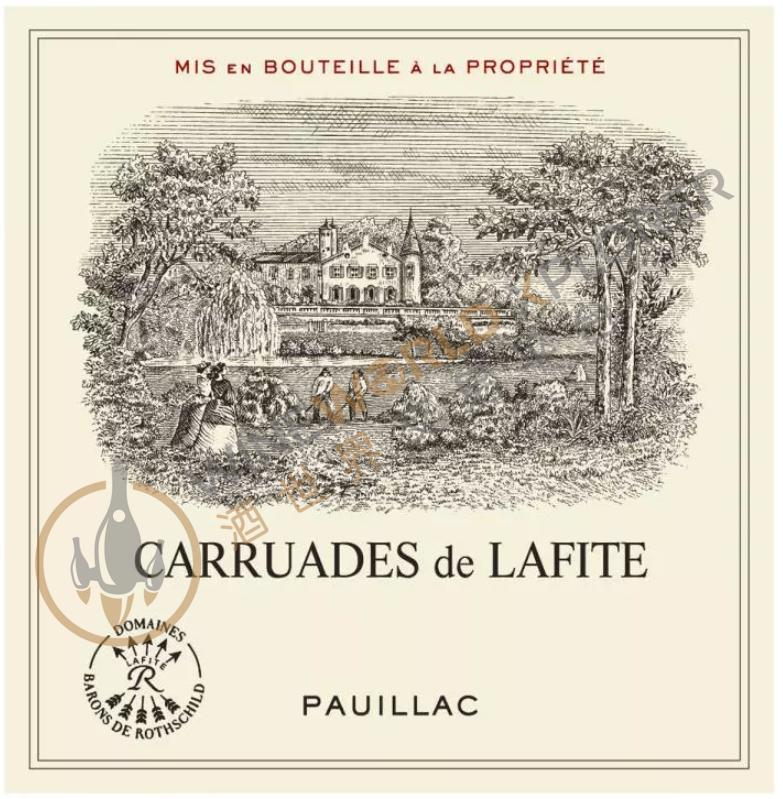
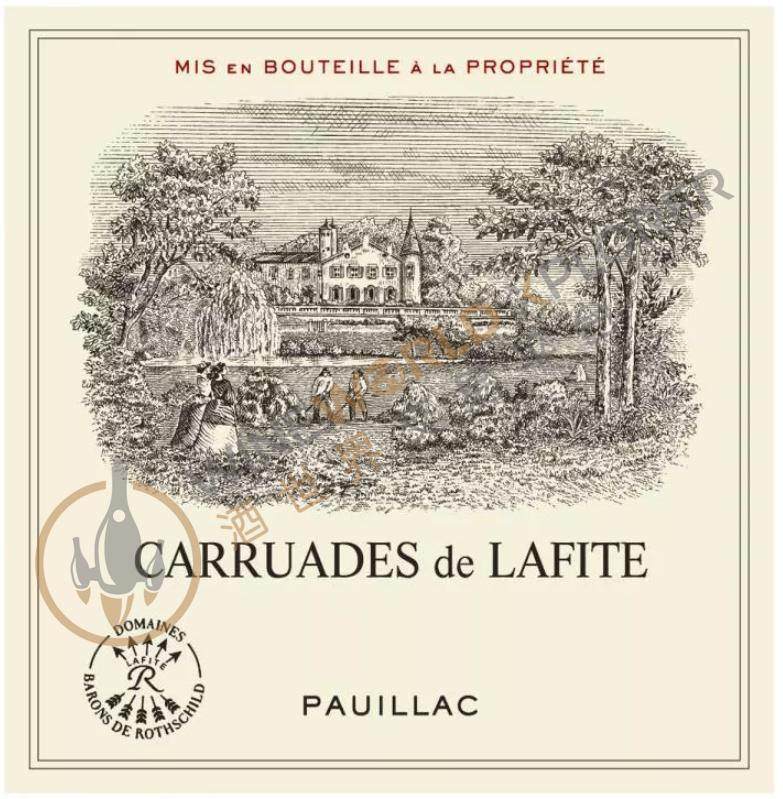
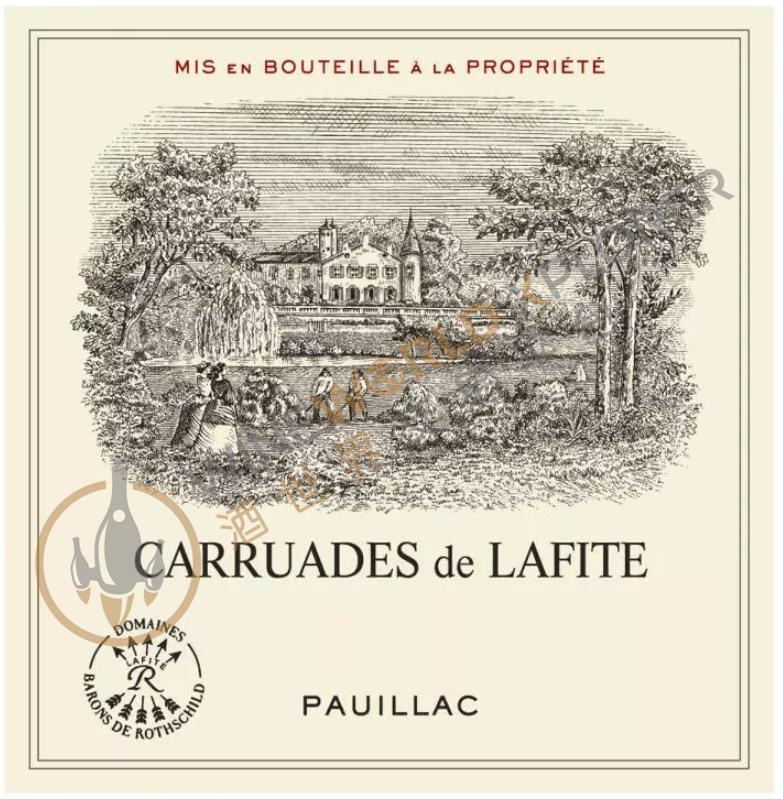
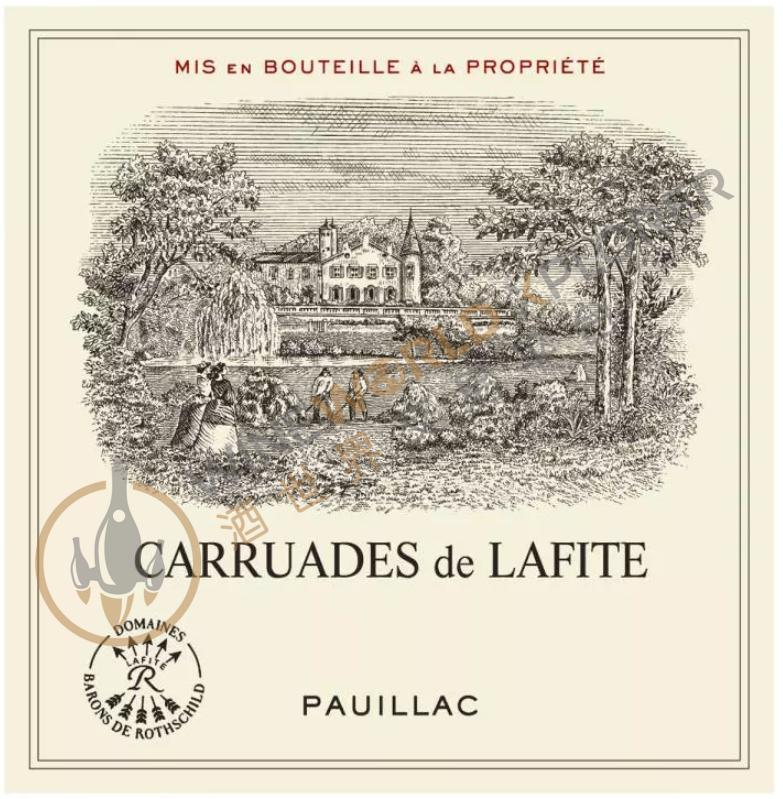
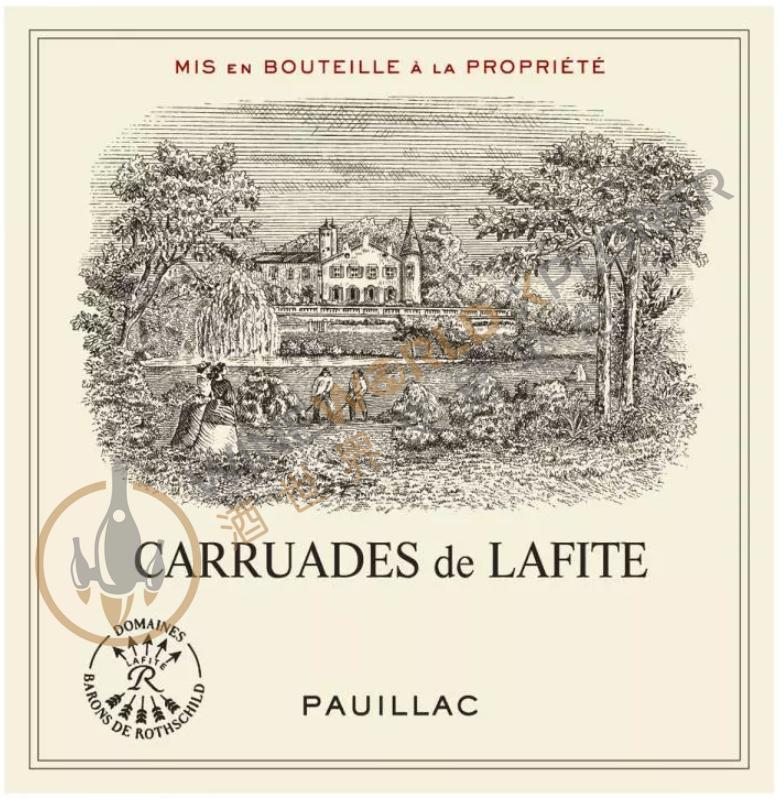
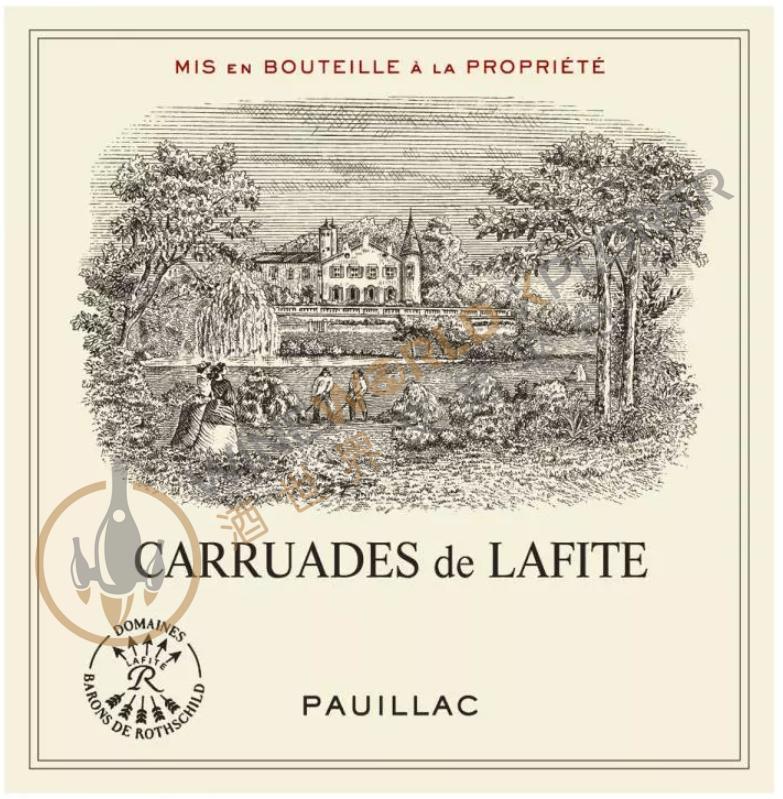
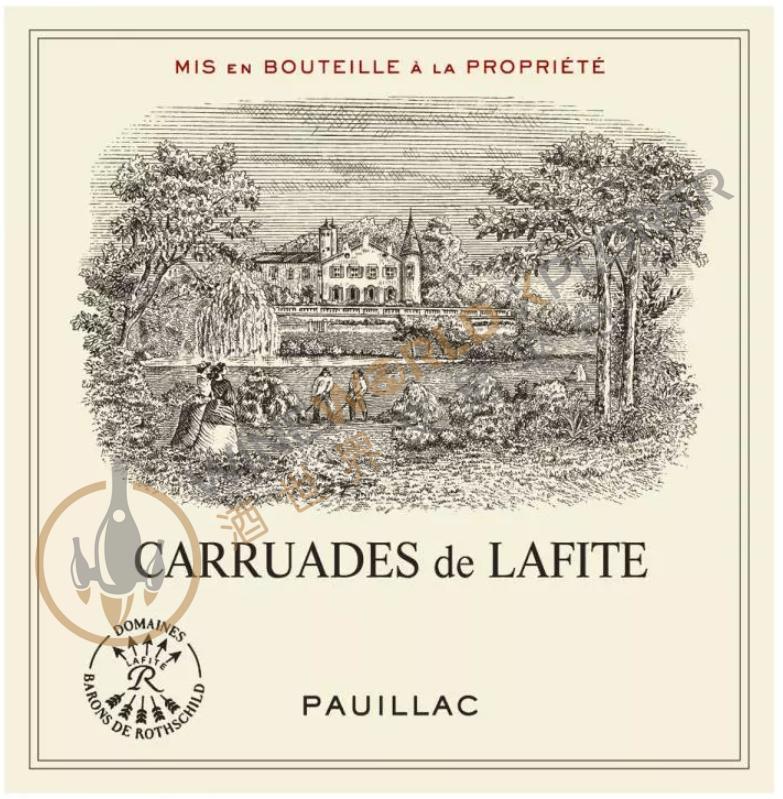
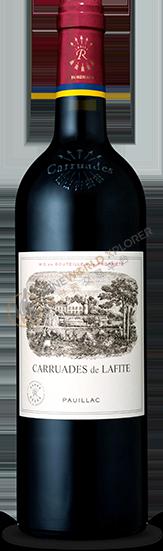
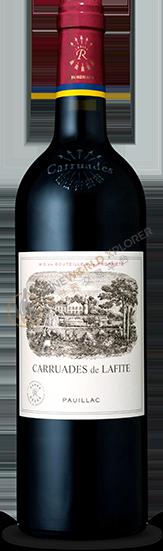
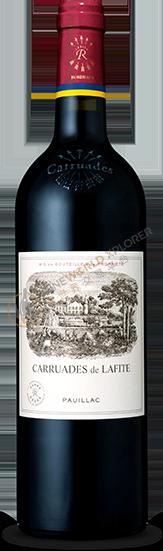
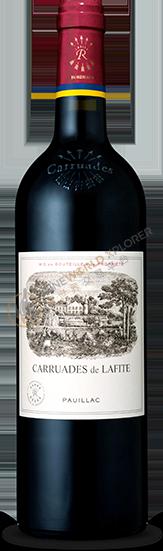
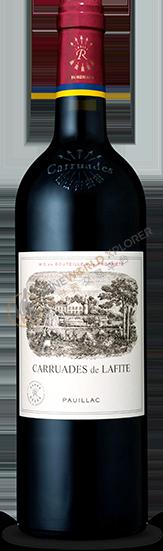
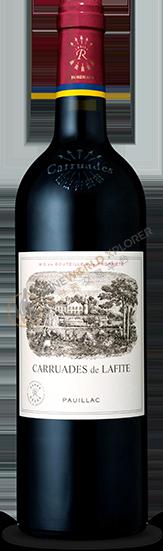
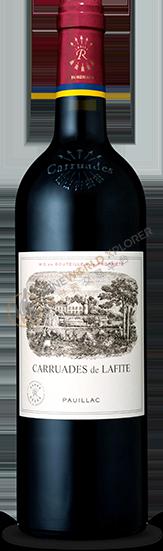
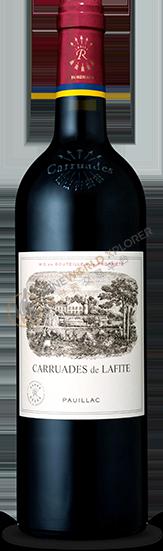
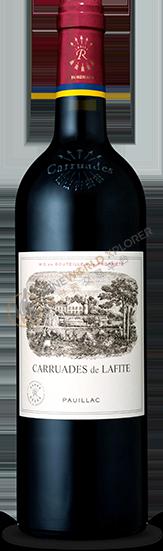
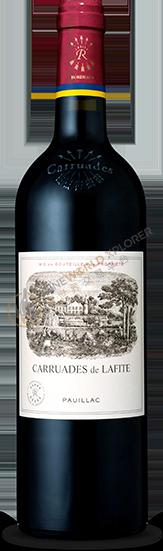
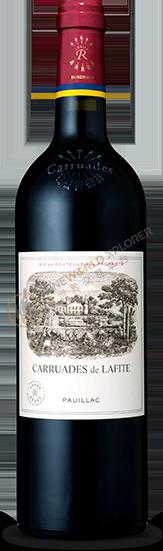
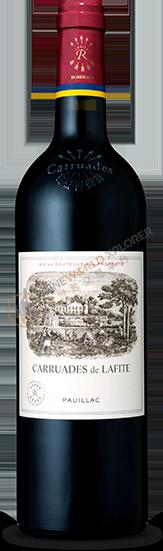
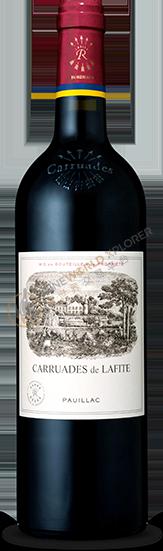
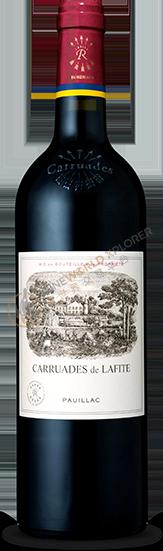
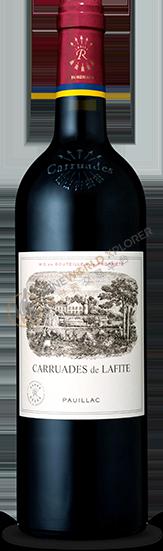
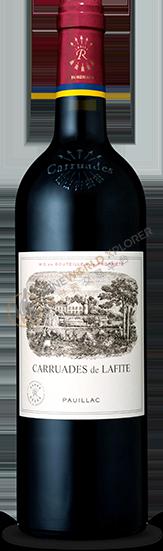
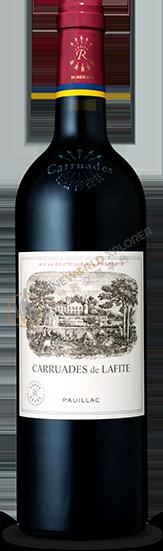
Carruades de Lafite 2003
 View analysis


Description
Tasting notes

Reviewed by: Robert M. Parker, Jr.
There are 20,000 cases of the gorgeous 2003 Carruades de Lafite. Despite record heat in June, July and August, this wine only hit 12.8% alcohol, which seems modest compared to the higher alcohol levels of 2009 and 2010. A final blend of 50% Merlot, 48% Cabernet Sauvignon and 2% Cabernet Franc has resulted in a second wine with a Lafite Rothschild-like character, plenty of creme de cassis, cedarwood and graphite notes as well as a supple, lush texture. It has reached full maturity where it should remain for another 5-10 years. These are two great successes in this vintage that have aged well and surprised me by their intensity and overall complexity.
Reviewed by: Neal Martin
This seems a little diffuse on the nose with brambly fruits, a touch of mahogany and cassis. Again the palate is tannic and muscular with a lot of toasty new oak. Perhaps a little obvious in style but very clean fruit on the finish (though becomes rather jammy in the glass.) Drink 2009-2015. Tasted January 2007.
Reviewed by: Neal Martin
A soft blackberry nose with a touch of tar. The palate is quite chewy but very well-balanced. Vibrant acidity with good grip. Lots of sweet black fruits so prevalent in Pauillac, with a lush oakey finish. Superb wine. Tasted March 2004.
Reviewed by: Robert M. Parker, Jr.
The 2003 Carruades de Lafite, an outstanding second wine, is one of the few 2003s in which I detected roasted characteristics in the bouquet. This fat, broad, fleshy, succulent effort should drink well for 10-15 years.
Reviewed by: Robert M. Parker, Jr.
A spectacular value as well as a sleeper of the vintage is the 135,000-bottle cuvee of 2003 Carruades de Lafite (50% Merlot, 48% Cabernet Sauvignon, and 2% Cabernet Franc). This amazing effort rivals such superb second wines as the 1989 Bahans-Haut-Brion and 1982 Forts de Latour. A serious red, it is sexy, opulent, rich, and luscious with silky tannin, enormous body, and wave after wave of mocha-infused black cherry and cassis fruit. It is almost too good to be believed. While drinkable now, it should evolve for 12-15 years or longer.
Reviewed by: Neal Martin
Tasted blind at Farr Vintner’s Left Bank tasting. This has a very expressive, quite floral, Margaux-like nose with fine delineation: blackberry, pencil shavings and smoke. The palate displays a little hardness on the entry, firm backbone here; the fruit not quite in synch with the rest of the wine and jutting out on the finish. Tasted October 2010.
Reviewed by: Robert M. Parker, Jr.
A blend of 50% Merlot, 45% Cabernet Sauvignon, and the rest Cabernet Franc, this wine exhibits jammy sweet red and black currants, low acidity, a plump, fleshy, open-knit personality, and a lush, heady finish. It should drink well for at least 10-15 years.
Reviewed by: Stephen Tanzer
Red-ruby. Expressive aromas of currant, leather, game and tobacco, with a whiff of band-aid. Sweet and smooth on entry, then a bit green and dry-edged in the middle palate, with notes of tobacco, leather and meat. Seems dryer in bottle, and far less primary, than the sample I tasted in the spring of 2004.
Reviewed by: Stephen Tanzer
(50% merlot, 48% cabernet sauvignon and 2% cabernet franc) Bright ruby-red. Cassis, minerals, graphite, licorice and fresh herbs on the rather austere nose. Then almost surprisingly sweet on entry, with pliant, aromatic flavors of berries, licorice and minerals. Long finish features fine tannins. A lovely sample, of noteworthy purity.
About the Producer
Château Lafite Rothschild is a wine estate in the Pauillac region of the Médoc, producing one of the most sought-after and expensive red wines in the world. Lafite Rothschild is known for its perfume, elegance, finesse and harmony, in contrast to the more powerful Latour and Mouton Rothschild. Nevertheless, great vintages can age for 50 years or more. The precise blend of grand vin can vary depending on the vintage. It often contains between 80-95 percent Cabernet Sauvignon, with Merlot making up much of the rest. In the winery, each plot of grapes is kept seperate for the fermentation to preserve their terroir and allow for maximum control at blending. The wine is aged for up to 20 months in new oak barrels.
1950(1)1958(1)1962(1)1964(1)1966(1)1967(1)1985(2)1986(1)1987(1)1988(3)1989(1)1990(1)1991(3)1992(3)1993(2)1994(4)1995(4)1996(12)1997(2)1998(6)1999(2)2000(7)2001(8)2002(9)
Package Size
12 x 75cl6 x 1.5L