
 Wine Advisor



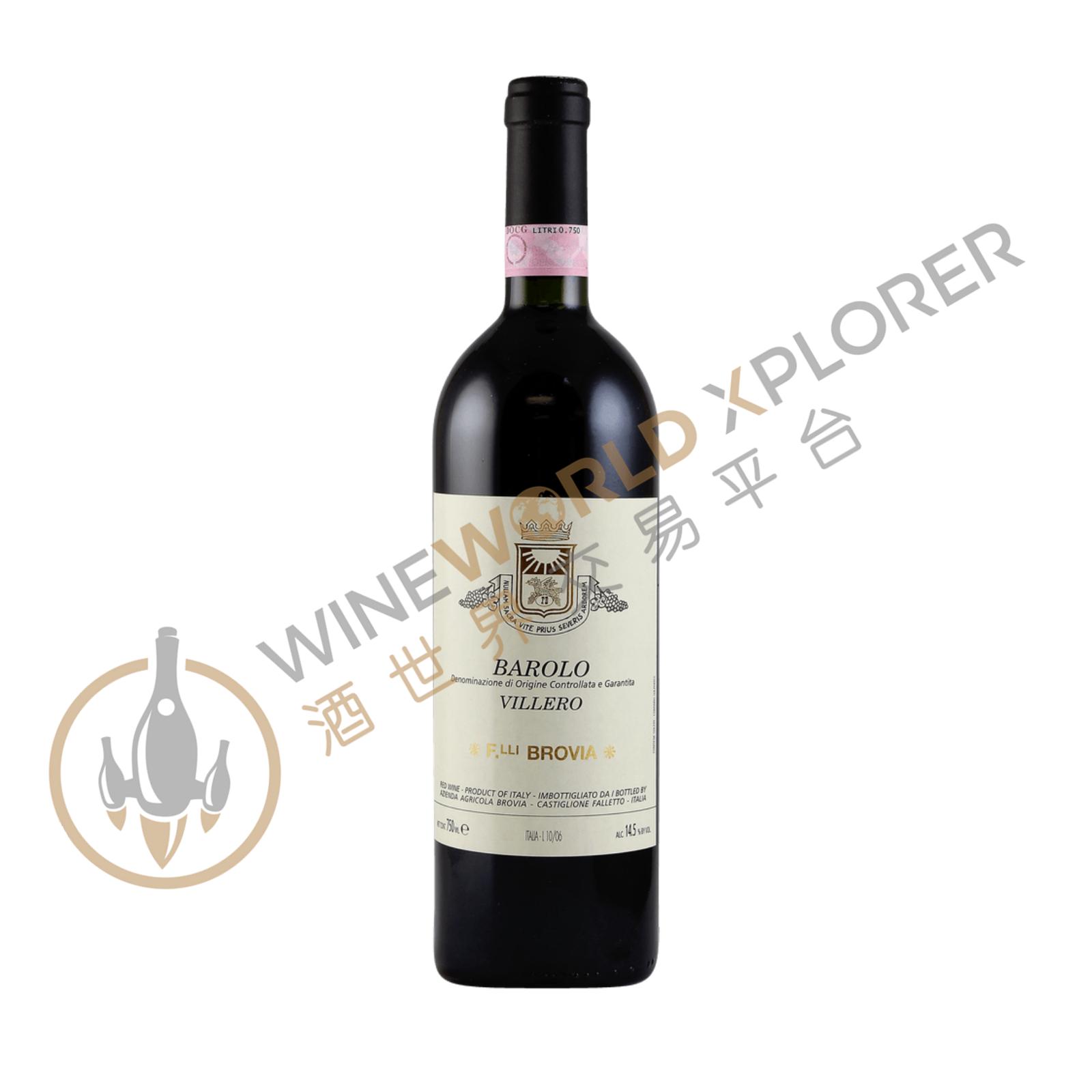
Brovia, Barolo Villero 2018
 View analysis


Description
Brovia, Barolo, Villero, Piedmont, Italy, Still, Red, 2010
Tasting notes

Reviewed by: Monica Larner
The 2018 Barolo Villero is laser sharp and etched with ferrous mineral notes next to wild berry, cherry, cola, campfire ash and grilled rosemary. This elegant, mid-weight wine shows a very long finish and should not disappoint on the cellar-aging front. It should hold well past the 20-year mark.
Reviewed by: Antonio Galloni
The 2018 Barolo Villero comes across as light and lacking in body, with modest depth and complexity for this cru. The 2018 is nicely balanced, with pretty aromatics, but the flavors and textures just aren't fully developed. On the plus side, the typically potent young Villero tannin are also dialed down. It' a wine that plays at volume of 3 rather than 8 or 9. Ultimately, the 2018 feels hollow.
Reviewed by: James Suckling
Musty wild strawberry on the nose. Medium-bodied with a simple structure, but the fruit survives to the end. Drink or hold.
Reviewed by: Antonio Galloni
The 2018 Barolo Villero comes across as light and lacking in body, with modest depth and complexity for this cru. The 2018 is nicely balanced, with pretty aromatics, but the flavors and textures just aren't fully developed. On the plus side, the typically potent young Villero tannin are also dialed down. It' a wine that plays at volume of 3 rather than 8 or 9. Ultimately, the 2018 feels hollow.
About the Producer
Brovia was founded in 1863 and remains to this day a small, family owned and run winery. Broiva has one of the most impressive vineyards collection in the entire Barolo: 19 hectares of vineyards in Castiglione Falletto and Serralunga d'Alba which read like a list of the greatest vineyards in Barolo: Garbèt Suѐ, Rocche, Villero in Castiglione Falletto, and Brea in Serralunga d’Alba. Brovia’s production is tiny, around 60,000 bottles of wines per annum (half of it are Barolo). Yields in the vineyard and also in the winemaking are kept very low to produce the best wines. Brovia practices organic farming, uses natural yeast fermentation, maceration time is around 20-25 days. The wines are aged in the most traditionist method: in 3,000 liters botti (big barrels) until it is ready for bottling unfiltered.
