
 Wine Advisor



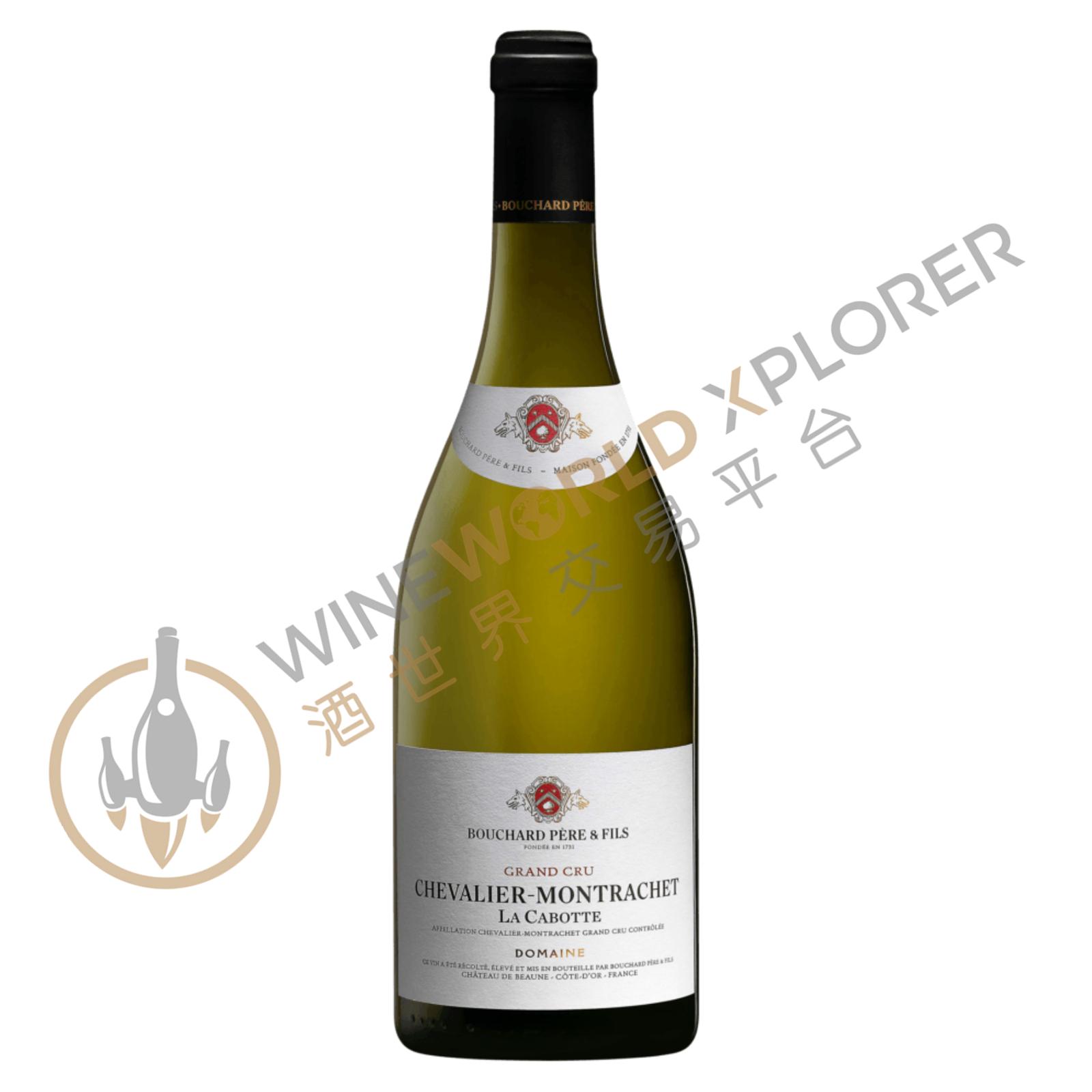
Bouchard Pere & Fils, Chevalier Montrachet Grand Cru La Cabotte 2012
 View analysis


Description
Tasting notes

Reviewed by: Stephen Tanzer
(just four barrels produced, vs. a normal seven): Very pale, slightly cloudy yellow. Lime, lemon and dusty herbs on the nose. Larger-scaled and showier than the regular Chevalier-Montrachet, with a lovely sugar/acid equilibrium to the rich peach flesh and saline mineral flavors. For such a powerful wine, this shows lovely early balance. Very long on the finish. This was made without any new oak, according to Philippe Prost, who noted that the best barrels for both this wine and the Chevalier-Montrachet are usually two years old.
Reviewed by: Neal Martin
The 2012 Chevalier-Montrachet La Cabotte Grand Cru has been vinified separately since 1992 and bottled separately since 1997 (apart from a few magnums.) It sees 20% new oak and just 1,500 bottles are produced. Judging them side-by-side, the La Cabotte is similar personality to the “regular” Chevalier, but there is a little more mineralite and delineation. The palate is slightly viscous on the entry and a touch spicier. Good depth in the mouth and very persistent on the finish, this is a very fine, vivacious grand cru. Drink 2016-2030+ Although I tasted the wines of this Burgundy grand maison in London, I spent a morning with winemaker Philippe Prost to go through at least part of their large portfolio to get an insight into Bouchard Pere & Fils. Ever since Michel Bouchard established the house in 1731, it has been a permanent fixture in Burgundy, surviving seizure by the State after the Revolution, phylloxera, two World Wars and periods when the world simply was uninterested in Burgundy. Today they own 130 hectares of vines, more than any Bordeaux chateau, including 12 grand crus and 74 premier crus. Importer: Henriot Inc. and John E. Fells in the UK.
Reviewed by: Neal Martin
Tasted blind at the Burgundy 2012 tasting in Beaune. The 2012 Chevalier Montrachet la Cabotte Grand Cru from Bouchard Père & Fils has a slightly more exotic bouquet within this flight with touches of white chocolate and almond originating from the more generous and conspicuous use of new oak. It needs time to fully integrated. The palate is concentrated and lightly honeyed, the acidity nicely judged but there is a nagging feeling that it was picked a little too late, reminiscent of some of those 2006s on the finish that is missing some delineation. Returning to the glass it actually becomes more refined and elegant, with a saline tang on the finish. This must represent one of Bouchard's finest contributions to the vintage.
